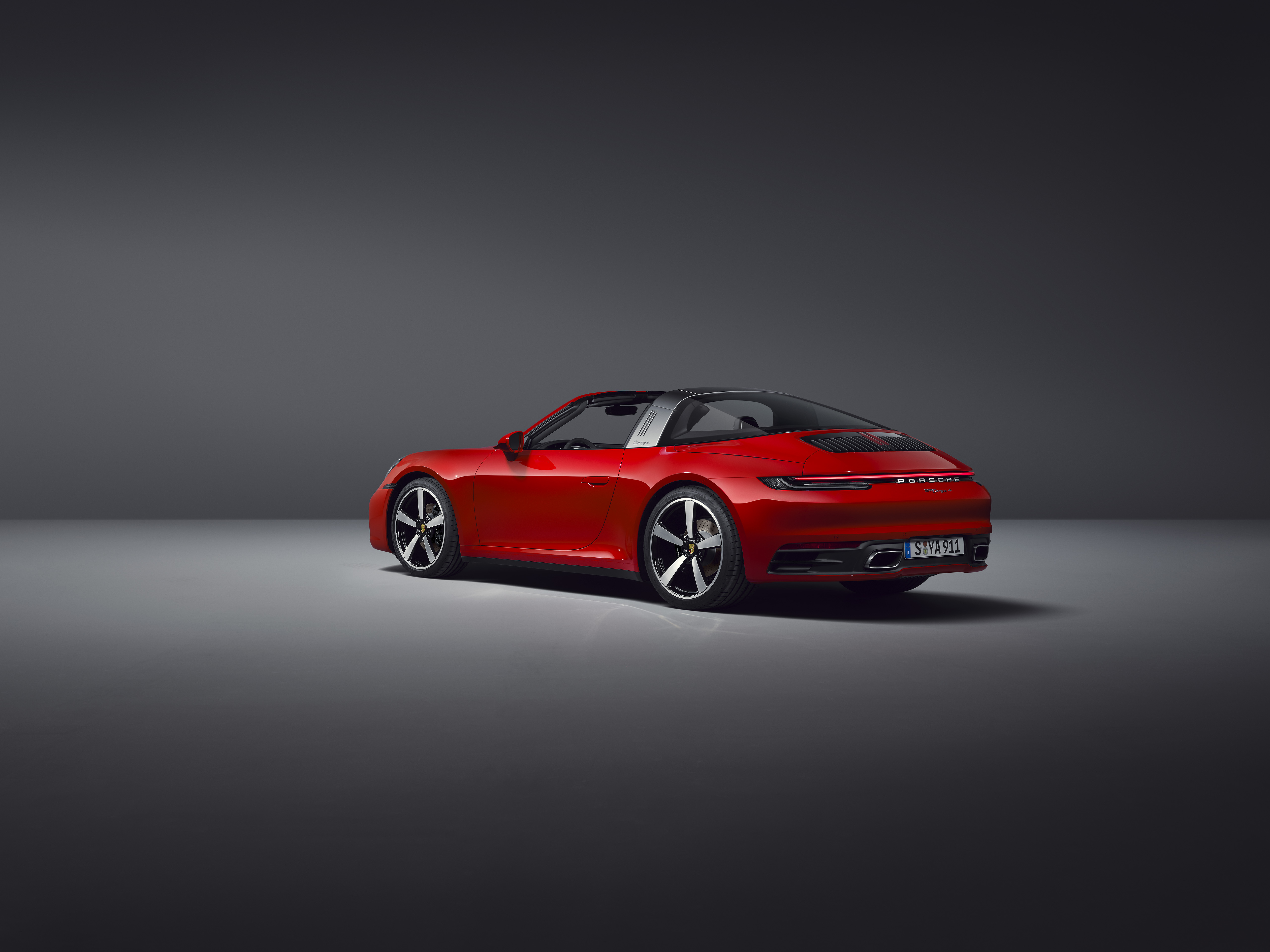
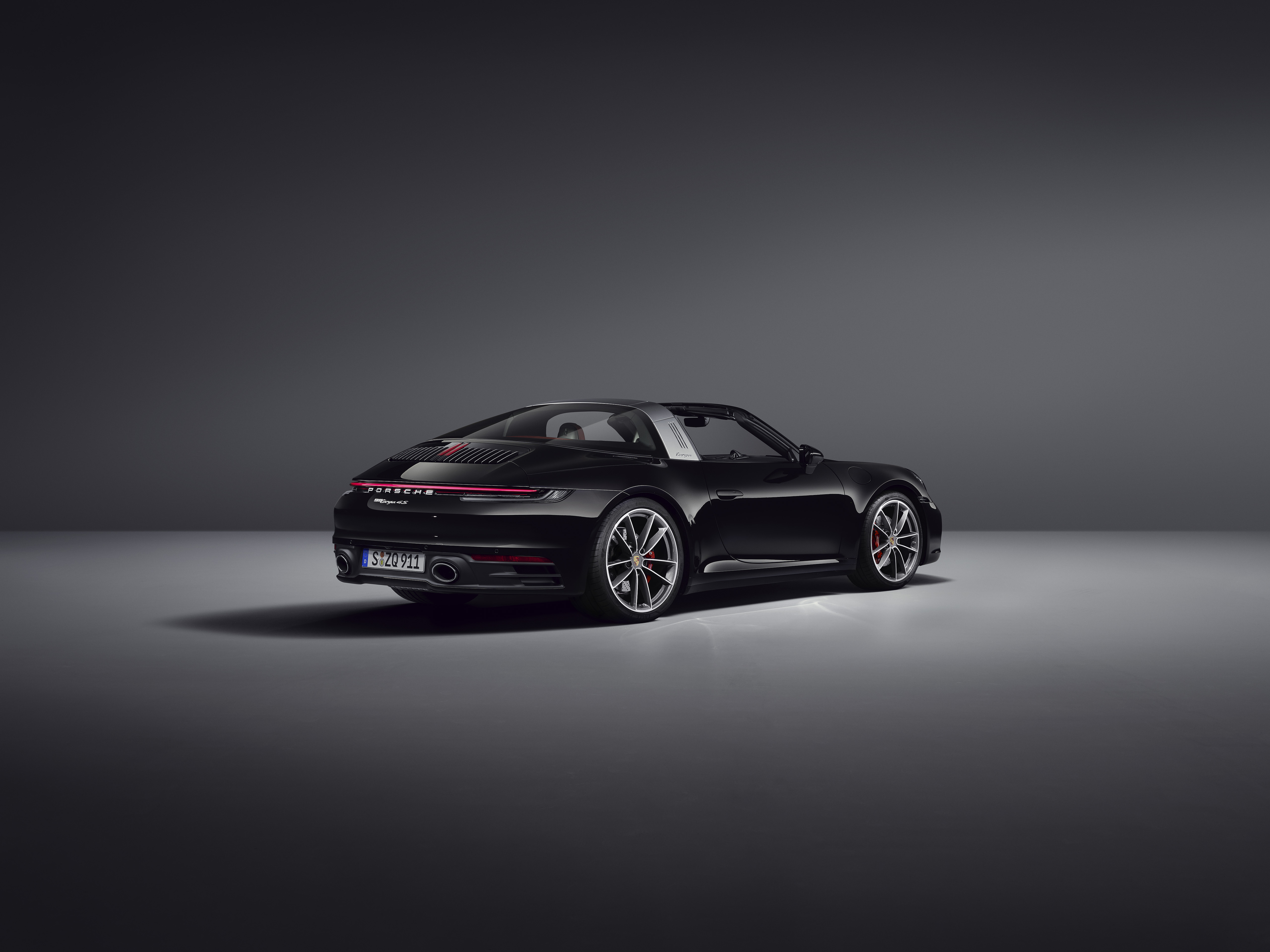
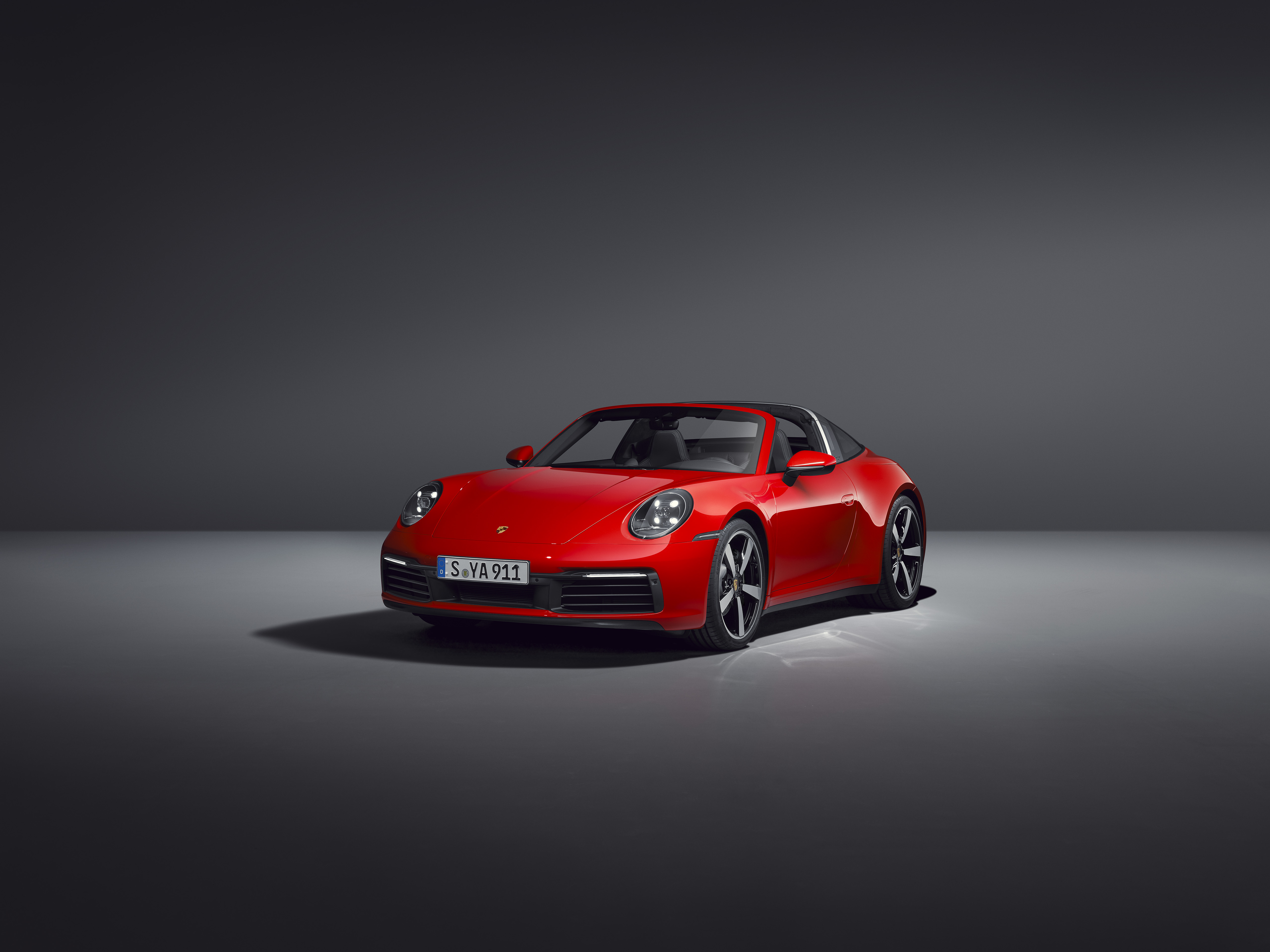
German automaker Porsche has released images and information about its much-anticipated 911 Targa.
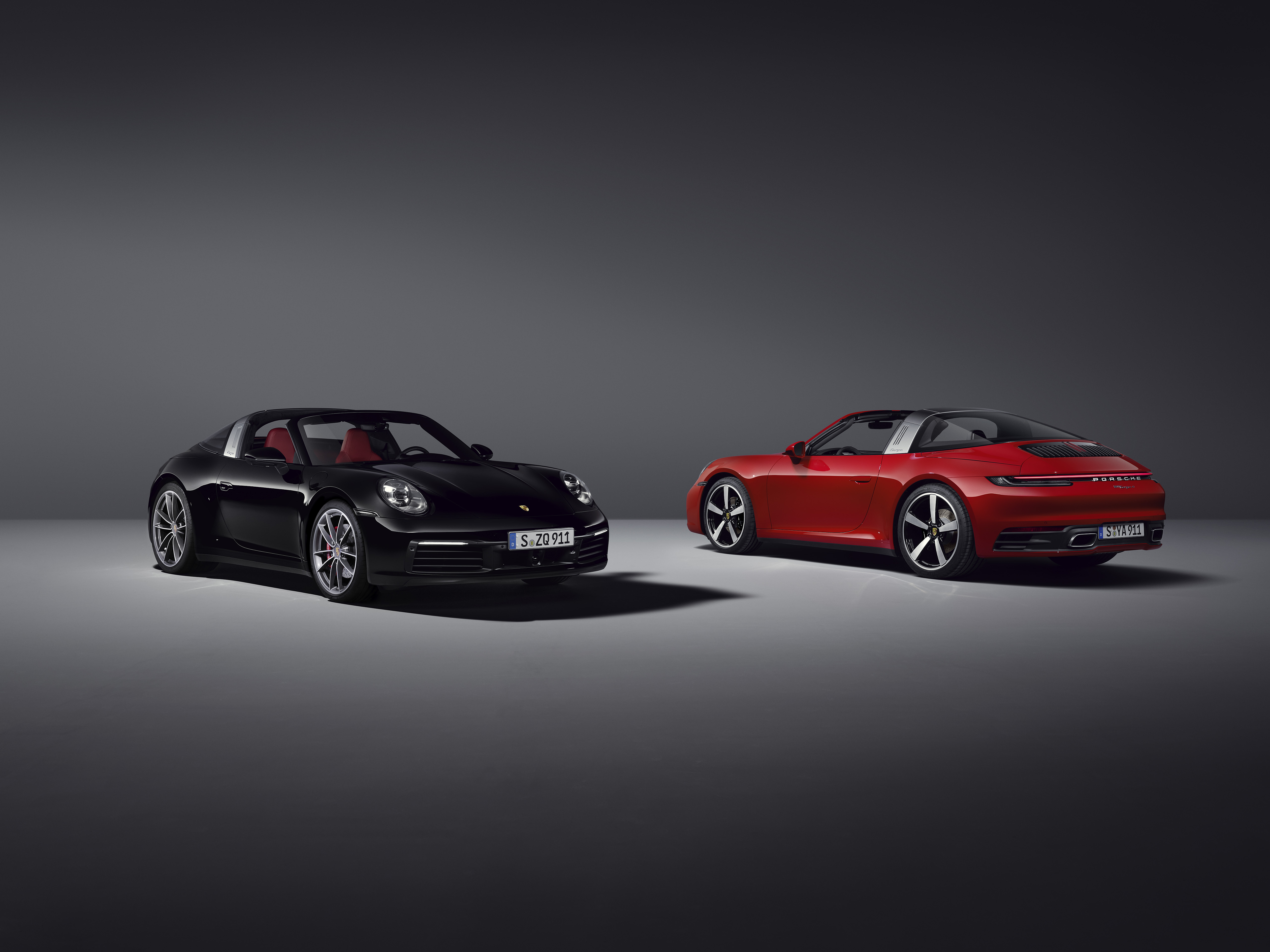
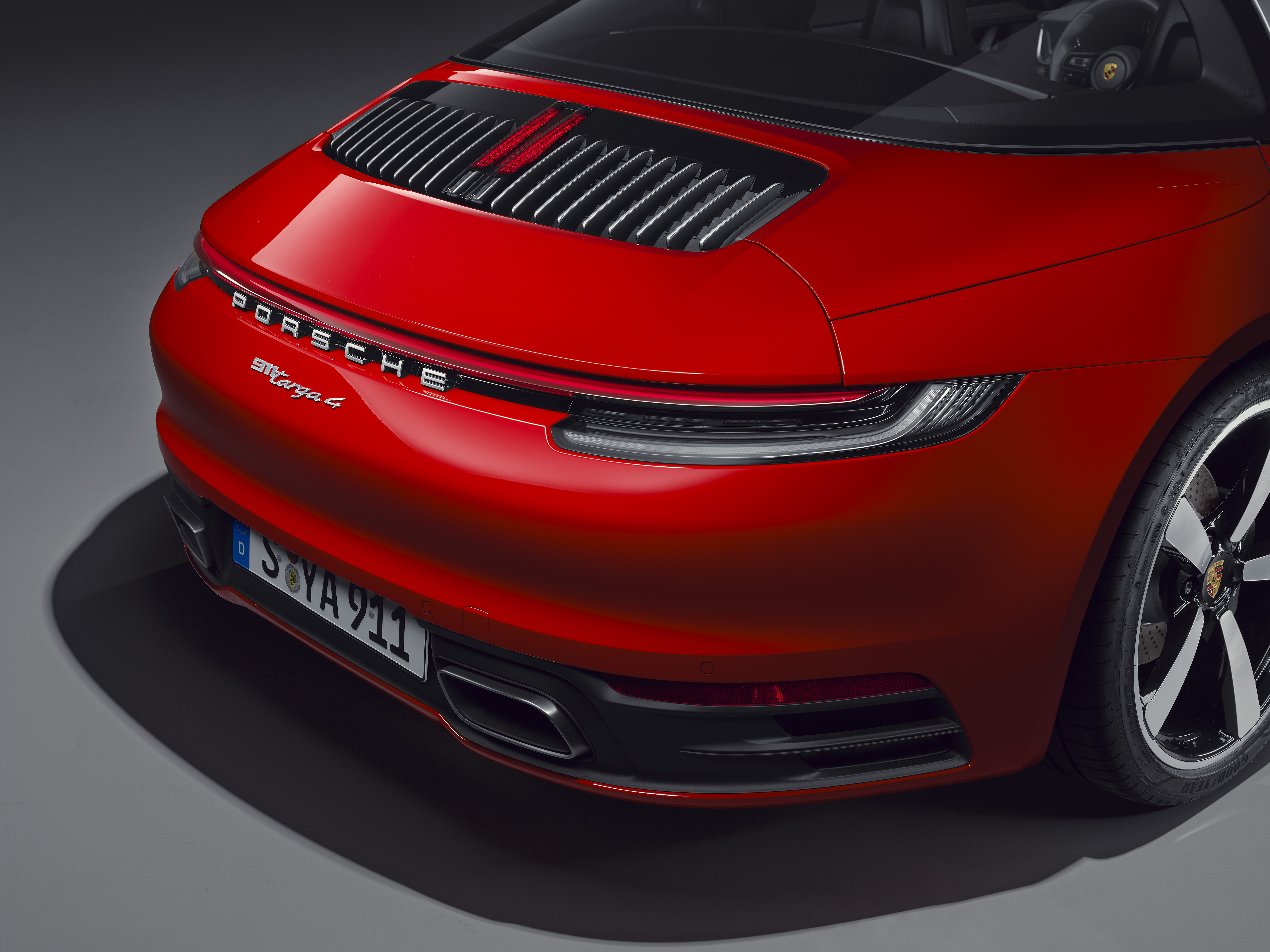
With its iconic shape, the 911 has not really changed much in overall design in its long lifespan, which is not a bad thing. Looking at the newest iteration of the 911, one can definitely appreciate the ample backside needed to house its 3L 6-cylinder boxer engine with twin turbochargers.
Here at Garage Talk we have differing opinions of Porsche. Matt, being the VW Auto Group fanboy that he is has already mentioned that he would take this car in a heartbeat if money weren’t an issue. I am more of the mindset that Porsche, and the 911 especially, has not done anything radical in decades and is just a car that has been perfected over the years, but is in no way “daring“ or “dramatic”. Having never driven one myself, I can only go on the words of the countless journalists I’ve read over my life who gush over the 911’s driving dynamics. Apparently this is the perfect driving machine.
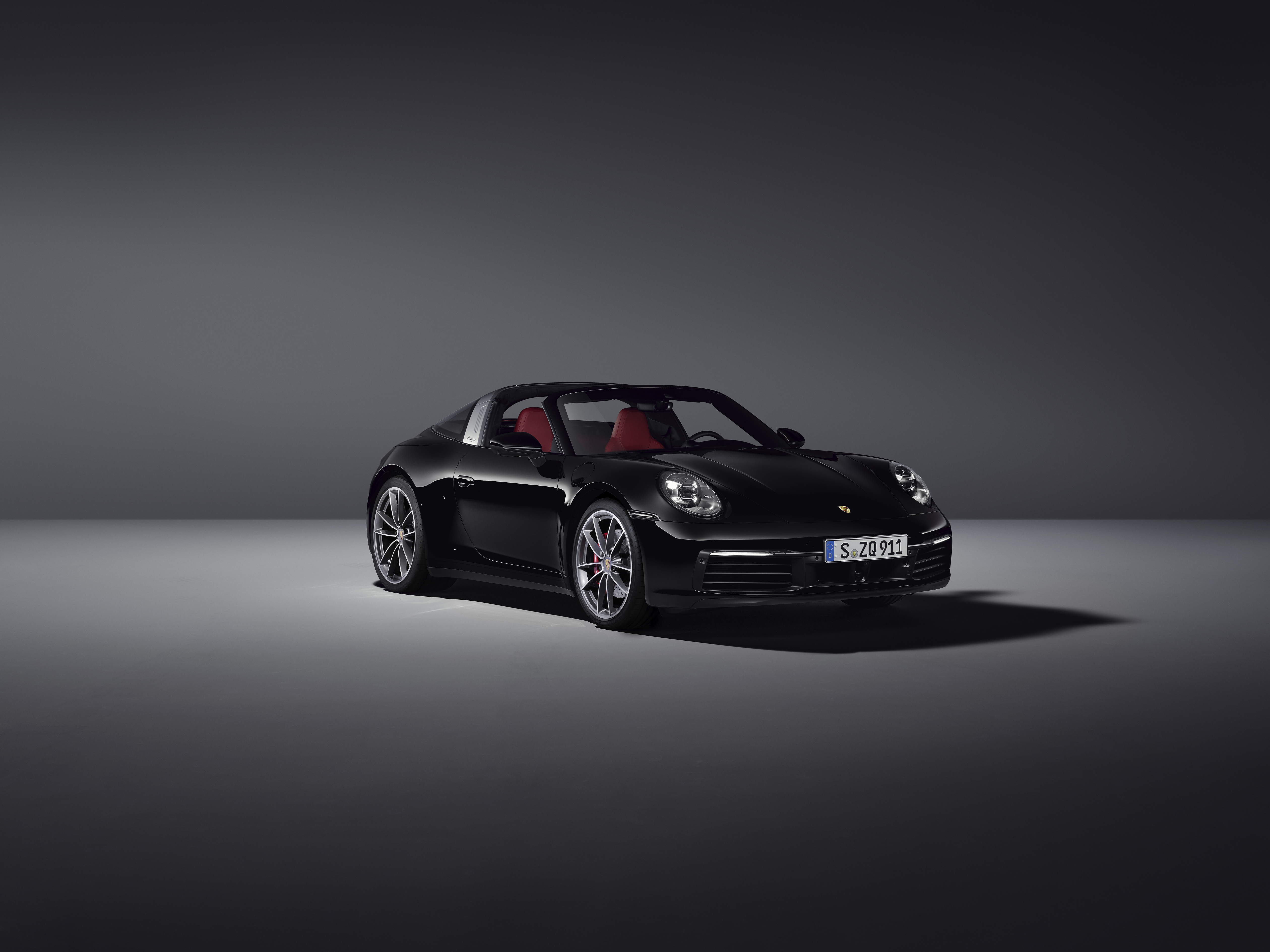
This would probably be the model I would lean to as well, being the best of both worlds: coupe safety with the bonus of open-air driving when the weather cooperates. Therefore, making it ultimate, open-air driving perfection.
But what do you get when you buy in to the Porsche 911 Targa lifestyle? I’m glad you asked.
The engine in the 911 Targa 4 is the usual suspect boxing out behind the driver, a six-cylinder, twin-turbo 3.0L boxer engine. This should be good for 380hp at all four tires. With the optional Sport Chrono package, it’ll get you from a standstill to 62 mph in 4.2 seconds. The 4S packs A bigger punch at just over 440hp for a manufacturer claimed 3.6 sec dash to 62 mph and tops out just under 190 mph.
If you opt for the 911 Targa 4, forget the #SaveTheManuals movement, you’re stuck with Porsche’s eight-speed dual-clutch transmission (PDK). However, step up to the 911 Targa 4S which can be ordered with the newly developed seven-speed manual gearbox, which also includes the Sport Chrono package. New technology has also been integrated such as, for the first time, Porsche InnoDrive, which includes adaptive cruise control.
Engineers have tweaked and perfected the bones of this machine as well for further advanced driving dynamics.
Staggered wheel sizes front and rear means better driving dynamics, but are a pain for rotating and maintenance, but Porsche owners don’t typically have much worry there.
Take a look through the pictures below and let us know your thoughts on this new take on a German classic.

|
|

|
|
|

|
|
|
|