
I Asked Mazda’s Safety Director What Families Should Know About the 2026 CX-5

When I look at a family SUV, I am not just looking for pretty paint, cupholders, or whether the cargo area can handle a stroller, sports gear, and a Target run in the same day. I want to know what is happening behind the scenes to help keep my family safe.
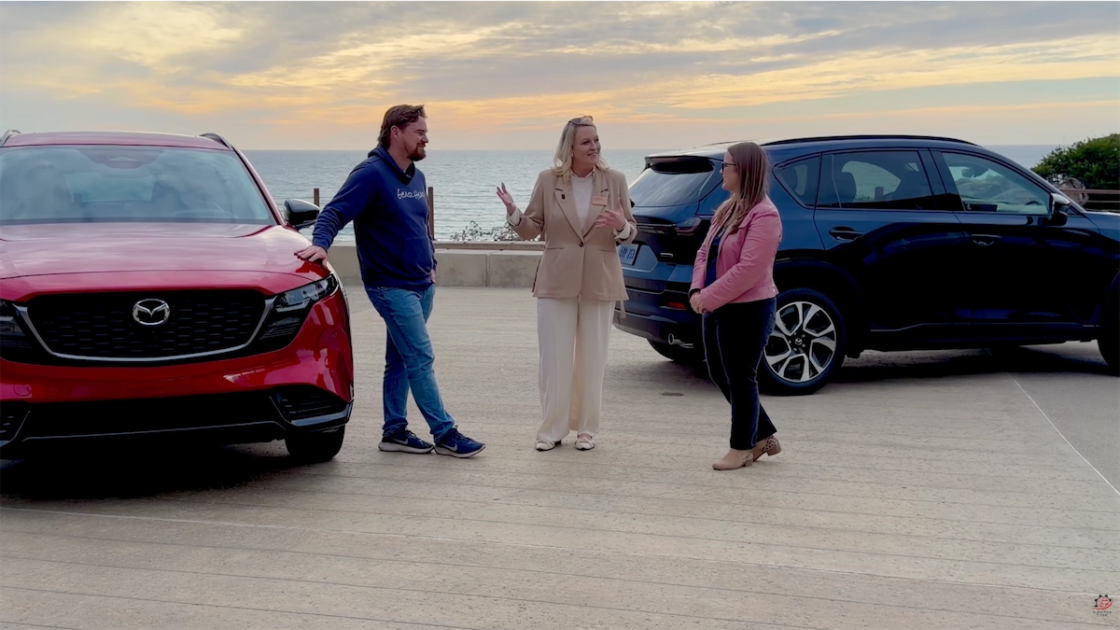
That is why I was excited to talk with Jennifer Morrison, Director of Vehicle Safety Strategy at Mazda North American Operations, during our time in SoCal with the all-new 2026 Mazda CX-5.
Mazda’s CX-5 is the brand’s bestselling vehicle, so this redesign matters. And from a mom’s perspective, the big question is simple: What did Mazda do to make this compact SUV better for families?
Here are the family safety takeaways that stood out from our conversation.
What is Mazda most proud of with the 2026 CX-5?
Jennifer said she is most proud of how much work went into bringing the new CX-5 into this decade. Mazda completely updated the vehicle’s electrical architecture, which opened the door for more cameras, radars, ultrasonic sensors and side radars to work together.
That is a lot of tech, but for families, the important part is this: Mazda made that safety technology standard.
Our customers shouldn’t have to pay extra for safety. -Jennifer Morrison
Jennifer explained that Mazda believes customers should not have to pay extra for safety. As a mom, I love that. Safety should not feel like an add-on, especially in a vehicle designed to carry kids, car seats, groceries, backpacks, and all the chaos of everyday family life.
Where are the safety sensors hidden?
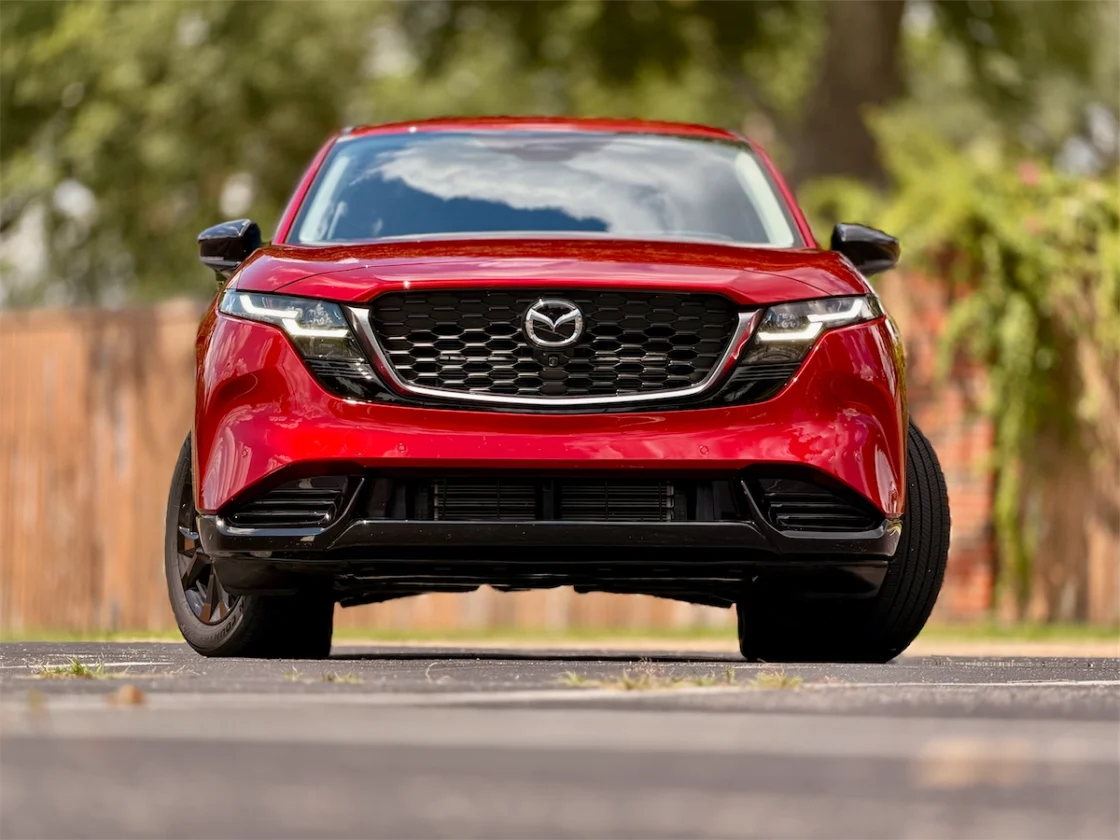
One thing I noticed right away was that the sensors do not look awkwardly tacked onto the vehicle. Mazda worked them into the design.
Jennifer pointed out that one of the best examples is the front Mazda logo. It is not just there to look pretty. It actually hides a front sensing radar.
That radar can look more than 200 feet ahead in good visibility and help detect vehicles, motorcycles, trucks, pedestrians, and bicyclists.
We actually saw this work during our drive. There was a bicyclist in front of us, and the CX-5 displayed a little bicycle icon on the screen to show that the vehicle recognized what was ahead.
As a parent, I like that kind of communication. I do not want to wonder whether the car sees what I see. I want the vehicle to clearly show me what it is detecting so I can stay more aware behind the wheel.
How do the bigger screens help with safety?
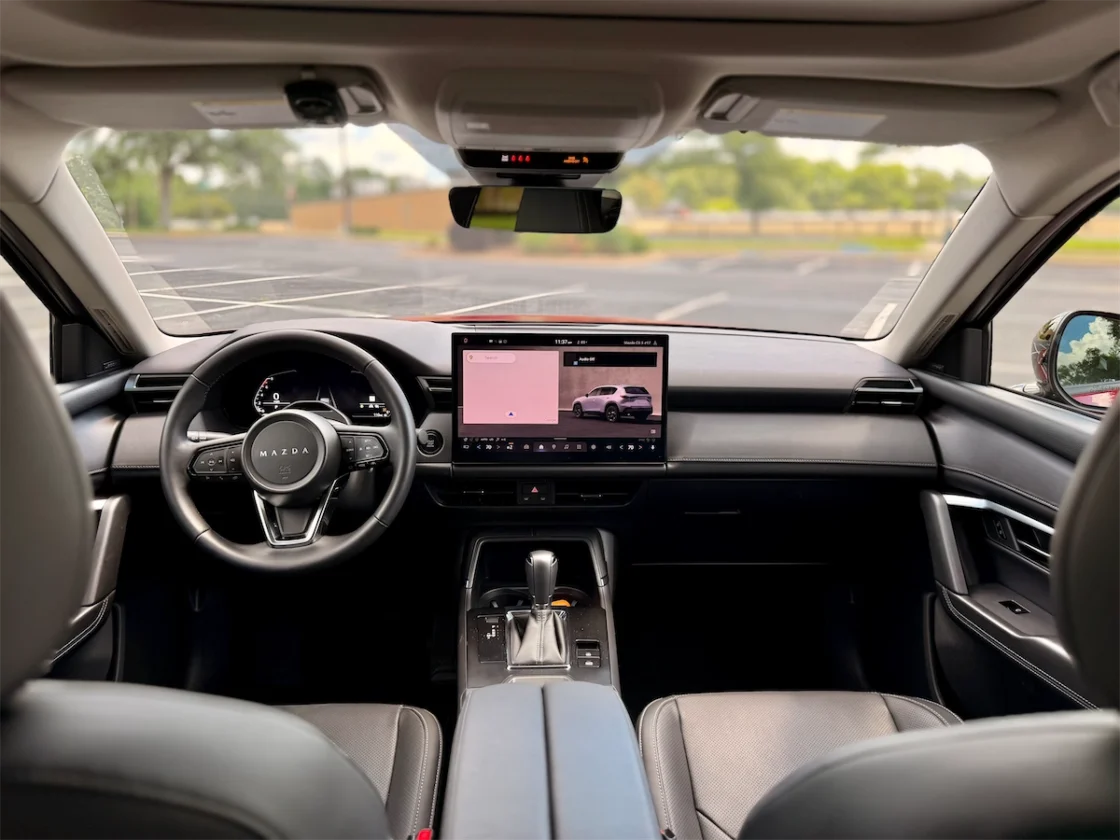
The 2026 Mazda CX-5 has the biggest screens we have seen in a Mazda, and that opened up new opportunities for the safety team.
Jennifer explained that once Mazda rewired the vehicle and updated the electronics, it also had the chance to create a new interface. The goal was to make the system feel more intuitive, almost like using a smartphone.
But the larger screen is not just about looking modern. It gives the vehicle more space to communicate with the driver.
The driver is still the most important safety feature in the vehicle. -Jennifer Morrison
Jennifer made an important point: The driver is still the most important safety feature in the vehicle. The screens help the car show the driver what it is perceiving, whether that is a bicyclist, another vehicle, or something else around the CX-5.
From a mom’s perspective, that matters. I do not want safety information buried in confusing menus. I want it to be clear, quick, and easy to understand while I am driving.
Did Mazda think about kids in the back seat?
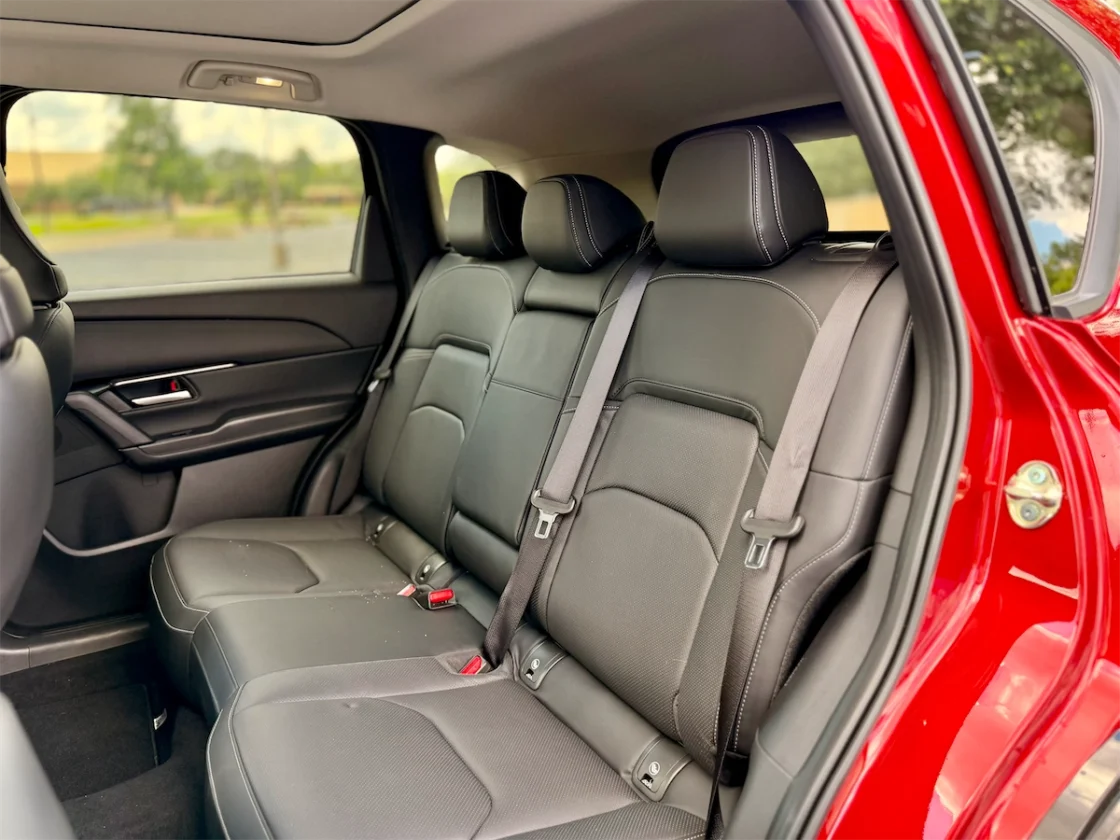
This was the part of the interview that mattered most to me.
Jennifer talked about a newer Insurance Institute for Highway Safety moderate front overlap crash test that includes a dummy in the rear seat. That rear dummy is the size of a small female adult, which is also similar to the size of a 12-year-old child.
Kids and smaller passengers are often the ones riding in the back seat.
Jennifer said Mazda has been studying rear-seat injuries because the back seat is where families often put their most precious cargo.
As a mom, that line stuck with me. We talk a lot about front-seat safety, driver assistance, and crash ratings, but our kids are usually sitting behind us. Knowing Mazda is paying attention to that area is important.
Jennifer noted that the 2025 Mazda CX-5 earned a top “good” rating in that IIHS test. The 2026 CX-5 has been designed with that kind of protection in mind, although it still needs to be officially validated.
How does the CX-5 structure protect passengers?
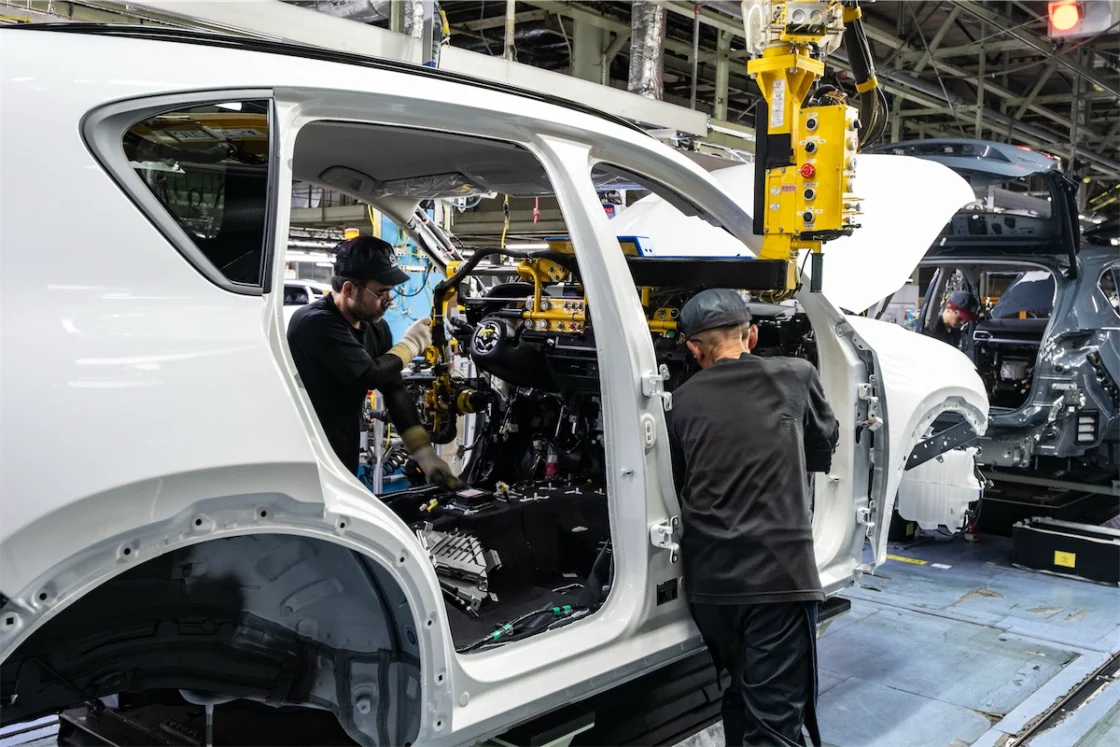
Jennifer described the vehicle structure as a safety cage around the people inside.
Mazda uses ultra-high tensile steel in key areas to help absorb crash energy and move it away from the occupant compartment. She also said the A-pillar and B-pillar have been significantly reinforced in the new CX-5.
In everyday language, the goal is to keep the crash forces away from the people inside as much as possible.
What I appreciated is that the CX-5 still felt easy to drive. Jennifer explained that ultra-high tensile steel can be stronger and lighter at the same time, which helps Mazda protect passengers without making the vehicle feel overly heavy.
For a family SUV, that balance matters. I want something that feels safe, but I also want something I can easily drive, park and maneuver every day.
How many airbags does the 2026 Mazda CX-5 have?
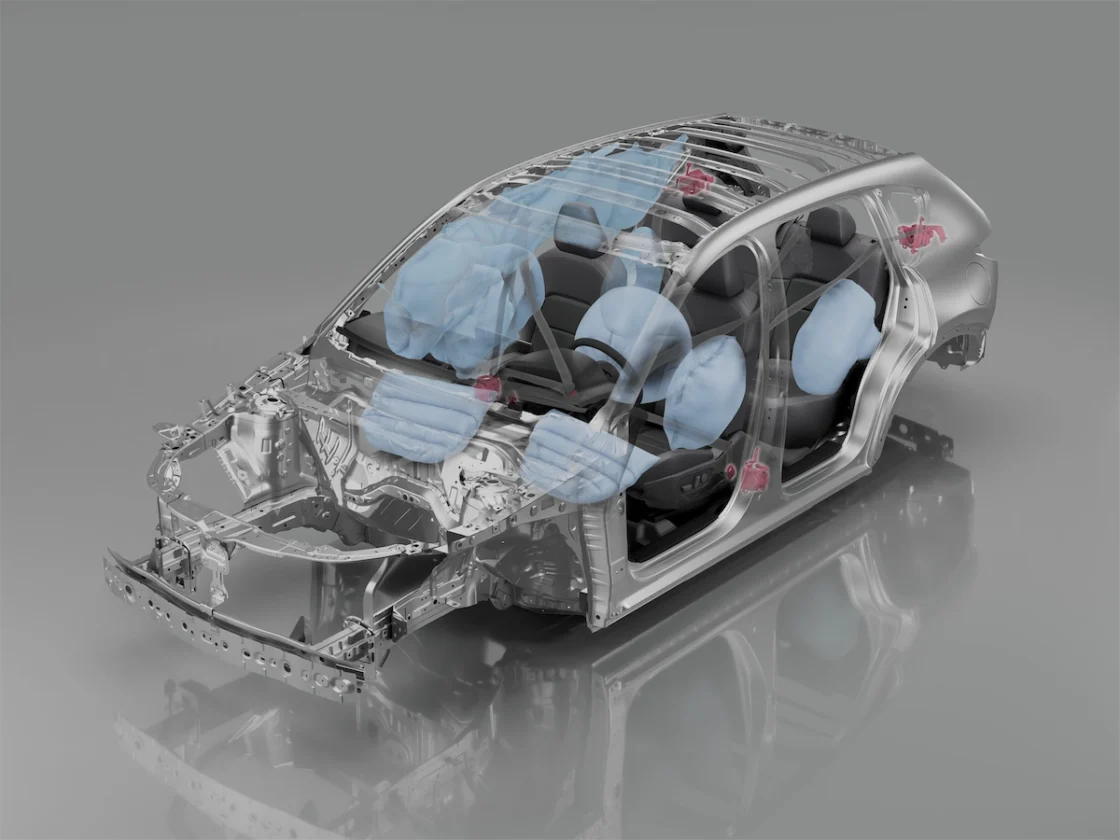
The 2026 Mazda CX-5 has 10 airbags.
That, combined with the sensors, reinforced structure and driver-assistance technology, shows that Mazda put a lot of thought into the safety story of this vehicle.
But what stood out most to me was not just the number of airbags or sensors. It was the way Jennifer talked about safety as something built into the whole vehicle, not just added on at the end.
Why this interview matters for families
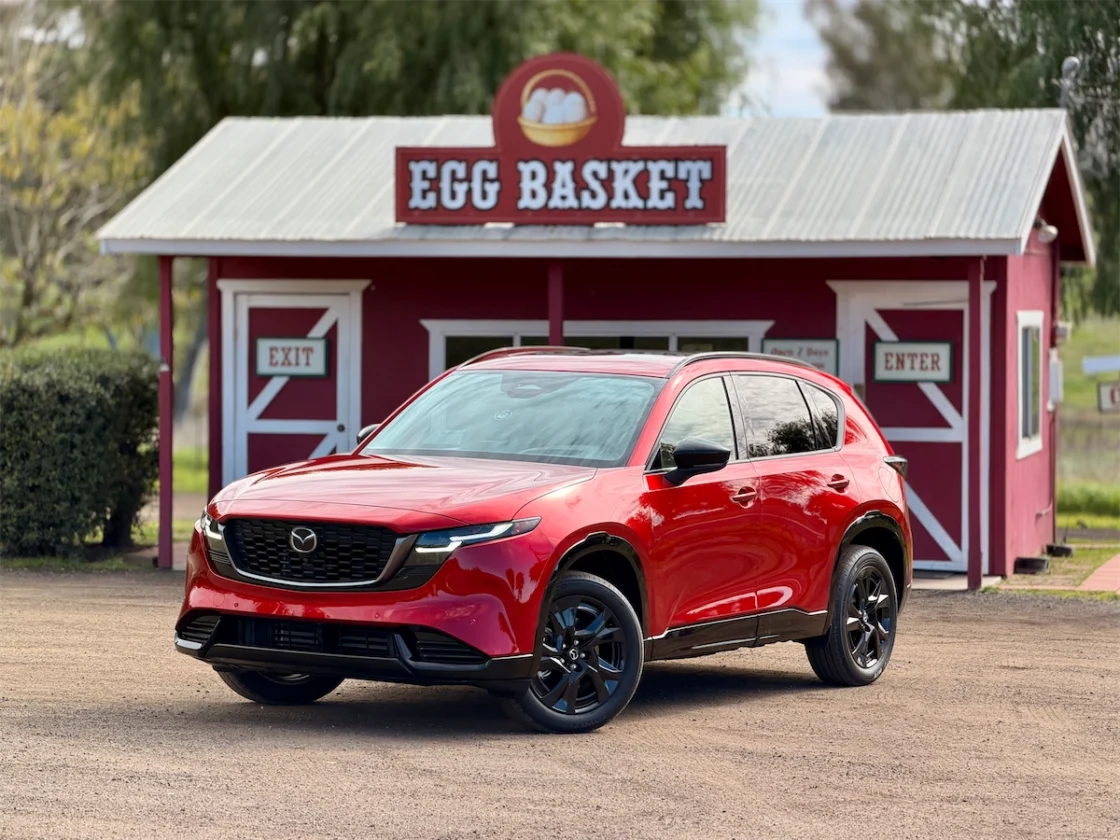
After talking with Jennifer Morrison, my biggest takeaway is that the 2026 Mazda CX-5 family safety story is not just about one feature. It is about the way Mazda updated the structure, sensors, screens and crash protection to better support real families.
Kids ride in the back seat. Parents drive through school zones, parking lots, neighborhoods and busy roads full of cyclists and pedestrians. A family SUV needs to help in all of those everyday moments.
The 2026 Mazda CX-5 appears to take that responsibility seriously.
As a mom, I especially appreciate that Mazda says families should not have to pay extra for safety. That is exactly the kind of thinking I want to see in a compact SUV.
Final thoughts
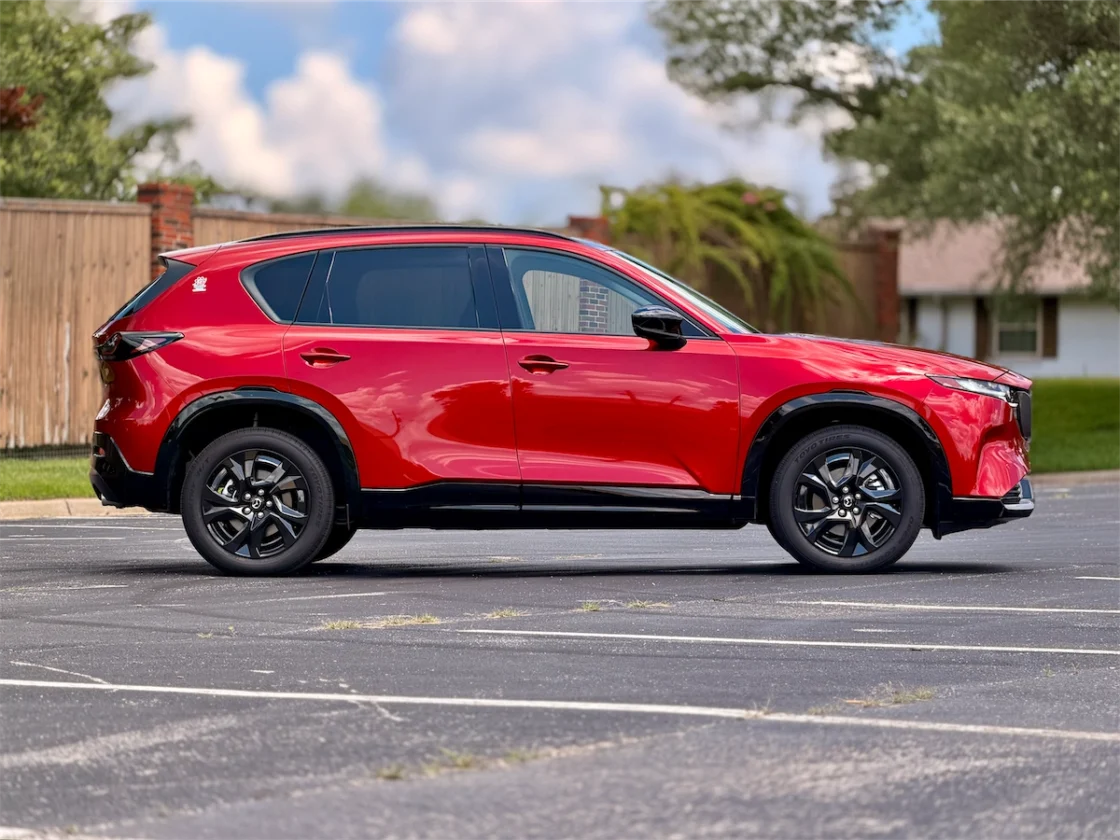
The 2026 Mazda CX-5 still has the style and driving feel Mazda is known for, but this interview gave me a deeper appreciation for what is happening underneath the surface.
The hidden front radar, standard sensor technology, bigger driver displays, 10 airbags, reinforced structure and focus on rear-seat safety all matter for families.
And while the 2026 CX-5 still needs to go through its official validation for some of these newer crash-test ratings, it is clear Mazda designed this vehicle with family safety in mind.
For parents shopping for compact SUVs, the 2026 Mazda CX-5 is worth a closer look, especially if safety, back-seat protection and easy-to-understand driver information are high on your priority list.