
American-Made Cars Are Becoming A Bigger Deal Again

Buying a vehicle has always been personal. For some shoppers, it comes down to styling. For others, it is price, safety, fuel economy, screen size, cargo room, third-row space, towing numbers, or how easy it is to live with every day.
But there is another factor that seems to be gaining more attention lately: Where was it built?
Cars.com has released its latest American-Made Index, and the results are a good reminder that “American-made” is not always as simple as looking at the badge on the hood. Some familiar American brands rank high, but so do several vehicles from Honda, Toyota, Hyundai, Kia, and Acura.
For a lot of modern shoppers, buying a vehicle built in the U.S. is not just about patriotism. It is about supporting the families who build them, the suppliers who feed those plants, and the communities that grow around them.
The most American-made vehicles may surprise you
According to Cars.com, the 2026 American-Made Index studied nearly 400 vehicles and ranked 86 of them based on several factors, including final assembly location, U.S. and Canadian parts content, engine origin, transmission origin and U.S. manufacturing workforce.
At the top of the 2026 list are:
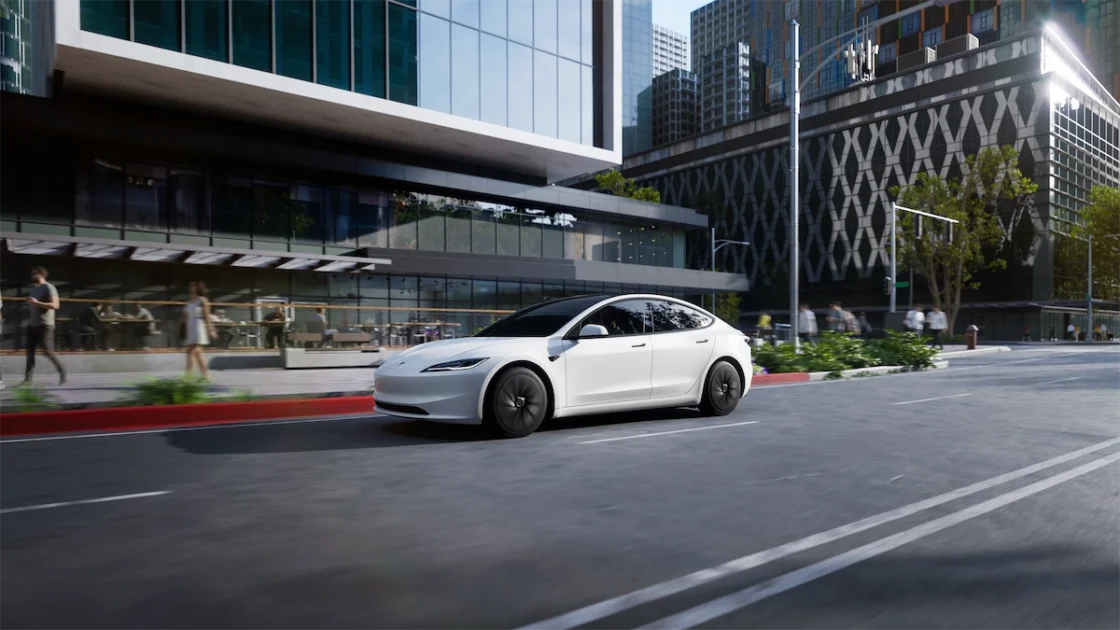
- Tesla Model 3
- Tesla Model Y
- Jeep Gladiator
- Jeep Grand Cherokee
- Honda Ridgeline
- Honda Odyssey
- Lexus TX 350
- Honda Accord
- Acura MDX
- Honda Passport
That list is interesting for a few reasons.
First, Tesla continues to dominate the top of the ranking. Second, Jeep places two very recognizable vehicles near the top with the Gladiator and Grand Cherokee. Third, Honda and Acura show up in a big way, with several vehicles built in places like Alabama and Ohio.
For families shopping for SUVs, crossovers, minivans and pickups, this list is worth a closer look. It is not just a ranking of niche vehicles or enthusiast models. It includes vehicles people use for school drop-off, work commutes, road trips, grocery runs, and weekend projects.
American-made does not always mean an American brand
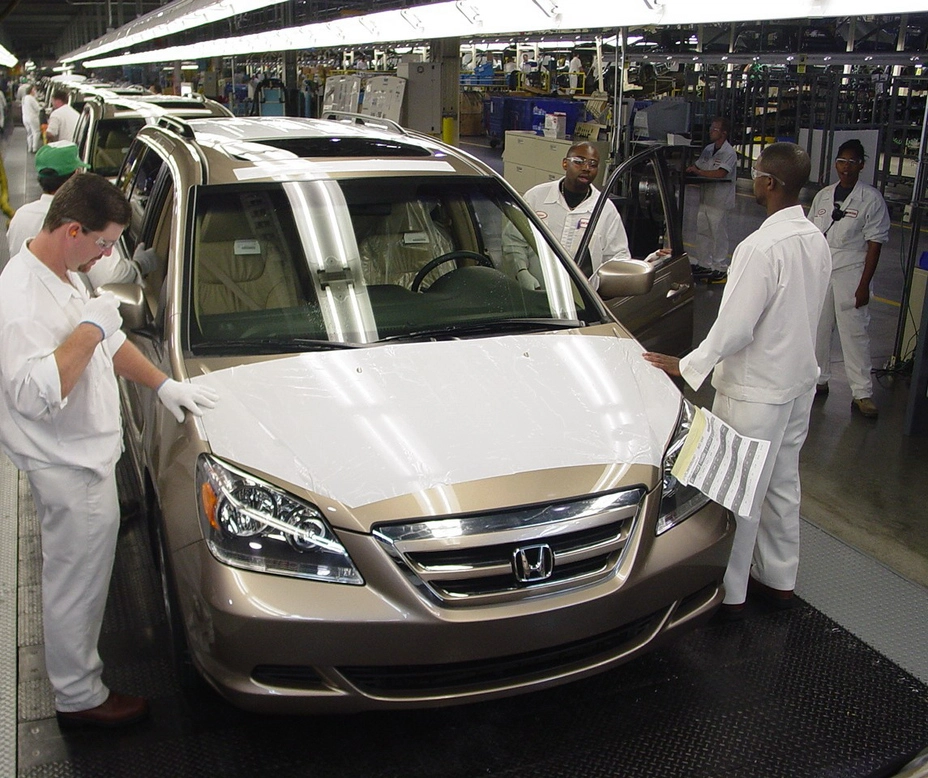
A Honda Odyssey built in Lincoln, Alabama, may have a stronger American manufacturing story than some vehicles wearing traditional Detroit badges. A Kia EV9 built in West Point, Georgia, or a Hyundai IONIQ 5 built in Ellabell, Georgia, also plays into the same larger conversation.
That does not mean brand heritage is irrelevant. Far from it.
But it does mean shoppers who care about supporting American workers may need to look beyond the logo. Final assembly, parts sourcing, powertrain origin and workforce all play a role.
In other words, “buying American” in 2026 is more complicated than it used to be. It is less about a simple domestic-versus-import label and more about where the vehicle is actually built, where the major components come from and how much of the process supports jobs here.
U.S. auto manufacturing is gaining momentum
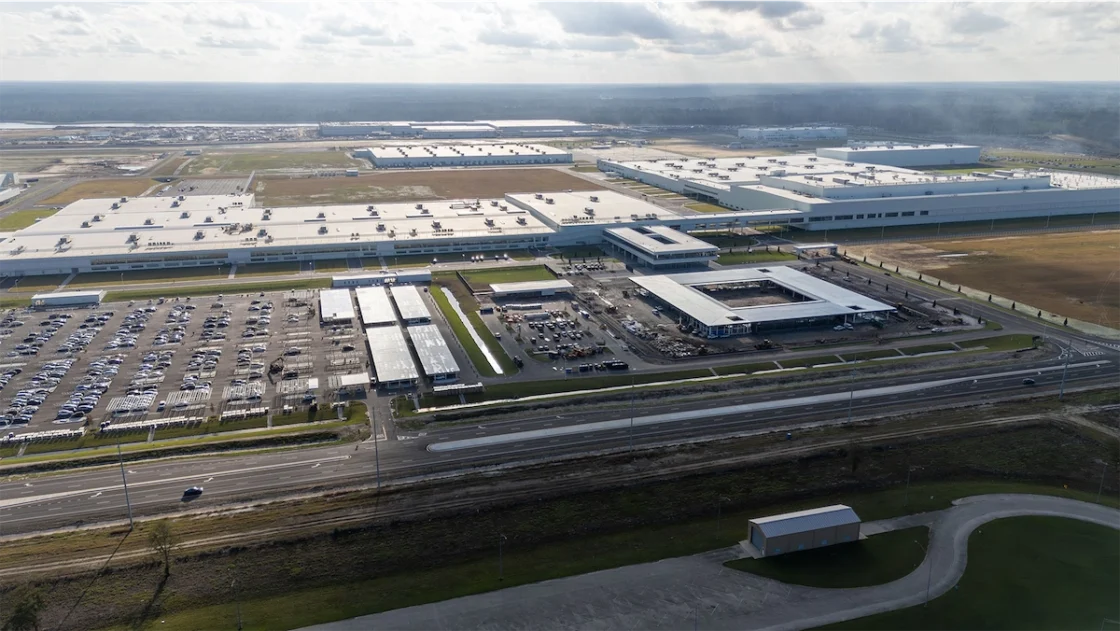
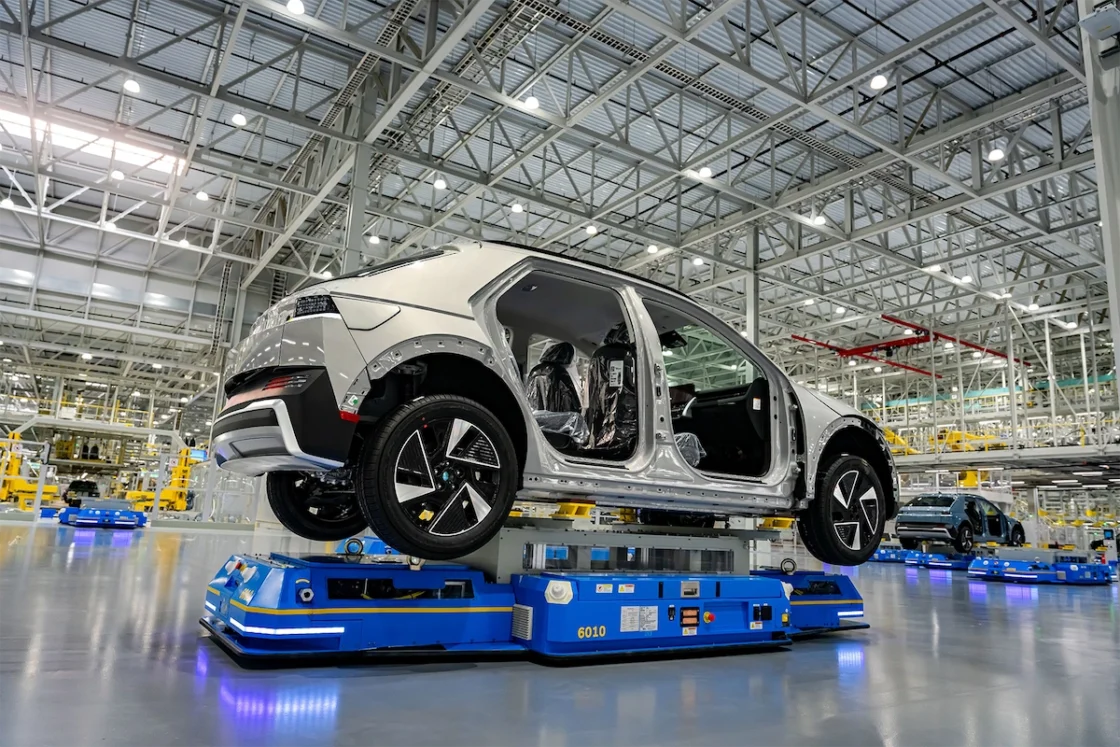
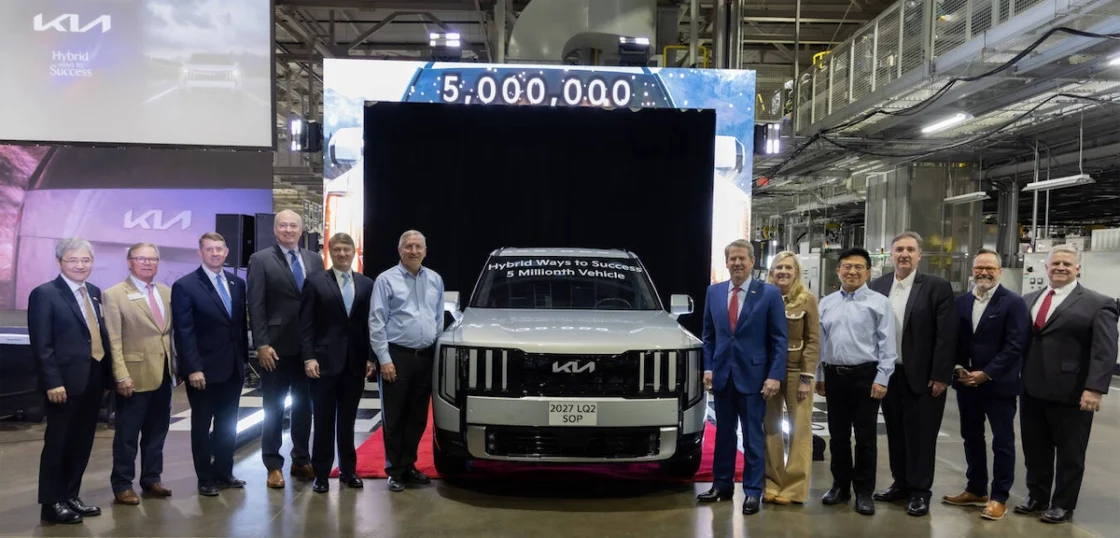
Hyundai Motor Group’s massive Metaplant outside Savannah, Georgia, has already become a major part of the American manufacturing story. Hyundai initially brought the IONIQ 5 to the plant, and now the facility has added production of the 3-row IONIQ 9 EV and the 2027 Kia Sportage Hybrid. That marks the first Kia model, the first hybrid, and the third vehicle assembled at the Georgia facility.
The Sportage is not some low-volume halo car. It is Kia’s best-selling model. Bringing production of that type of vehicle to Georgia shows how serious Hyundai Motor Group is about building more of its U.S.-market vehicles in the U.S.
Scout Motors is another brand to watch. The company is preparing its South Carolina production site and has announced an additional $300 million investment to build a supplier park in Blythewood. That expansion is expected to support about 1,000 supplier jobs on top of the company’s larger investment in the state.
Toyota may also be preparing for more U.S. production. Reports indicate the company has filed plans for a possible $2 billion expansion near its San Antonio, Texas, manufacturing operation, with the potential to create around 2,000 jobs. There has been industry speculation that this could eventually involve Tacoma production, though Toyota has not fully confirmed that piece yet.
Why this should matter to shoppers
For most buyers, the final decision still comes down to the vehicle itself.
Is it safe? Is it comfortable? Can it fit the family, the car seats, the backpacks, the sports gear, the stroller, the luggage and the random collection of things that somehow live in the cargo area forever?
Those questions still matter most.
But when two vehicles are close, manufacturing footprint can be a meaningful tie-breaker.
Choosing a vehicle built in the U.S. can help support assembly plant workers, parts suppliers, logistics teams, local restaurants, schools, small businesses and entire communities tied to those plants. In many cases, these are not abstract jobs. These are other families trying to make a living, pay a mortgage, raise kids and keep their own lives moving.
That is the human side of the American-Made Index.
It is not just about which company gets bragging rights. It is about the larger ripple effect of where vehicles are built.
The bottom line
The latest Cars.com American-Made Index is a reminder that the automotive industry is shifting again.
The current administration has been pushing automakers to build more vehicles in the U.S., but this movement is bigger than politics. Automakers are also responding to tariffs, supply chain pressure, customer demand and the need to build vehicles closer to the people buying them.
For shoppers, the takeaway is simple.
Do your homework.
A vehicle’s badge does not tell the whole story anymore. Some of the most American-made vehicles on sale today come from brands many people still think of as foreign. At the same time, legacy American brands continue to build important vehicles here, from Jeeps in Ohio and Michigan to Ford SUVs and trucks across the Midwest and beyond.
The good news is that more automakers appear to be investing in American manufacturing again. For families trying to make a smart purchase, that adds one more thing worth considering.
Not just what you drive.
But where it came from, and who your purchase helps support.