
GM Safety is Making Family Vehicles Smarter, Not Just Bigger

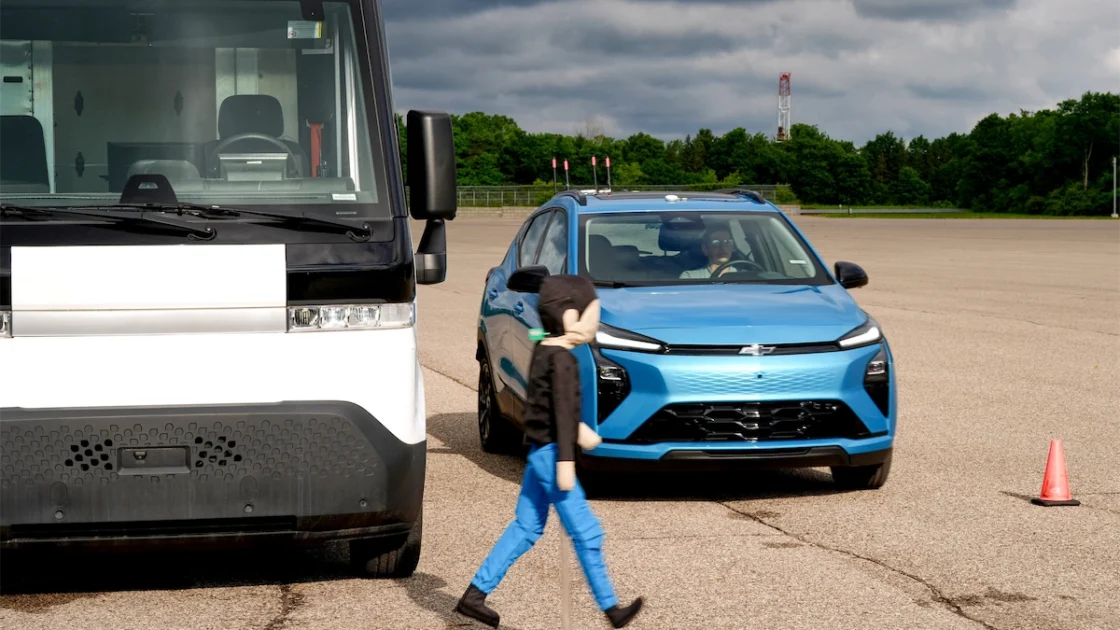
Summer road trip season is here, and that means more families are loading up snacks, tablets, sports bags, beach towels, and everything else that somehow finds its way into the back seat.
It also means more traffic, more teen drivers on the road and more reasons to pay attention to the safety technology built into today’s vehicles.
General Motors recently highlighted how its safety work is showing up across vehicles like the 2026 Chevrolet Traverse, the 2026 Chevrolet Trax, and the upcoming 2027 Chevrolet Bolt. And while safety tech can sometimes sound like a bunch of acronyms, the real takeaway is pretty simple.
These features are not just for luxury vehicles anymore.
For families shopping today, that matters.
Safety Tech Is Becoming More Standard
One of the biggest shifts in the auto industry over the last decade has been the move from safety features being optional extras to becoming standard equipment on more mainstream vehicles.
GM points to the 2026 Chevrolet Traverse as one example. The three-row SUV offers more than 20 standard safety and driver assistance features, which is a big deal in a segment where many shoppers are hauling kids, grandparents, friends, groceries and luggage all in the same week.
The 2027 Chevrolet Bolt follows that same idea on the EV side, with more than 20 standard safety and driver assistance features as well. That list includes helpful everyday items like Adaptive Cruise Control, Front Pedestrian Braking, Lane Keep Assist with Lane Departure Warning, Side Bicyclist Alert, Intersection Automatic Emergency Braking, Blind Zone Steering Assist and Rear Cross Traffic Braking.
That is a lot of backup for the driver.
And no, none of it replaces paying attention or the use of your own eyeballs and brain. But when you are merging onto a busy road, backing out of a crowded parking lot, or trying to keep track of what everyone in the car needs next, extra support is welcome.
Affordable Vehicles Are Getting Important Safety Features Too
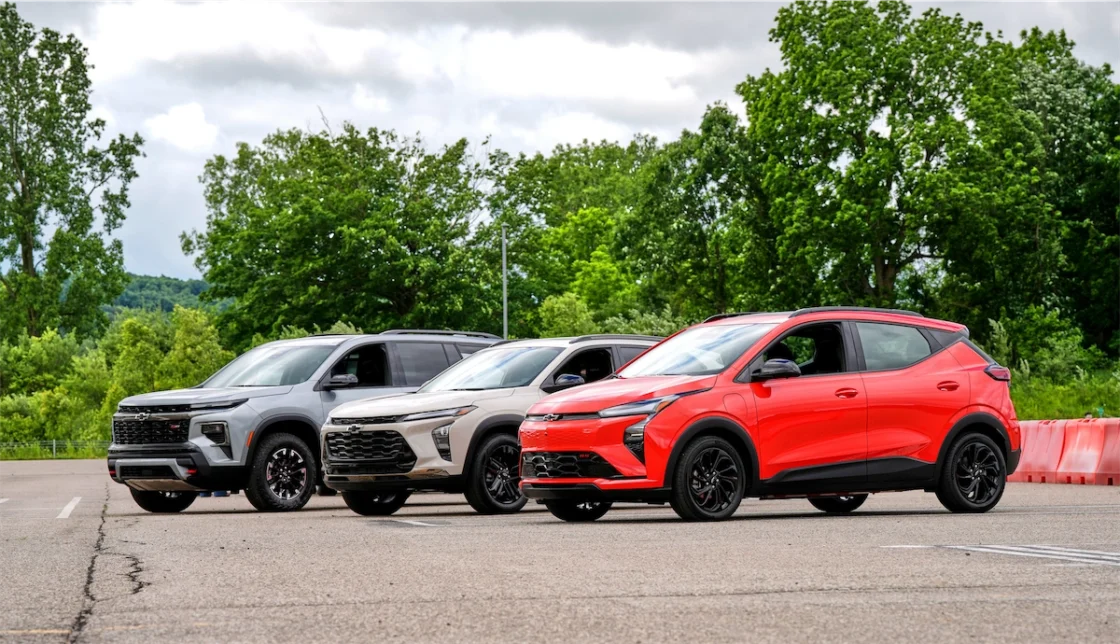
What is great about GM’s offerings is not just the enhancements in larger or more expensive vehicles, but also the improvements in more affordable models.
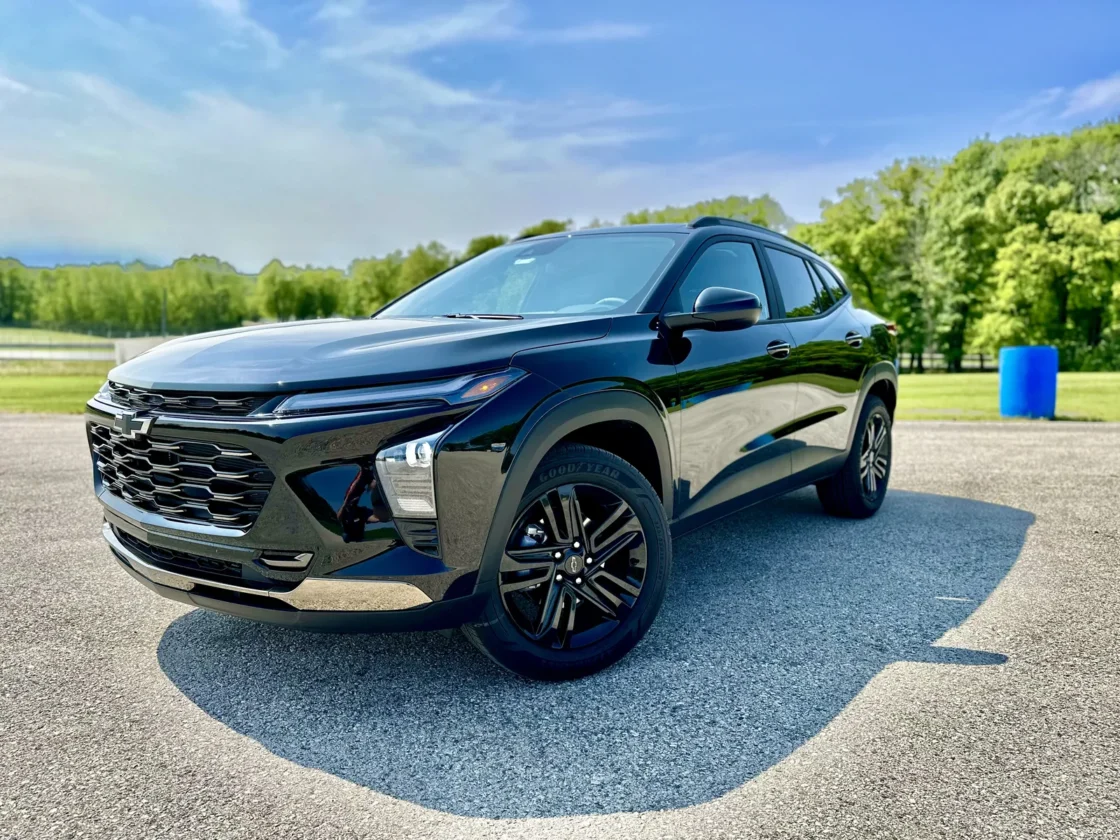
The 2026 Chevrolet Trax starts at $21,700 before all the added fees and options. GM says it comes standard with features including Automatic Emergency Braking, Front Pedestrian Braking, Lane Keep Assist with Lane Departure Warning, Following Distance Indicator, Forward Collision Alert, and IntelliBeam headlights.
Not every family is shopping for a fully loaded three-row SUV.
Some people need a first car for a teen driver. Some need a commuter car. Some need something small, affordable and easy to park. Some just need a vehicle that gets the family through the week without stretching the budget too far.
Safety should not feel reserved for people who can afford the highest trim level.
Real-World Data Backs Up The Technology
GM also pointed to recent findings from the University of Michigan Transportation Research Institute, which looked at about 12 million GM model year 2020 through 2024 vehicles and more than 700,000 police-reported crashes across 18 states.
The study found statistically significant reductions in several crash types for vehicles equipped with certain safety technologies.
GM highlighted reductions including:
- 86 percent fewer backing crashes
- 57 percent fewer rear-end crashes with injury
- 35 percent fewer front pedestrian crashes with injury
- 15 percent fewer roadway departure crashes
- 13 percent fewer lane-change crashes
Those numbers are worth paying attention to.
As a mom, I do not need a vehicle to drive for me; honestly, I do not really want it to. I need it to help when real life gets messy. A kid drops something. A car stops suddenly ahead. A cyclist appears where you did not expect one. A parking lot is packed, and everyone is moving at once.
That is where these systems can make a real difference.
Crash Protection Still Matters
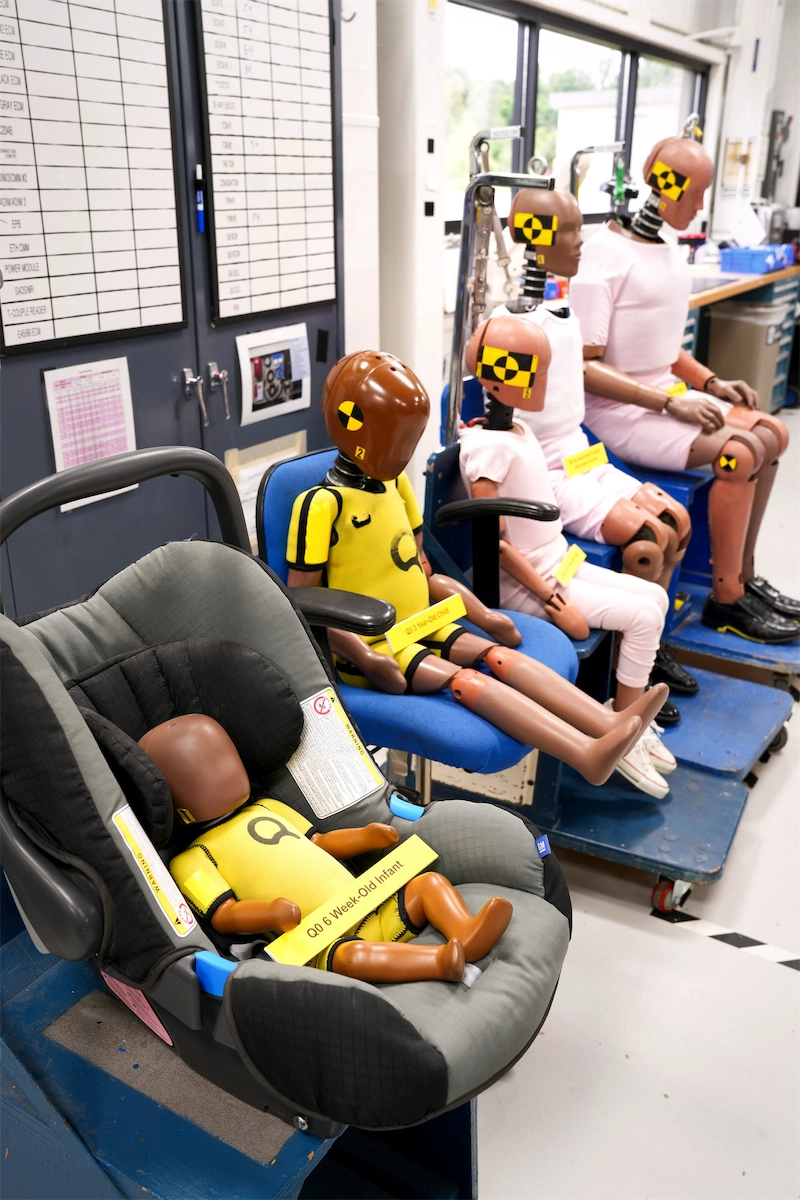
It is easy to focus only on the flashy tech. Cameras. Sensors. Alerts. Automatic braking. Steering assistance.
But GM also talked about the importance of foundational crash safety, and that part should not get lost.
Avoiding a crash is the goal. But if a crash does happen, the structure of the vehicle, the restraint systems and the way the vehicle protects occupants still matter in a huge way.
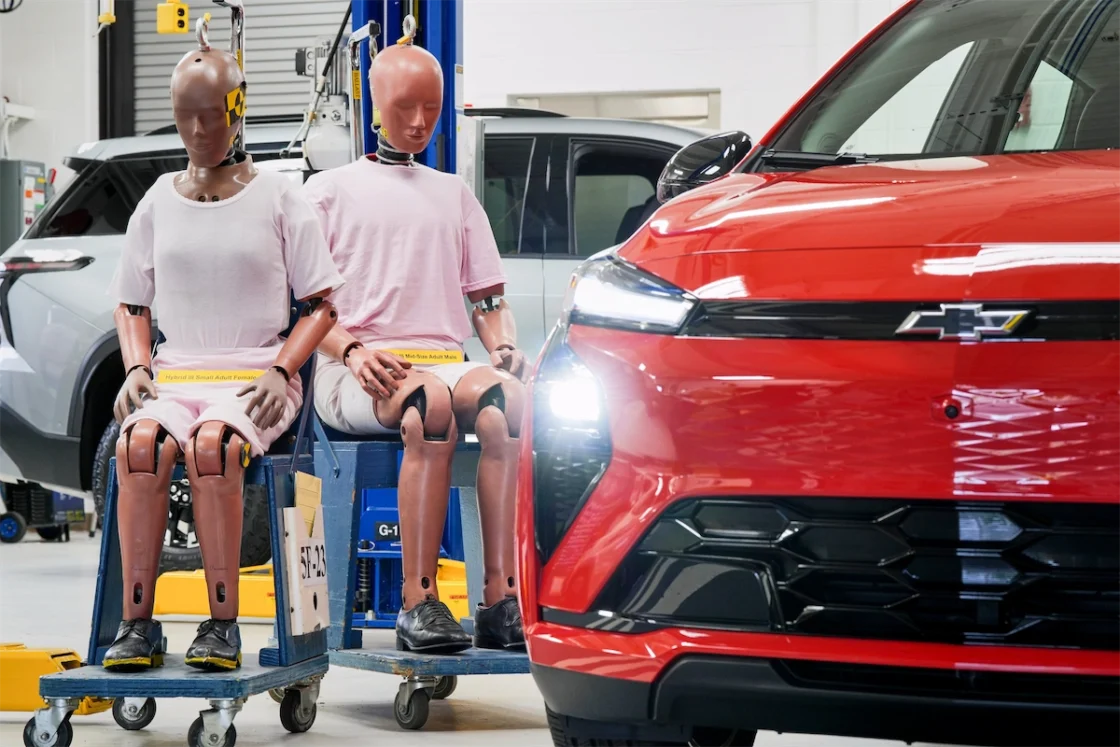
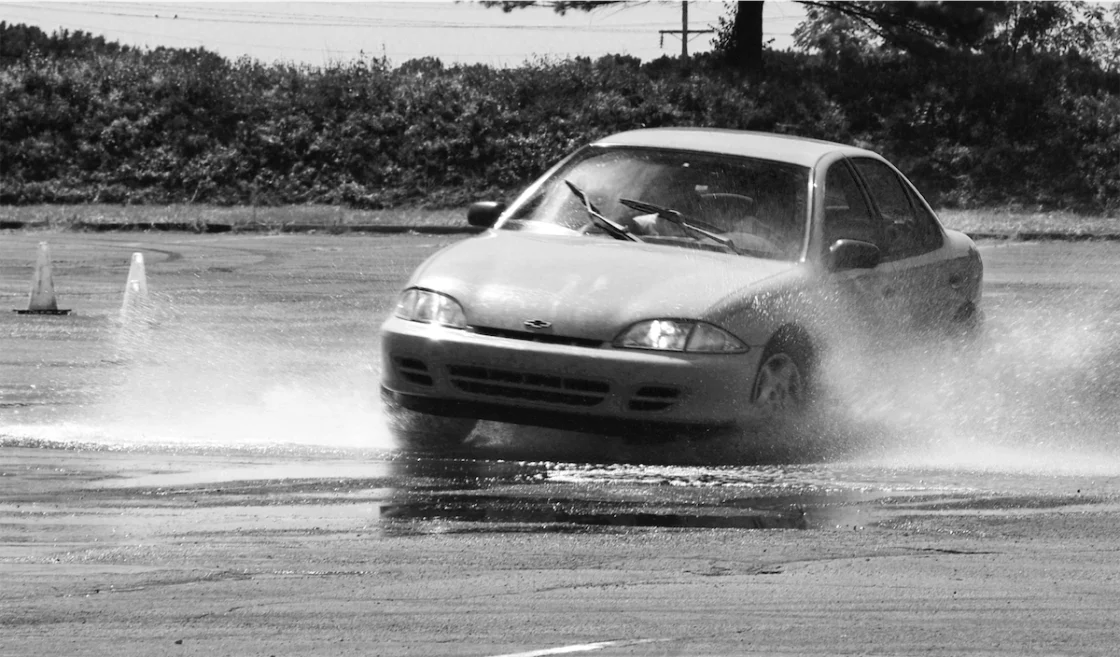
GM has a long history in crash testing, including conducting crash barrier testing as far back as 1934 and helping create standardized crash test dummies in the early 1970s. The company also began using a crash test dummy representing a fifth-percentile female in the 1980s.
That last point stands out.
For years, vehicle safety discussions often centered around an average male body type. The more automakers test with different occupant sizes and body types, the better chance they have of designing vehicles that protect more people in more seating positions.
For families, that matters because our vehicles are rarely filled with just one type of passenger.
The 2026 Traverse Shows How Far Family SUVs Have Come
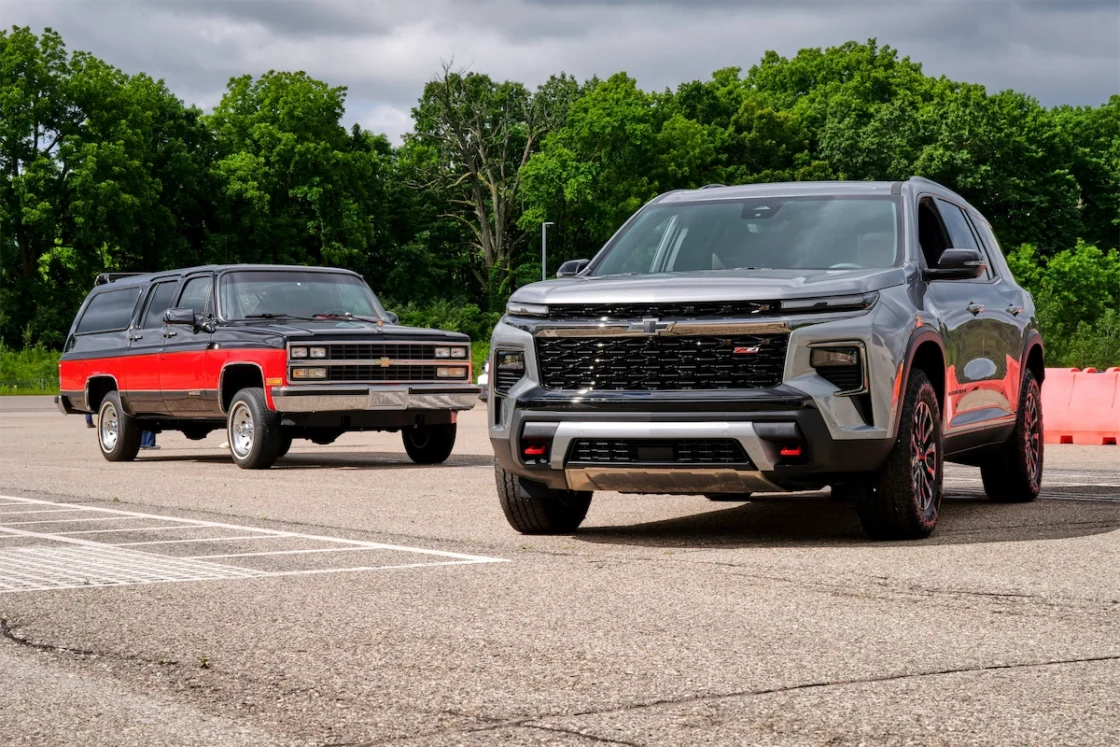
GM used a comparison between a 1990 Chevrolet Suburban and a 2026 Chevrolet Traverse to show how much vehicle safety has changed.
That is an interesting comparison because big family vehicles have always carried a certain sense of security. Bigger has often been associated with safer.
But today, safety is about more than size.
A modern family SUV like the Traverse has the benefit of years of crash testing, better materials, more advanced restraint systems and driver assistance features that are designed to help prevent some crashes before they happen.
For a family vehicle, that combination is important.
It is not just about having enough seats. It is about having the right tech, the right structure and the right systems working together when the drive gets unpredictable.
The 2027 Bolt Could Make EV Safety More Accessible
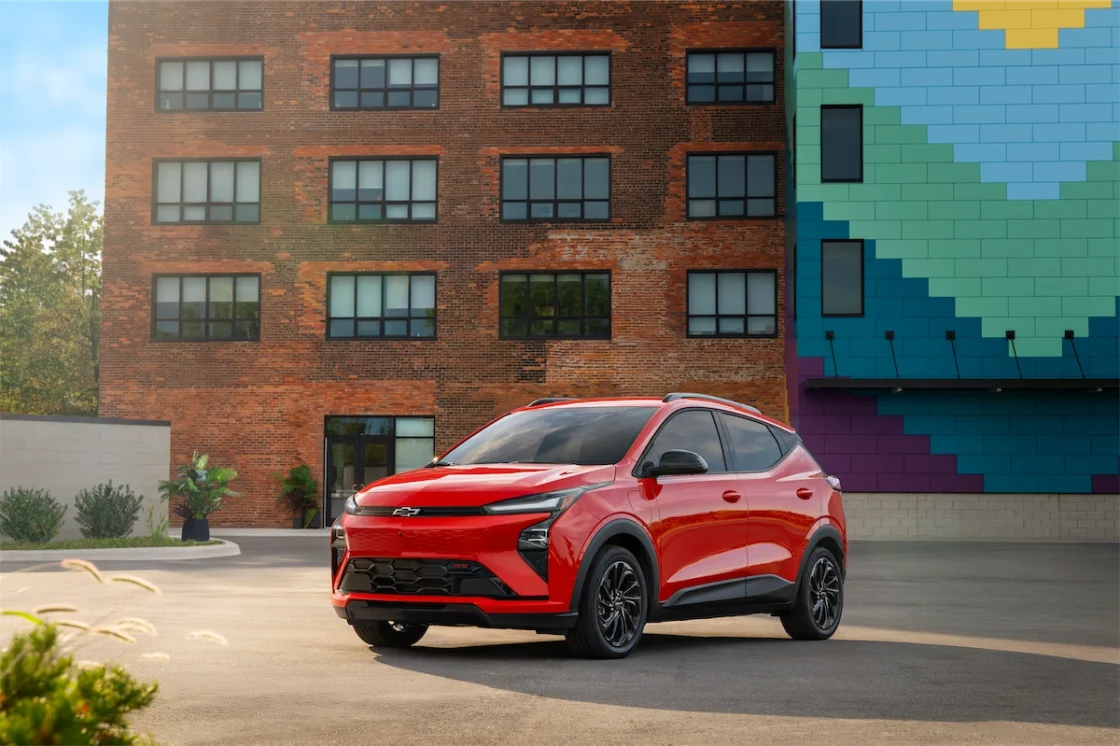
The upcoming 2027 Chevrolet Bolt is interesting because GM is talking about meaningful safety content in an EV with a starting price under $30,000 before destination and fees.
That could matter for families who are EV-curious but do not want to spend luxury-car money to get into one.
The Bolt’s list of standard safety and driver assistance features includes the kinds of systems many shoppers are looking for now, including Adaptive Cruise Control, Front Pedestrian Braking, Lane Keep Assist, Side Bicyclist Alert, Intersection Automatic Emergency Braking, Blind Zone Steering Assist and Rear Cross Traffic Braking.
An affordable EV with useful safety tech is a much stronger family argument than an EV that only focuses on range or screen size.
Driver Assistance Still Requires A Driver
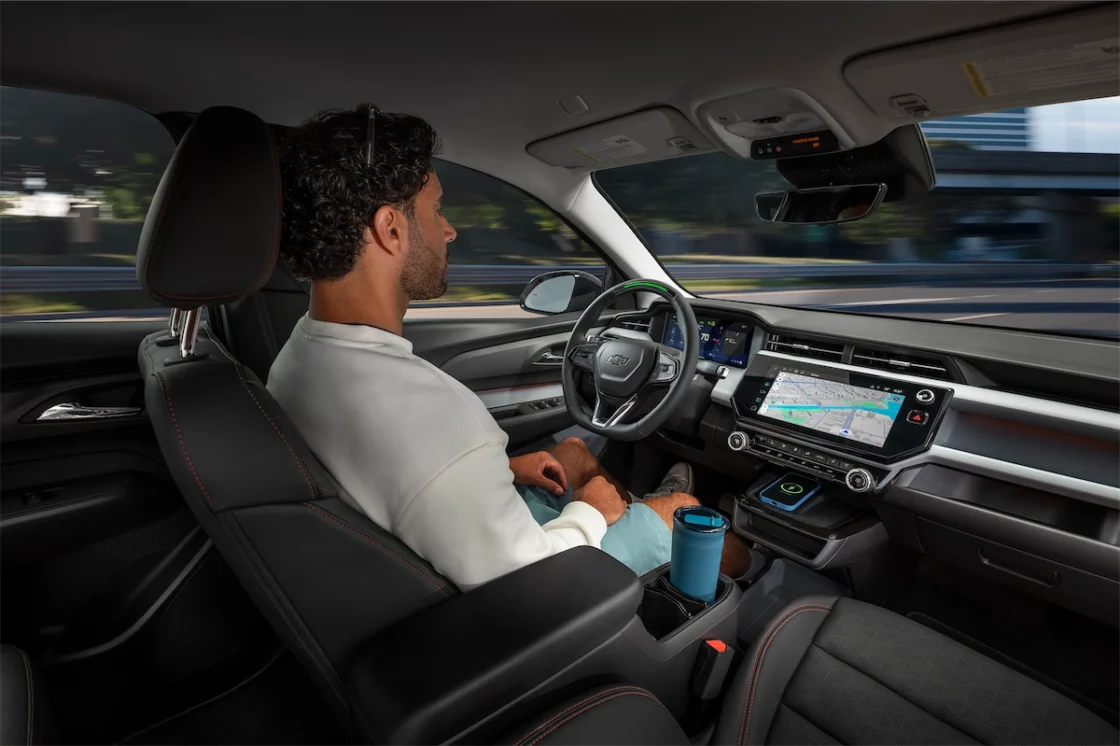
Here is the part we cannot skip, and I will say it loud for those in the back.
These systems are helpful, but they are not magic.
GM includes the same important reminder automakers should always include: safety and driver assistance features are no substitute for the driver’s responsibility to operate the vehicle safely. Drivers still need to stay attentive to traffic, surroundings and road conditions.
That is especially true with kids in the car.
Driver assistance can reduce stress. It can help in certain situations. It can add another layer of confidence. But it should never become an excuse to check out behind the wheel.
For families, the best version of safety is still a layered approach: attentive driving, smart vehicle design, crash protection and technology that can help when things happen quickly.
Final Thoughts
What I like about GM’s safety message here is that it is not only focused on high-dollar vehicles.
The 2026 Chevrolet Traverse, 2026 Chevrolet Trax and 2027 Chevrolet Bolt all tell a slightly different story, but the theme is the same. Safety technology is becoming more available, more standard and more relevant to the way families actually drive.
That is the kind of progress I want to see.
Not because it makes driving effortless. Not because it replaces common sense. But when the roads are busy, the kids are talking, traffic is unpredictable, and life is happening all around you, a little more backup can go a long way.