
Hand Washing My Chevy Truck Saved My Life
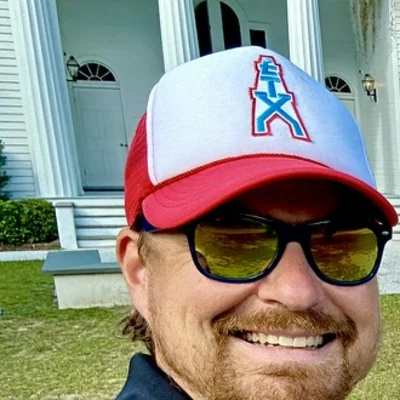
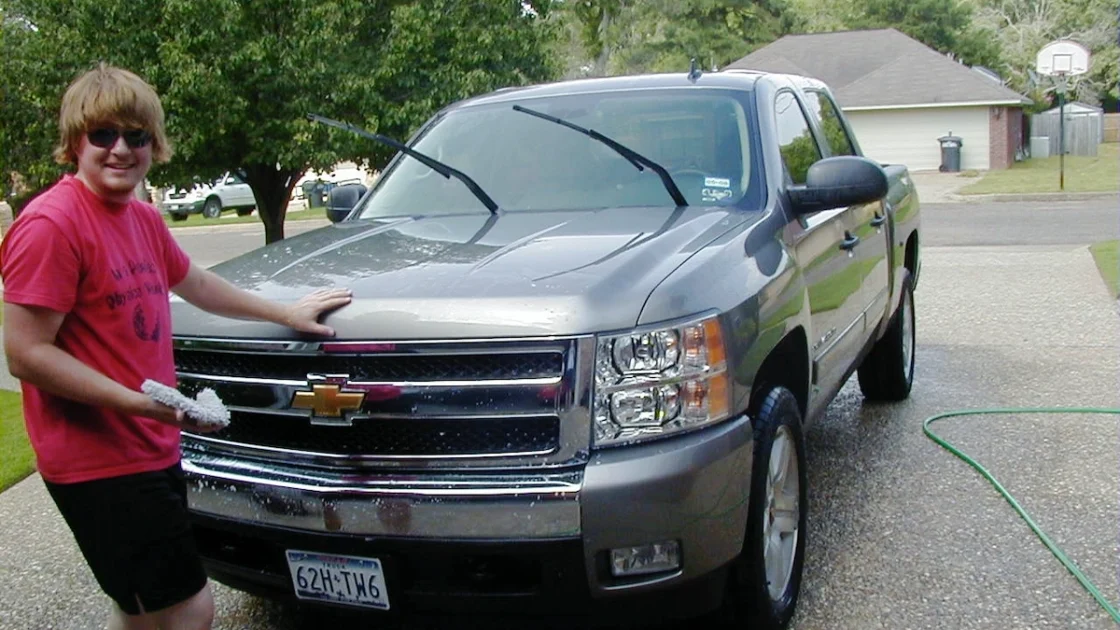
Hey GearHeads. This one’s a little different from what you usually find here on GT: Garage Talk®. No horsepower figures, no towing capacities, no arguing about which trim is the sweet spot. This is a story I have previously shared on the podcast: the story of how a bucket, a wash mitt, and a Chevy truck quietly saved my life almost 20 years ago.
And I’m telling it right now on purpose. It’s summer, we’re just past the Fourth of July, and if your family is anything like mine, that means pool parties, cookouts, ballgames, and a whole lot of hours out in the sun. This is exactly the season to be thinking about your skin, so consider this your friendly nudge from the driveway.
I’m telling it here, in writing, for the same reason I told it then. We’re a family channel first, and if sharing this gets even one of you, or one of your kids, to the doctor a little sooner, then it’s worth every word.
How Hand Washing Became a Family Thing
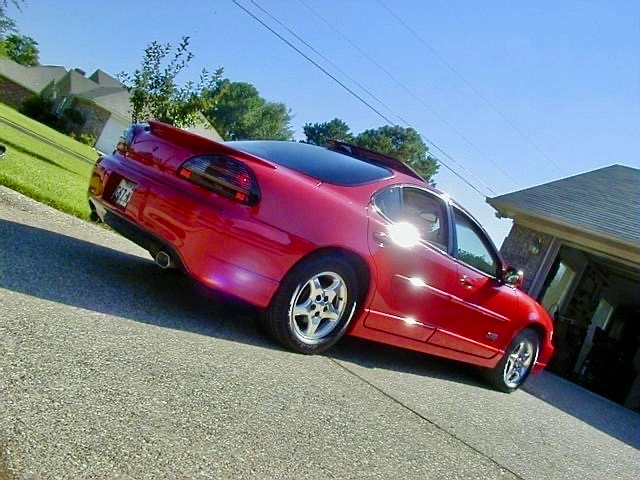
I’ve been hand-washing vehicles since I was 12 years old. It started with my mom’s 1998 Pontiac Grand Prix GTP, that bright red, wide-track supercharged sedan that my brother Clay and I kept spotless in the driveway all summer long. There wasn’t a nice day off from school when one or both of us wasn’t out there with a hose.
From there, it just never stopped. Clay moved on to his first truck, and then a string of Nissan 240SX hatchbacks, and I inherited our grandfather’s 1991 Cadillac Eldorado, a maroon-on-maroon luxury cruiser I affectionately called Rosita. Every one of those cars got hand-washed, religiously.
For me, hand washing was never just about a clean car. When you wash a vehicle by hand, you touch every square inch of it. You learn it. You notice the new door ding, the rock chip, the thing that wasn’t there last week. That habit of paying close attention is exactly what ended up mattering most, just not on my truck.
Meet Sara Jo, the Truck That Changed Everything
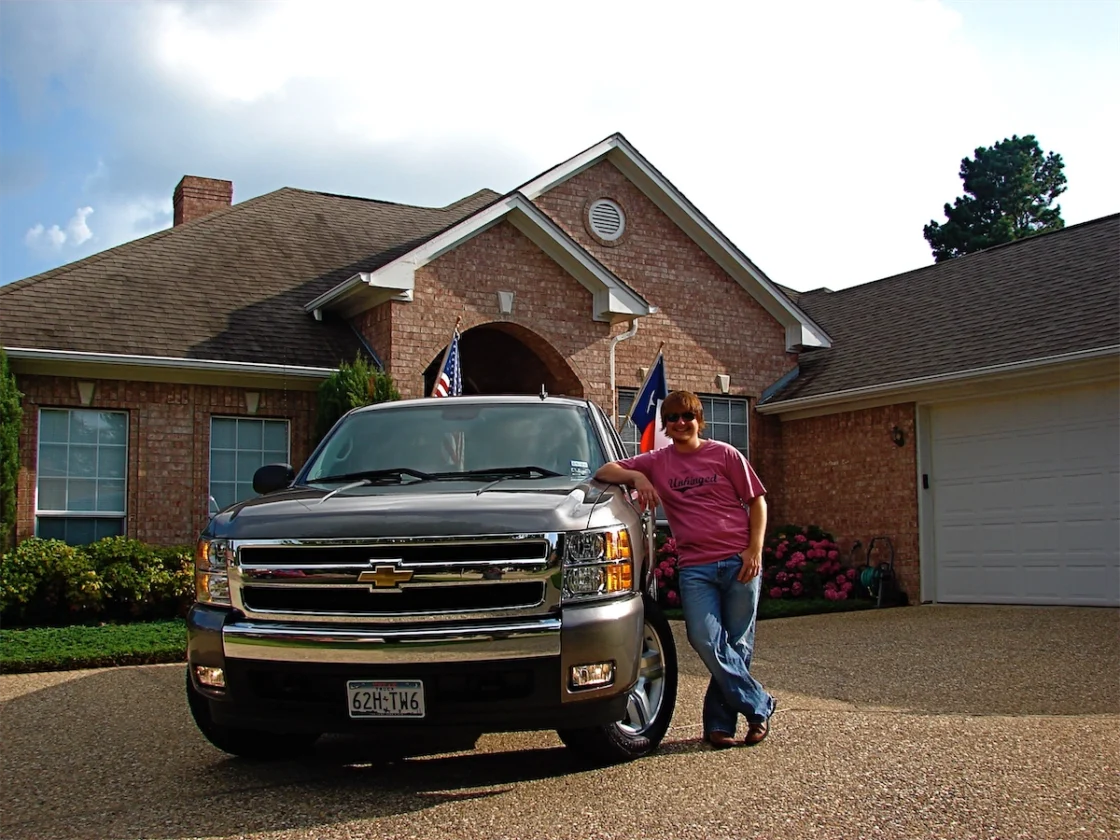
When I landed my first real job and started a side gig cleaning swimming pools around Tyler, I bought my first brand-new vehicle: a 2007 Chevy Silverado Crew Cab. Her name was Sara Jo, and she was big enough that I needed a ladder to reach the roof and had to climb into the bed to get her clean. Didn’t matter. I kept the hand-washing tradition alive.
I’m a redhead with fair skin, and I spent my days cleaning pools in the Texas sun. I had a world-class farmer’s tan going. So one afternoon, washing Sara Jo in the driveway, I threw on a sleeveless shirt and figured I’d even things out and get the top of my arm a little color to match.
That small decision is the reason I’m here to write this.
The Spot That Didn’t Look Right
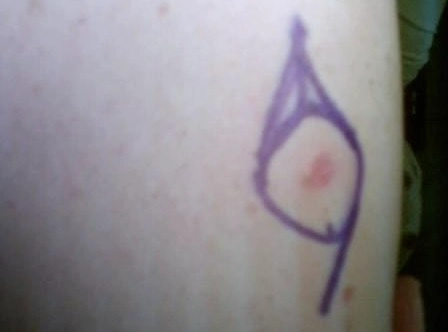
While I was washing the truck, I got a good, long look at my right bicep, skin I didn’t usually see in the sun. And there it was. A spot that just didn’t look right. Black, not brown. It honestly looked like somebody had taken a Sharpie to my arm.
I went inside and asked my parents, “Does this look right to you?” It didn’t. They told me to call my doctor. This was a weekend, so I called first thing the next day, got in, and he took a biopsy and sent it off. I didn’t think much about it and went on with my life.
Then, sitting in a college biology lecture, my phone rang. I recognized the number, slipped out the back of the hall, and my doctor told me the word no one wants to hear: cancer. More specifically, melanoma.
Hearing the Word “Melanoma”
Here’s what I didn’t understand at the time and what I want you to understand now. According to the Mayo Clinic, melanoma is the most serious form of skin cancer. The kind of skin cancers that a lot of us shrug off can often be handled locally. Melanoma is different; if it isn’t caught early, it can spread to other parts of the body, which is why organizations like the American Cancer Society and MD Anderson stress catching it fast.
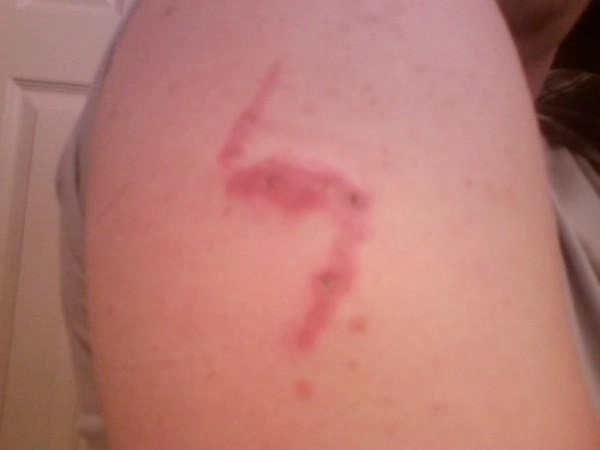
Fast is exactly what I got lucky with. From the day I noticed it to the day I called the doctor was less than 24 hours. From there, it moved quickly: a specialist, a surgery, and a chunk taken out of my arm big enough that I had another choice to make. I had to choose between a big divot in my arm with a linear scar or a lightning-bolt-shaped scar that allowed my arm to heal more normally, without a long-term dent. I went with the lightning bolt, my own little Harry Potter souvenir.
I’ll be straight with you: there were conversations in those weeks about whether I’d need radiation or chemo. I skipped a family vacation for a PET scan that mapped my whole body, looking for any sign it had spread. To this day, I can’t donate blood; that’s how seriously the system takes a melanoma history. I got a good outcome. I know plenty don’t. The difference is time, and time is the one thing you actually control here.
Know Your ABCDEs (Because I Sure Didn’t)
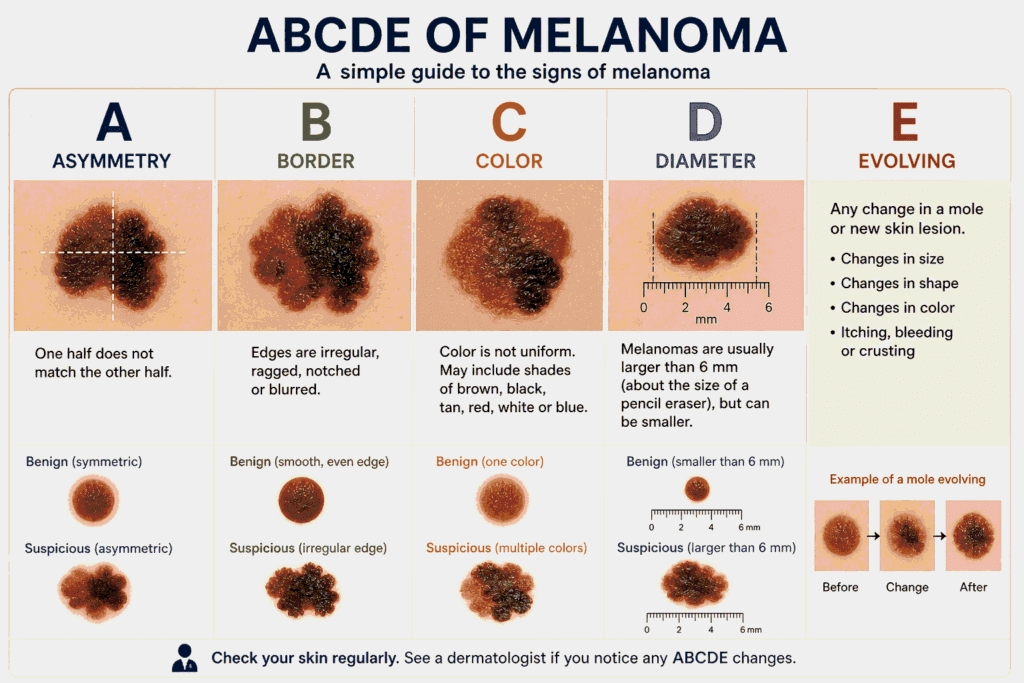
The National Cancer Institute and the Melanoma Research Foundation both point to the same simple checklist dermatologists use — the ABCDEs:
- A — Asymmetry. One half doesn’t match the other.
- B — Border. Edges that are ragged, blurred, or irregular.
- C — Color. More than one color, or a color that isn’t uniform. Mine was jet black.
- D — Diameter. Larger than a pencil eraser (about 6 mm), though melanomas can be smaller.
- E — Evolving. Any spot that’s changing in size, shape, or color, or is new. (This is the one I could never remember — and it’s arguably the most important.)
If a spot on your skin, or your kid’s skin, or any loved one’s skin checks any of those boxes, don’t wait. Get it looked at. Standard disclaimer, and I mean it: I’m a car guy, not a doctor. Don’t take medical advice from me beyond this one thing: if you see a weird mole, go get it checked out.
Make Skin Checks a Family Habit
We spend a lot of time around here helping families pick the right vehicle for lake days, road trips, and hauling kids to practice. So let me put on my dad hat for a second, because this is the whole reason I’m sharing the story.
Whatever your summer looks like, tubing the river, cruising the coast, or just washing the family hauler in the driveway like I was, build a couple of habits in for the people you love:
- Wear the sunscreen. All of you. Reapply it. Yes, even the tough guys.
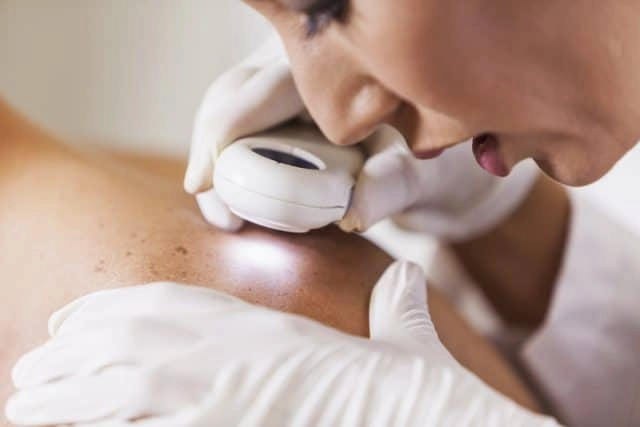
- Do a skin check. Once a month, glance over your own skin and your kids’, especially the spots that don’t normally see the sun.
- Get a real checkup, too. Ever since Sarah Jo, I’ve kept a standing appointment with a dermatologist. If you’ve got fair skin or a family history, ask your doctor about doing the same.
I never in a million years thought GT: Garage Talk would be where you’d get skincare advice. But here we are. A truck, a wash mitt, and a sleeveless shirt caught something that could have gone a very different way. I’ll take that trade every single day.
Stay safe out there, GearHeads. Look after each other.
Learn more about melanoma from trusted sources:
- Mayo Clinic — Melanoma: Symptoms & Causes
- National Cancer Institute — Melanoma Treatment
- American Cancer Society — Melanoma Skin Cancer
- MD Anderson Cancer Center — Melanoma
- Melanoma Research Foundation — melanoma.org
This article shares one person’s personal experience and general information from public health sources. It is not medical advice. If you notice a concerning spot on your skin, contact a licensed healthcare provider.