
Honda Needs a Win, and an Element Comeback Might Be It

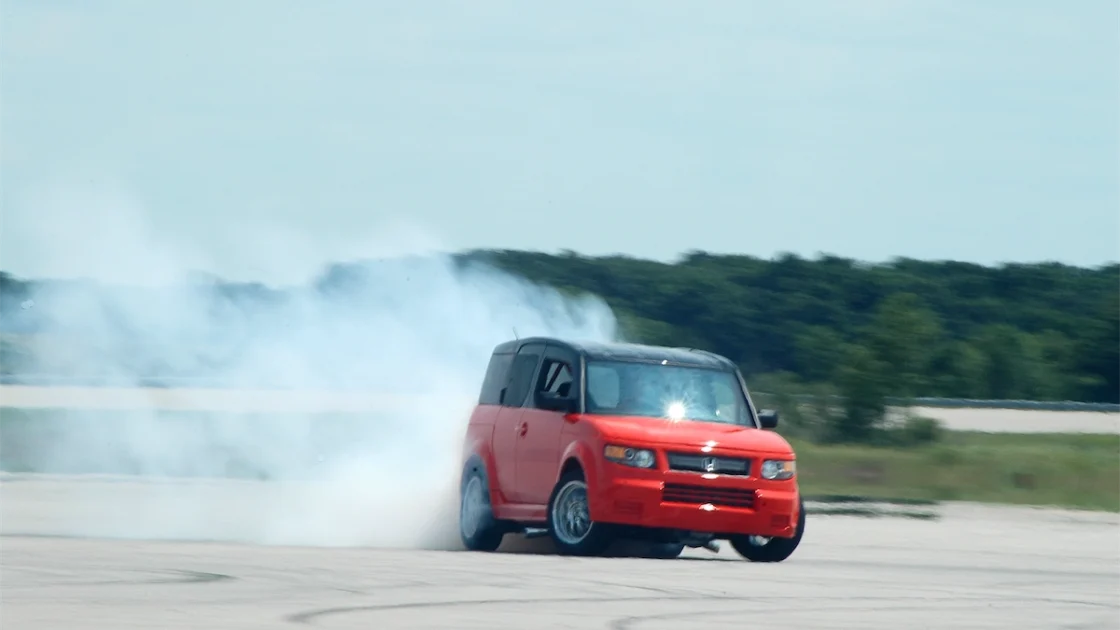
Honda may be about to revive one of its weirdest, most beloved nameplates: the Element.
According to Automotive News, Honda plans to bring the boxy crossover back in 2029 as a hybrid, with production expected to begin in Ohio and first full-year volume targeted near 100,000 units. That is a big swing for a vehicle that was once too odd for the mainstream, but eventually became exactly the kind of thing owners refused to let go.
And honestly? Honda could use a win.
The brand has been rethinking its EV strategy in a very public way, including canceling three planned EV models for North America as part of a broader reassessment of its electrification plans. This decision resulted in its first-ever annual loss. That puts more pressure on Honda’s hybrid future to feel smart, useful, and genuinely Honda.
We are also testing the revived Honda Prelude right now, and that car is a perfect reminder of how tricky nostalgia can be. We personally love it, review to come, but we can also understand why some purists balk at the hybrid powertrain, the lack of a manual, and power numbers that do not exactly scream comeback tour.
That is the line Honda has to walk with the Element. The new one cannot simply wear an old badge and hope people cheer. It has to capture what made the original charming without sanding off all the edges that made people love it in the first place.
Like Austin, TX, it has to stay weird
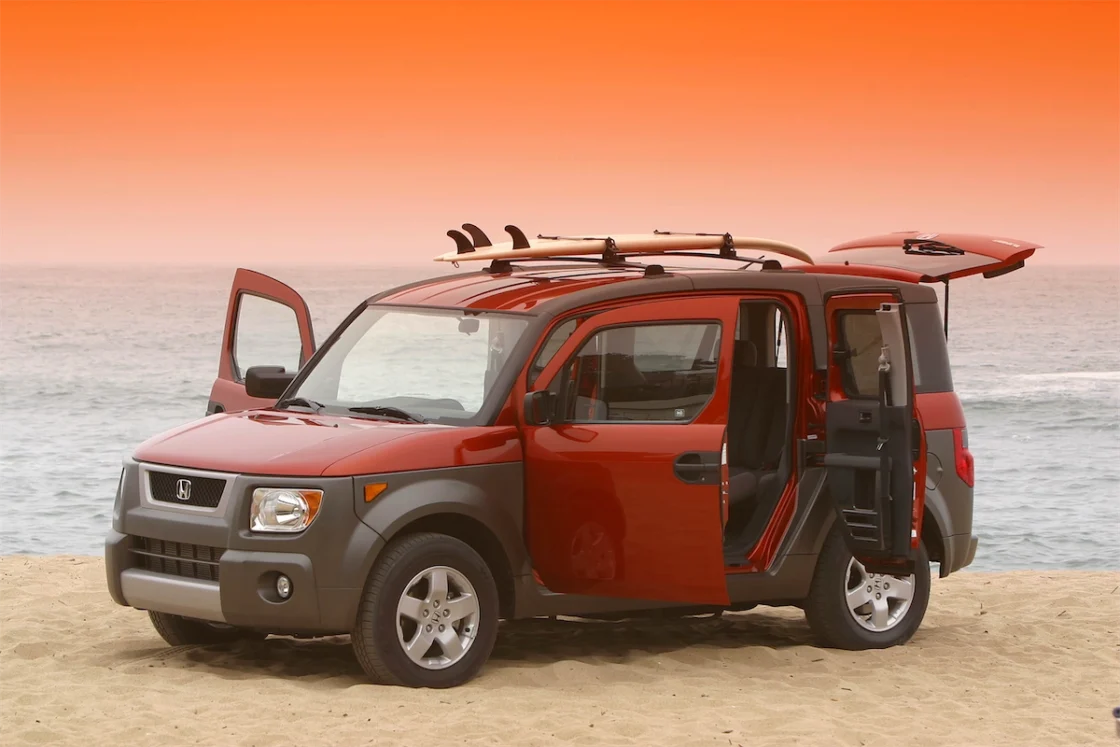
The state capital of Texas has a saying, “Keep Austin Weird,” which is something pivotal for the Element redux. The original Honda Element was never a normal crossover. That was the point.
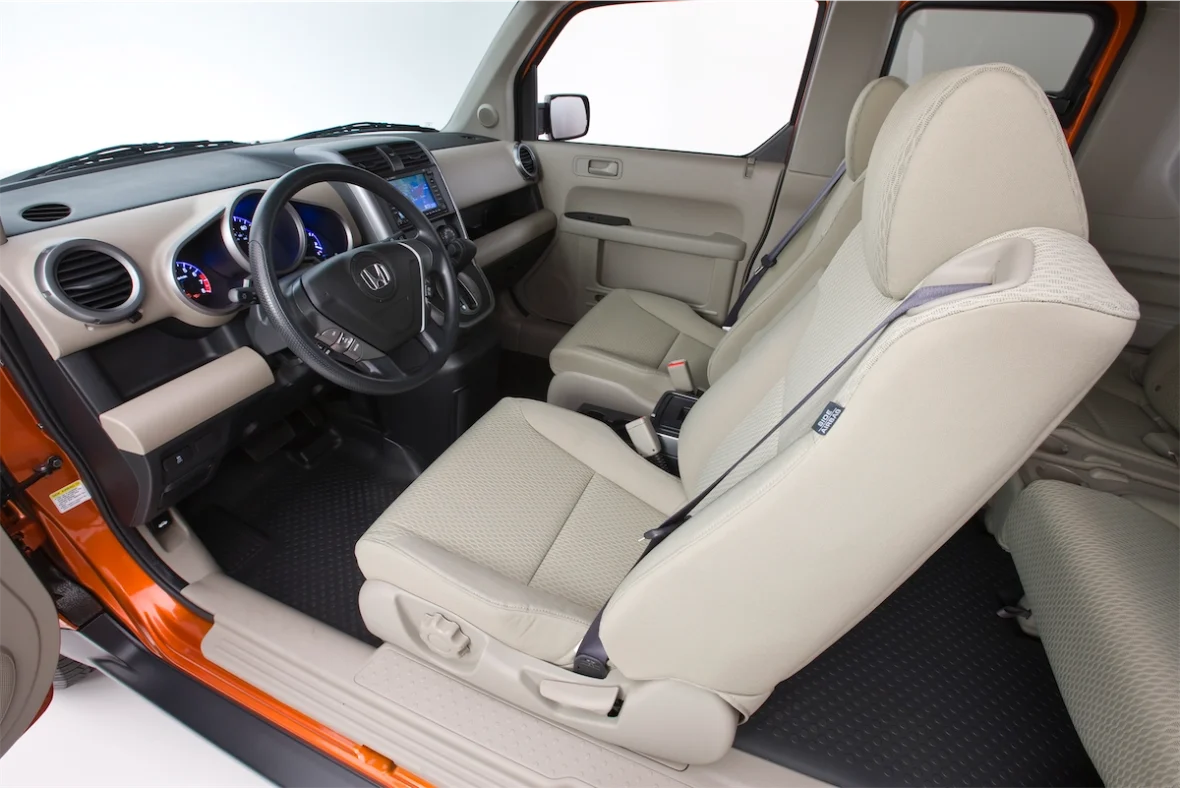
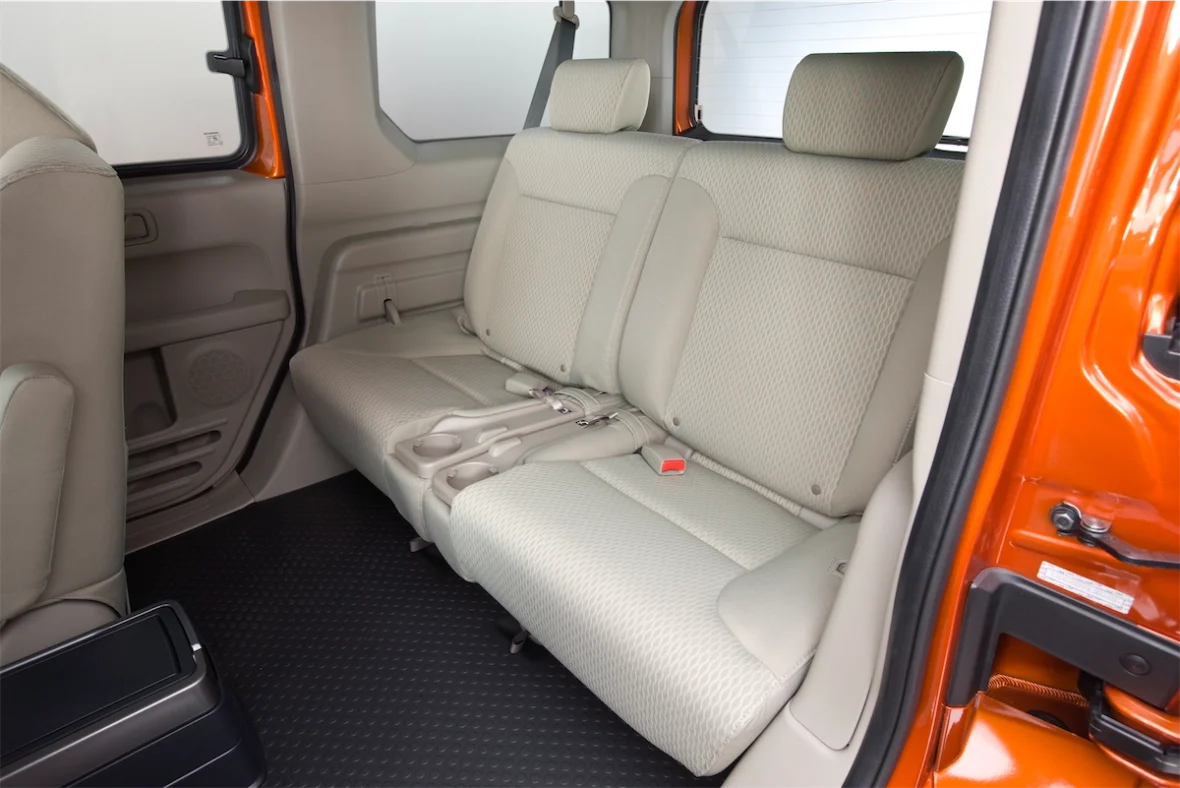
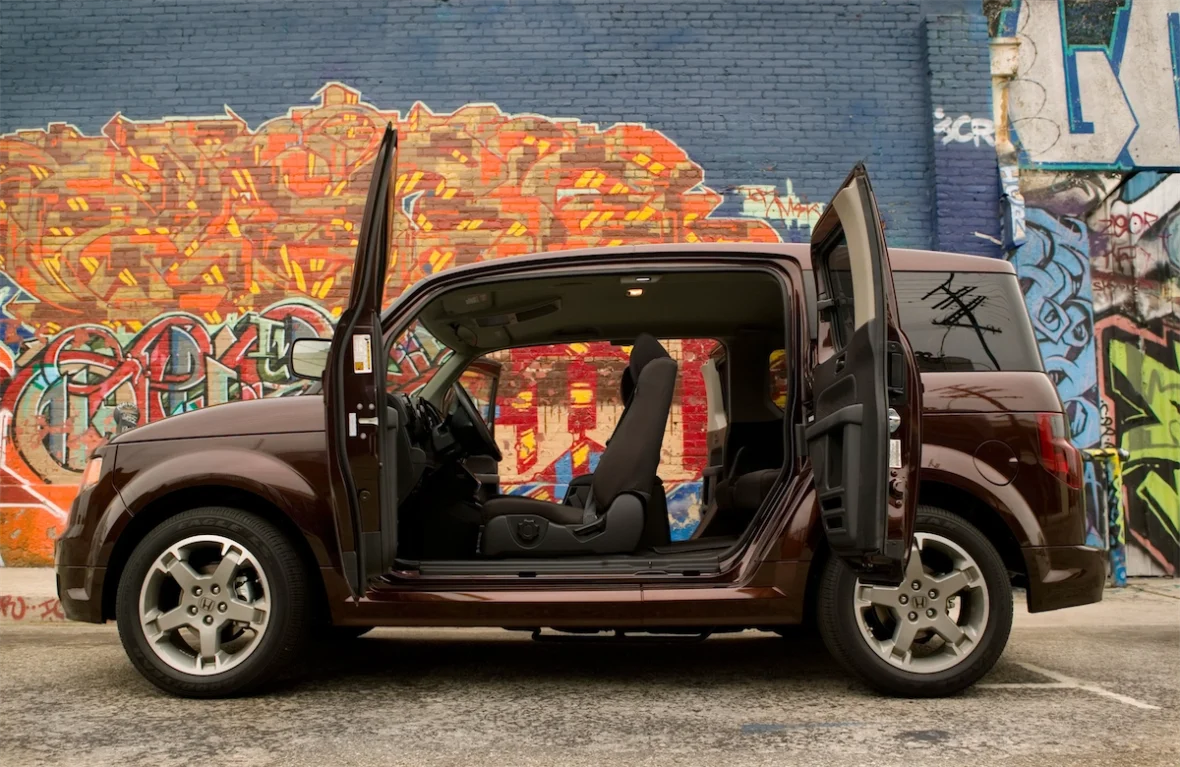
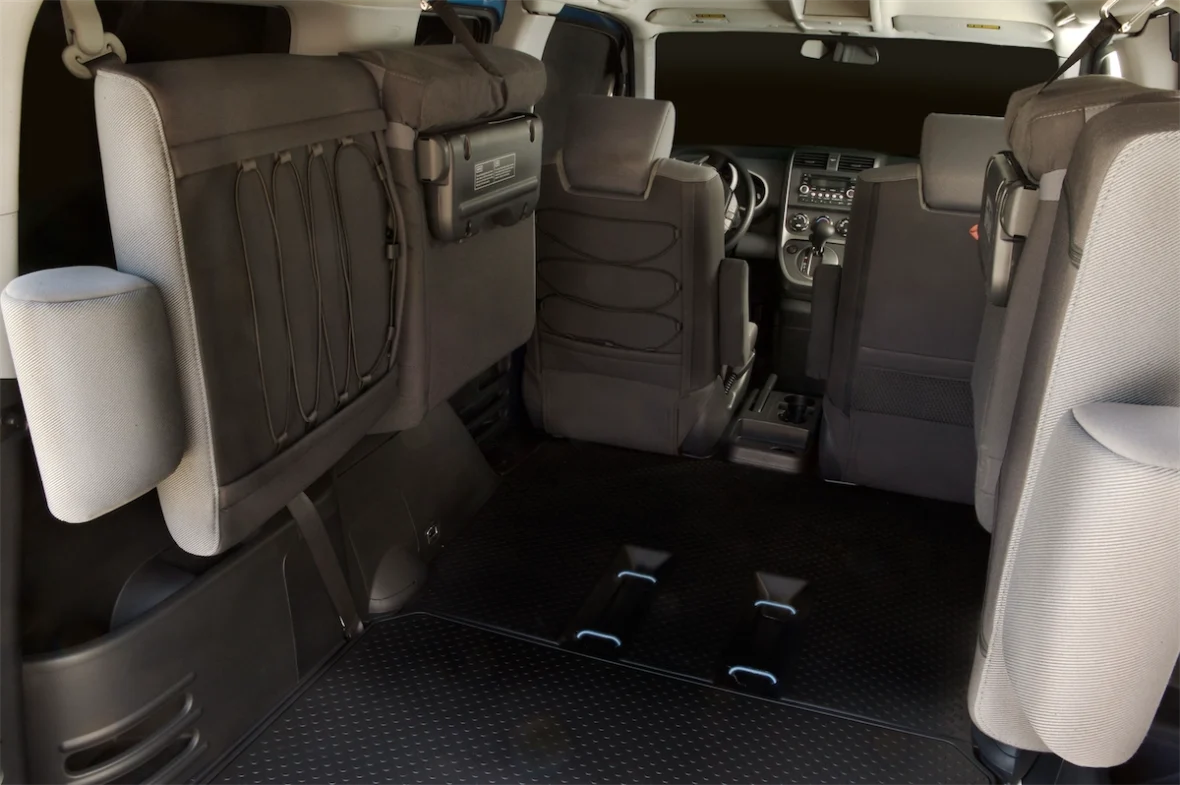
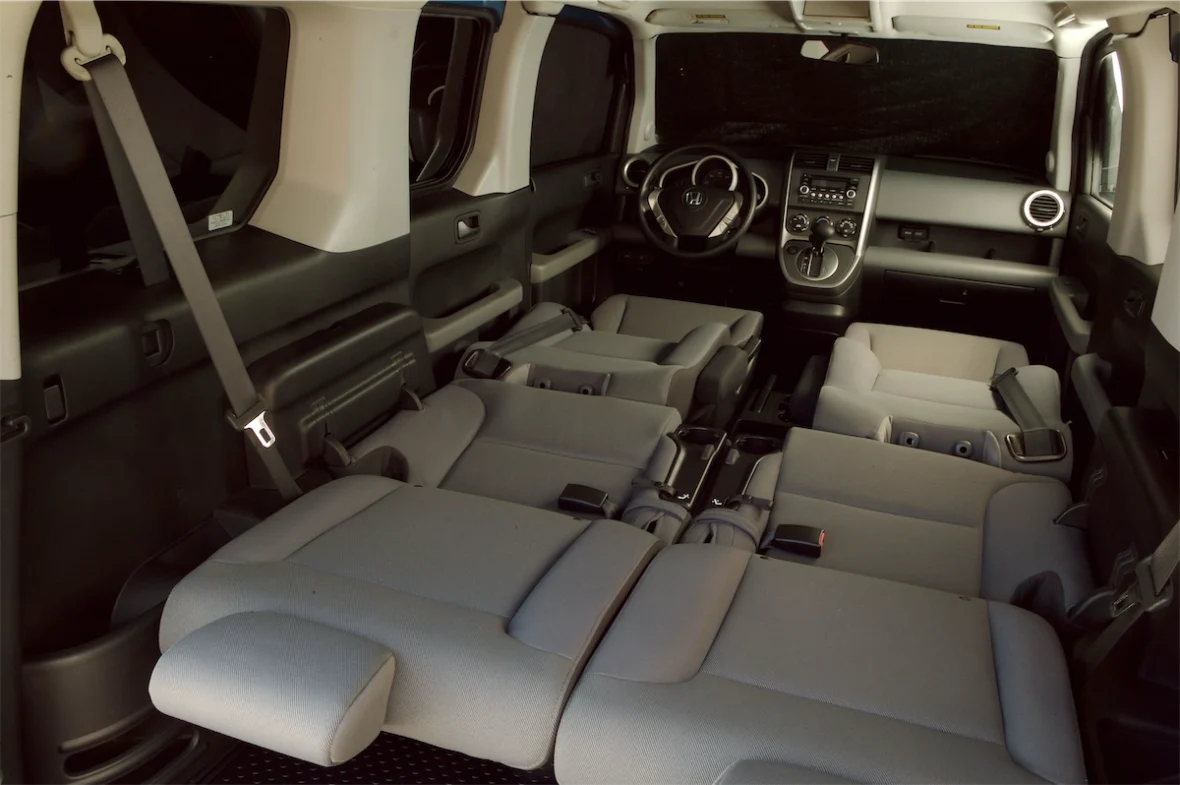
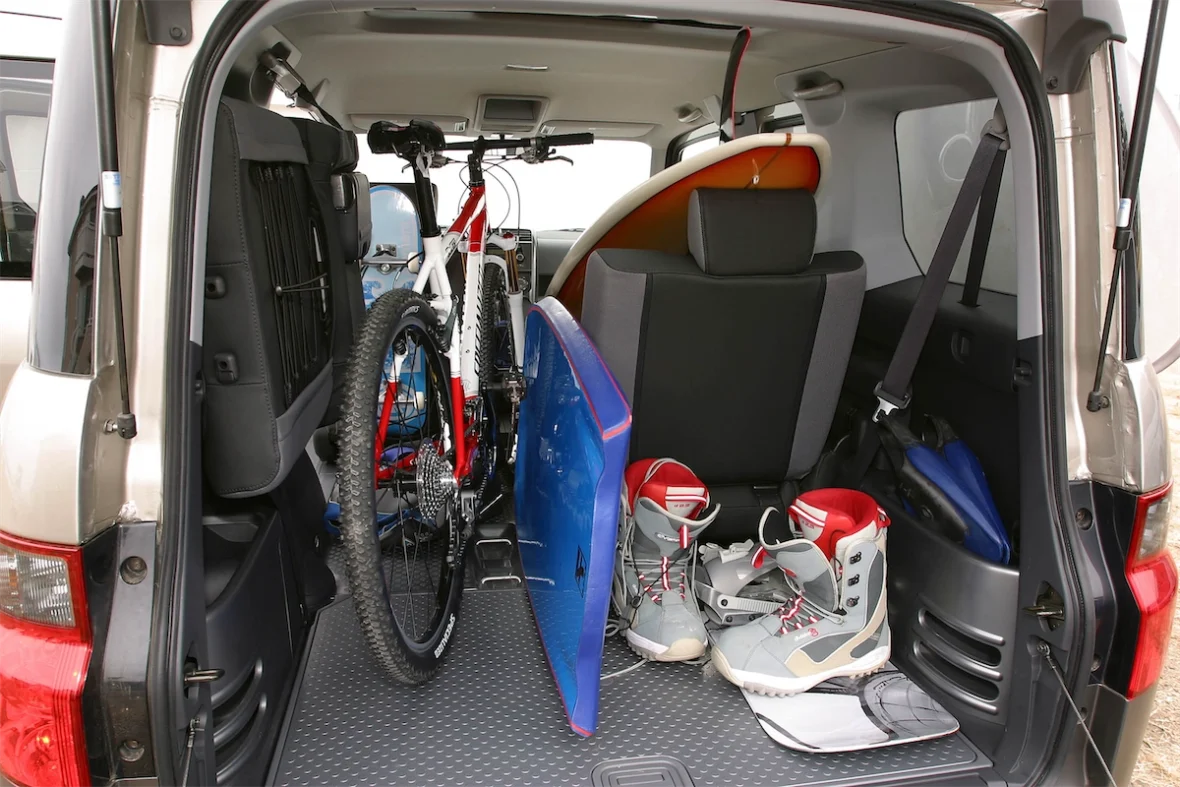
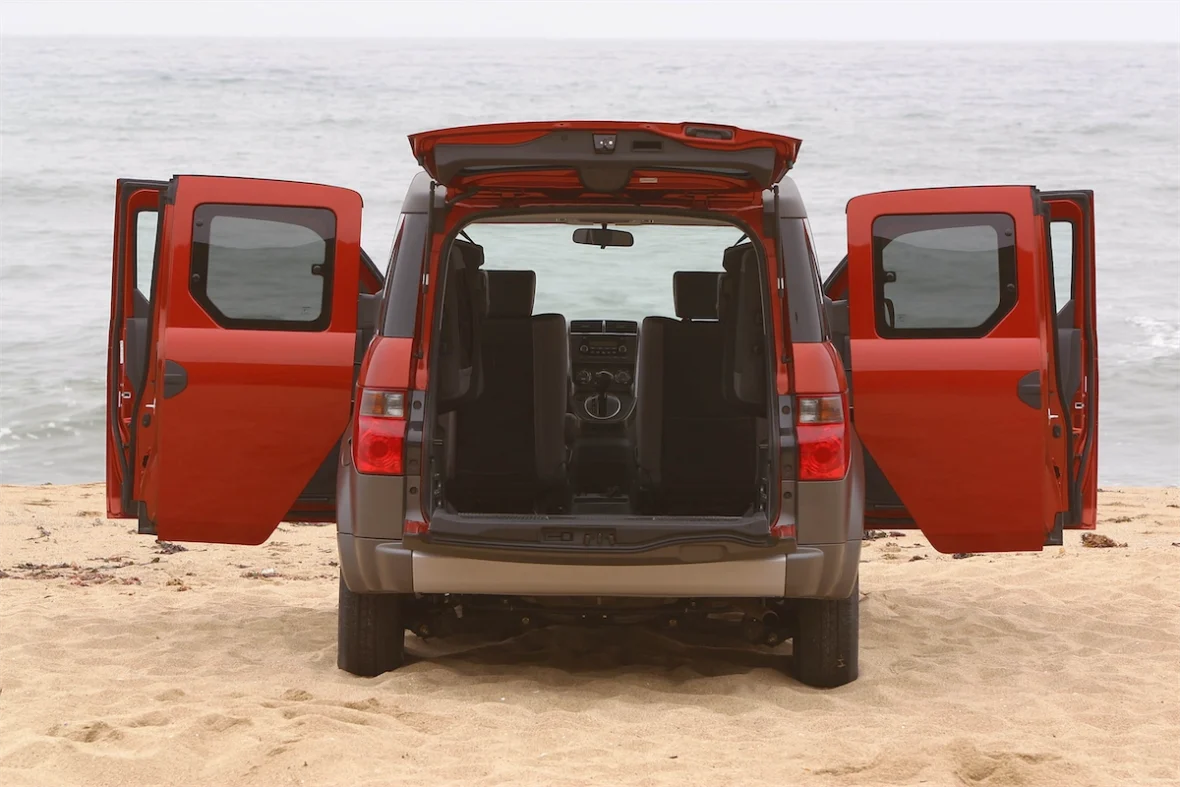
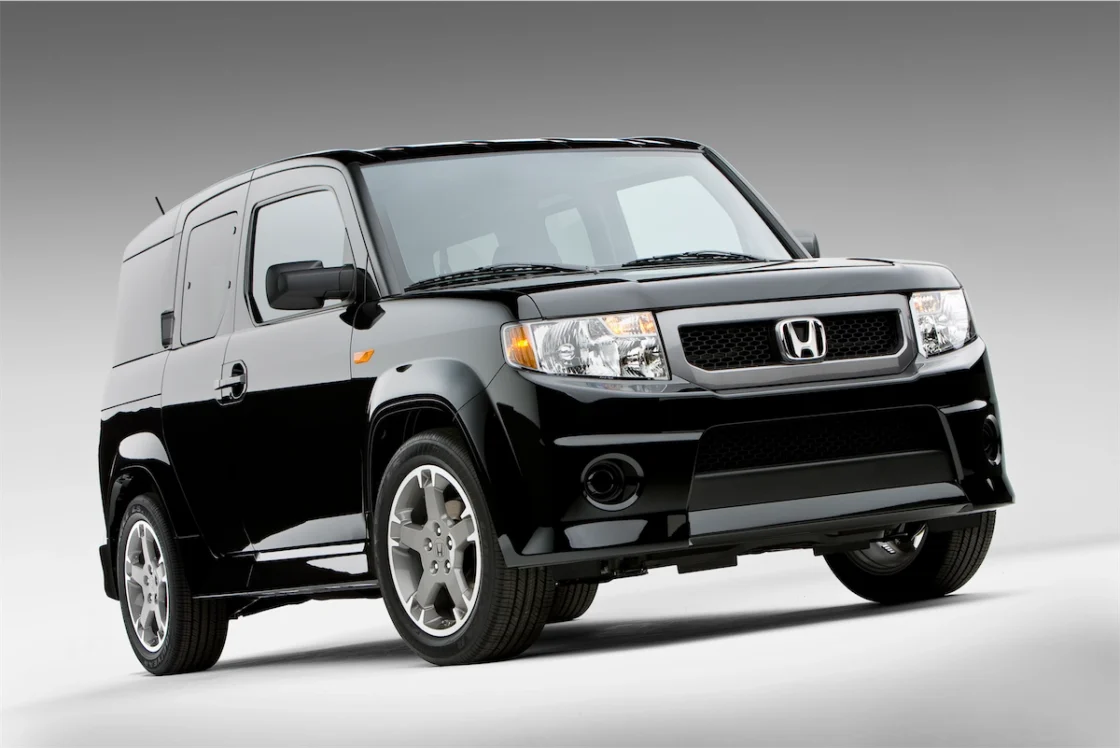
The first Element built its cult following with ahead-of-its-time boxy styling, washable floors, center-opening rear doors, and durable neoprene seats. It was upright and unapologetically odd in a way modern crossovers rarely are.
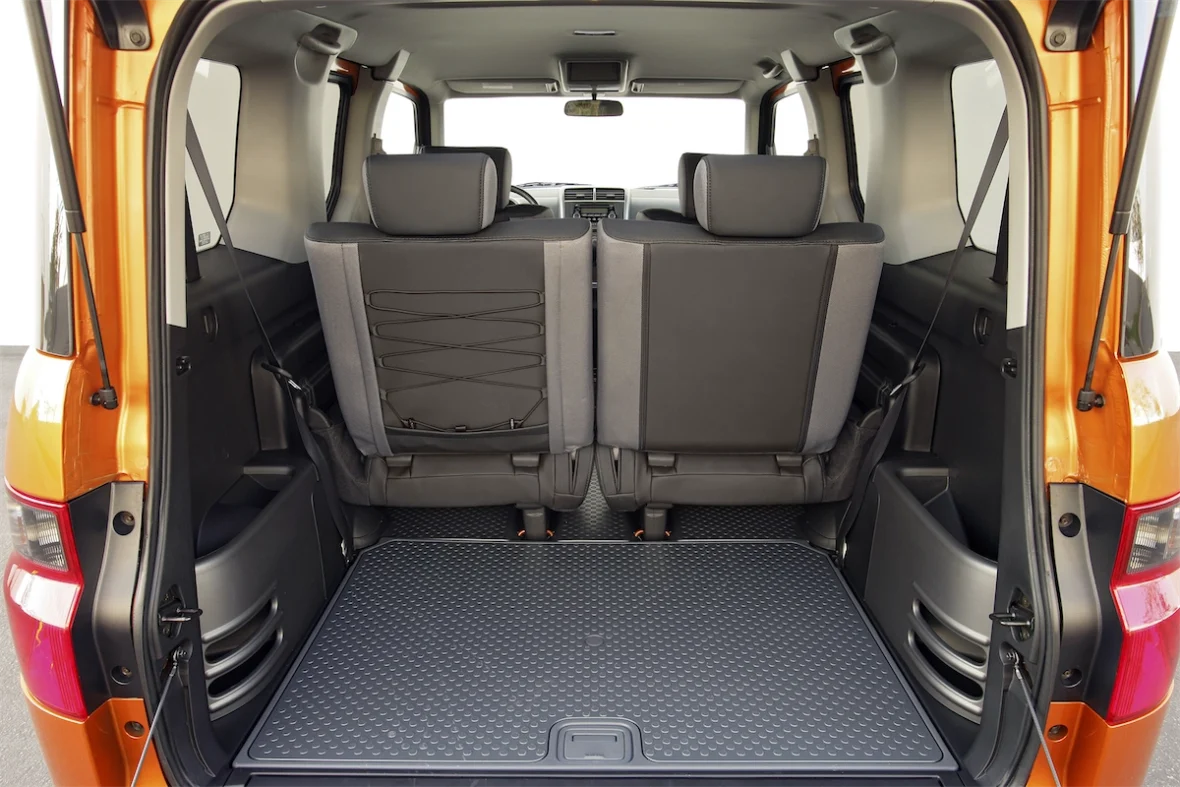
The shape was not just styling. It was utility. The squared-off body made it feel open inside. The wide doors made loading gear easier. The washable interior made it feel like Honda understood real life, not just showroom life.
If the new Element shows up as another soft-edged crossover with a nostalgic nameplate stuck to the back, Honda will miss the moment. The Element needs to look like an Element. Maybe cleaner, maybe more modern, but still instantly recognizable from across a parking lot.
It needs the right size, not just the right name
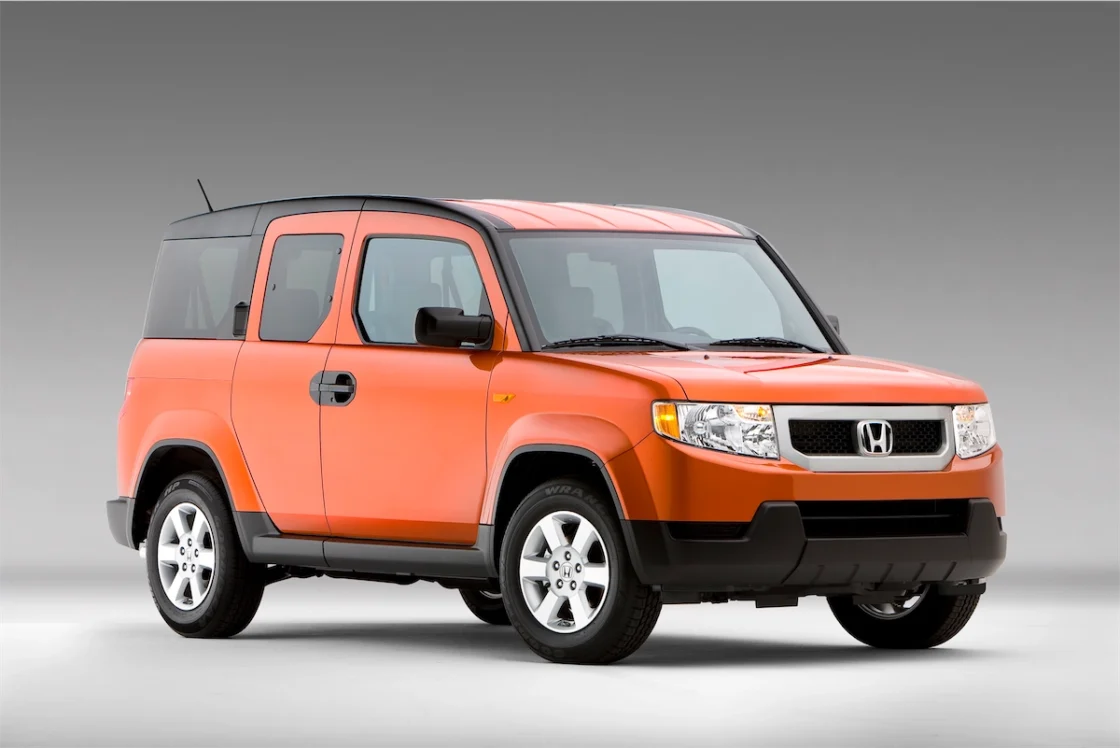
Automotive News says the revived Element is expected to slot between the HR-V and CR-V. That sounds like the right space, but it also creates a challenge.
If it is too small, it risks feeling like an HR-V with a costume. If it is too big or too expensive, it starts bumping into the best-selling CR-V. The sweet spot is something more cargo-focused and personality-driven than Honda’s existing crossovers.
That gives Honda room to make the Element feel like its own thing. Not the “family” crossover. Not the “commuter” crossover. More like the useful, boxy, easy-to-clean, easy-to-load Honda for people whose weekends do not fit neatly into a trunk.
That could work especially well for buyers who want one vehicle to handle errands, pets, camping gear, strollers, bikes, beach days, sports bags, and whatever else life throws in the back.
The hybrid powertrain is probably the right move
The original Element had plenty of charm, but fuel economy was not its strongest argument.
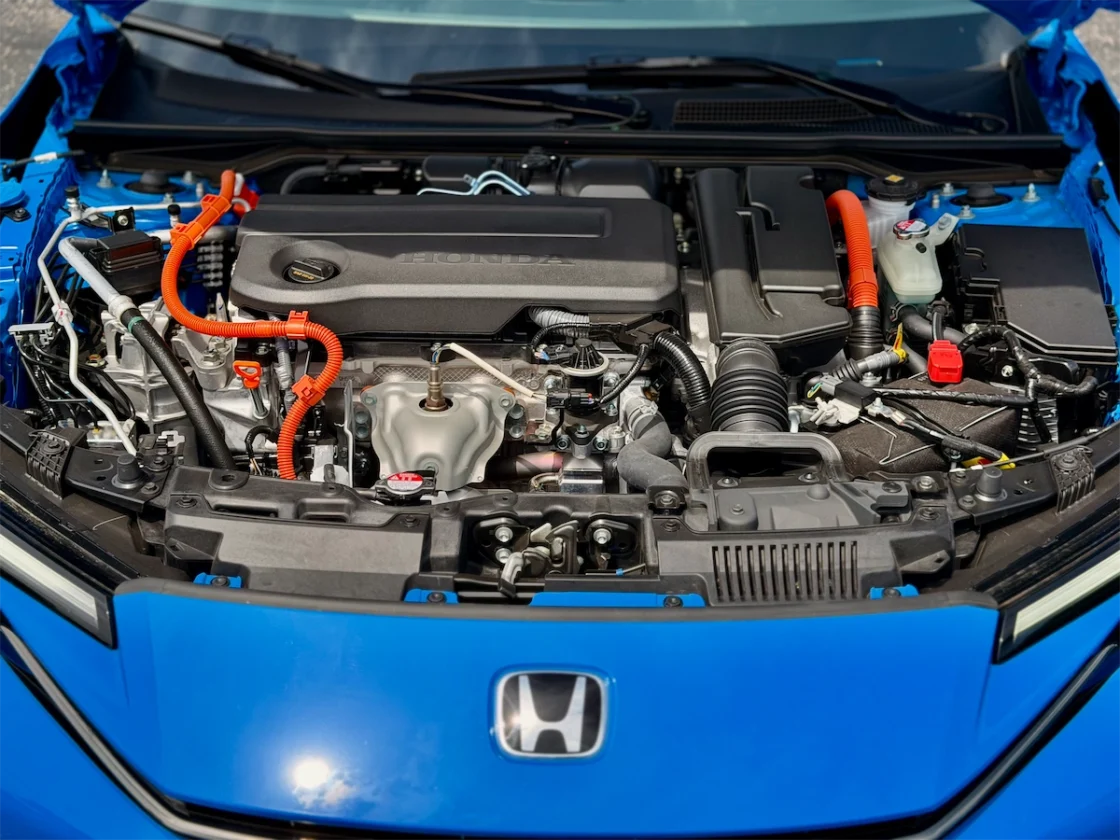
Automotive News points out that a hybrid powertrain would address one of the original Element’s biggest weaknesses. That makes sense. A hybrid Element could give Honda a much stronger everyday-use case than a gas-only reboot, especially if it delivers CR-V-like efficiency in a more interesting package.
This is where Honda’s current strategy could actually help. The brand may be pulling back from some EV plans, but Honda hybrids have been a bright spot. While Prelude fans are clamoring for more power from its hybrid powertrain, the 200-horsepower 2.0L hybrid could make a strong case in the quirky toaster on wheels. If the new Element leans into that strength, it could feel timely instead of retro.
The key is making the hybrid feel effortless. The Element should not be about chasing performance numbers. It should be about low-stress driving, good fuel economy, and enough power to feel confident with passengers and cargo on board.
Rear-seat access cannot be an afterthought
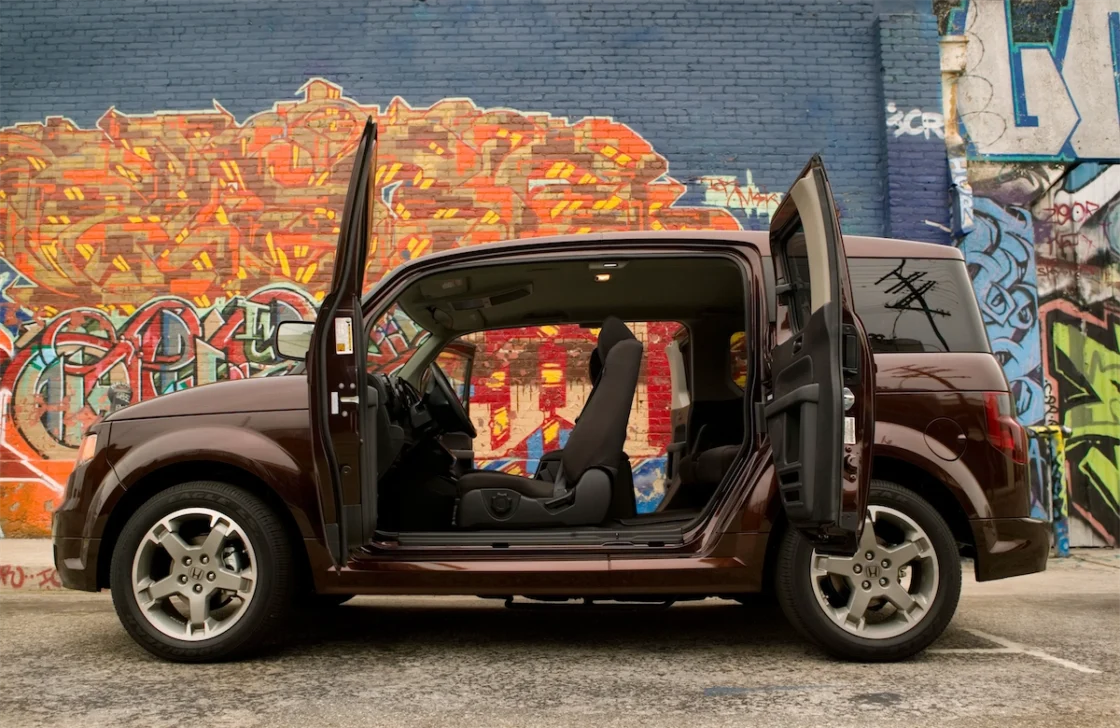
One of the most memorable parts of the original Element was its door setup.
The old Element’s wide-opening rear doors, lack of a B-pillar, and removable seats made it especially practical. That included outdoor use, but also buyers who appreciated easier access in and out.
For the revival, Honda has to be careful. Automotive News cites AutoForecast Solutions Vice President Sam Fiorani saying the new Element must be a true four-door vehicle with easy rear access while retaining the boxy, upright styling and strong utility enthusiasts loved.
That sounds right. The original Element’s rear doors were cool, but they were not perfect for every situation. A modern version needs to keep the spirit of easy access without creating daily-use frustration.
Translation: Make it simple to get people, gear, and awkward cargo in and out. That is the whole Element promise.
It needs clever cargo solutions, not a fake adventure trim
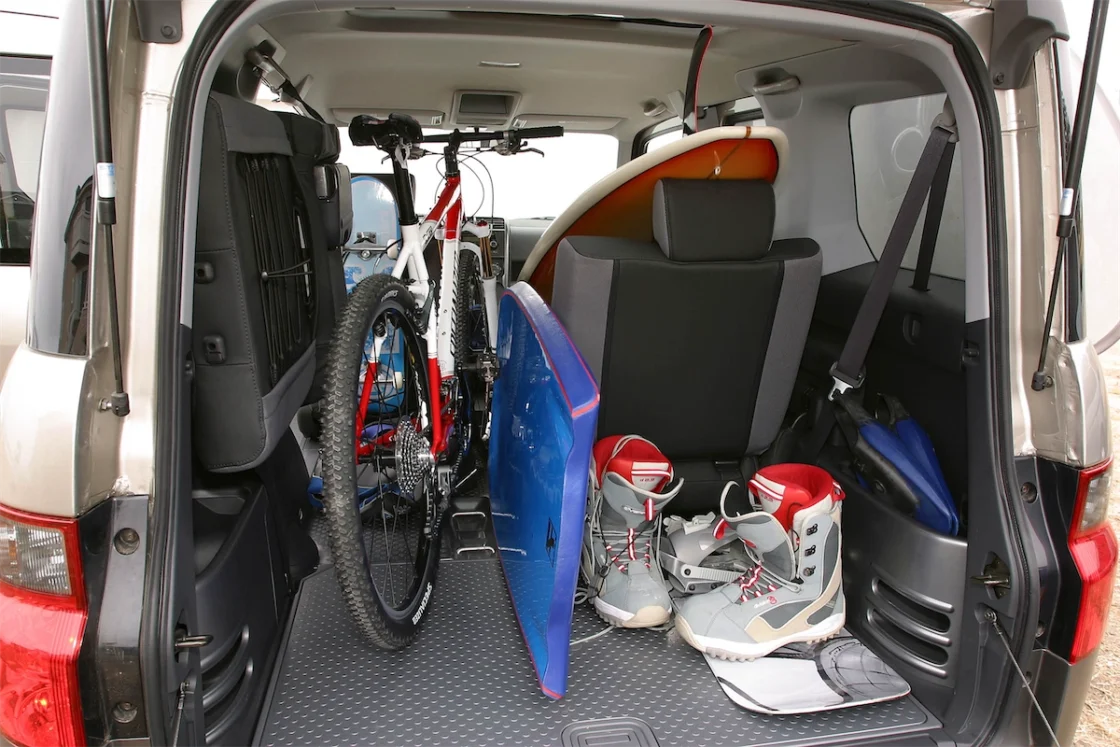
There is a big difference between a useful adventure vehicle and a crossover wearing black cladding.
A well-executed Element revival could appeal with updated features such as integrated roof racks and modular cargo systems. That is exactly the lane Honda should be in.
The Element should be clever before it is rugged. Give it smart storage, durable materials, a low cargo floor, configurable seating, and tie-down points that make sense. Make it easy to wipe down. Make it easy to pack. Make the rear area feel like the whole reason the vehicle exists.
This is also where Honda can avoid being too precious with nostalgia. The old Element was loved because it was useful in a very specific way. A modern version can update that formula without turning into a cosplay off-roader.
Price could make or break it
If the Prelude’s revival can teach Honda anything about bringing back a nostalgic nameplate, it could be on pricing. Honda tried to frame the pricing story on the Prelude as cheaper than the last generation, when adjusted for inflation. That story never stuck with modern audiences. Since sharing on social media that we are testing the Prelude this week, at least half of the comments were related to the pricing being too high.
The report suggests Honda is targeting nearly 100,000 sales in the Element’s first full year of output. That is a much bigger target than the original ever hit, with U.S. sales never surpassing 50,000 units after 2006, all the way until Honda dropped it after the 2011 model year.
So pricing matters. A lot.
Fiorani told Automotive News the Element “can’t be priced that much more than a CR-V.” That may be the most important sentence in the whole report.
If Honda prices the Element like a niche lifestyle toy, it risks repeating the original’s limited reach or the folly of the current Prelude. If it prices it close enough to mainstream crossover shoppers while offering more personality and better cargo utility, it has a real shot.
The Element cannot just be cool. It has to make financial sense in the driveway.
Honda has to understand why people miss it
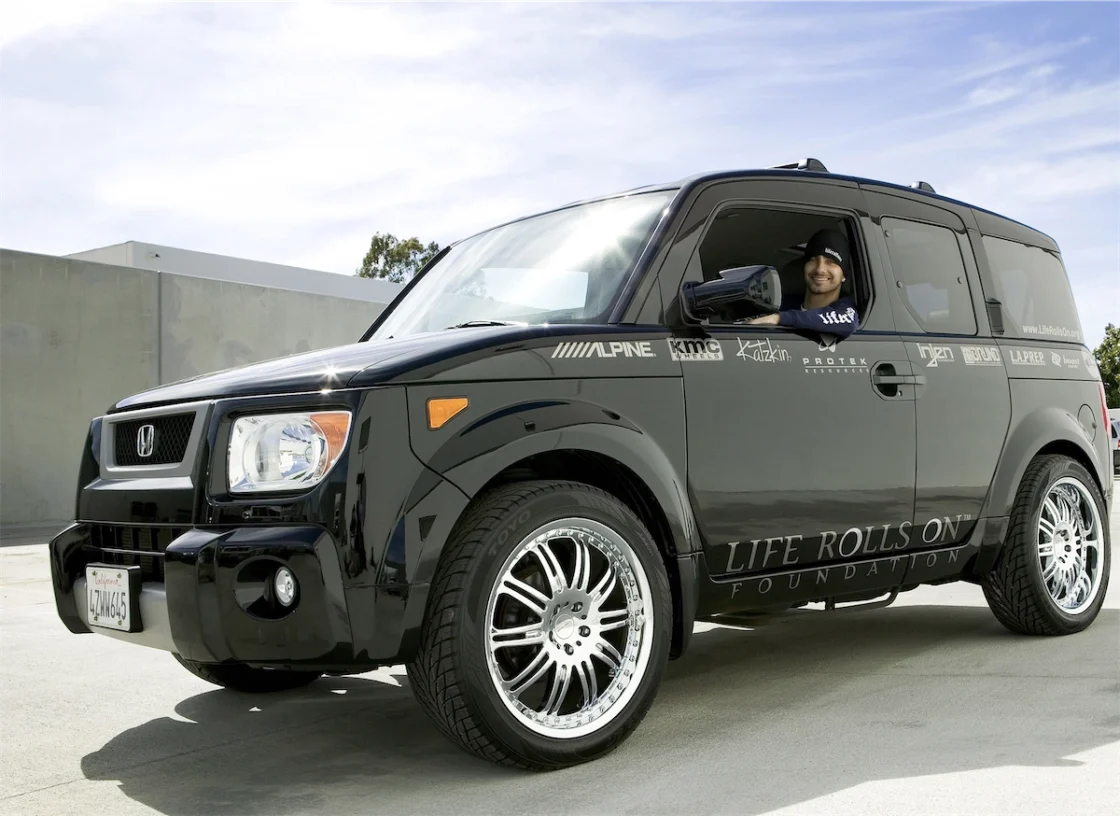
The Element was not a sales monster, but it became something more valuable over time: memorable.
Automotive News notes resale values remain strong, with one Honda retailer saying Elements rarely show up on trade and sell quickly when they do. That kind of owner loyalty is hard to manufacture.
But that loyalty also creates expectations. People do not miss the Element because it was perfect. They miss it because it was different, useful, and refreshingly honest.
That is what Honda has to recapture.
The Prelude revival shows how complicated this can be. Honda brought back a cult-classic name, but not every enthusiast agrees with the execution. The Element has an even more specific identity, and Honda cannot afford to blur it into another compact crossover.
If Honda gets this right, the new Element could be exactly what the brand needs: a practical hybrid with personality, nostalgia, and real-world usefulness. If Honda gets it wrong, it will be another reminder that bringing back a name is easy, but bringing back the magic is the hard part.
Final thoughts
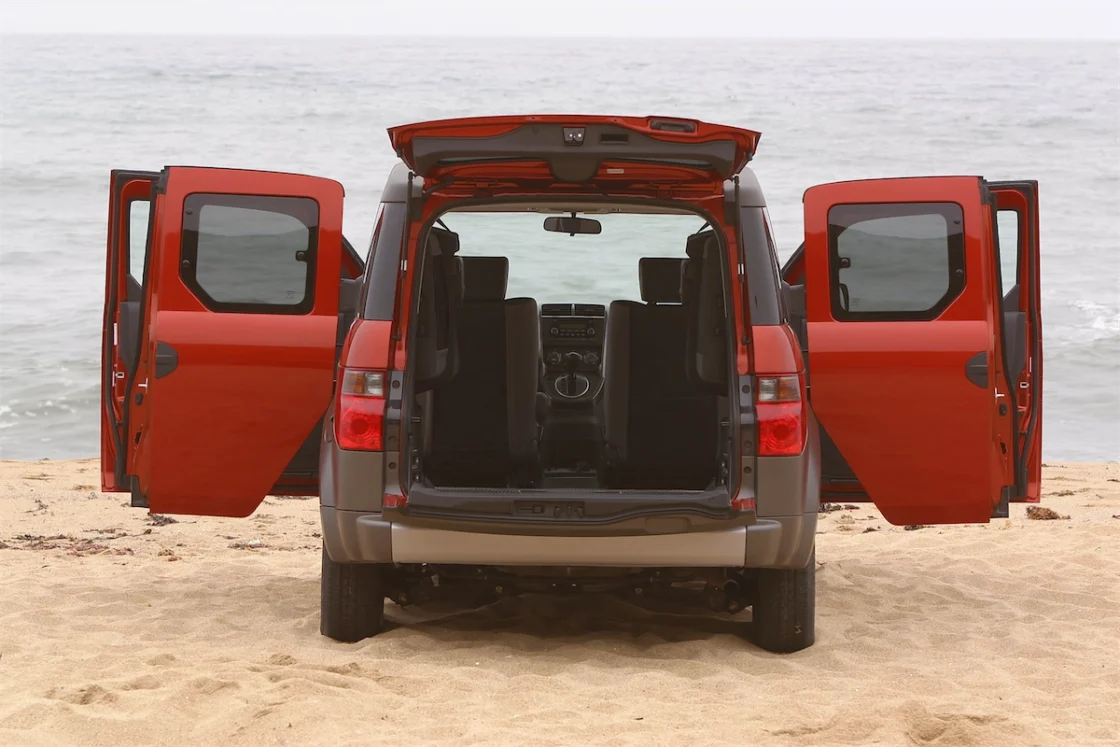
A revived Honda Element makes more sense now than it did when the original launched.
Boxy crossovers are back. Hybrids are having a moment. Buyers want utility, efficiency, and something that does not look like every other compact SUV in the school pickup line, office garage, or trailhead parking lot.
The opportunity is real. But so is the risk.
Honda does not just need to revive the Element. It needs to remember why people loved it.