
2026 Toyota bZ vs 2025 bZ4X: What Actually Changed?

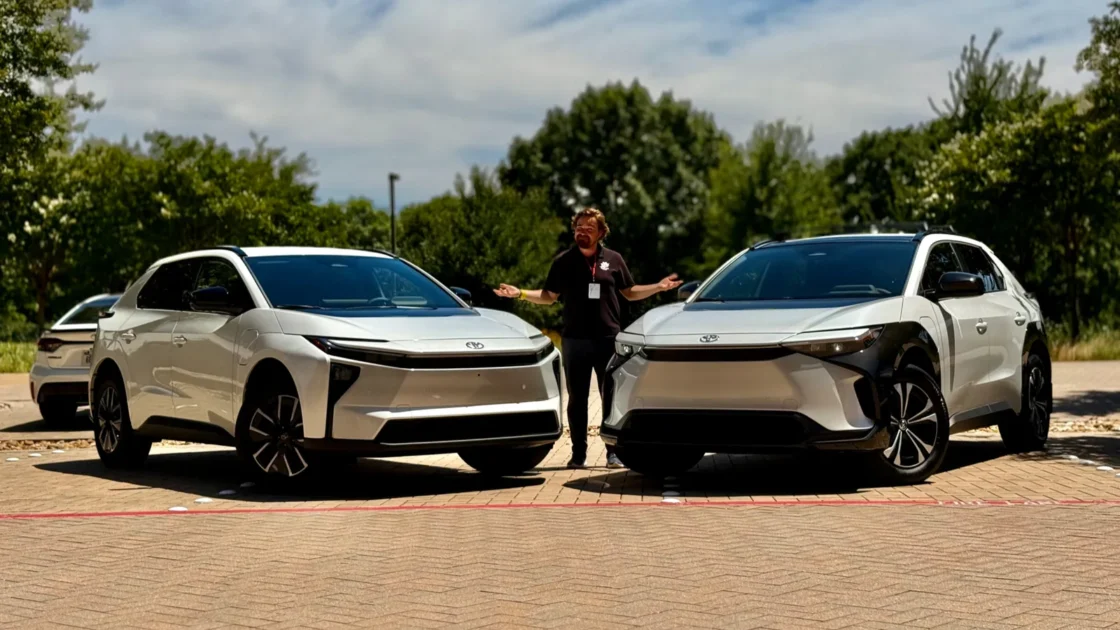
Toyota just dropped the “4X” and picked up its game. The 2026 Toyota bZ—formerly known as the bZ4X—isn’t just a name change, it’s a full-blown glow-up that finally makes this all-electric SUV worth a serious look.
NEED TO KNOW
- The 2026 bZ drops the ‘4X’ suffix and represents a ground-up rethink of Toyota’s entry-level EV—not a refresh but a redesign
- Power jumps 50% on AWD models (from 214 to 338 hp), range increases from 252 to 314 miles—writer calls it ‘night and day’ vs. the outgoing model
- The interior is redesigned with Lexus-sourced infotainment, dual wireless charging, hidden storage, and elimination of piano-black surfaces
- NACS port is now standard, solving the Tesla Supercharger compatibility issue that plagued earlier EVs
- Writer drove it at Toyota HQ and declares it transformed from ‘a forgettable compliance car to a legitimate contender in the electric SUV space’
Forget mild updates. Toyota went back to the lab and addressed nearly every complaint by boosting range, cranking up the power, ditching the piano black, and borrowing a few slick tricks from Lexus. I recently had the opportunity to take it for a spin at Toyota HQ, and here’s this was my take.
The Glow-Up Is Real
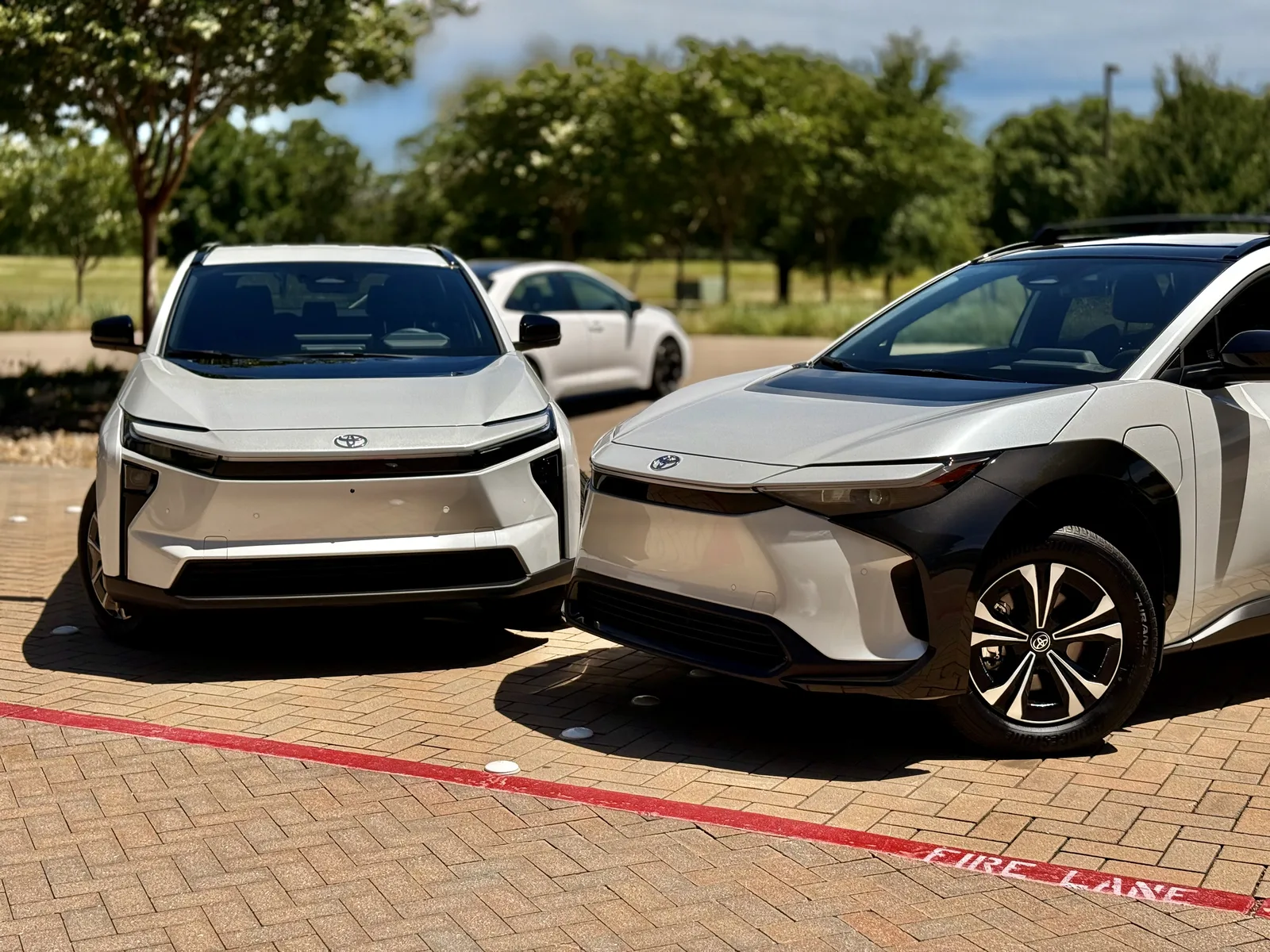
Let’s start with the face. Toyota dumped the clunky gloss black overfenders of the outgoing model and went with slick, body-colored fenders that give this SUV a more refined, cohesive look. The front-end redesign is clean, modern, and way more premium. This isn’t just a restyle; it’s a whole vibe shift.
Even the wheels and tires got a refresh. Wheel designs keep the bZ looking modern while tires change from Bridgestones to Toyo Open Country tires that feel better suited for a vehicle that finally wants to perform.
Tesla Plug, Meet Toyota Badge
If you’ve ever tried to charge a non-Tesla EV at a Tesla Supercharger, you know the struggle. Adaptors, apps, and short charge cables. The 2026 bZ solves that with a smart move: the new NACS port sits up front on the passenger fender, letting you pull in head-first at Superchargers without blocking two stalls. It’s the kind of detail that shows Toyota’s actually listening.
314 Miles of Freedom
The range bump isn’t just impressive, it’s essential. Going from 252 miles to 314 puts the bZ in real competition with Hyundai, Chevy, and even some Teslas. And with 338 horsepower on AWD models, this thing finally delivers the EV punch it was missing. The difference between the bZ and the bZ4X is night and day. I guarantee that if you drive the old and new back-to-back, you’ll swear you’re in two different SUVs.
Interior: From Subaru to Lexus
Inside, the bZ ditches the piano black fingerprint magnet panels and replaces them with a sleeker, more durable material. The dash layout is cleaner, and the center console got a total overhaul. Dual wireless charging pads. Hidden storage. Lexus-sourced infotainment. This isn’t just a minor interior refresh; it’s a redesign done right.
And let’s talk screens: The 14″ touchscreen now handles everything from climate to safety settings, with a snappy interface borrowed straight from Lexus. The driving experience feels dialed in, focused, and light years ahead of the previous model.
On the Road: EV Punch Finally Arrives
Behind the wheel, the upgrades translate to a much more engaging drive. That 50% power boost changes the entire driving experience. In the 2026 bZ, stepping on the accelerator actually moves the needle. You get that EV torque surge that makes daily driving fun again. No more waiting for it to wake up; it just goes.
Final Verdict: From Meh to Must-Test
Toyota finally gave the bZ4X what it needed to compete. It went from a forgettable compliance car to a legitimate contender in the electric SUV space. If you were eyeing the old bZ4X but couldn’t commit, this new version makes the decision easy.
It’s not perfect, some quirks remain, but the improvements are real, and they matter. More range, more power, smarter design. Toyota took the feedback and made the right moves. Now it’s your turn to get behind the wheel and feel the difference.
Would you rather watch this review? Check out our YouTube channel GT: Garage Talk for more reviews, laughs, and family-tested car content.
2026 Toyota bZ – Key Specs
EV Powertrain & Drivetrain:
Up to 314 Miles Manufacturer-Estimated Range (XLE FWD Plus)
50% More Horsepower vs. Outgoing Model – 338 hp (AWD) Up from 214 hp
Equipped with North American Charging System (NACS) PortPlug & Charge Capability for DC Fast Charging
Available in Front-Wheel Drive (FWD) or All-Wheel Drive (AWD)
Exterior:
Restyled Front-End with Redesigned Fascia and Lighting
Newly Available Color-Matched Overfenders for a Sleeker Look
Interior & Comfort:
New Instrument Panel Design
Customizable Ambient Lighting
Available in XLE and Limited Trims
Technology & Infotainment:
14-Inch Toyota Audio Multimedia Touchscreen
2026 Toyota bZ XLE AWD
PROS
- 50% more horsepower (338 hp AWD) transforms the driving experience—instant EV torque finally makes daily driving fun
- Range increased from 252 to 314 miles, making this a legitimate competitor against Hyundai, Chevy, and Tesla
- Body-colored fenders replace the clunky gloss black overfenders—a more refined, premium exterior appearance
- 14-inch Lexus-sourced infotainment with dual wireless charging pads and a snappy, redesigned interface
- NACS port positioned on the passenger fender for head-first Supercharger pull-ins—a thoughtful real-world charging solution
CONS
- Some quirks remain from the previous generation—writer doesn't specify but acknowledges the car is 'not perfect'
- Improvements are extensive enough that the 2025 bZ4X feels like an entirely different vehicle by comparison, making current owners feel shortchanged