2026 Toyota C-HR First Look: Toyota Gets This EV Right

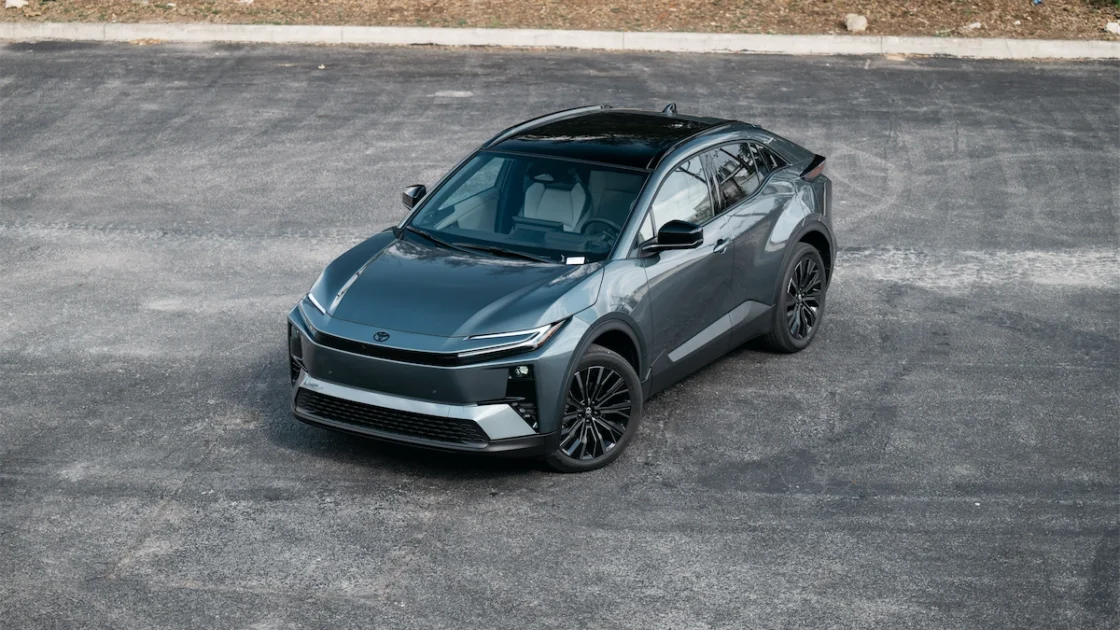
While at the Texas Auto Writers Association’s annual Auto Roundup, I got some seat time in the newest and perhaps best EV from Toyota: the 2026 Toyota C-HR XSE. It caught me off guard because Toyota was so standoffish about EVs, wanting instead to produce more hybrids, but this second attempt at a mainstream EV turned out so well-rounded.
Highs
✅ Surprising Power from Dual Motors – 338 horsepower in a compact crossover? Toyota brought the heat.
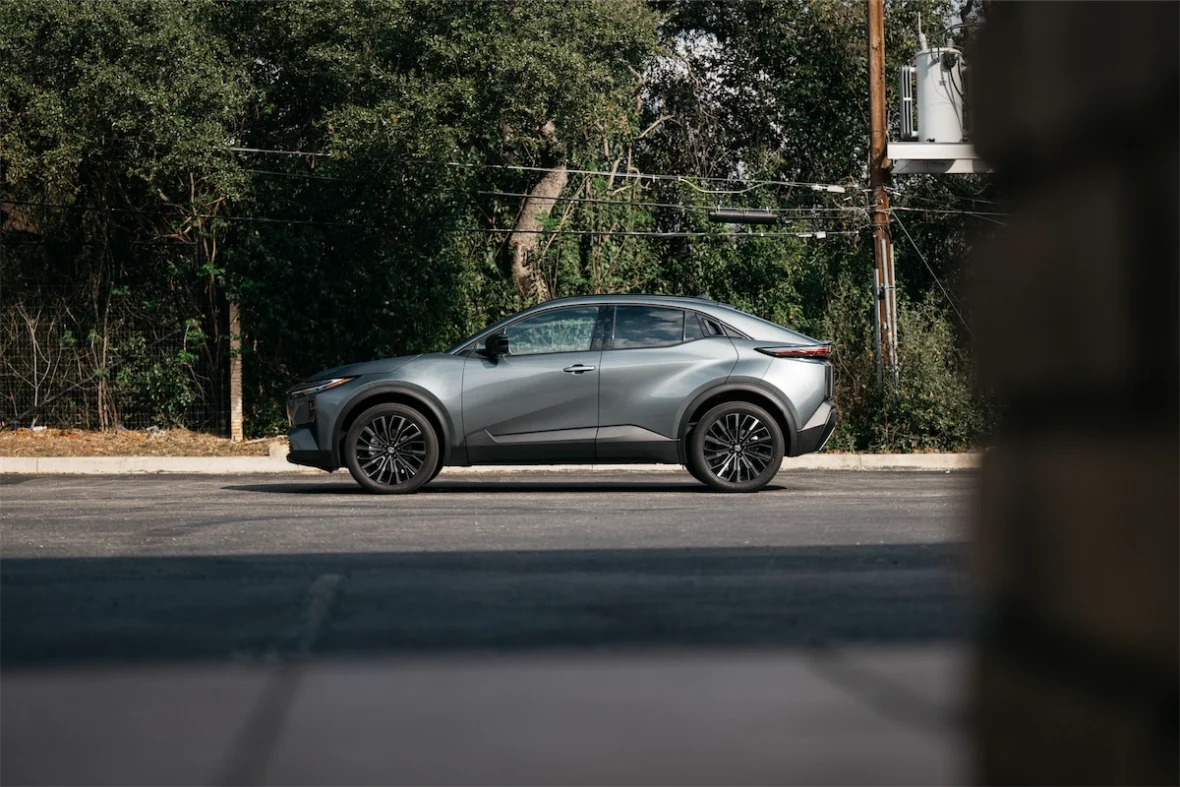
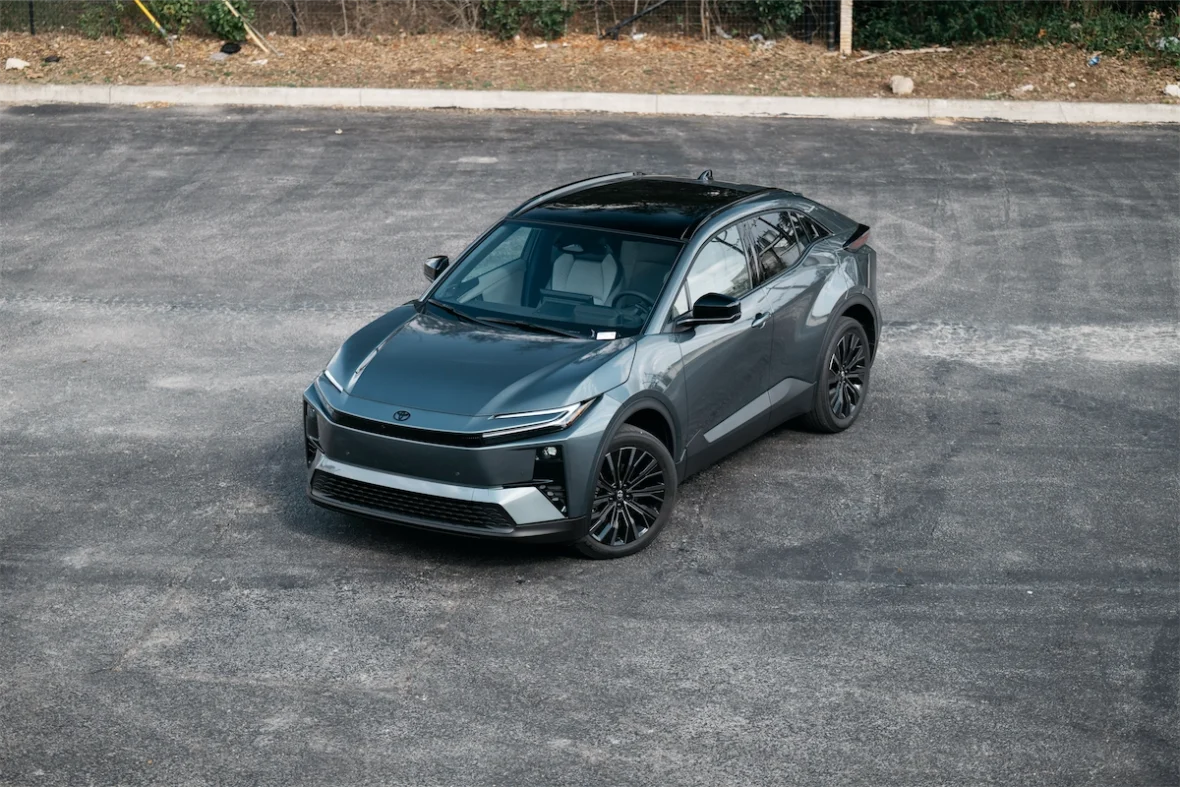
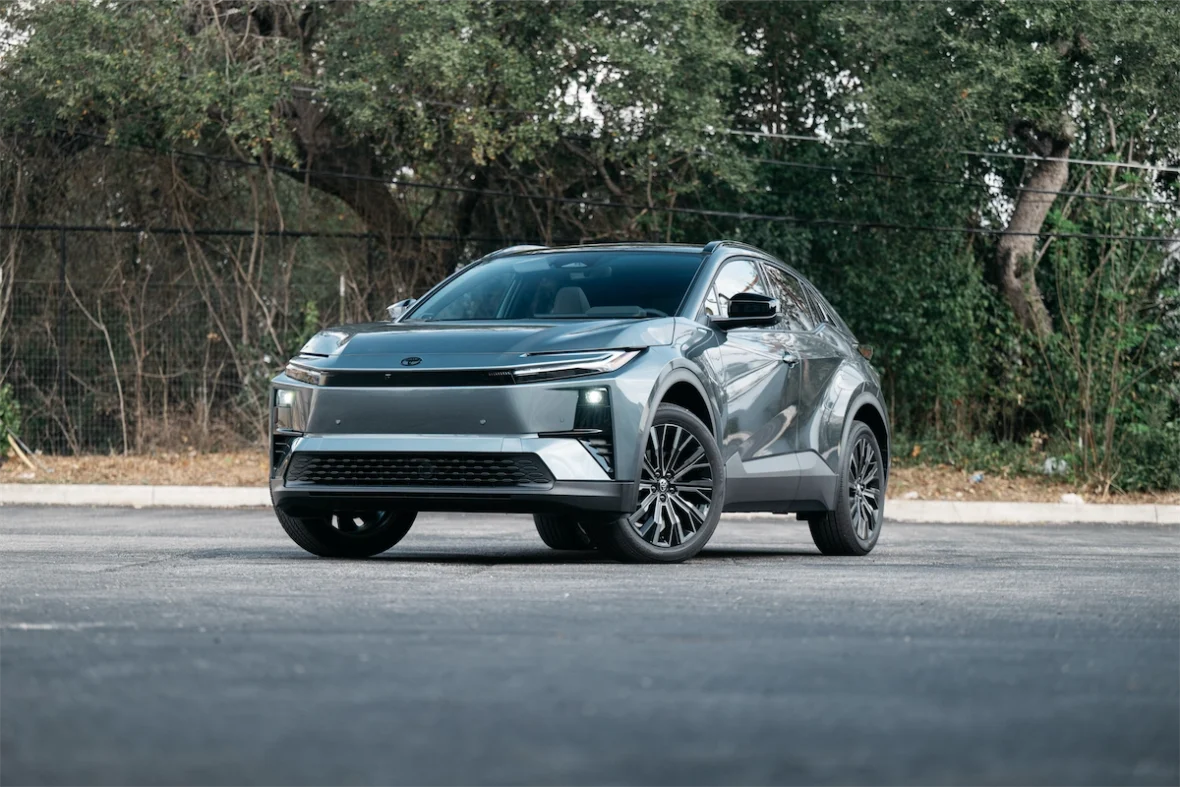
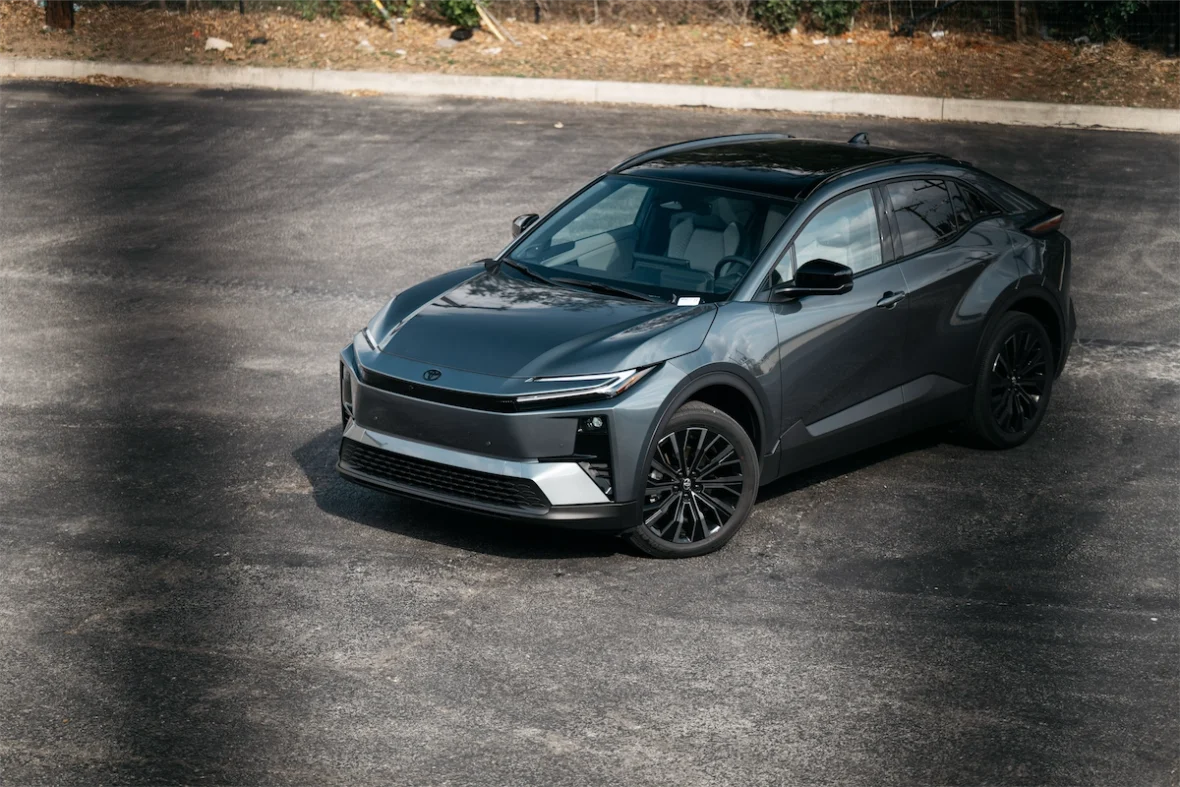
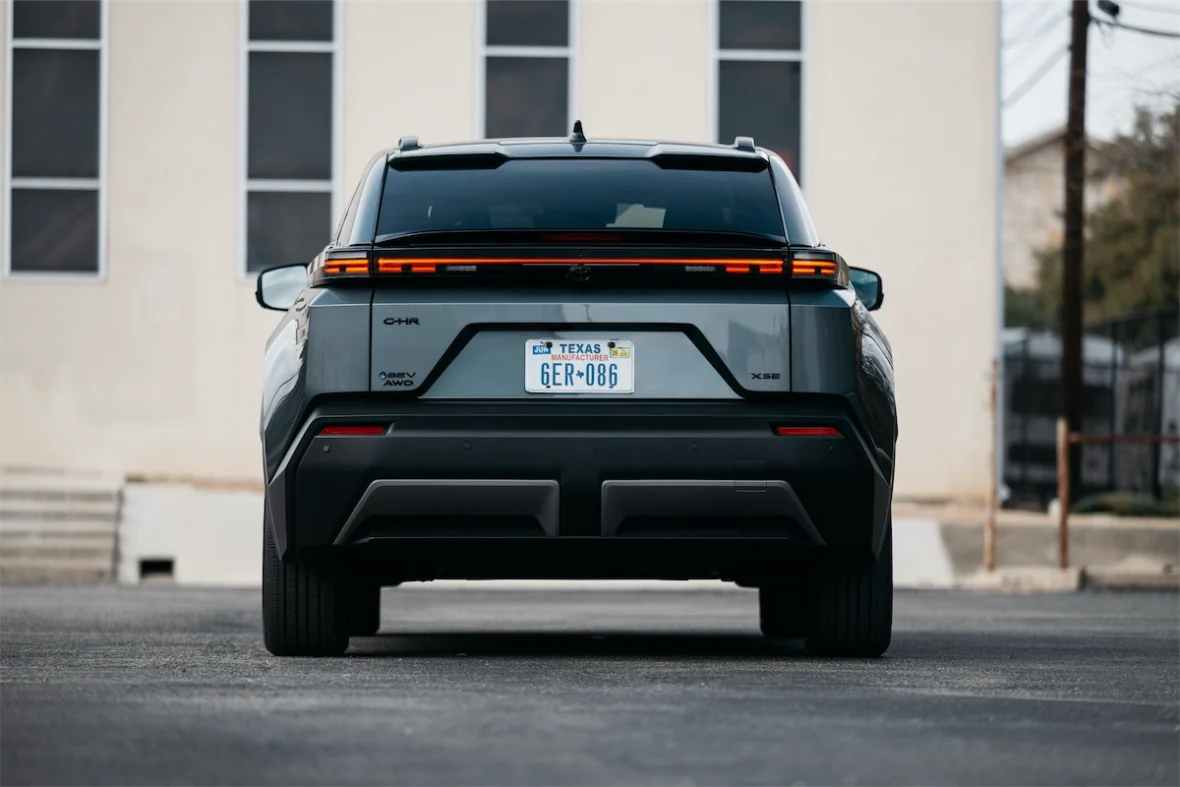
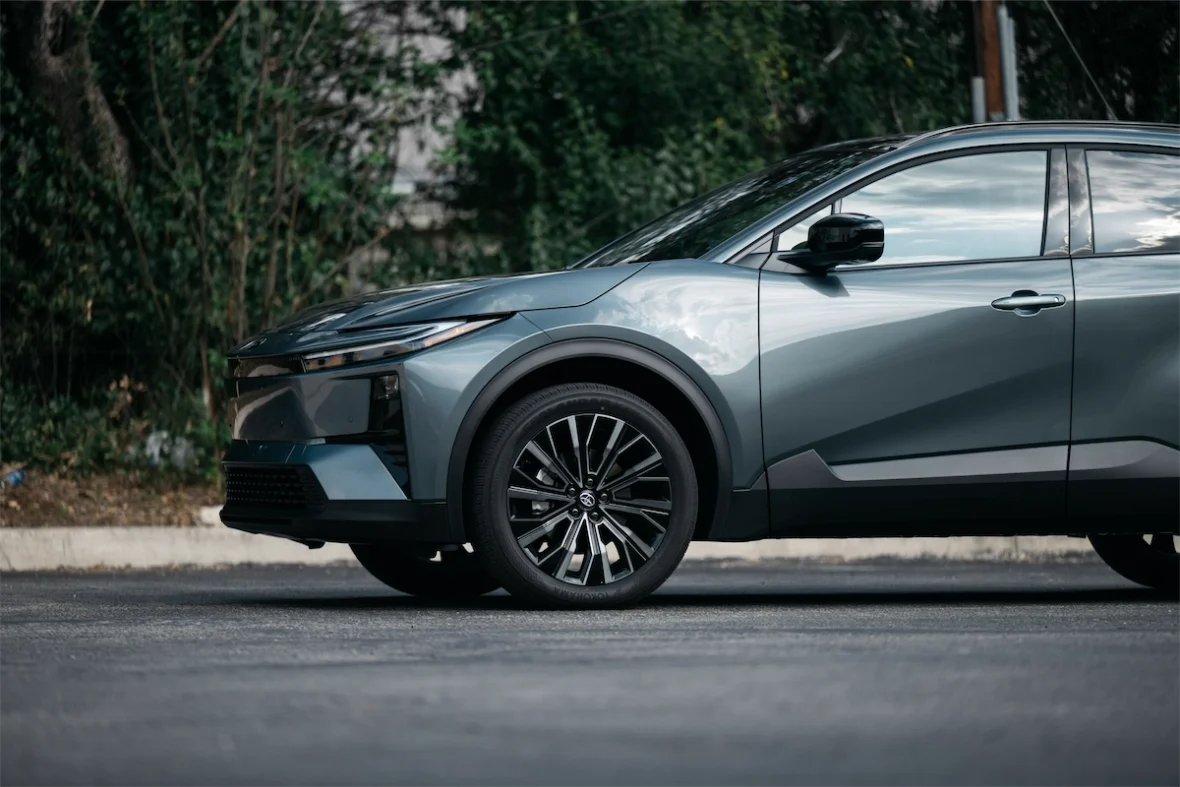
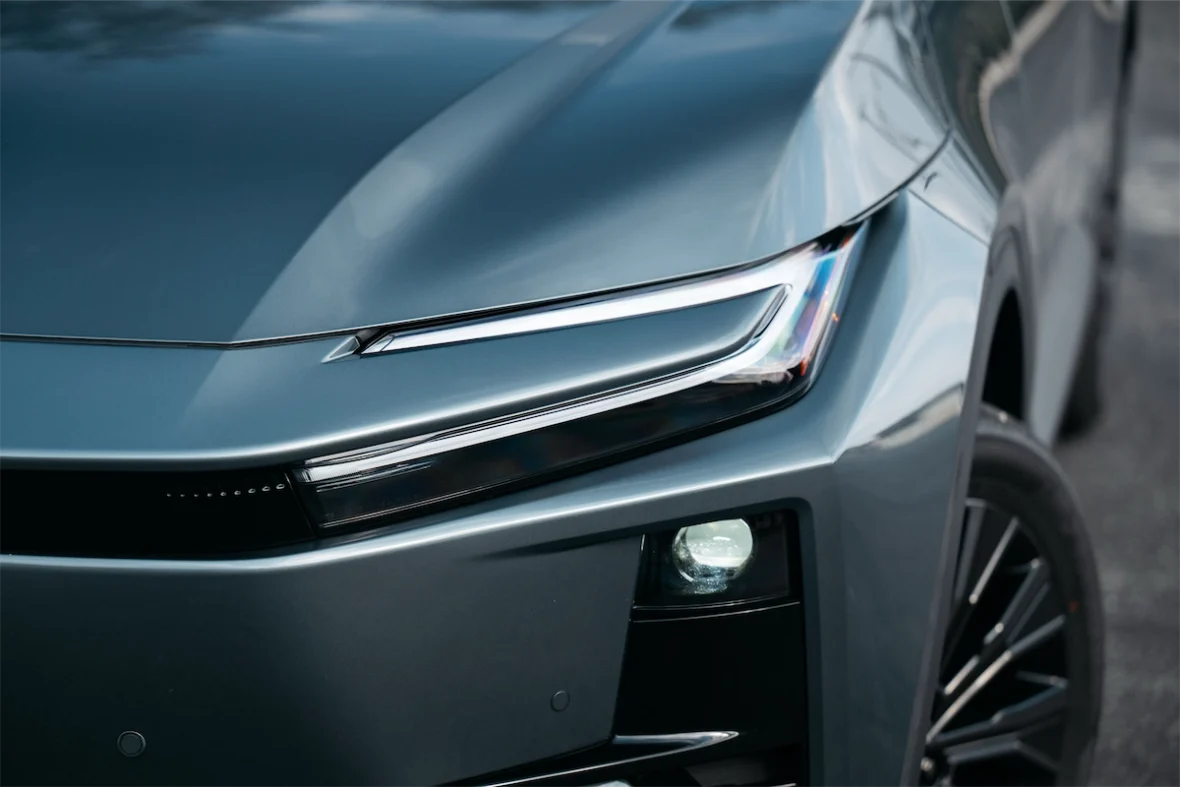
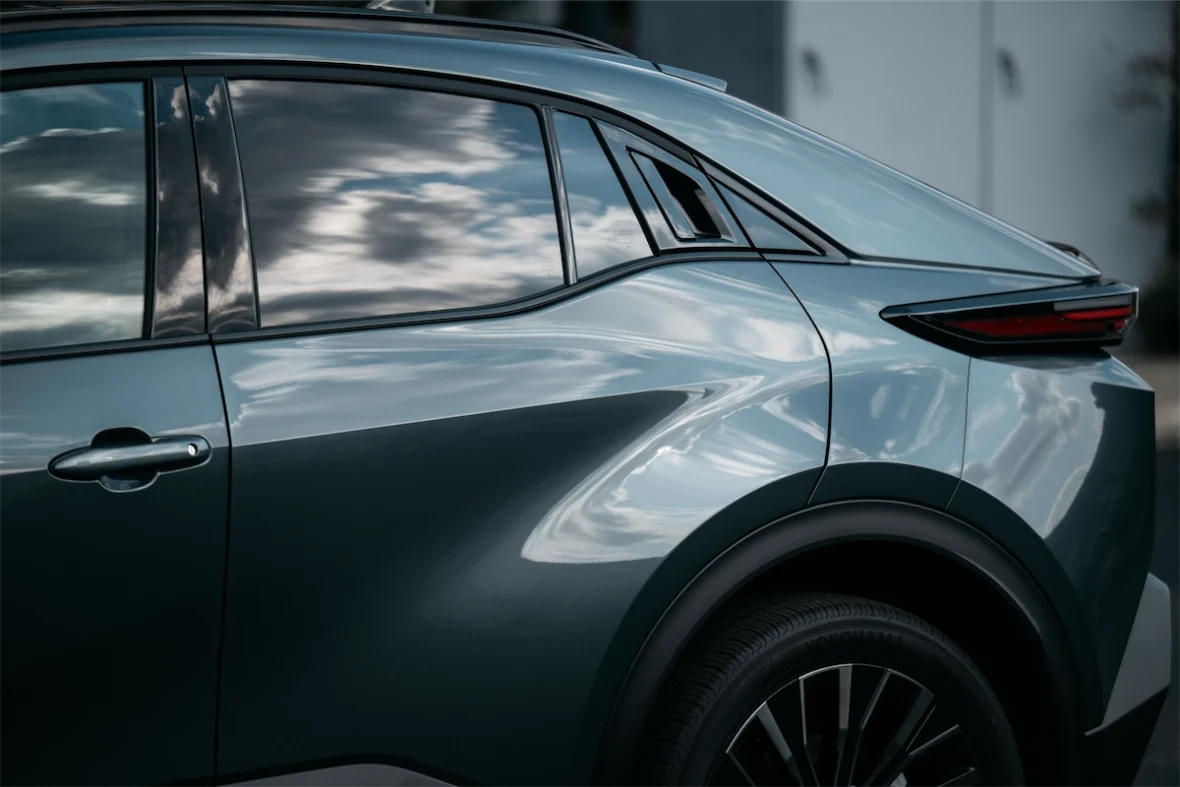
✅ Aggressive New Styling – Sleek coupe-inspired profile, hammerhead face, and black contrasting roof will turn heads.
✅ Tesla Charger Compatibility – Standard NACS port makes charging at Superchargers a breeze.
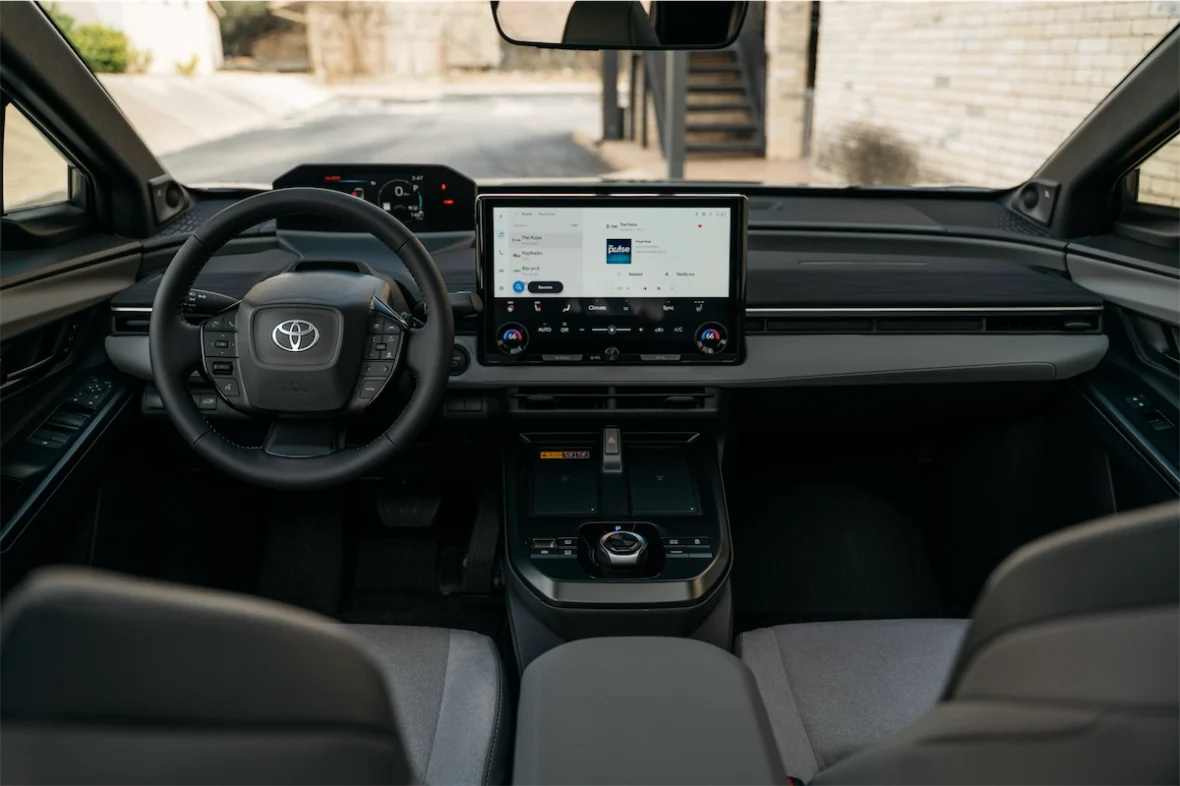
✅ Premium Cabin Touches – Soft-touch materials, dual wireless chargers, and a Lexus-influenced layout? Yes, please.
Lows
👎 No Frunk, No Glovebox – Storage is sacrificed in favor of design: no front trunk and no traditional glovebox.
👎 Sub-300-Mile Range – An estimated 290 miles is solid but may leave range-conscious Texans wanting more.
👎 Tight Rear Headroom – Coupe-like styling looks good, but squeezes space in the back.
C-HR Goes Full Electric
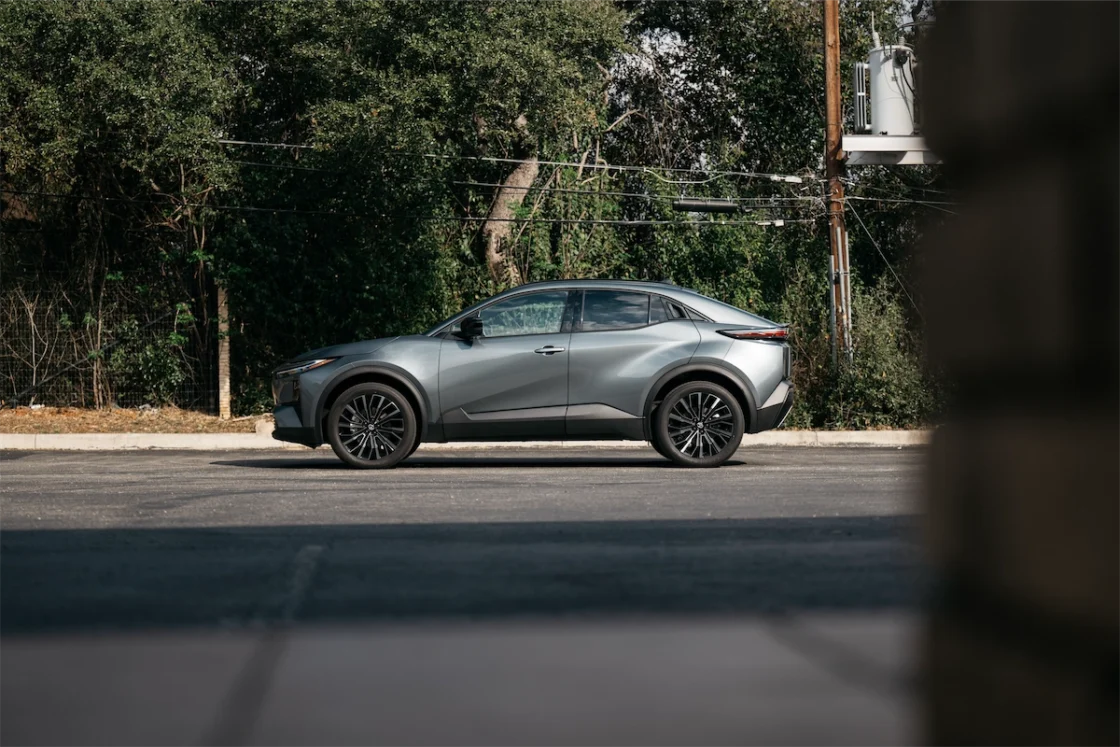
Toyota is back with a bold reintroduction of the C-HR, this time as a fully electric crossover that’s compact, aggressive, and surprisingly potent. Riding on the same e-TNGA architecture as the bZ and new bZ Woodland, this next-gen C-HR is set to compete directly with the Chevy Equinox EV and other small electric SUVs. The big difference is that Toyota finally brought the performance and design heat.
Under the Skin: Power and Performance
There’s no frunk up front, but honestly, who cares when you’re packing dual motors pushing 338 combined horsepower through standard all-wheel drive? The C-HR offers legitimate get-up-and-go, making it more than just a stylish city cruiser.
With a manufacturer-estimated range of up to 290 miles and fast-charging support (10–80% in about 30 minutes under ideal conditions), it’s got real road-trip potential, especially now that Toyota’s joined the Tesla plug party. The NACS port on the front passenger side is a smart touch, letting you nose into a Supercharger without blocking two stalls like some competitors (I have bad flashbacks from trying to charge a Ford Lightning at a Tesla charger).
A Design-Forward Exterior That Actually Works
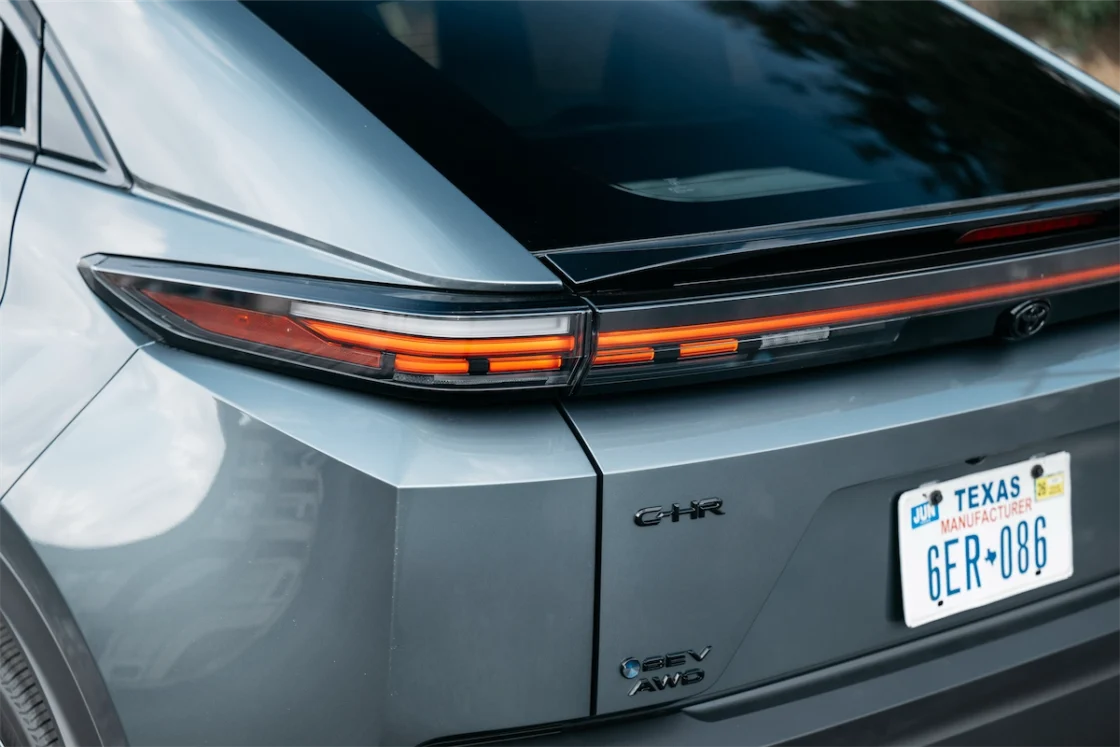
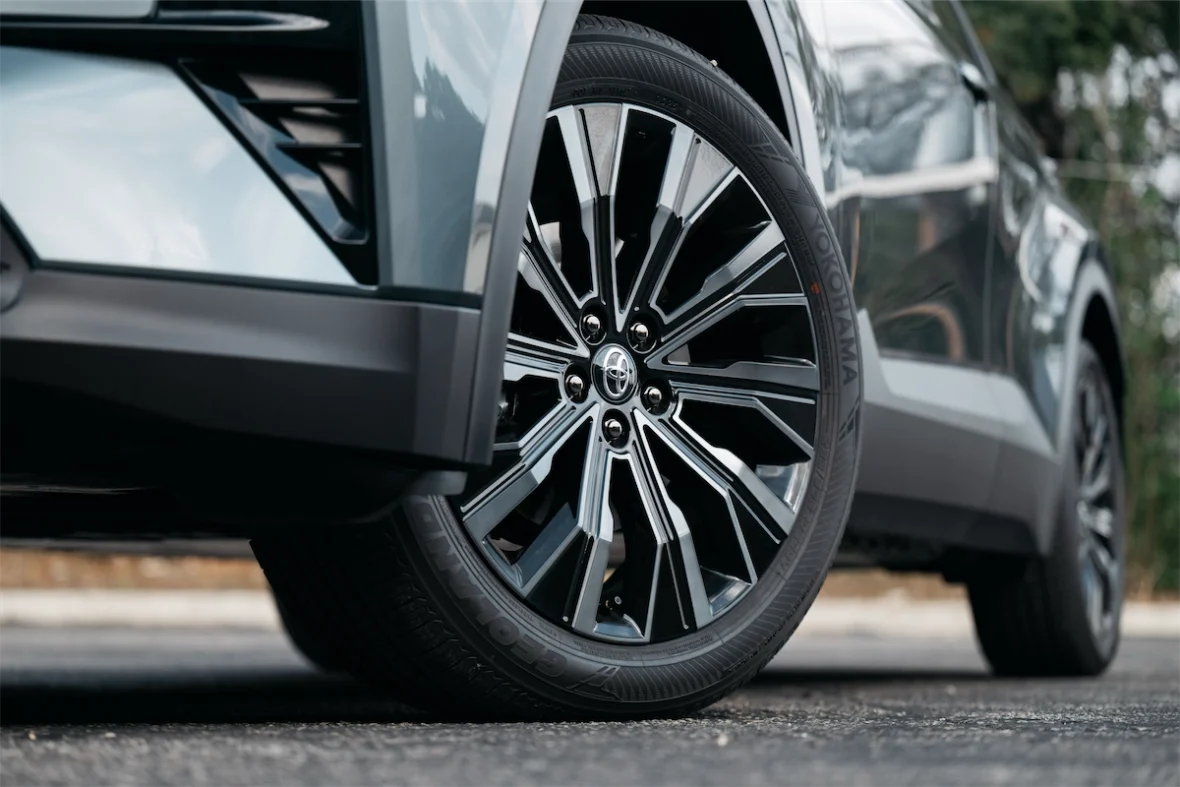
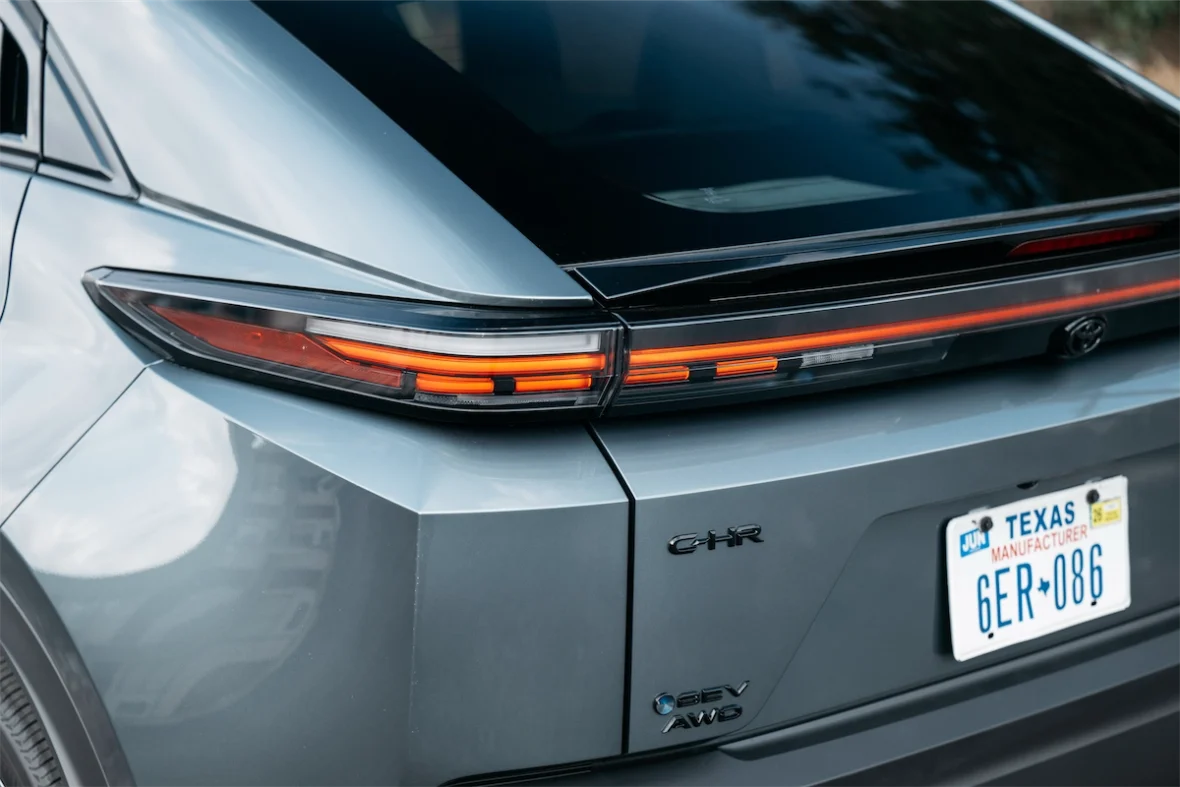
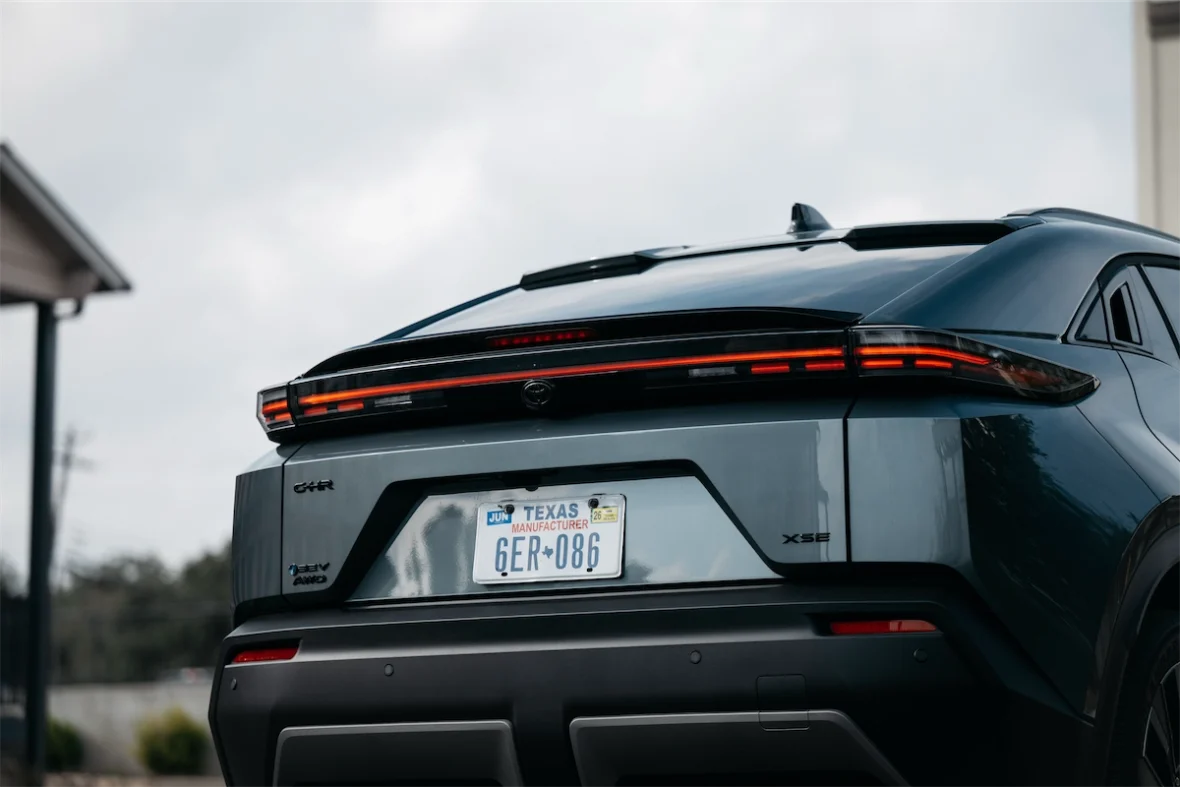
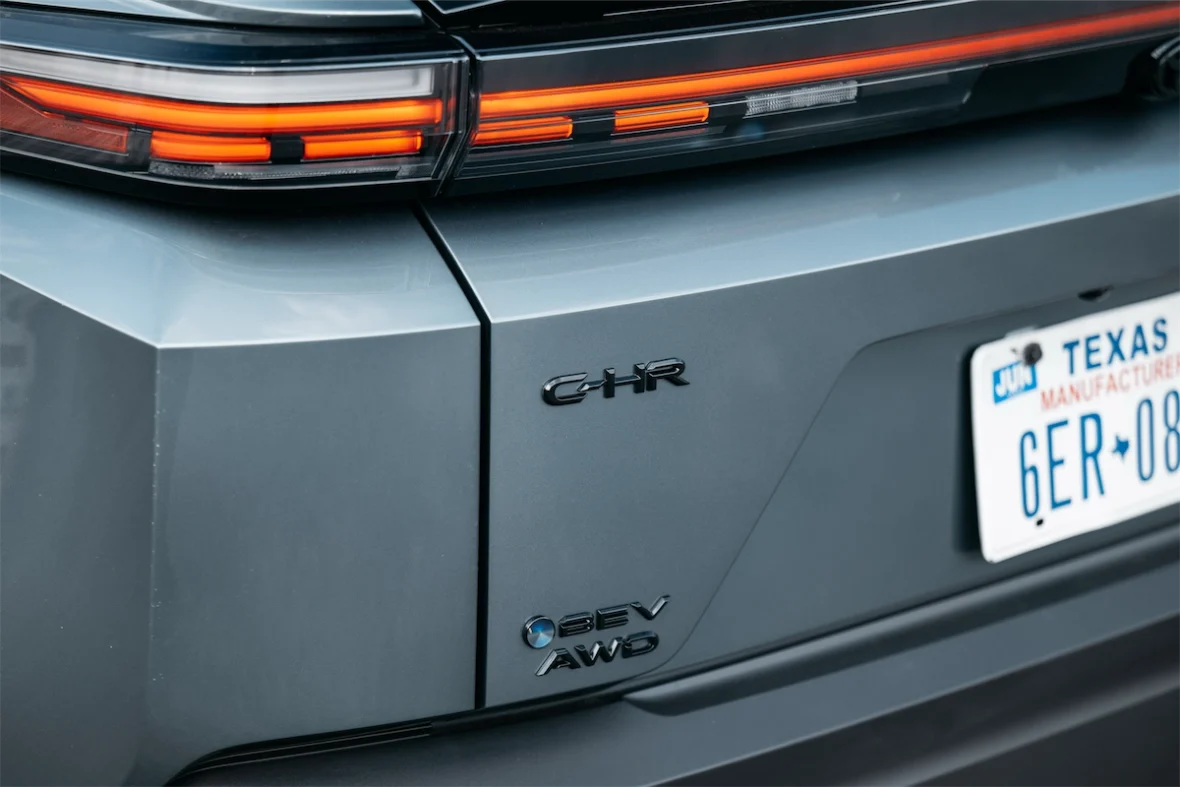
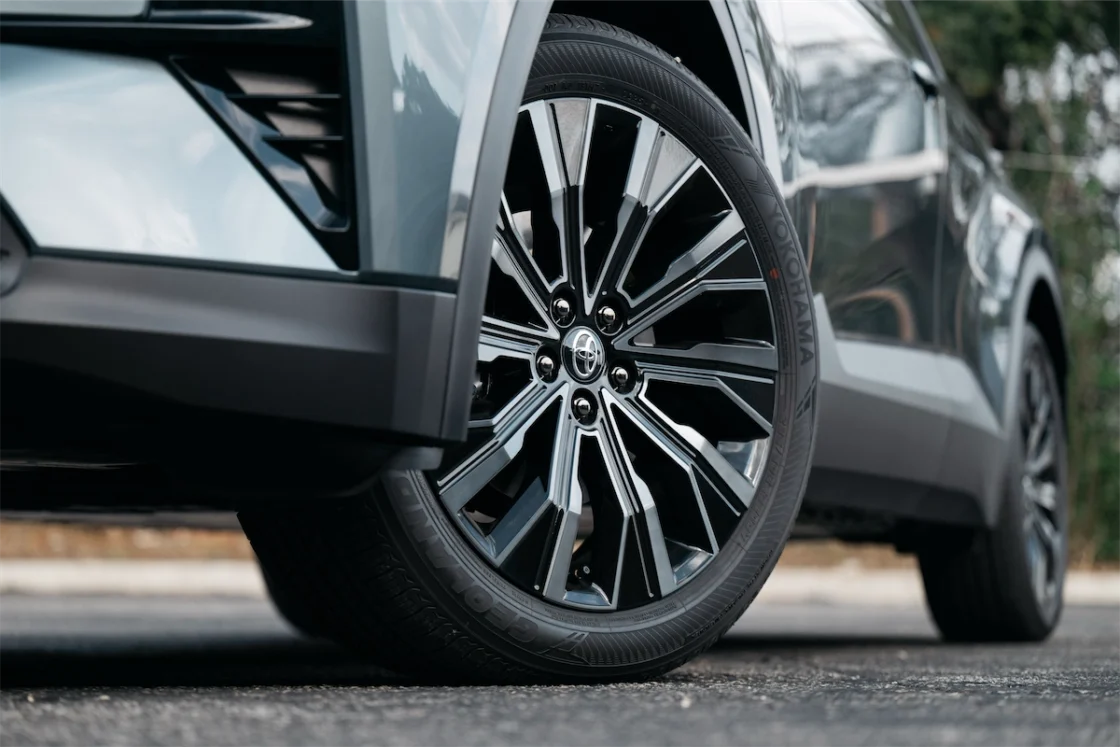
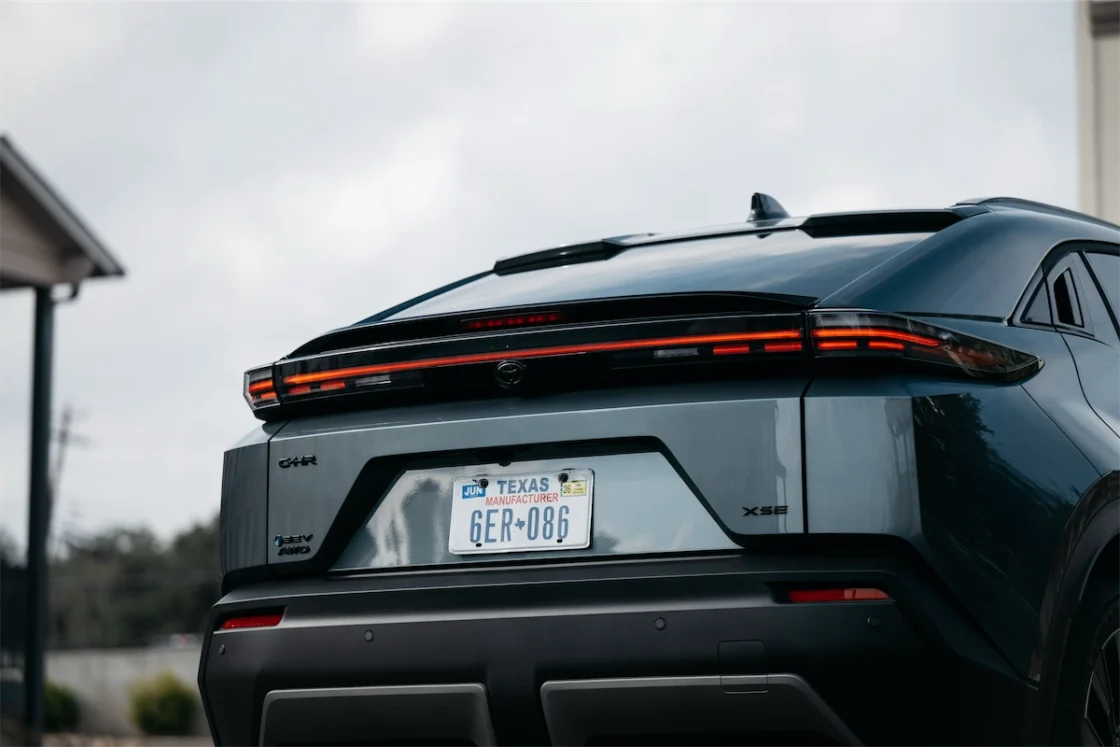
This isn’t your aunt’s crossover. With 20-inch turbine-style wheels wrapped in 235/50R20 Geolander tires, the C-HR’s coupe-like stance and wraparound LED taillights scream sporty. The hammerhead front-end treatment carries over from the new Prius, and it works even better here. Black two-tone paint options make this compact EV look anything but basic.
Inside the Cabin: Tech and Texture
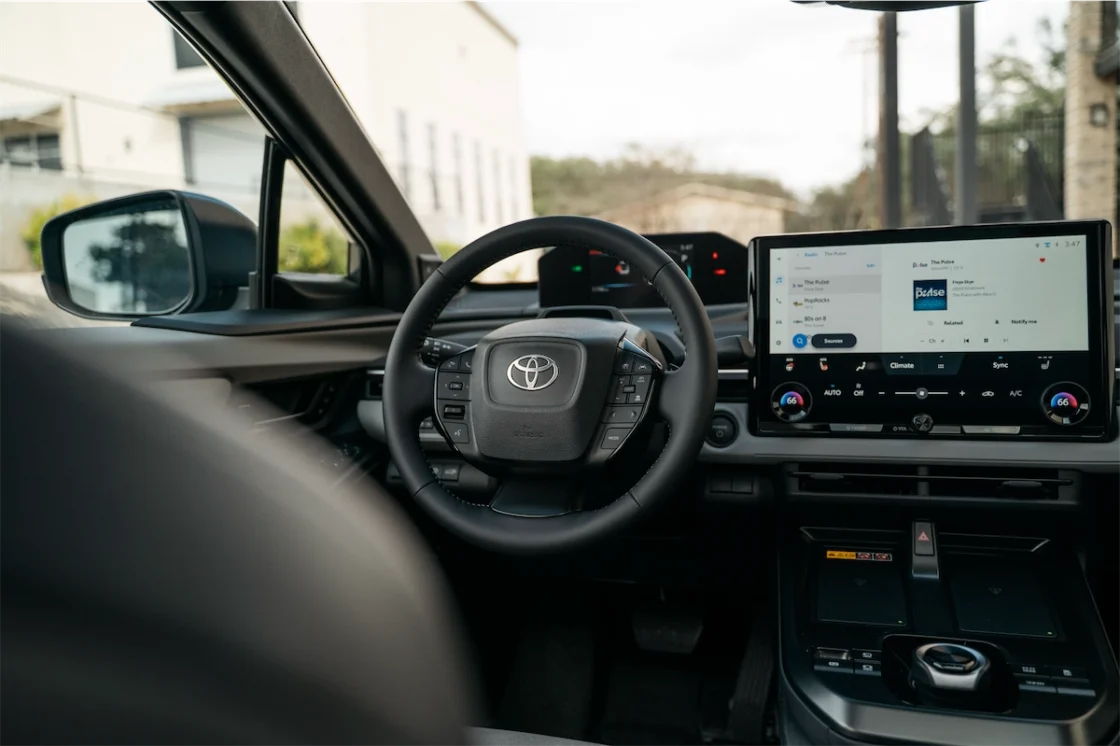
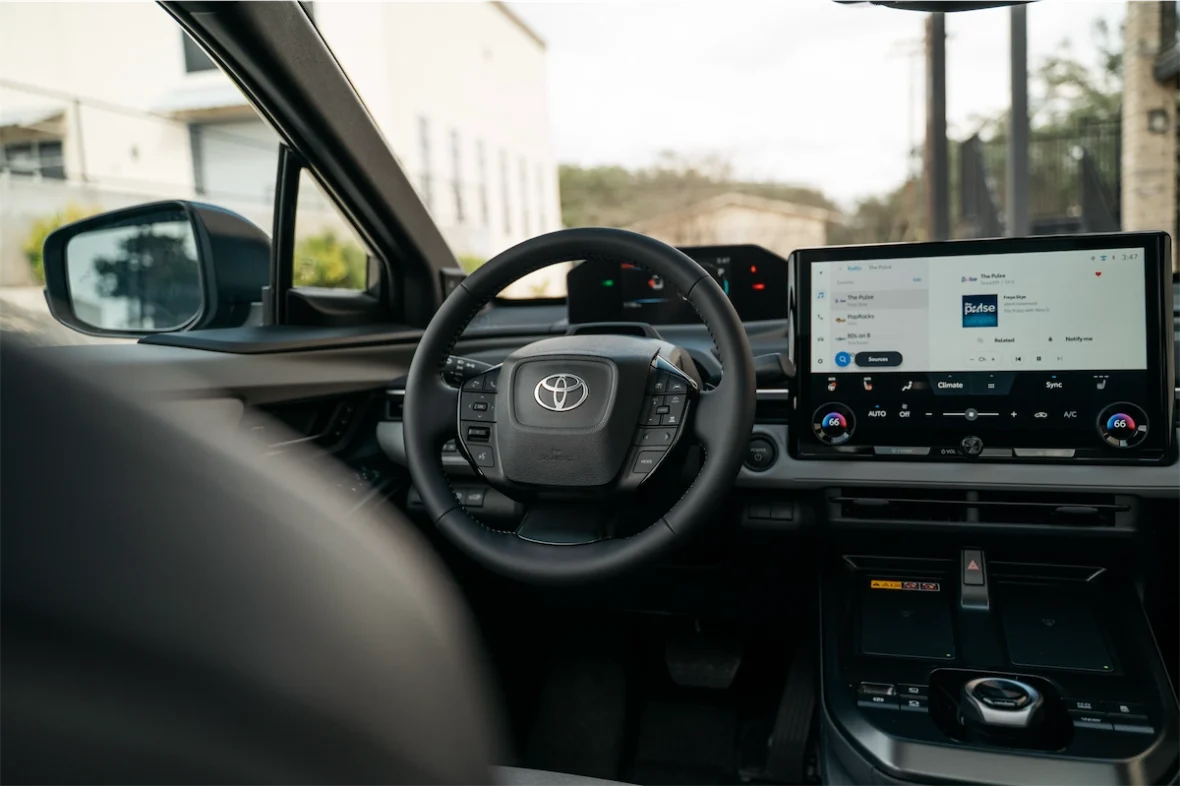
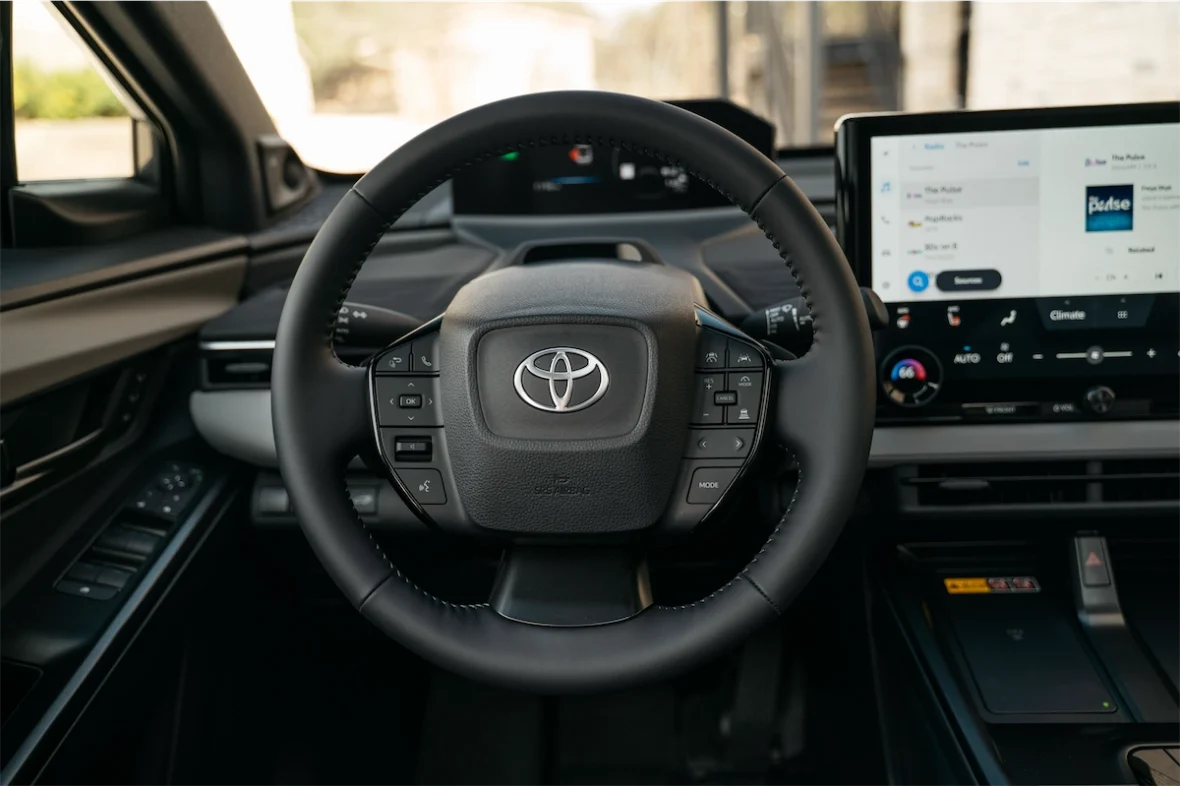
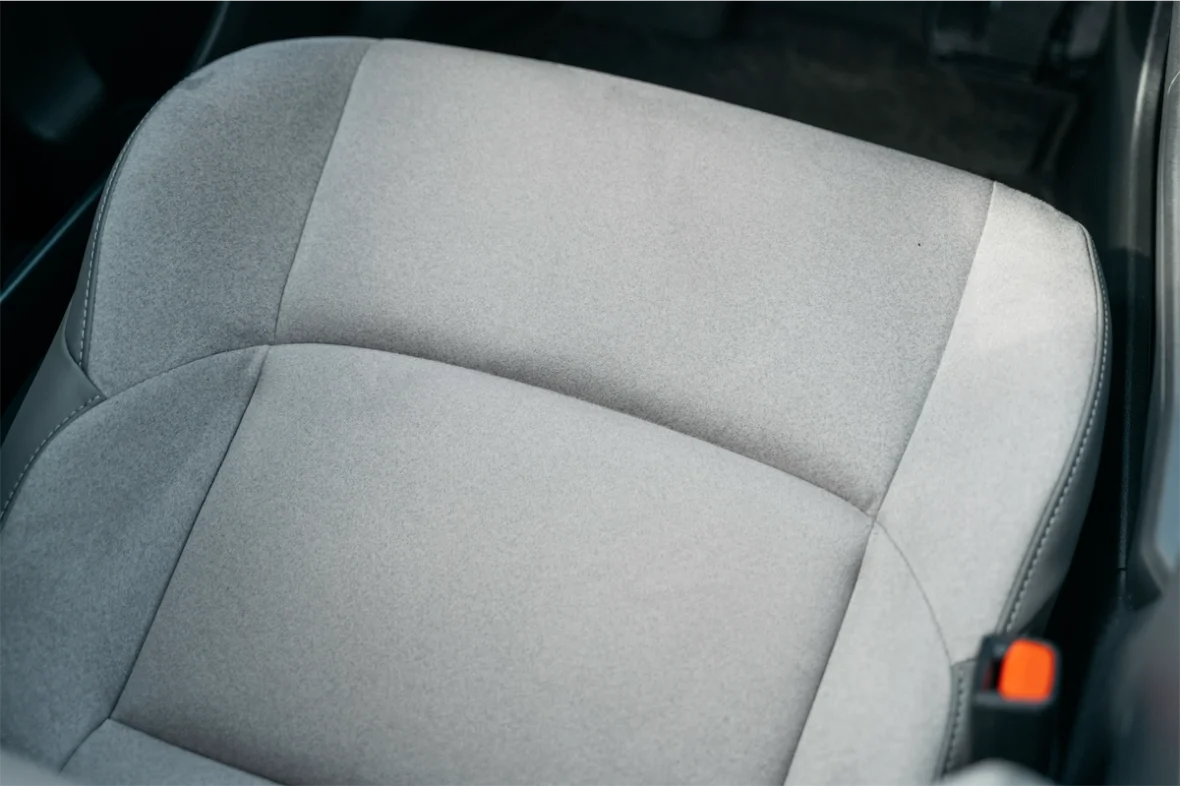
Step inside and you’re greeted with a surprisingly luxe experience for an “entry” EV. The soft-touch seats are plush, supportive, and come with two-person memory up front. Dual-zone climate control, a massive 14-inch infotainment display (with Lexus DNA), and dual wireless phone chargers seal the deal for daily usability.
The digital gauge cluster sits high on the dash in your line of sight, eliminating the need for a head-up display. Love it or hate it, it’s a Toyota design choice that’s sticking around.
Backseat Reality Check
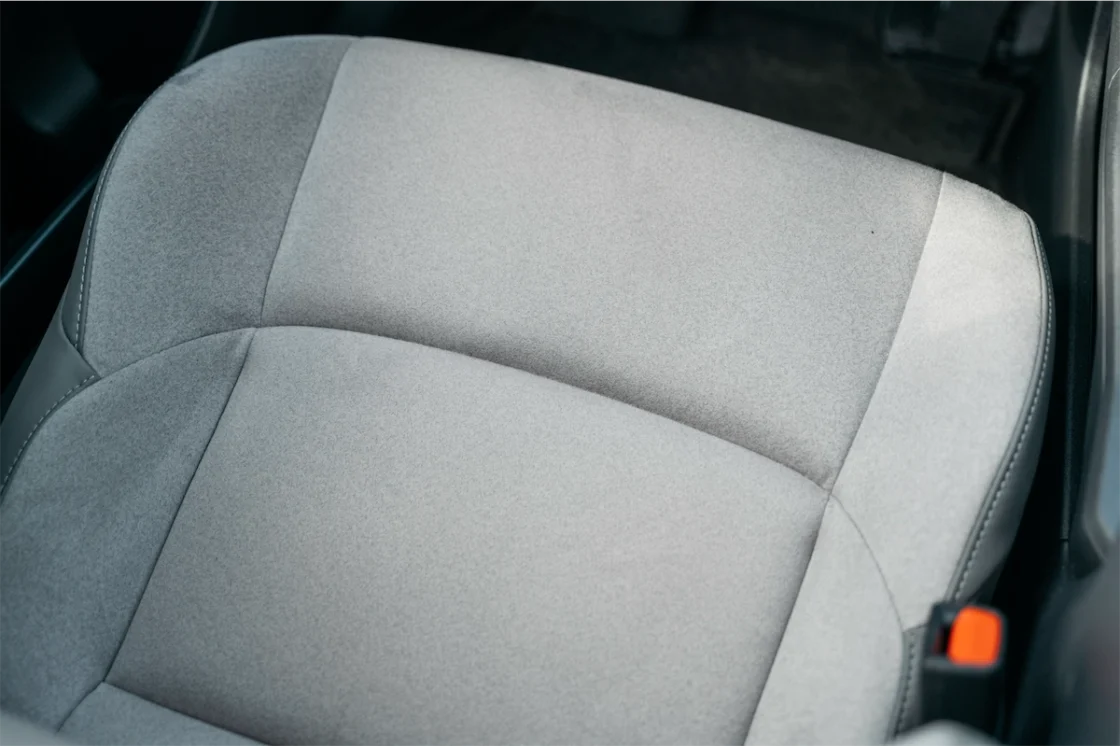
The outboard rear seats feature the same plush materials as the front, which is rare at this price point. But the sleek roofline cuts into rear headroom for taller passengers, and the fixed rear seatbacks don’t recline. Still, with a fold-flat 60/40 split, USB-C ports, air vents, and decent cargo flexibility, the rear doesn’t feel like an afterthought.
Key Specs: 2026 Toyota C-HR AWD EV
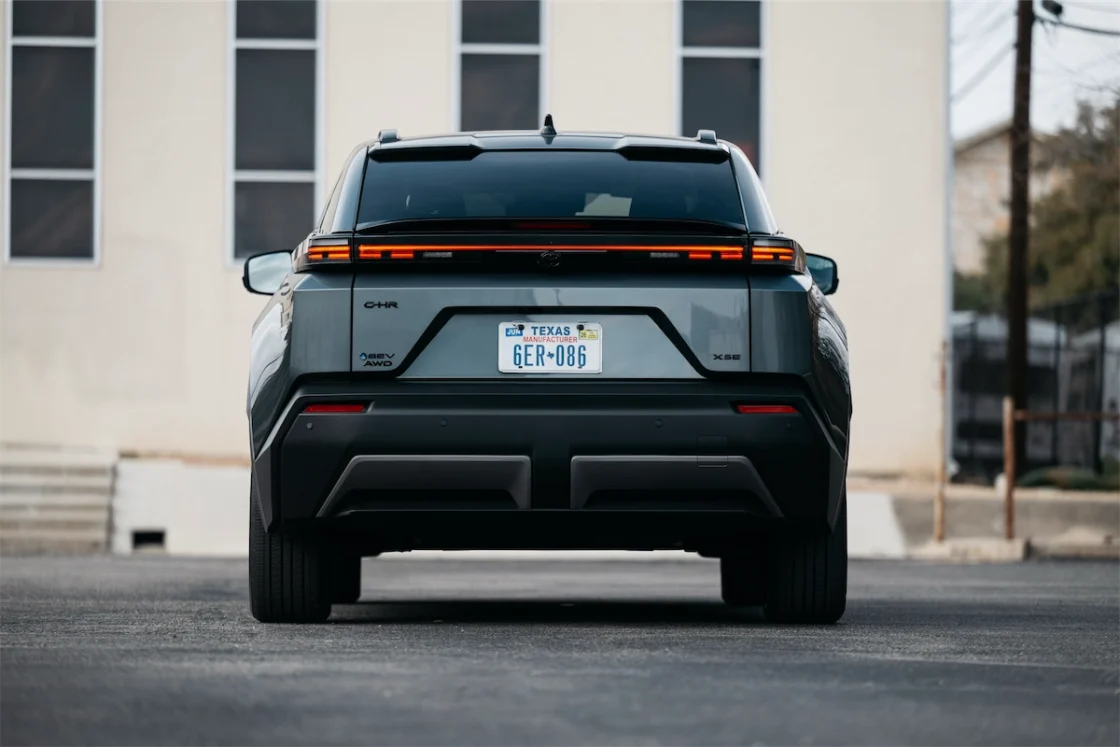
- 338 combined horsepower
- Up to 290-mile range (manufacturer estimate)
- Dual electric motors with standard AWD
- Built on Toyota’s e-TNGA platform
- DC Fast Charging: 10–80% in ~30 minutes
- 14″ touchscreen (infotainment approx. 12.3″)
- Premium interior with soft-touch surfaces
- Dual wireless phone chargers
- 60/40 split rear seats, 25.4 cu. ft. cargo space
- On sale now
Final Thoughts: Does the New C-HR Make EVs Cool?
Toyota may have missed the mark initially with the bZ4X, but the 2026 C-HR looks like a major course correction. It’s fun, bold, and brings the performance chops that gearheads have been begging for in an affordable EV. Pricing starts at $37,000, making the C-HR a gateway drug for ICE diehards to finally make the switch. I guess only time will tell.
Want to watch this review? Check out our YouTube channel GT: Garage Talk for this and more car content.