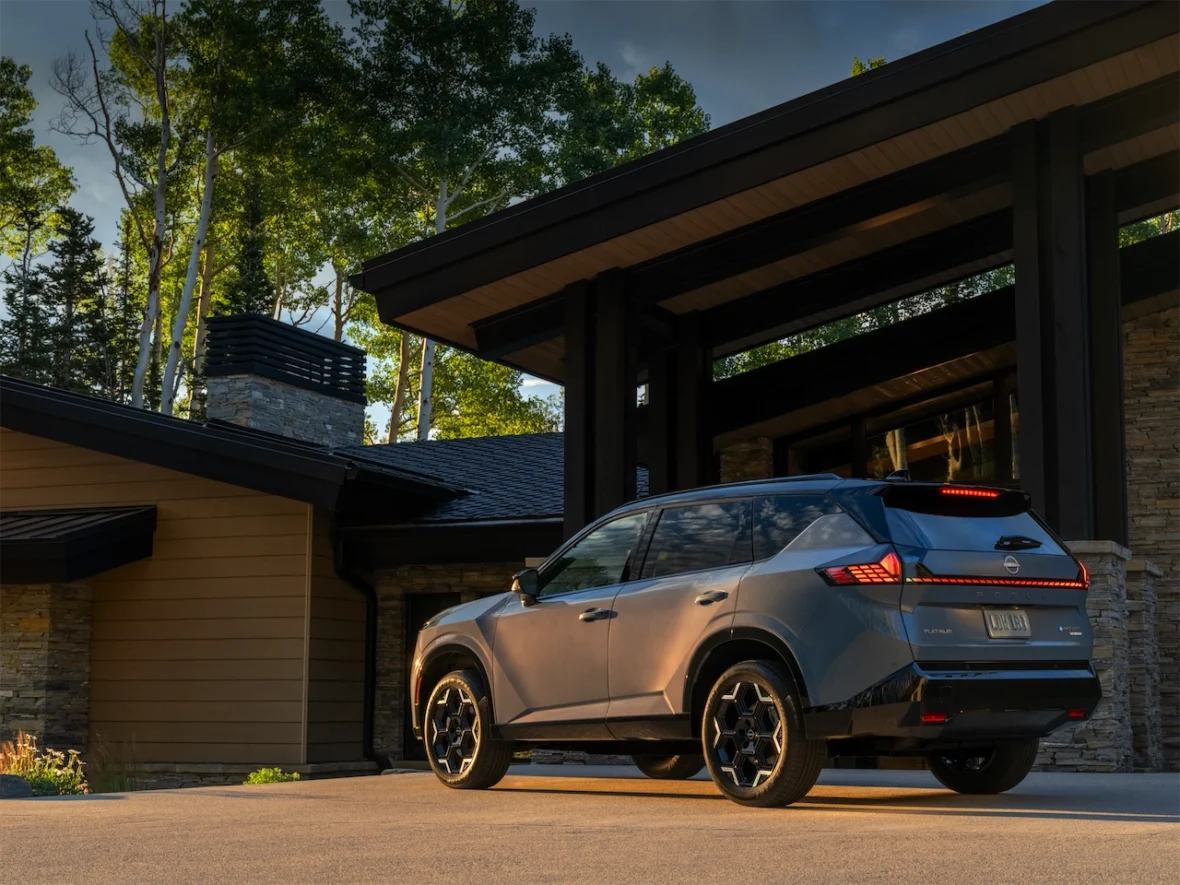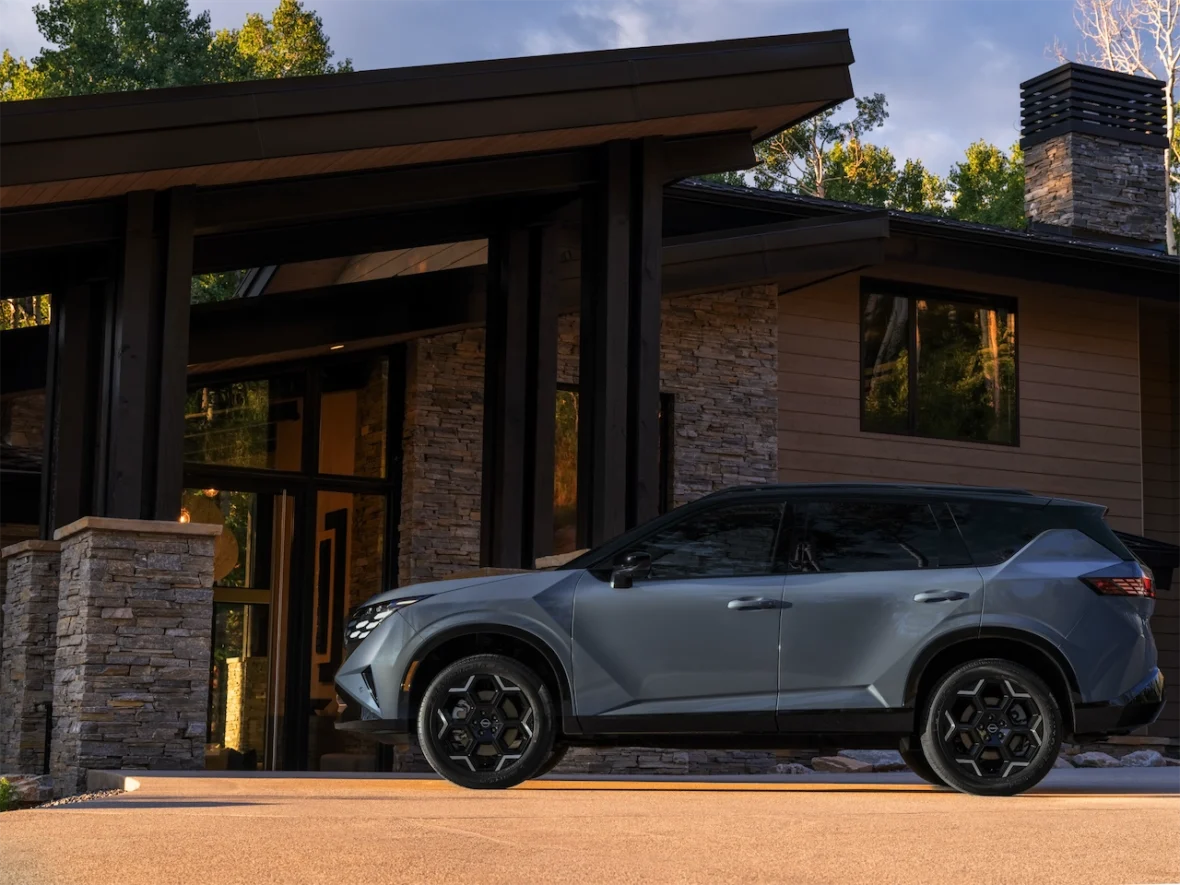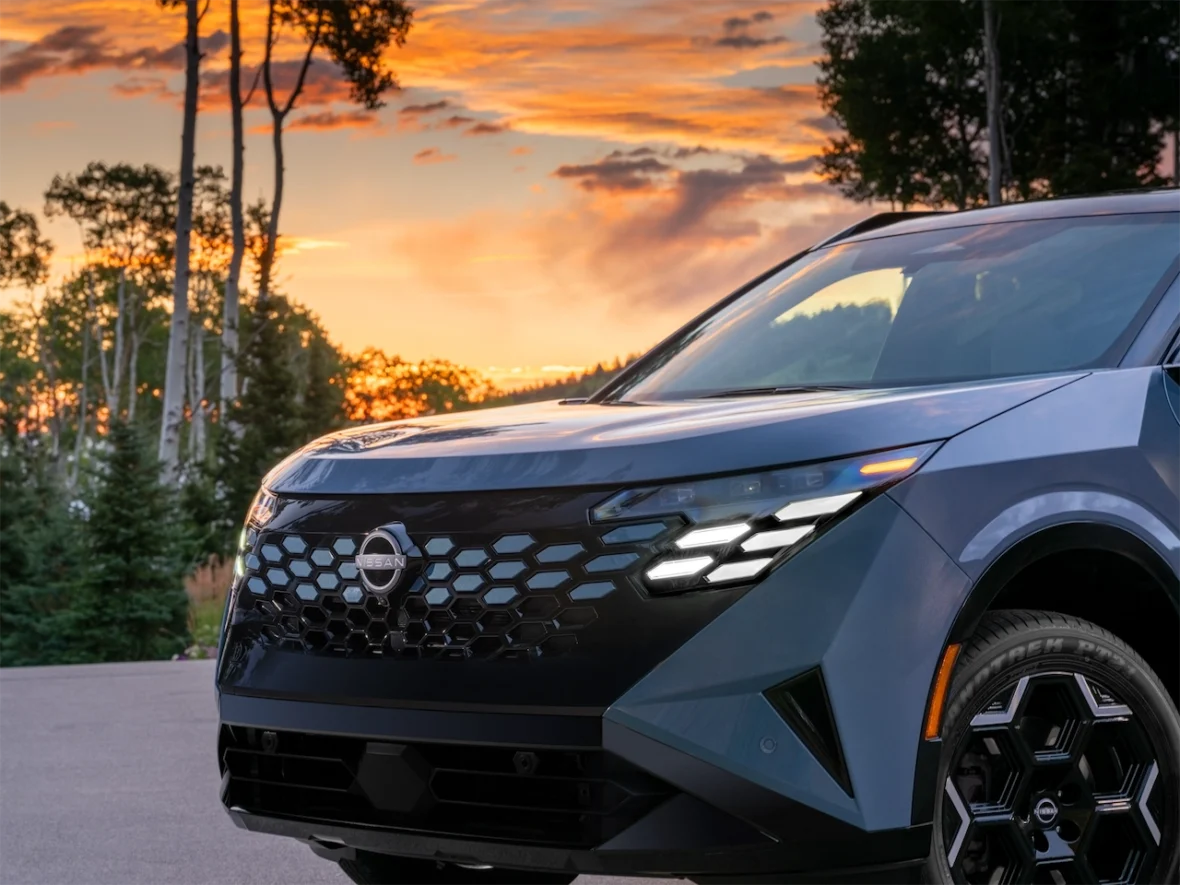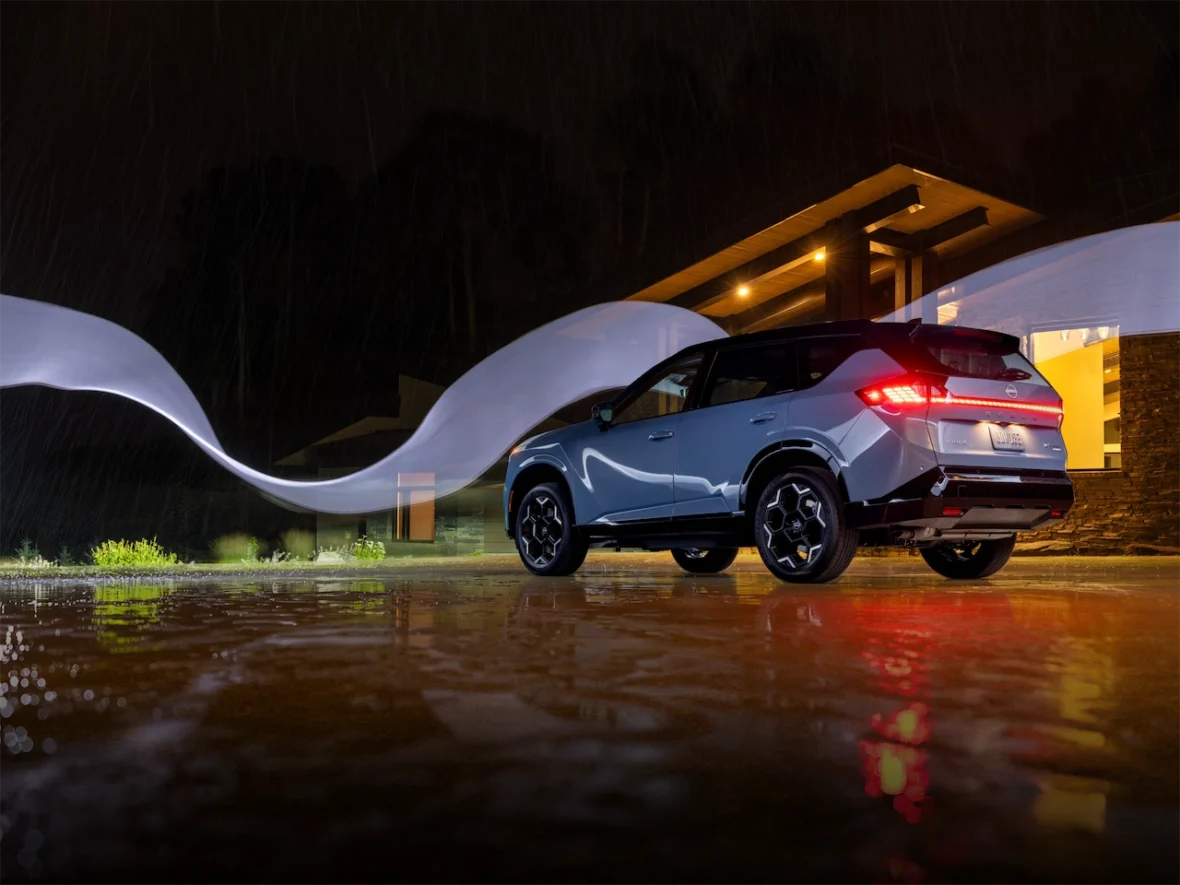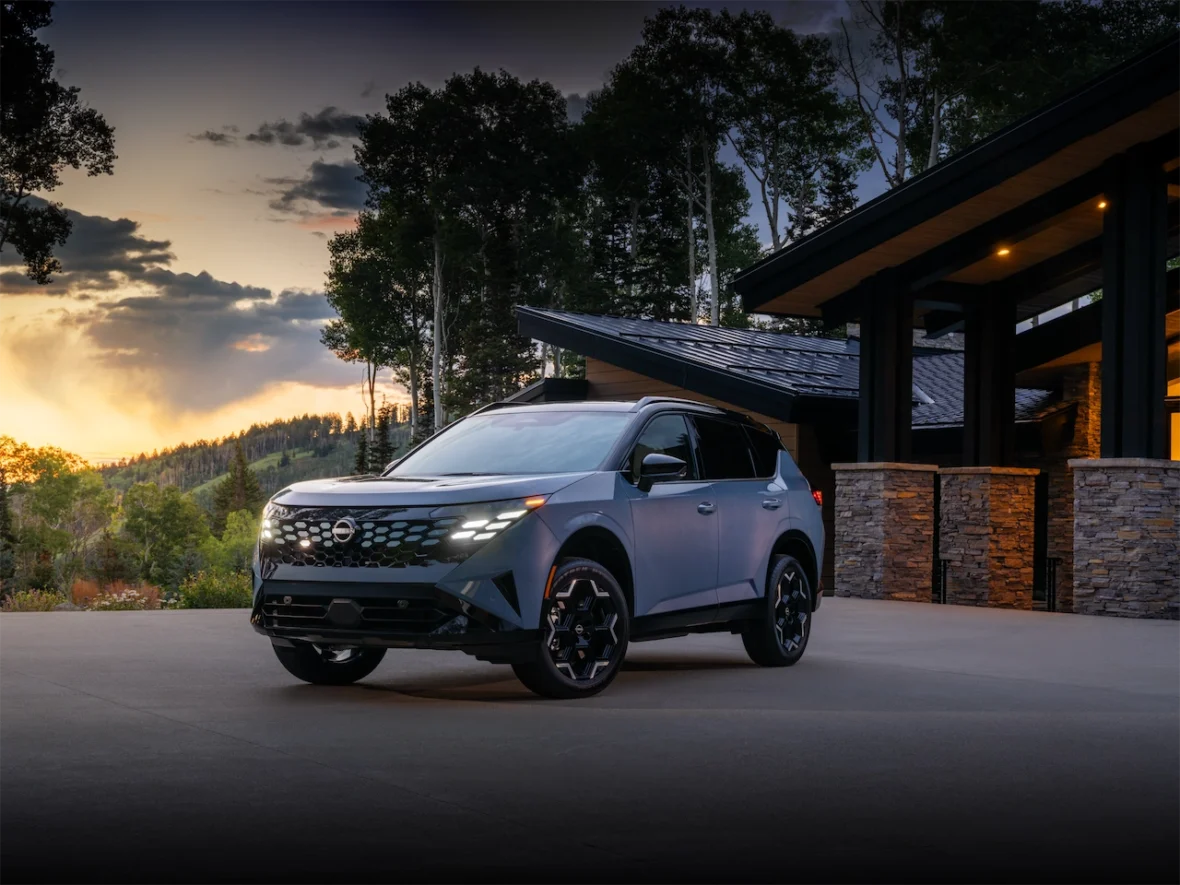
2027 Nissan Rogue Hybrid: Electric Drive, Zero Plugging In

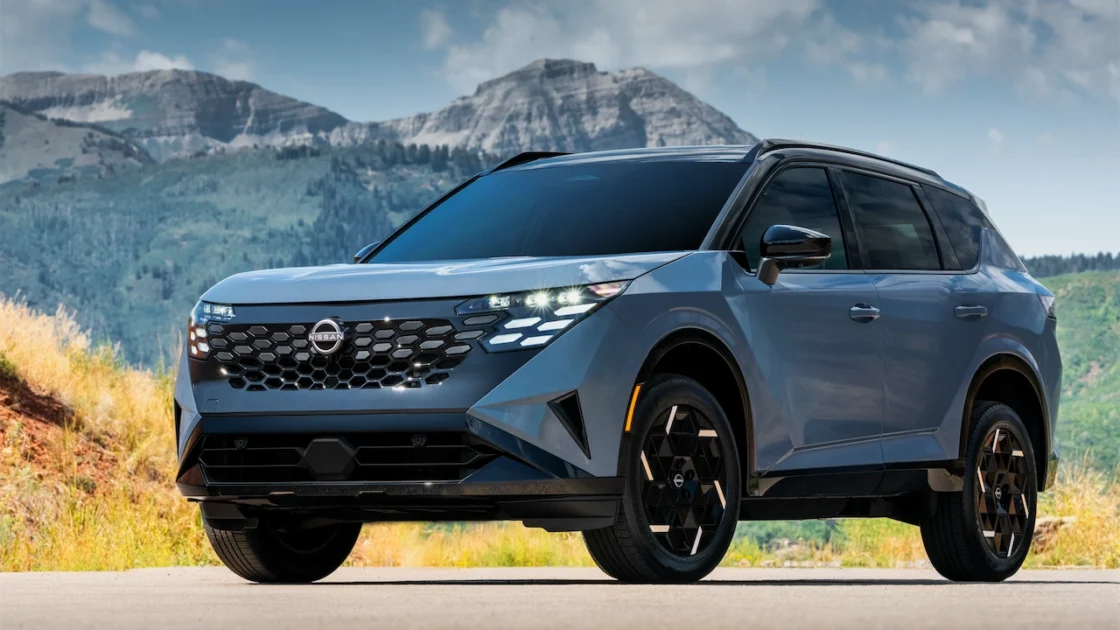
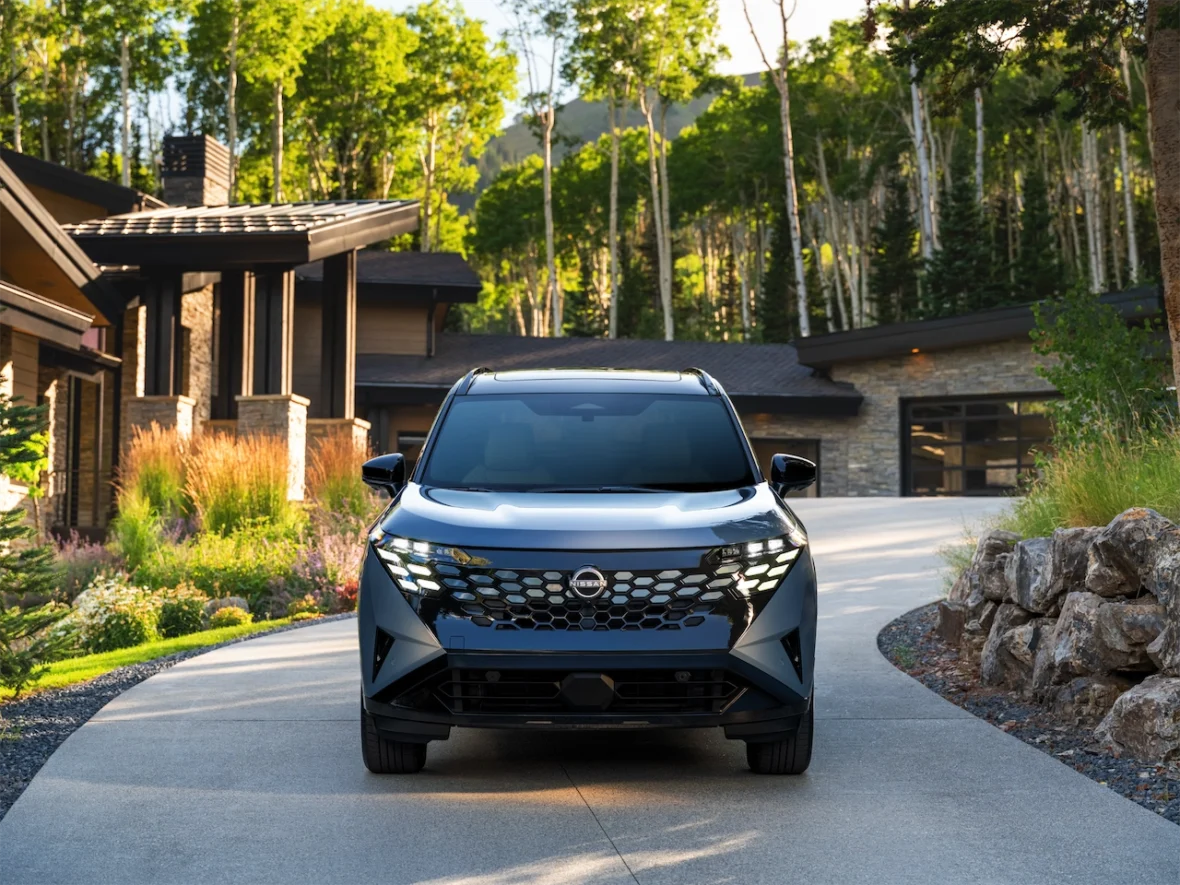
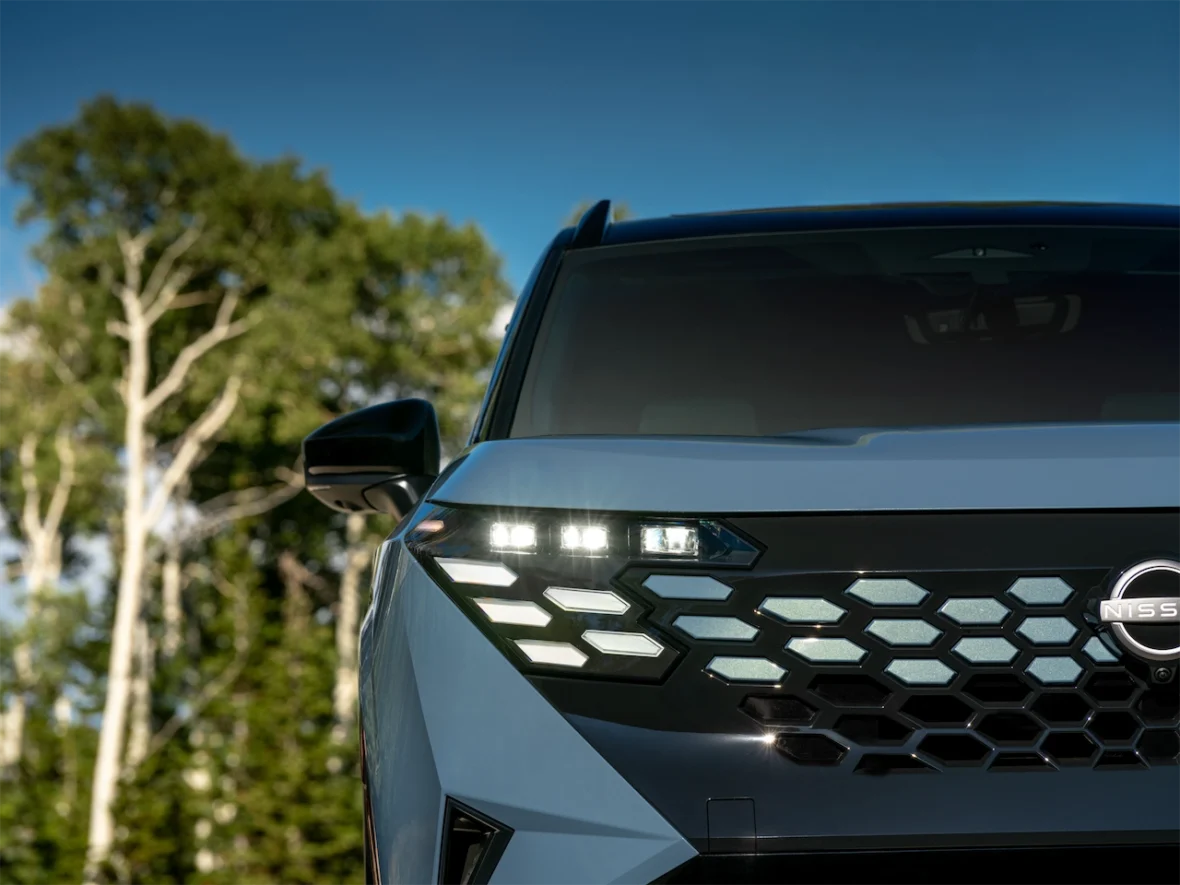
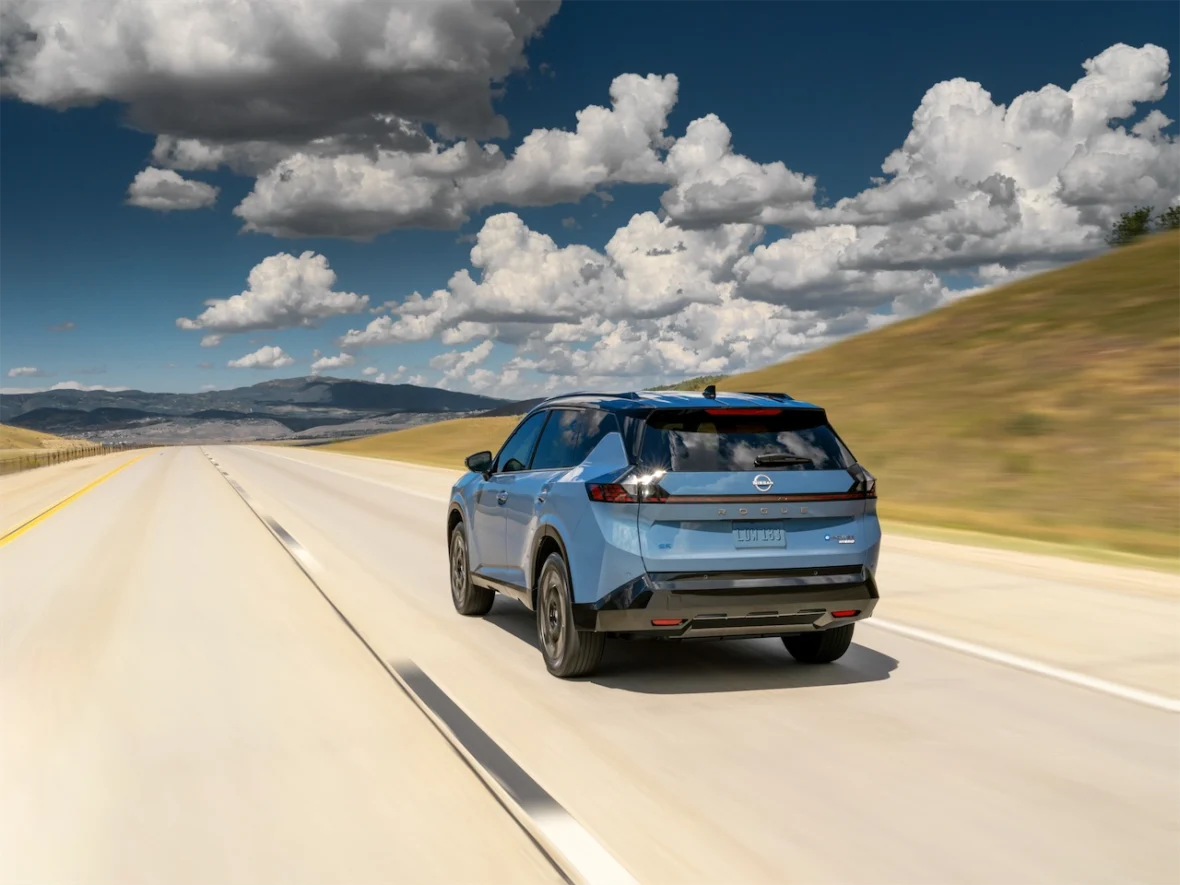
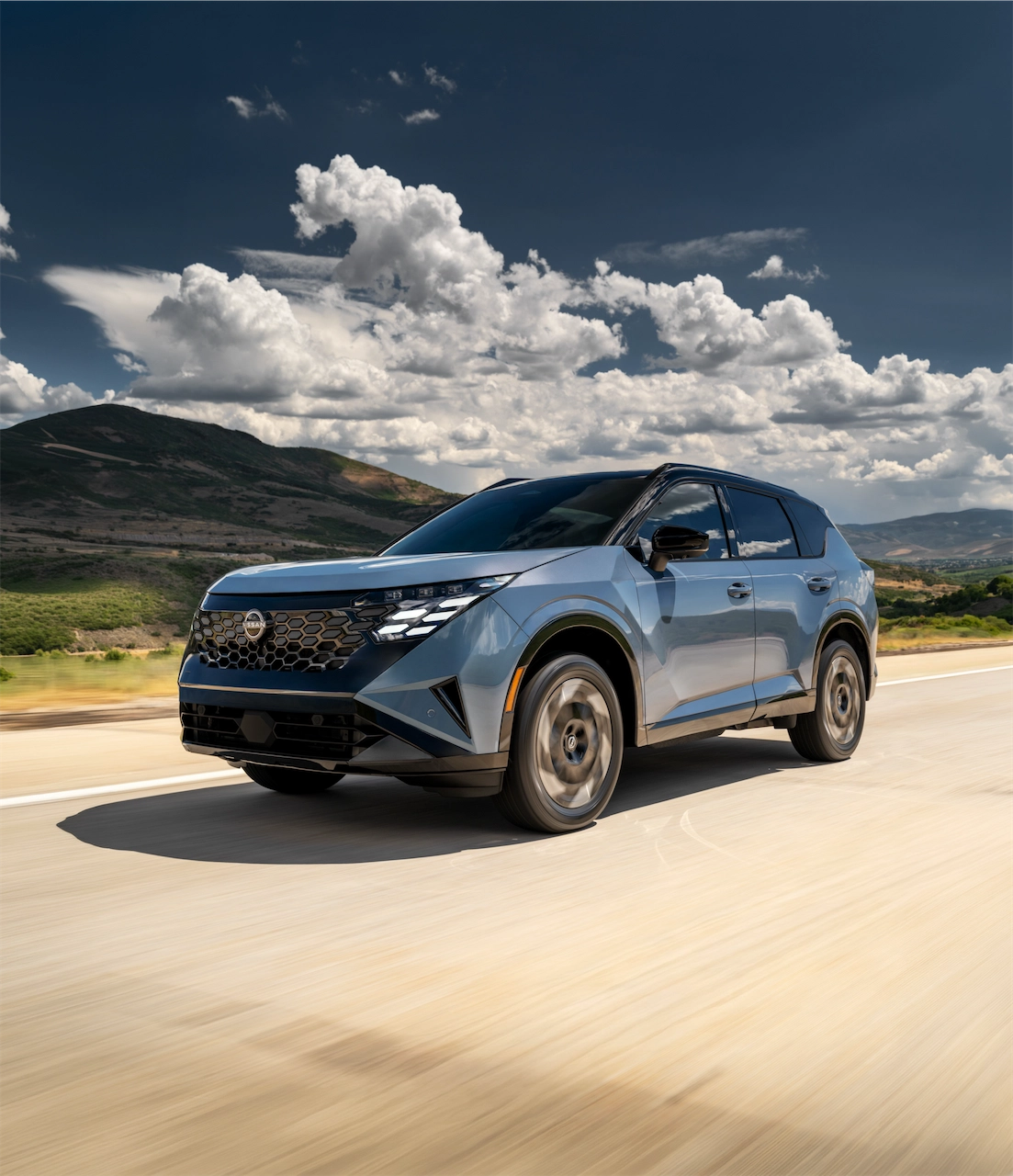
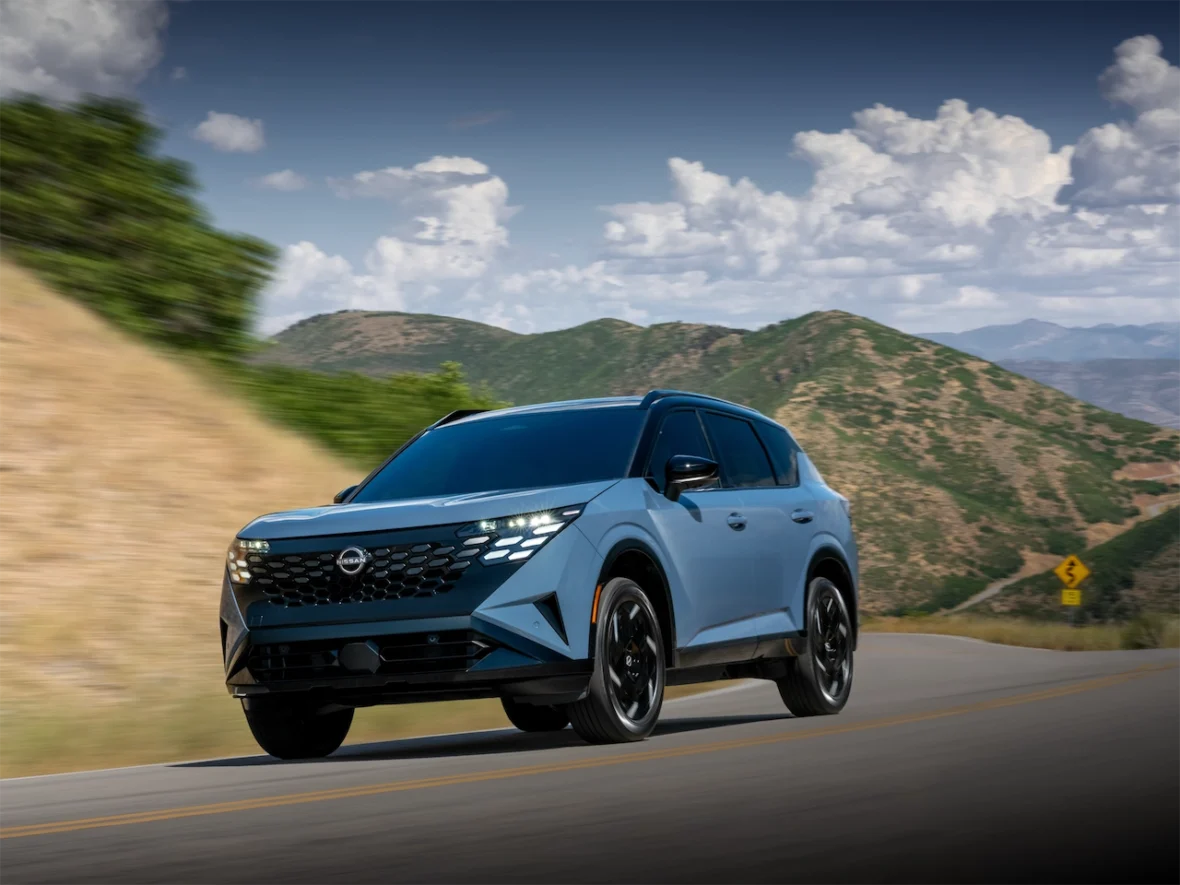
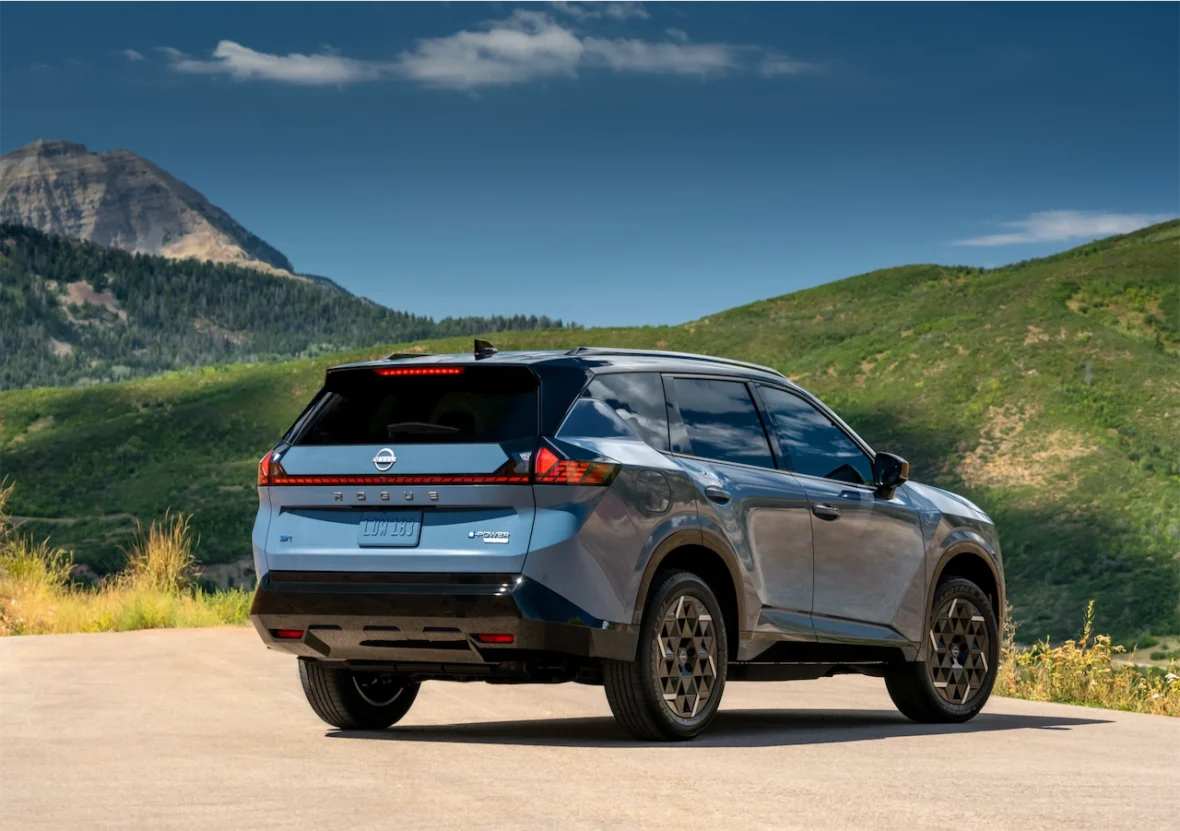
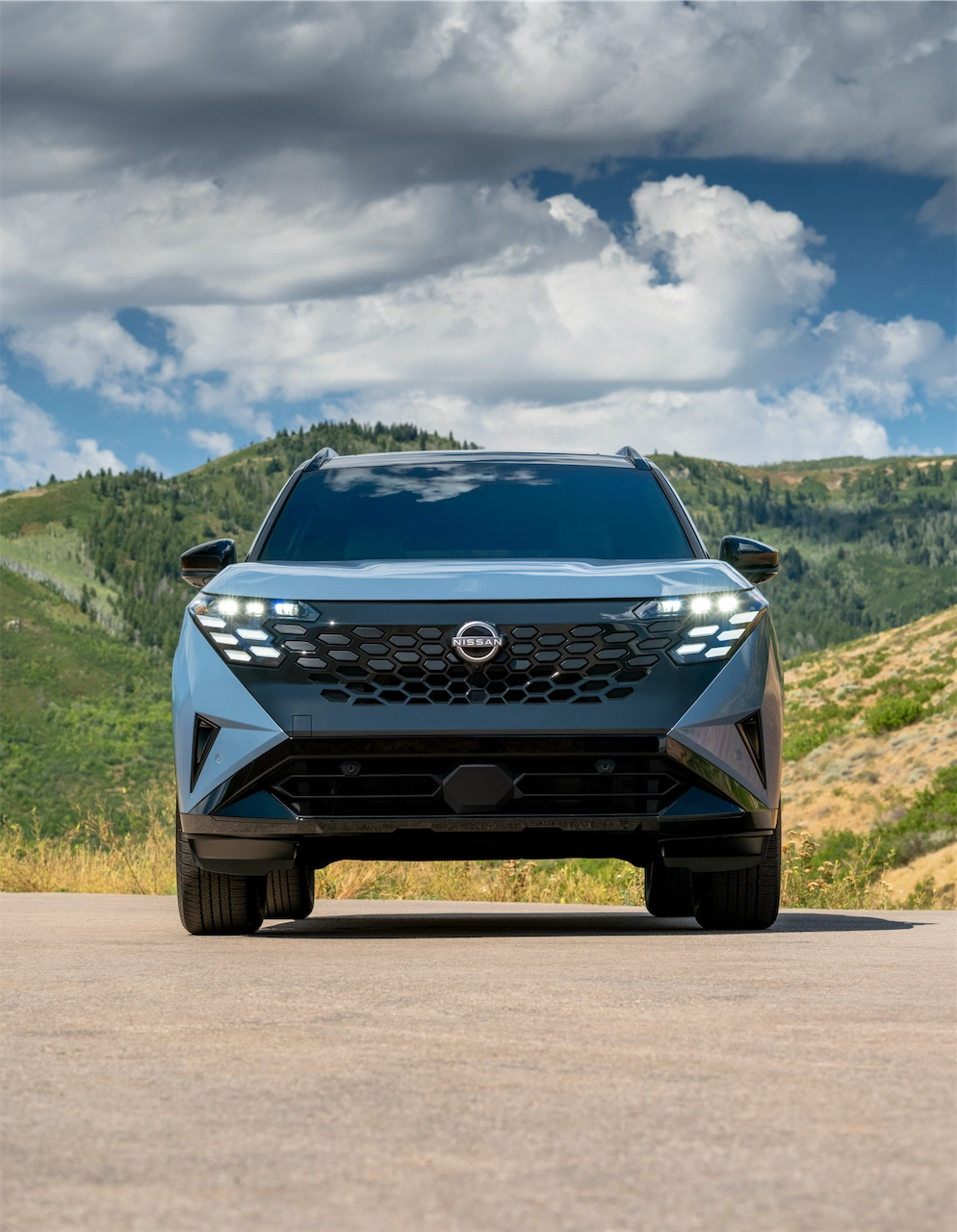
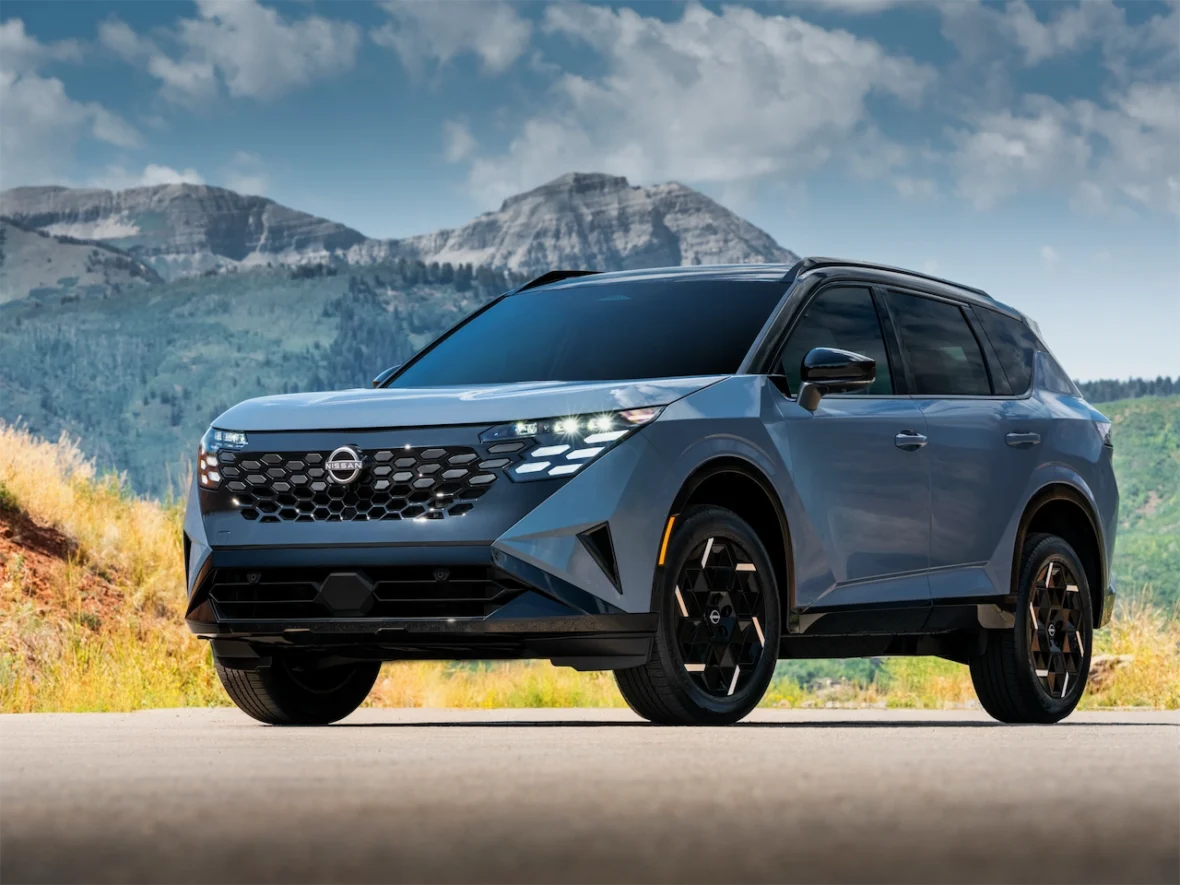
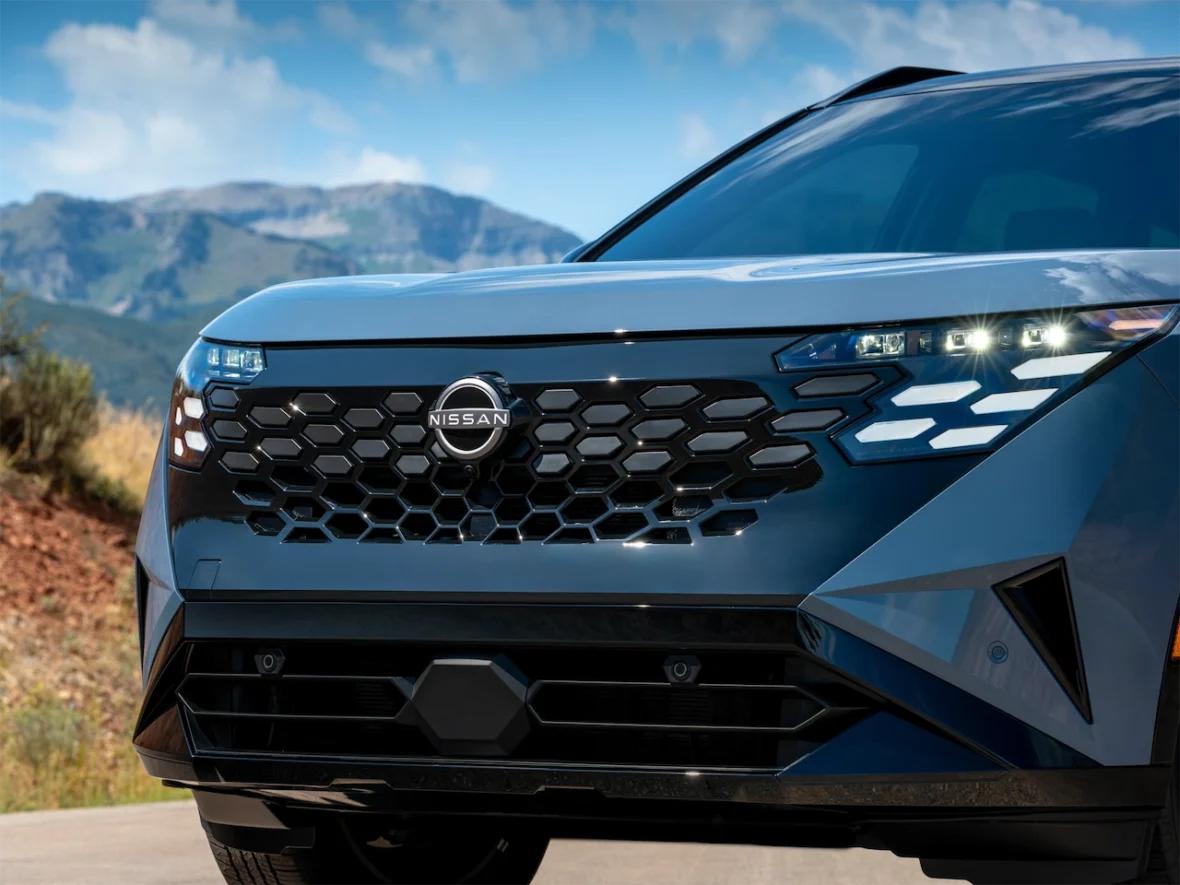
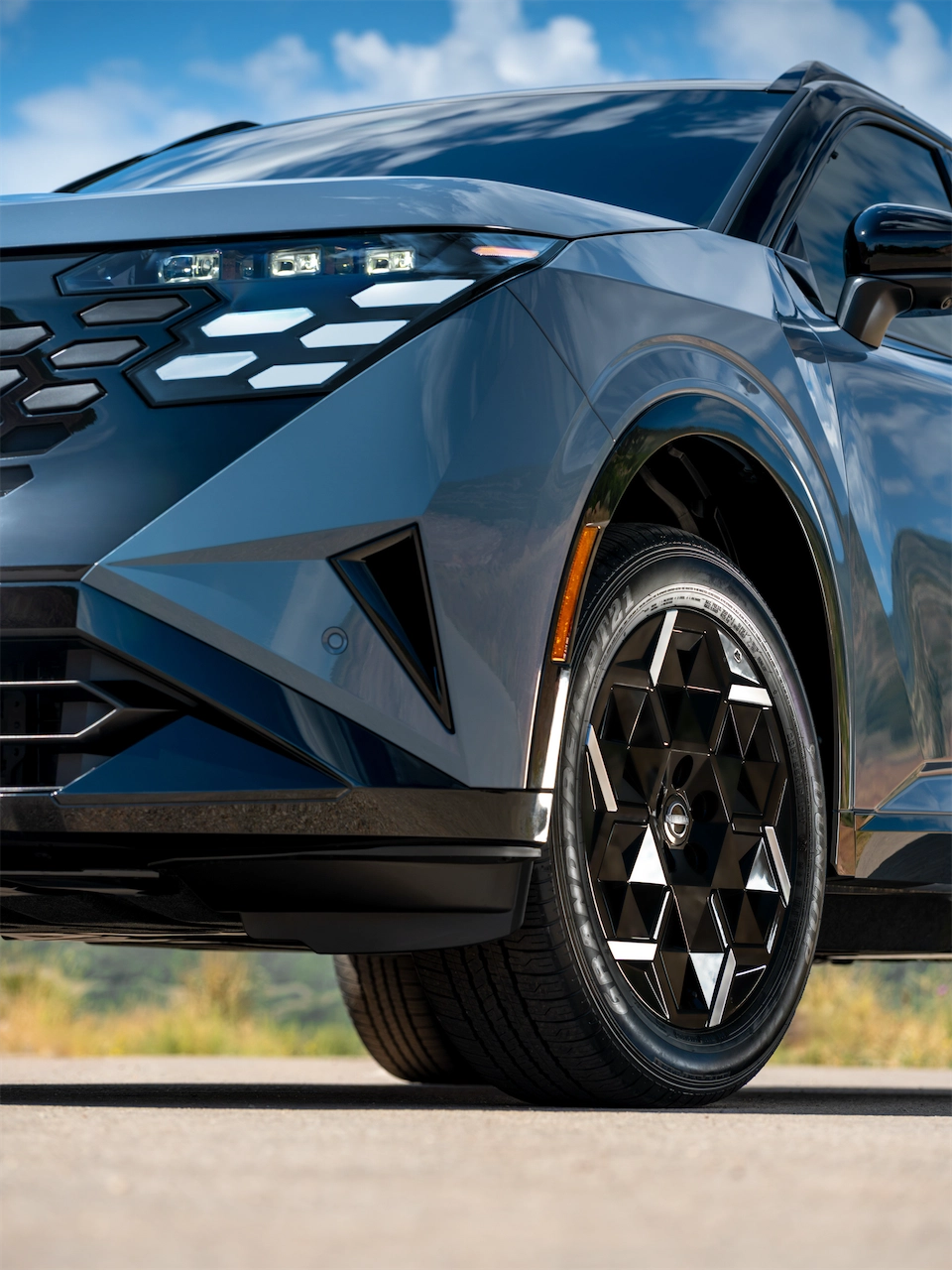
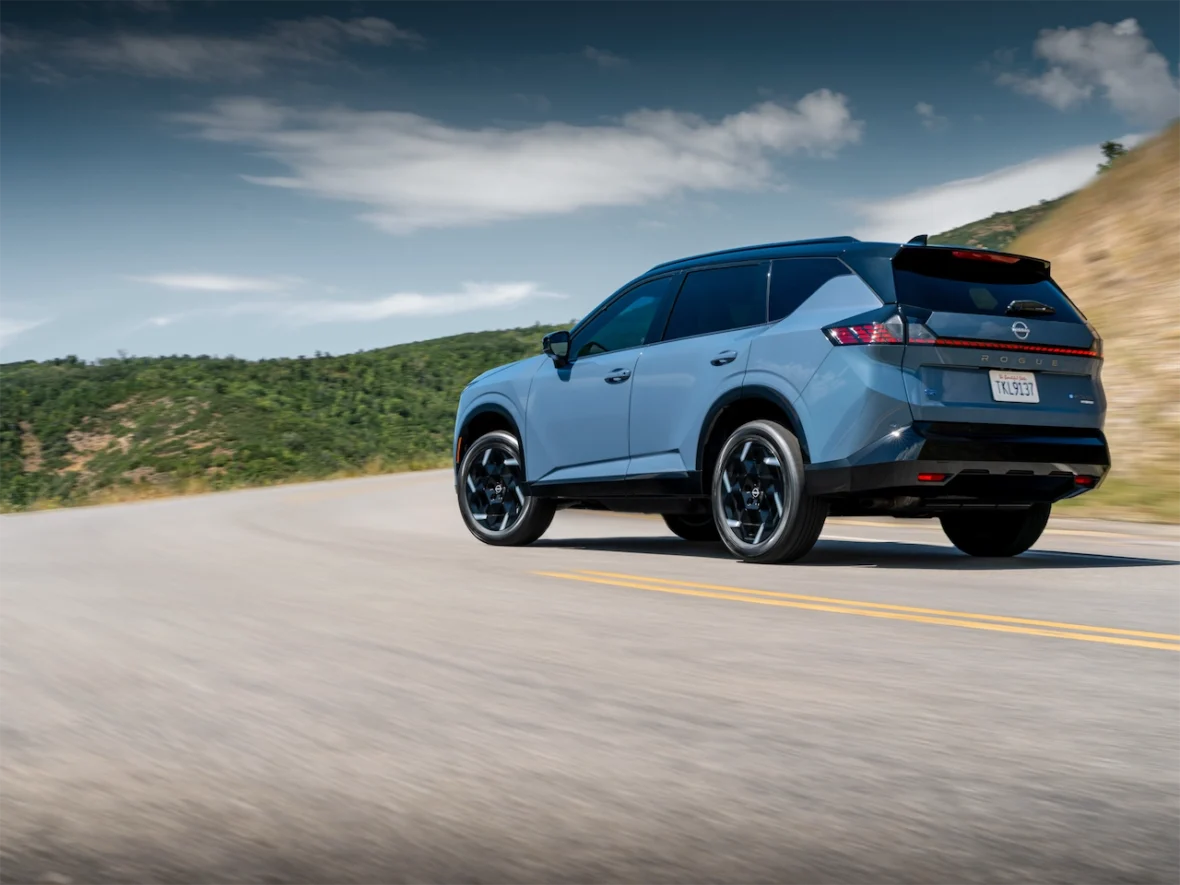
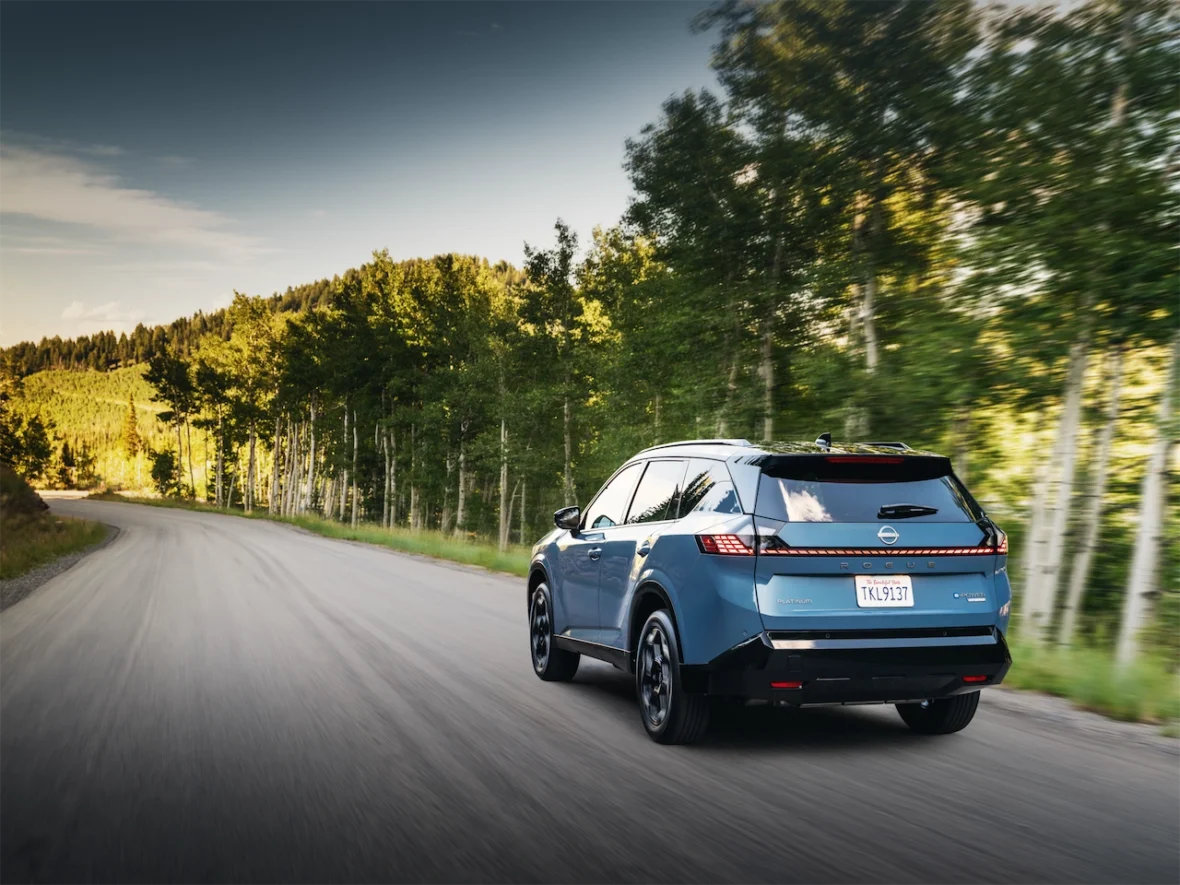
Nissan just turned the Rogue into a different kind of hybrid. The 2027 Nissan Rogue Hybrid does not use its gas engine to drive the wheels at all. Instead, a turbocharged engine generates electricity while two electric motors handle every mile of driving. The result should feel closer to an EV from behind the wheel, yet there is no charging cable or new routine to learn.
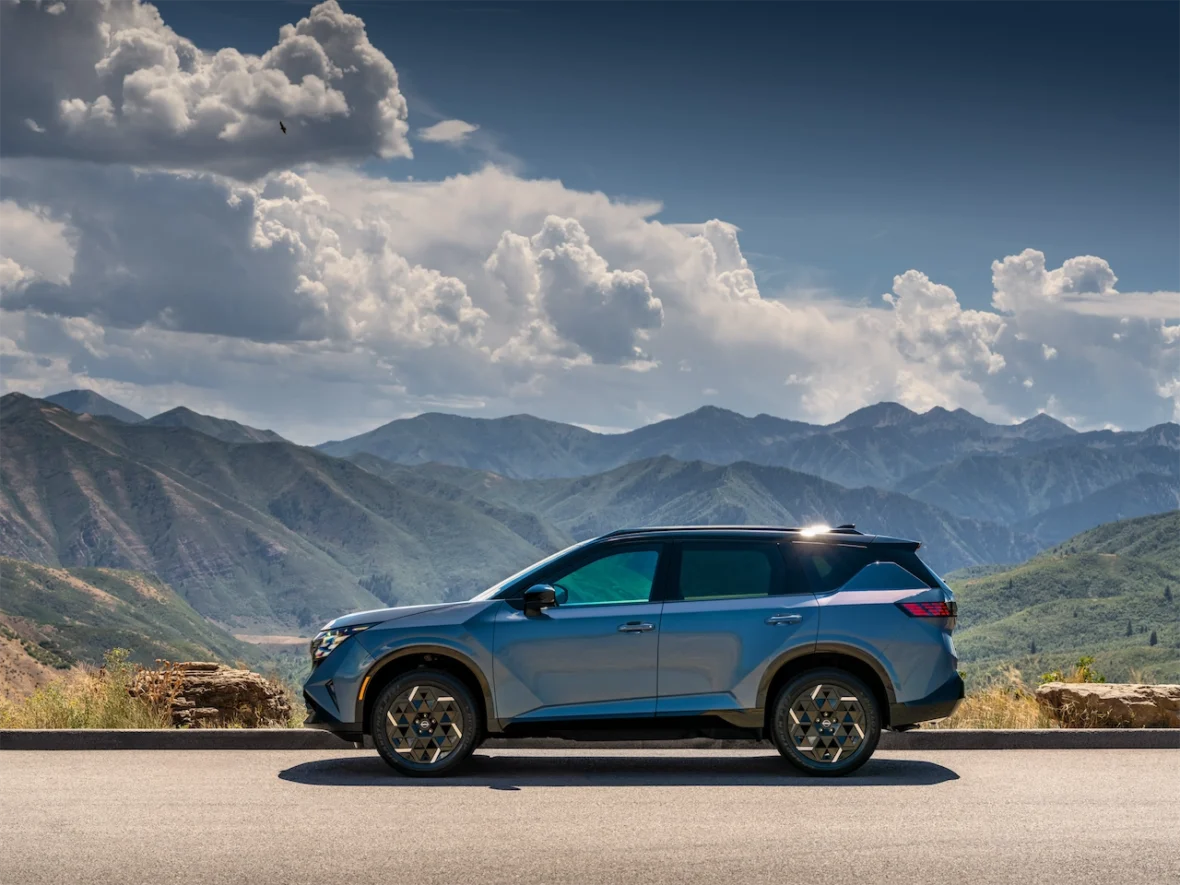
That clever setup is only part of the story. The new Rogue Hybrid also brings standard all-wheel drive, 225 horsepower, a Nissan-estimated 38 mpg combined, a roomier cabin, and rear doors that open nearly 90 degrees. It starts at $35,490 before destination, although the first version to reach dealers will cost more. Here is what matters before the 2027 Nissan Rogue Hybrid arrives.
How the 2027 Nissan Rogue Hybrid Works
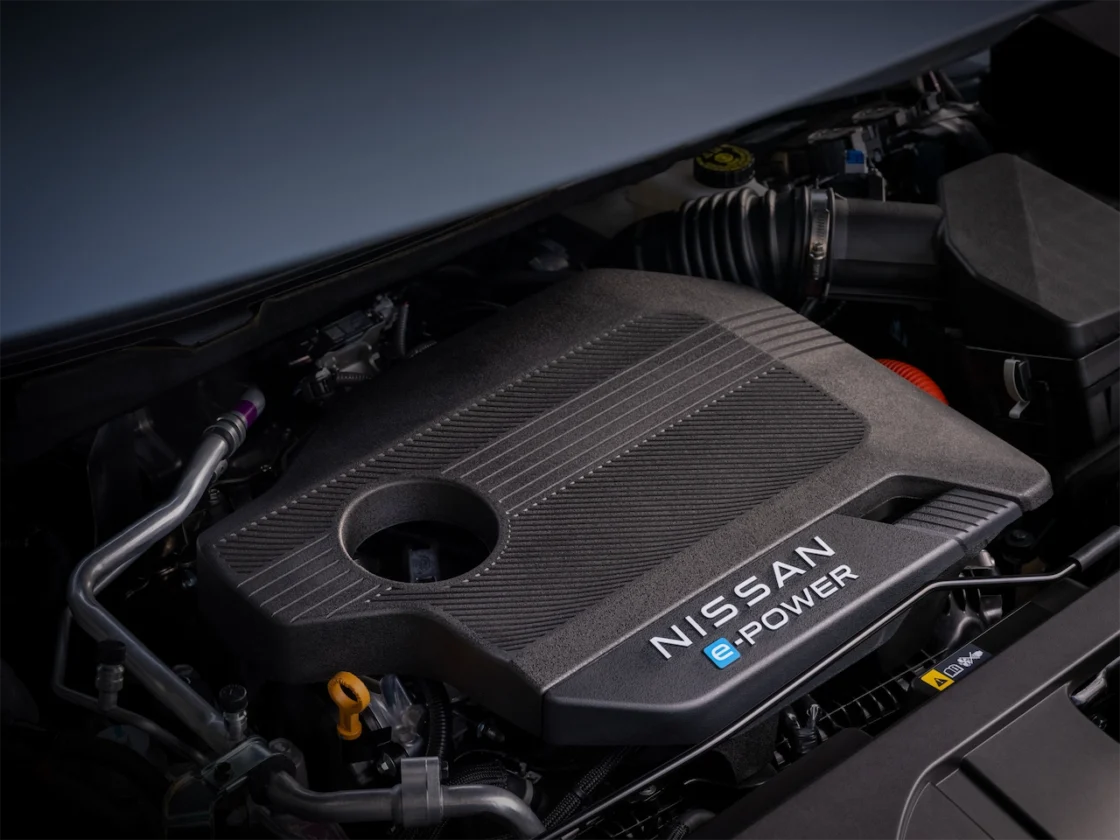
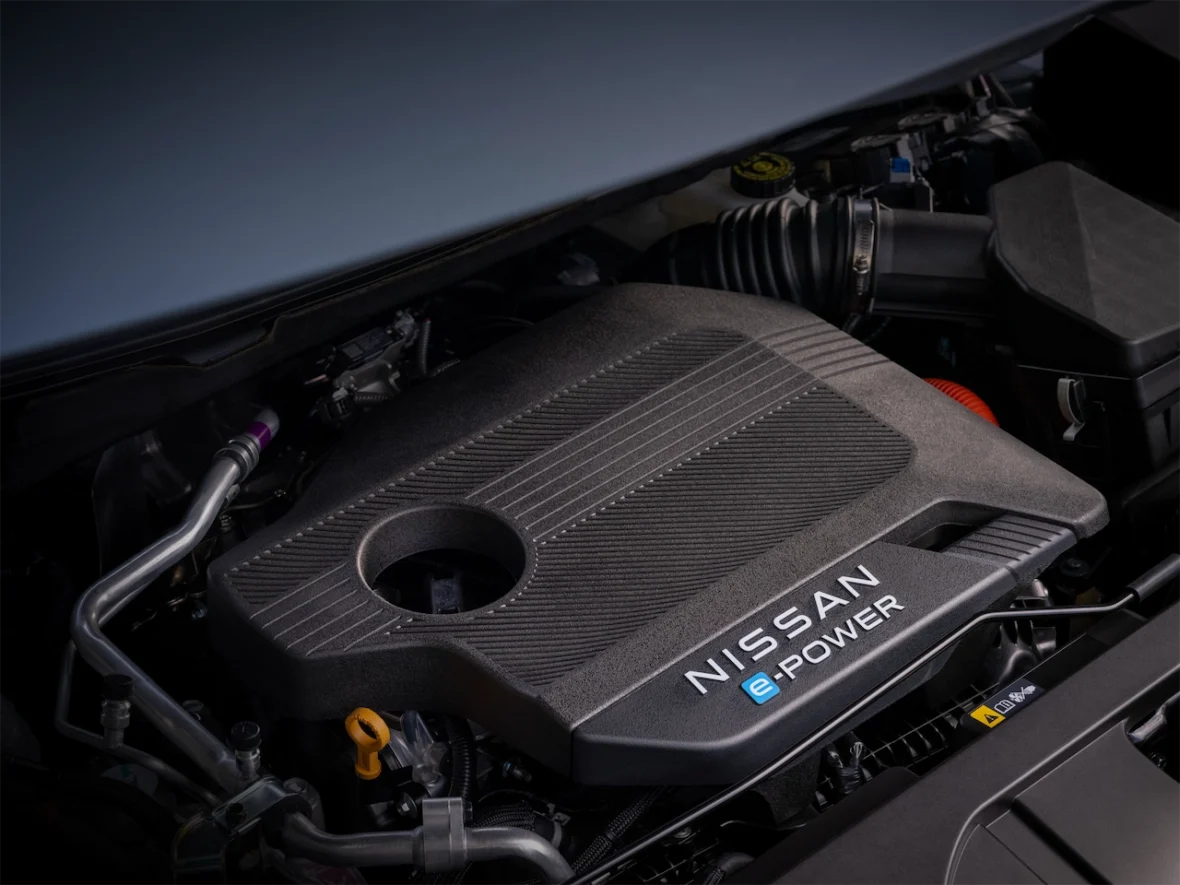
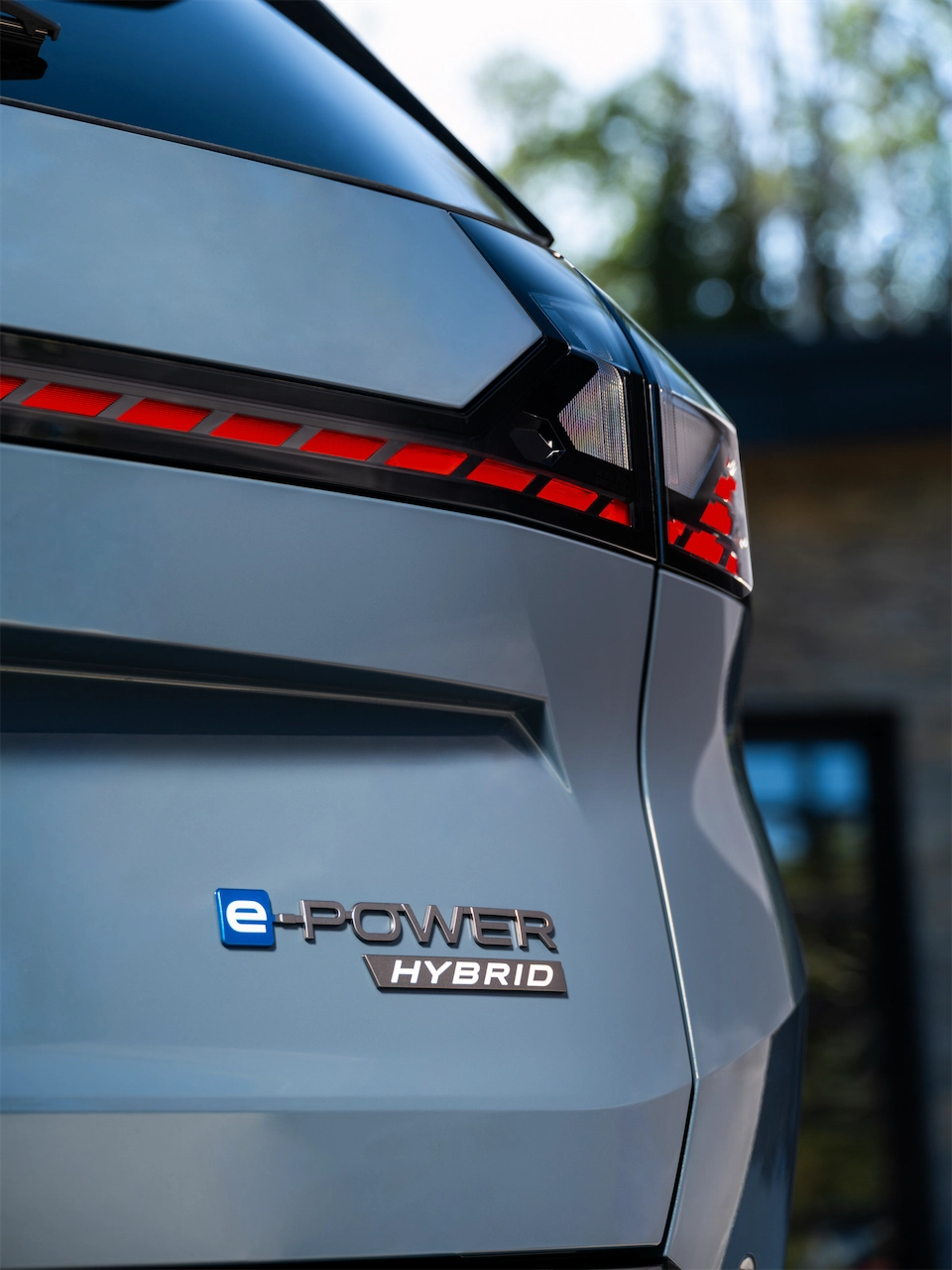
Nissan calls the system e-POWER, but the basic idea is easy to understand. A 1.5-liter turbocharged gas engine works as an onboard generator. It sends energy to the battery, and the battery feeds electric motors at the front and rear axles. Those motors, and only those motors, turn the wheels, as the gas engine only serves as a generator.
That makes the Rogue different from a conventional hybrid, where the gas engine and electric motor can both drive the vehicle. It also differs from a plug-in hybrid because you never connect it to a charger. Fill the tank at a normal gas station and keep going.
The layout shares its basic idea with an extended-range electric vehicle, or EREV: a gas engine generates electricity while an electric motor drives the wheels. The difference is battery size and charging. An EREV uses a much larger plug-in battery and can cover meaningful daily miles before its generator joins in. Hyundai plans to use that formula in a 600-mile Santa Fe EREV, while Scout’s optional Harvester system could push the Scout Traveler beyond 500 miles. The Rogue skips the plug and operates as a self-contained series hybrid.
Why should you care? Electric motors deliver their pull immediately, so the Rogue should respond quickly and smoothly in traffic. There is no traditional transmission changing gears, either. Nissan also says the gas engine can shut off when the battery has enough charge, helping keep the cabin quiet.
This may be the first U.S. Nissan to use e-POWER, but the technology itself is not brand-new. Nissan says it has refined the system across three generations and sold nearly 2 million e-POWER vehicles in 68 countries since 2016.
225 Horsepower, Standard AWD and a Targeted 38 MPG
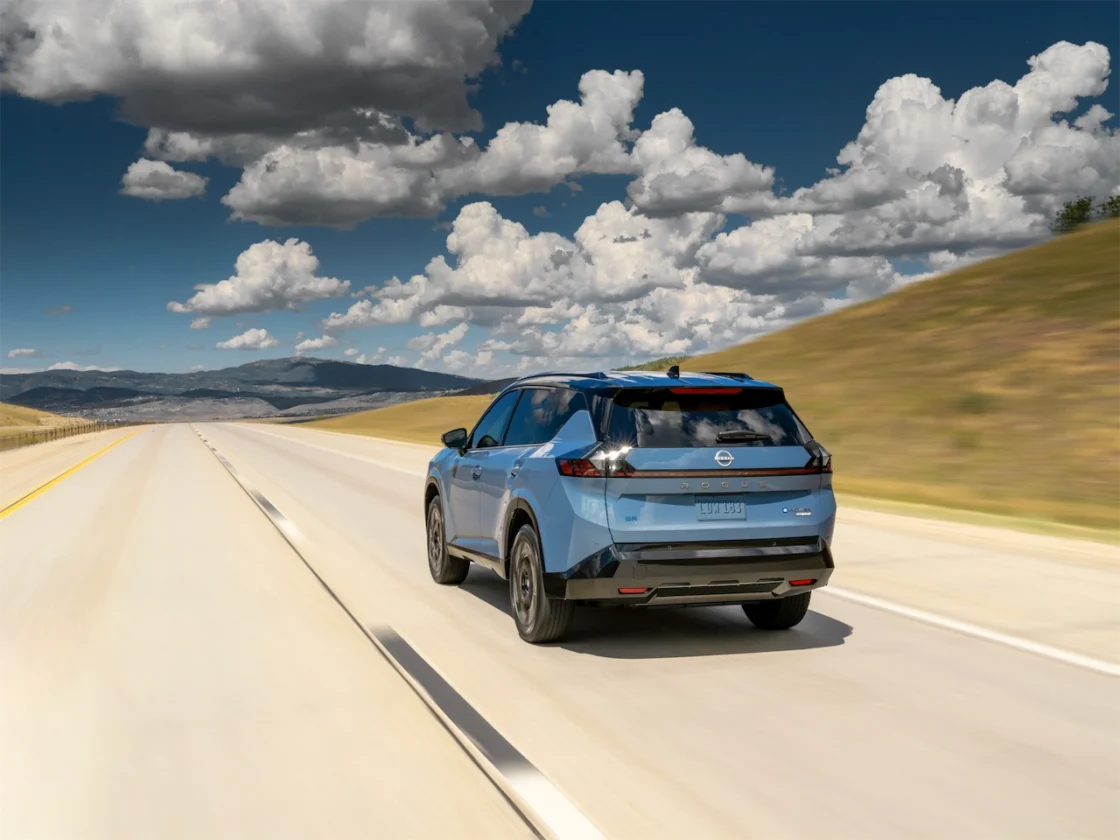
Every 2027 Rogue Hybrid gets two electric motors and all-wheel drive. Combined output lands at 225 horsepower, which should be plenty for merging, passing, and carrying a cabin full of people and gear. The system can constantly move power between the front and rear motors for better traction, and it can lightly brake an inside wheel to help the SUV turn more neatly.
Fuel economy is the bigger headline. Nissan is targeting 40 mpg city, 36 mpg highway, and 38 mpg combined. Those figures come from internal testing and still need EPA confirmation, so consider them a strong goal rather than a final window-sticker promise.
For context, the 2026 Toyota RAV4 Hybrid we tested is rated at 41 mpg combined. The Nissan gives up a few mpg on paper, but answers with standard dual-motor AWD and a very different driving experience.
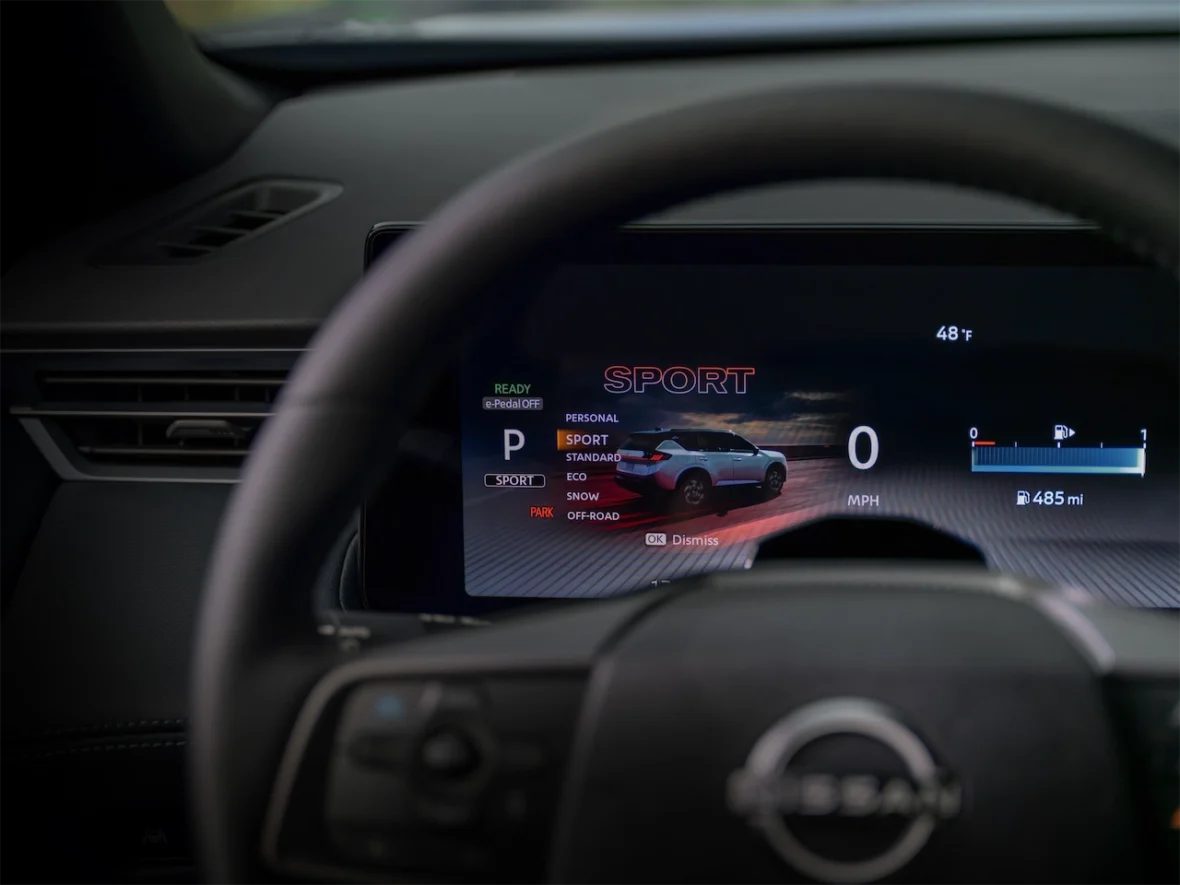
The Rogue also adds e-Pedal one-pedal driving. Lift off the accelerator, and regenerative braking can slow the SUV all the way to a stop. A feature called Smooth Stop then eases the final bit of brake pressure to reduce that familiar head-bob at the end of a stop. That could make school traffic and long stop-and-go commutes noticeably calmer.
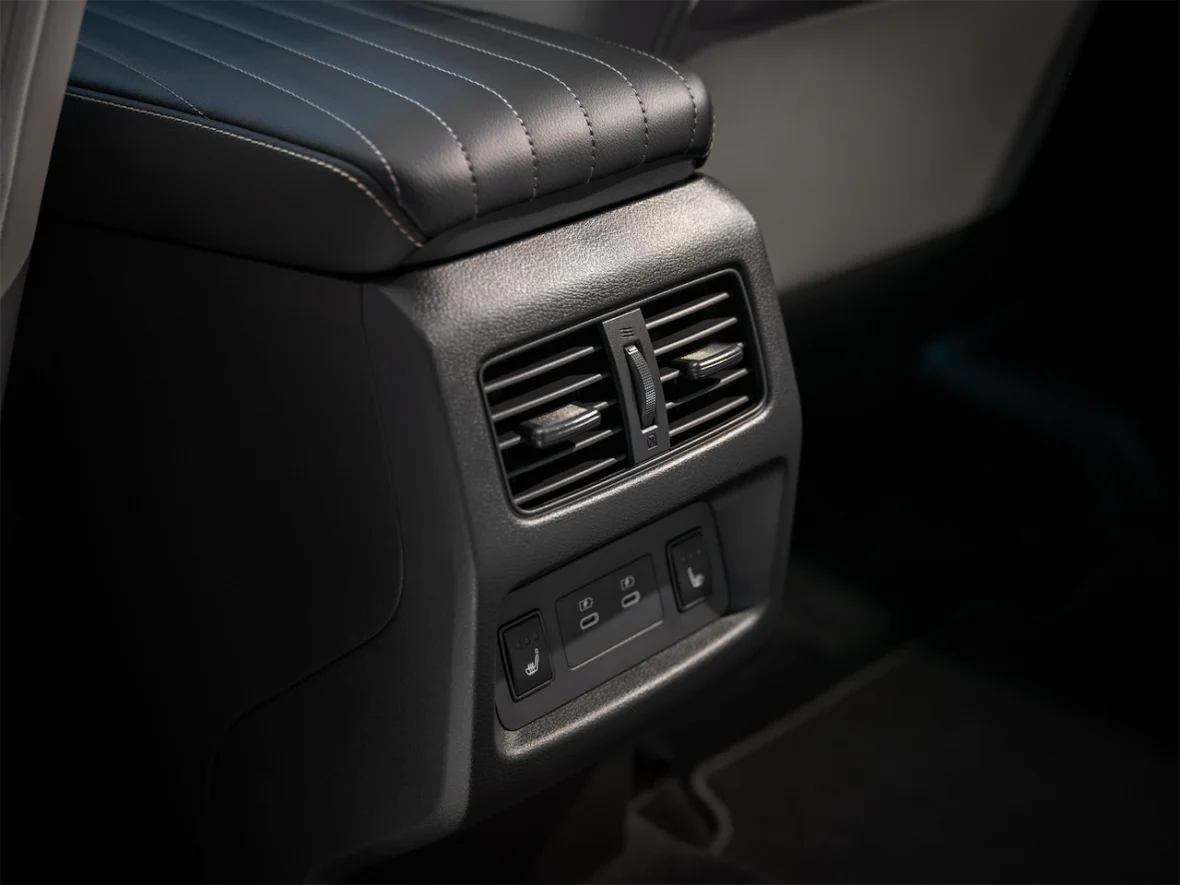
The Smartest Details Are in the Back Seat
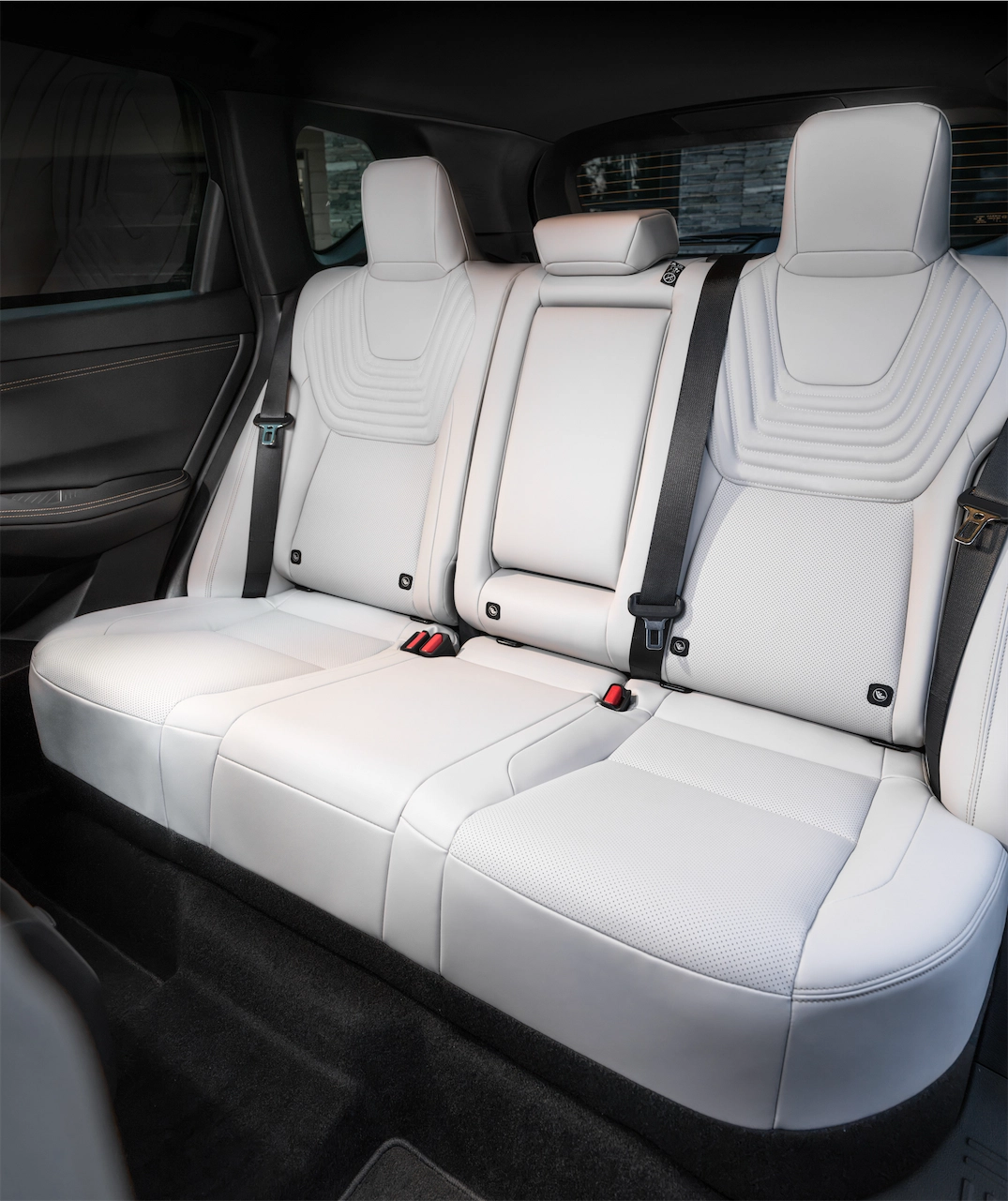
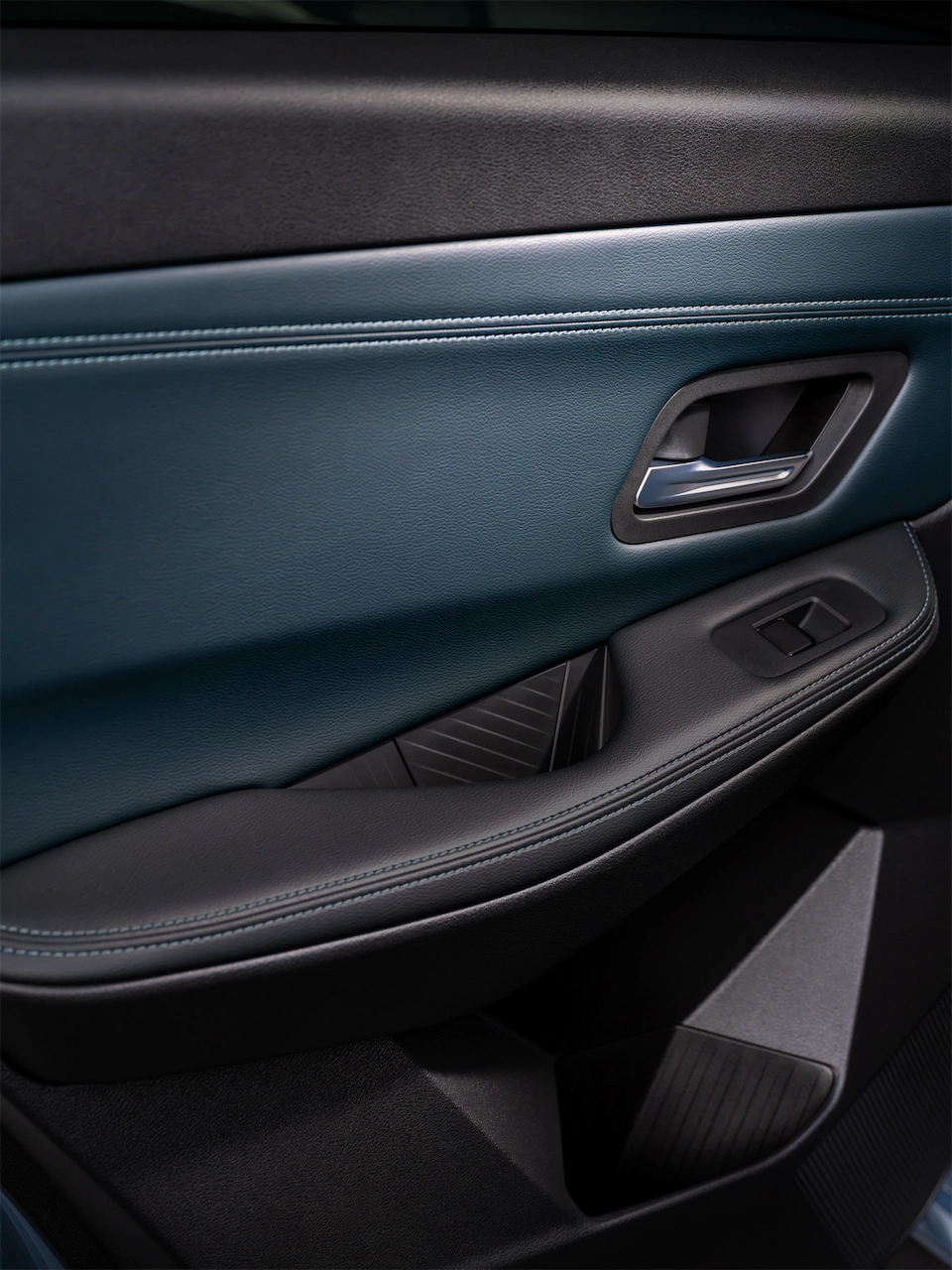
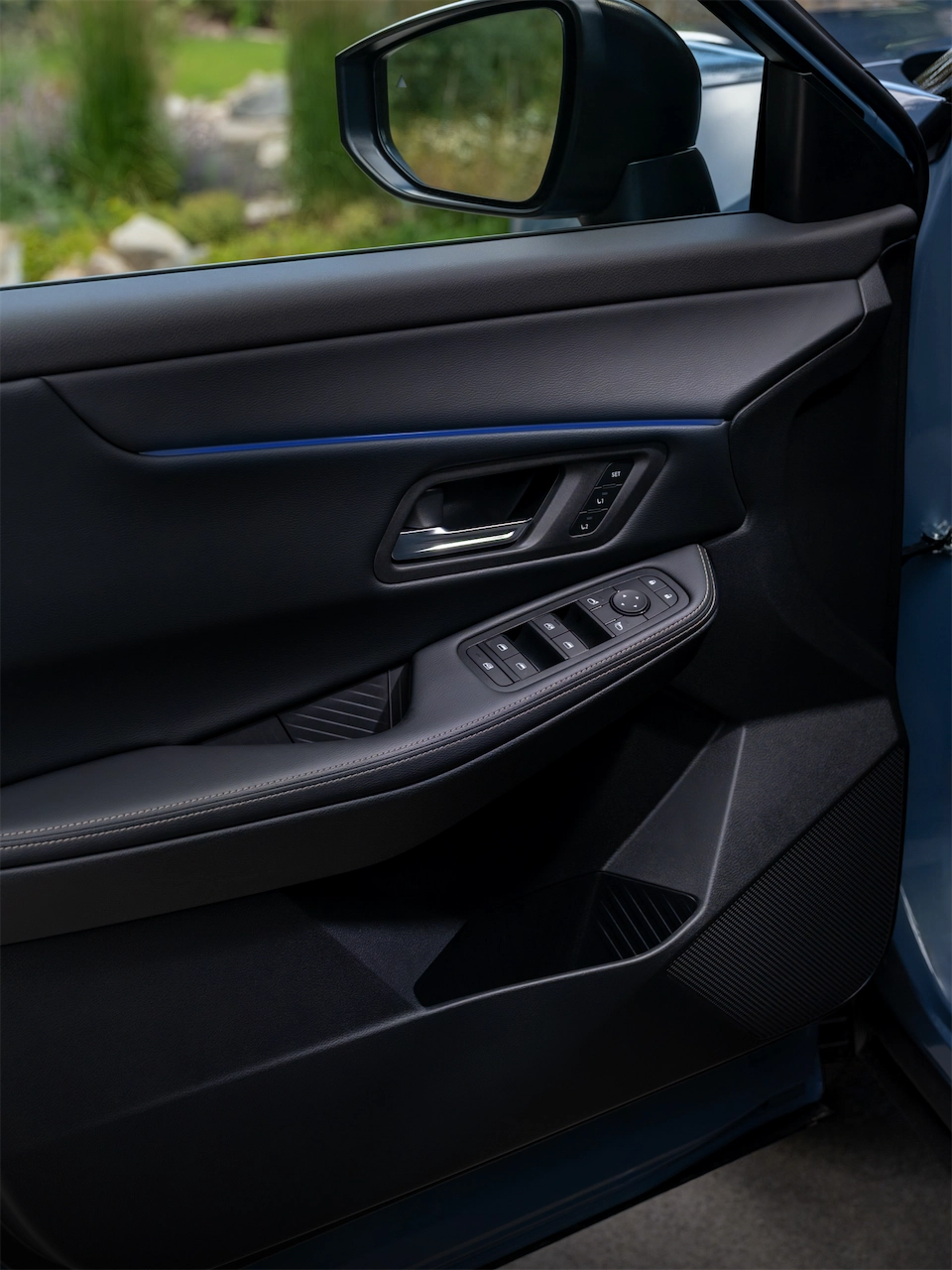
Nissan paid attention to the moments that determine whether an SUV is easy or frustrating to live with. The rear doors open nearly 90 degrees, creating a wider path for loading a child seat, buckling someone in, or sliding a bulky box across the second row.
More important, the rear seat includes five LATCH anchors. That allows a compatible child seat to use the center position, and it gives owners more flexibility when arranging up to three child seats across the bench. You will still want to test your exact seats before buying, but Nissan has provided more mounting options than most vehicles in this class.
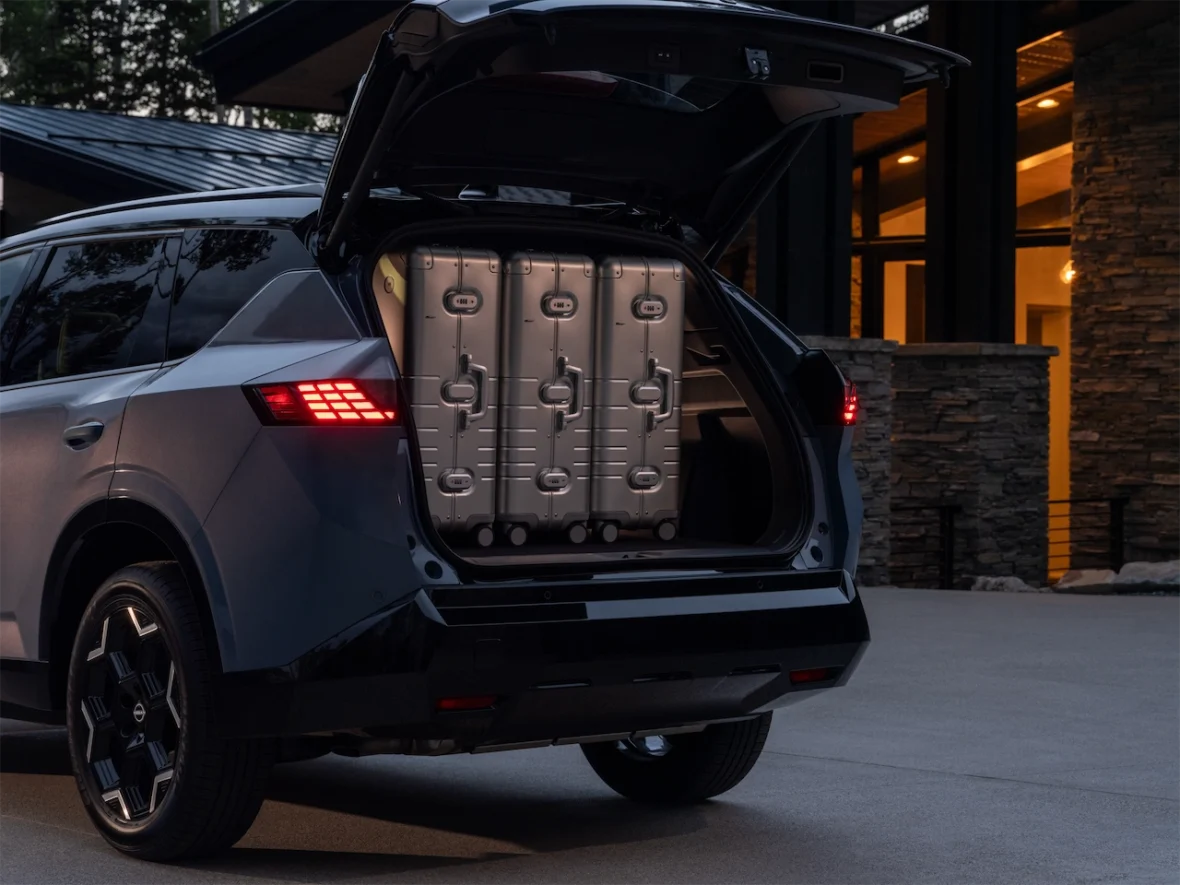
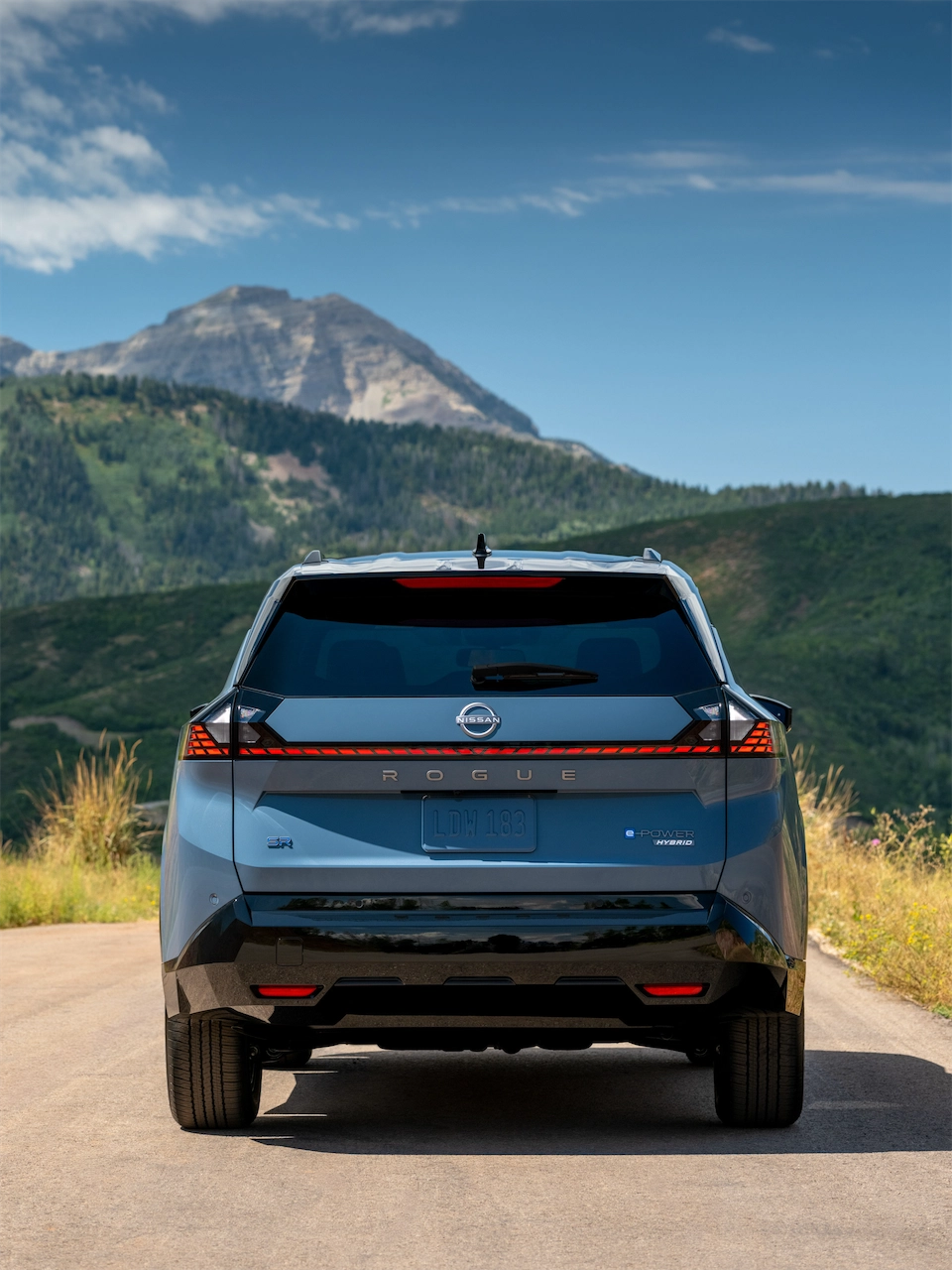
Cargo room measures 31.1 cubic feet with the rear seats upright and 65.9 cubic feet with them folded. Nissan says three large suitcases can stand side by side behind the second row. The company also kept the small “milk jug holder” behind the passenger-side rear wheel well, a simple pocket that helps stop groceries from rolling around.
Those numbers put the Rogue in useful compact-SUV territory. It is compact enough for a crowded parking lot, yet its cargo floor should still handle a stroller, a full grocery run, or road-trip luggage without forcing a game of Tetris.
A Big Screen Without Losing Every Button
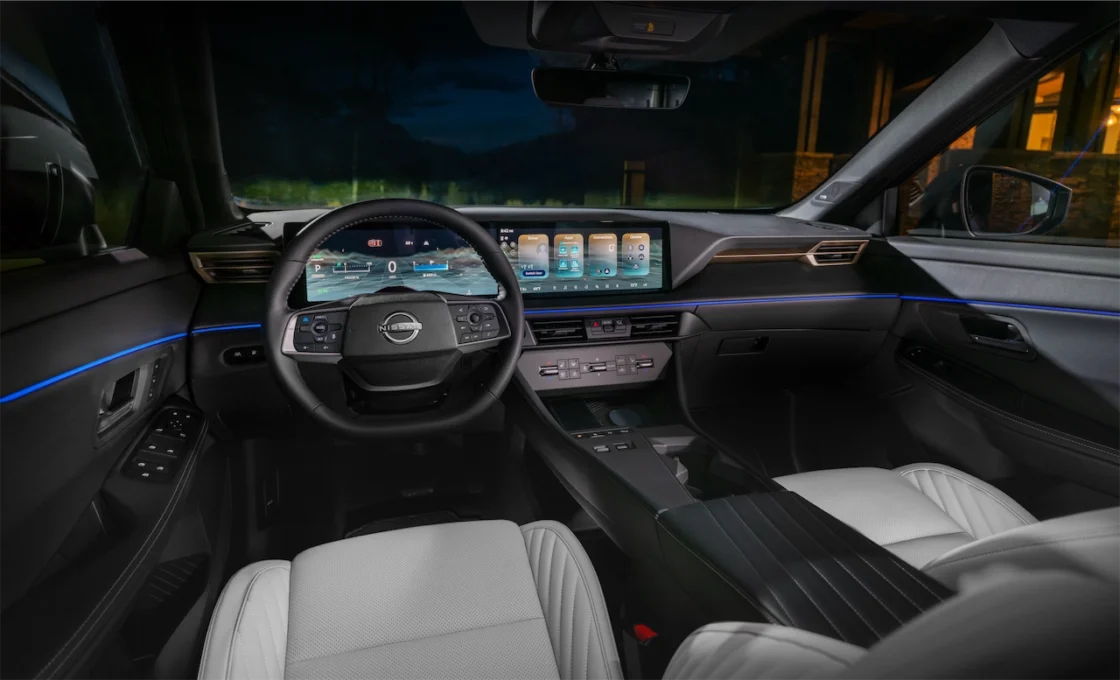
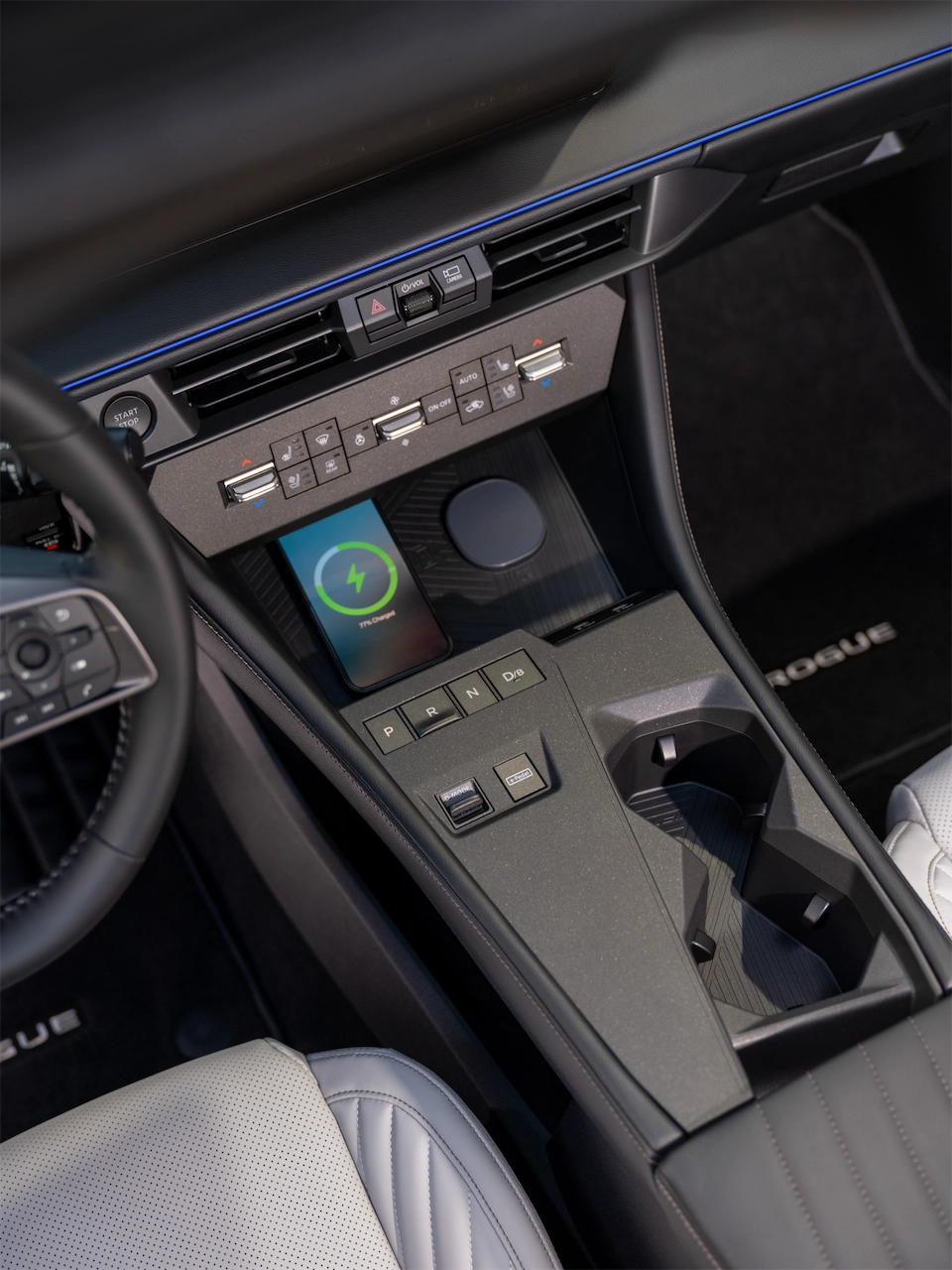
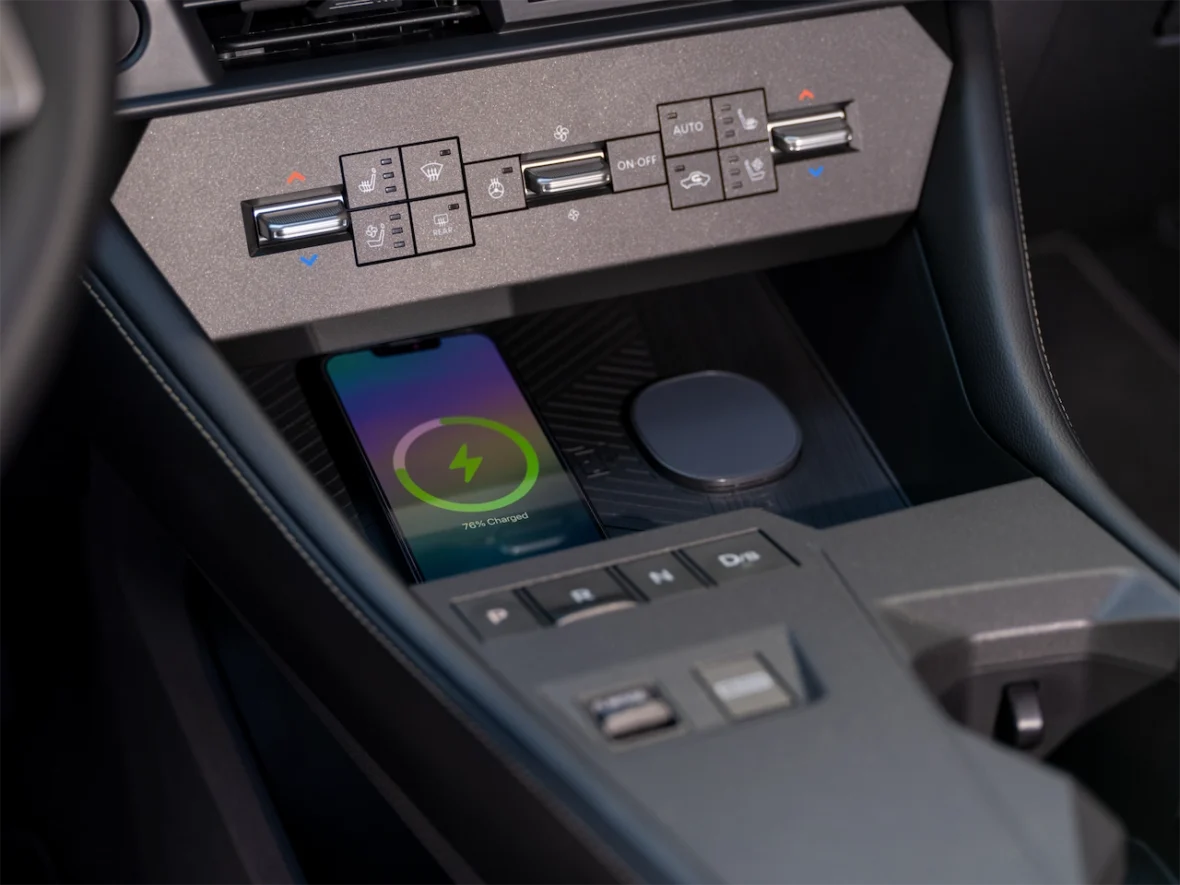
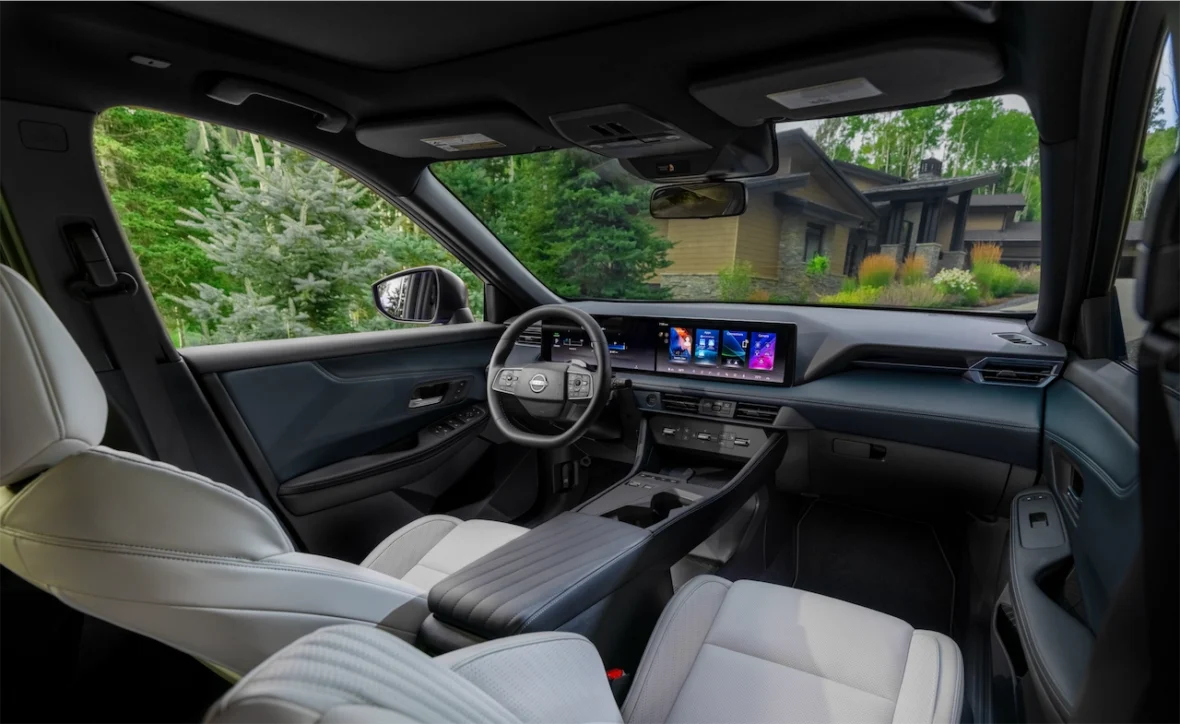
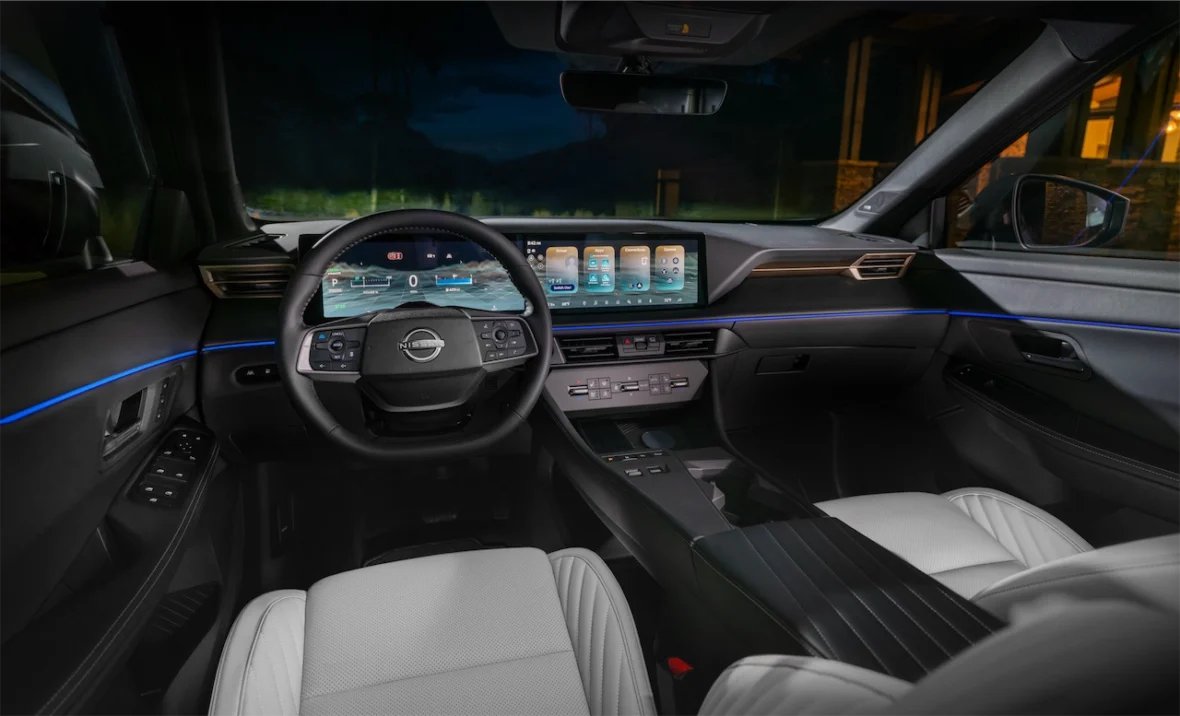
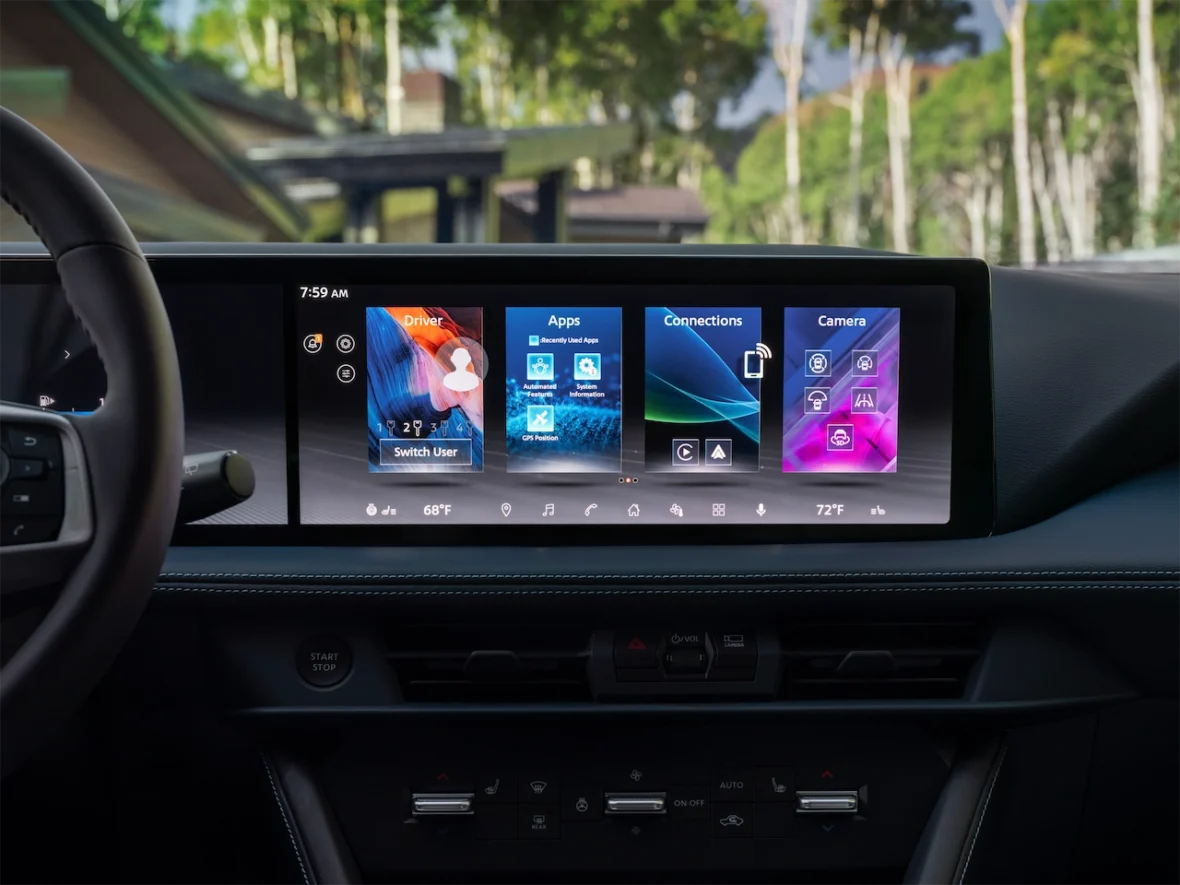
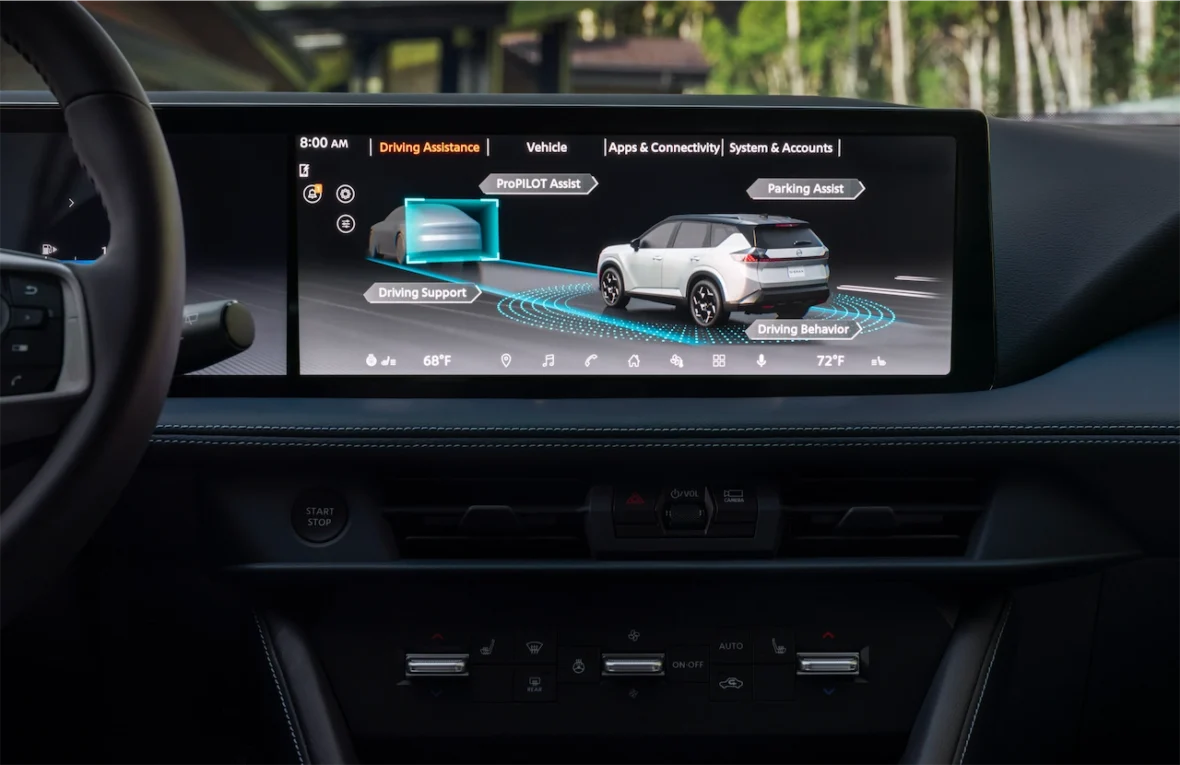
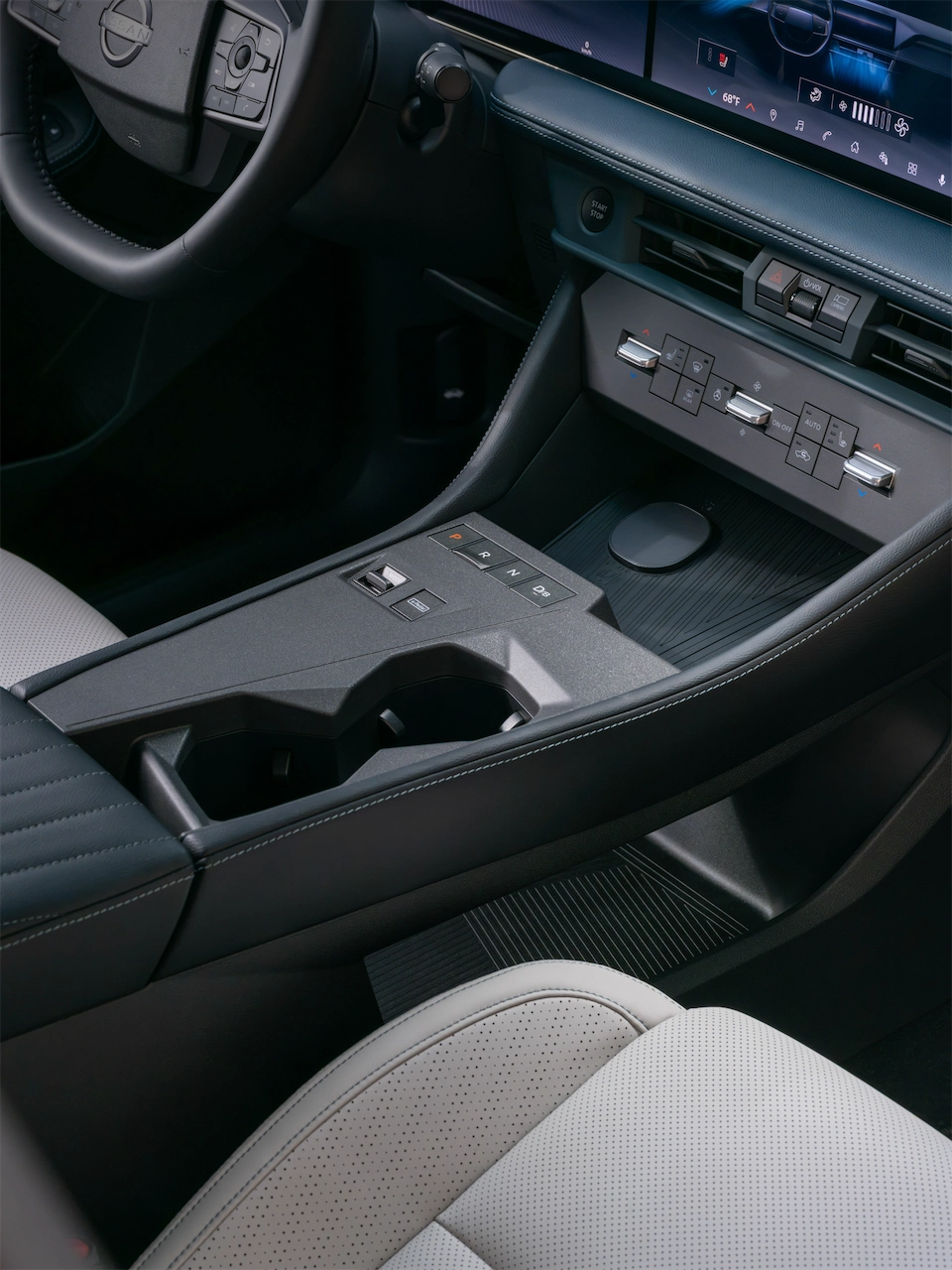
Every Rogue Hybrid includes a 12.3-inch touchscreen, wireless Apple CarPlay, wireless Android Auto, and a 15-watt Qi2 magnetic wireless phone charger. The SR Technology Package and Platinum step up to a 14.3-inch display with Google built-in, including Google Maps, the Play Store, and Google Gemini. The Platinum also adds a 10-speaker Bose audio system and a second wireless charger.
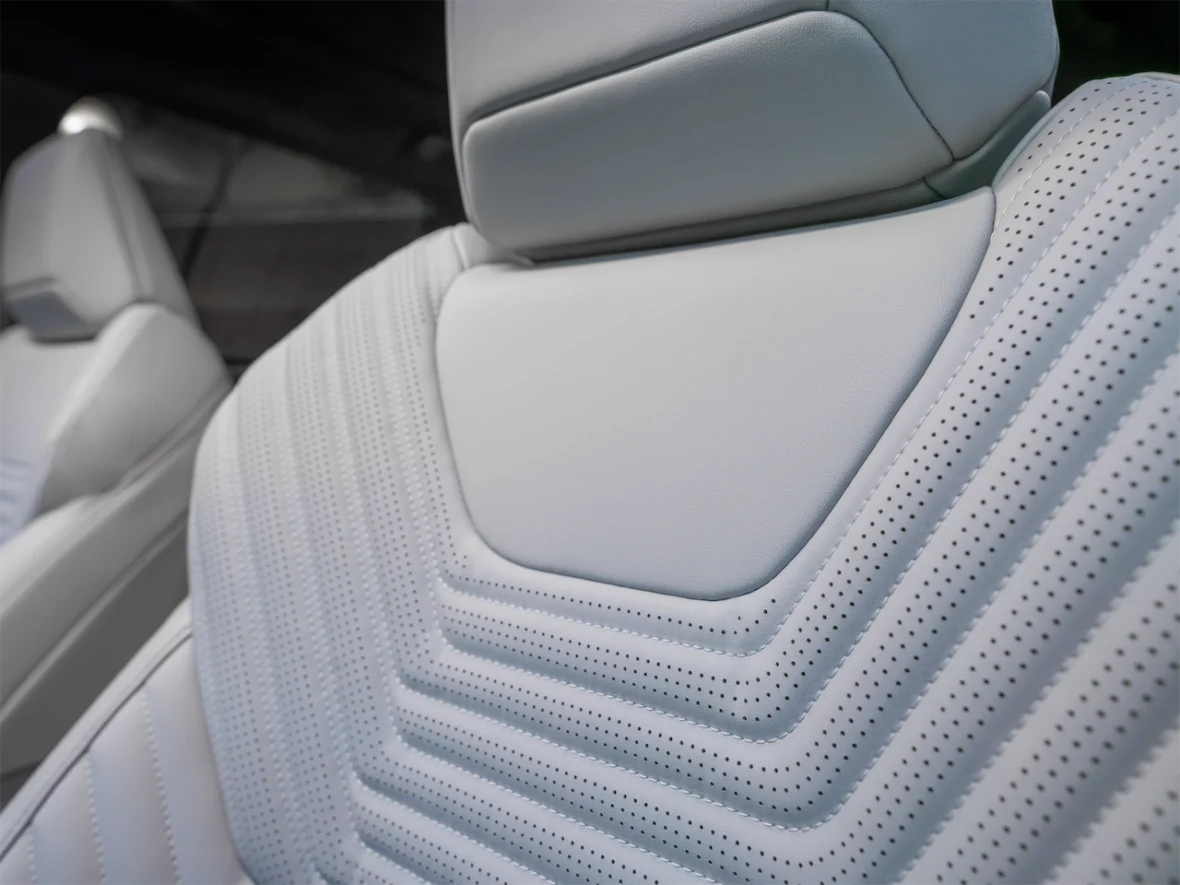
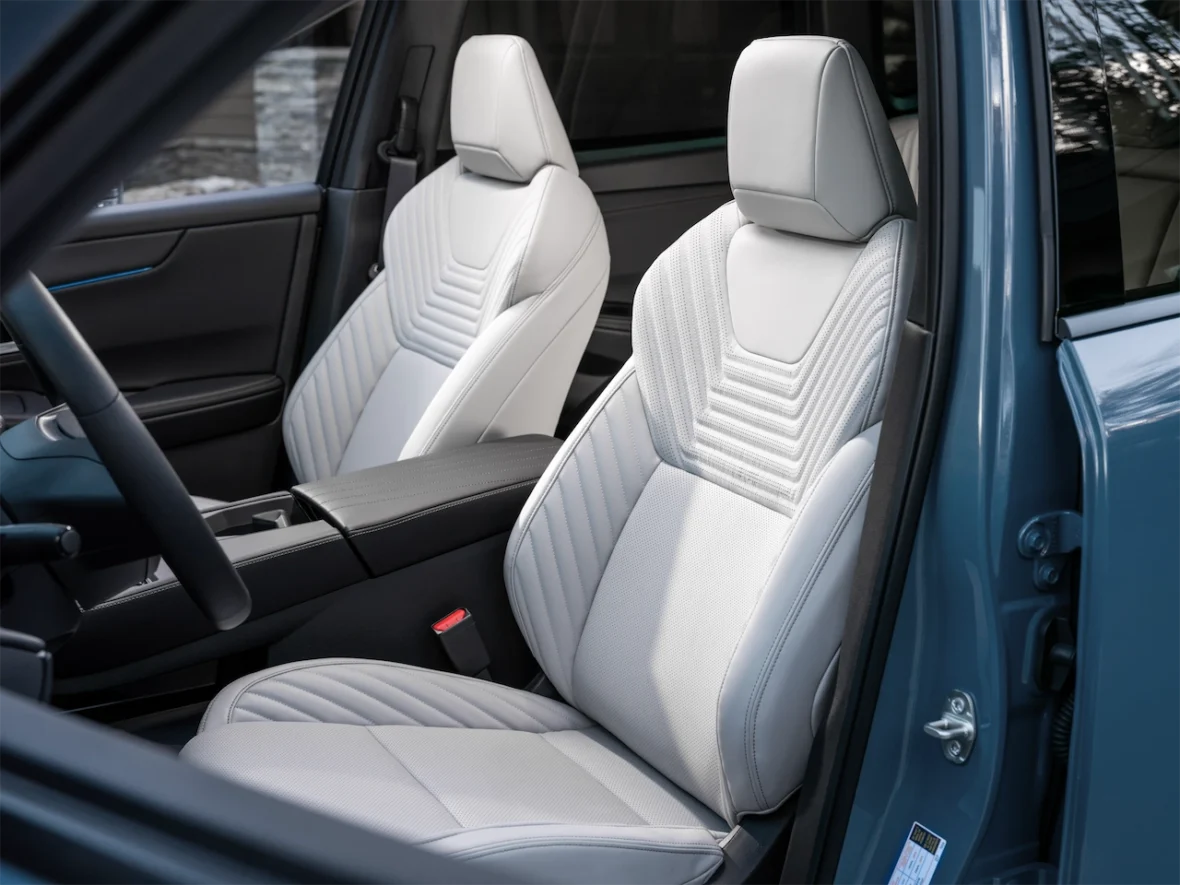
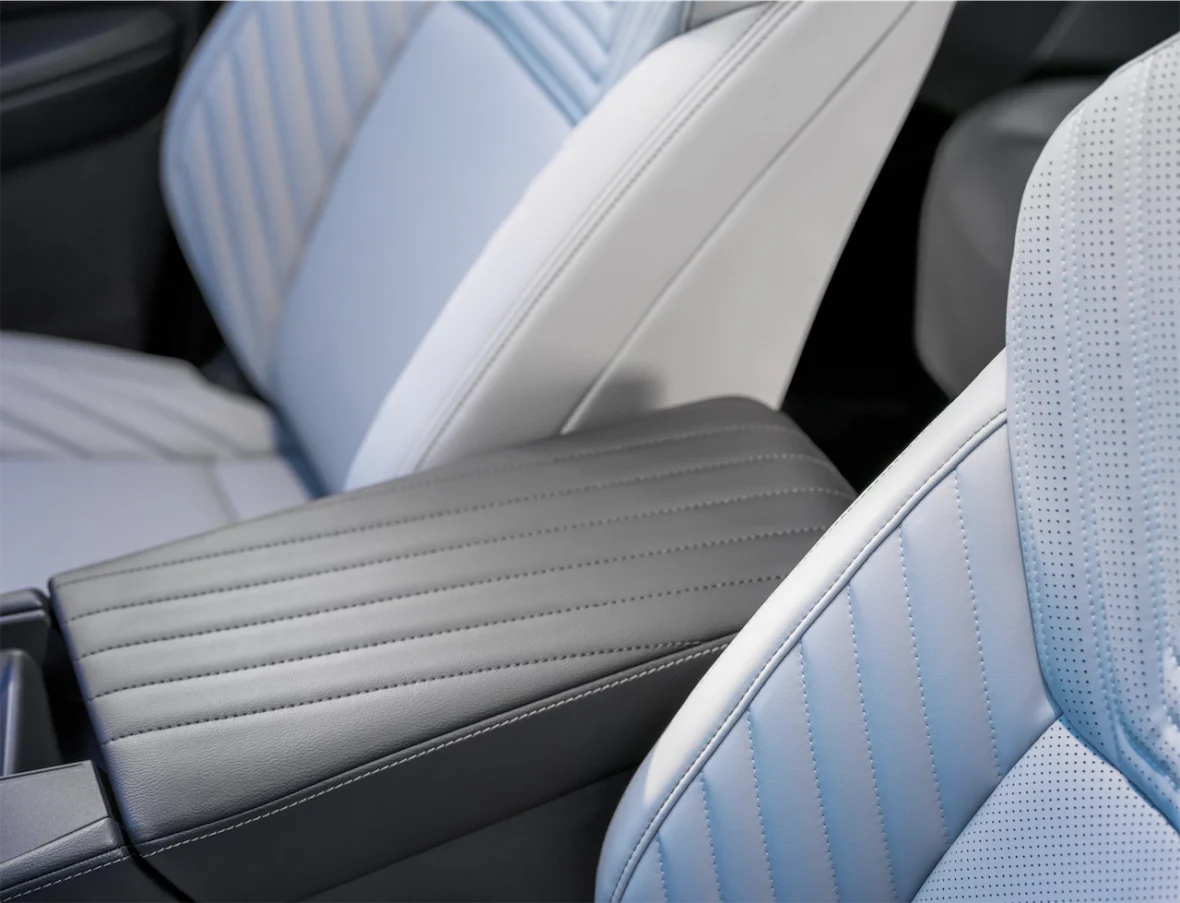
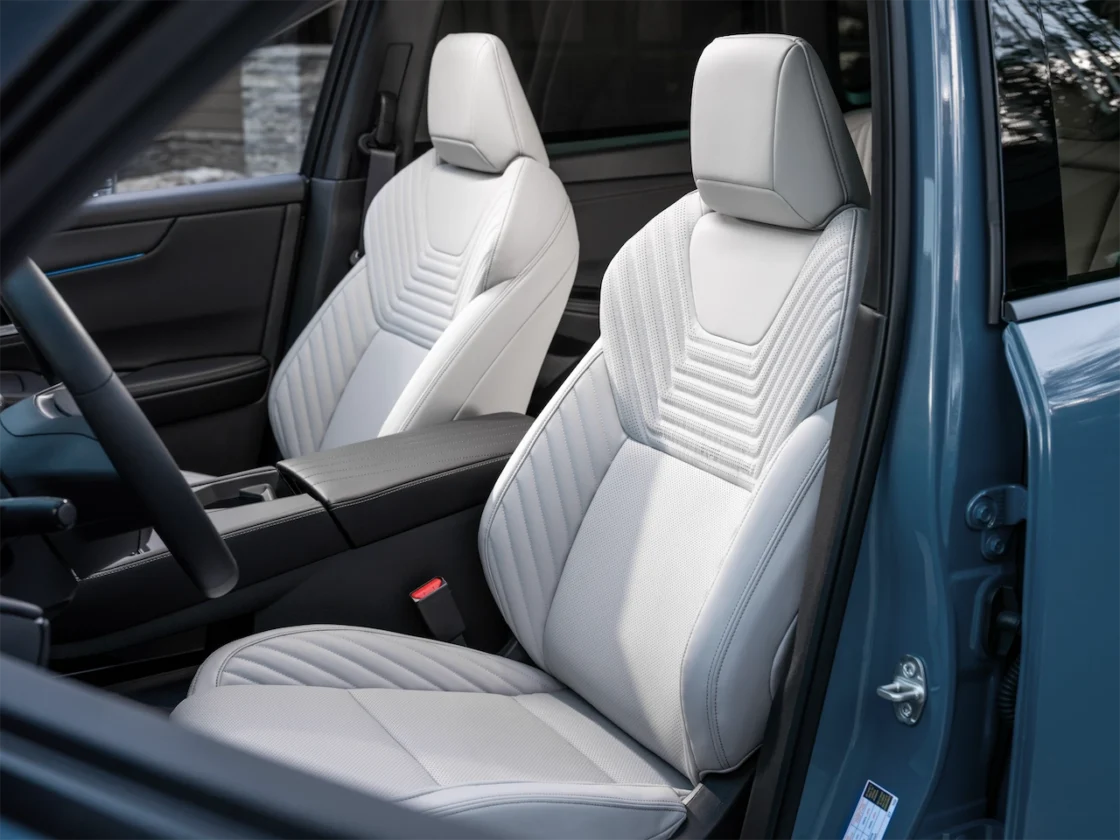
Thankfully, Nissan did not bury every function in the screen. Physical climate controls remain on the dashboard, so changing the temperature should not require a menu hunt. Available climate-controlled seats, 64-color ambient lighting, and Nissan’s Zero Gravity front seats add comfort on longer drives.
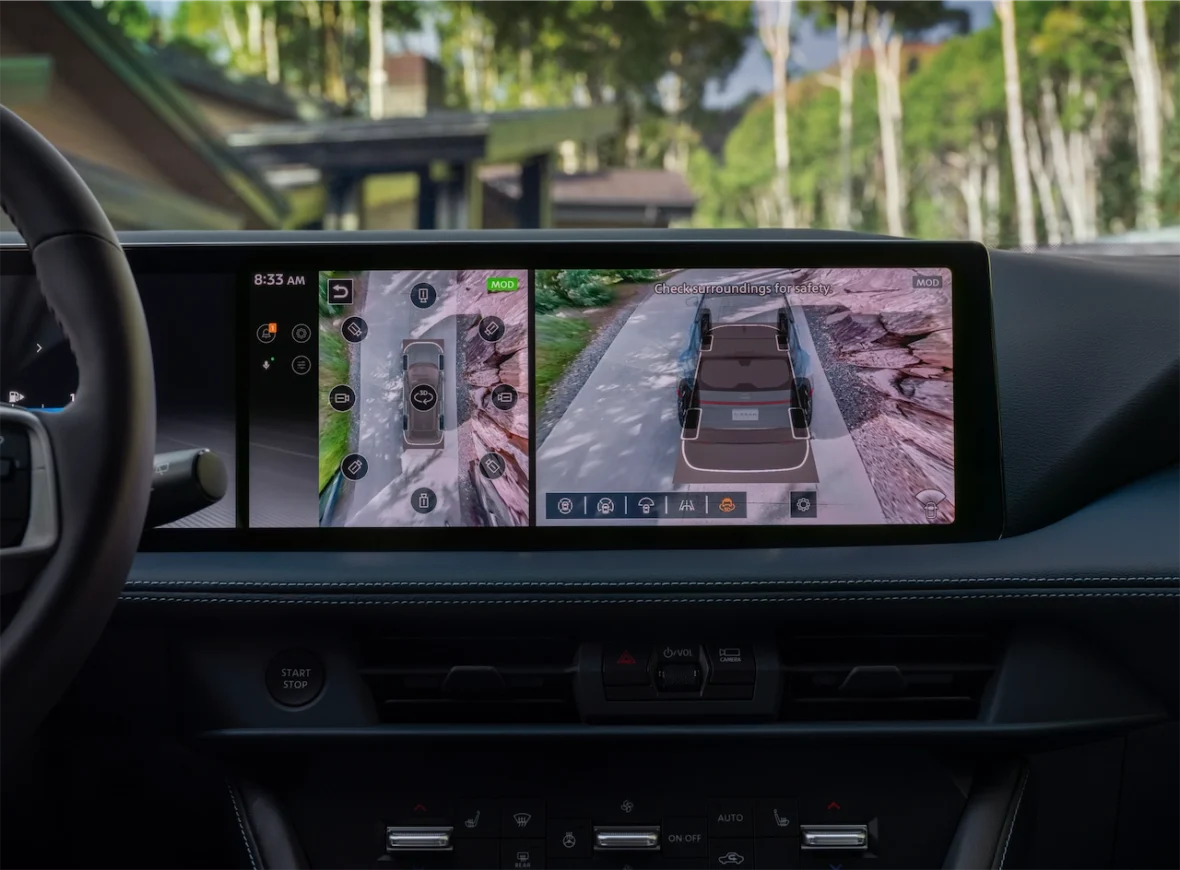
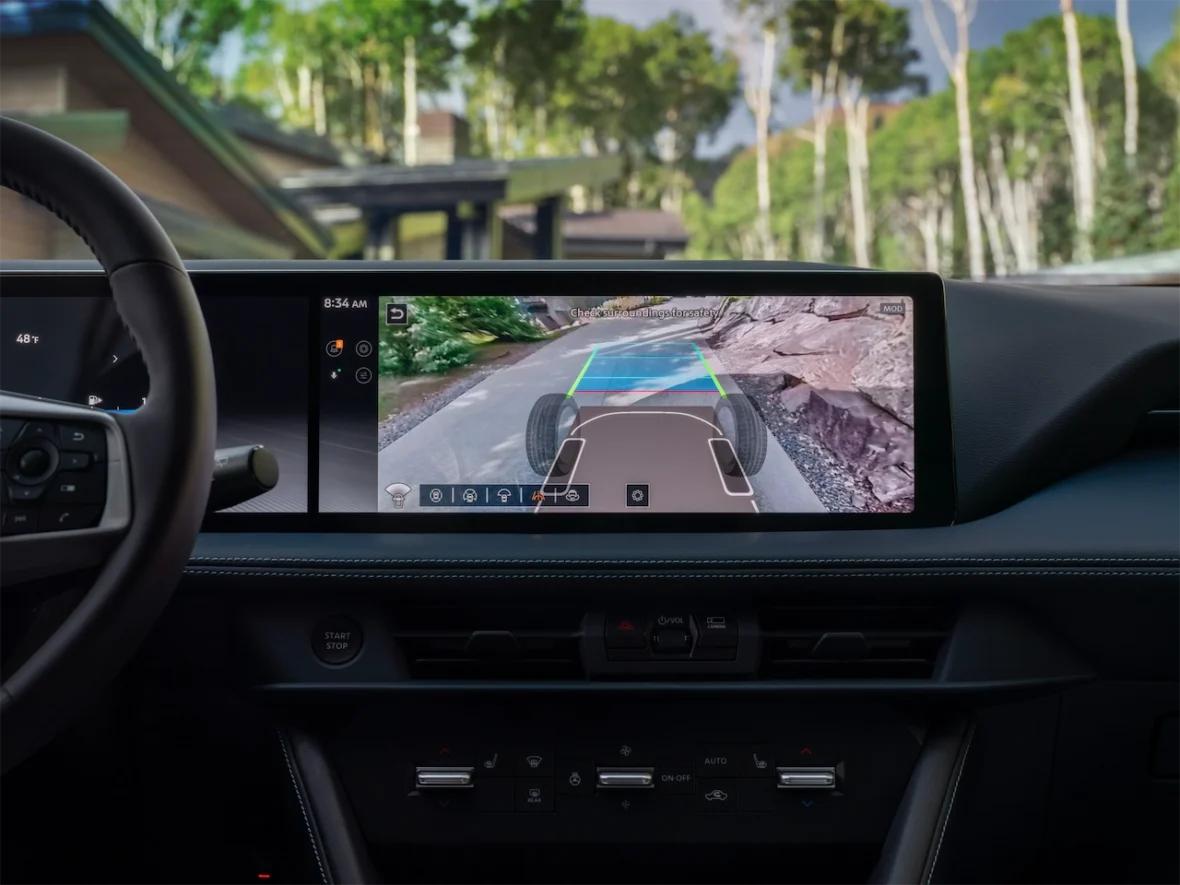
The available camera system can create a transparent view around the Rogue to help spot curbs, toys left in the driveway, and other low obstacles. It also includes an Invisible Hood View for lining up the wheels at a car wash or on a rough path.
Driver Assistance Gets Smoother, Too
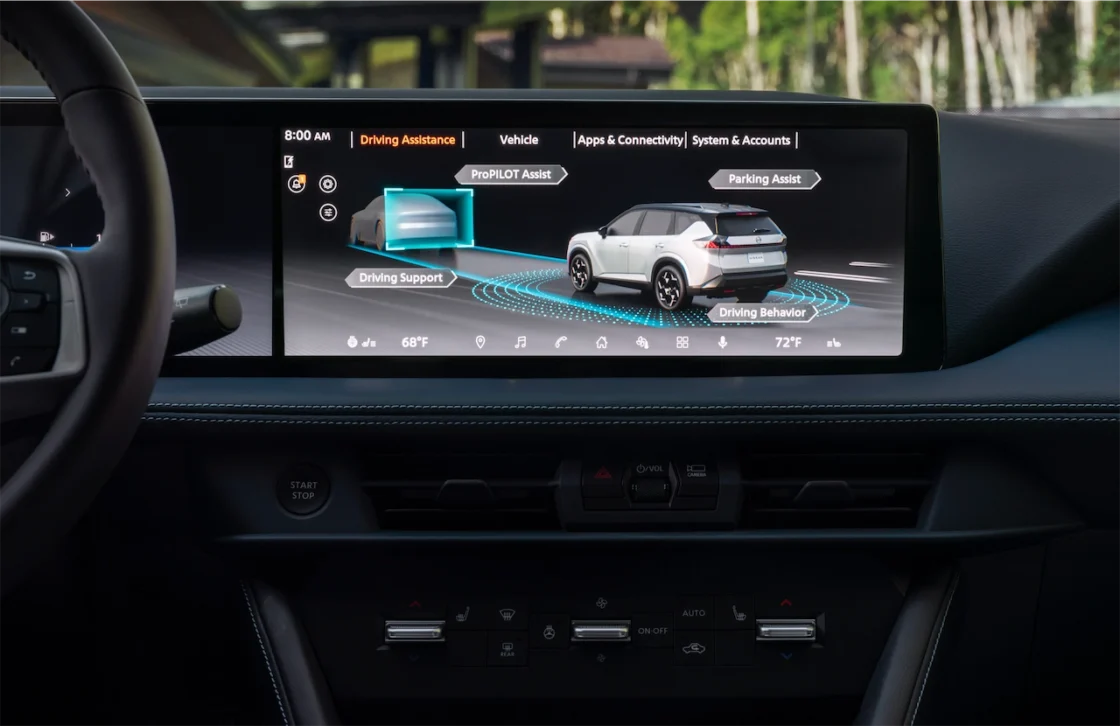
Automatic emergency braking, blind-spot warning and intervention, lane-departure warning, and lane intervention come standard. A new Lead Car Departure Notification can also let you know when the vehicle ahead starts moving at a light.
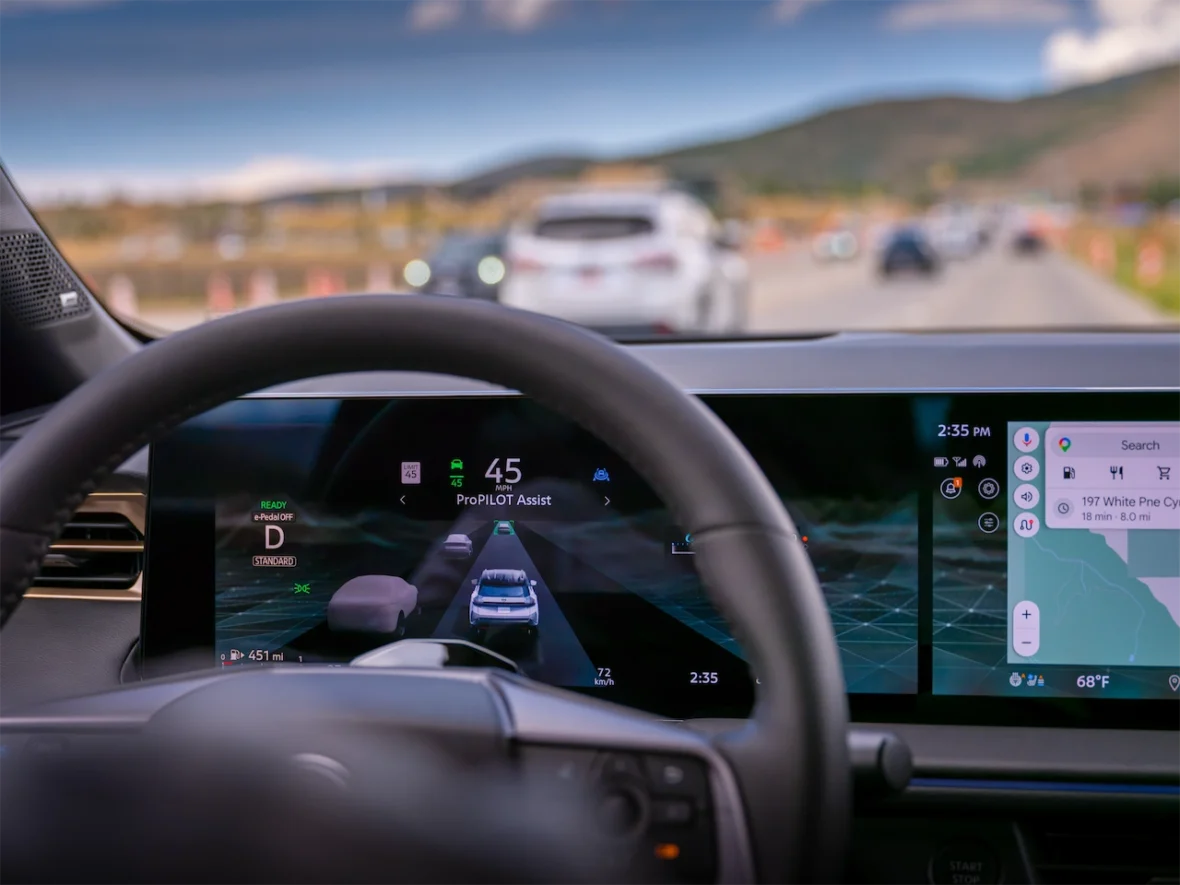
Nissan upgraded ProPILOT Assist with a wider-view camera, a new radar sensor, and revised software. The company says the system can spot slowing or stopped traffic sooner and deliver more natural lane centering. Available Auto Lane Change can steer into an open neighboring lane after the driver signals on a divided highway. Hands-Off Traffic Jam Support can temporarily handle steering in low-speed congestion under the right conditions.
These are assistance features, not self-driving technology. The driver remains responsible for watching the road and taking control whenever conditions demand it.
2027 Nissan Rogue Hybrid Price and Release Date
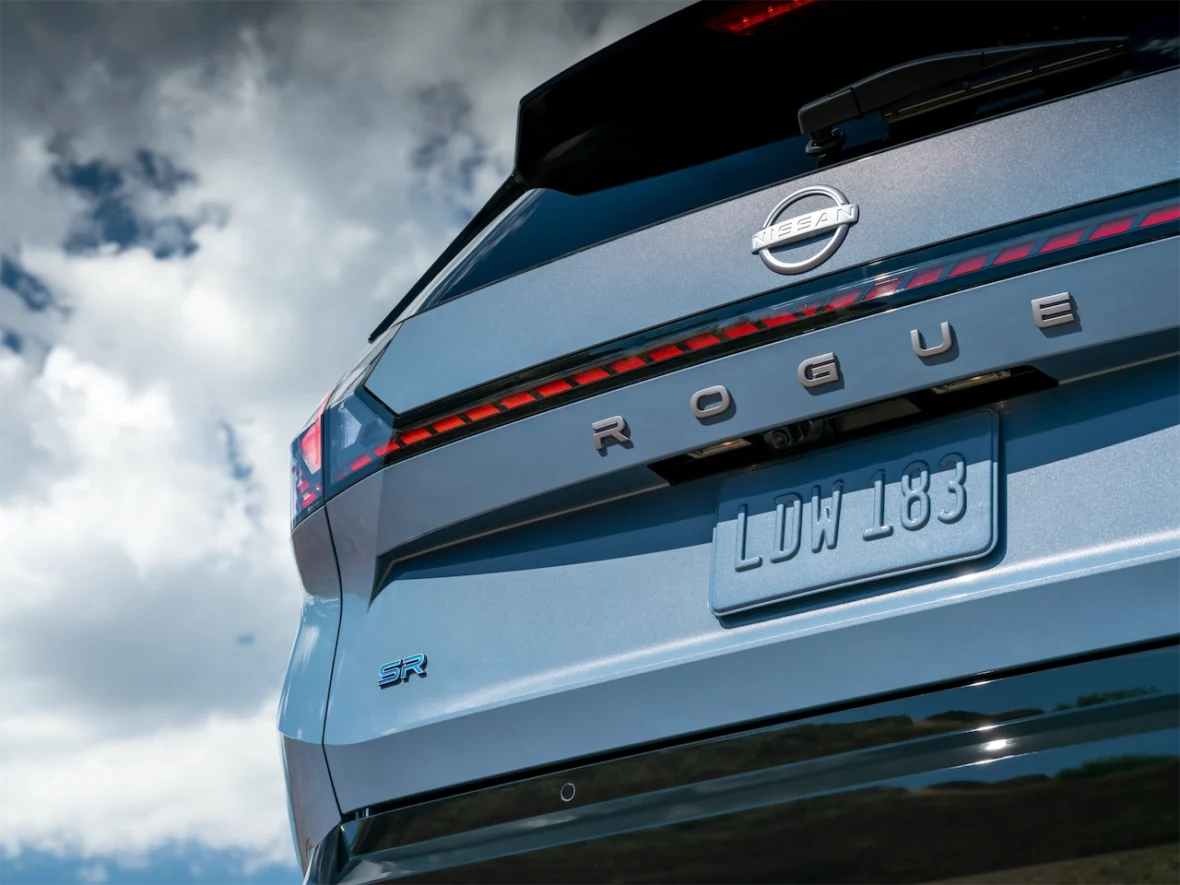
The first Rogue Hybrid to arrive will be the SR AWD with the SR Technology Package. It is scheduled for fall 2026 and carries a $41,490 MSRP. The more affordable SV, the regular SR, and the Platinum follow in early 2027.
| 2027 Rogue Hybrid trim | MSRP | On-sale timing |
|---|---|---|
| SV AWD | $35,490 | Early 2027 |
| SV AWD with Premium Package | $37,590 | Early 2027 |
| SR AWD | $37,490 | Early 2027 |
| SR AWD with Technology Package | $41,490 | Fall 2026 |
| Platinum AWD | $43,490 | Early 2027 |
Nissan charges $1,575 for destination and handling. That brings the least-expensive SV to $37,065 before tax, registration, and options. The launch-ready SR with the Technology Package lands at $43,065 before those extras.
The pricing places the Rogue Hybrid in the heart of the compact hybrid SUV market. The base SV carries the value argument, while the launch-ready SR Technology Package asks buyers to pay for the larger screen and newer driver-assistance hardware before the rest of the range arrives.
Our Take
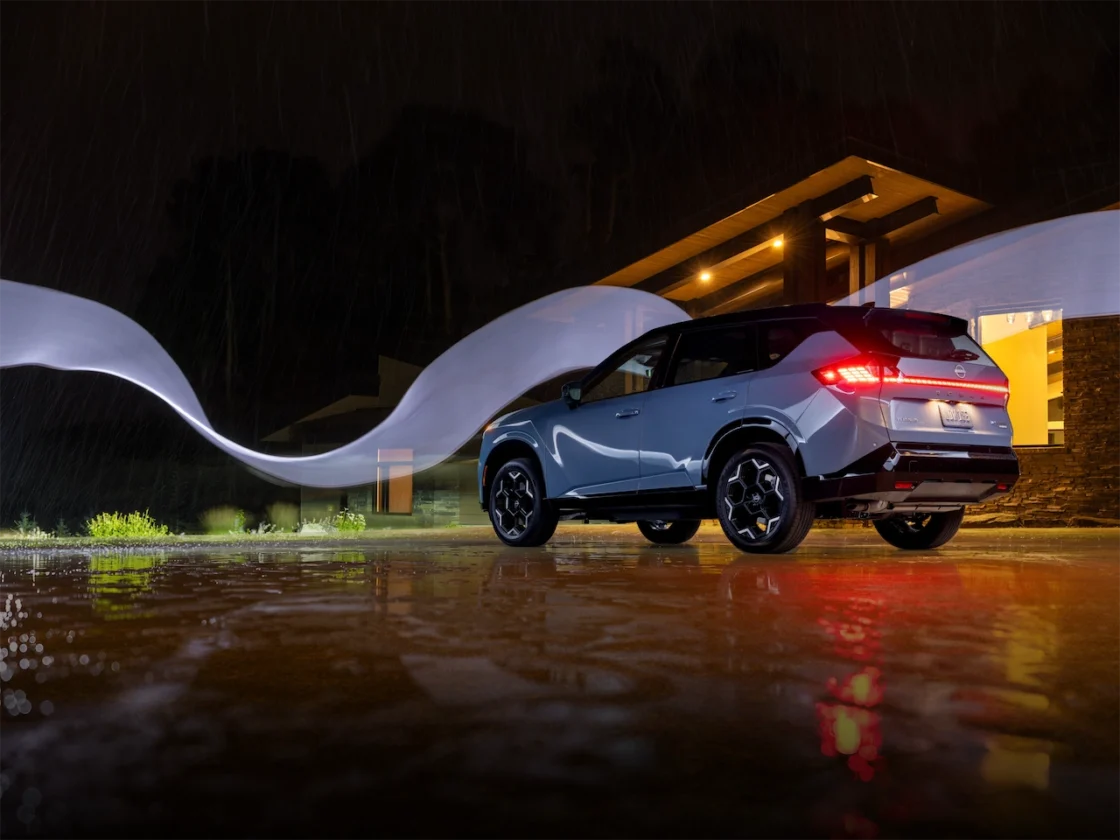
The 2027 Nissan Rogue Hybrid is interesting because it makes electrified driving feel less complicated. You get the immediate response and smoothness of electric motors, but you refuel it like any other SUV. Add standard AWD, a targeted 38 mpg combined, sensible physical controls, and genuinely useful car-seat access, and Nissan has built more than a fuel-saving Rogue.
The real questions are how quiet it feels at highway speed, whether the EPA numbers match Nissan’s targets, and how smoothly the gas engine comes and goes in daily driving. We will reserve the final verdict until we drive one. On paper, though, the Rogue Hybrid looks ready to make this crowded class much more interesting.