
2027 Volkswagen Atlas Gets More Expensive, Gains More Equipment

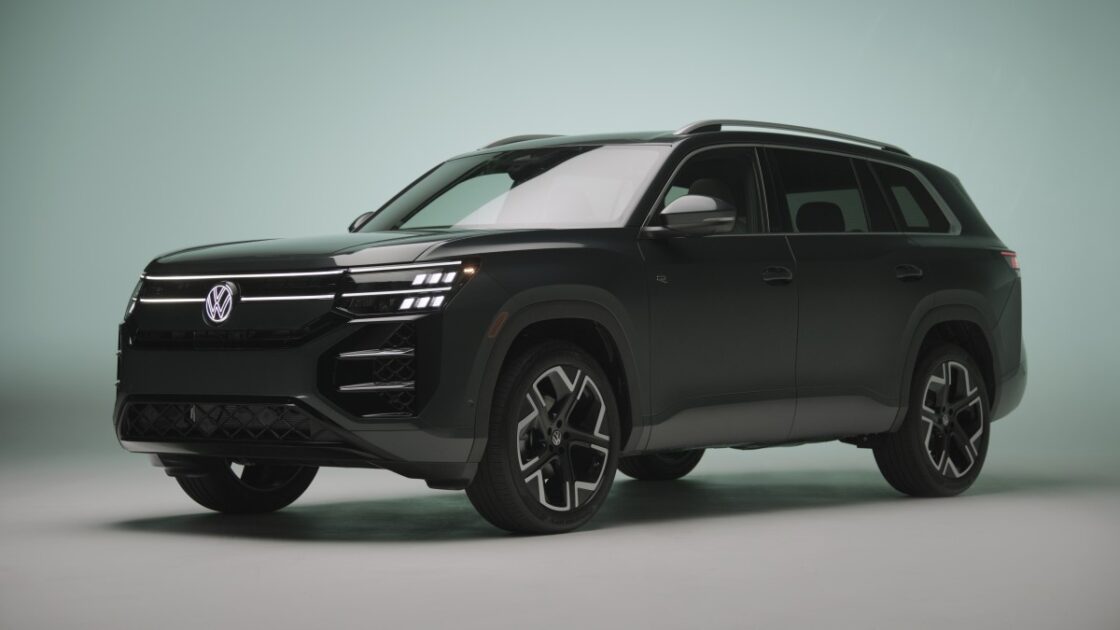
The 2027 Volkswagen Atlas drew plenty of stares when the company unveiled it a few months ago at the New York Auto Show. The SUV got new exterior styling, a reworked interior, and a massive infusion of standard equipment. One of the few questions left unanswered was how much prices were going to go up to reflect all of these changes?
Volkswagen has released final pricing for the 2027 Atlas, and buyers will be in for a bit of sticker shock with the base Atlas now starting at $41,600 which includes the $1,525 destination fee.
Atlas Price Increase Will Be Hard To Miss
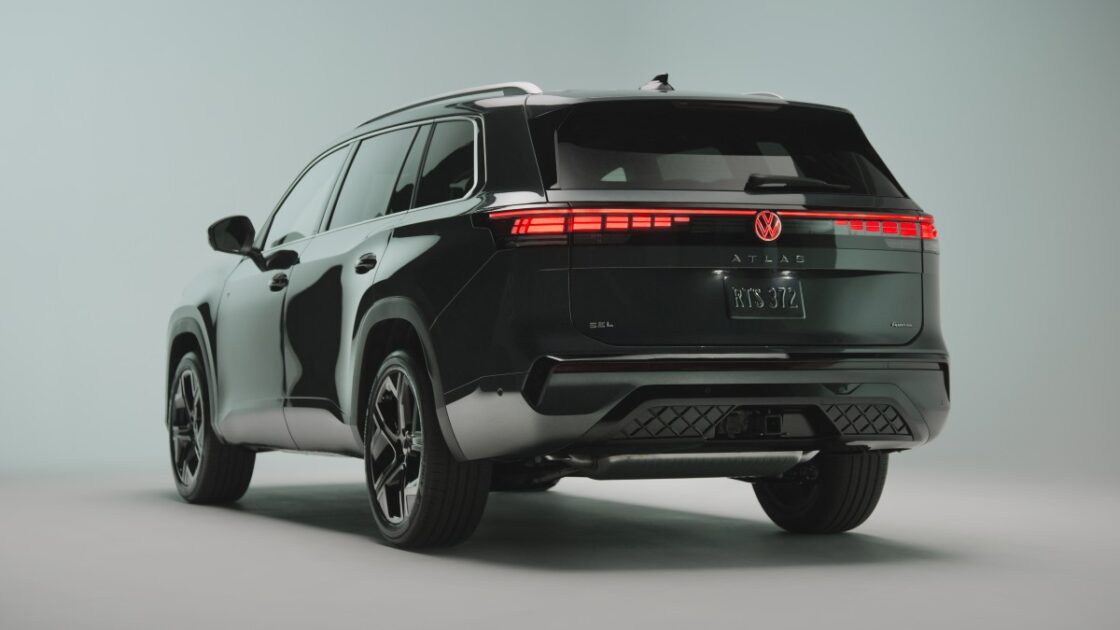
This revised figure is in stark contrast to the current generation Atlas which starts at $39,300 and also comes with a $1,475 destination charge. This translates to an overall increase of $2,350 and is reflective of not only the changes that have taken place within the broader market, but also some of the updates Volkswagen added to the SUV for the new model year.
Unfortunately, this price increase will also be noticed by some of its rivals, with models like the Kia Telluride, Hyundai Palisade, and even the Subaru Ascent all offering lower prices of admission for their base models which in turn boosts their perceived value versus the Volkswagen.
The Higher Price Comes With Tempting Tradeoff
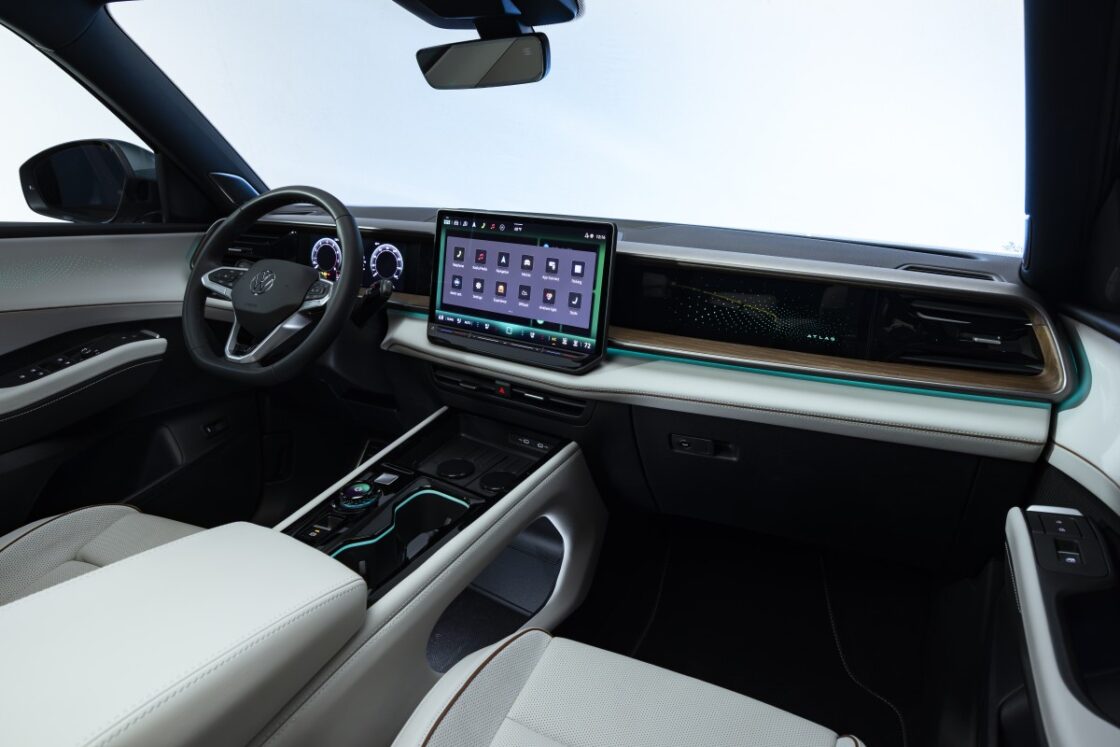
In exchange for the Atlas taking more out of your wallet, the SUV is giving buyers more standard equipment in exchange. This infusion of standard features was a key pillar for the 2027 update, with the base SE now coming with front and rear park distance control, larger digital displays, and dual-wireless charging pads.
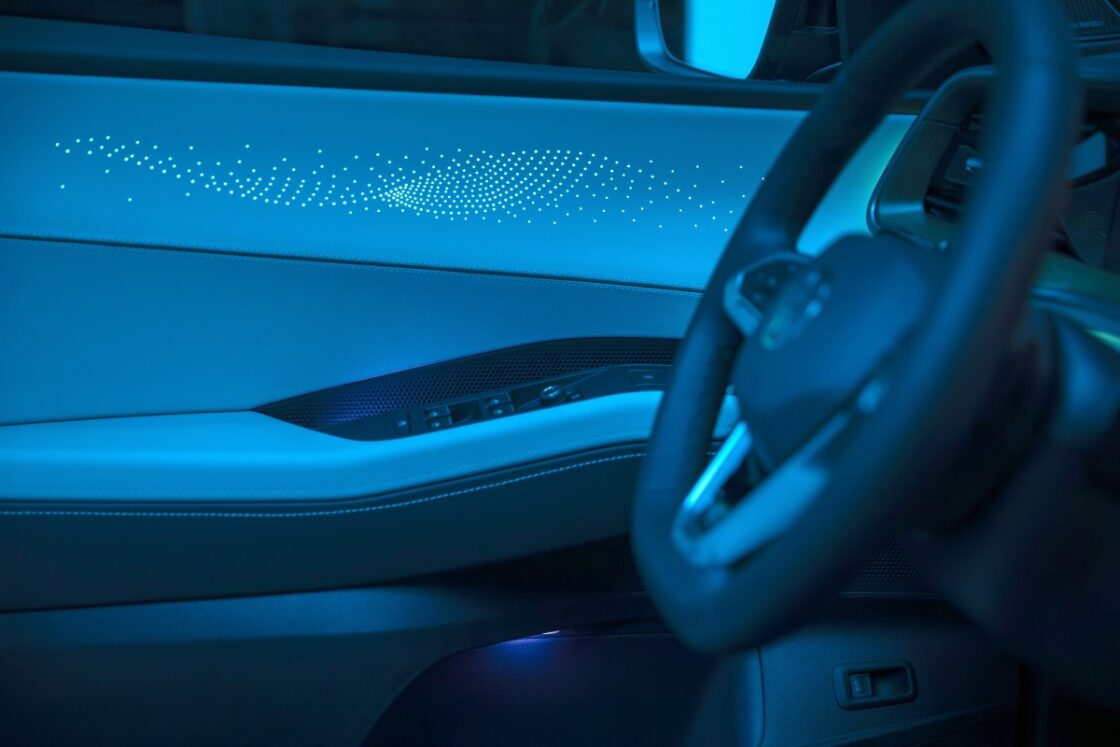
Meanwhile, the SE with Technology Package starts at $47,125 but you get bigger 20-inch wheels and this trim is also the cheapest point of entry for trailer owners since this is the lowest trim on the Atlas trim ladder to get a towing package, with towing capacity itself going up from 2,000 to 5,000 lbs. This trim is also where Volkswagen put greater emphasis on lighting, with thse models getting a 10-color ambient lighting system, illuminated VW logos, and tweaked daytime running lamps. All models will continue to be powered by VW’s familiar 2.0-liter turbocharged four-cylinder which makes 282-horsepower and is mated to an eight-speed automatic transmission.
Atlas R-Line Is Still The Fun Trim
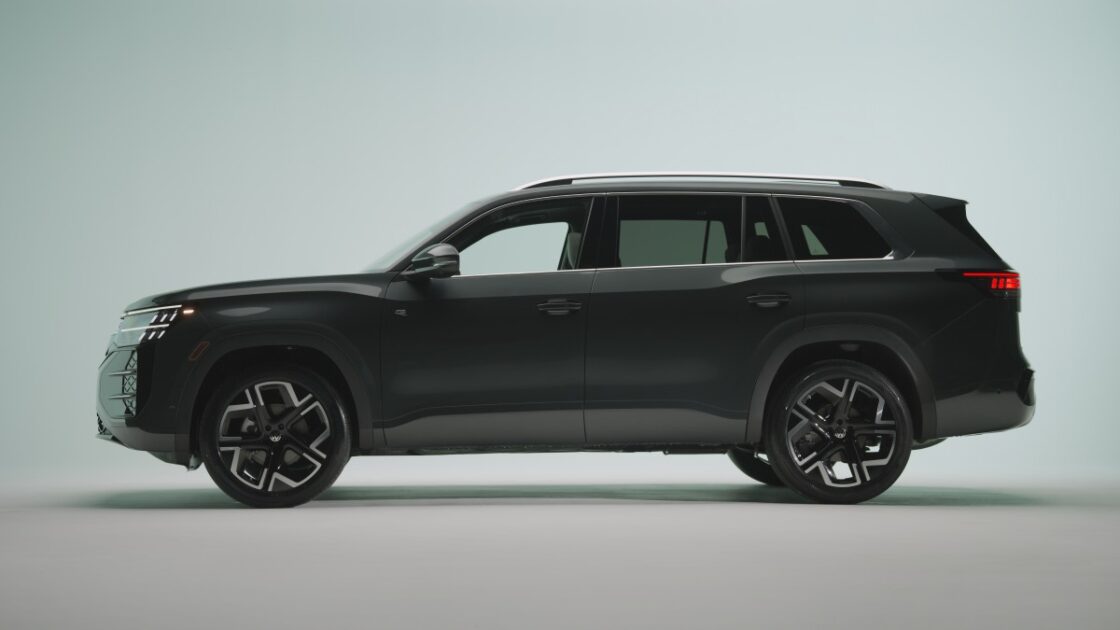
Buyer looking for sportier looks will have to go for the $53,635 SEL R-Line with the model serving to indirectly axe the standard SEL from the trim family in an attempt to simplify things for buyers. R-Lines get projector beam headlights, standard all-wheel drive (AWD), a panoramic sunroof, heated and cooled second row seats, a 30-color ambient lighting system, and real leather upholstery. A slick set of 20-inch wheels are also part of the package, and are joined by more aggressively styled front and rear bumpers.
Meanwhile, the R-Line Premium is the new $58,135 range-topper in the family, and it builds on the standard R-Line by adding 21-inch wheels, massaging front seats Nappa Leather upholstery, and a 14-speaker Harmon Kardon sound system. It also allows the Atlas to compete in the near-luxury SUV segment, and some of its newly added updates blur the line between it and formal luxury SUVs.
The 2027 Volkswagen Atlas Is Coming At A Piviotal Time For VW
The arrival of the 2027 Volkswagen Atlas is coming at a time when the company is going through some rough waters. The company’s push into EVs (a byproduct of the infamous dieselgate scandal) has not been as profitable as expected, and is adding fuel to a growing existential crisis which is shaping up to be one of the worst the company has dealt with in its 90 year history.
Volkswagen CEO Oliver Blume confirmed recently the company could cut over 100,000 employees globally and shut down four assembly plants in Germany. The 2027 Atlas is one of several key models which could play a role in how Volkswagen survives and navigates this crisis. While its impressive suite of standard equipment will certainly draw buyers in for a look, it remains to be seen if its enough to make up for the Atlas’s noticeable jump in cost.