
Choosing Side Steps That Actually Last the Distance

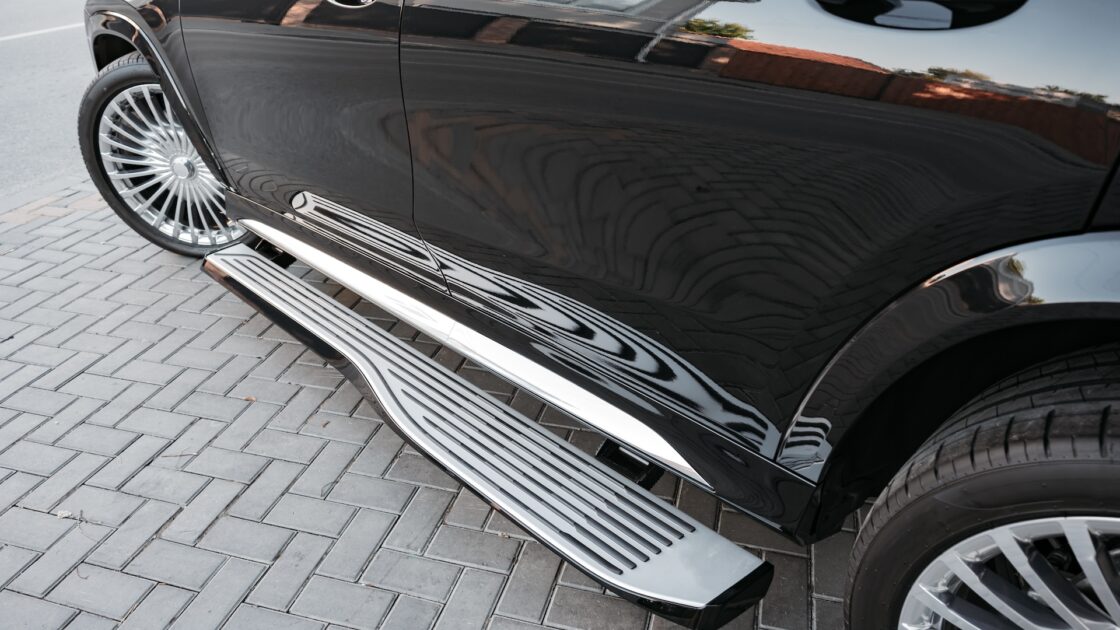
Side steps look simple, but there’s a big gap between a set that lasts the life of your four-wheel drive and a set that rusts, rattles, and sags within a couple of years. If you’re going to spend money on them, longevity deserves to be near the top of your list.
The difference comes down to materials, construction, coating, and fit. Here’s what separates steps that go the distance from the ones you’ll be cursing and replacing far sooner than you’d like.
It starts with the material
Most quality side steps are built from either steel or aluminium, and each has trade-offs. Steel is strong and takes a beating, making it ideal for heavy-duty use, but it relies on a good protective coating to keep rust at bay. Aluminium is lighter and naturally resists corrosion, which suits coastal drivers, though it can be less rugged under extreme loads.
Whatever the material, wall thickness matters enormously. Thin, hollow steps flex underfoot and dent at the first solid knock, while thicker, well-braced construction feels solid on day one and stays that way for years.
Coatings and corrosion resistance
The finish is what stands between your steps and the elements. A quality powder coat or galvanised finish resists the salt, mud, and moisture that quickly destroy cheaper products. In coastal Australian conditions in particular, corrosion is the number one killer of poorly made accessories.
Look for steps designed to drain and dry rather than trap water and grit. Sealed sections that hold moisture end up rusting from the inside out, where you can’t see the damage until it’s too late.
It’s also worth checking how a step handles the cycle of wet and dry. Mud that dries hard inside a poorly designed step acts like sandpaper on the coating every time the vehicle flexes, gradually wearing through the protection. Steps with smooth internal surfaces and proper drainage simply shrug this off.
None of this shows up in a product photo, which is why reviews from owners a few years down the track tell you far more than any glossy listing. The steps that still look good after several seasons of real use are the ones worth paying for.
Fit and mounting make or break longevity
A set engineered for your exact make and model bolts to strong factory mounting points and sits flush and tight. Universal-fit steps that rely on improvised brackets are far more likely to loosen, rattle, and eventually fail under repeated load.
Good mounting also means no drilling into unprotected metal, which simply creates fresh rust points. The best designs use existing chassis holes and come with proper, corrosion-resistant hardware included.
Grip that lasts, not just looks
Durability isn’t only about structure; it’s about the surface you stand on staying safe over years of use. A textured, non-slip top that holds its grip when wet is far better than a smooth finish that wears slick and becomes a hazard in the rain.
Think about the real test this surface faces: muddy boots, kids, dogs, and wet feet, day in and day out. A step that grips through all of that is one you can trust.
Buy once instead of twice
Cheap side steps are tempting, but they’re a false economy if you’re replacing them in two years. Spending a little more on a well-made, properly fitted set from an established manufacturer usually works out cheaper over the life of the vehicle.
Look for a solid warranty, genuine reviews from people driving in conditions like yours, and a design matched to how you actually use your 4WD. Get those right and you’ll fit your side steps once and forget about them, which is exactly how it should be.