Decoding Unlucky Warning Lights: 13 Dash Lights You Don’t Want to See Heading into the Weekend

Humans are a superstitious bunch. Placing blame on outside forces helped us make sense of why some bad things happen when there’s nothing else we can point to. Have you been unlucky for the past few years? Maybe you broke a mirror at some point. Is your mom having back issues? While you were checking your emails during your lunch break, maybe you stepped on a crack. A similar philosophy can be applied to our cars. If your car is suddenly throwing trouble codes, maybe you’ve got gremlins under the hood. If it’s suddenly running funny despite taking good care of it, maybe it’s possessed, like Christine. Dashboard warning lights, though, are a different story.
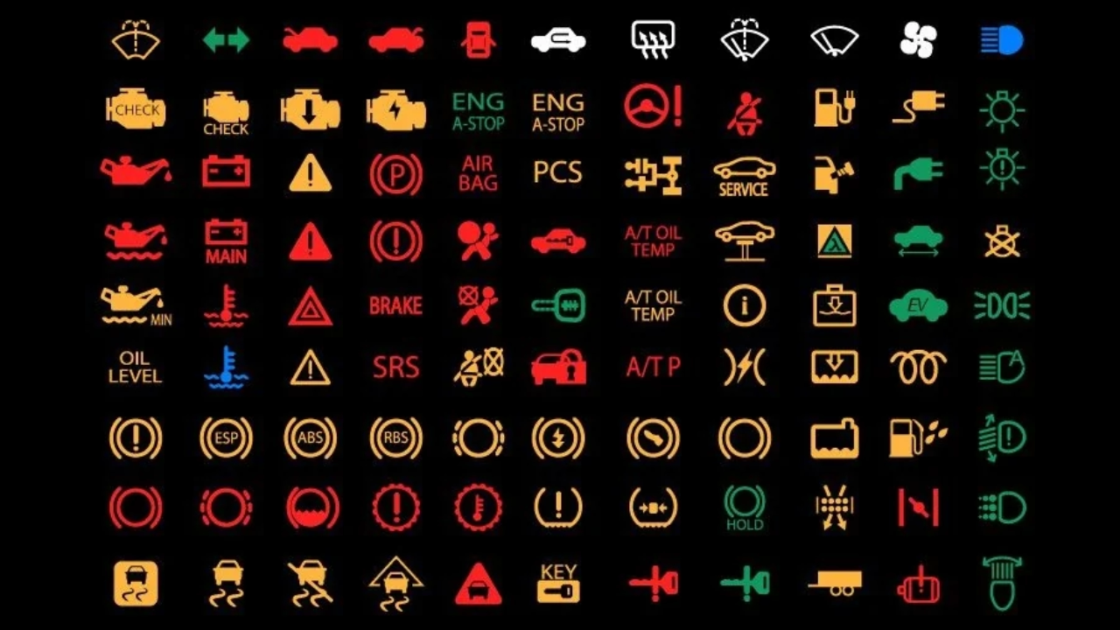
Unfortunately, there’s no superstition we can point to there. When a red, yellow, or orange light shows up on the dashboard, it’s because your car’s computer has detected a real problem. It can be something minor, like low windshield washer fluid or a reminder that an oil change is due soon. Or it can be as serious as your car being severely low on oil or running way too hot. If your car has any of these lights on your dashboard right now (or you see one after tonight), here’s what they mean, and whether or not you need to get really familiar with the techs at your local shop.
First (and the Worst): Check Engine Light (CEL)
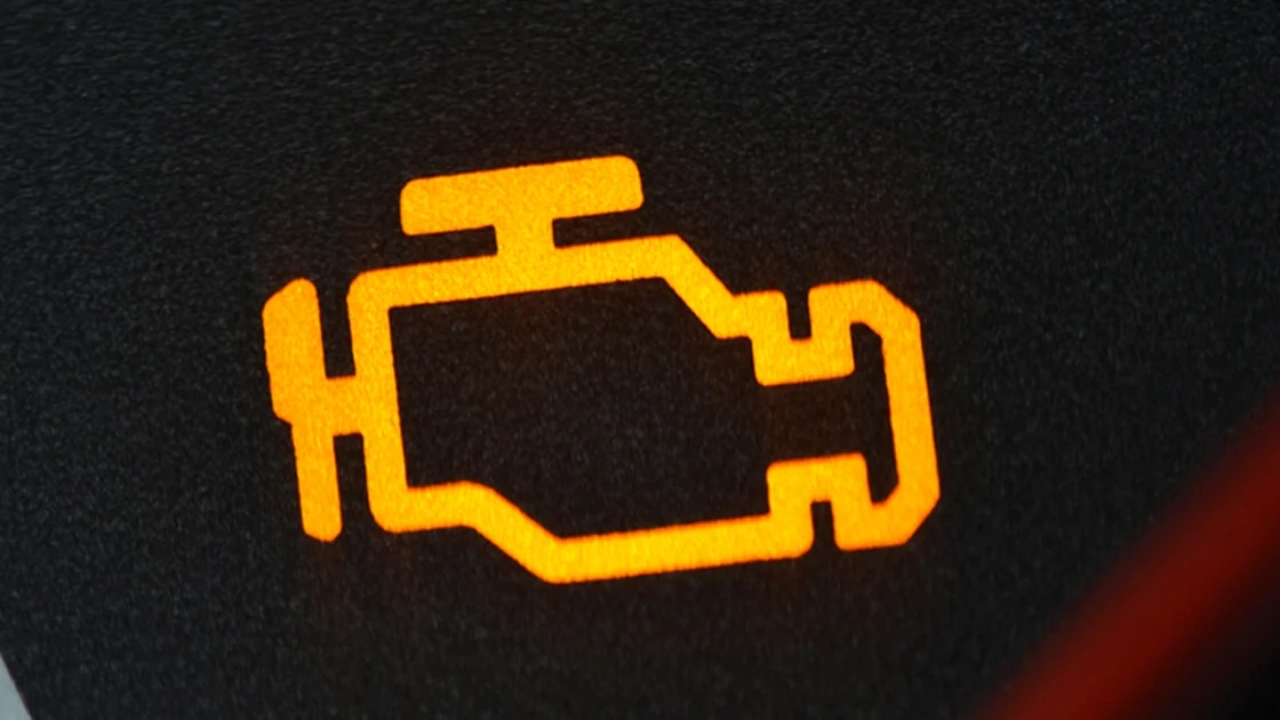
My husband is an ASE Certified Advanced Level Specialist and Subaru Certified Master Technician, and of all the dashboard warning lights, this is his least favorite because of how broad the spectrum of seriousness is. A check engine light, which typically looks like a yellow engine block, can mean something as minor as a $15 gas cap not sealing correctly. On the other hand, it can be as serious as a failing catalytic converter, a misfire, or timing issues. It’s the ultimate mystery omen.
If you see that light flashing, it’s almost guaranteed to be expensive, because it means the threat is active. That’s especially true if the flashing light is accompanied by a rough idle, stalling, or overheating. To put it very simply, it means you’re calling a tow truck, which is already expensive, and you’ll be making a nearby shop very happy for your business.
Is it serious? Absolutely. Don’t hesitate to have that code read to narrow down the issue before it becomes more expensive.
Low Oil Pressure: The Dreaded Red Genie Lamp
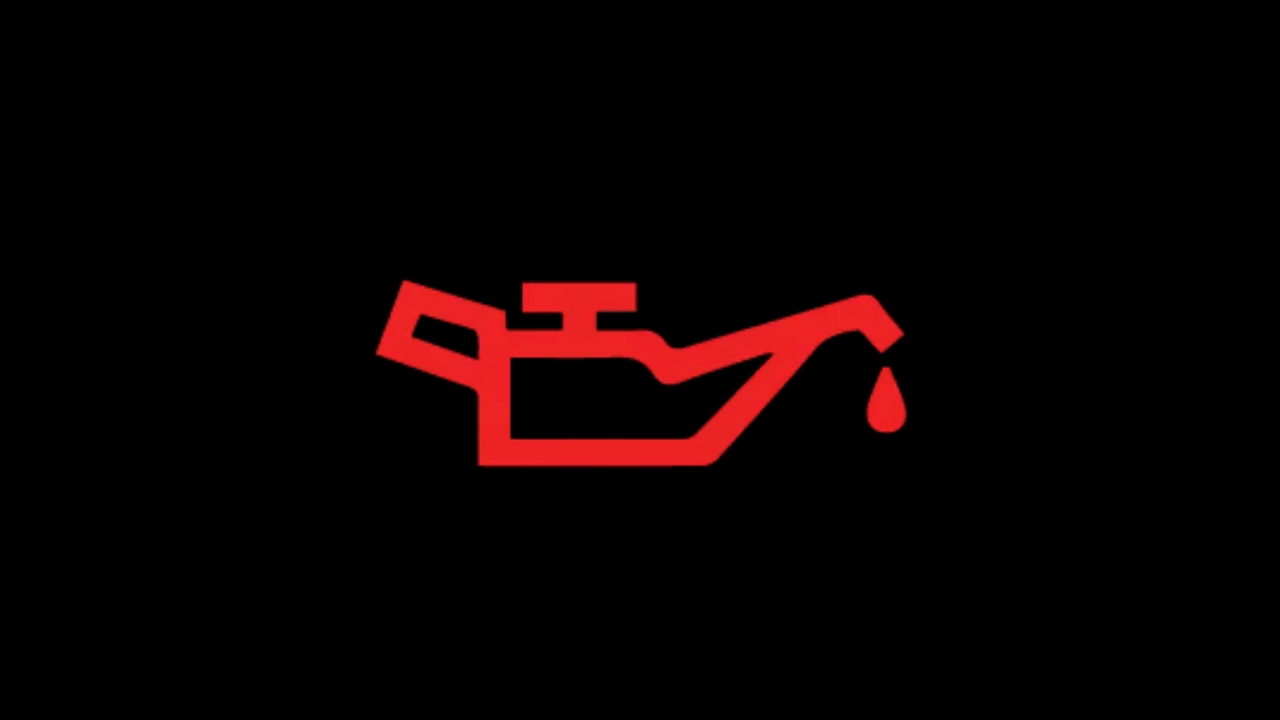
A few years back, a friend called me about a “red genie lamp” light she saw on her early 2000s Honda Accord. It’s not a genie lamp, though. The symbol is actually modeled after an old-fashioned oil can, with a single drop of oil coming out. It means your engine has lost oil pressure, usually because it’s low on oil. If there’s no oil pressure, your engine is in serious trouble. Normally, engine oil stays inside a sealed system, so if the level keeps dropping, there’s likely a leak or the engine is burning oil.
In case you didn’t know, your car needs engine oil to keep all of those engine components moving smoothly. It helps keep everything cool and clean, too. So, without oil, especially if your levels are drastically low, even running the engine for a short time can permanently seize it. And you don’t need me to tell you that a new engine is, well, not cheap. Some cars are programmed to turn on the light when they’re only moderately low on oil, while others flash it when there’s about one quart left. Even with this light, it pays to check your dipstick regularly.
Is it serious? Incredibly. I ranked this one below the CEL only because the meaning isn’t mysterious. It’s obvious, and there’s only one reason that light would show up. If you see it, schedule an appointment with your trusted mechanic ASAP.
Engine Coolant Temperature Warning: The Red Thermometer
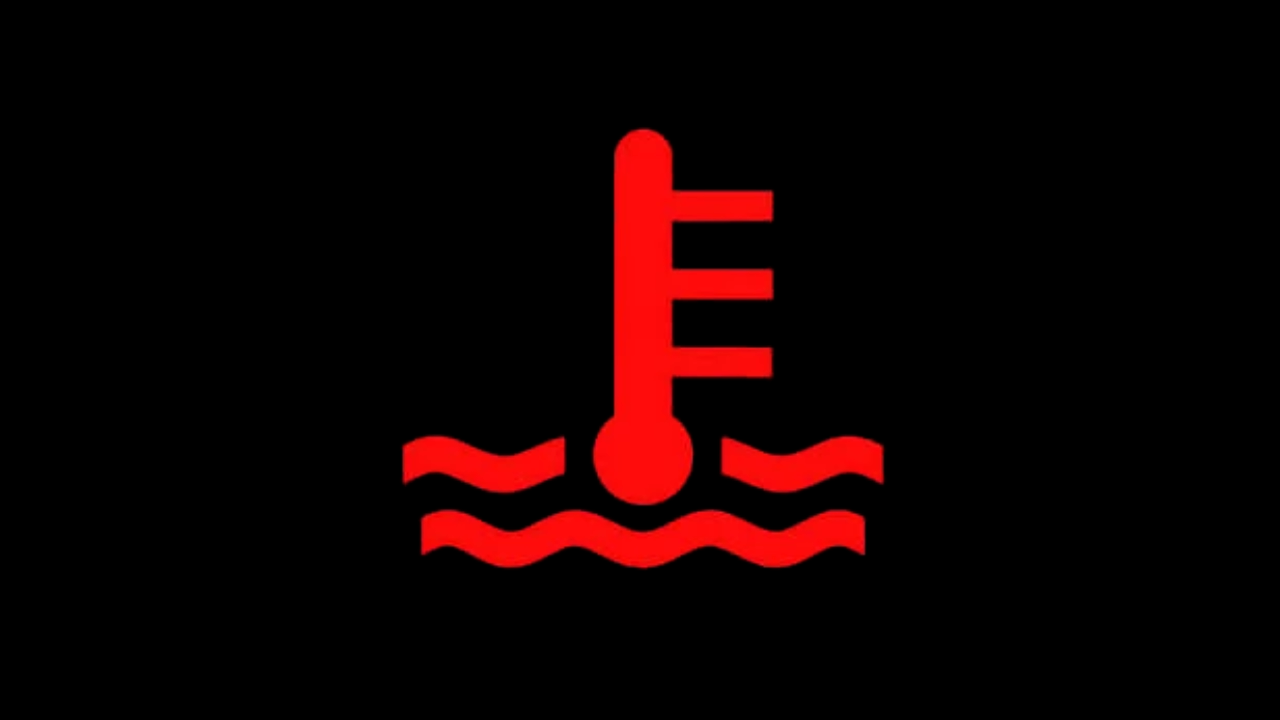
This one is almost as annoying as the CEL, because it means your car has an overheating problem. Sometimes overheating is a simple fix, like replacing a radiator cap, but it can also come from something as serious as a warped cylinder head. As cars get newer, the way they display engine coolant temperature changes. For instance, my 2006 Jeep Wrangler has a simple, no-nonsense temperature gauge permanently on the dashboard. My 2011 Subaru Forester, though, doesn’t have a physical gauge. Instead, a blue thermometer tells me the engine is cold, while a red thermometer light tells me the engine is too hot. If there’s no light, the engine coolant temp is optimal.
Some cars configure their warnings differently, though. Sometimes it’s a thermometer, and sometimes it’s a worded message. But if you see anything even remotely indicating a high engine temperature, take it very seriously and have it looked at immediately.
If the temperature light is flashing and you smell something reminiscent of maple syrup, or you see steam coming from under the hood, pull over, shut off your engine, and call a tow truck immediately. If an engine is too hot for too long, it’s quite literally cooked, and you could be looking at replacing it entirely. And remember, folks, NEVER remove a radiator cap while the engine is hot. The coolant can boil over and cause serious burns. If you can’t hold your hand on the upper radiator hose, it’s too hot.
Low Battery Voltage: A Battery With a + or – Symbol
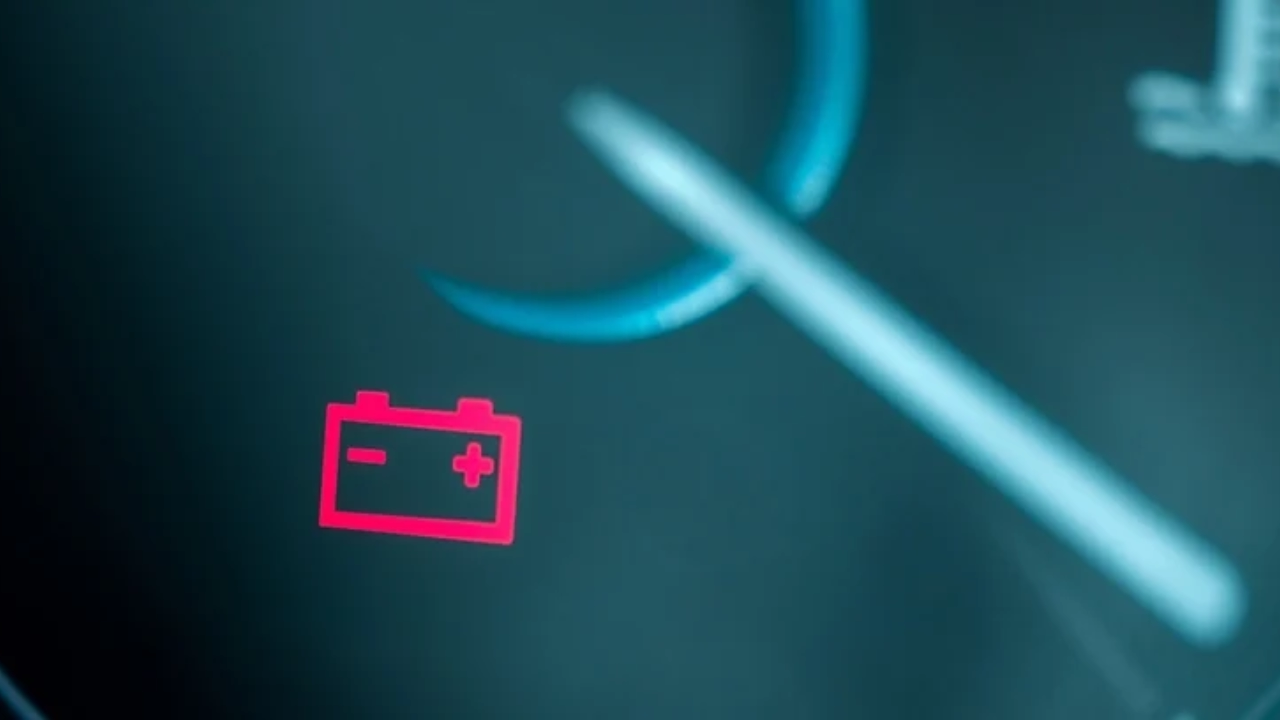
Thankfully, this light doesn’t mean anything super catastrophic, but it could become catastrophic if it’s ignored. A low battery voltage light, which usually looks like a red battery with a “+” and “-” on it, doesn’t necessarily mean you need a new battery. Instead, it means the battery isn’t being charged properly. It could mean your alternator is weak, or your serpentine belt broke or popped off. It also means your engine is running on the battery’s reserves, and once that charge runs out (usually pretty quickly), your car will simply stop running.
Is it serious? It usually is. If your car dies on the freeway as it runs out of voltage, you could be in danger. That’s especially true at night, because the battery may not have enough power left to run your hazard lights, making it harder for oncoming cars or emergency vehicles to spot you. If you see this light, track down why your battery isn’t charging as soon as you can.
Brake System Warning: A Red “BRAKE” or “(!)”
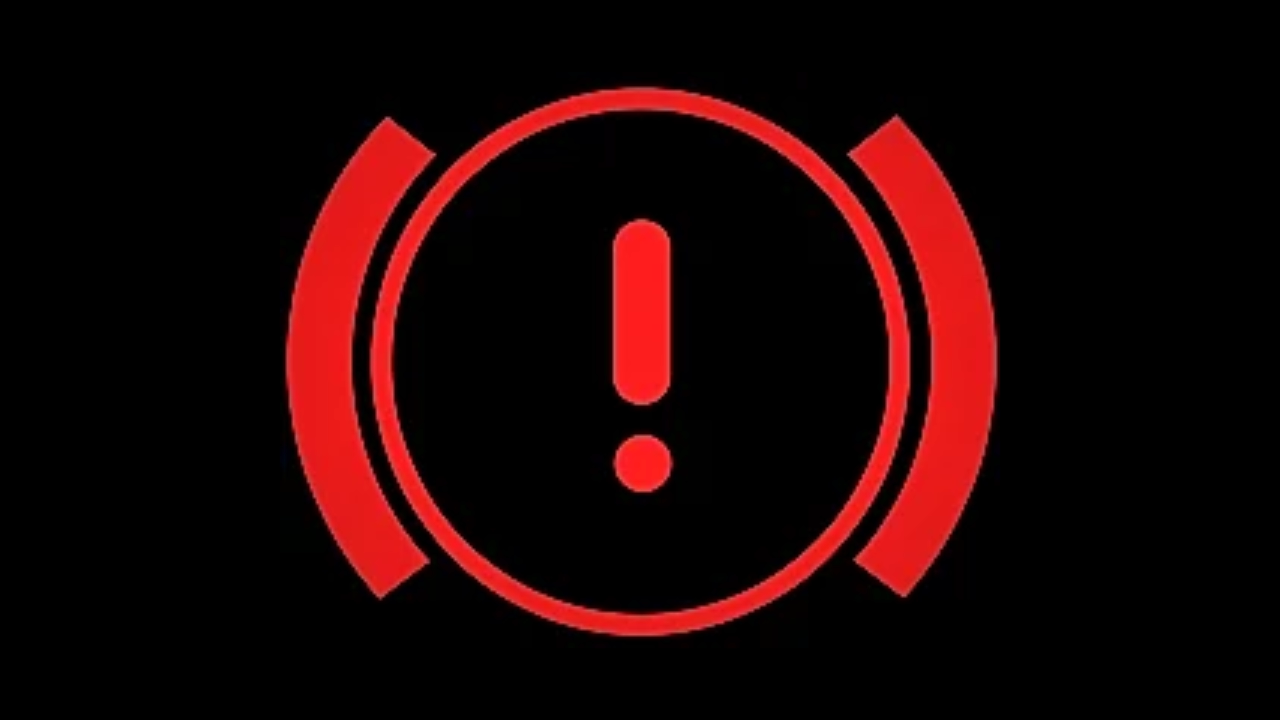
This light can also be annoying because the reasons it comes on vary. It could mean you didn’t fully release the parking brake, or it could mean there’s trouble hiding somewhere in your braking system. Maybe you’re low on brake fluid, or your car’s hydraulic braking system is malfunctioning. Either way, it’s definitely a light to take seriously, because it can mean your car’s ability to stop has been compromised.
Is it serious? Absolutely. Don’t mess with the ability to stop safely. Sometimes your parking brake just needs an adjustment, but if it’s something more serious, like low brake fluid, you need to find out why.
Tire Pressure Warning Light: A Yellow, Flat-Bottomed Horseshoe
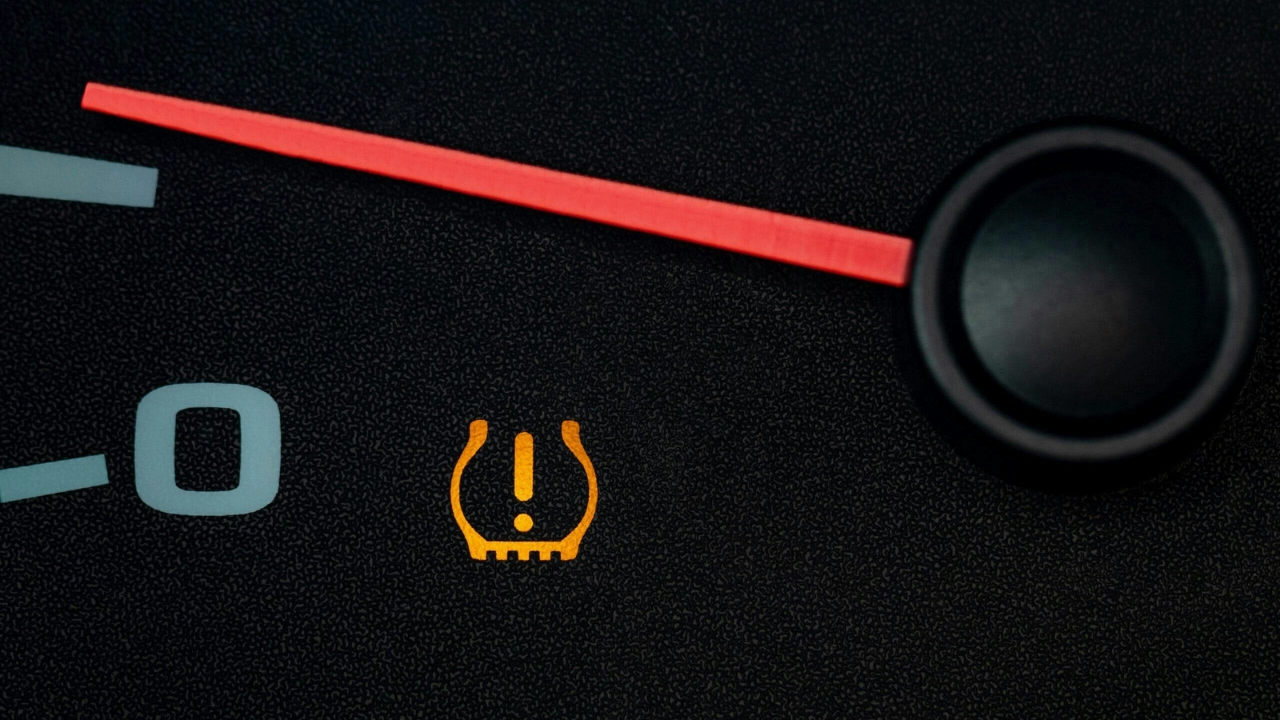
Toss this one in with the other lights that range in seriousness. To grossly simplify it, this light means one or more tires are low on air. The reason can range from a puncture, like a nail stuck in the tread (and hopefully not the sidewall), to simply cold weather, which naturally drops the pressure by a few pounds. If you see this light, immediately inspect your tires for anything that could be causing a leak. If it’s flashing, it can mean a tire pressure monitoring system (TPMS) sensor needs replacing.
Regardless, always try to find the cause of a tire pressure light. Driving on a tire with low pressure can cause uneven wear and change the way the car handles. A low tire can also overheat and blow out, which can easily cause an accident and severely damage your suspension.
Transmission Temperature Warning: A Gear With an Exclamation Point
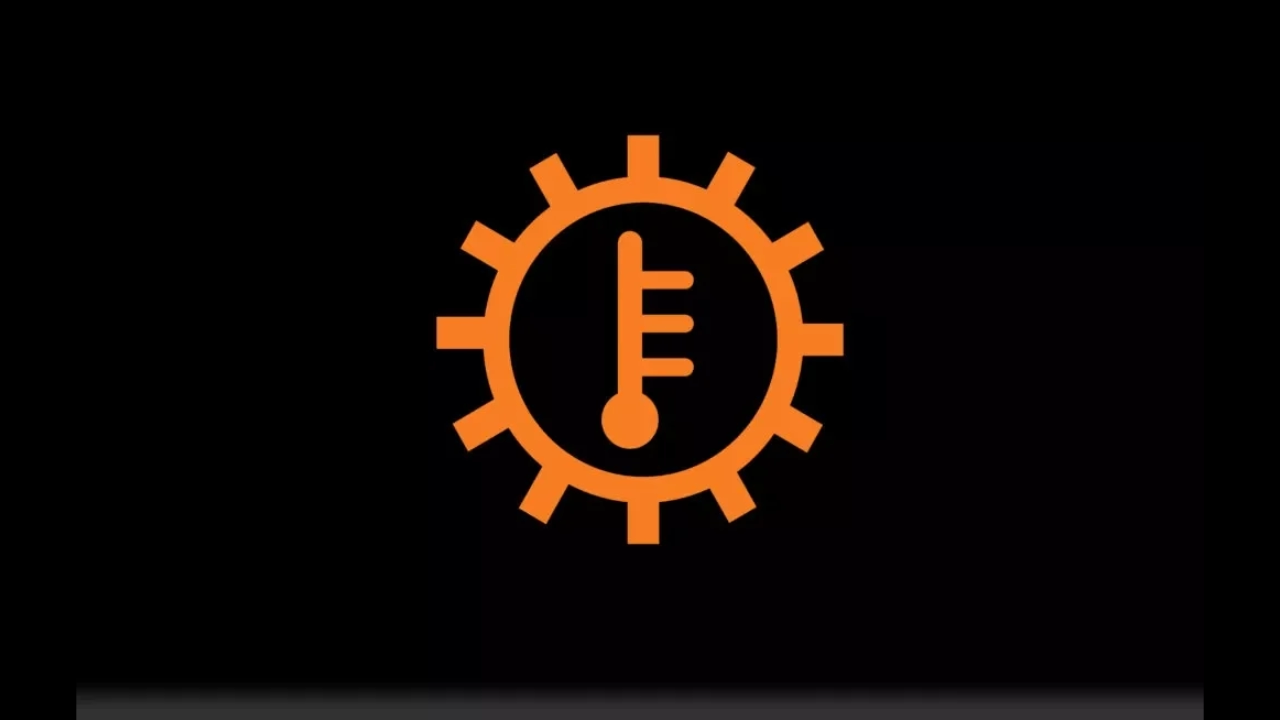
If you see a red or yellow gear or cog with a “!” in the middle, your car is telling you the transmission is getting too hot. Most people don’t have to worry about this light unless they’re towing, hauling, or regularly climbing steep grades, since it usually happens when the transmission is pushed beyond its capabilities. When transmission fluid gets too hot, it breaks down and fails to lubricate and cool the gears. As a result, those gears can take on serious damage, and having a transmission replaced or rebuilt is not an inexpensive endeavor.
Is it serious? Absolutely. Without a transmission, you can’t drive, because it’s what takes your engine’s power and sends it to the wheels. If you see this light, take your car to a local repair shop as soon as you can, and avoid driving it in the meantime.
Airbag Warning Light: A Red “AIRBAG,” Seated Figure, or “SRS” Light
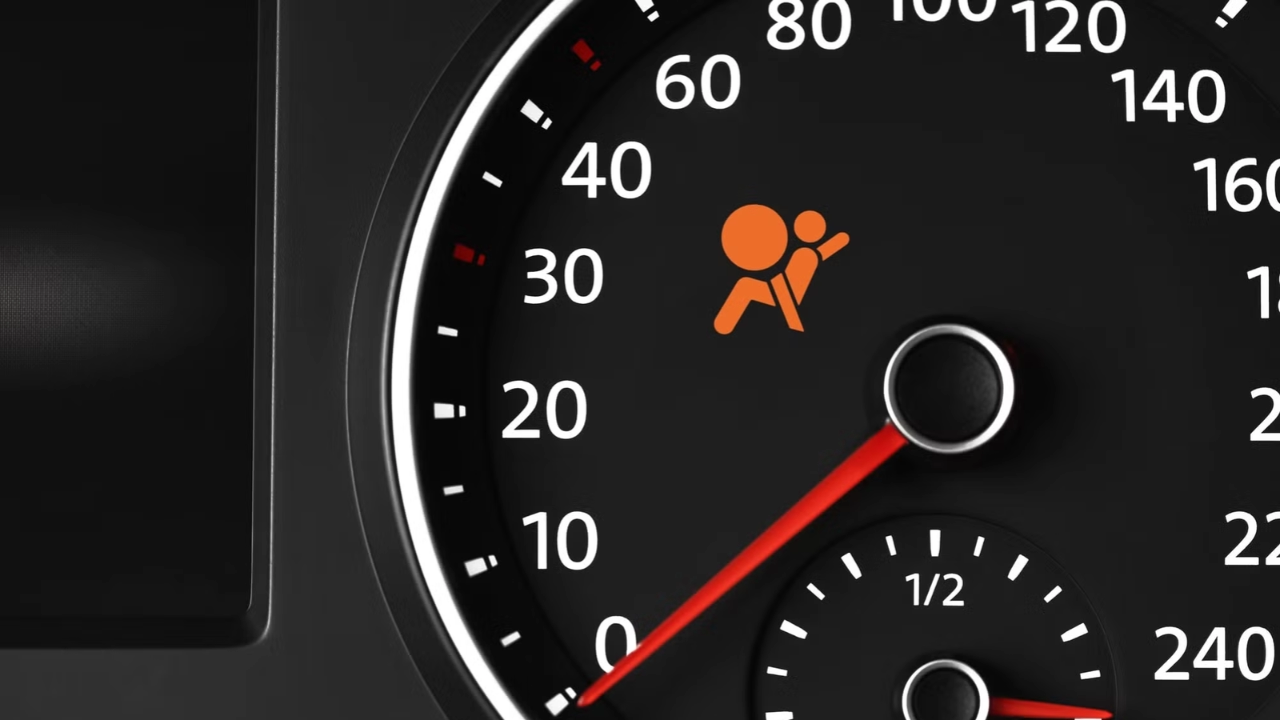
My mechanic husband describes this one as the most ignored of all dashboard warning lights, because it doesn’t cause any mechanical issues with the car. If you see a red light reading “AIRBAG,” a seated stick figure facing a deployed airbag, or a red “SRS” (Supplemental Restraint System) light, something is malfunctioning in your airbag system. It could be faulty crash sensors or a bad module in the system itself. Either way, it means that in a crash, your airbags may not deploy.
You’re an adult. You don’t need to be reminded that airbags save lives. If you see a variation of one of these lights, get it checked out. It’s not worth literally risking your life.
Anti-Lock Braking System (ABS) Warning Light: A Yellow or Red “ABS”
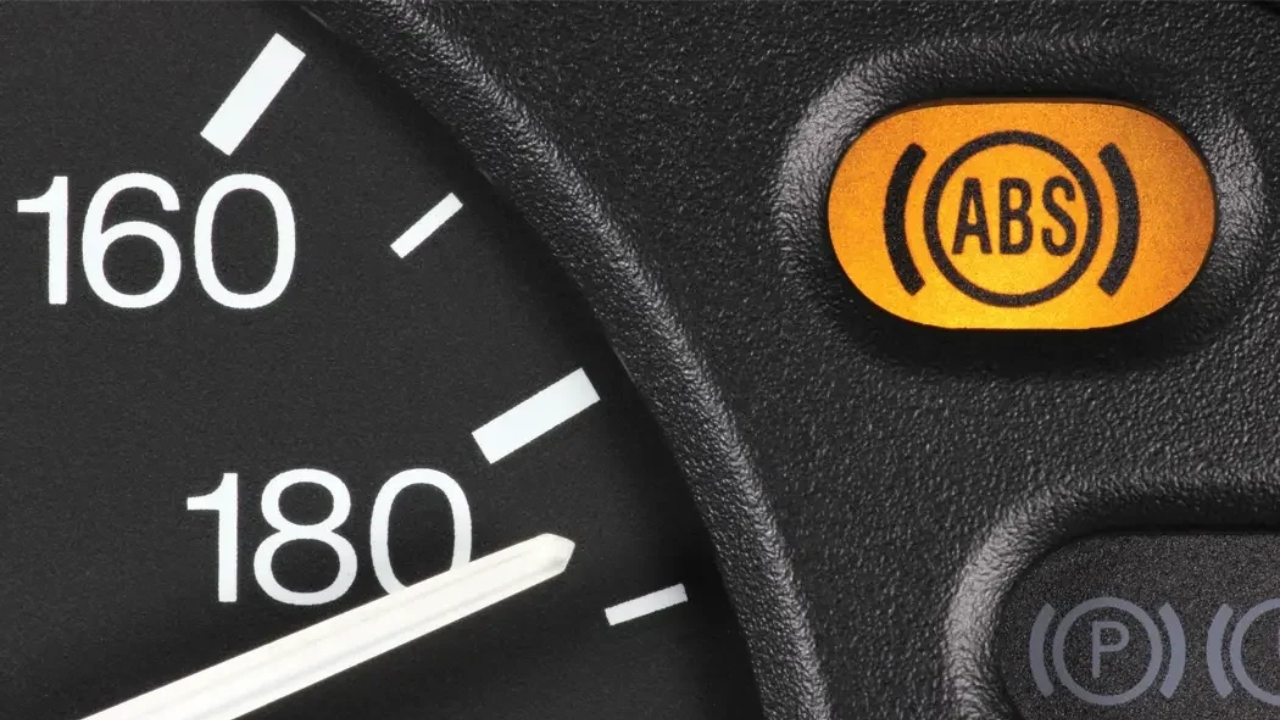
This one’s fairly serious. If you don’t know how your car’s anti-lock braking system works, it’s simple but crucial. When you slam on the brakes, the ABS rapidly pulses them to keep the wheels from locking up. If the wheels lock, the tires skid instead of grip, your stopping distance can grow, and you lose the ability to steer around whatever’s in front of you, whether it’s a car, wall, tree, or person. On wet, icy, or snowy roads, locked wheels can easily mean a crash.
If your ABS is warning you about a problem, take it seriously. You want to be able to make a controlled stop when an emergency happens. Unfortunately, this light is often ignored because, like the airbag light, it doesn’t usually come with obvious mechanical issues.
Traction or Stability Control Warning: A Car With Two Squiggly Lines
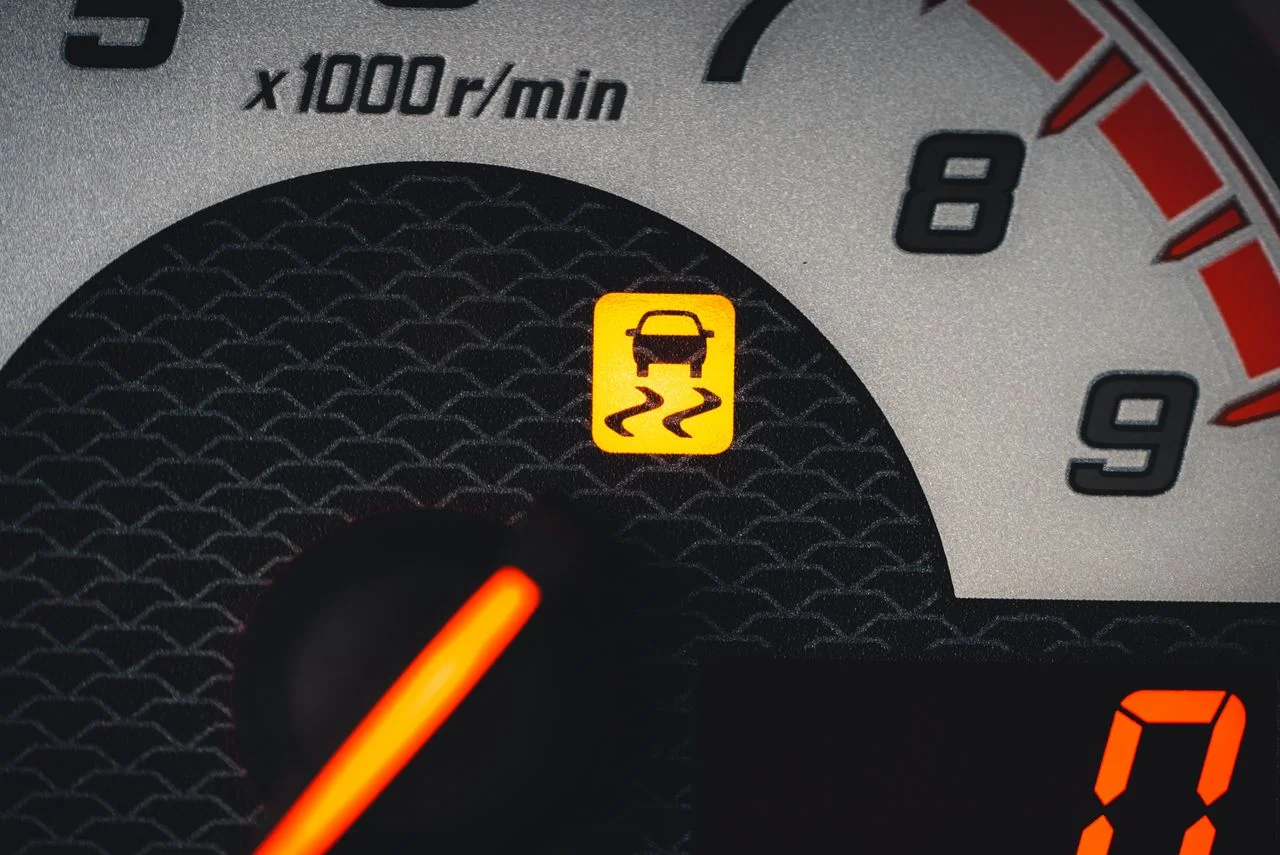
This light is lower on the list because, depending on the car, disabling traction control can be a good (and fun) thing. For those who don’t have a need for speed, though, not having the traction control system active can be a bad thing. Sometimes this light shows up as a red or yellow car with two squiggly lines behind it, and sometimes it’s a “TRACTION” message. Either way, it means your car’s automatic traction control system isn’t working. For normie drivers, that means you’re more likely to lose traction when you’re driving with a bit more enthusiasm or facing bad weather.
Is it serious? It could be, depending on your driving style and where you live. Losing traction doesn’t always mean a crash, especially if you know how to control a car in a skid. If you don’t, though, get it looked at when you can.
Power Steering Warning: A Steering Wheel With an Exclamation Point
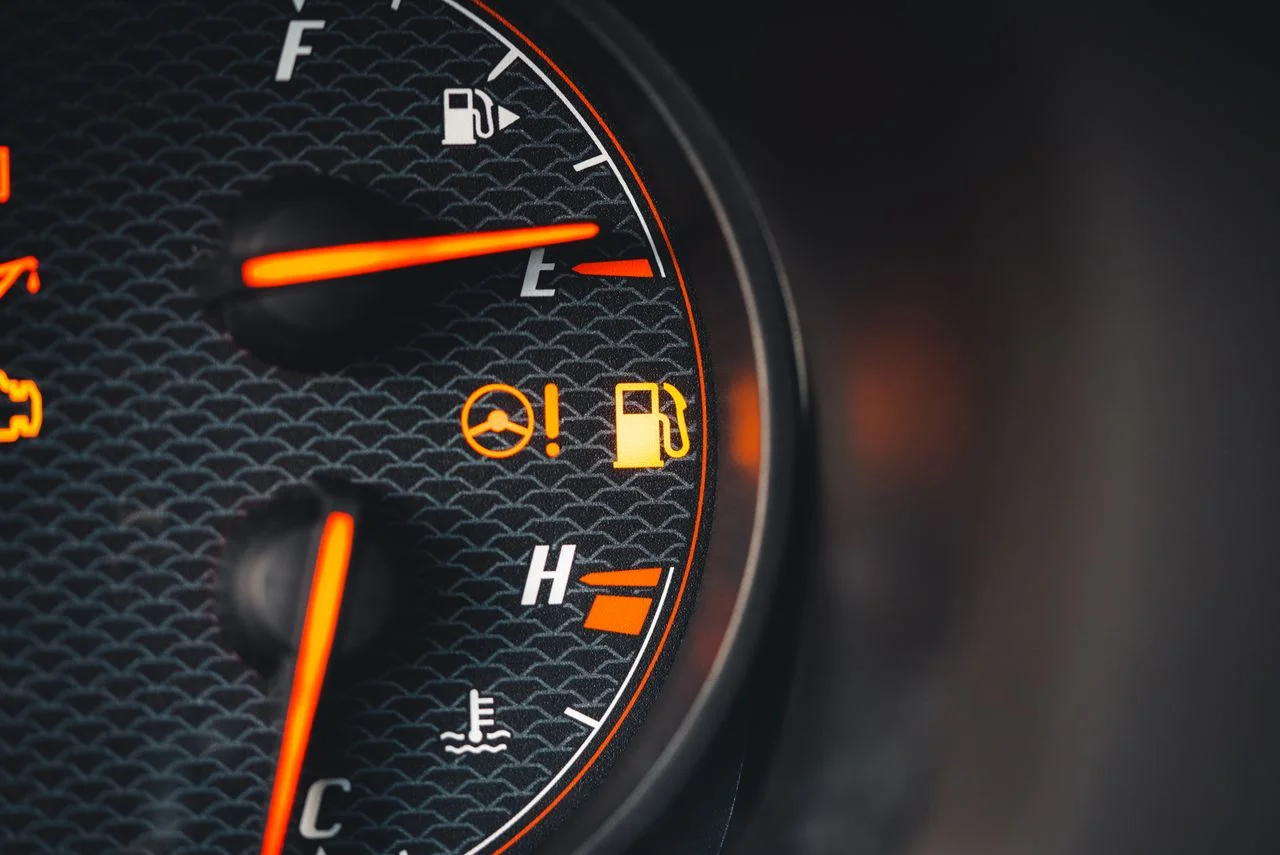
If you see a red or yellow steering wheel with a “!” in the middle, your car is telling you something’s up with the power steering system. It could be low power steering fluid, a pump that’s going out, or another issue in the system. If steering your car doesn’t already feel like a workout, especially at low speeds, it will soon.
This light doesn’t always mean certain danger, but it’s definitely inconvenient. It can also make it harder to avoid obstacles or make evasive maneuvers in city traffic, so take it seriously.
Low Windshield Washer Fluid: A Blue Windshield With a Fountain
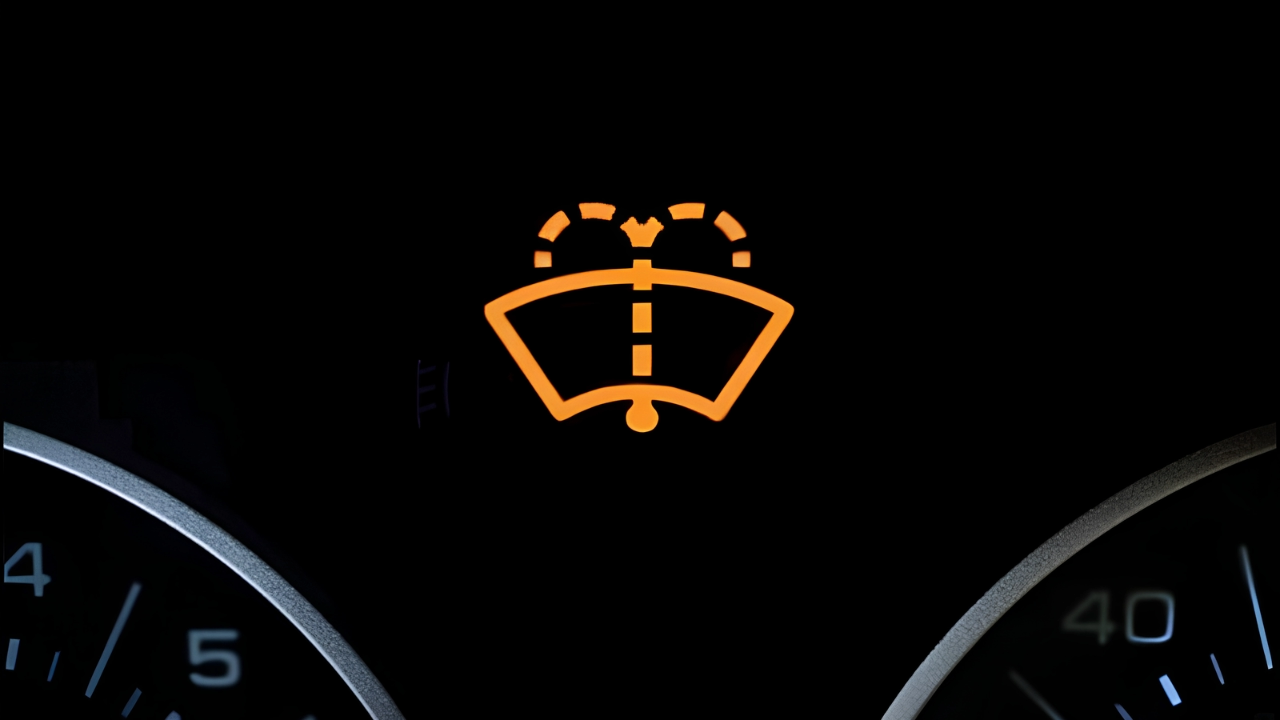
This one is low risk, but running out of windshield washer fluid can definitely be annoying, especially when you’re trying to clear bugs, dirt, salt, or mud from your windshield on the road. If it happens often, you could have a leaky hose or a cracked reservoir, which means buying washer fluid more often than you should (and spending money you may not need to spend).
Is it serious? No. But paying attention to it can help you narrow down issues in that system, and it can keep you from getting seriously frustrated when you can’t clear your view while driving.
Triangle of Doom: A Yellow or Red Triangle With an Exclamation Point
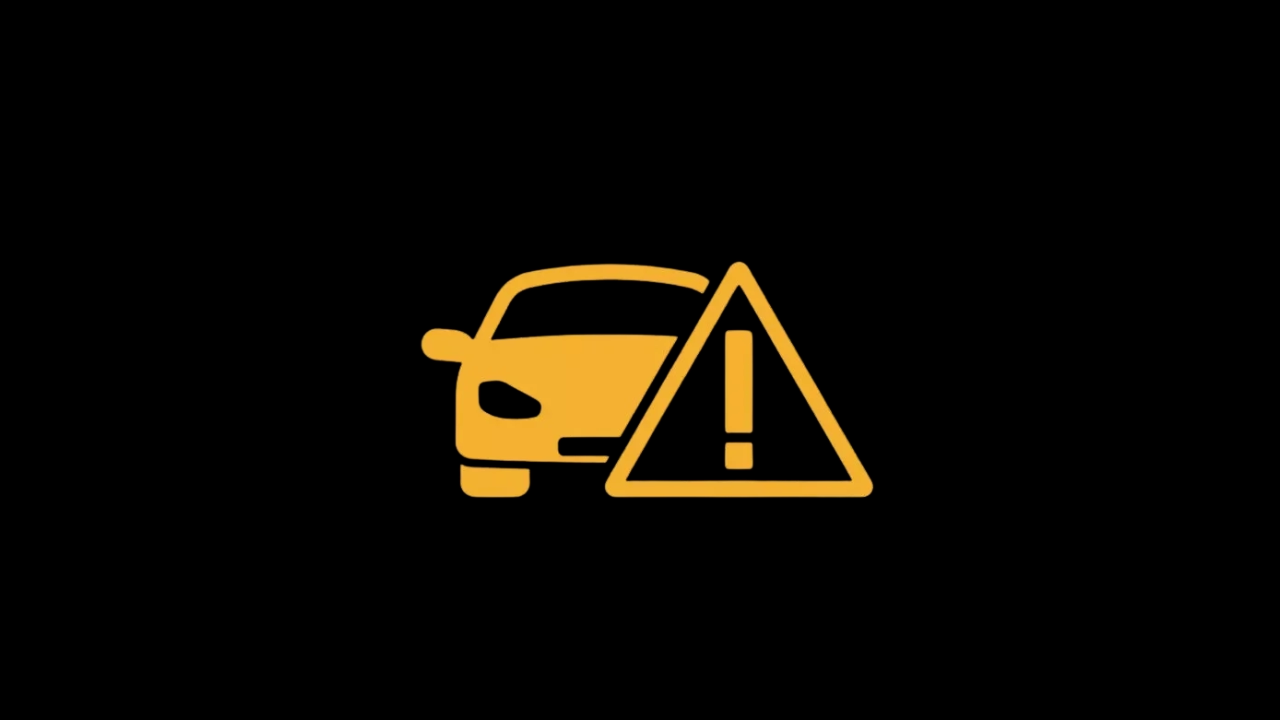
My husband calls the red or yellow equilateral triangle with a “!” in the middle the Triangle of Doom. That’s because, similar to a PC’s Blue Screen of Death, an Xbox’s Red Ring of Death, or a PlayStation’s Red Line of Death, it’s the dashboard warning light equivalent of your car shrugging to say it doesn’t know what’s wrong, but something is wrong. It could be a door that’s ajar, or it could be a short in the hybrid or EV system. Sometimes you can decode the root cause on the infotainment screen. Other times, you need a dealership service center to decipher it with specialty equipment.
It could be a cheap fix, or it could be an expensive one. You truly never know until you have it looked at.
Why You Should Never Ignore Dashboard Warning Lights

A happy dashboard is a dull one. Ideally, you don’t see any warning lights at all, just your gauges, clock, and media screen. If you see a red, yellow, or orange light, a good rule of thumb is to always take it seriously. These lights don’t come on unless something isn’t operating normally. And since cars weigh thousands of pounds and travel at high speeds, the last thing you want is to find yourself in an unlucky (or even fatal) situation.
For more car care tips, family-focused reviews, and the latest automotive news, sign up for our newsletter using the form at the bottom of this page.