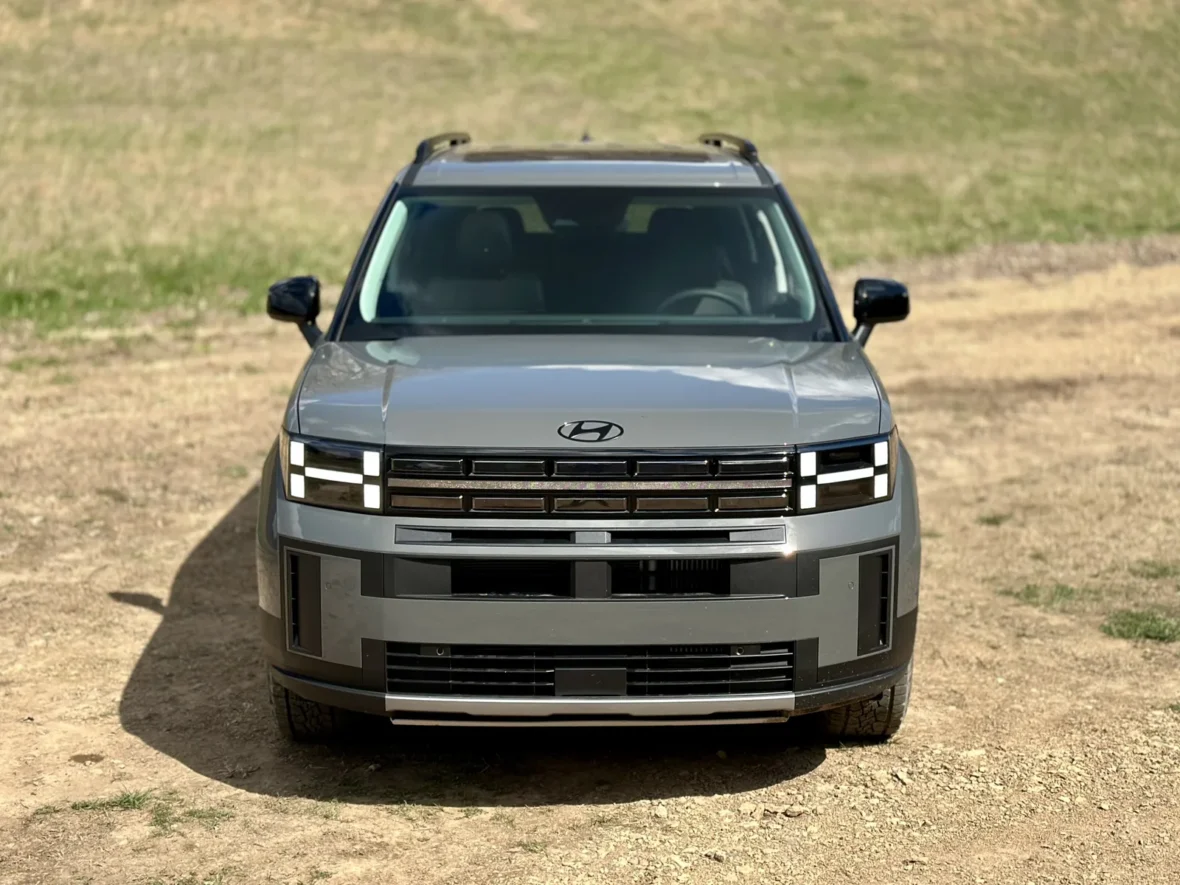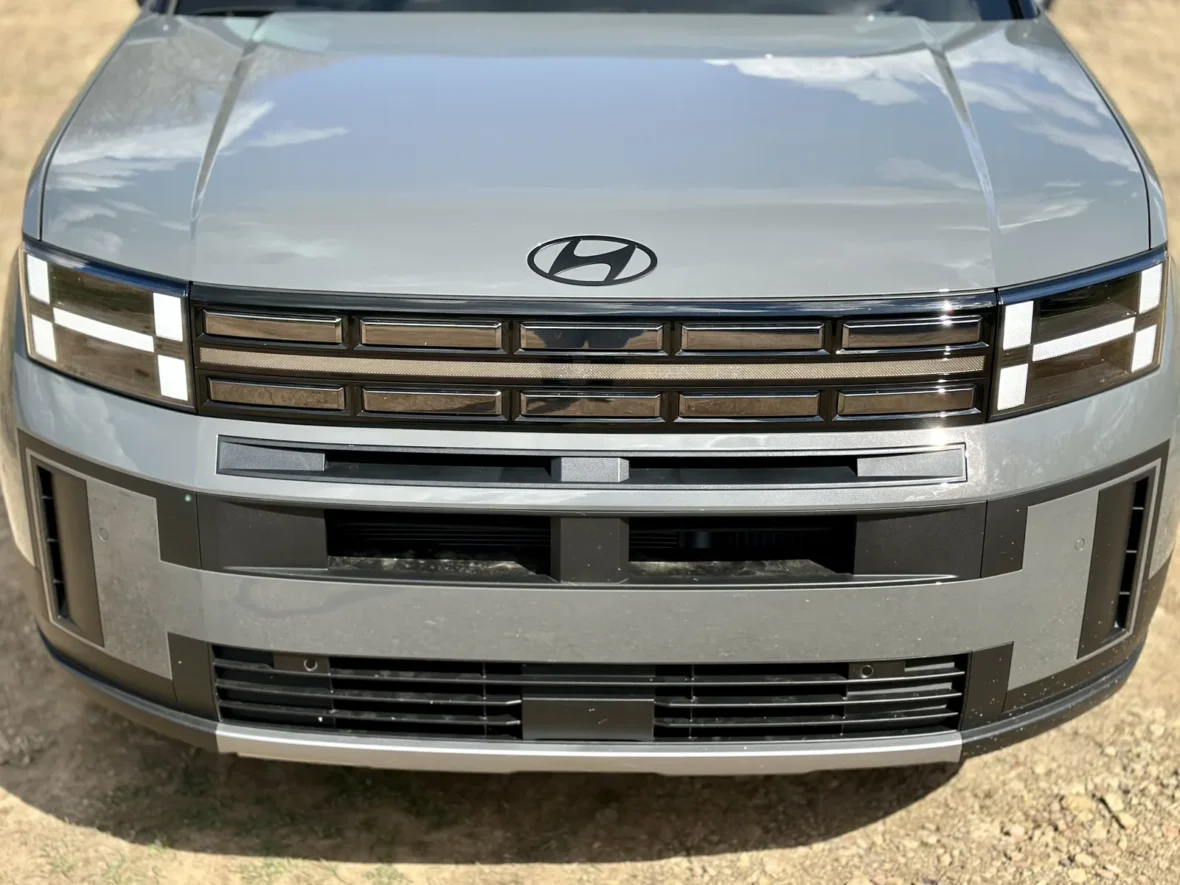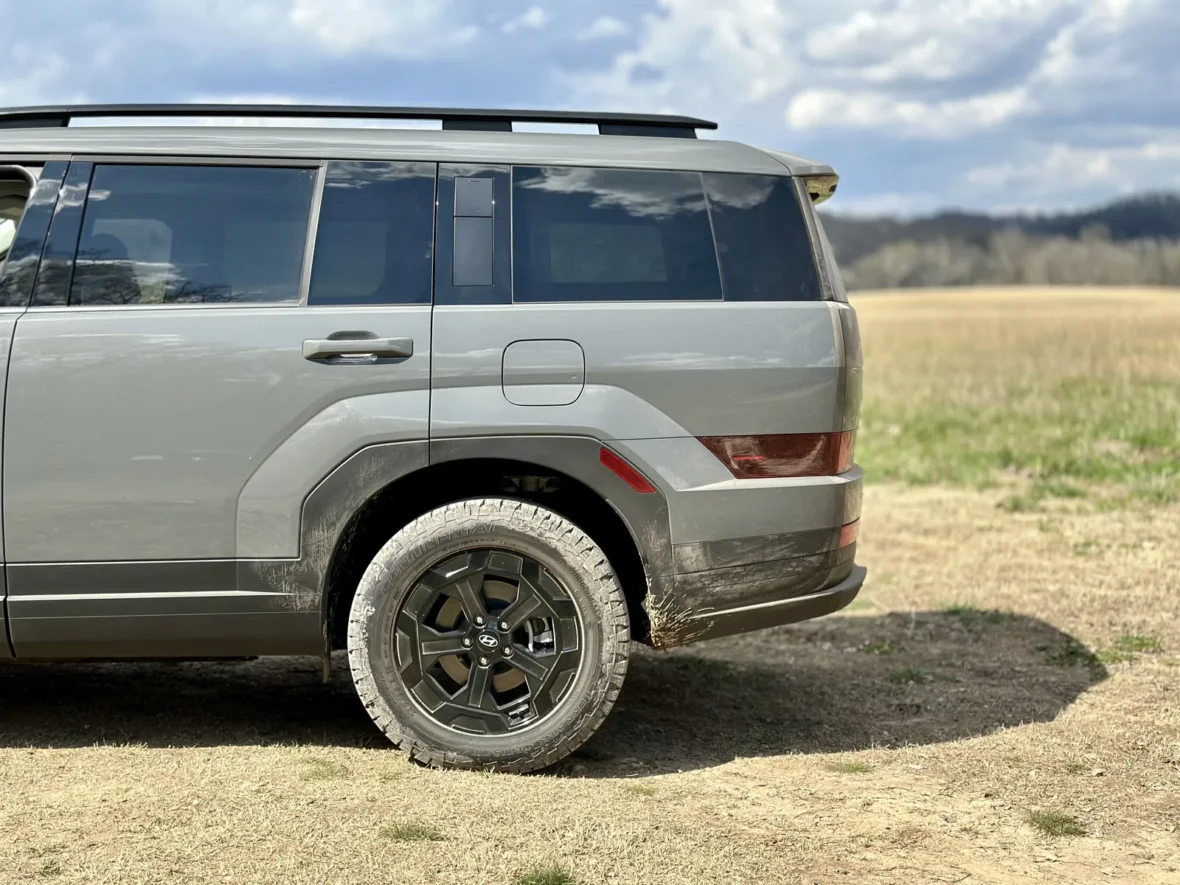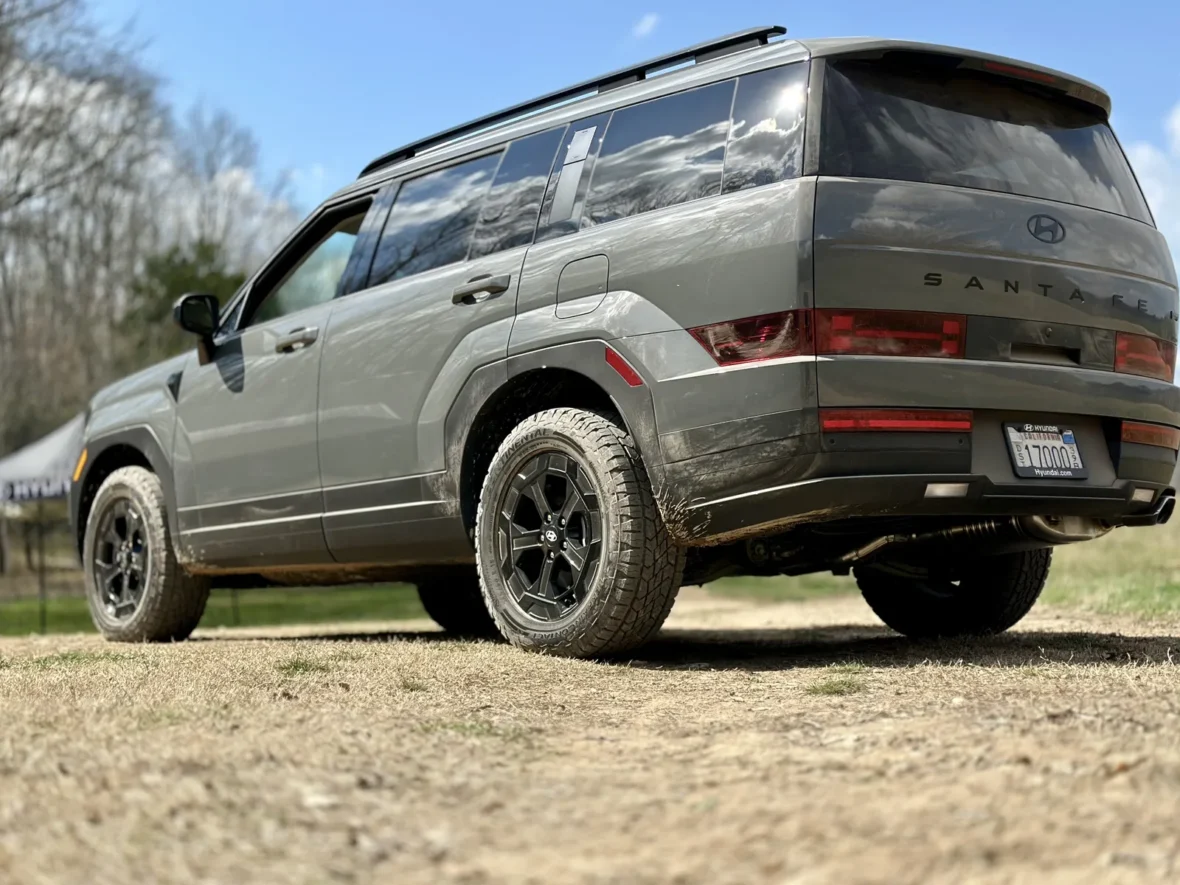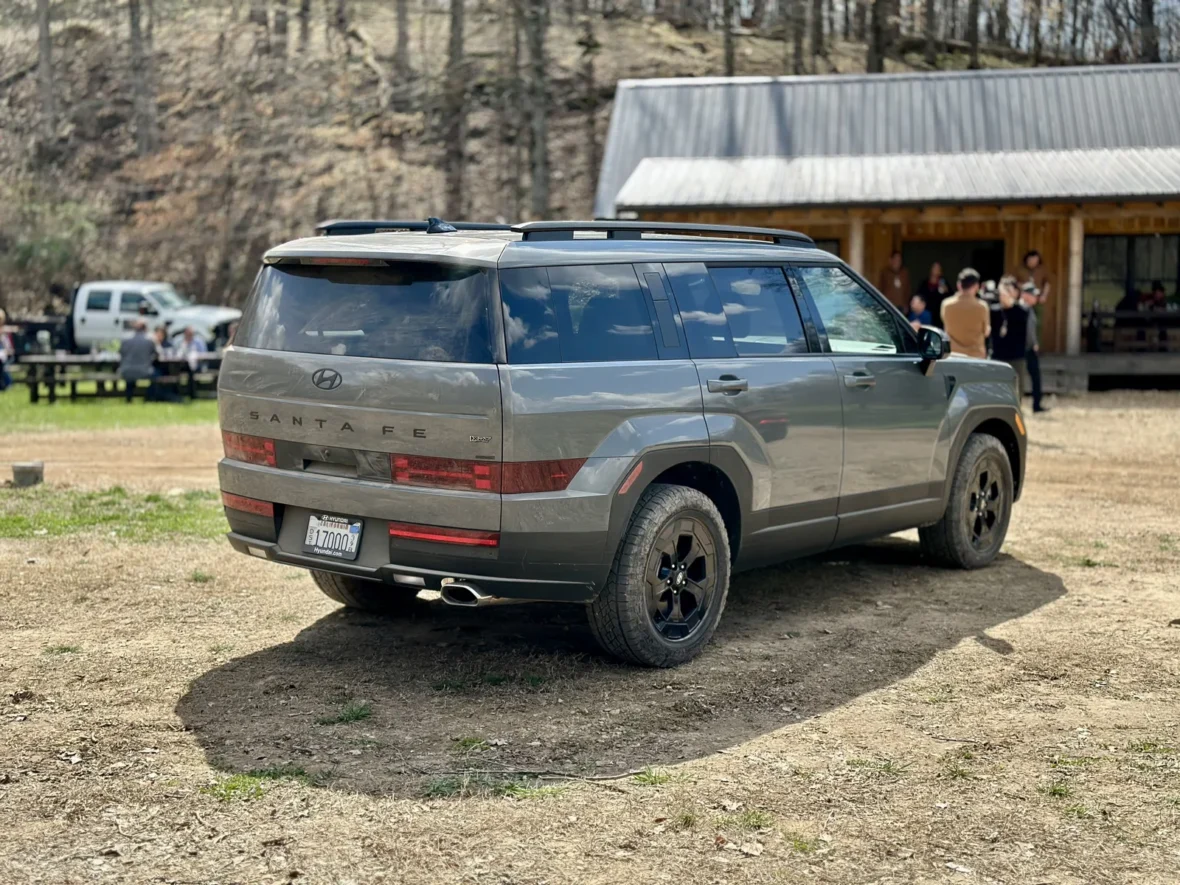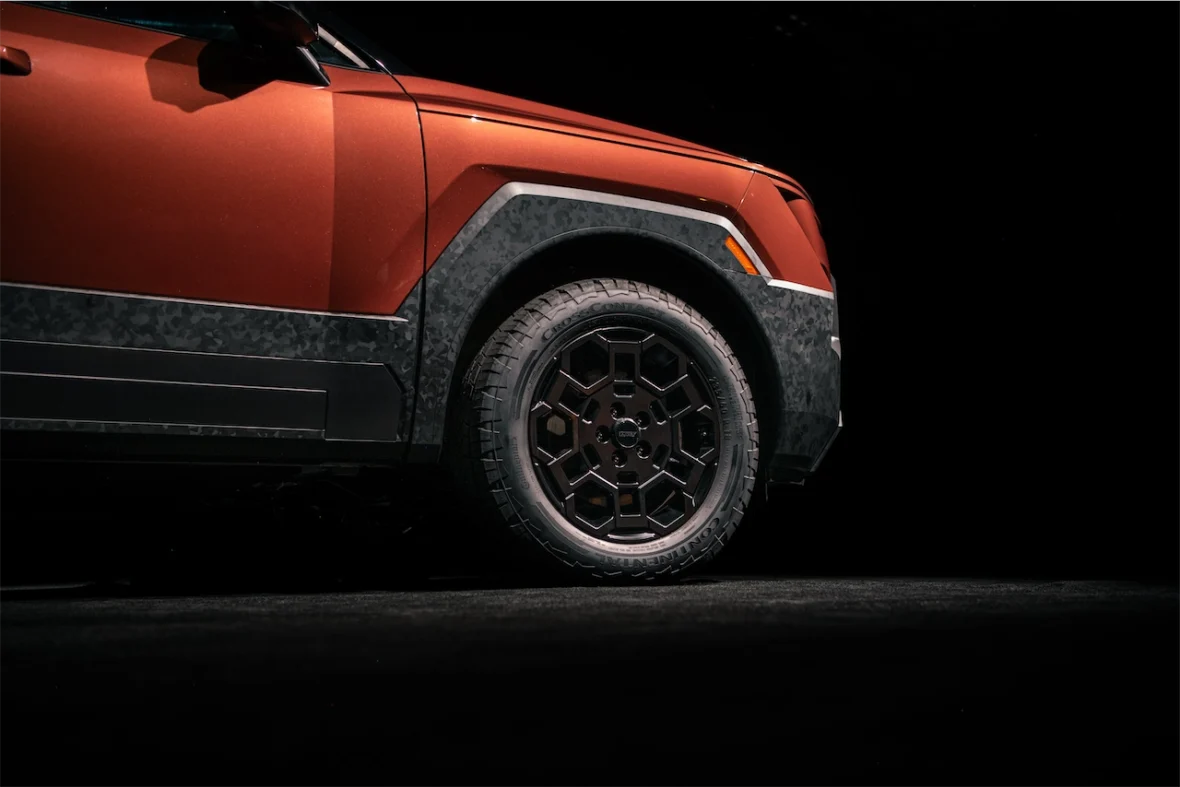
2026 Hyundai Santa Fe XRT Off-Road: More Capable Than I Expected

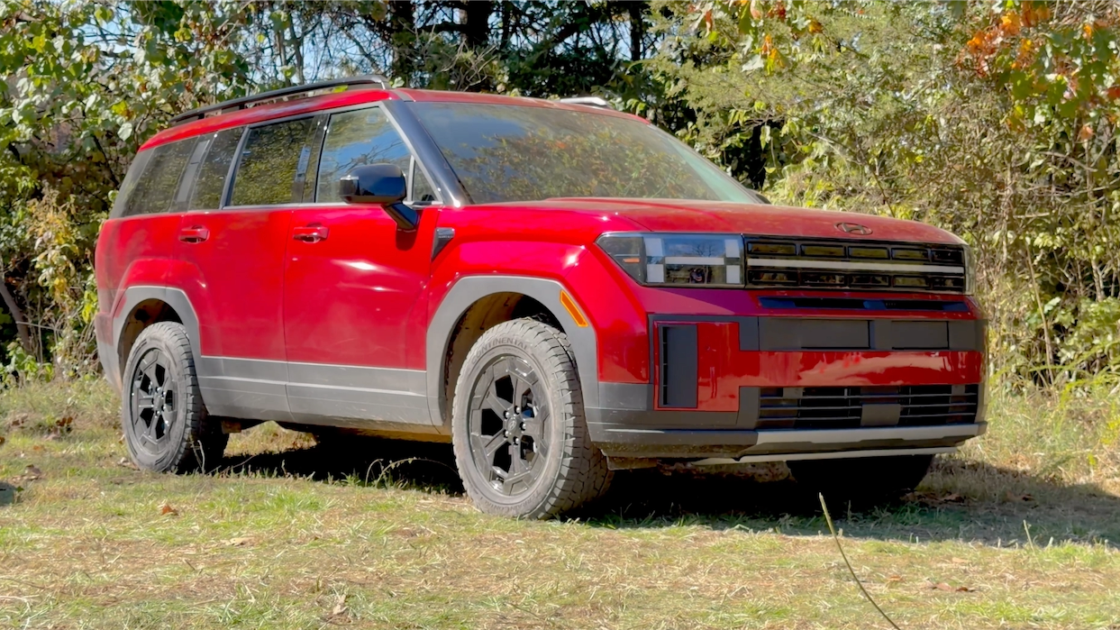
I’ll admit it. I did not expect a Hyundai Santa Fe XRT to make me yell “whee” on an off-road course. Yet there I was outside of Bentonville, Arkansas, tilted on an off-camber climb with the parking sensors beeping, and grinning the whole way.
In Hyundai’s world, XRT stands for Extreme Rugged Terrain. My red Santa Fe XRT tester is the second take on what that badge means, and Hyundai invited us out to see just how capable its XRT lineup has become. Here’s how the Santa Fe XRT held up, and where it still leaves room for the new XRT PRO models.
What XRT Means at Hyundai Now

Hyundai now describes XRT in three stages, and the brand isn’t shy about where it started:
- XRT 1.0, rugged appearance: dark painted wheels and badging plus rugged styling elements
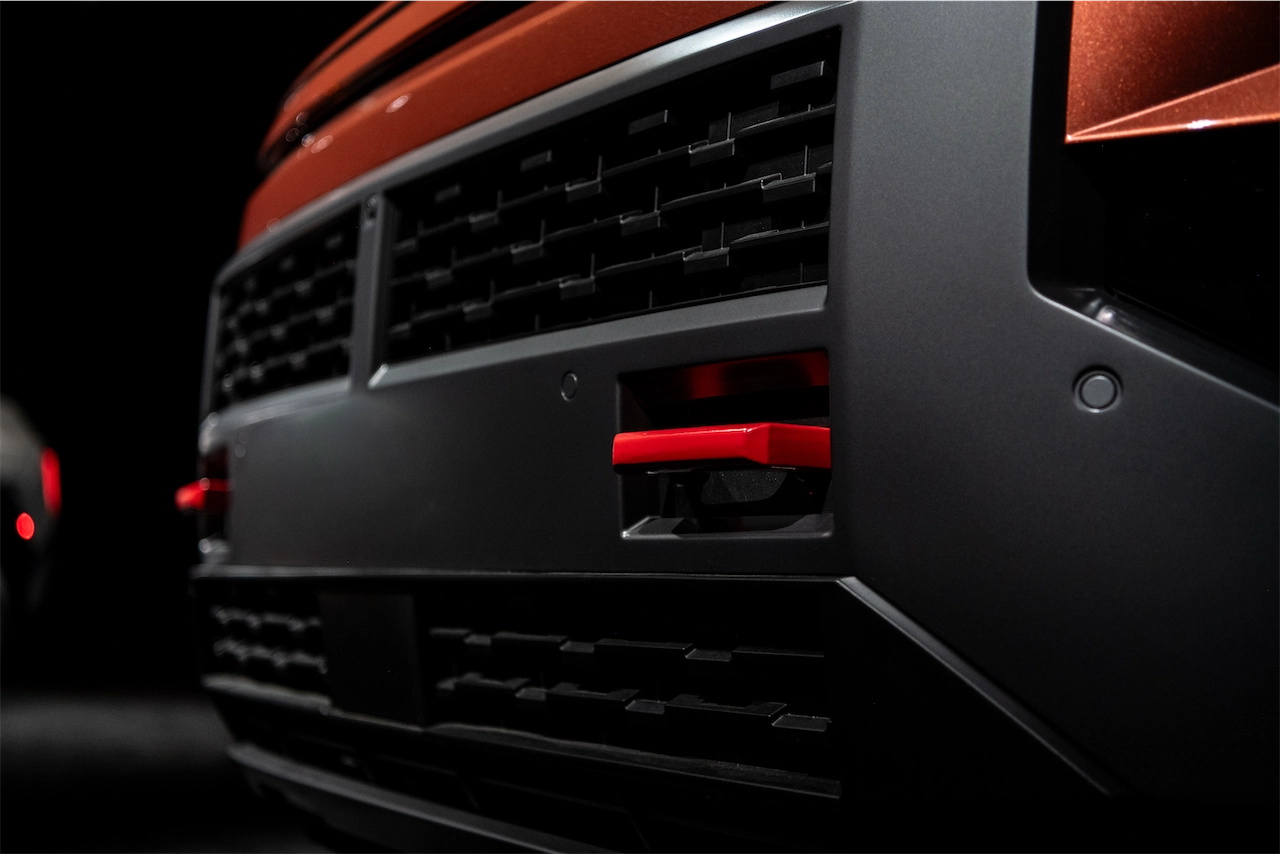
- XRT 2.0, rugged appearance plus capability: all-terrain tires, more ground clearance, higher towing capacity, better approach and departure angles, and front recovery hooks
- XRT PRO, even more capability: a rear electronic limited-slip differential, the X-Trek+ terrain system, and a ground view monitor
When I tested the first Tucson XRT, I called it an appearance package, and Hyundai admits as much now. This second-generation Santa Fe XRT finally has the tires to back up the look. In fact, the Continental CrossContact all-terrain tires on my tester are its biggest upgrade, and getting them approved meant winning an internal fight with the quality team over noise, vibration, and harshness (NVH). Some higher-ups worried families would rather have a quiet, calm SUV than one humming along on all-terrains.
Santa Fe XRT Specs and Off-Road Numbers

Under the hood, the Santa Fe XRT uses a 2.5-liter turbocharged four-cylinder making 277 horsepower, paired with an eight-speed automatic and HTRAC all-wheel drive (AWD) with Terrain Mode. Here’s how its off-road numbers compare with a standard Santa Fe:
| Measurement | Santa Fe | Santa Fe XRT | Difference |
|---|---|---|---|
| Approach Angle | 17.4° | 19.3° | +1.9° |
| Departure Angle | 20.3° | 21.8° | +1.5° |
| Ground Clearance | 7.0 inches | 8.3 inches | +1.3 inches |
Beyond those numbers, the Santa Fe XRT also brings:
- 18-inch dark alloy wheels with all-terrain tires
- A raised suspension
- A 4,500-pound towing capacity
- A C-pillar assist handle
- A 12.3-inch navigation and infotainment screen
- Digital Key and dual wireless device charging
How the Santa Fe XRT Handled Hyundai’s Off-Road Course
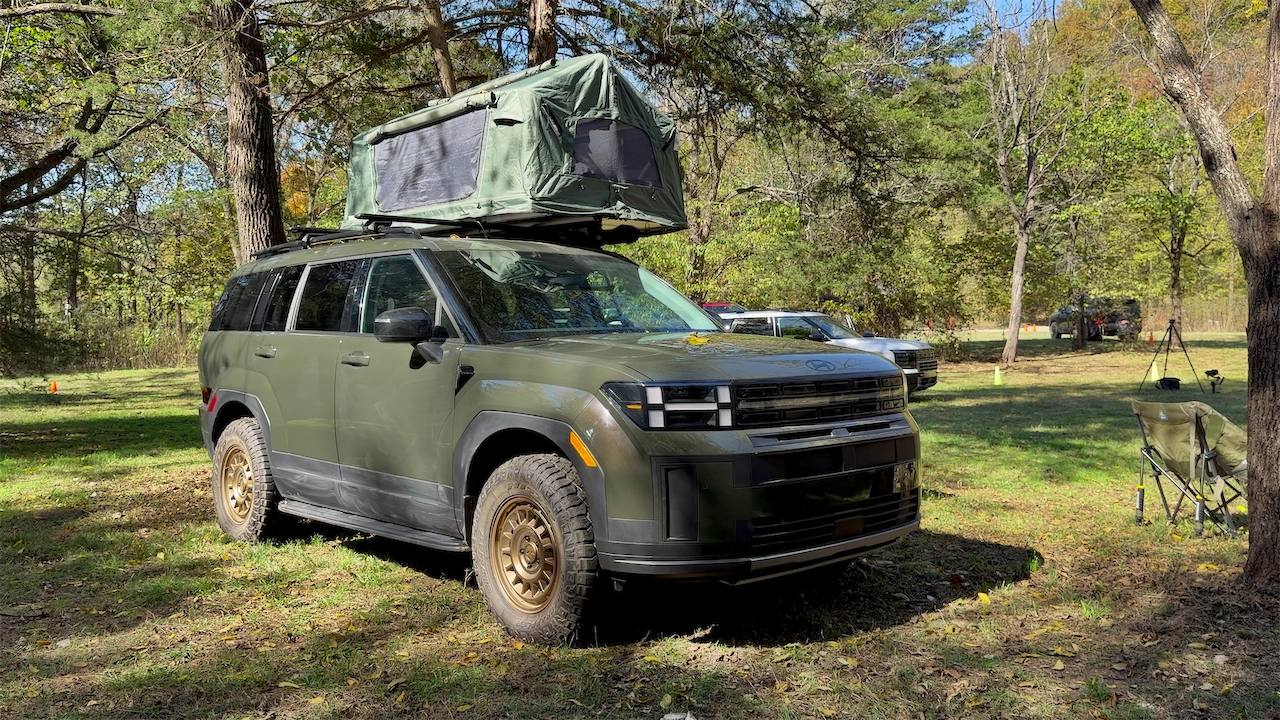
First, Hyundai set up two loops, and I started on Loop A, which was more wide open but also more technical. Going in, I honestly didn’t expect much. Back home, I make the hour-long trek out to Barnwell only for real body-on-frame, purpose-built off-roaders, not soft-roaders where the tires are the main upgrade.
Before setting off, I also adjusted my seat, sitting up higher and closer to the windshield. It’s a trick I learned from my good friend Sue Mead, an off-road legend, so I could see my front corners and tire placement without cameras.
Sure enough, the course threw more at the Santa Fe than I expected. Off-camber dirt climbs, steep drops, broken pavement, and even a teeter-totter all came up. At one point, we scraped where a crest was a little more than the ground clearance could handle, and the front parking sensors started beeping on one approach. Still, the XRT kept climbing. When the tires slipped, the AWD system sorted it out and pulled us through.
For most of the course, I left the Santa Fe in its normal drive mode and let the AWD figure things out on its own. Later, I switched to Sand mode in the Terrain settings, which allows a bit more wheel slip, and the Santa Fe attacked the next hill more aggressively. Kudos, Hyundai. It felt well polished.
Would I ever take my own family SUV through all of that? Probably not. But it’s good to know it can.
Where the Santa Fe XRT Comes Up Short

Still, my biggest complaint is visibility. The Santa Fe XRT only has a backup camera, so on blind crests, all I could see was the hood and sky. A 360 camera shouldn’t replace a spotter, but on a course like this, it would help a lot. Meanwhile, the Santa Cruz XRT, IONIQ 5 XRT, and the Palisade XRT PRO all get surround view cameras.
Traction is the other gap. There’s no limited-slip or locking differential, so a few spots had me thinking about wheel spin. Ground clearance and approach angles matter too. Hyundai’s designers told us the front corners ahead of the tires are usually the first parts to get scraped, yet trimming them back means fighting the engineering team over aerodynamics, fuel economy, and cabin noise. In other words, the things that make a comfortable family SUV can work against an off-road one.
XRT PRO Fills the Gaps

Thankfully, that’s where XRT PRO comes in. When I asked Hyundai whether PRO has a defined standard, like the Trail Rated badge over at Jeep, the answer was basically that it means more. Here’s how the numbers stack up:
| Model | Approach Angle | Departure Angle | Ground Clearance | Key Off-Road Hardware |
|---|---|---|---|---|
| Santa Fe XRT | 19.3° | 21.8° | 8.3 inches | All-terrain tires, Terrain Mode |
| Palisade XRT PRO | 20.5° | 22.4° | 8.4 inches | Rear e-LSD, surround and ground view cameras, pitch and roll displays |
| Tucson XRT PRO | 18.2° | 26.3° | 8.3 inches | First hybrid XRT PRO, X-Trek+ terrain system, ground view monitor |
The Palisade XRT PRO also gets a 3.5-liter V6 with 287 horsepower, a factory tow hitch rated for 5,000 pounds, Downhill Brake Control, and Canyon Red front and rear recovery hooks. Right after the Santa Fe, I ran the same course in it, so stay tuned for that one. We’ve also toured the 2027 Tucson XRT PRO, Hyundai’s first hybrid XRT PRO, though we haven’t driven it yet. And if you missed it, we recently took the IONIQ 5 XRT rally racing in Georgia sand.
Our Take
The Santa Fe XRT did more than I figure most owners will ever ask of it. Hyundai is building toward real capability one step at a time: first the look, then the tires, and now the hardware with XRT PRO. What I’m most curious about is what comes after PRO, once PRO isn’t pro enough.
If you want a family SUV that can handle a muddy trail to the campsite without giving up comfort, the Hyundai Santa Fe XRT makes a strong case. Just know its limits. For more from this event, including our Palisade XRT PRO run, subscribe to GT: Garage Talk on YouTube, and sign up for our newsletter using the form at the bottom of this page.