
Tucson XRT PRO: What Hyundai’s Capability Plans Could Mean

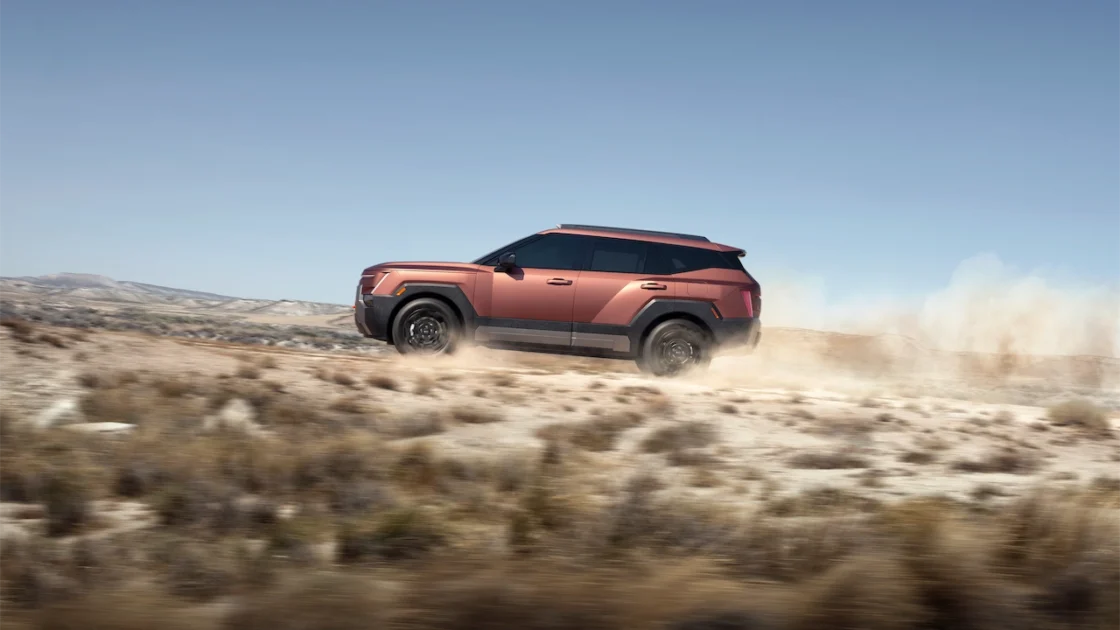
The Tucson XRT PRO came up in our Hyundai design interview as a vehicle with a specific capability goal. The team discussed changes to tires and ride height, along with bumpers intended to improve how the SUV handles uneven terrain.
That gives us something meaningful to examine as Hyundai finalizes the new Tucson’s equipment. Buyers interested in a Tucson for trips beyond pavement will want to understand exactly how those changes work together.
The Equipment Discussed in Our Interview
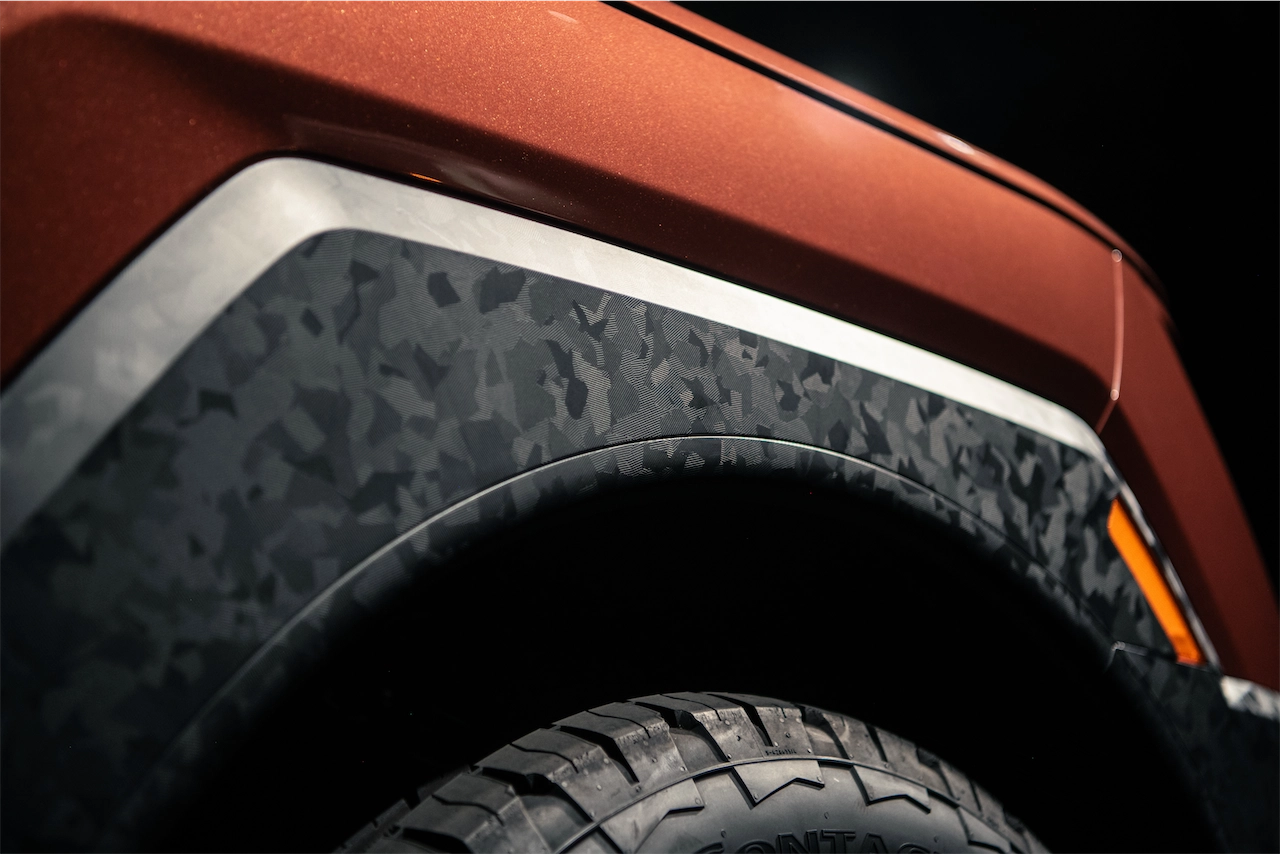
Hyundai’s design team described all-terrain tires and increased ride height as part of the XRT PRO approach.
Tires influence how a vehicle finds traction, and additional clearance can help create space between the vehicle’s underside and an obstacle. Actual usefulness depends on the production specifications and the terrain.
Revised front and rear bumpers were also discussed. Their shapes can affect approach and departure angles, which describe clearance at the ends of the vehicle when entering or leaving a slope.
We still need the final Tucson XRT PRO equipment list and measurements to quantify those changes. For the details Hyundai has shared so far, read our 2027 Hyundai Tucson XRT PRO first look.
Capability Depends on the Whole Vehicle

An off-pavement evaluation also requires understanding the drivetrain and how the vehicle manages traction. The interviews don’t establish the final U.S. configuration or every system that might support the proposed equipment.
Hyundai’s team also discussed refining the roof-rack treatment to control wind noise while maintaining its distinctive appearance. That’s an ownership consideration for a vehicle that may spend far more time on a highway than a trail.
My interest is in how the package performs as a complete vehicle, including the compromises that come with the chosen tires and ride height.
How Should Buyers Compare XRT and XRT PRO?
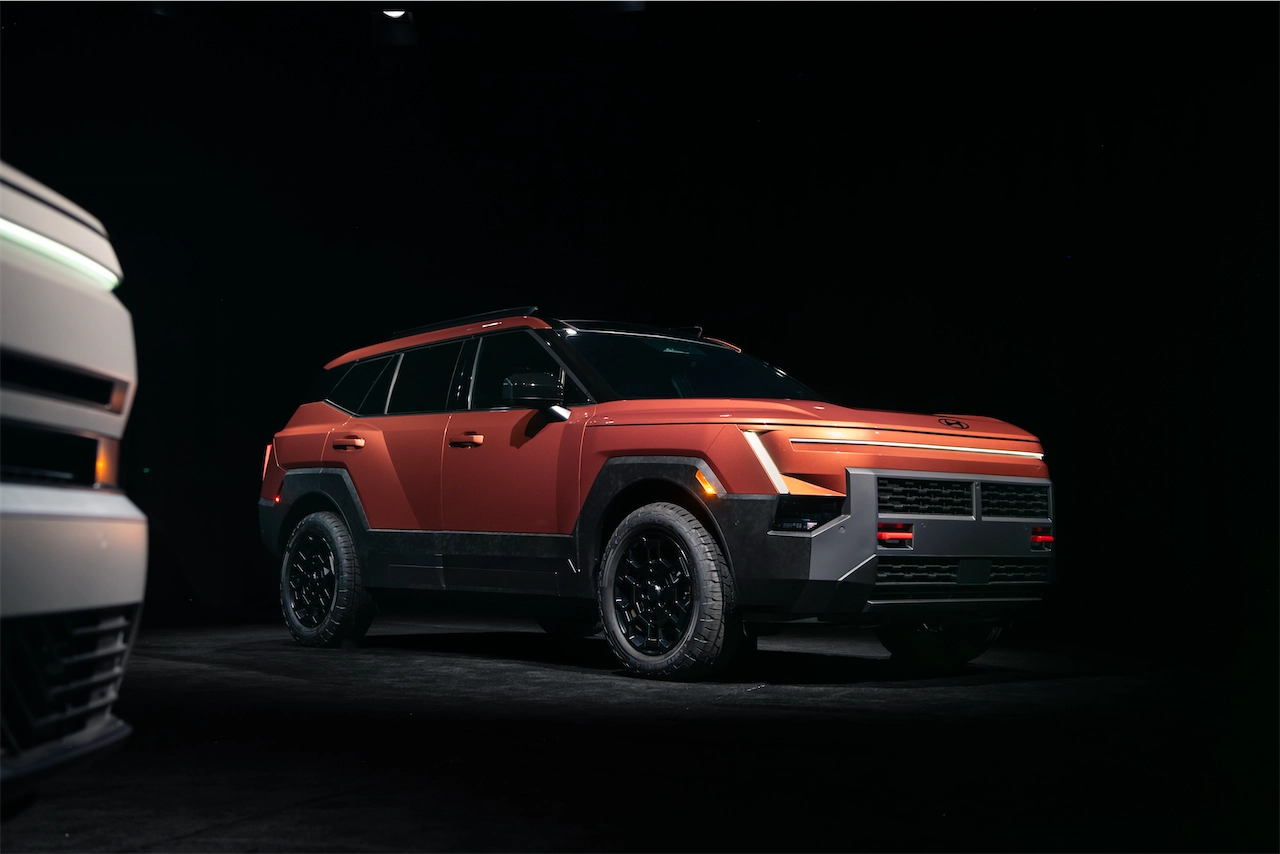
A Tucson XRT versus XRT PRO comparison will need the official equipment lists for the same market and model year. The interview details alone don’t establish the differences between two final U.S. trims.
For someone also considering a body-on-frame SUV, the comparison should begin with the terrain and demands of the planned trip. Any vehicle’s limits deserve careful attention before treating it as suitable for a particular route.
What We Can Say So Far
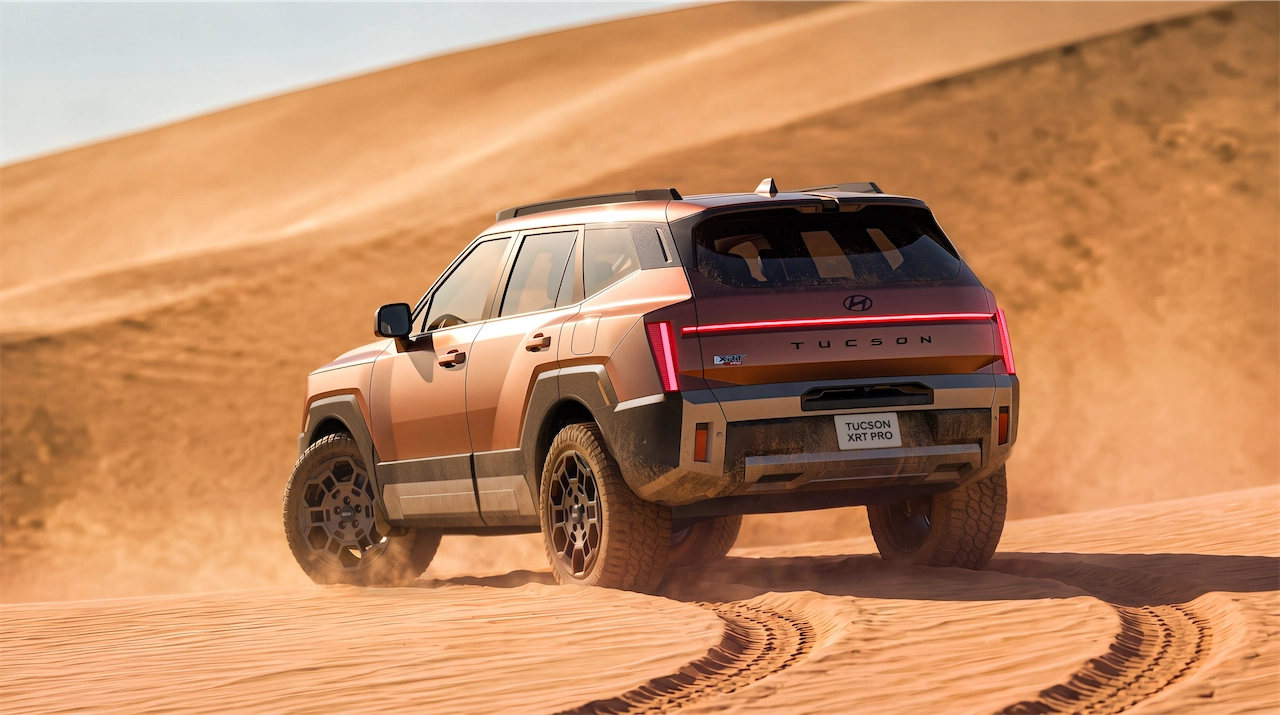
Hyundai’s representatives described purposeful capability changes for the XRT PRO. We haven’t completed an off-road test or confirmed the final U.S. naming and specifications.
I’ll be looking for those details because the proposed package gives Tucson buyers an interesting option to evaluate. A production test will help show where its strengths fit into actual use.