
Mitsubishi Momentum 2030 Bets Its U.S. Future on Trucks

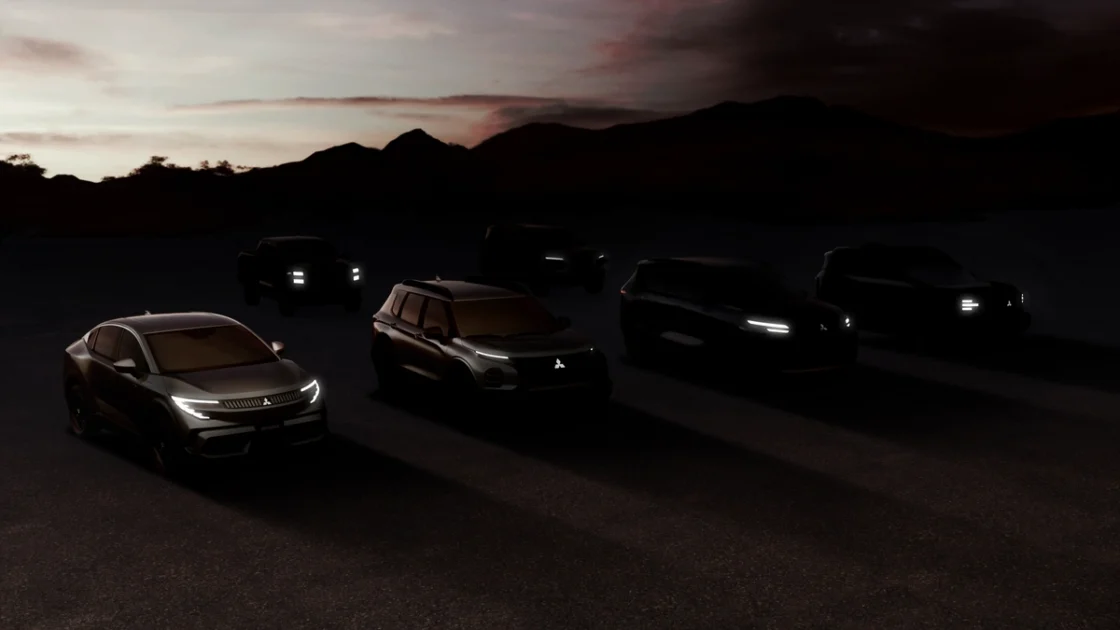
Mitsubishi has spent years surviving in the United States with a small lineup and little product excitement. Now, Mitsubishi Momentum 2030 outlines how the brand plans to become relevant again.
The strategy includes new electric vehicles, an off-road Outlander, more dealers, and a return to the pickup segment through Nissan. Mitsubishi also plans to grow from four U.S. models today to six in 2027.
That is the kind of expansion the brand needs. However, adding more vehicles will not be enough on its own. Mitsubishi also needs stronger design, a clear identity, and products that remind Americans why the three-diamond badge once mattered.
Mitsubishi Momentum 2030 Finally Adds What America Buys
Mitsubishi Momentum 2030 rests on four main goals. The company wants to electrify its lineup, introduce more vehicles, modernize retail and expand its dealer network.
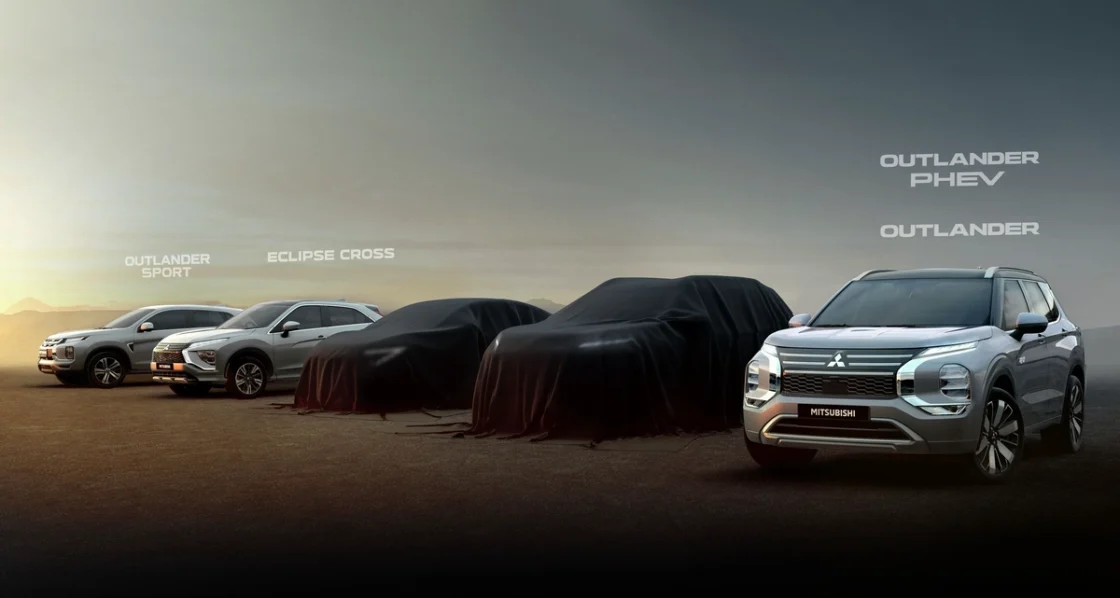
The product piece matters most. Mitsubishi currently sells only four models in the United States:
- Outlander Sport
- Eclipse Cross
- Outlander
- Outlander Plug-in Hybrid
That lineup gives shoppers different sizes and powertrains, but not much variety in vehicle type. Every model is a crossover or SUV. Even worse, none carries the emotional weight once created by vehicles such as the Montero, Eclipse, 3000GT or Lancer Evolution.
Mitsubishi says it will grow to six U.S. vehicles during 2027. The new additions will be the Eclipse Sportback EV and a rugged Outlander variant. Those products give dealers more to sell, but they still leave the brand heavily dependent on crossovers.
The longer-term roadmap appears more interesting. Mitsubishi says it will enter additional segments and focus more heavily on adventure-oriented vehicles. That could finally give the brand a stronger point of view.
A Mitsubishi Pickup Could Be the Plan’s Biggest Win
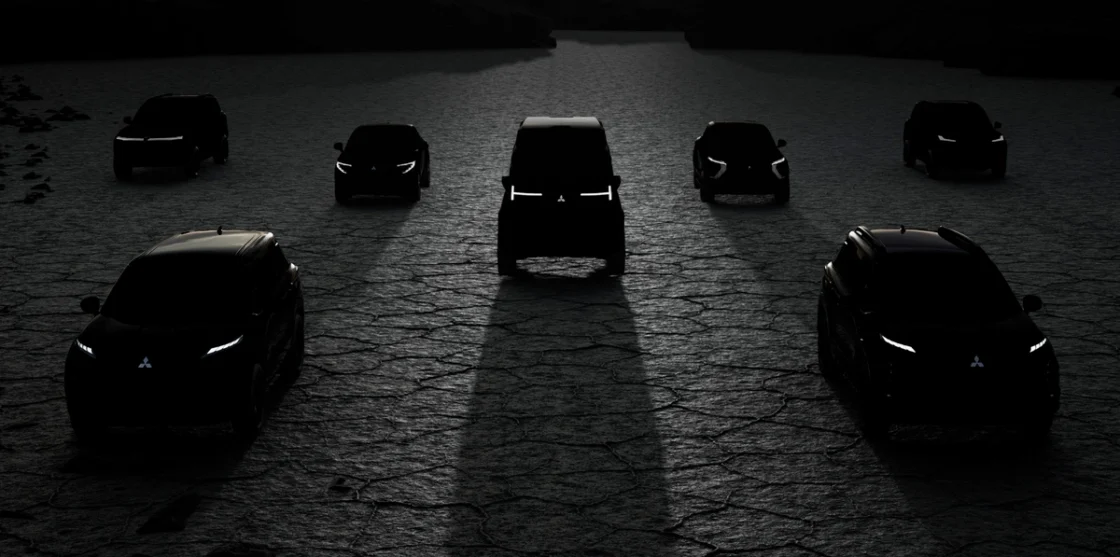
The most important announcement is Mitsubishi’s intention to return to the U.S. pickup market. The company says it will collaborate with Nissan, although it has not confirmed the truck’s name, platform, size, powertrain or launch date.
Therefore, we could assume it will be a Mitsubishi-badged Frontier. Still, Nissan gives Mitsubishi access to proven truck engineering and an established U.S. manufacturing footprint. That could lower development costs while helping Mitsubishi move faster.
Body-on-frame vehicles remain important to American shoppers. Here in Texas, they are part of everyday life. Trucks tow trailers, haul projects, carry families and spend plenty of time in school pickup lines. They also give a brand credibility that another compact crossover cannot.
Mitsubishi has real truck history outside the United States. It also has a legacy of rally wins and off-road success. A credible pickup could reconnect those pieces better than any marketing campaign.
The challenge will be differentiation. Mitsubishi cannot rely on a new grille and different badges. The truck needs its own design, tuning, and personality. It must give buyers a reason to choose it over a Nissan, Toyota, Ford, or Chevrolet.
The Eclipse Sportback EV Shows the Current Problem
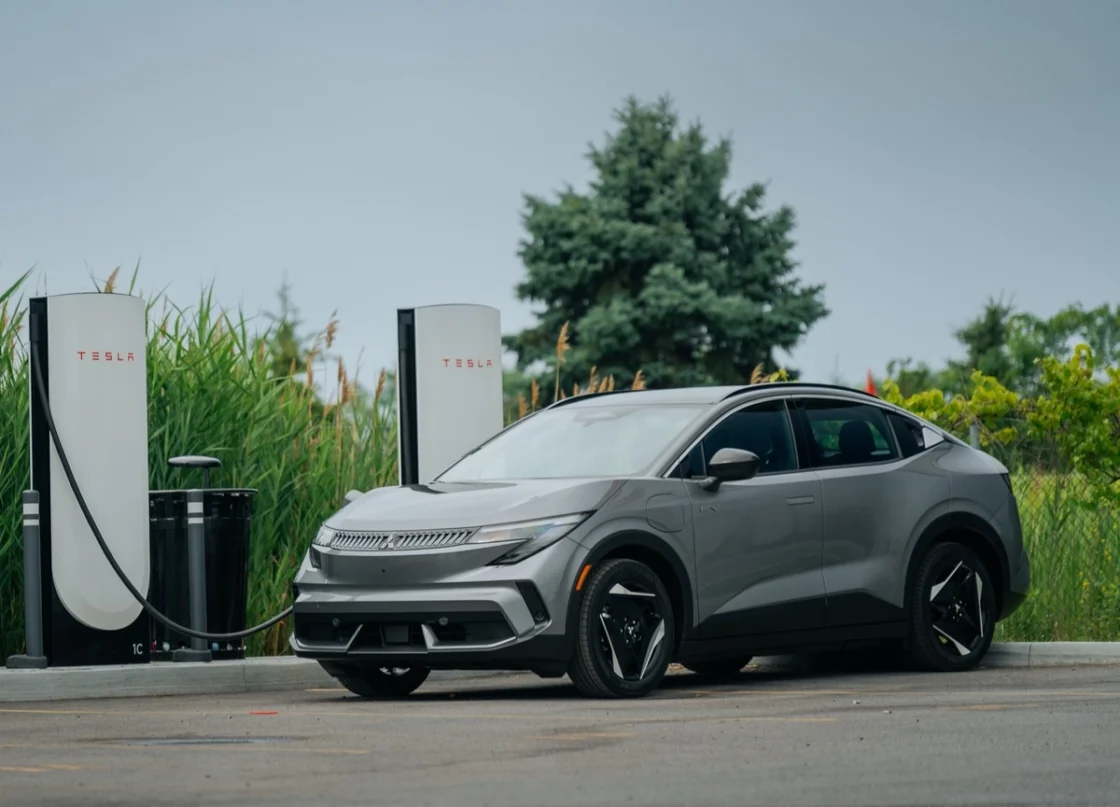
The first all-new vehicle under Momentum 2030 will arrive this fall. The 2027 Eclipse Sportback EV uses the next-generation Nissan Leaf as its foundation. Every version gets a liquid-cooled 75-kWh battery and a NACS fast-charging port.
Mitsubishi says the EV can charge at up to 150 kW. A 10-to-80-percent fast charge should take about 35 minutes under ideal conditions. It also includes a separate J1772 connection for Level 1 and Level 2 charging.
Those are practical choices. Standard access to Tesla’s Supercharger network makes road trips easier, while the battery size should suit daily family use. Mitsubishi also backs the vehicle with its long warranty.
However, the styling does not make a strong enough statement for me. Mitsubishi says the Eclipse Sportback gets unique front and rear fascias, lighting and wheels. Even so, its Nissan Leaf roots remain easy to see.
That reflects a wider issue with Mitsubishi’s current lineup. The vehicles may offer value and a strong warranty, but the designs rarely stop you in your tracks. The Outlander is the strongest-looking model in the showroom, yet the overall range lacks a clear visual identity.
Platform sharing can make the business case work. However, Mitsubishi must do more than change the face of another Alliance product. The brand needs vehicles that look and feel unmistakably Mitsubishi.
Rugged Products Could Restore Mitsubishi’s Identity
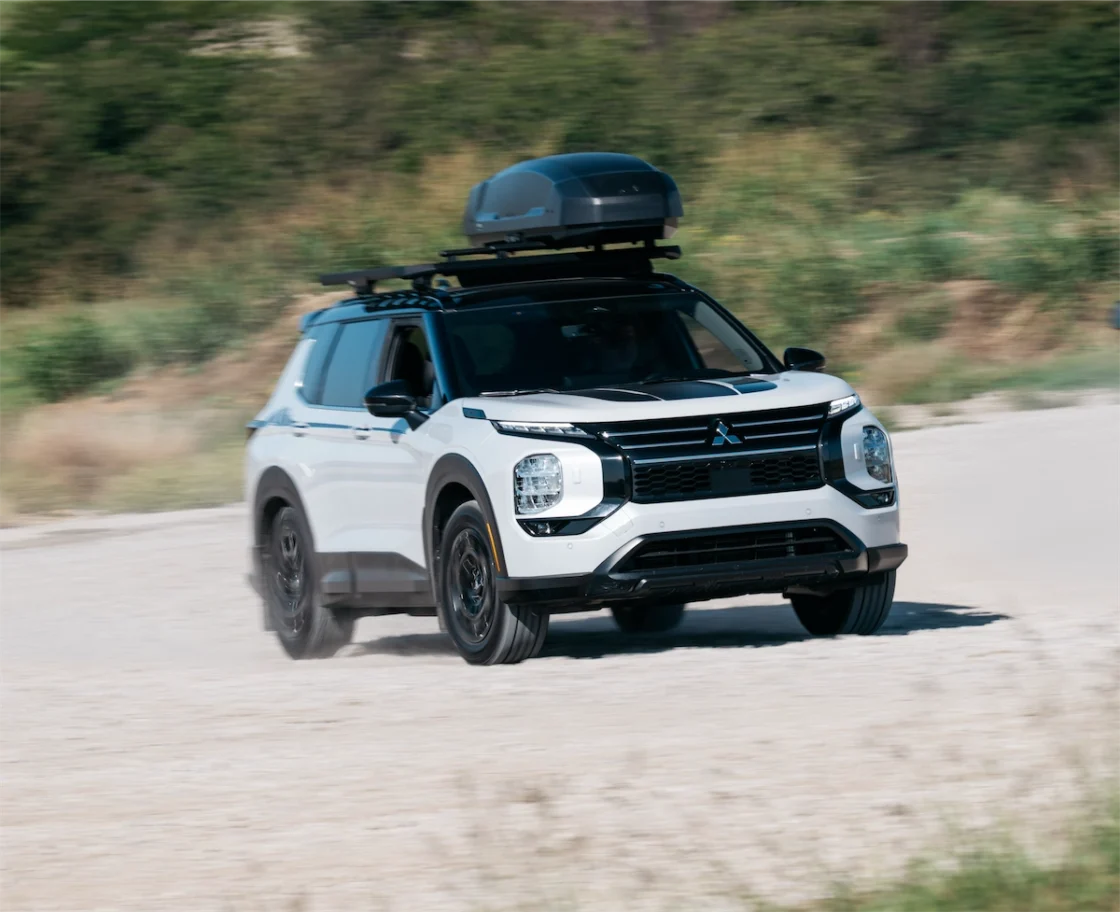
A rugged Outlander variant will follow the Eclipse Sportback EV in early 2027. Mitsubishi promises off-road-focused bodywork, drive modes, performance upgrades and unique interior styling.
That sounds promising, but the hardware will decide whether it is a genuine adventure vehicle or an appearance package. Other brands already offer crossovers that look tough while remaining road-focused. The Hyundai Palisade XRT Pro shows how added ground clearance, recovery points, all-terrain tires and useful drive modes can make an SUV more credible.
Mitsubishi also confirmed the global return of the Pajero name. American shoppers knew it as the Montero. The company has not decided whether to sell it here, so a U.S. comeback is far from guaranteed.
Still, Montero is exactly the kind of name Mitsubishi needs. It carries genuine off-road history and could give the brand a halo product. Pairing a body-on-frame Montero with a distinctive pickup would do more for Mitsubishi’s American identity than filling every possible crossover size.
Overall, Momentum 2030 is the strongest U.S. plan Mitsubishi has presented in years. The pickup is the biggest opportunity, especially in truck-heavy states such as Texas. The Eclipse Sportback EV adds useful technology, and the rugged Outlander should broaden the showroom.
Now Mitsubishi must deliver vehicles with enough capability and style to stand apart. More models will help. Better Mitsubishi models are what will change the brand’s future.