
Porsche Is Cutting 5,000 More Jobs but Investing 2.1 Billion Euros in Its Future

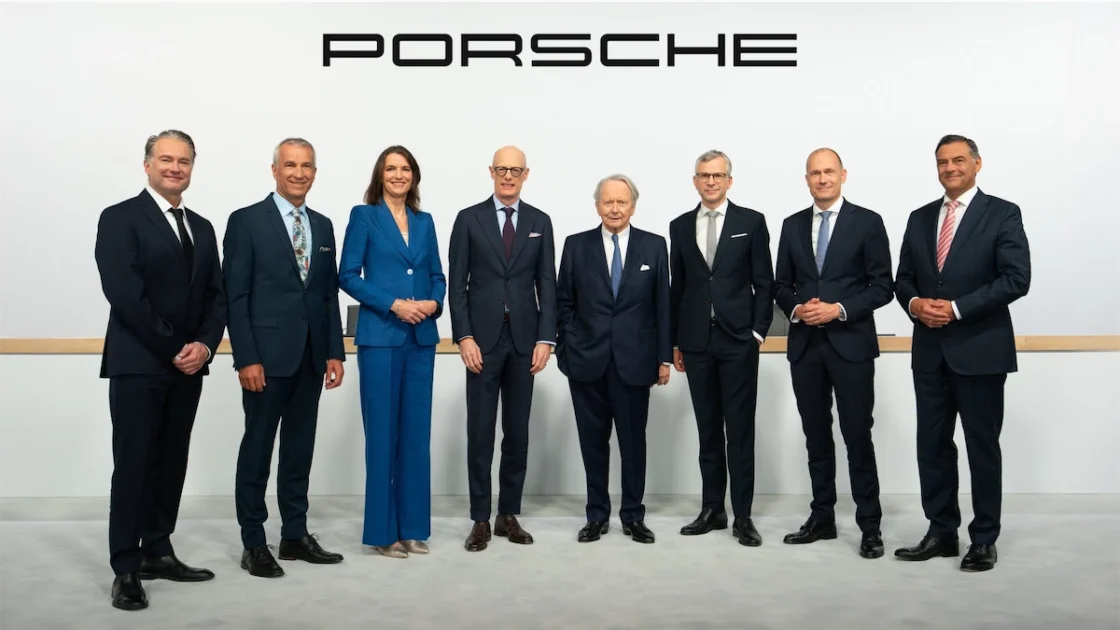
Porsche has reached an agreement it calls the Porsche Future Package, a deal that could shape how and where the automaker develops and builds its sports cars over the next decade.
The Porsche Future Package includes 2.1 billion euros in planned investments at the company’s Zuffenhausen and Weissach sites. It also calls for another 5,000 job reductions, lower employee costs and changes to bonuses, raises and remote-work policies.
The announcement is difficult news for Porsche employees, but it also provides several clues about the automaker’s future products. Here are seven things to know about the Porsche Future Package.
The Porsche Future Package will invest 2.1 billion euros through 2035
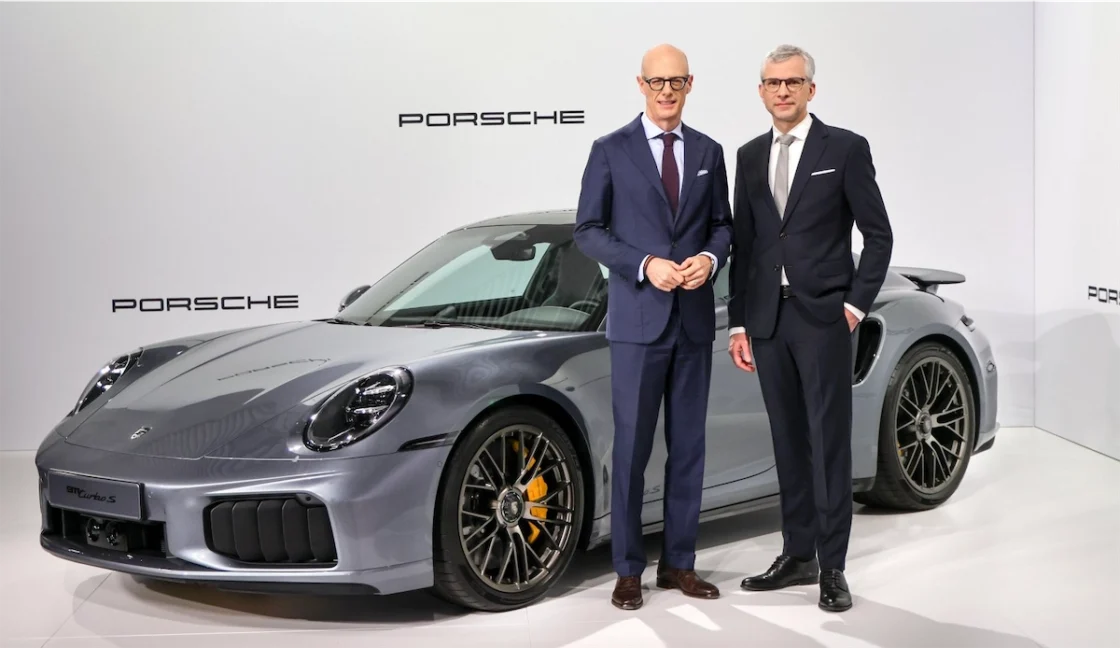
Porsche says it will invest a cumulative 2.1 billion euros in its Zuffenhausen and Weissach operations through 2035. Porsche outlined the plan on its official newsroom.
The money is intended to improve the long-term competitiveness of both German sites while supporting vehicle production and development. Porsche is attempting to lower costs and improve productivity while continuing to invest in the products and facilities that define the brand.
The agreement is part of a broader strategic realignment that Porsche calls Sportwagenschmiede 35. Porsche will present additional details during a Capital Markets Day in October 2026.
Two-door Porsche sports cars will remain in Zuffenhausen
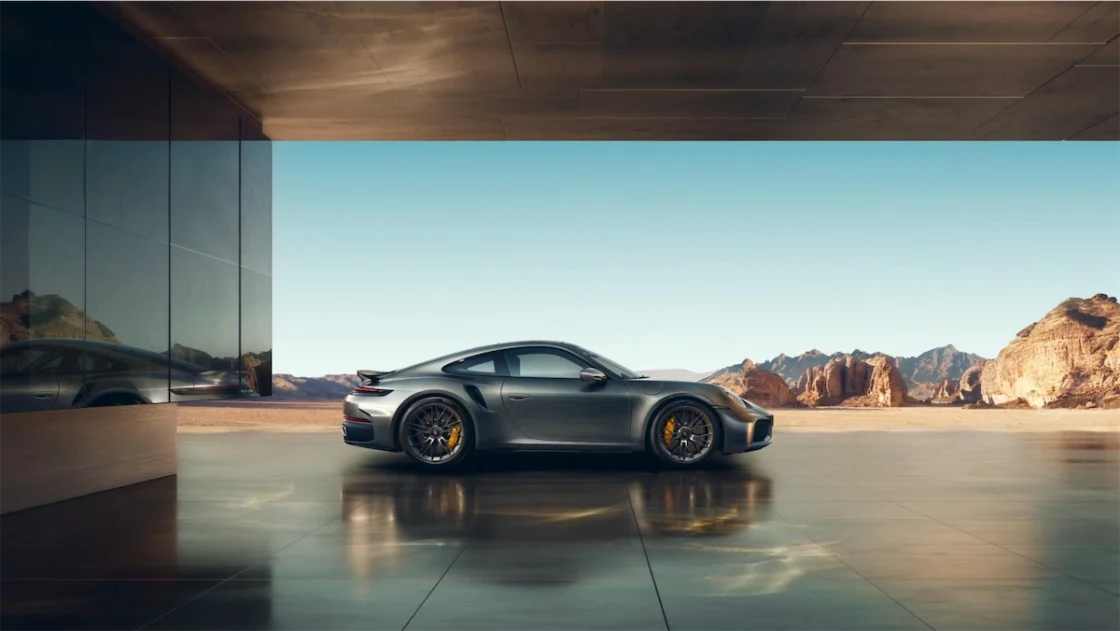
One of the most important product-related details involves Porsche’s traditional two-door sports cars.
Porsche says the investment is intended to ensure that two-door models continue rolling off the production line in Zuffenhausen over the long term.
The release does not identify specific vehicles, but Zuffenhausen is closely connected with the company’s sports-car identity. The commitment provides some reassurance that Porsche’s restructuring will not mean abandoning the German production site most closely associated with its iconic models.
Porsche plans to expand Sonderwunsch production
The Future Package also calls for an expansion of Porsche’s Sonderwunsch program.
Sonderwunsch allows customers to commission extensively personalized vehicles using special colors, materials, finishes and factory-supported modifications. Some projects can involve the restoration or reworking of an existing Porsche, while others begin with a newly ordered vehicle.
Increasing Sonderwunsch volume fits Porsche’s strategy of focusing on value rather than simply selling more vehicles. Highly customized cars can command substantially higher prices while strengthening the sense of exclusivity surrounding the brand.
Weissach will retain development work for every model line
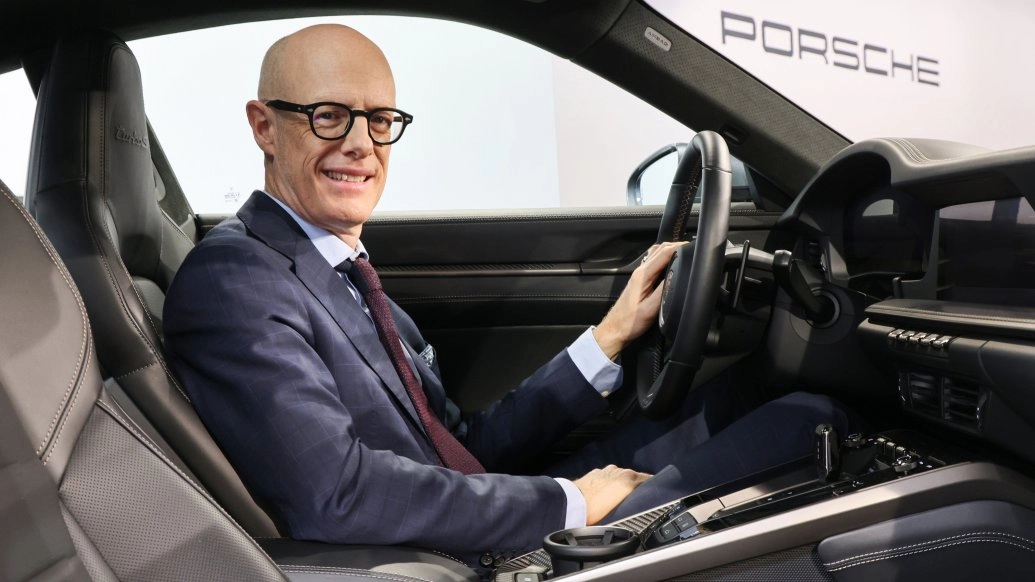
Porsche says development activities for all model lines will continue to be concentrated in Weissach.
The site houses much of the company’s engineering, testing and motorsports expertise. Keeping model development centered there should help Porsche maintain closer coordination between its road-car, technology and performance programs.
This part of the agreement matters because Porsche is simultaneously adjusting its vehicle portfolio, powertrain strategy, and company structure. Maintaining a central development operation could help the automaker move more quickly while reducing duplicated work.
The Porsche Future Package will eliminate another 5,000 jobs
The Future Package includes what Porsche describes as the socially responsible reduction of another 5,000 jobs by 2035.
Porsche says it expects to achieve the reductions primarily through natural attrition, demographic changes, expanded partial-retirement programs and voluntary severance agreements.
The agreement rules out compulsory redundancies through the end of 2035. That protection does not mean Porsche’s workforce will remain the same size. It means Porsche should reach the planned reductions without involuntary layoffs among the employees covered by the agreement.
Employees and managers will give up compensation
The investment and employment protections come with substantial concessions from Porsche employees and management.
Porsche will defer a total of 3.5% of current and future collectively negotiated pay increases until 2035 for management and employees covered by its pay framework.
Senior and top management will make a comparable contribution from increases in basic compensation during 2027 and 2028.
Porsche will also reduce part of its voluntary Christmas bonus contribution. The maximum total Christmas bonus will eventually decline from as much as one month’s salary to 60% of a monthly salary. Other special payments will become more closely tied to the company’s financial performance.
Remote-work rules will become more restrictive
The agreement changes more than staffing and compensation.
Porsche will limit employees who are eligible for mobile working to eight remote-work days per month. The previous limit was 12 days.
Porsche also plans to change break arrangements and production-cycle requirements as it attempts to increase productivity and flexibility at its factories.
Employees will receive a one-time transformation bonus of 1,500 euros in August 2026. IG Metall members will receive an additional 411 euros, bringing their total payment to 1,911 euros.
The Porsche Future Package aims to make the brand leaner and more profitable
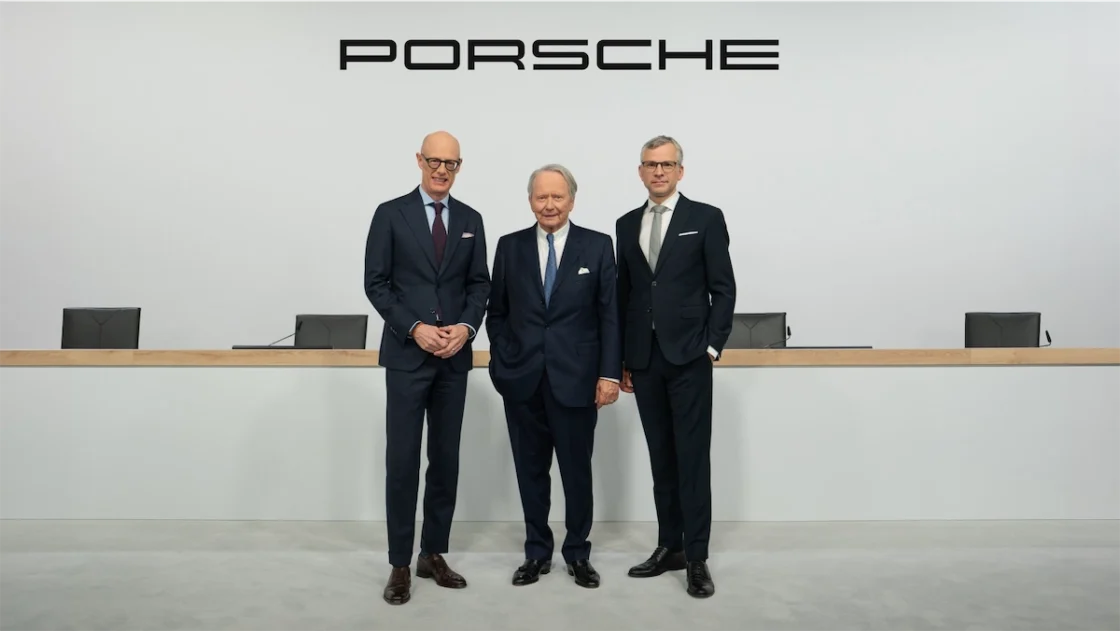
The Future Package is ultimately an attempt to balance cost reductions with continued investment.
Porsche is promising long-term employment protections, factory investment and continued sports-car production. In return, the company will reduce its workforce, limit compensation growth and make working conditions more flexible.
For customers and enthusiasts, the clearest takeaway is that Porsche intends to protect the parts of the business most closely connected with its sports-car identity. Two-door production will continue in Zuffenhausen, Sonderwunsch capacity will grow, and vehicle development will remain centered in Weissach. Enthusiasts can also see how the brand is evolving its EV lineup in our look at the 2027 Porsche Taycan.
The changes will still be painful for employees. However, Porsche believes they are necessary to make the company more competitive and financially sustainable through 2035.