
Signs Your Clutch Is Wearing Out, and What to Do

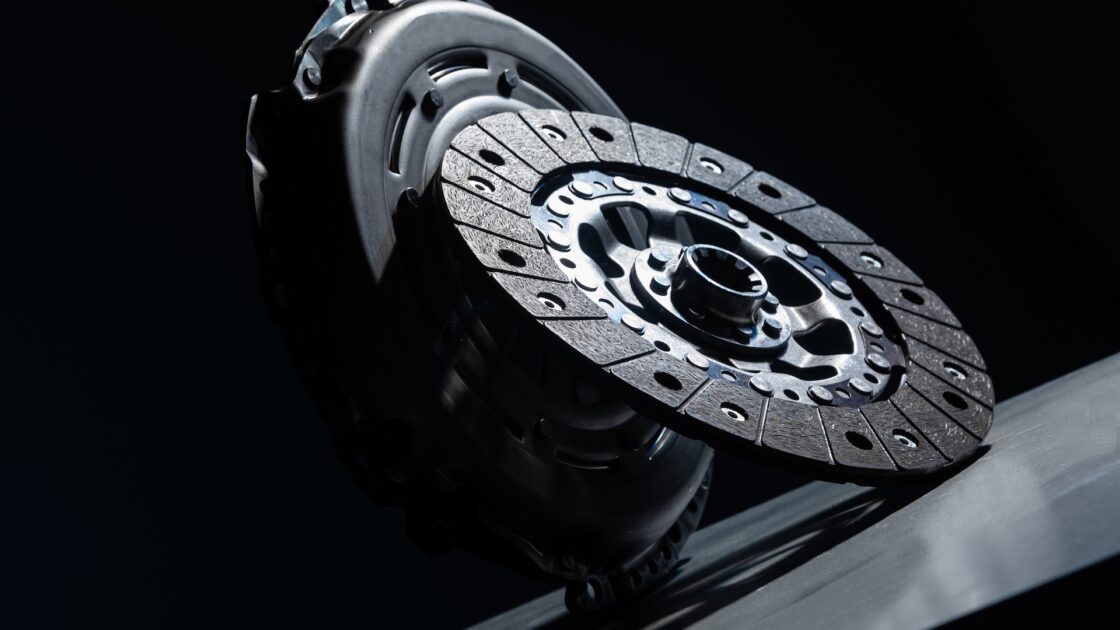
For anyone driving a manual, the clutch is one of those components you rely on constantly without thinking about it, until it starts to misbehave. A clutch is a wear item, meaning it will eventually need replacing, but the good news is that it usually gives plenty of warning before it gives up entirely.
Learning to recognise the early signs of a worn clutch lets you plan a replacement on your terms, rather than being caught out by a sudden failure at the worst possible moment. Here’s what to look and listen for.
The clutch is slipping
Slipping is the classic sign of a worn clutch, and it’s usually the first thing you’ll notice. When you accelerate, particularly up a hill or under load, the engine revs climb but the car doesn’t gather speed to match. It feels like the power isn’t fully reaching the wheels, because it isn’t.
This happens when the worn clutch can no longer grip firmly enough to transfer the engine’s power. Slipping tends to get worse over time and generates heat, so once you notice it, the clutch is on borrowed time.
Trouble changing gears
A healthy clutch lets you move smoothly between gears. When a clutch is wearing out, or a related component is failing, you may find gears becoming harder to engage, grinding, or baulking as you shift. Difficulty getting into gear from a standstill is another common symptom.
Any change in how the gearbox feels through the clutch is worth investigating, as it can point to the clutch itself or associated parts nearing the end of their life.
A high or spongy biting point
Pay attention to where the clutch pedal engages. If the biting point creeps higher and higher toward the top of the pedal’s travel, that’s a sign the clutch is wearing. A pedal that feels soft, spongy, or sticks to the floor can also indicate problems in the clutch system.
You know how your own car normally feels underfoot, so trust your instincts if the pedal starts behaving differently.
Burning smells and unusual noises
Your senses will often warn you too. A burning smell, a bit like scorched paper, particularly after riding the clutch in stop-start traffic or on a hill, suggests the clutch is overheating and wearing. It’s a smell most drivers recognise instantly once they’ve encountered it.
Listen out as well for noises when you press or release the pedal, such as squealing, rattling, or grinding. These sounds can point to worn bearings or other failing components within the clutch assembly.
What to do about it
If you spot these signs, the sensible move is to have the clutch inspected by a professional sooner rather than later. A worn clutch left unchecked can eventually fail completely and leave you stranded, and driving on a slipping clutch can cause further damage that makes the repair more expensive.
A mechanic can confirm the condition and tell you how much life is left, so you can plan the replacement rather than have it forced on you.
Choosing a quality replacement
When it is time to replace the clutch, the quality of the parts matters. A well-made clutch designed for your vehicle will feel better, perform reliably, and last longer than a bargain-basement alternative, which is a false economy on a job you don’t want to repeat soon.
It’s an investment in a component you use every single time you drive, so it pays to fit a quality exedy clutch and have it installed properly. Do that, and you’ll enjoy years of smooth, dependable driving before you need to think about it again.