
Why Repair Kits Are Becoming a Smarter Alternative to Full Component Replacement

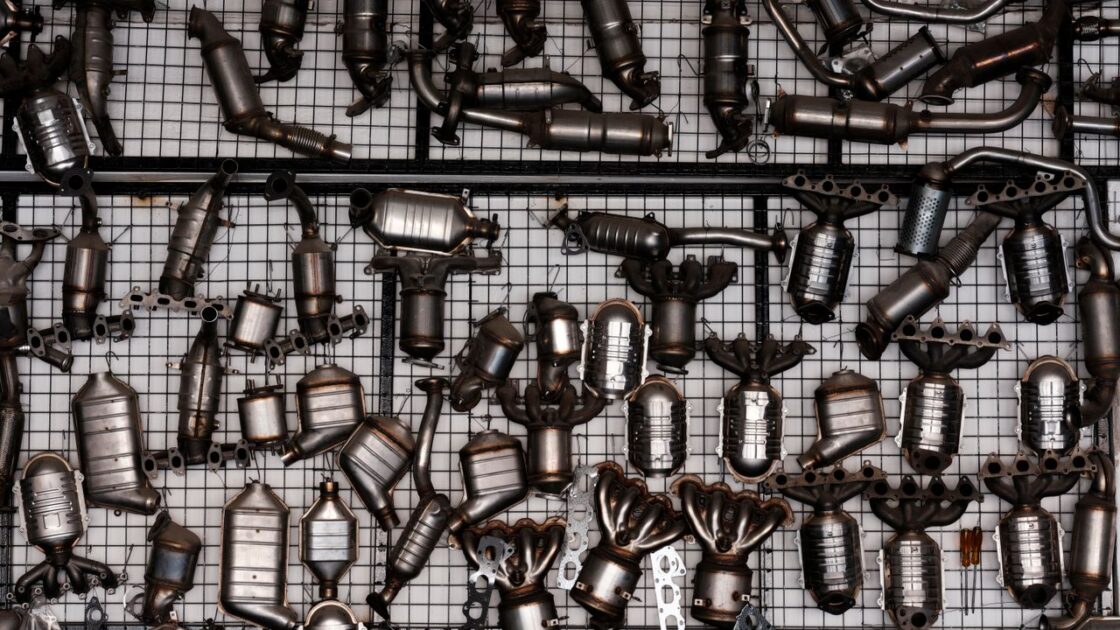
Automotive assemblies work as systems, but their components wear at different rates. A familiar automotive repair scenario often starts with a simple diagnosis: one component fails, but the entire assembly is recommended for replacement. Yet the housing and other parts may remain fully serviceable. A Klifex Repair Kit supports a more targeted approach by replacing only defective elements such as seals, valves, bearings, diaphragms, gears, or actuators while preserving usable components. This can be practical for turbochargers, PCV systems, suspension, steering, air-conditioning, and drivetrain components when diagnosis confirms that rebuilding is technically sound.
The Cost Difference Between Rebuilding and Replacing
The financial benefit of repair kits goes beyond the parts price. A complete assembly may contain many components with years of useful life remaining. Replacing everything because one small element failed means paying for functionality that was never lost.
A targeted repair can renew worn parts while keeping the original assembly in service. Potential advantages include:
- Lower parts costs when the assembly remains serviceable.
- Less material discarded during maintenance.
- Better use of components that have not reached the end of their life.
- Potentially shorter repair planning and reduced downtime.
However, the cheapest option is not always the best. Poorly matched parts, inferior seals, or inaccurate components can cause repeat failures. The goal is to restore reliable operation, not simply reduce the repair bill.
What Makes a Repair Kit Worth Using
A quality repair kit should be an engineered set of components designed for a specific assembly. Parts must match its dimensions and operating conditions, including exposure to heat, pressure, vibration, lubricants, and chemicals.
Material and dimensional accuracy are critical because even small deviations can affect sealing, alignment, preload, movement, or clearances. Compatibility is also important when systems have several revisions. Seals require particular attention because unsuitable materials can fail under demanding conditions.
A purpose-built Klifex Repair Kit applies this principle by replacing defined service components instead of an entire assembly. Kits may cover BMW VANOS and DISA systems, turbochargers, PCV assemblies, air suspension, steering components, Haldex couplings, and other automotive subsystems. Before installation, the mechanic should confirm the application, dimensions, materials, seal specifications, and service procedures.
How to Decide Whether a Component Is Still Worth Rebuilding
The decision should start with an accurate diagnosis. A fault code or symptom may identify the affected system but not the exact mechanical cause. For example, a pressure issue can result from a seal, valve, hose, actuator, or control component. Replacing parts without finding the actual failure can lead to unnecessary costs.
The complete assembly should then be inspected to determine whether rebuilding is technically and economically reasonable. Key factors include:
- Condition of the housing and critical components.
- Presence of cracks, corrosion, distortion, or damaged bearing surfaces.
- Availability and quality of suitable replacement parts.
- Whether the rebuild can restore reliable operation.
- Extent of wear across the remaining components.
If the main structure is sound and the failure is limited to replaceable elements, rebuilding may be a practical long-term solution. When several major components are worn or damaged, complete replacement can be more sensible.