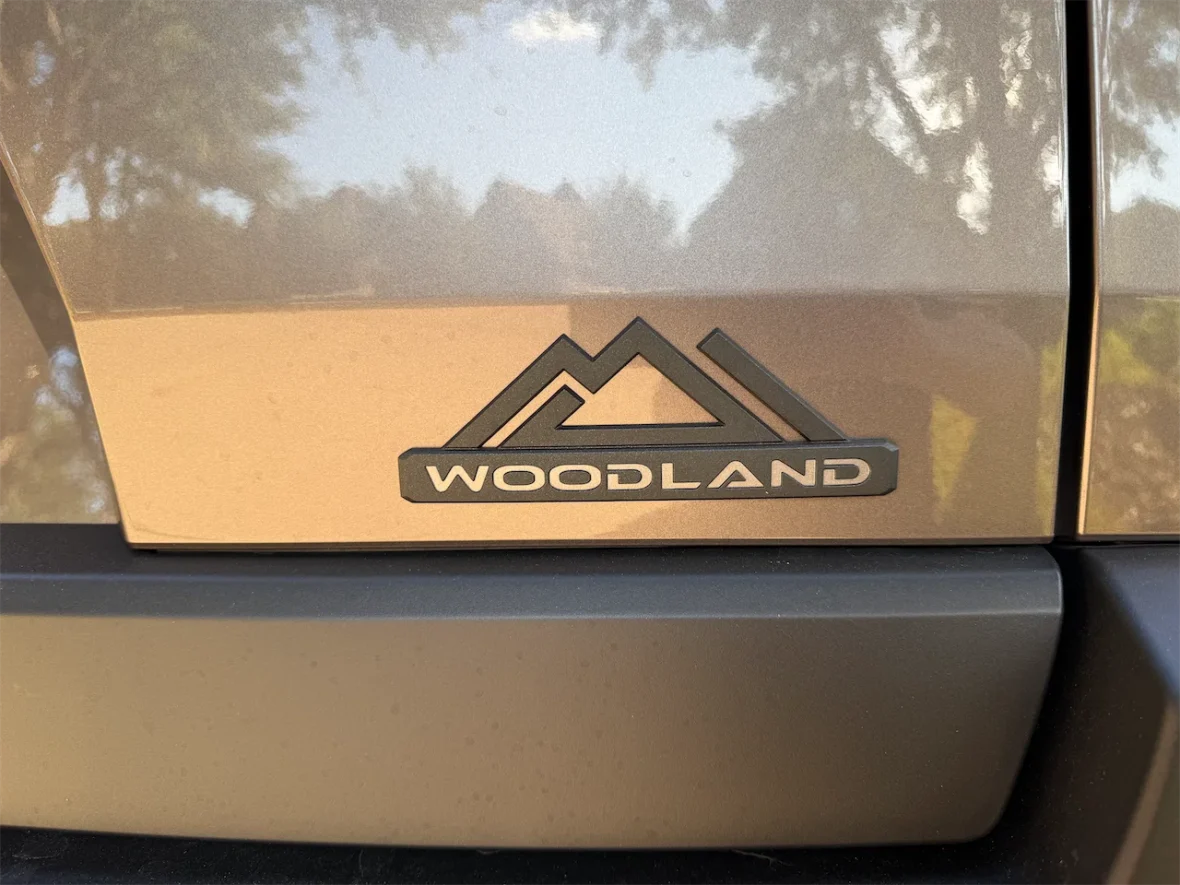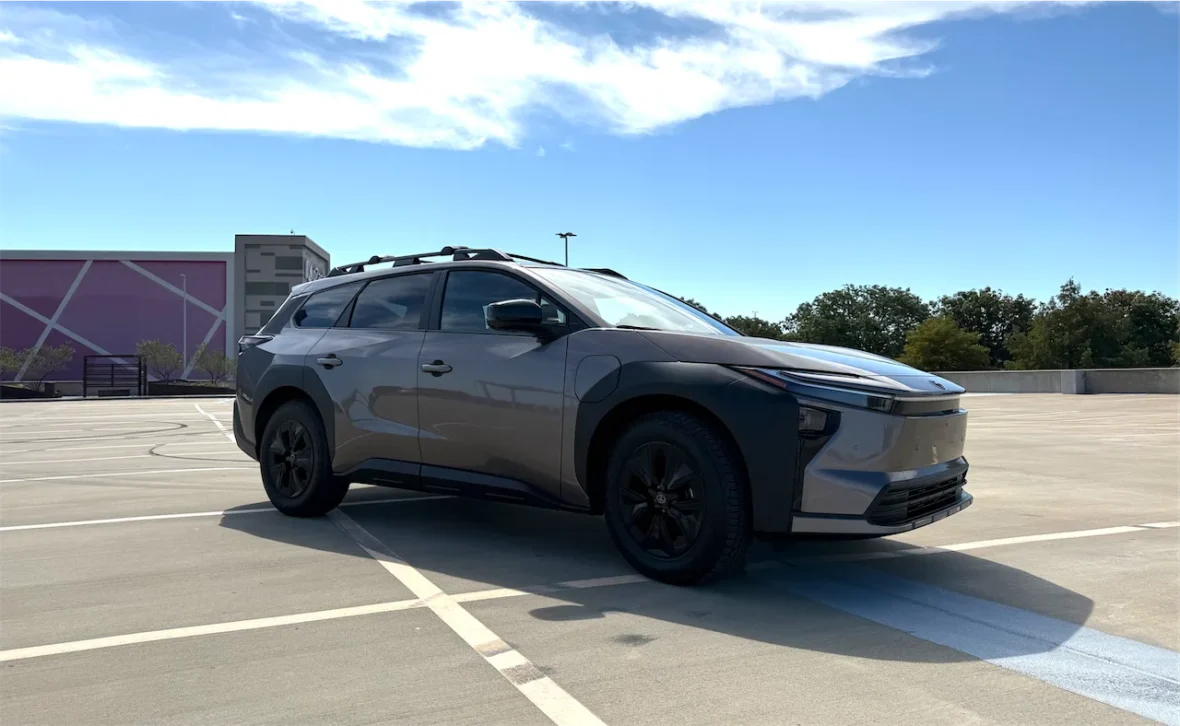
2026 Toyota bZ Woodland AWD: A Brilliant Family EV Held Back by Charging

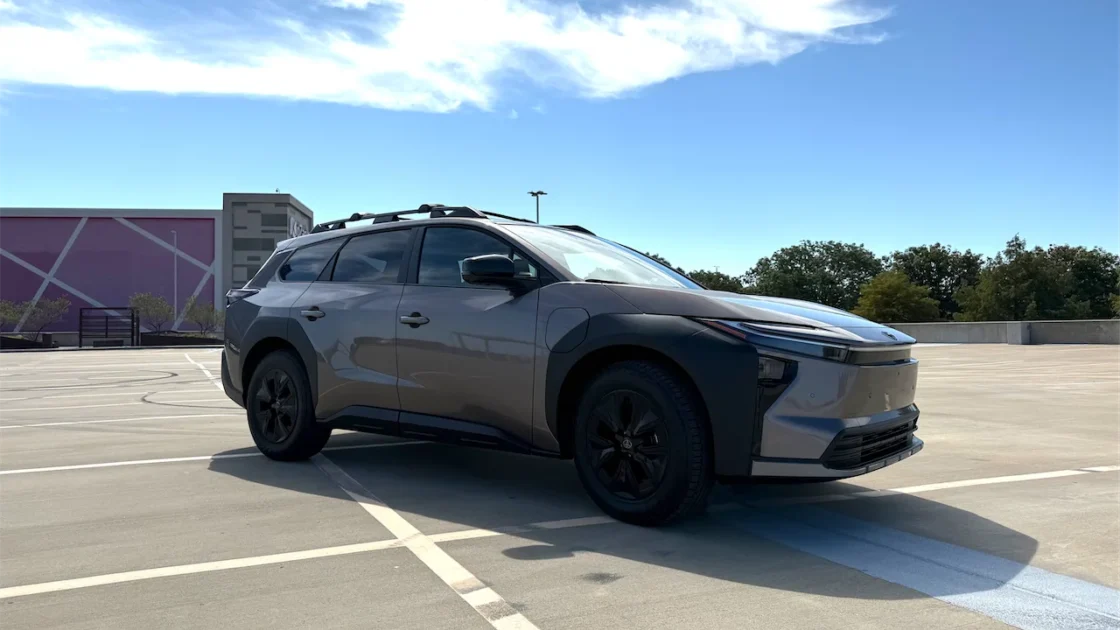
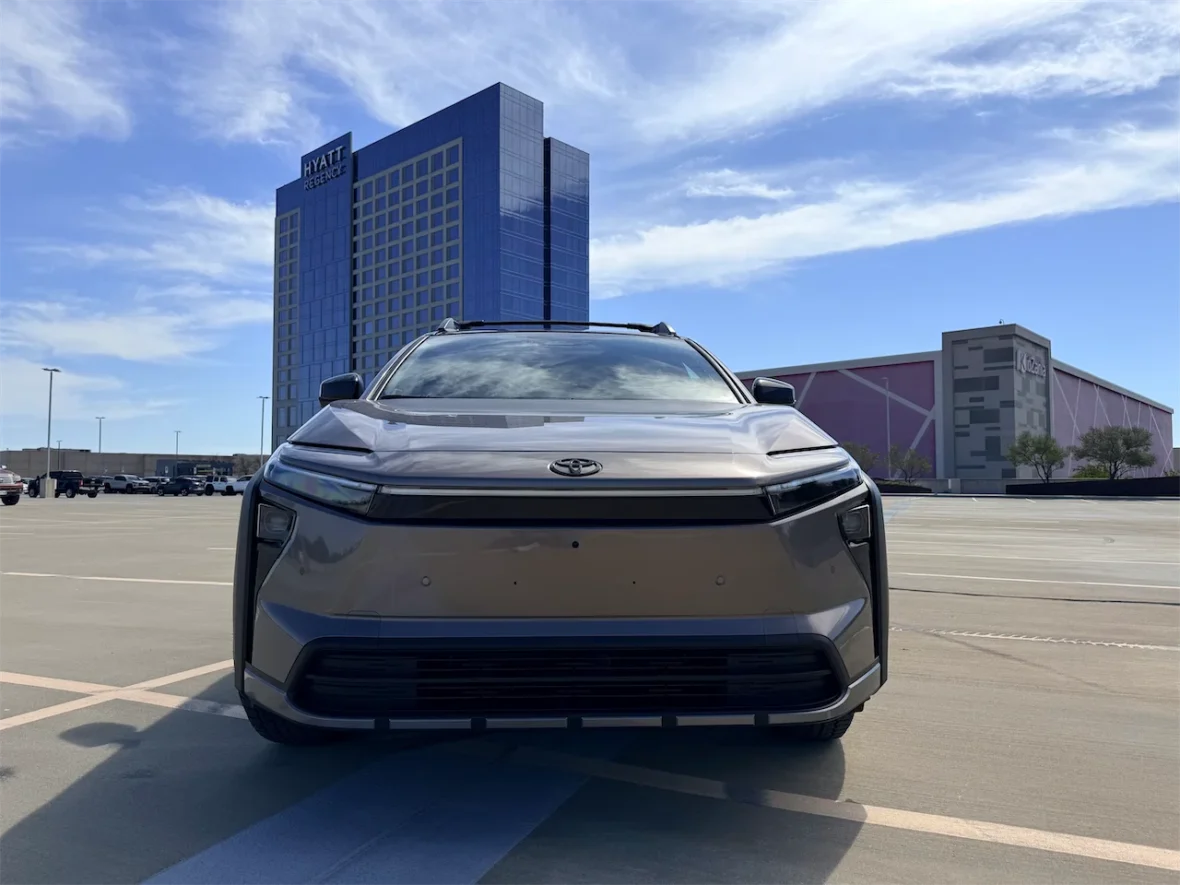
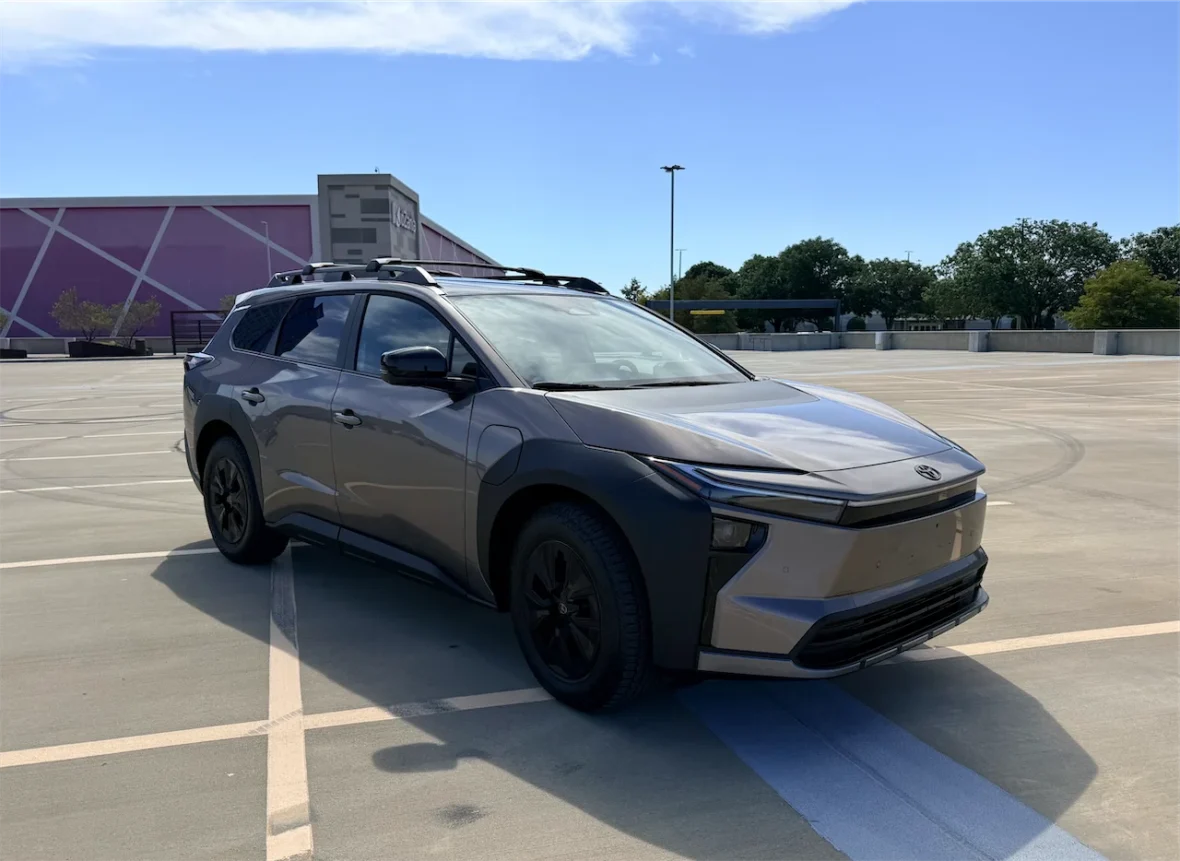
Toyota built its reputation on making vehicles that simply work, and the 2026 Toyota bZ Woodland AWD carries that reputation as the brand expands its EV SUV lineup. After spending real time behind the wheel, living with it day to day rather than just test driving it around the block, it is clear Toyota put real engineering thought into this one. It is quiet, quick, comfortable, and built to handle a family’s life. The only place it stumbles is somewhere entirely outside Toyota’s control: the public charging network.
What Stands Out
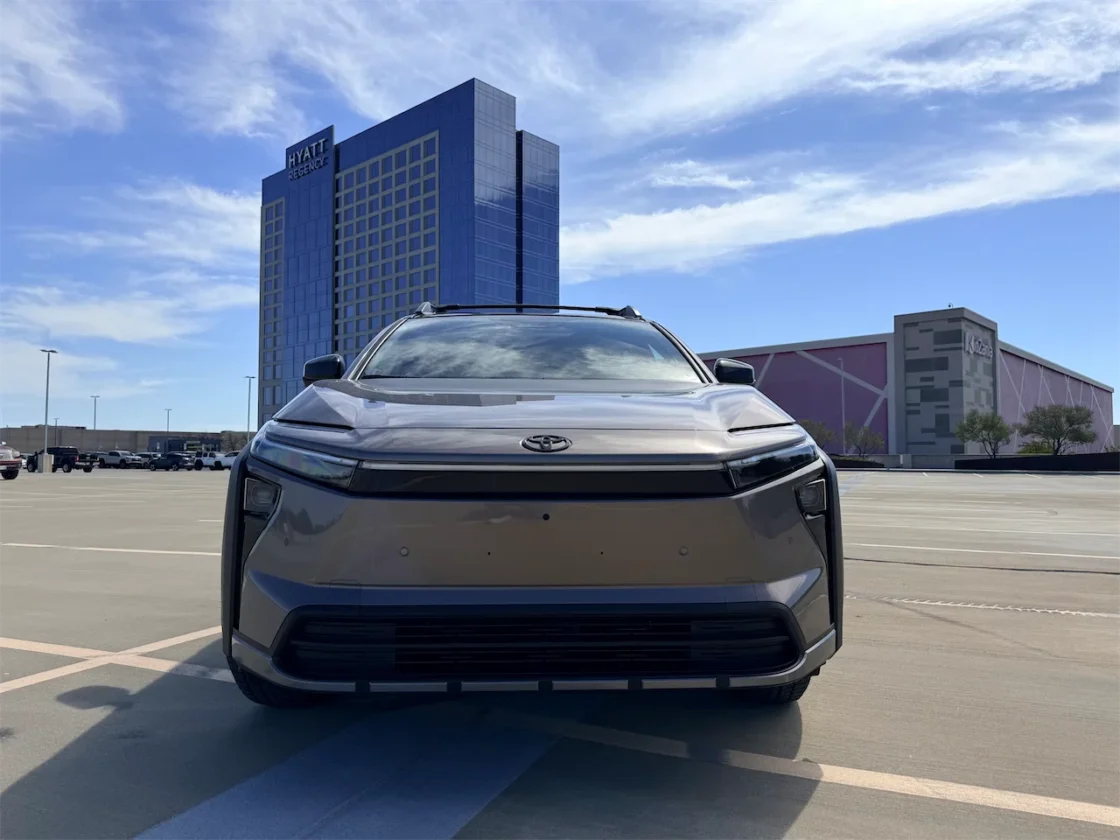
The bZ Woodland is loaded with the kind of features that make daily driving easier:
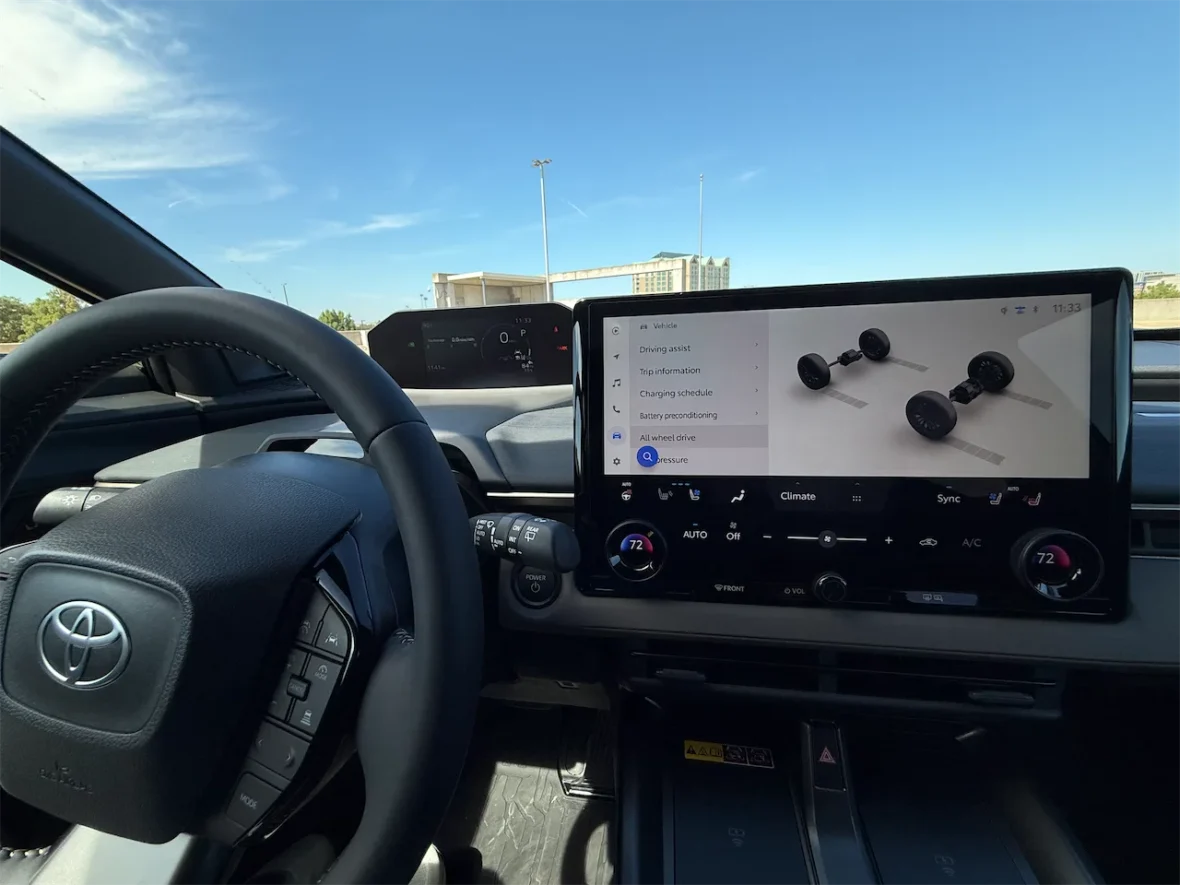
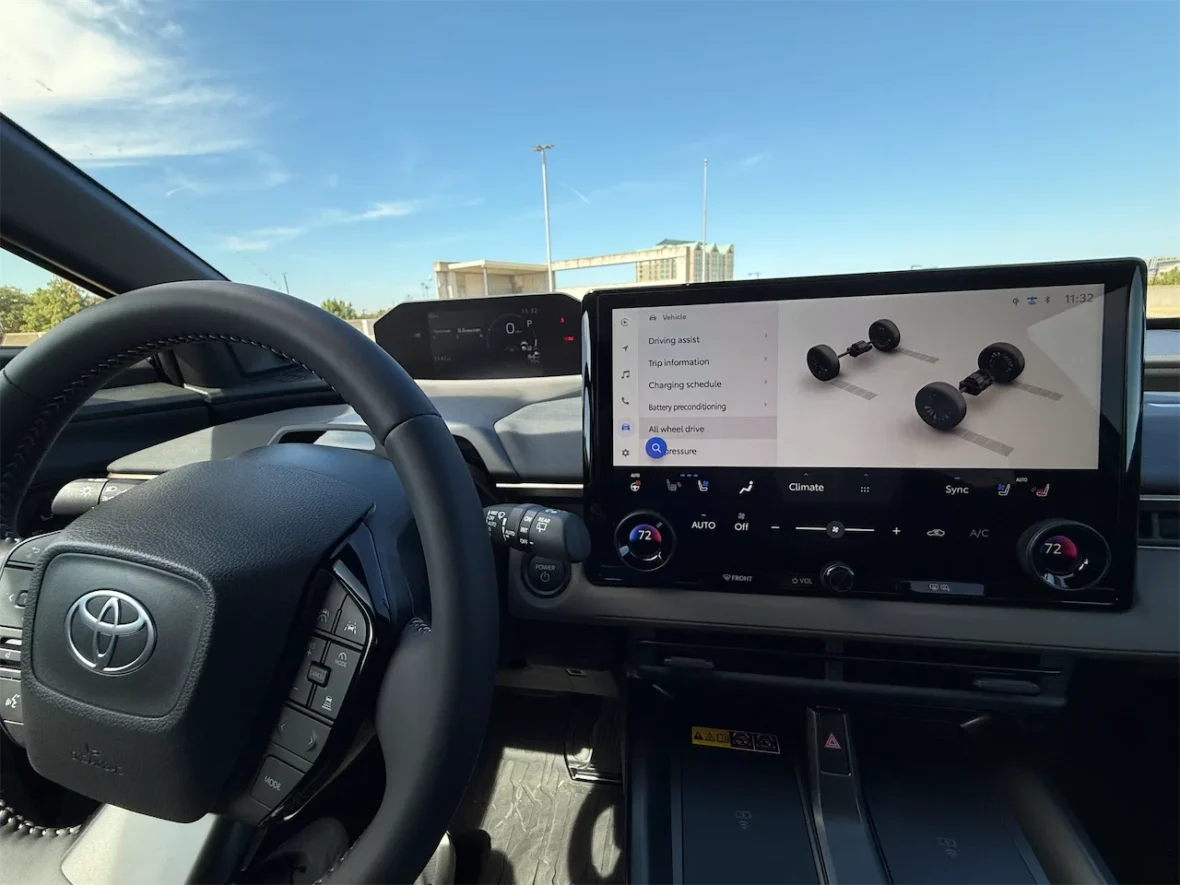
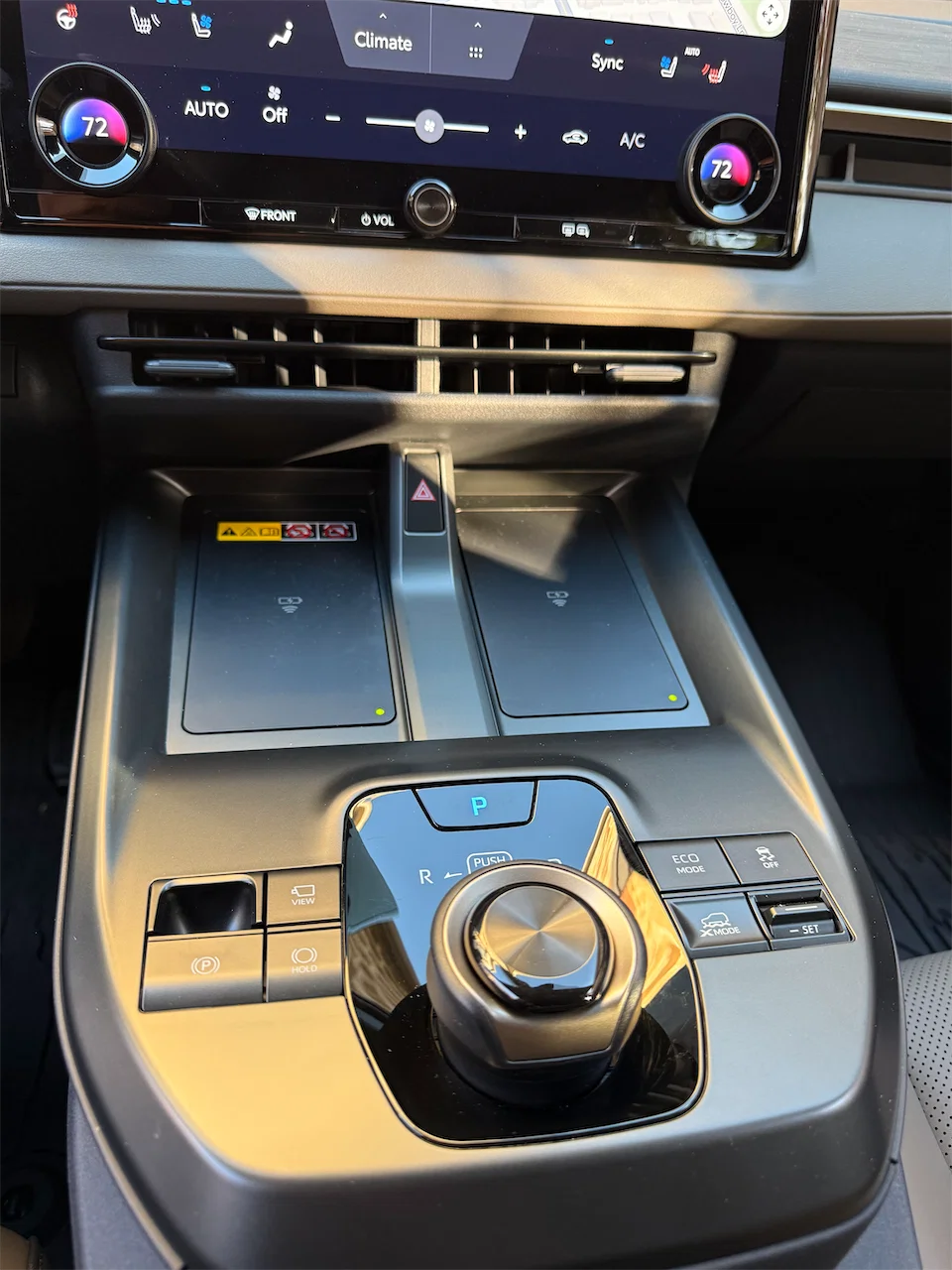
- All-wheel drive (AWD) with X Mode and Grip Control for light snow, heavy snow, and mud
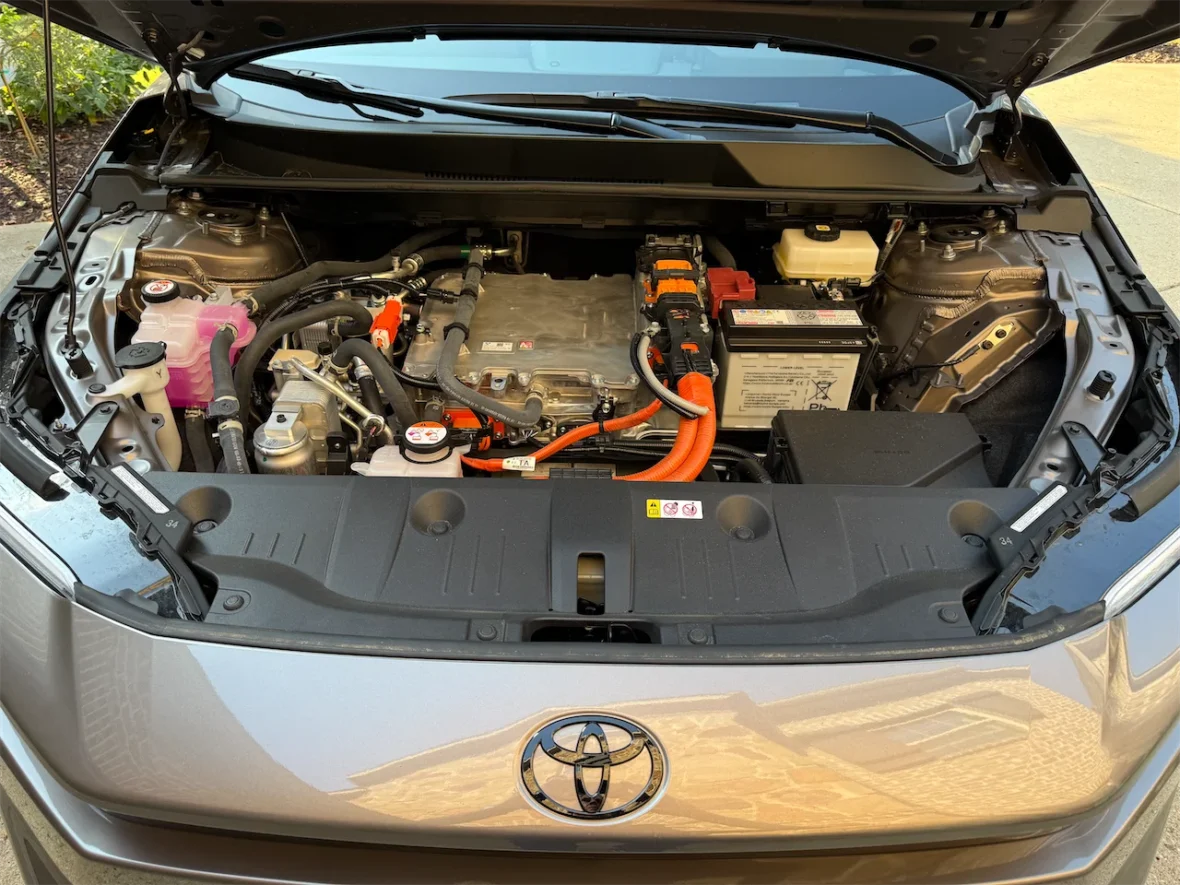
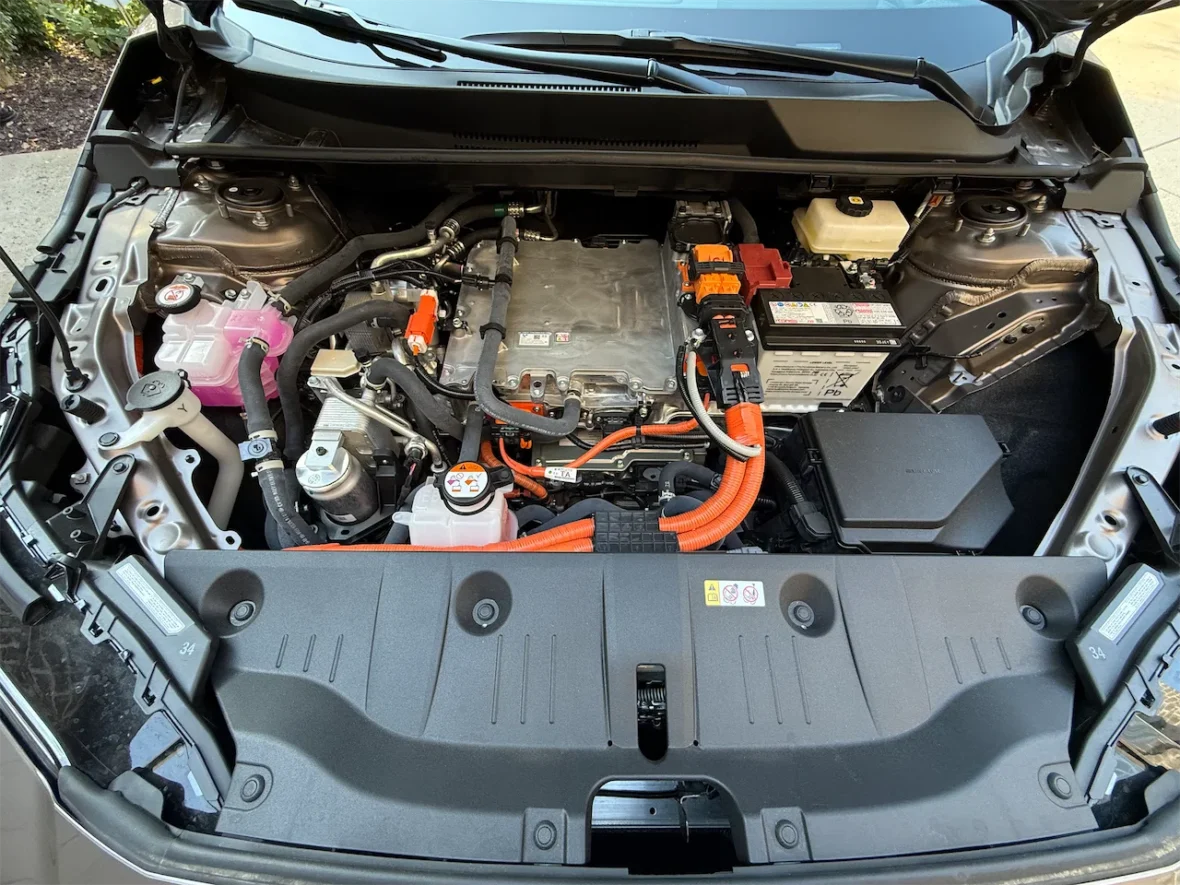
- Dual electric motors producing 167 kW front and rear, for a combined 375 system horsepower
- A 74.7 kWh battery pack
- Paddle shifters that control regenerative braking
- Toyota Safety Sense 3.0 with Pre-Collision Detection
- A panoramic 360-degree camera view
- LED headlights and a hands-free power liftgate
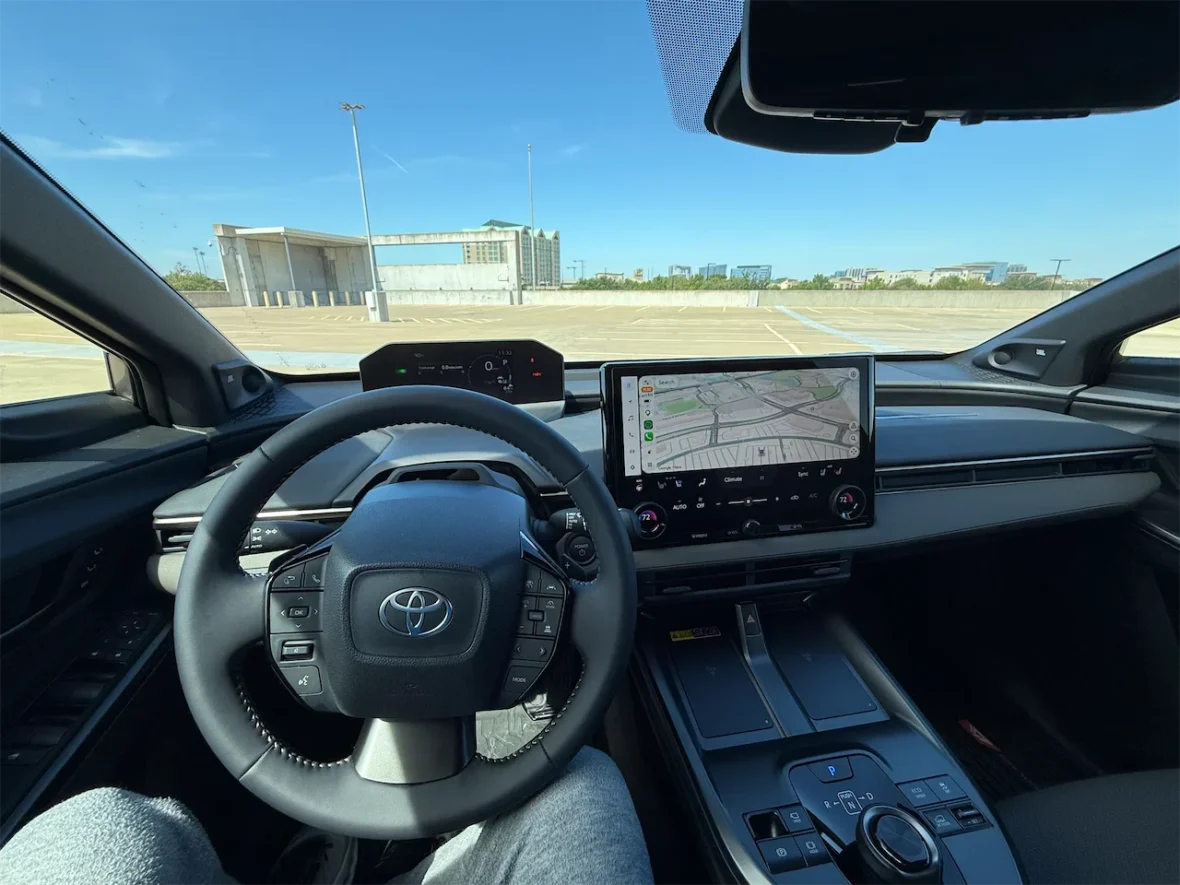
- A 14-inch multimedia display paired with a nine-speaker JBL audio system, plus Apple CarPlay and Android Auto
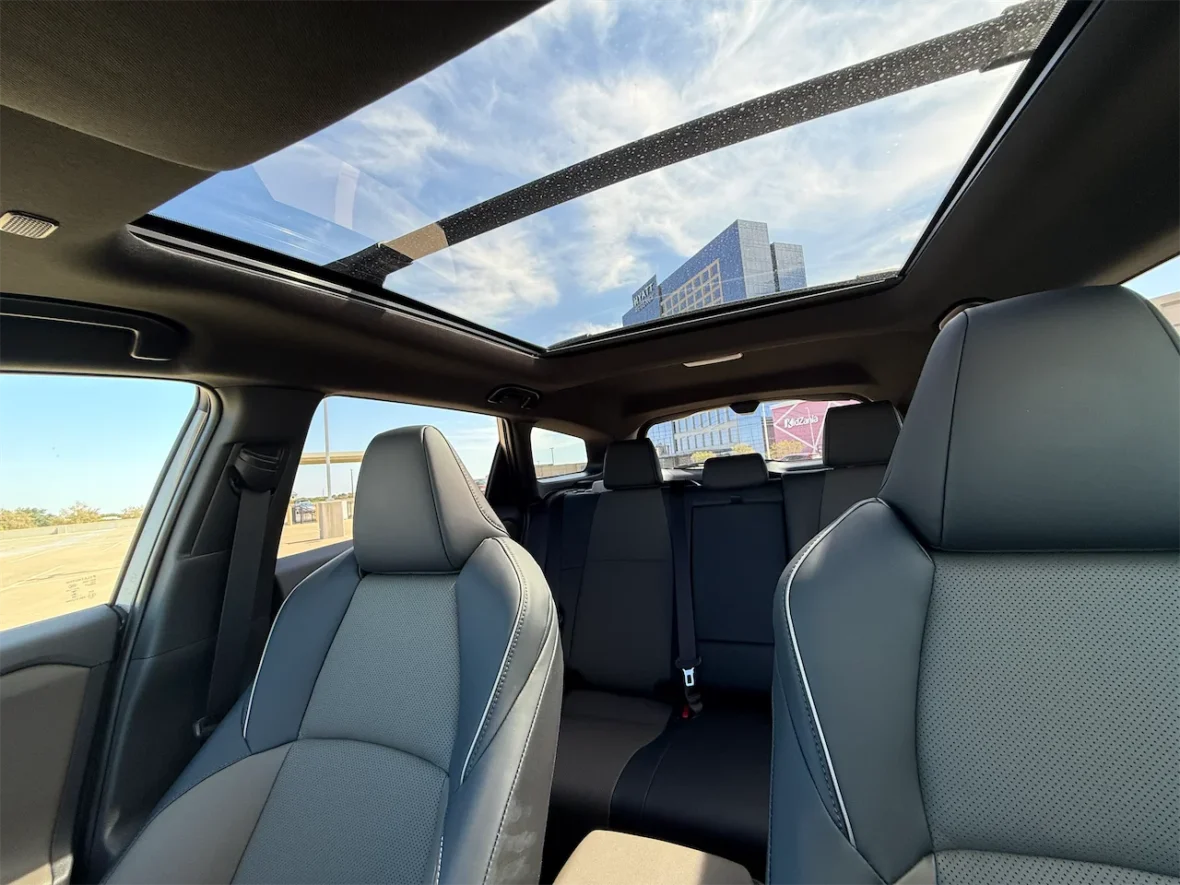
- Power seats and a fixed glass roof with a power shade
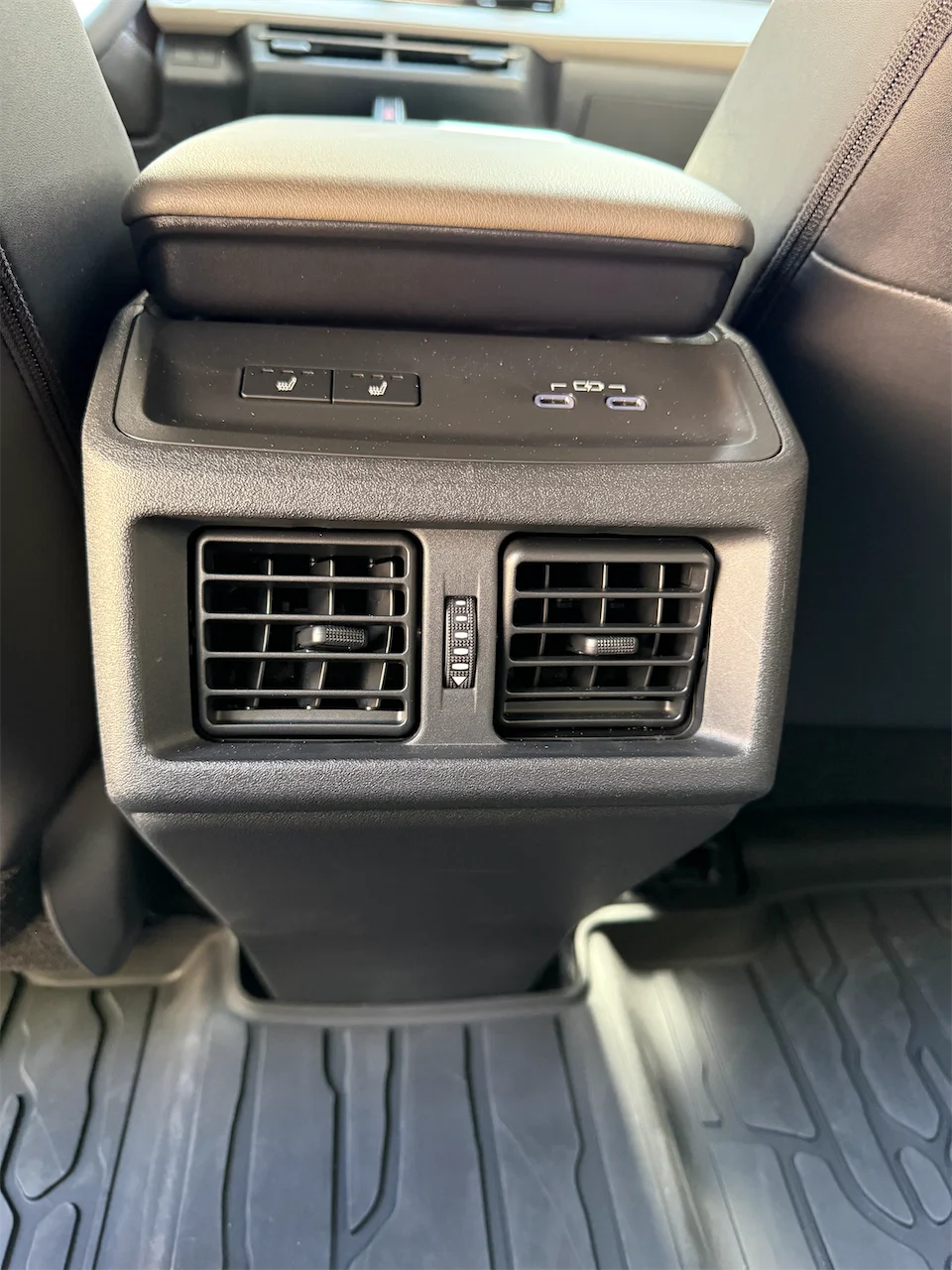
- Two Qi wireless chargers and four USB-C ports
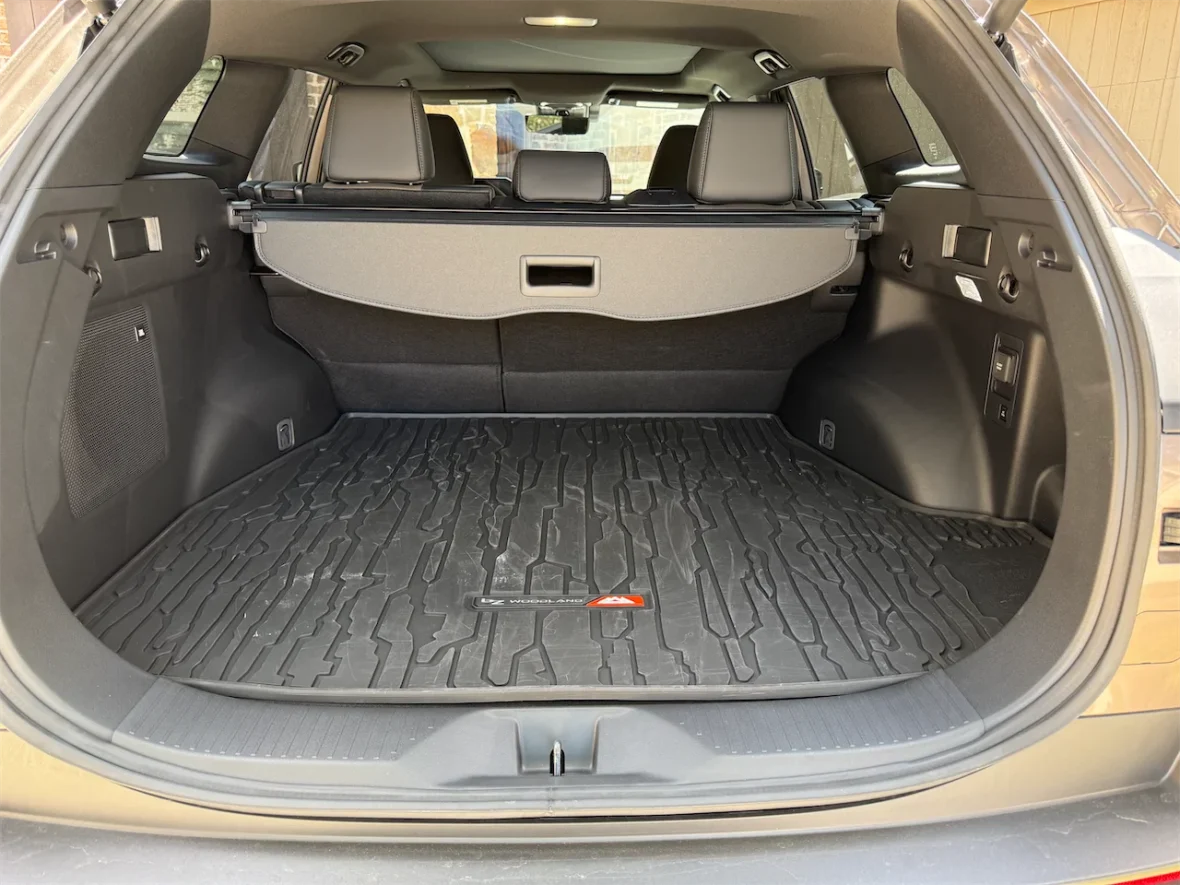
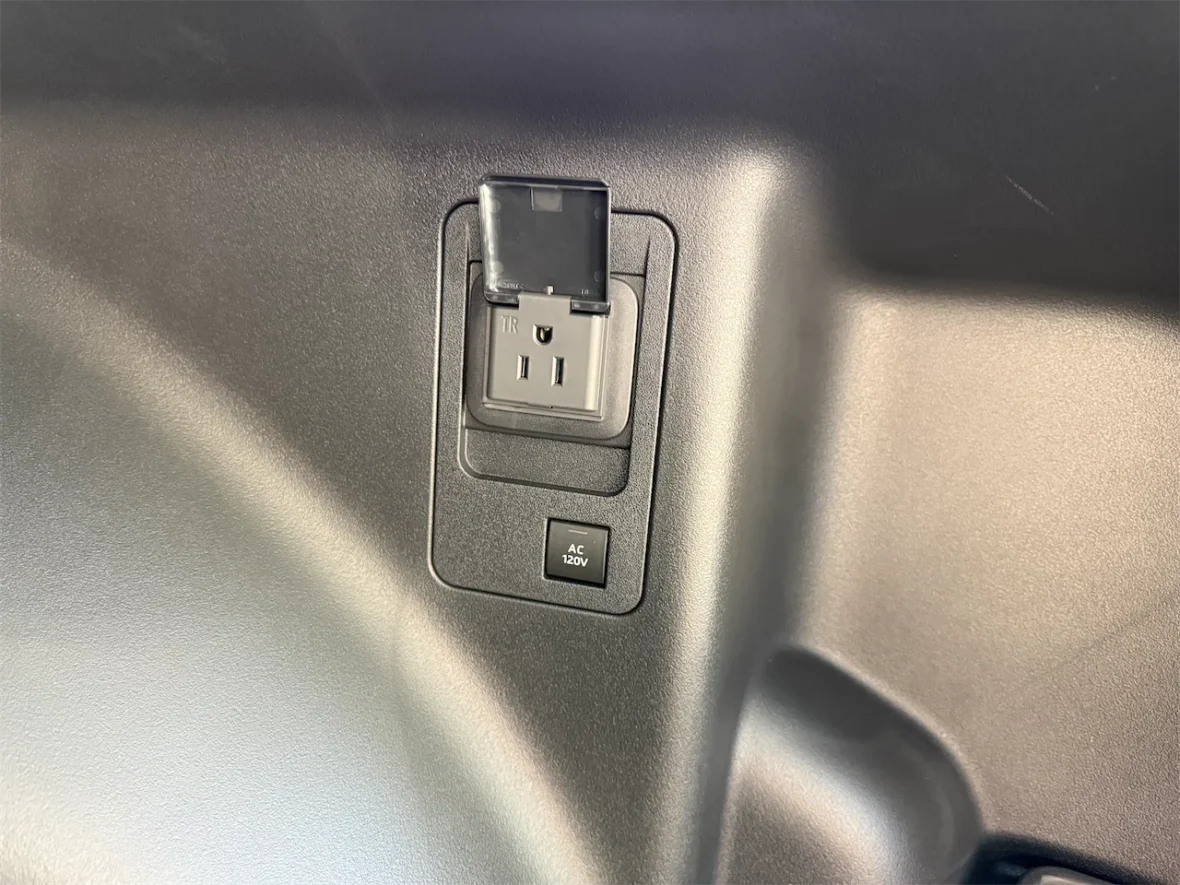
- A 1,500W AC outlet in the cargo area
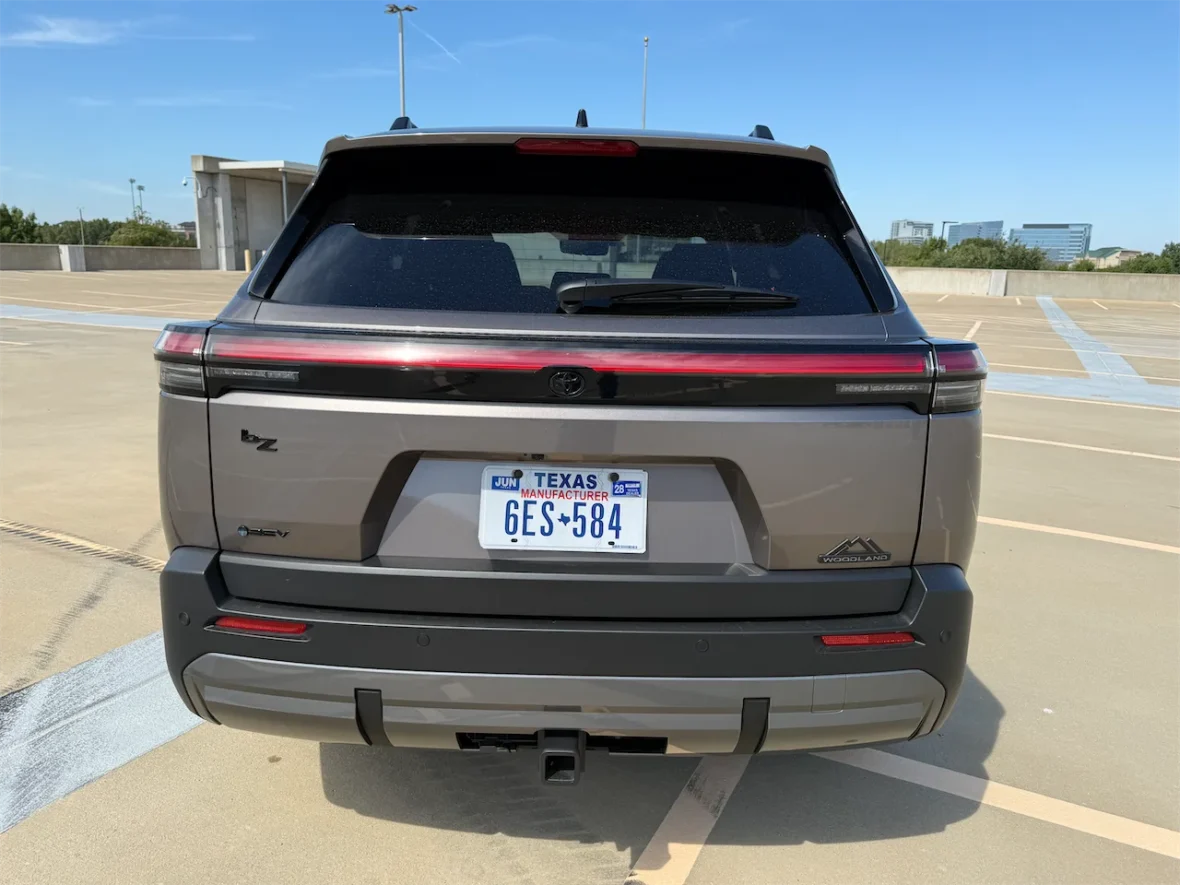
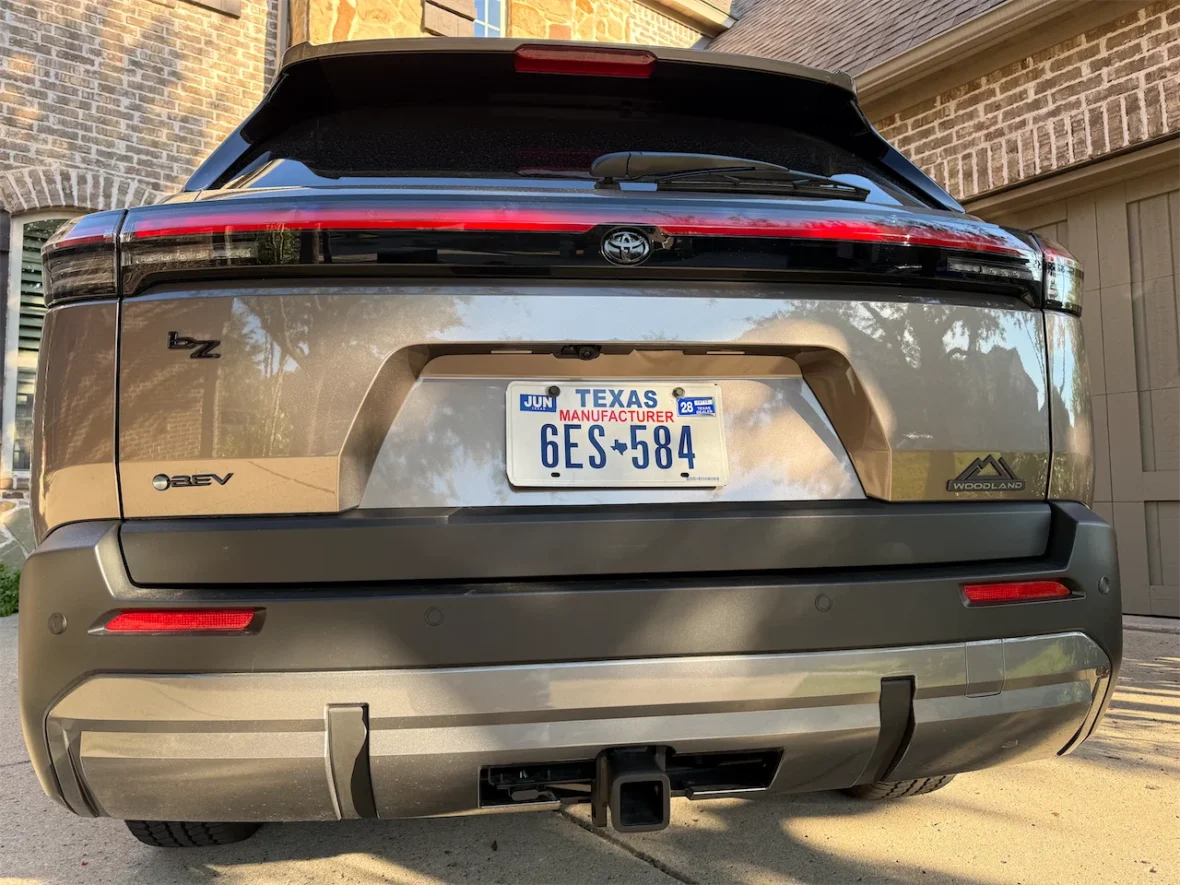
- A tow package
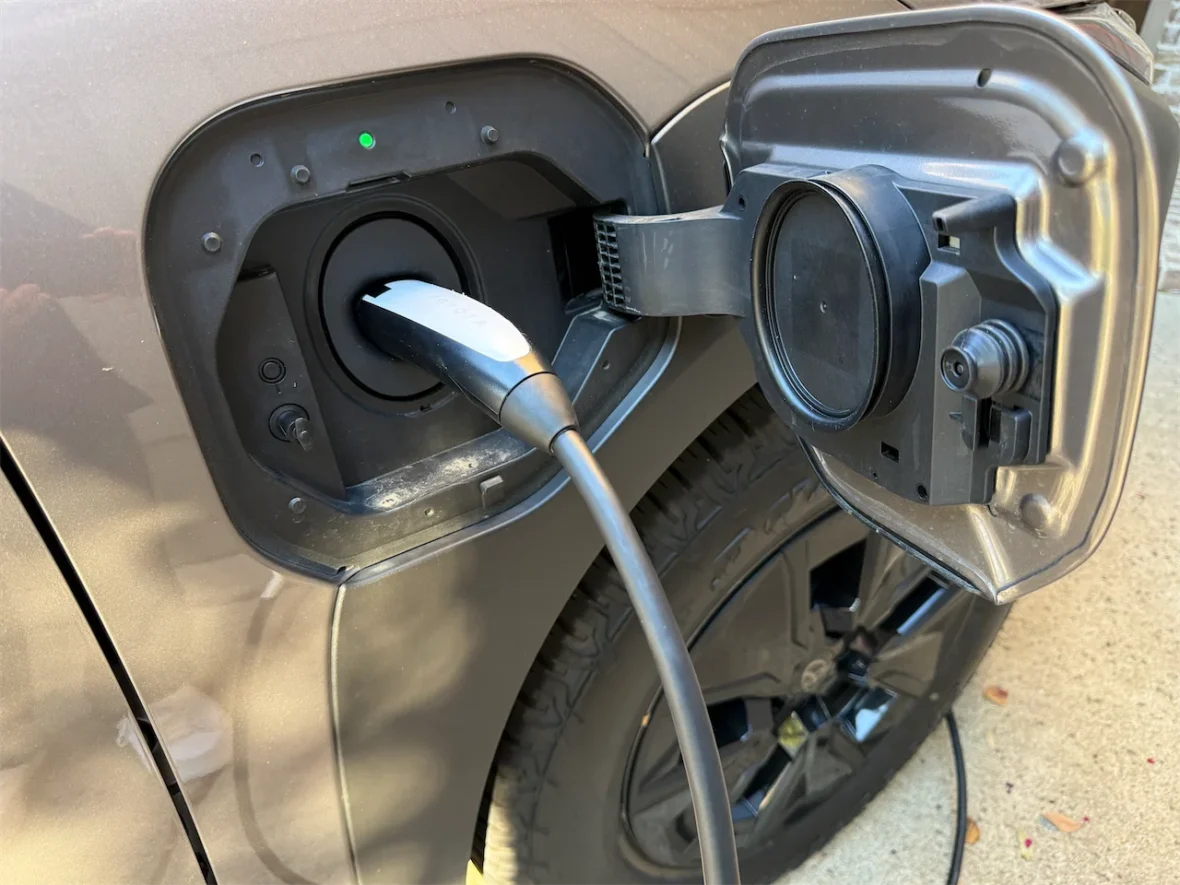
- NACS charge port, with CCS1 and J1772 adapters included
On the Road
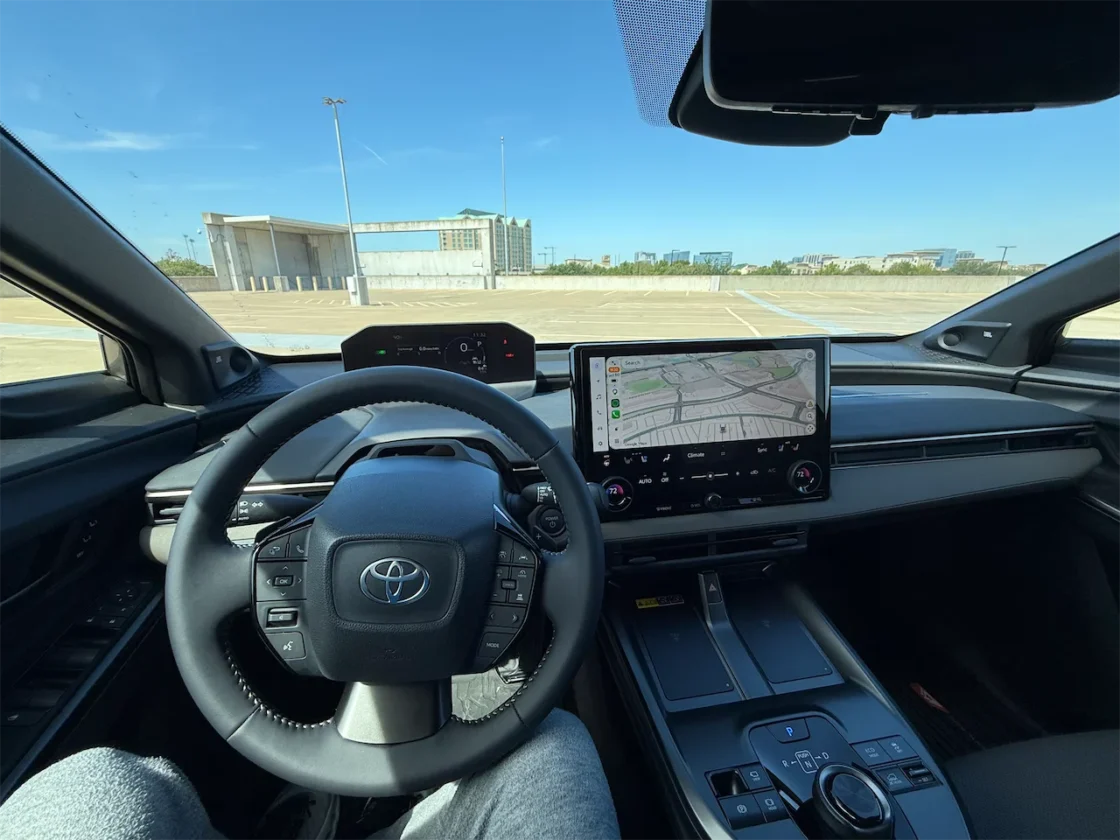
This is where the bZ Woodland earns its keep. The ride is smooth and quiet, the cabin is spacious and comfortable, and the acceleration genuinely surprises you. Zero to 60 mph in 4.4 seconds feels closer to a sports sedan than a family SUV, and the instant torque of the electric motors makes every merge and pass effortless.
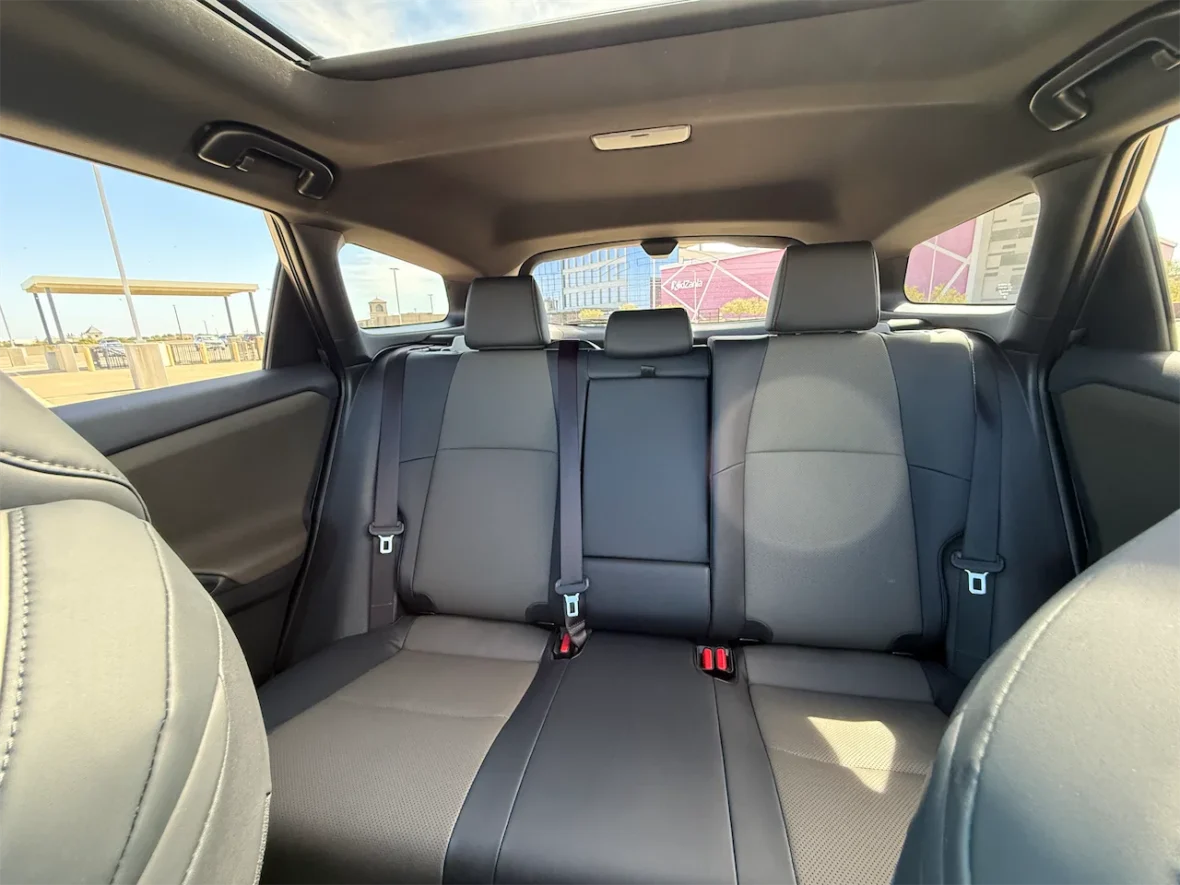
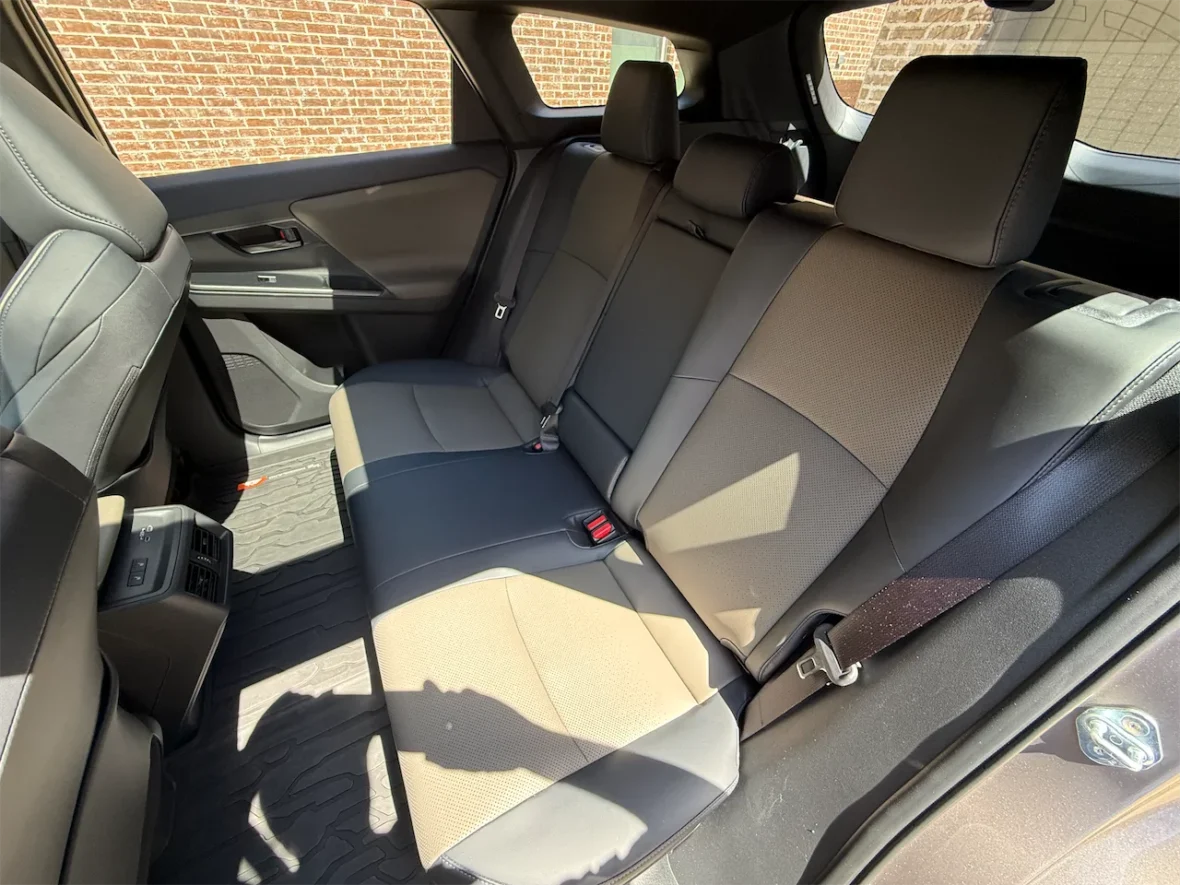
The driving dynamics are some of the best I have experienced in any vehicle, electric or otherwise. It is smooth, fast, quiet, and impressively composed through corners for something this size. Toyota’s engineering shows in the details: the low battery pack balances the weight well, the interior materials feel genuinely upscale, and the controls are intuitive enough that you are not hunting through menus while driving. It comfortably seats five, swallows a large amount of cargo, and can tow, which covers most of what a family actually needs from an SUV.
The AWD system offers dedicated modes for light snow, heavy snow, and mud, and with that low, well-balanced battery pack underneath, I would trust this vehicle in genuinely rough weather.
For comparison, I also recently drove my family’s 2026 Honda CR-V Hybrid AWD Touring across the country to Los Angeles, and it performed the entire way flawlessly. The bZ Woodland is a different kind of vehicle, but it left a similarly strong impression as a dependable, comfortable road trip companion.
Range and Charging
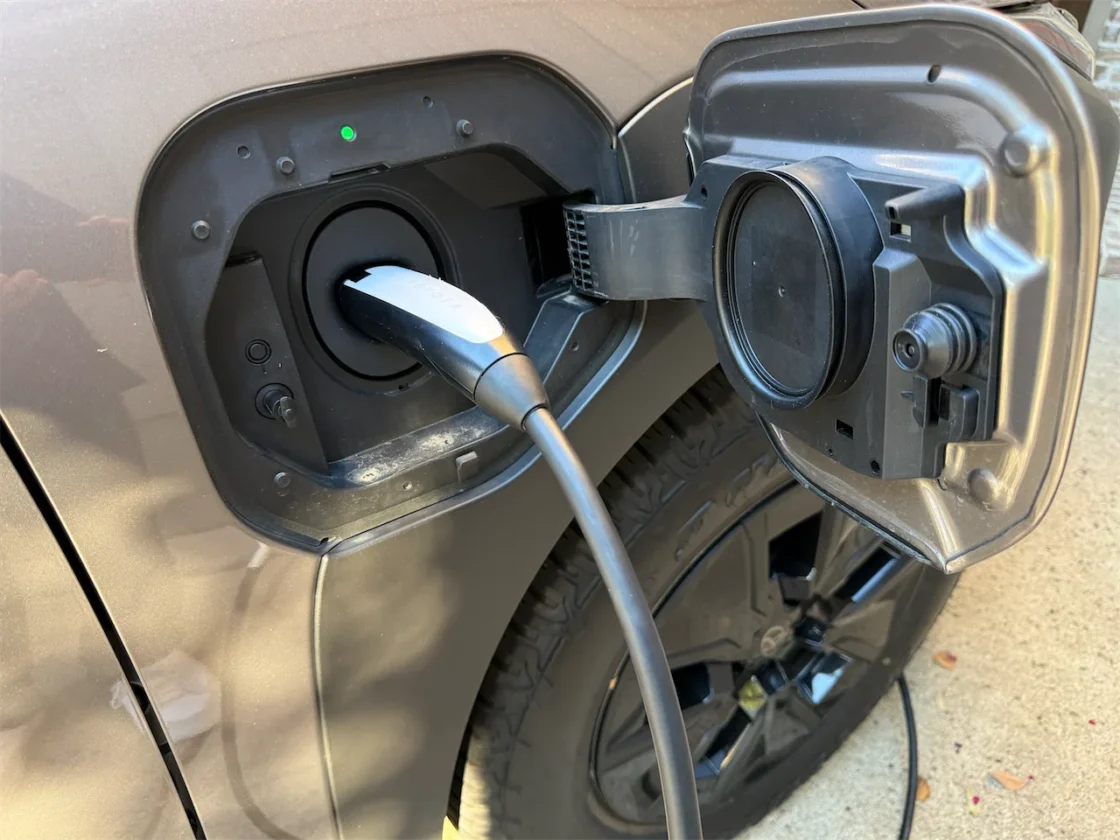
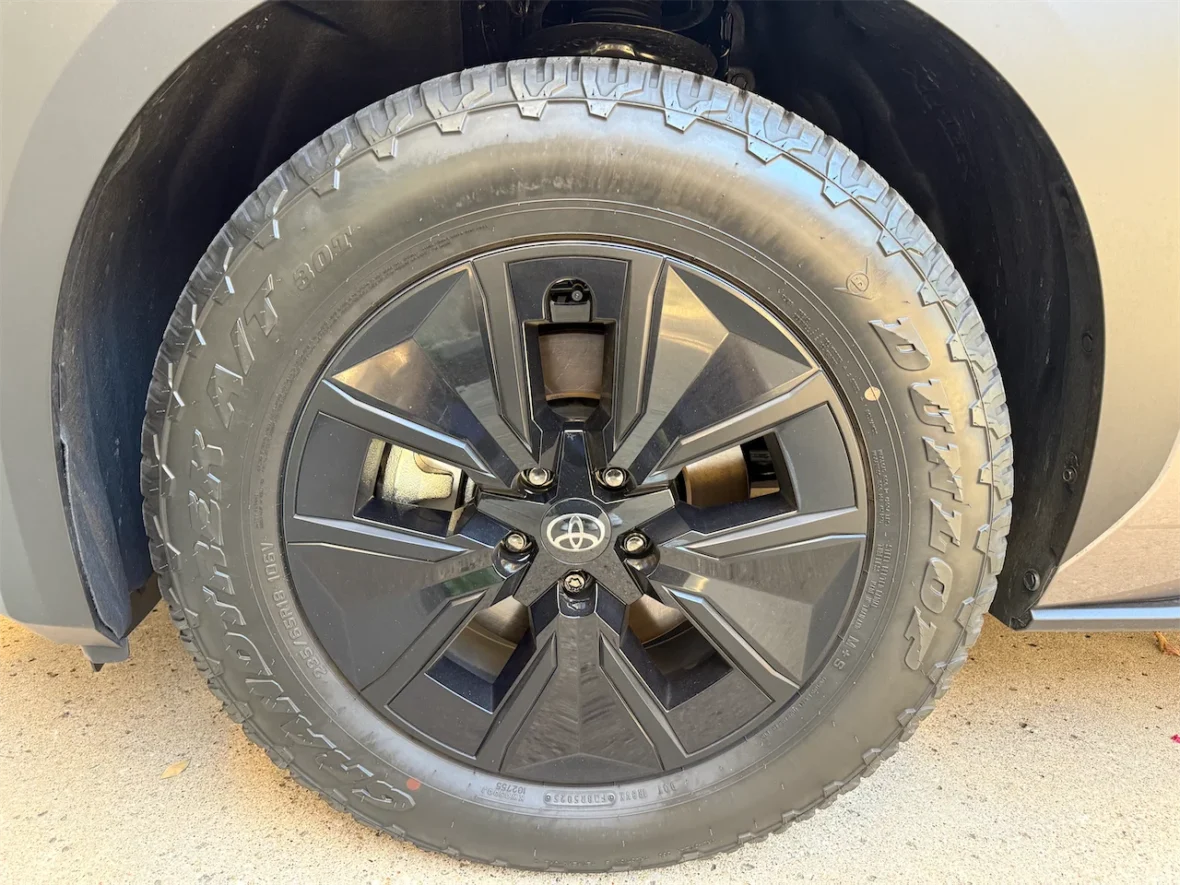
Real-world range landed around 220 miles, while the EPA estimate on all-season tires is rated at 281 miles. Range drops a bit further on all-terrain tires. Battery technology and efficiency will likely close that gap over time, but for now, plan around the real-world number rather than the sticker figure.
Charging is where things got frustrating, and it has nothing to do with the vehicle itself. The bZ Woodland uses a NACS port, the charging standard originally developed by Tesla and now adopted industry wide, along with CCS1 and J1772 adapters for backward compatibility. On paper, that should mean access to Tesla’s massive Supercharger network.
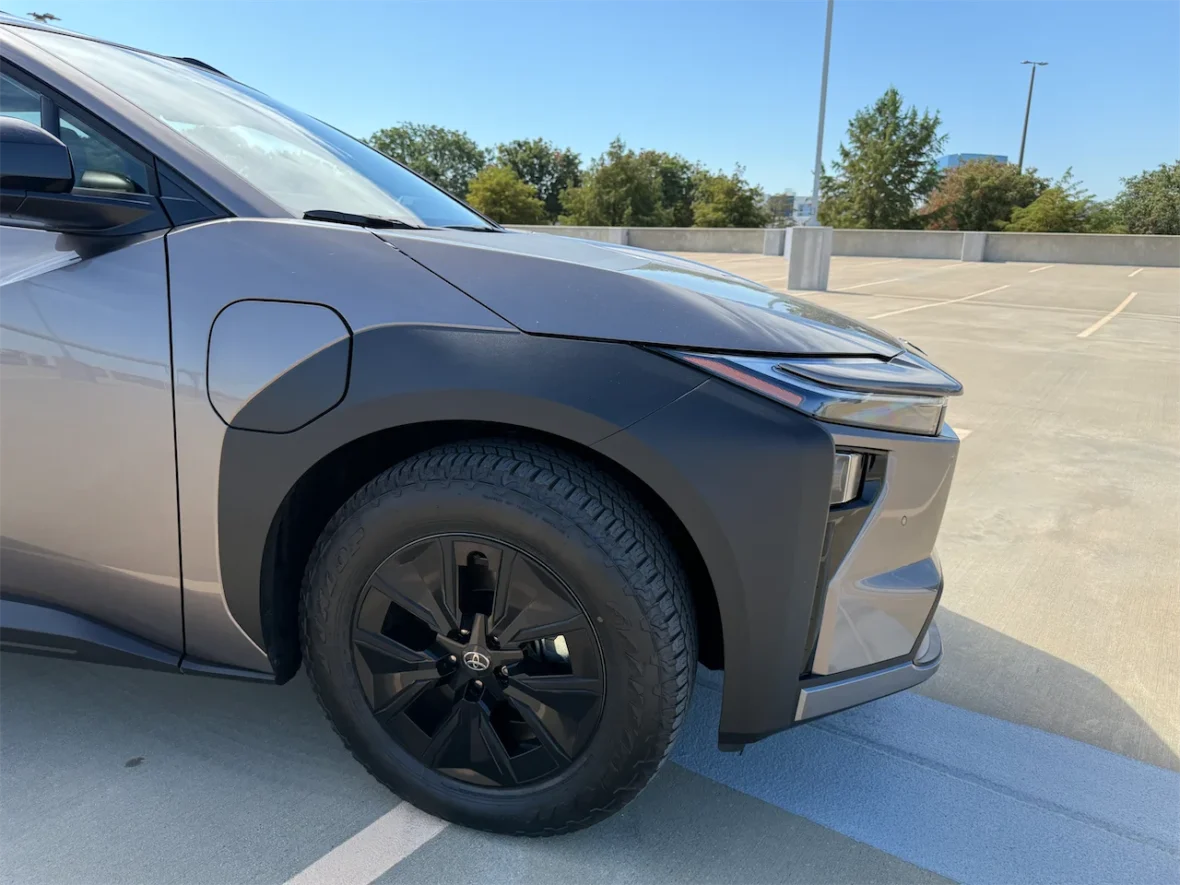
In practice, I stopped at two different Tesla stations and could not charge at either one. Tesla’s charging cables were built for Tesla’s own rear-mounted charge port, and they are often simply too short to reach the bZ Woodland’s port, which sits on the front right quarter panel. From what I understand, Tesla’s newer stations, the ones that look like a single solid unit rather than the older style with a gap between the pump and cable reel, come with longer cables built to accommodate non-Tesla vehicles. Older stations do not.
Tesla now markets NACS as a near-universal standard, and the Tesla app will route you to nearby stations based on your vehicle type. But it doesn’t reliably distinguish between older, shorter-cable stations and newer ones built for a wider range of vehicles. Until that gets sorted out, non-Tesla drivers should expect some trial and error.
If home charging is part of your plan, the right charger takes the public-network guesswork out of the equation. Huge thanks to Lectron for supporting the channel: you can get your Lectron EV charger here.
Where It’s Built
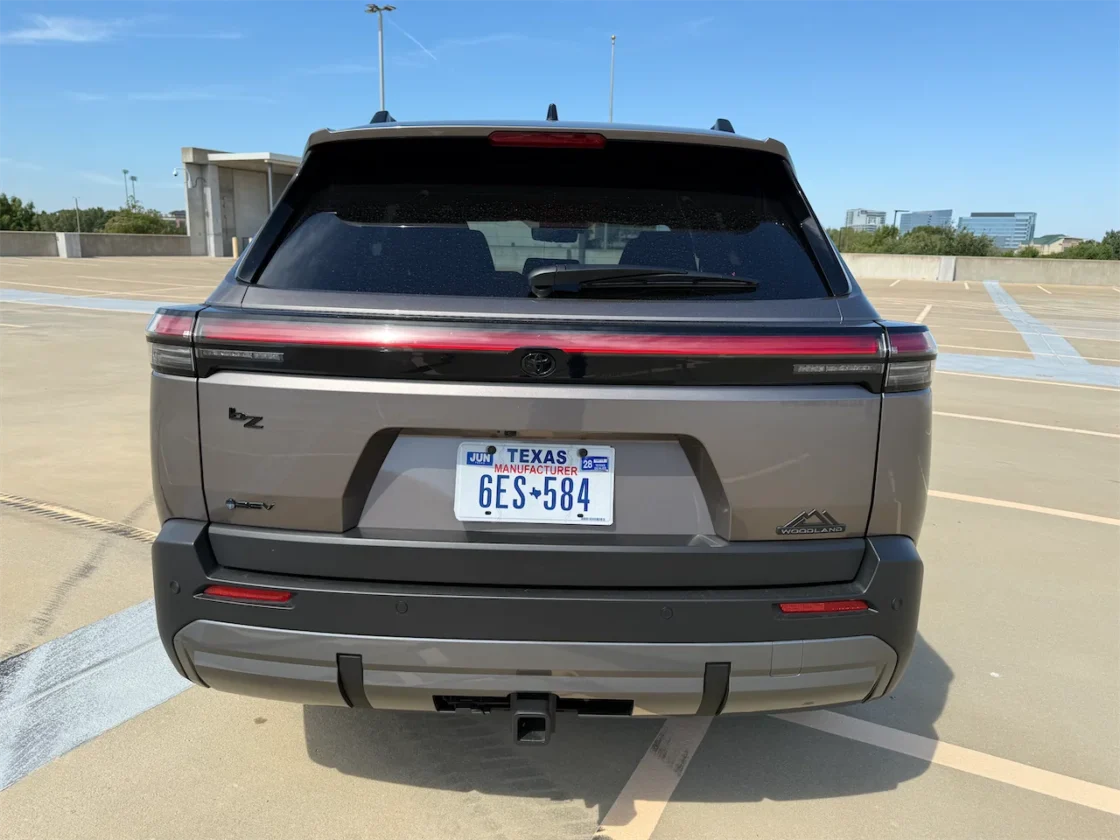
The bZ Woodland is assembled in Ota, Gunma, Japan, on the same line as the Subaru TrailSeeker. That is not a coincidence. Toyota holds a 20% stake in Subaru, and the two companies share EV platform engineering. That same partnership underpins the 2026 Toyota C-HR XSE Cory recently tested, which rides on the same EV architecture as its own Subaru twin.
The Verdict
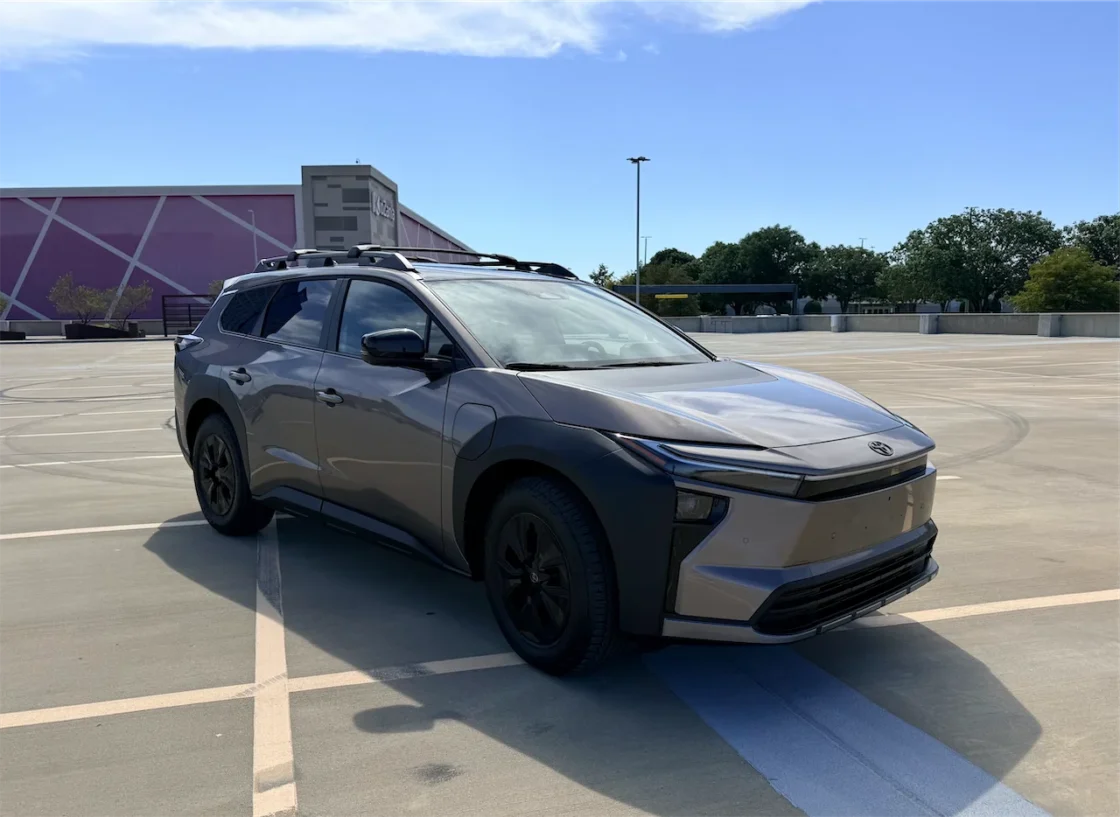
This was my first extended stretch of time living with a fully electric vehicle, and Toyota made a strong first impression. Range is not class-leading, but everything else is impressive enough to make up for it: the comfort, the capability, the performance, the smooth and quiet ride, and the hauling ability. The instant acceleration alone is worth experiencing.
It is a genuinely practical family vehicle. The only real caveat is charging logistics, and that is a Tesla network problem more than a Toyota problem. If you can charge at home or at newer public stations, the bZ Woodland is easy to recommend.
The Toyota bZ Woodland AWD has a base MSRP range of $45,380 to $47,480 (excluding destination charges or dealer adjustments) depending on the trim.