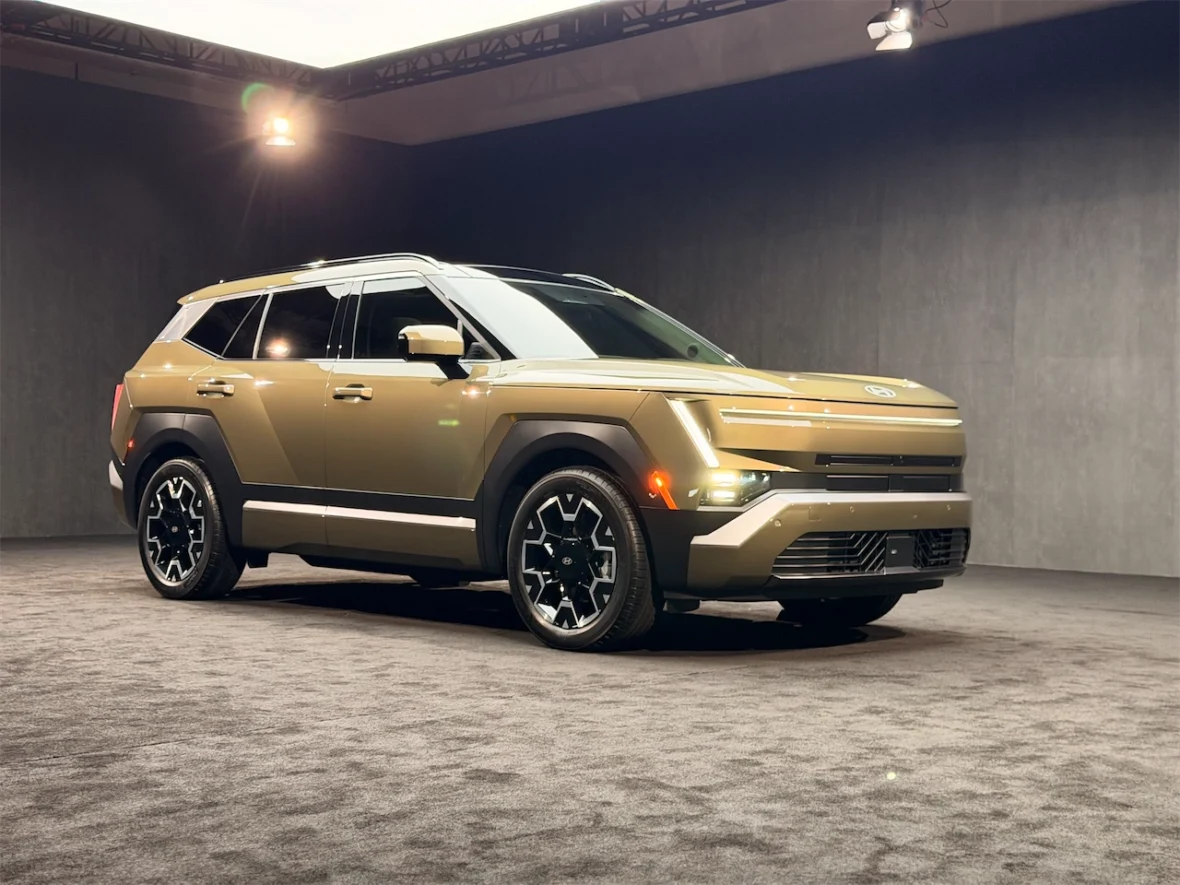
2027 Hyundai Tucson First Look: Hyundai’s Boldest SUV Gets a Living Room Cabin and Up to 42 MPG

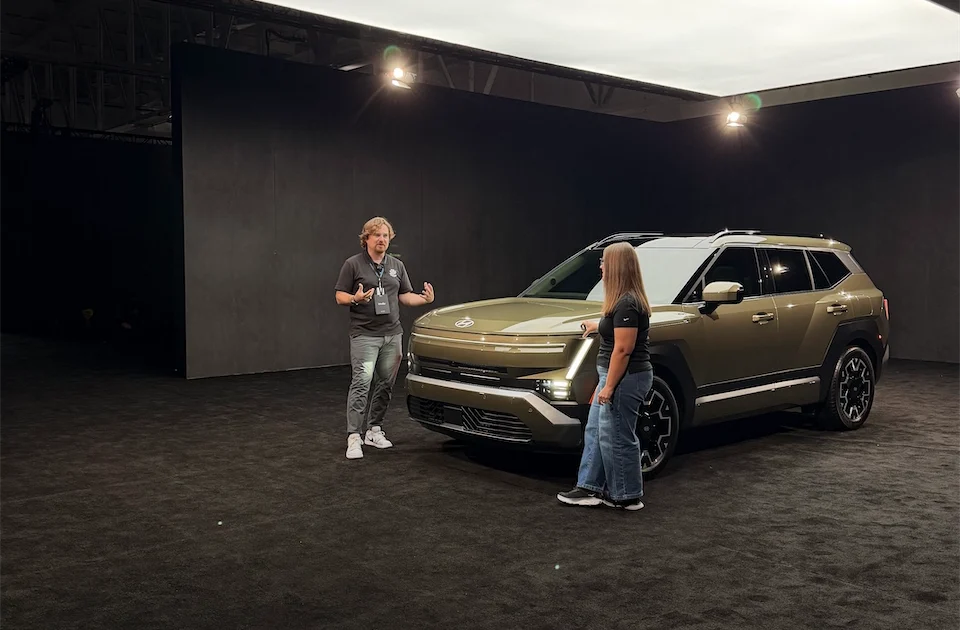
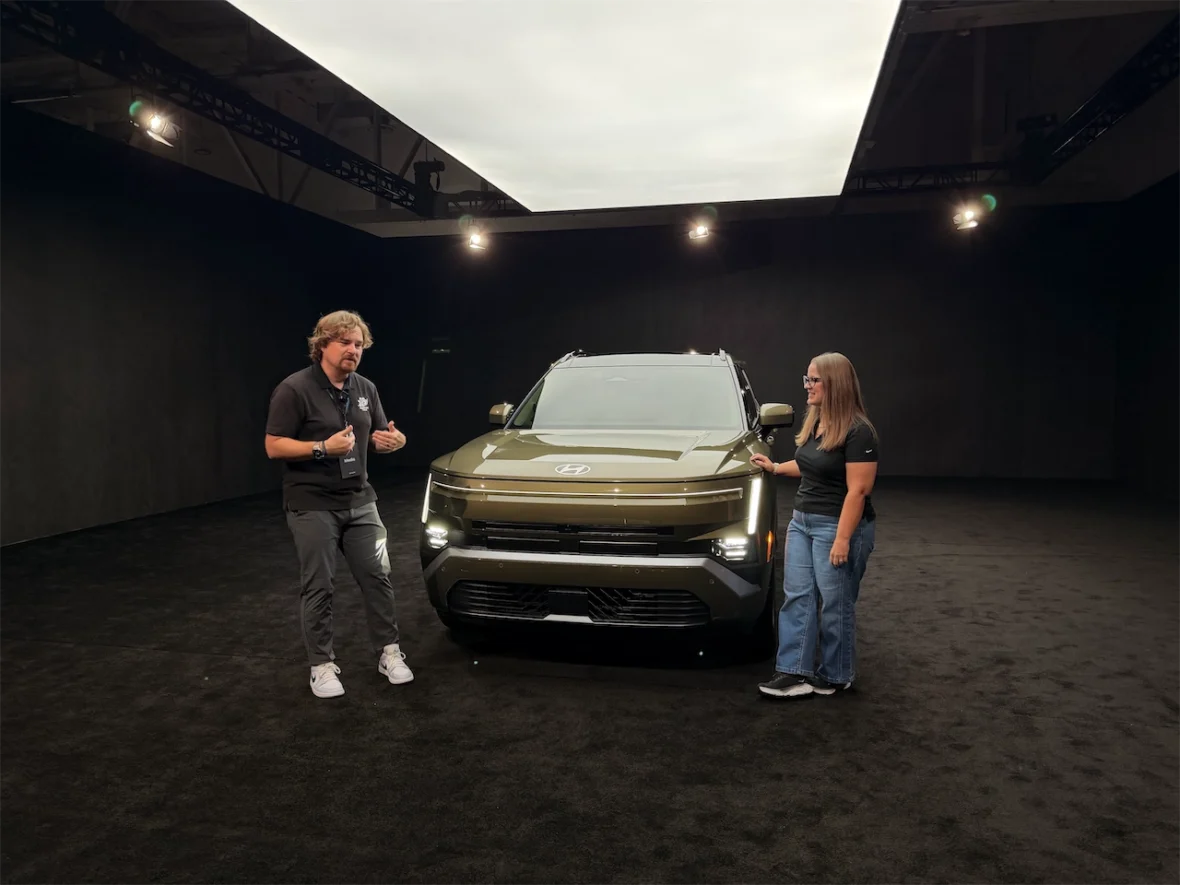
The Tucson is a core vehicle for Hyundai. The brand sold more than 250,000 of them in the U.S. last year, so a redesign this big is a big deal. Holli and I flew to New York City for an exclusive first look at the all-new 2027 Hyundai Tucson ahead of its world premiere against the Manhattan skyline, and we came away impressed by how much of this SUV was designed around everyday family life.
This one is personal for us, too. Holli’s family has owned Hyundais for years, including a Tucson, and we have said for a long time that our next family vehicle will most likely be a hybrid. After walking around and poking around inside the new Tucson, I can tell you it makes a strong case for itself.
Hyundai’s Boldest SUV Looks Wider Than It Is
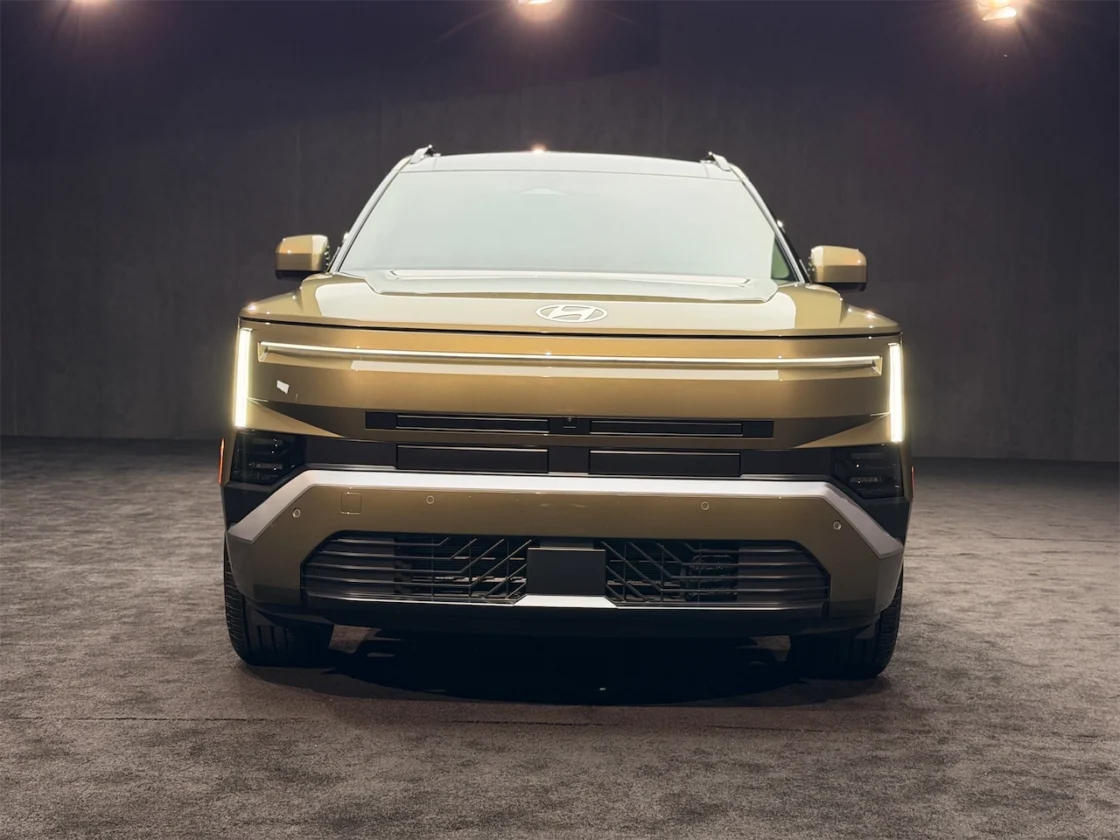
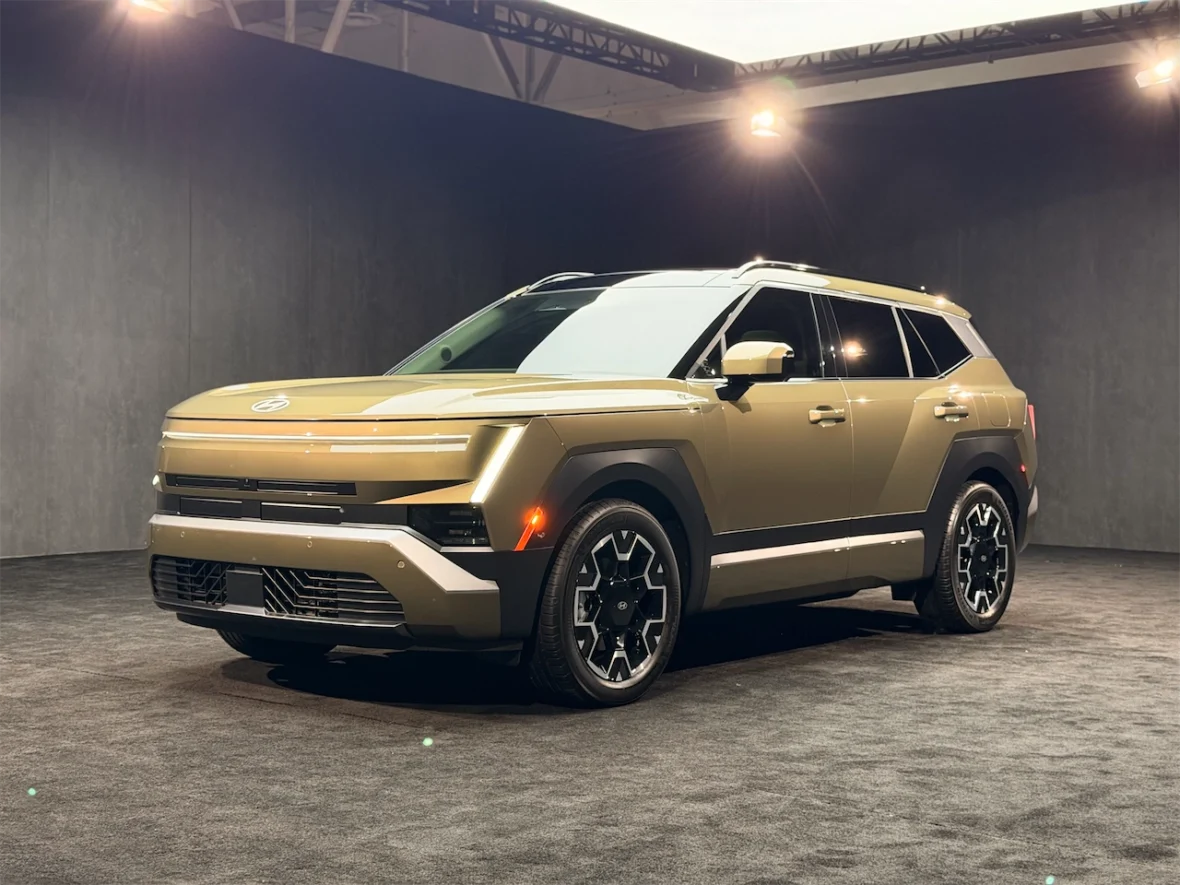
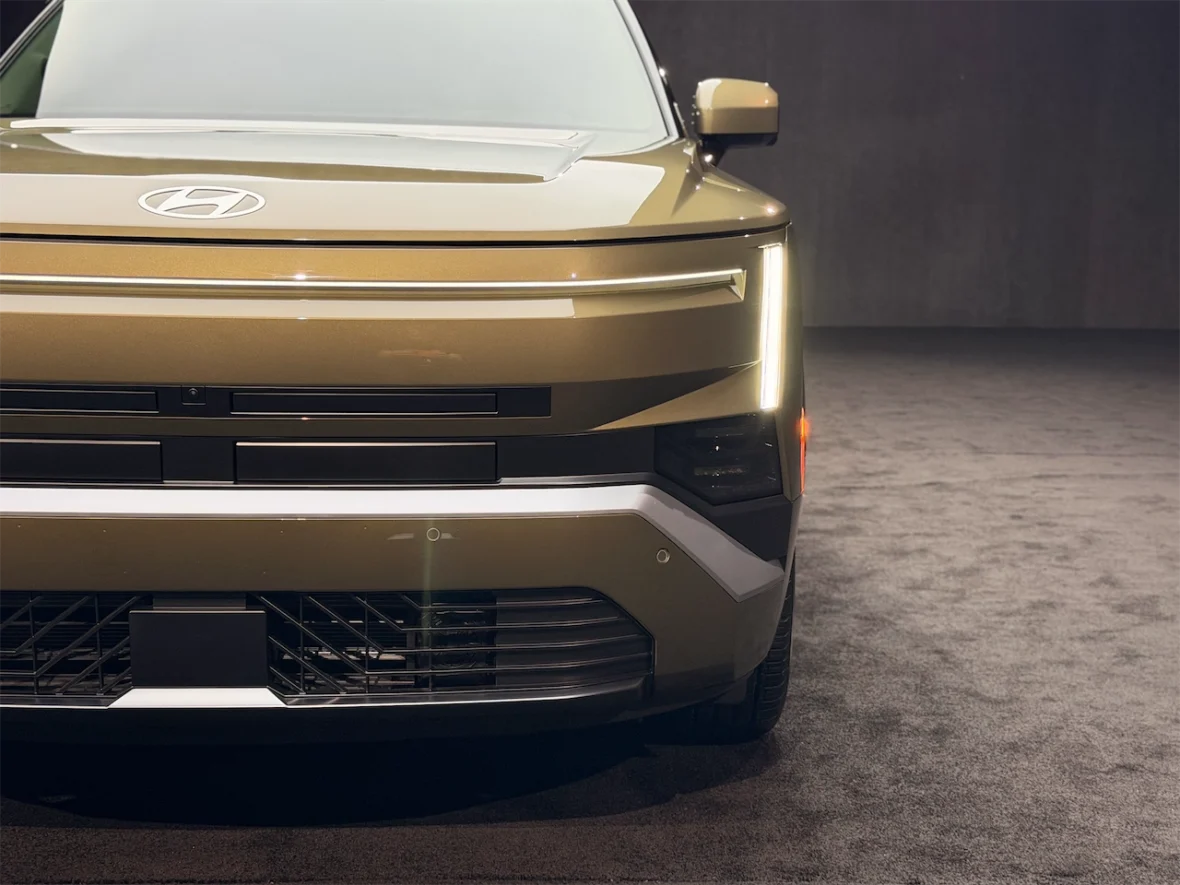
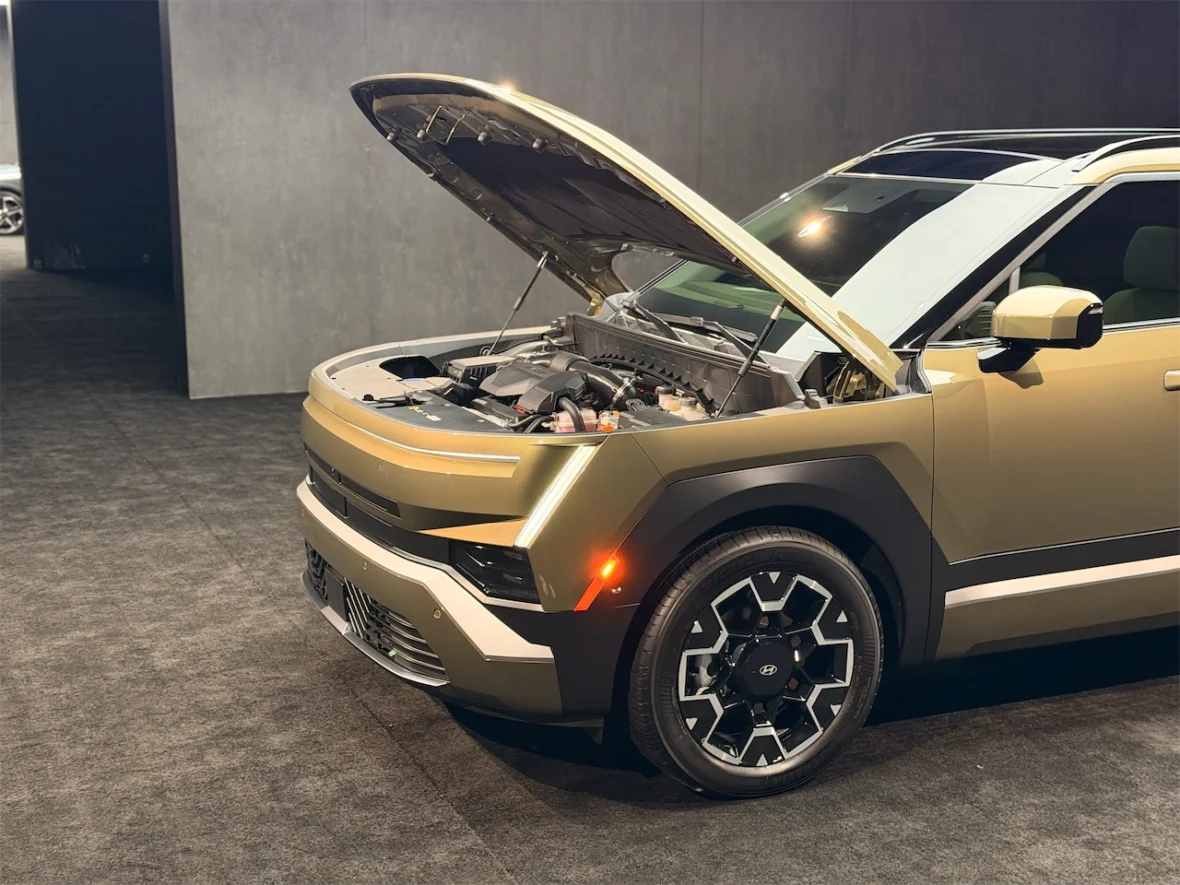
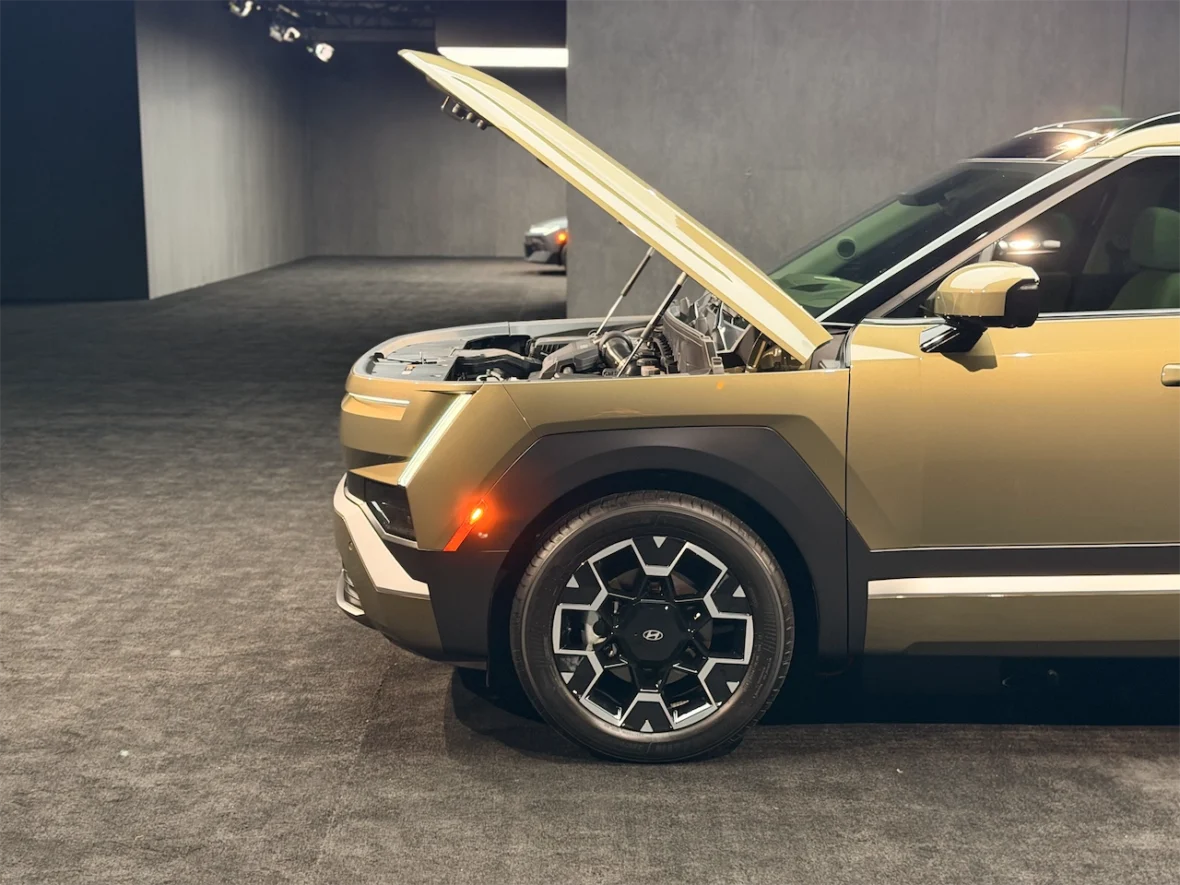
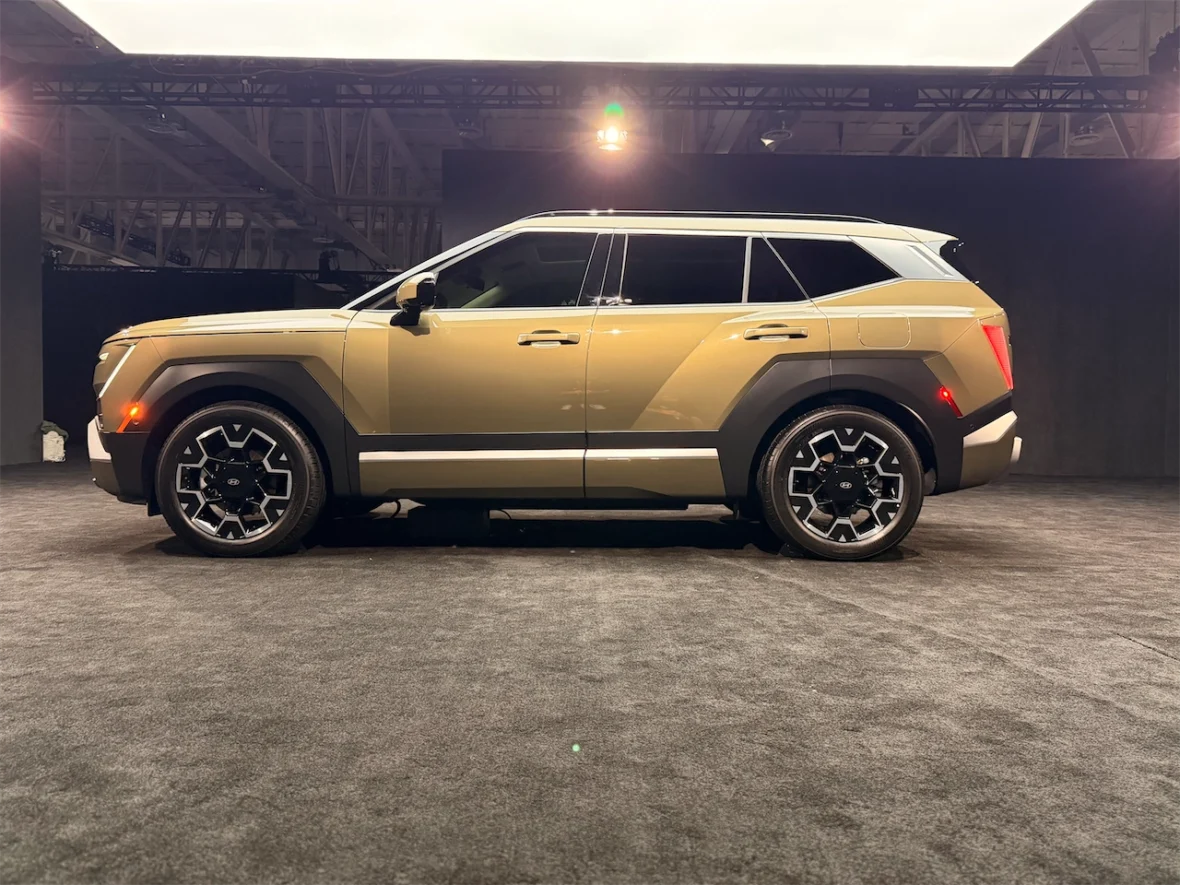
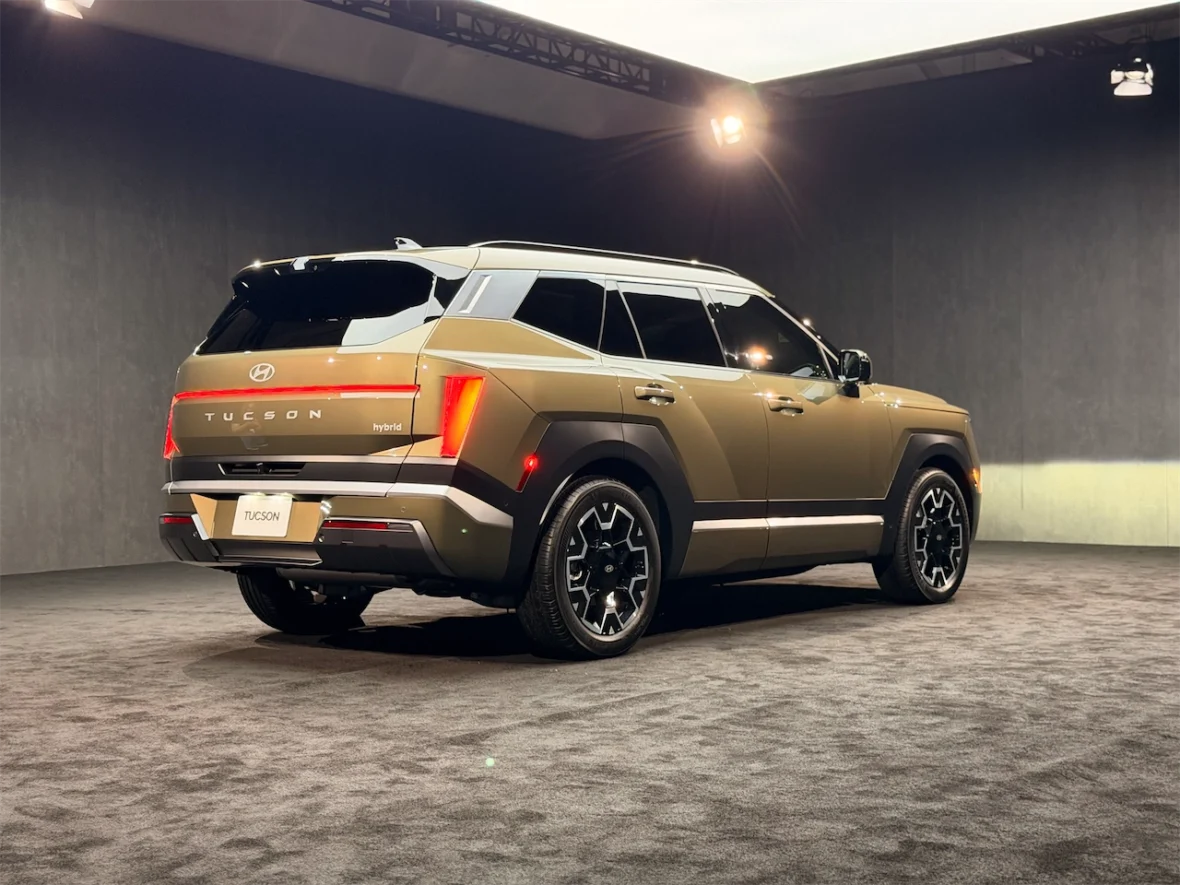
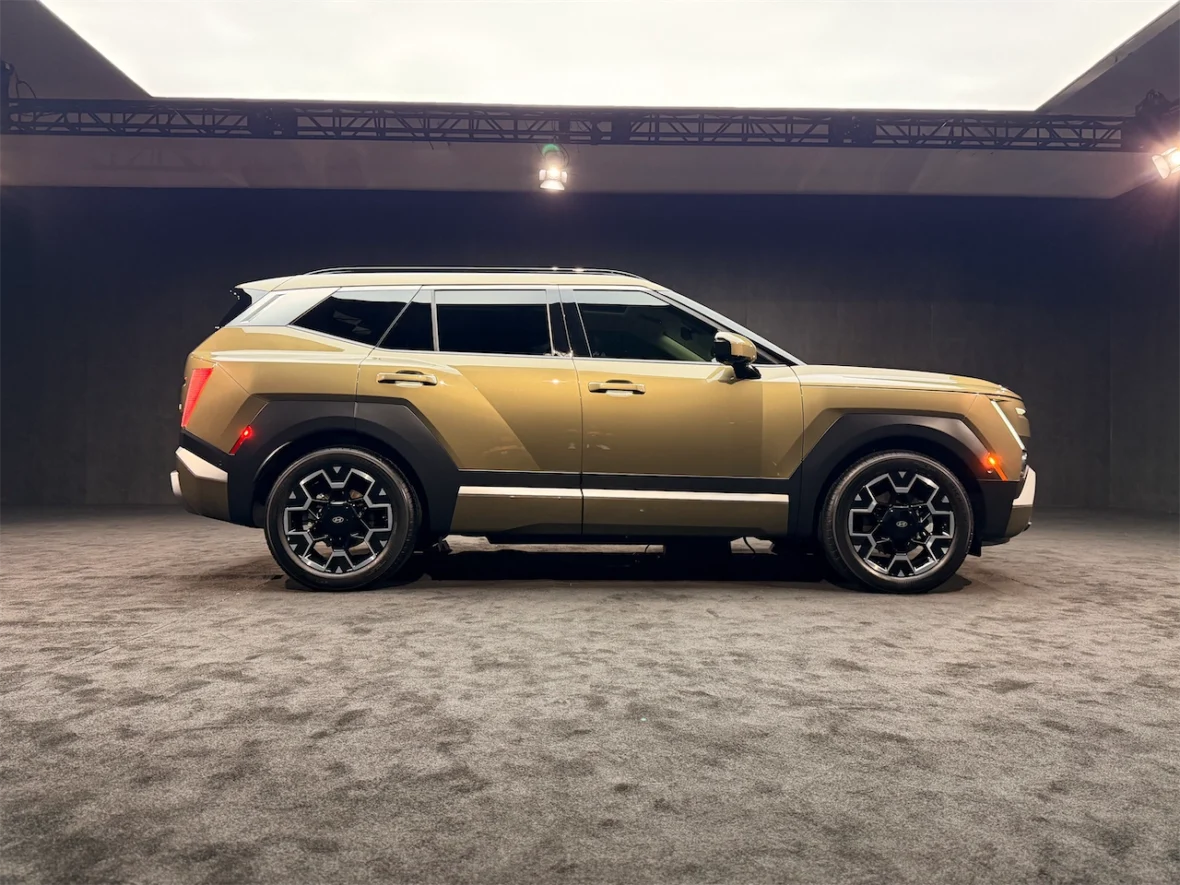
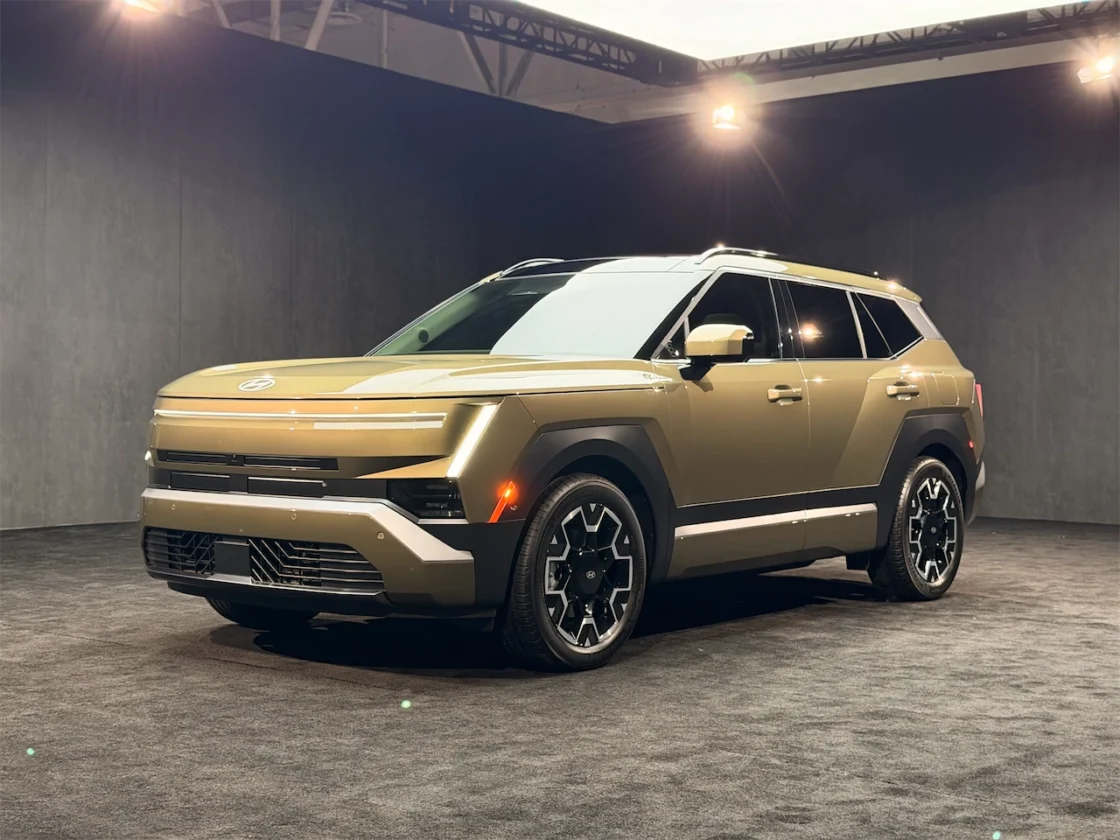
Hyundai calls the new Tucson its “Boldest SUV,” and the design backs that up. It is built around the brand’s “Art of Steel” design language, with muscular fenders, restrained door surfaces, and crisp body lines. Compared to the outgoing model, the new Tucson is 2.4 inches longer, 1.6 inches wider, and about 0.8 inches taller.
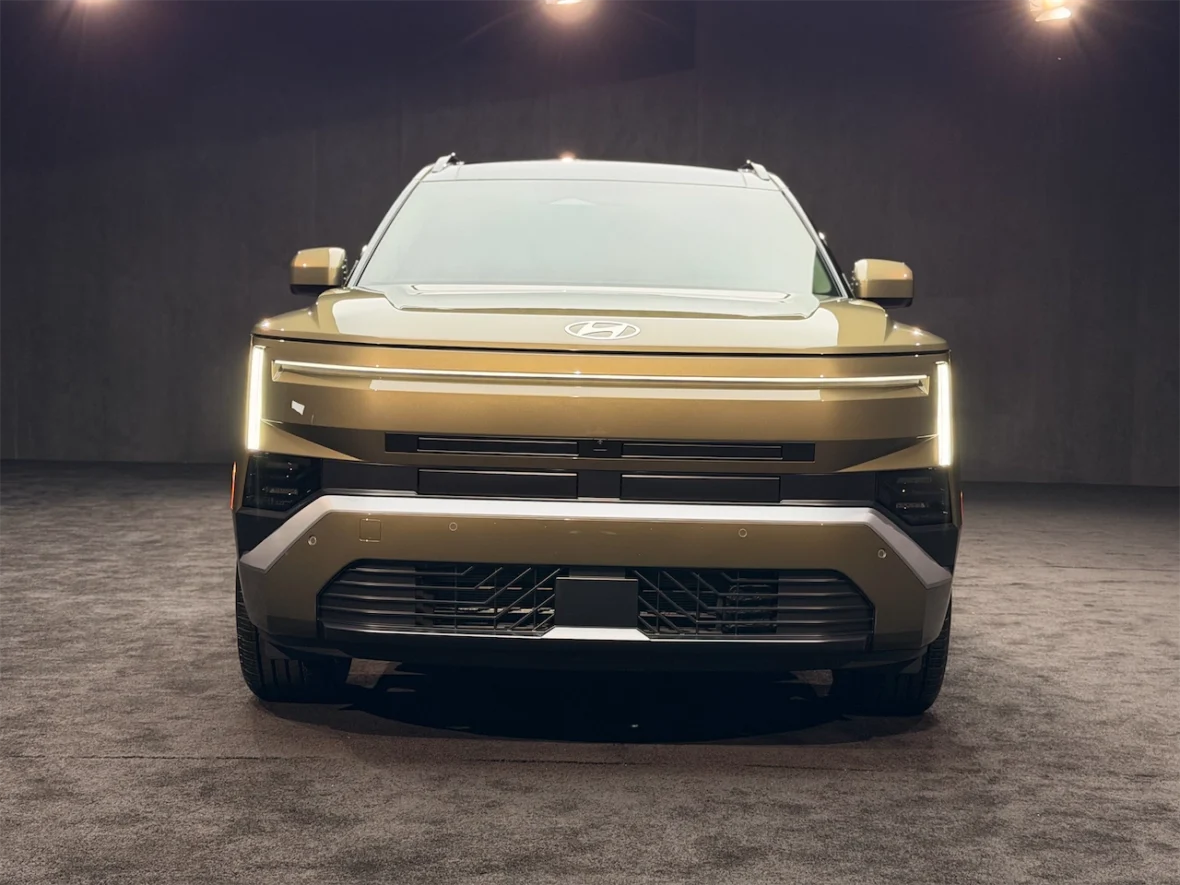
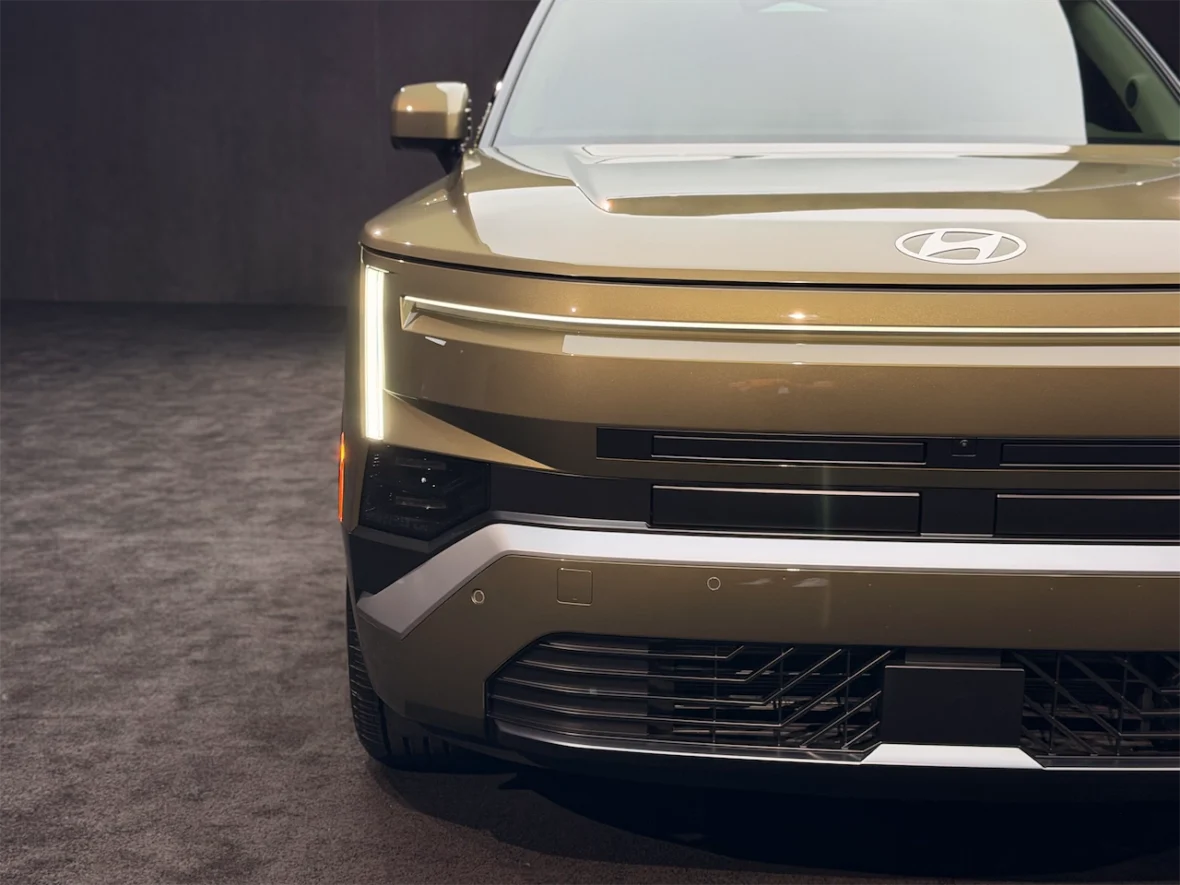
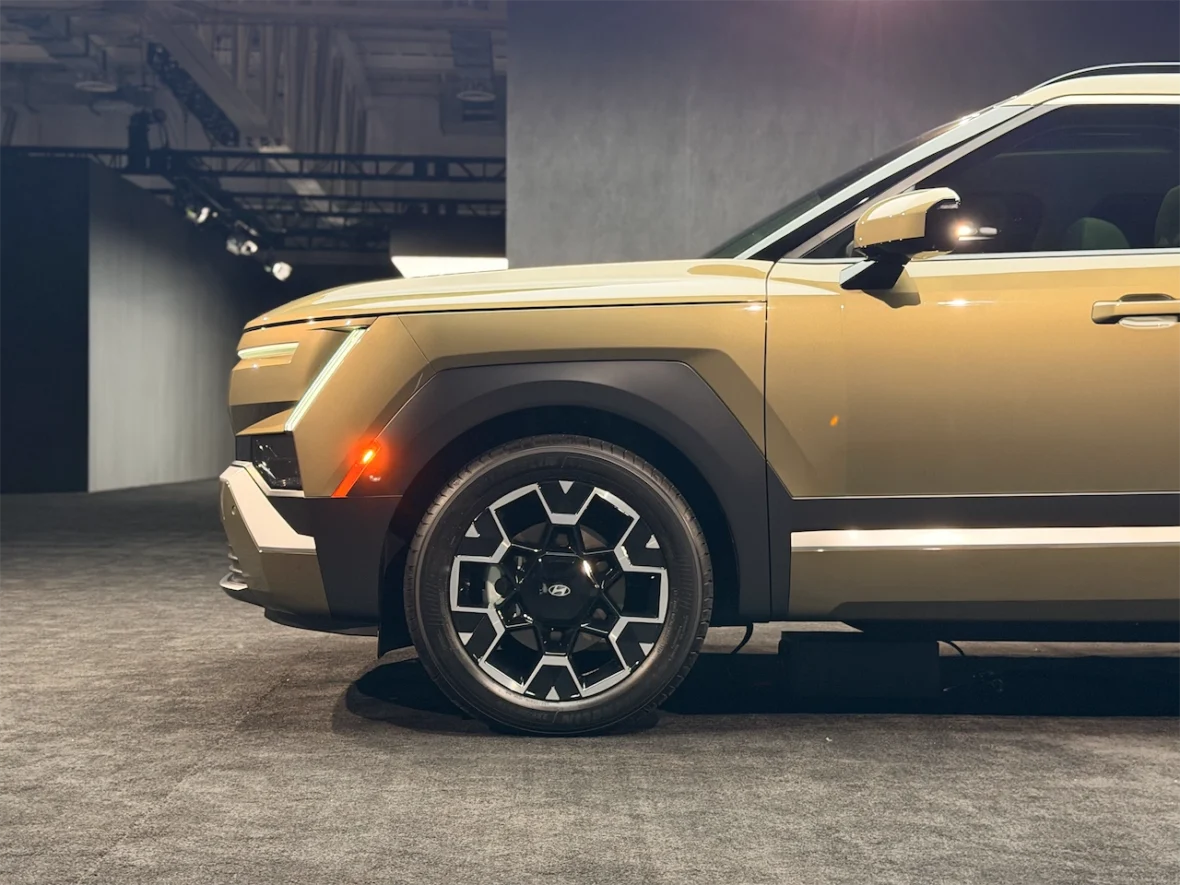
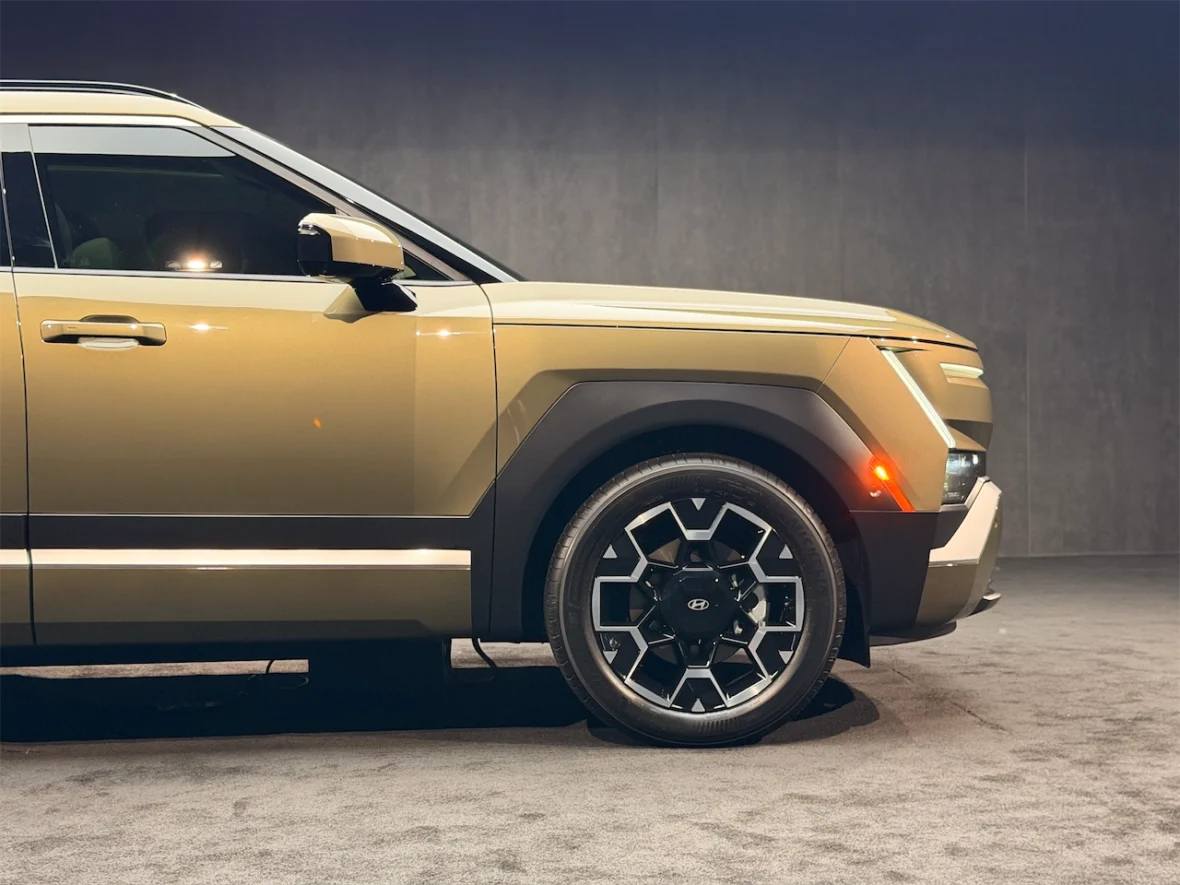
However, the real trick is how much wider it looks. Think of it like a pinstripe suit. Vertical stripes make you look taller, but horizontal lines make you look wider. Hyundai uses that same idea up front with a wide H-Edge light bar that stretches across the nose. Vertical lamps at the corners and low-mounted headlights add to that wide, planted stance.
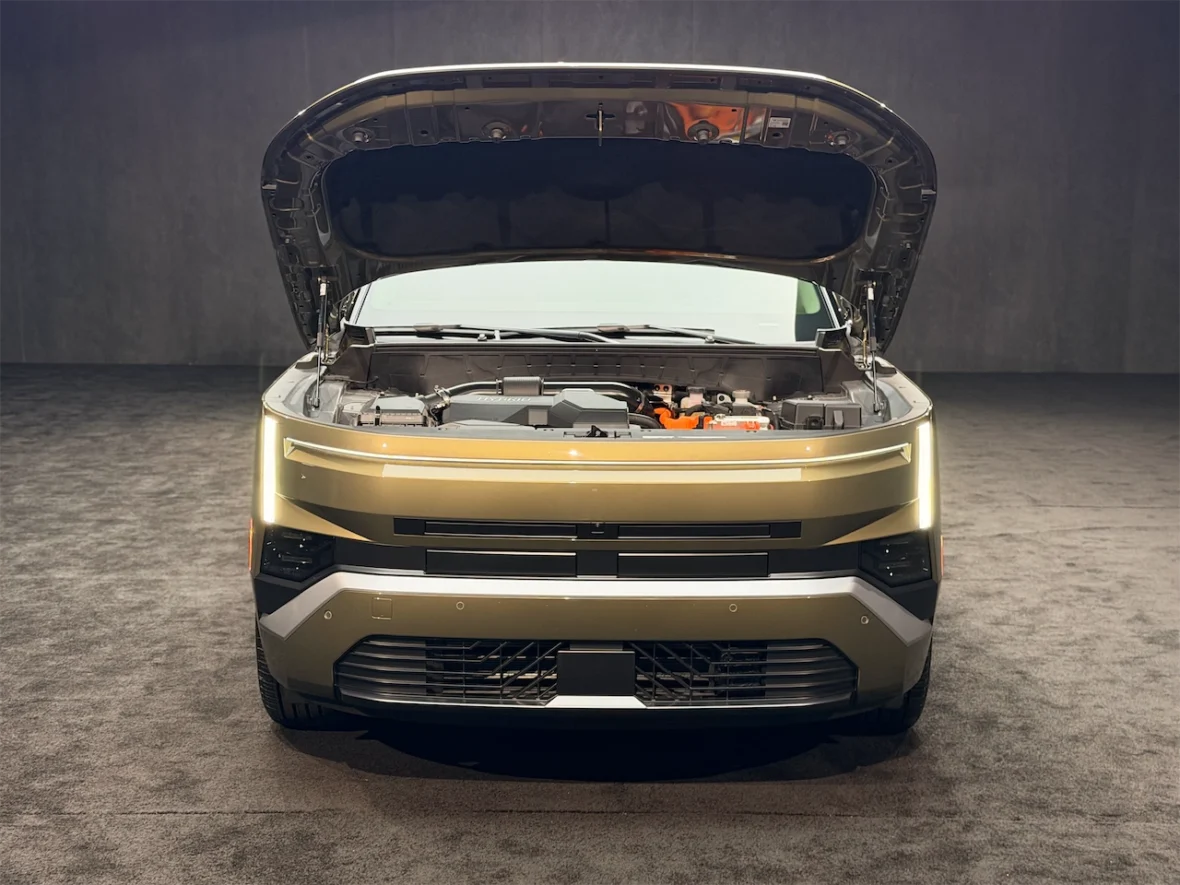
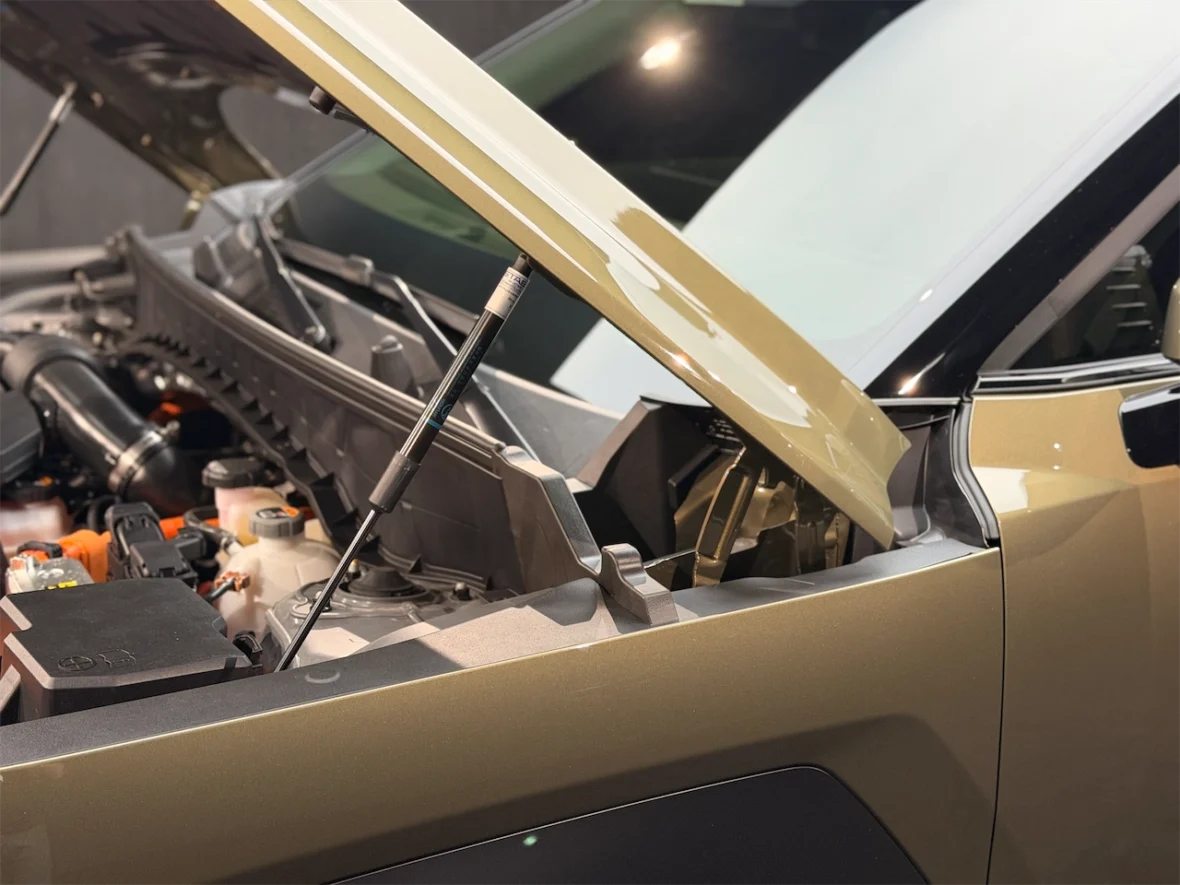
The clamshell hood helps, too. It wraps all the way out to the edges, so much so that the top of each fender is tucked underneath it. Meanwhile, Hyundai kept the actual width in check on purpose. The brand wanted the Tucson to look more imposing on the road while still slipping easily into a crowded parking spot.
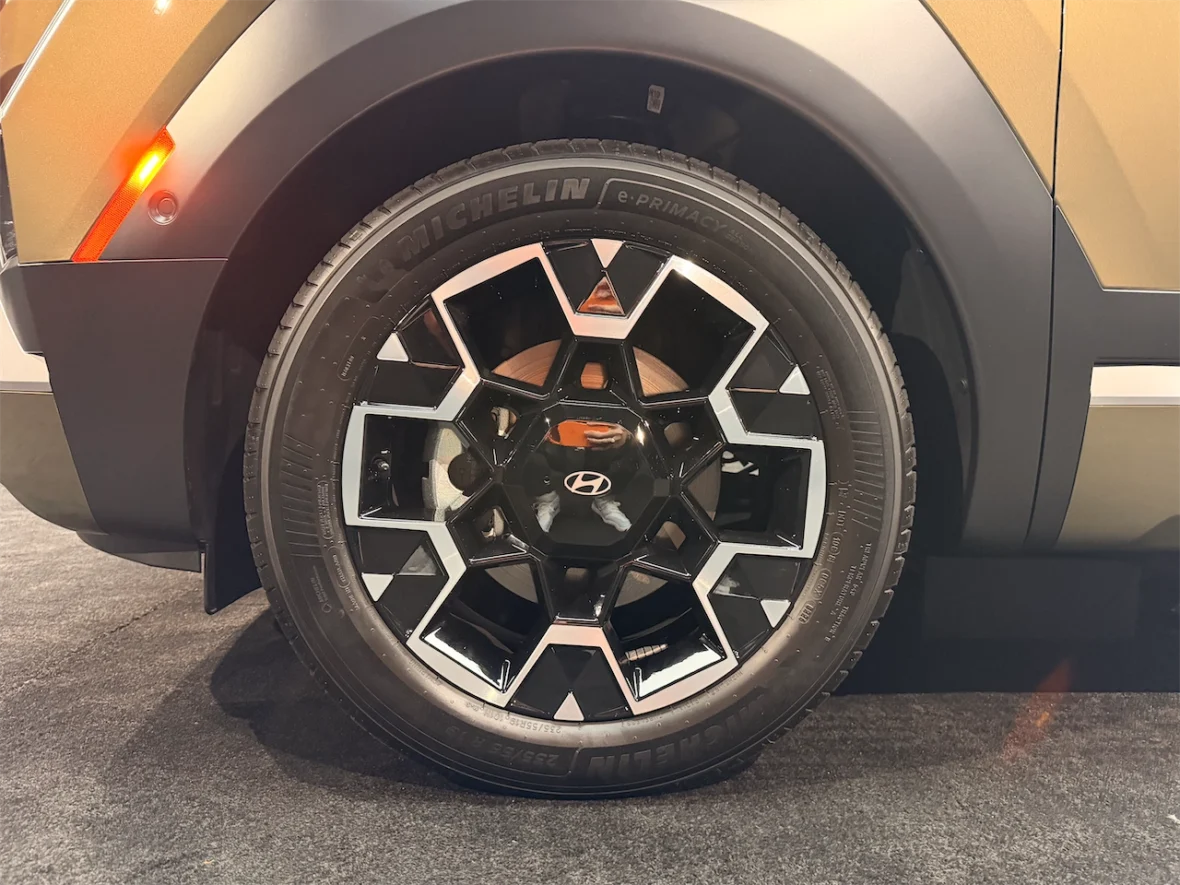
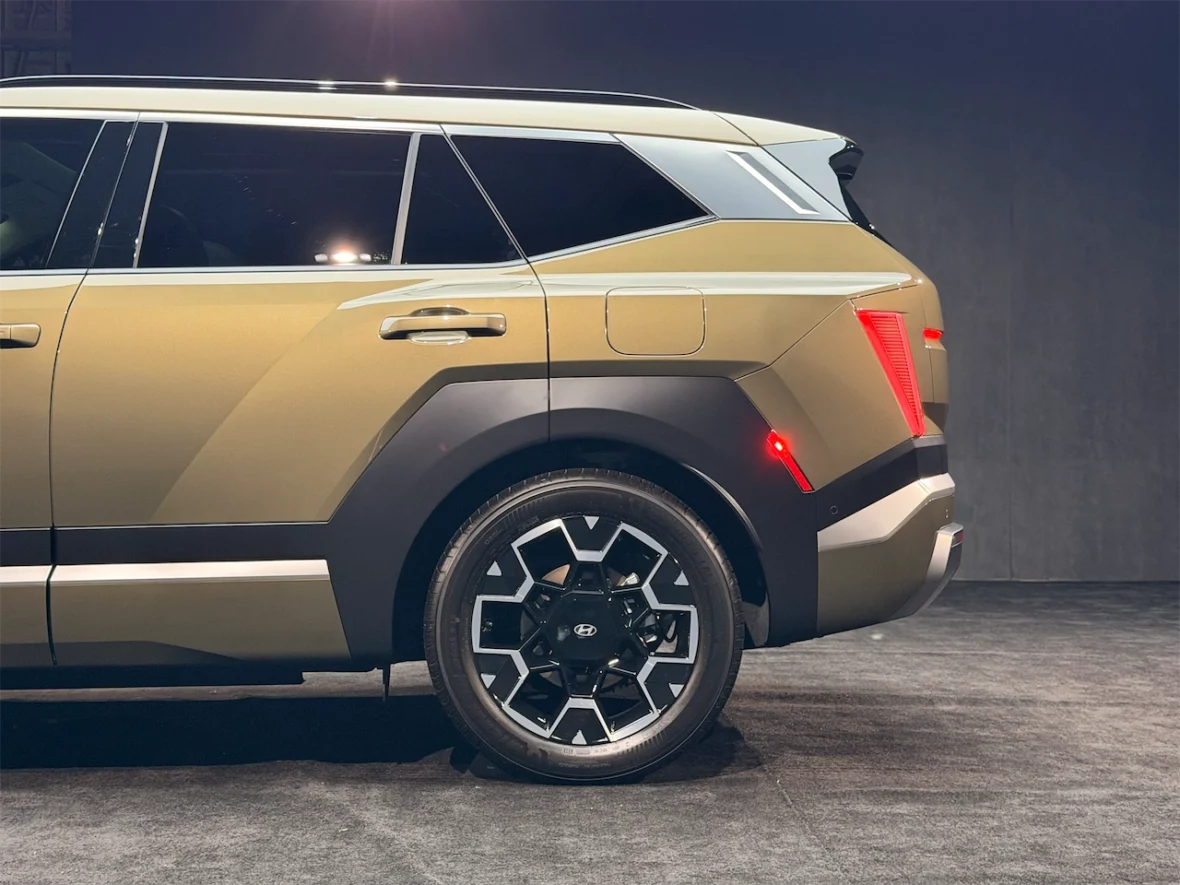
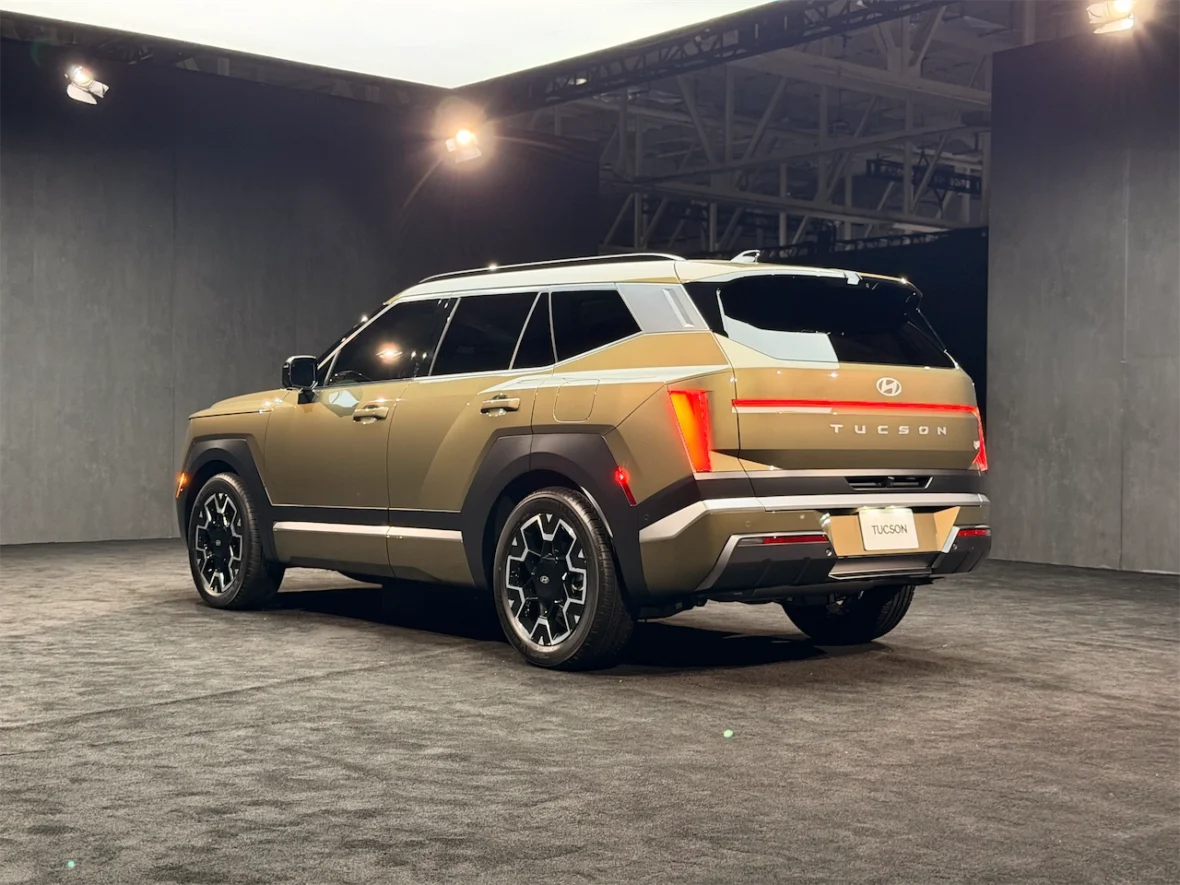
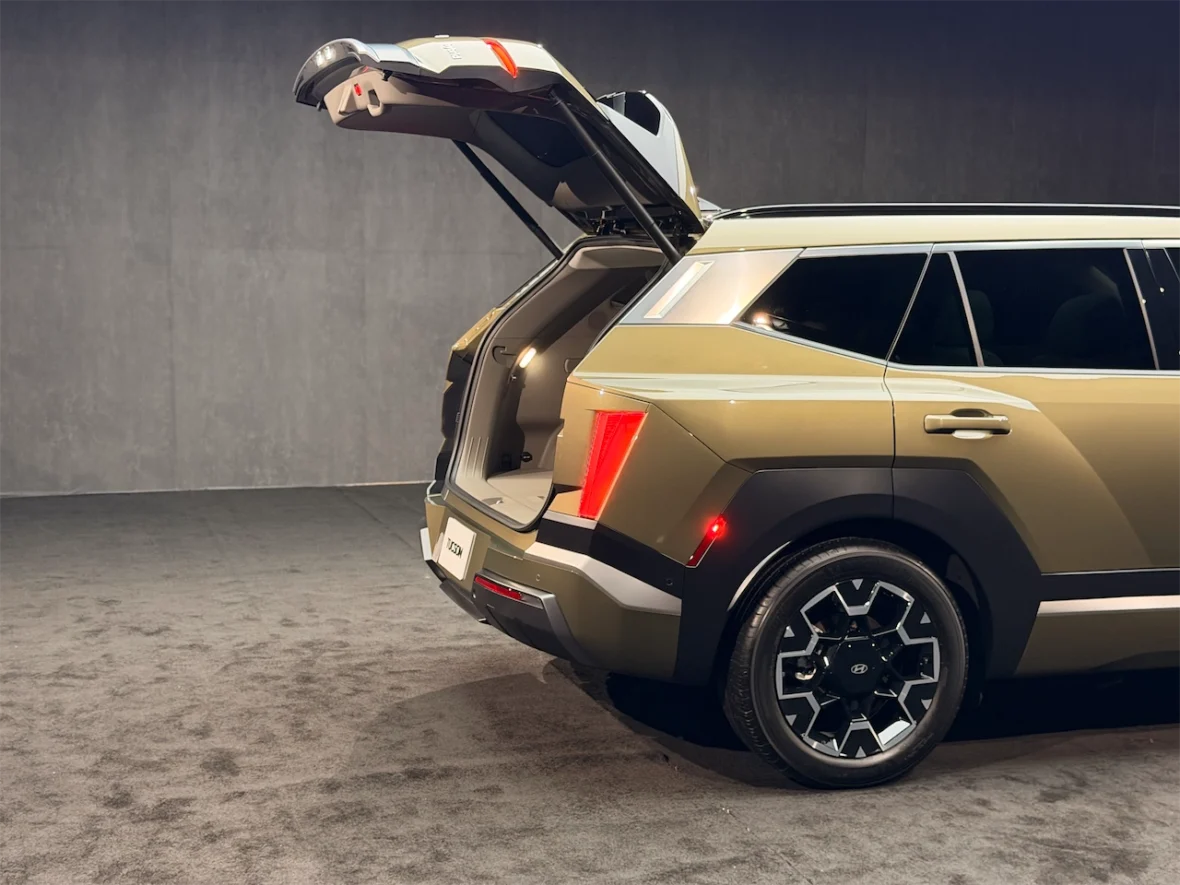
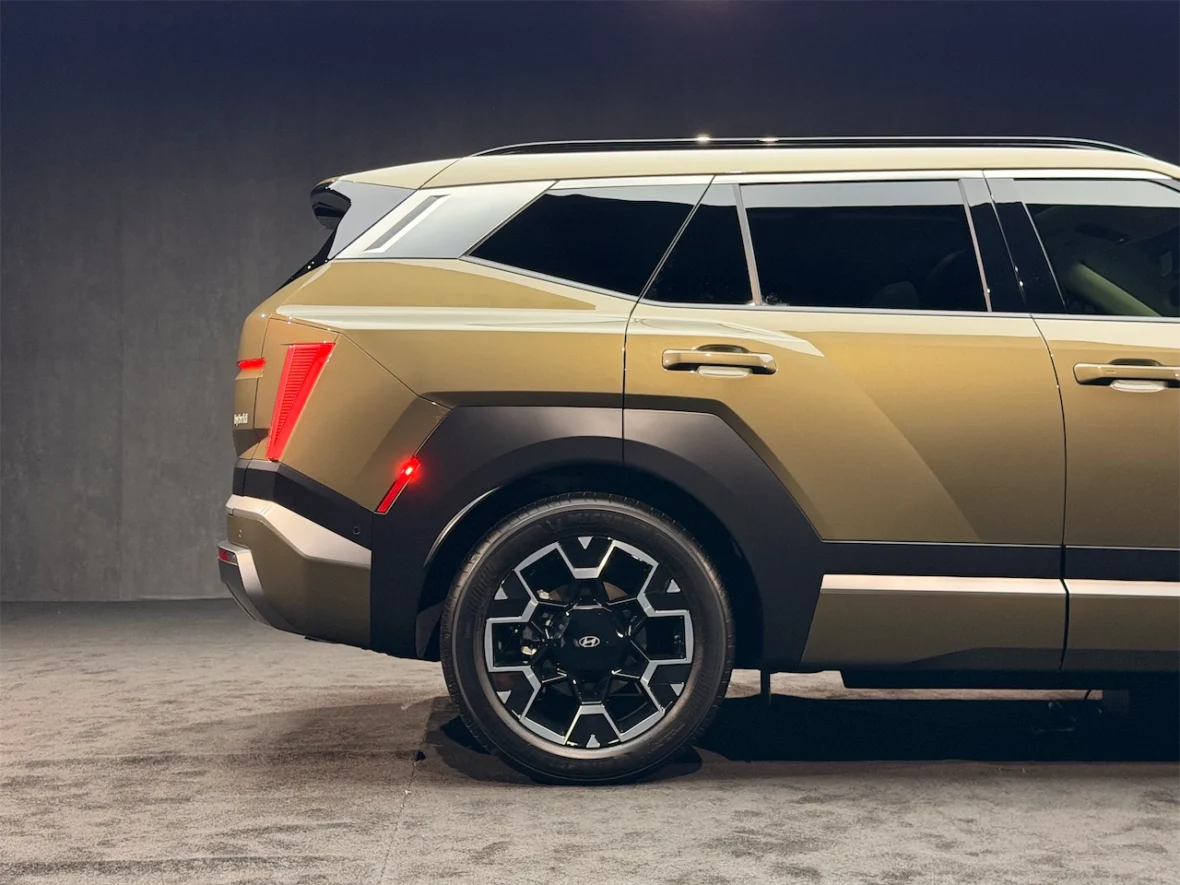
Down the side, you get a metallic-look sail panel between the roof and body, plus wide rear fenders that give the Tucson some real hips. For the design nerds, there is also a creased character line inspired by a traditional Korean robe, where layers fold over one another and lead into that muscular rear fender. Our Tucson rode on premium 19-inch wheels wrapped in 235/55R19 Michelin Primacy tires.
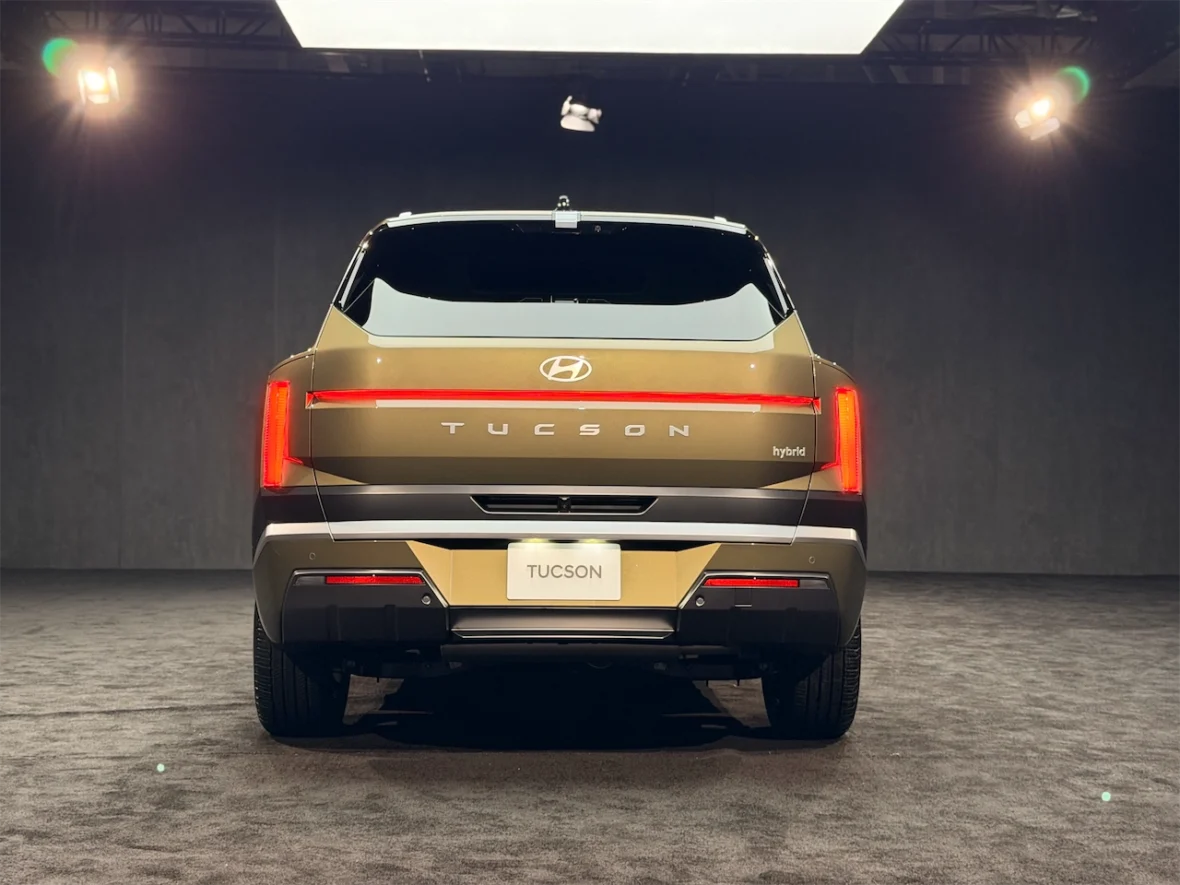
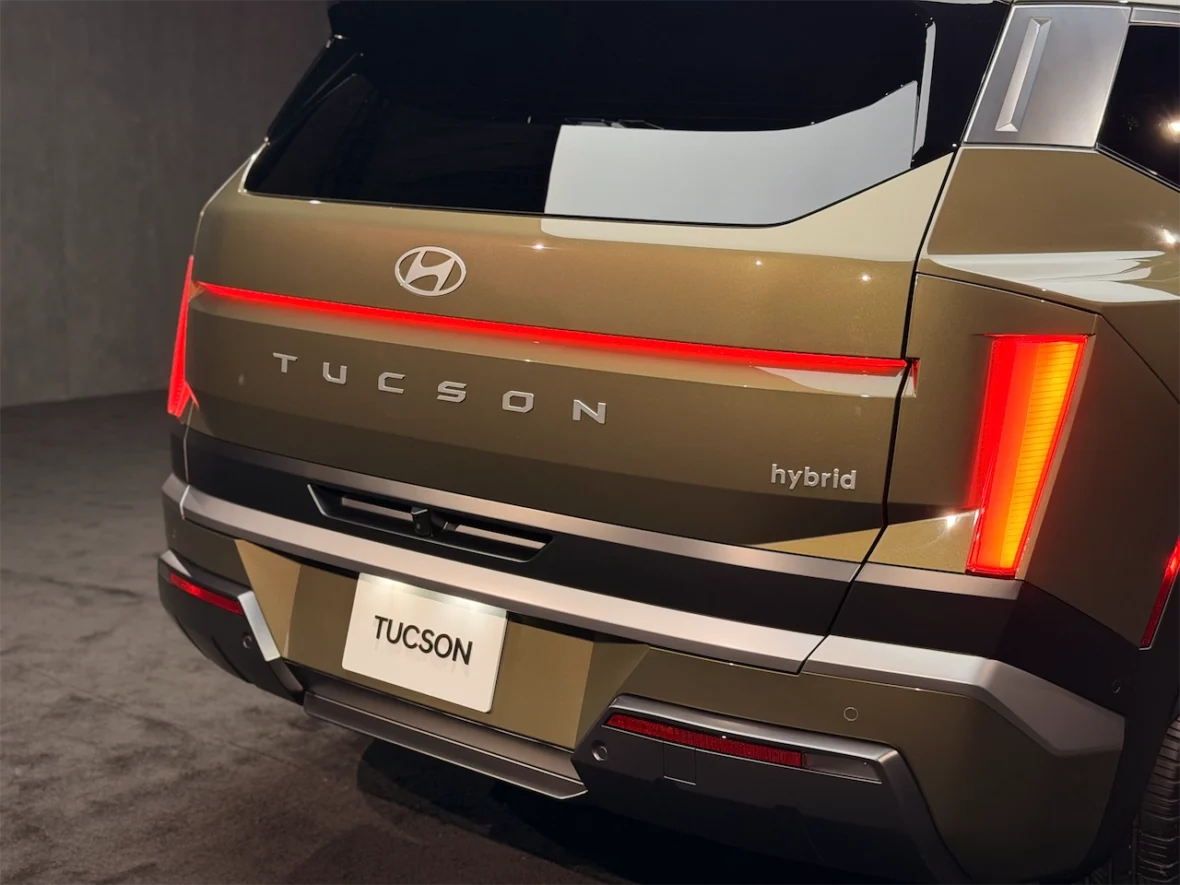
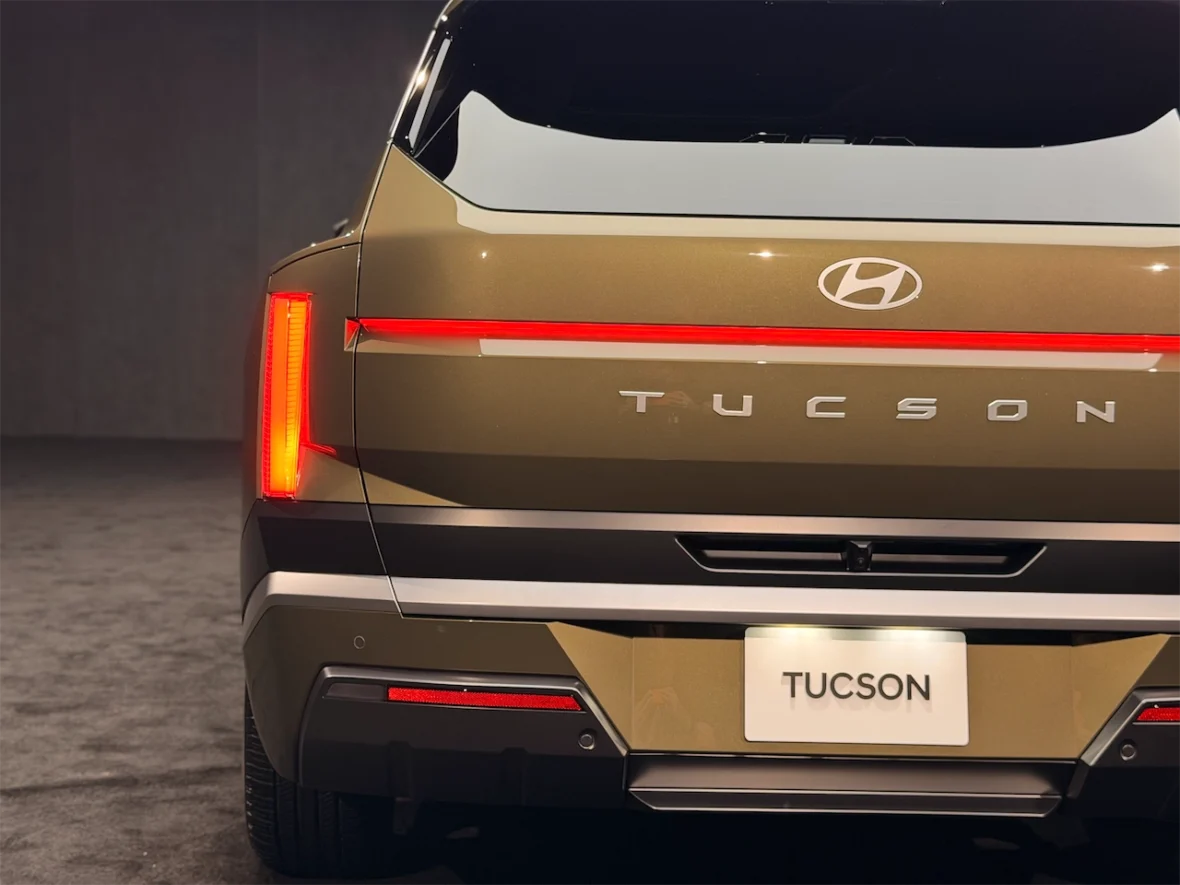
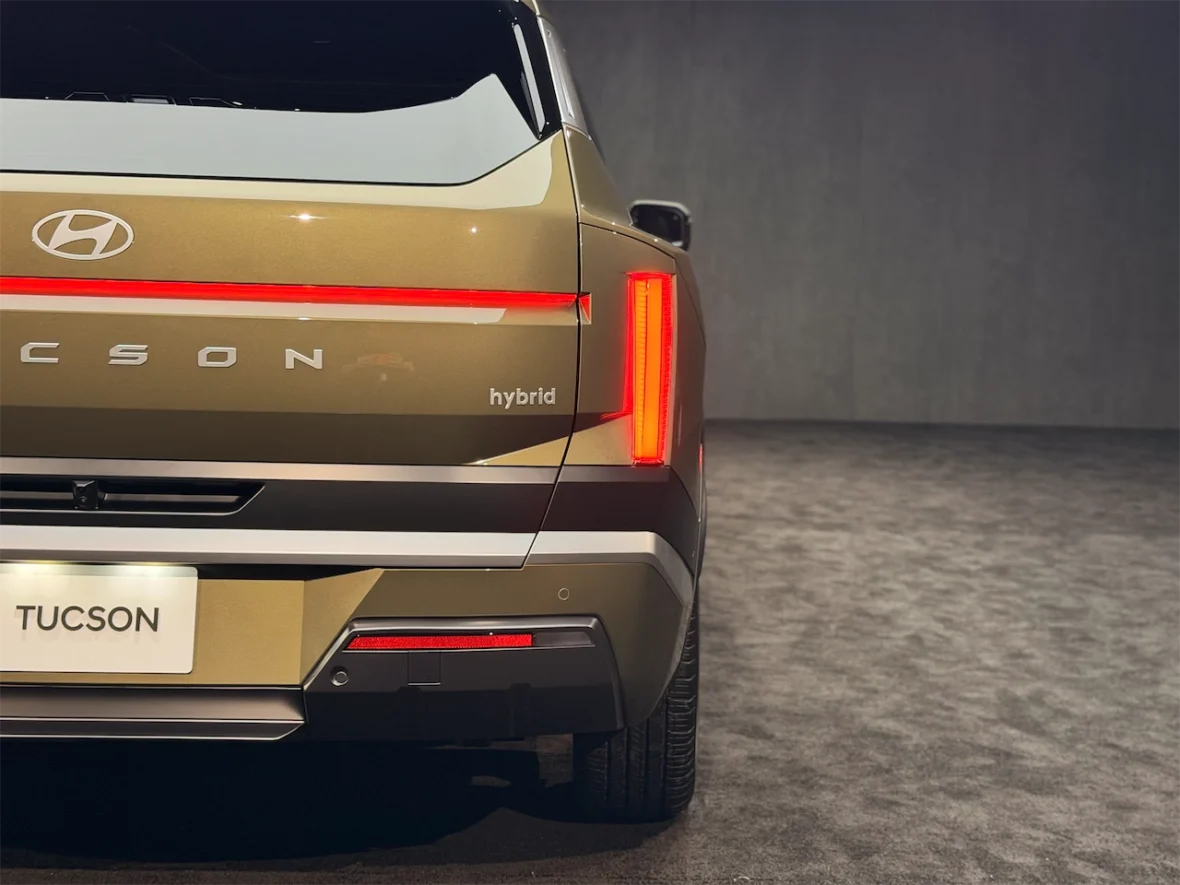
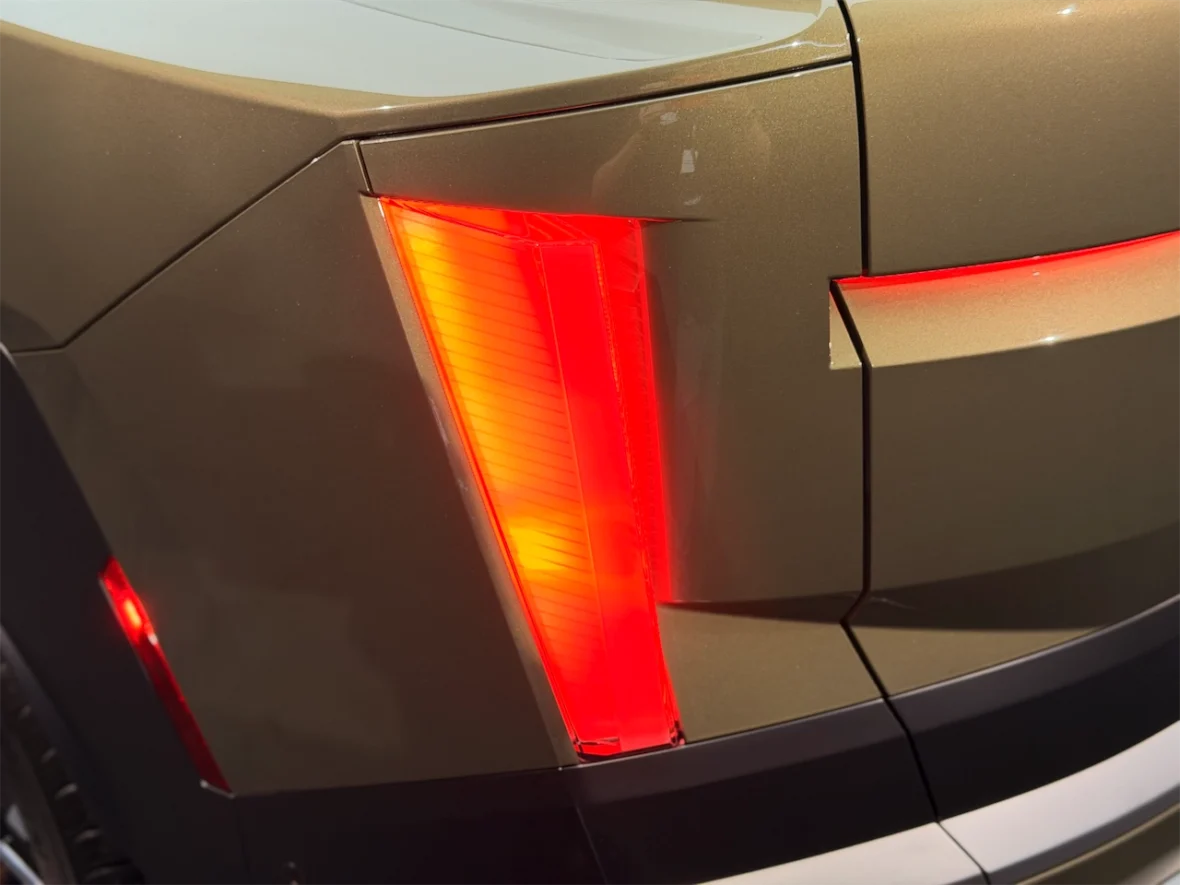
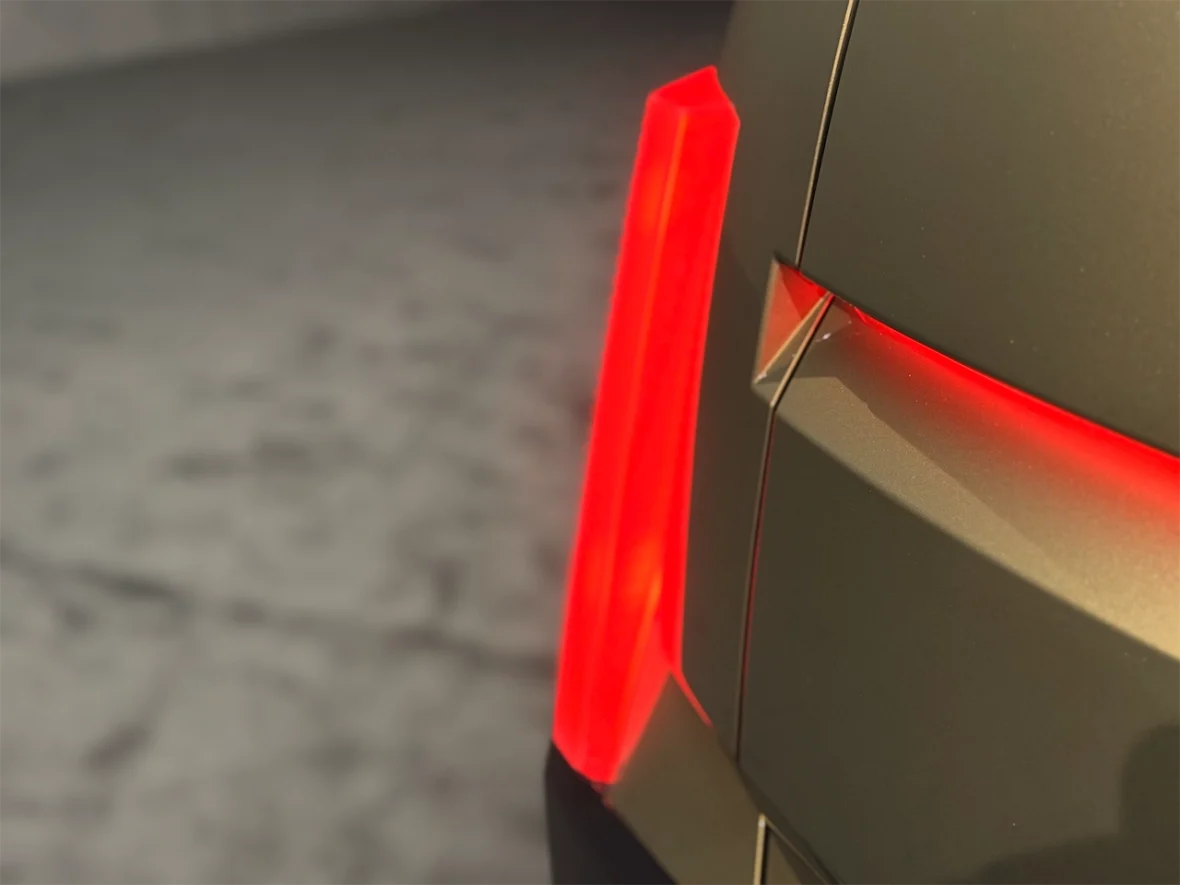
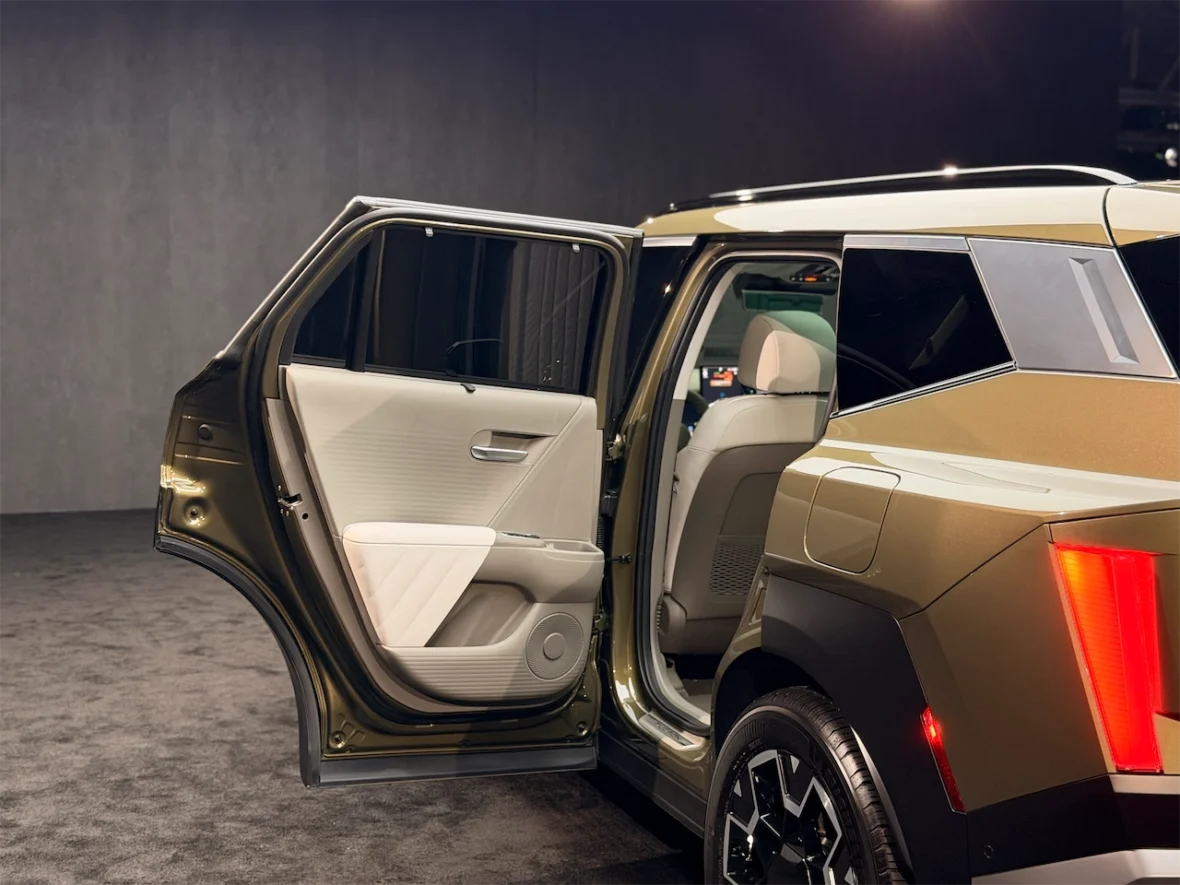
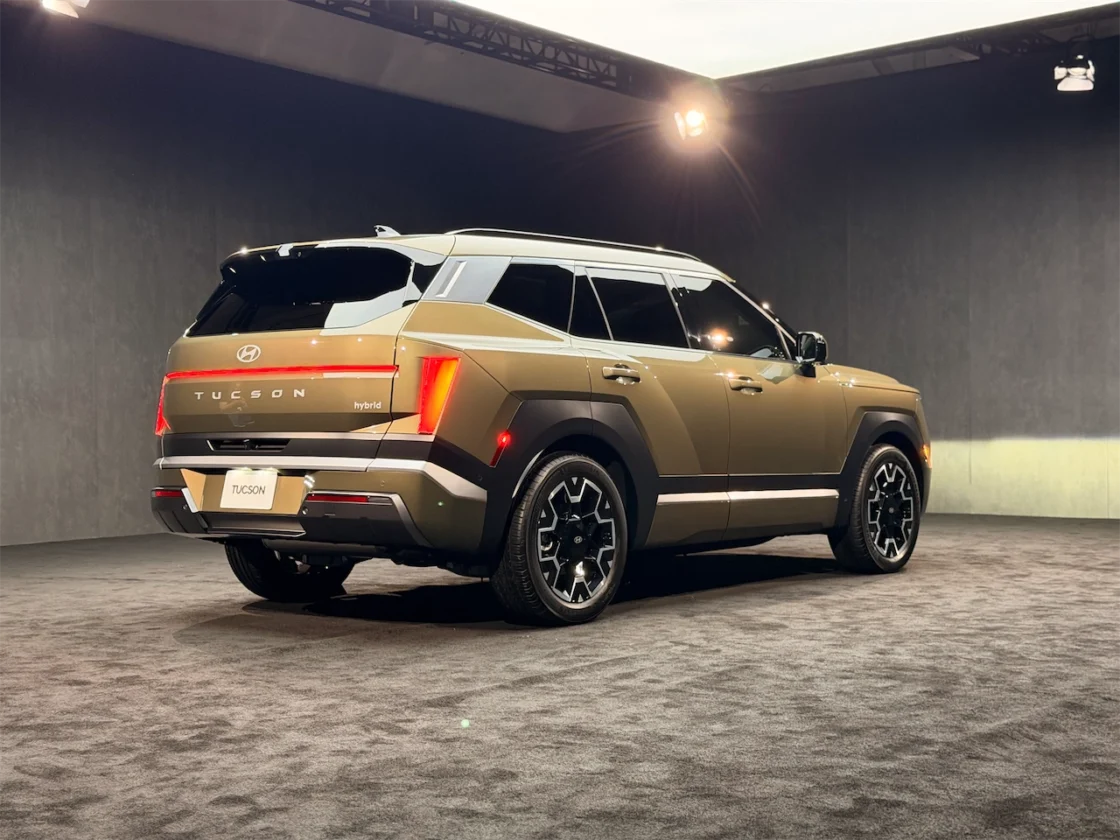
Out back, the new Prism Rear Lamps have a layered, 3D look that is much easier to appreciate in person. Wide-set vertical taillights mirror the front end, and a connecting light between them forms the “H” motif Hyundai is so proud of. Holli insists it stands for Holli. I am not going to argue. Hyundai also moved the logo out from behind the glass and onto the liftgate, which gives the back end a cleaner look.
Gas and Hybrid Power Under That Clamshell Hood
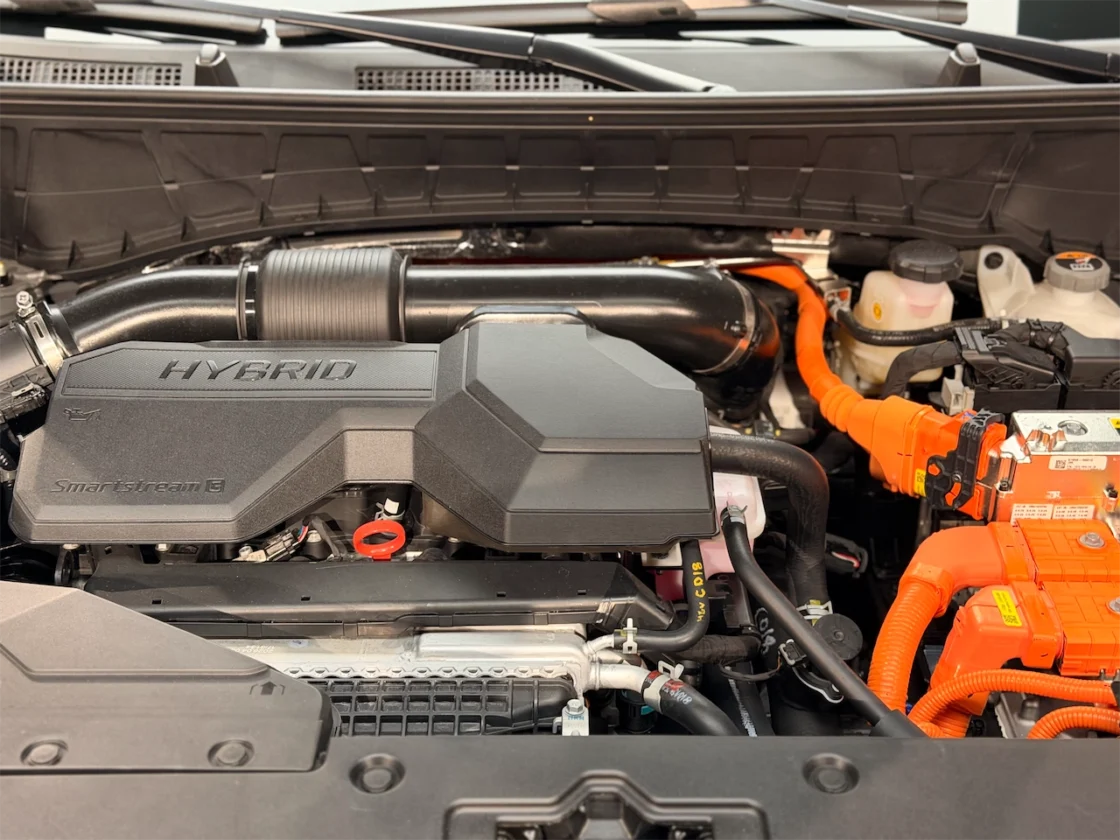
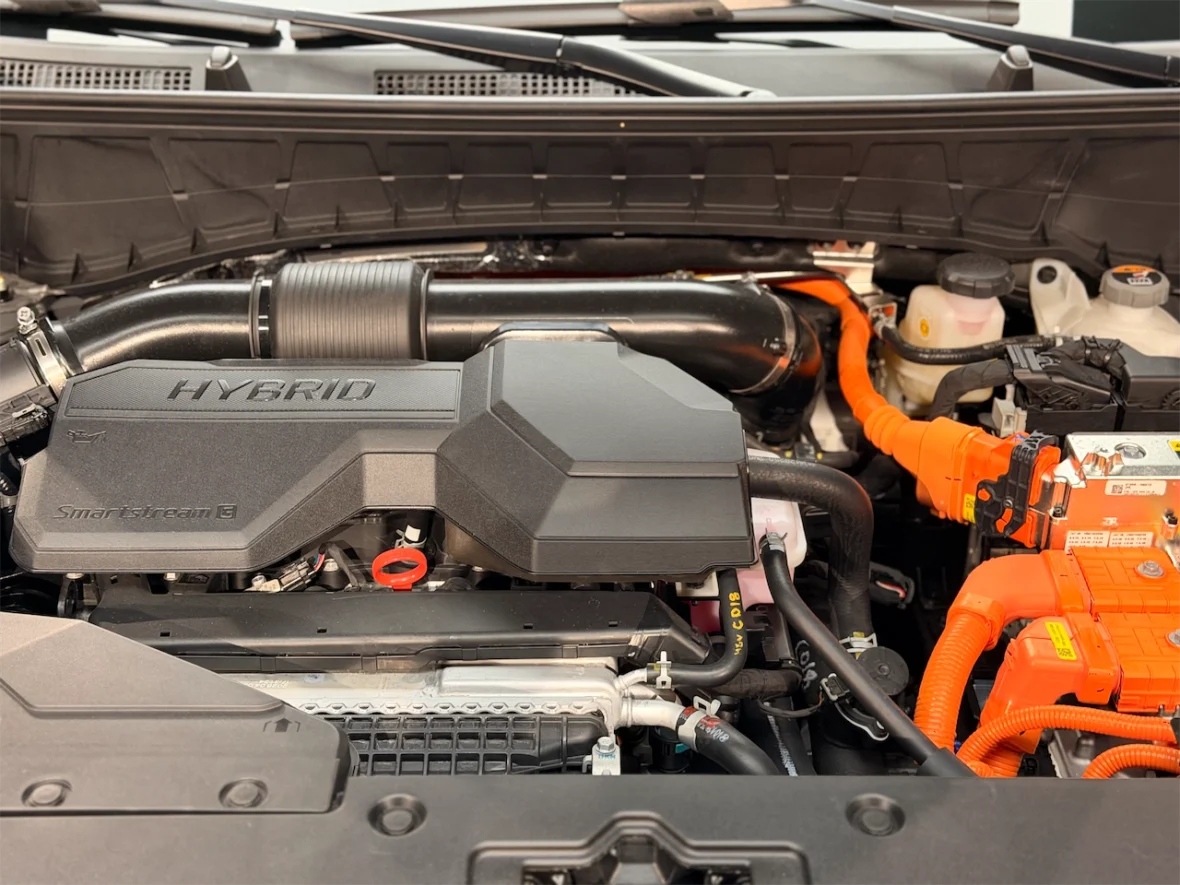
Under the hood, North American buyers get two powertrains, and both are based on a 1.6-liter turbocharged four-cylinder engine. The gas model makes 184 horsepower and pairs with an eight-speed automatic transmission. Hyundai lists its fuel economy at 28 MPG combined with front-wheel drive (FWD) and 26 MPG with all-wheel drive (AWD).
The headliner, though, is the next-generation hybrid. It makes 233 horsepower and 280 lb-ft of torque, runs through a six-speed automatic, and is available with FWD or AWD. Hyundai is targeting up to 42 MPG for the FWD hybrid on 17-inch wheels and 40 MPG with AWD. That is a big number in this segment. Hyundai also quotes a 0-60 MPH time of 8.5 seconds.
The hybrid adds a few family-friendly tricks. HEV Stay Mode lets you run the air conditioning, heat, audio, and device charging with the engine off, which is perfect for waiting in the school pickup line or taking a break on a road trip. The hybrid AWD model can also tow up to 3,000 pounds, a 1,000-pound increase over the previous model.
That hybrid matters. Hybrids made up 31% of all Tucson sales in the U.S. in 2025, and that share is only growing. If you have been following Hyundai’s plans, this lines up with the brand’s hybrid push over the next five years.
Cargo Space Built for Real Life
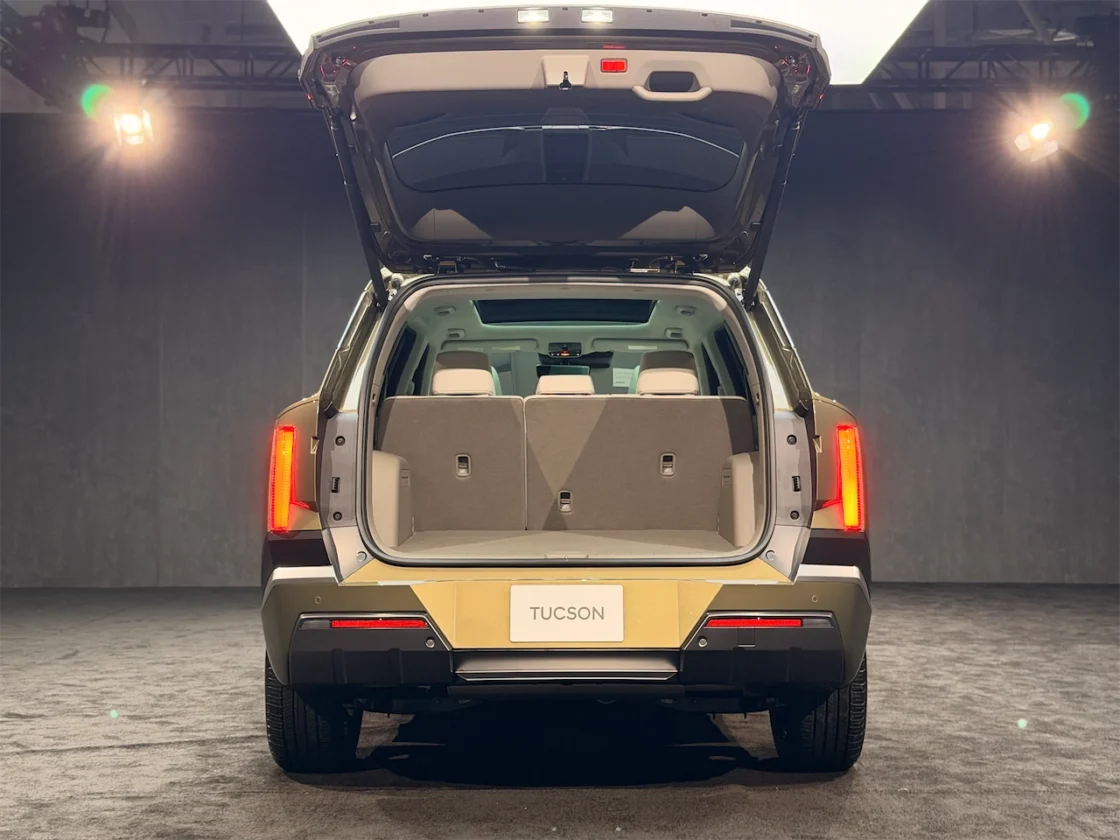
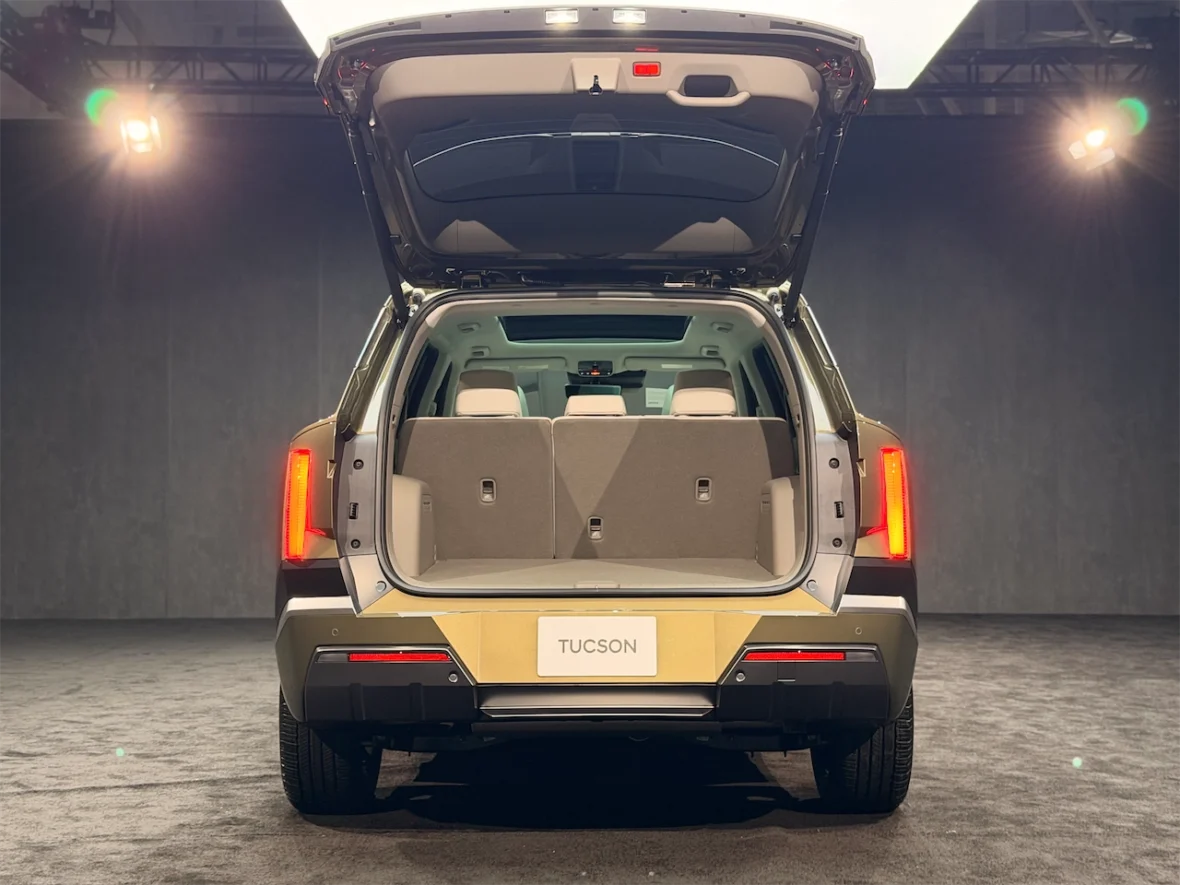
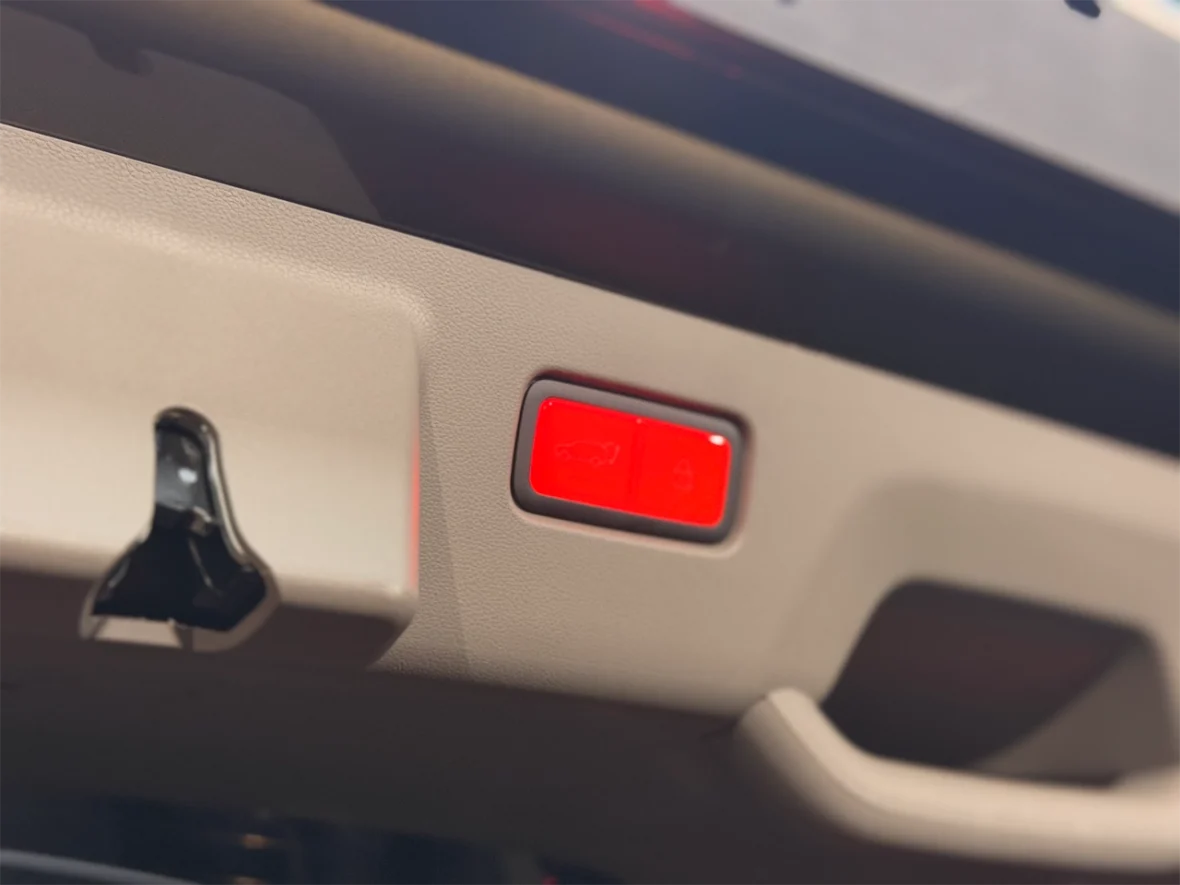
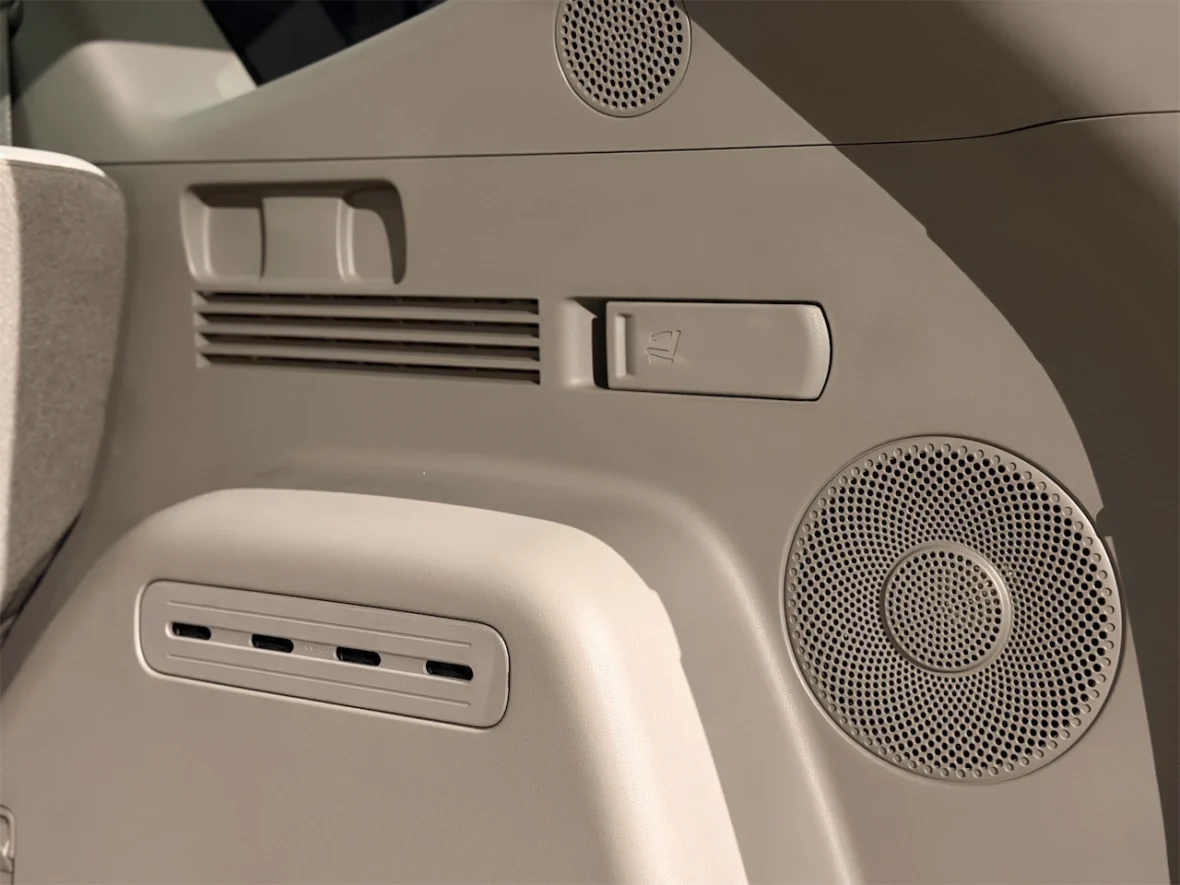
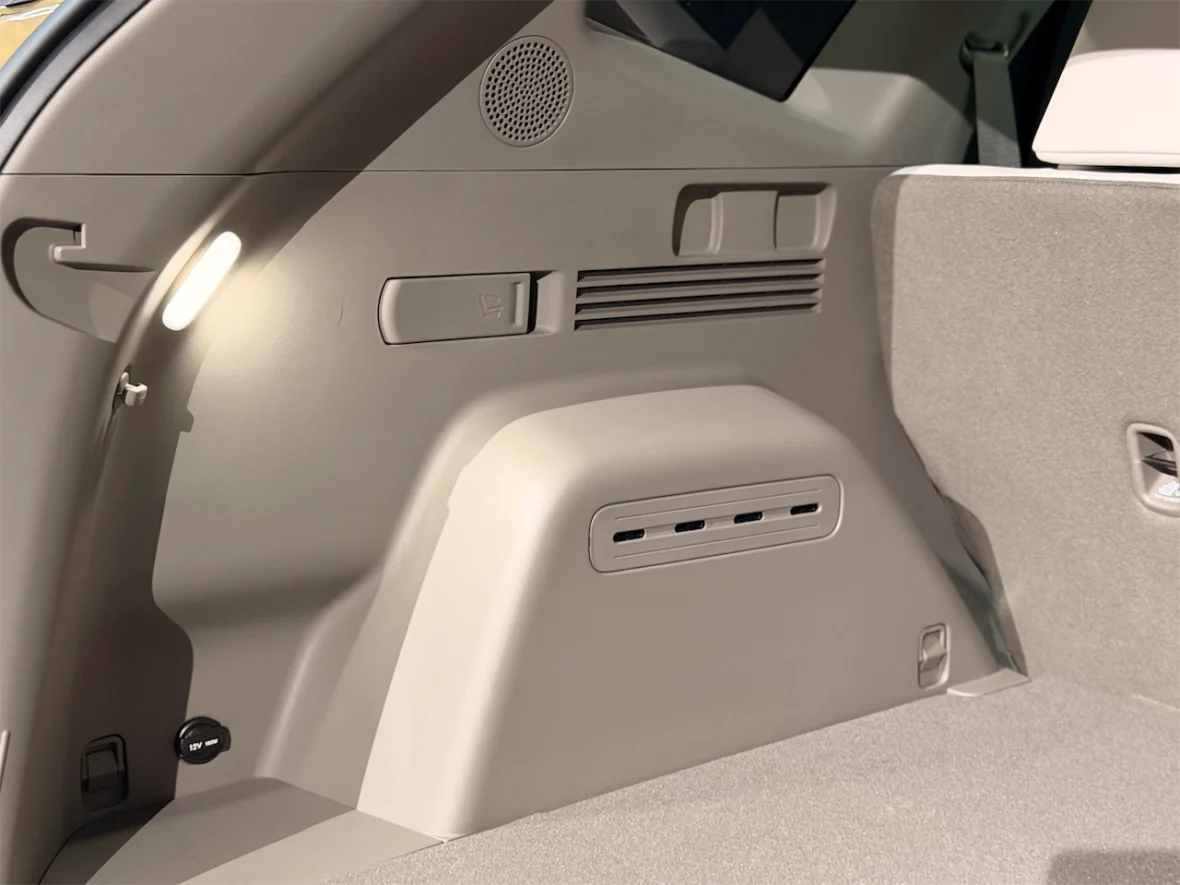
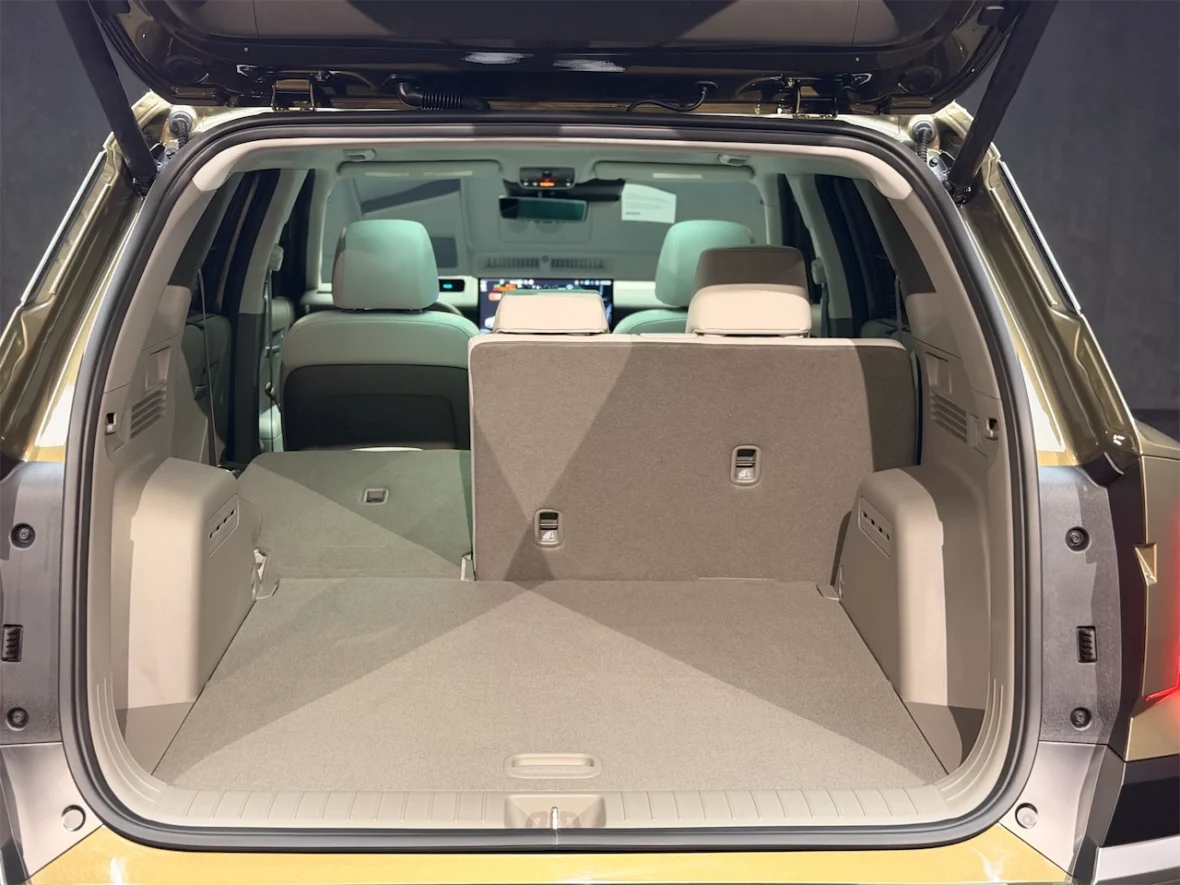
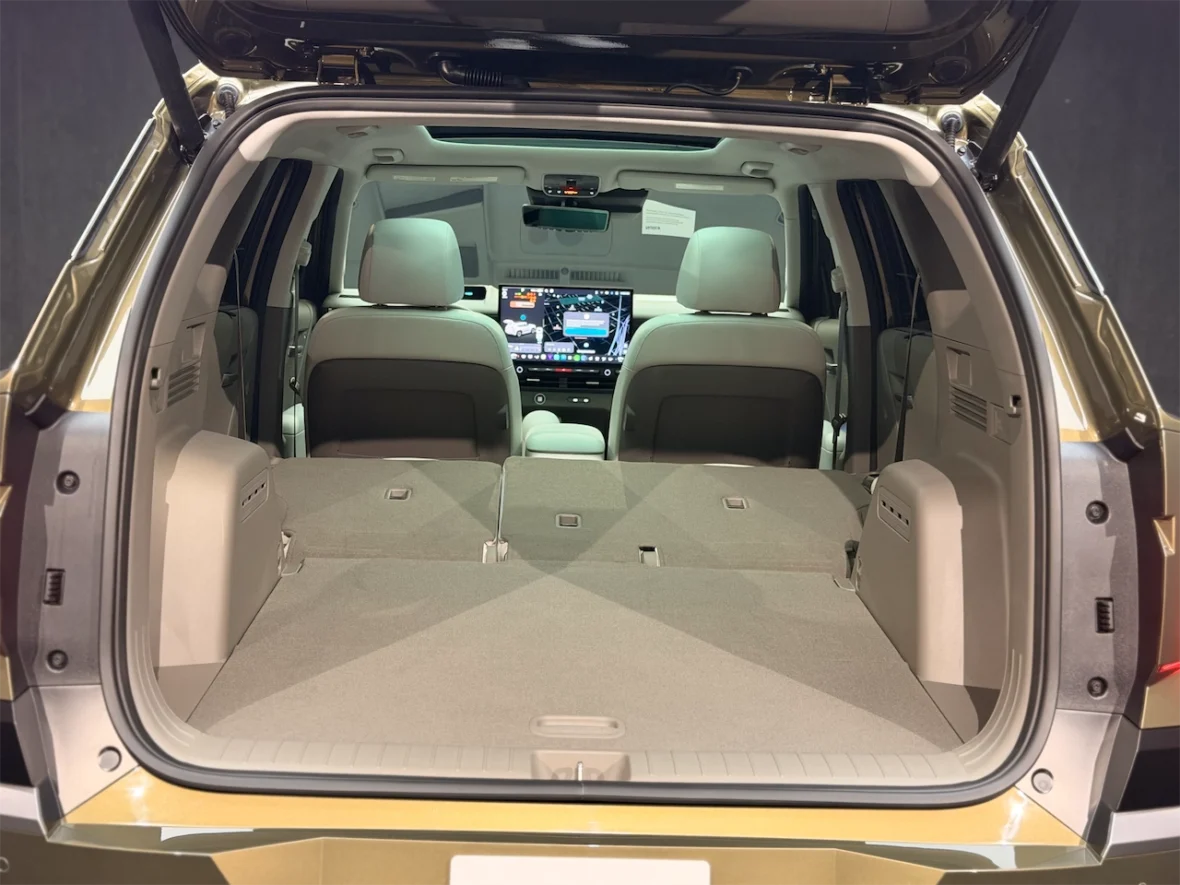
A button on the liftgate opens the rear hatch, and the cargo area in the 2027 Hyundai Tucson is genuinely useful. Hyundai rates it at 41.7 cubic feet. There is space on top of the wheel wells, and Hyundai is opening up a cargo system to aftermarket companies so they can create their own cargo-carrying accessories.
Lift the floor, and you will find hidden storage along with the temporary spare. You can also drop the cargo floor down to gain extra vertical height. It is a clever idea that a lot of other brands have borrowed from Hyundai.
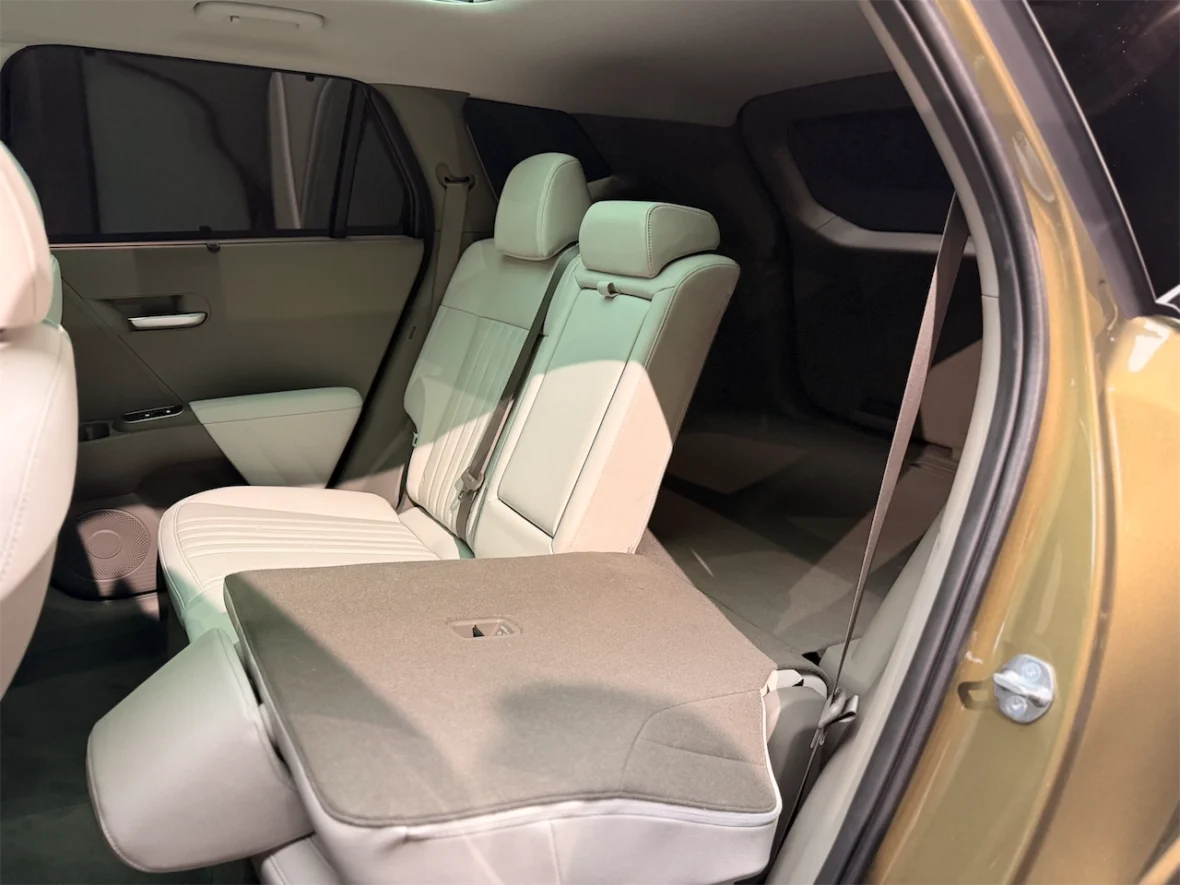
Holli found my favorite cargo trick, though. Pull handles in the cargo area drop the 60/40 split rear seats from the back, so you do not have to walk around to the doors. When you are done loading, an illuminated button closes the liftgate, and it comes down with a nice soft close.
A Cabin That Feels Like Your Living Room
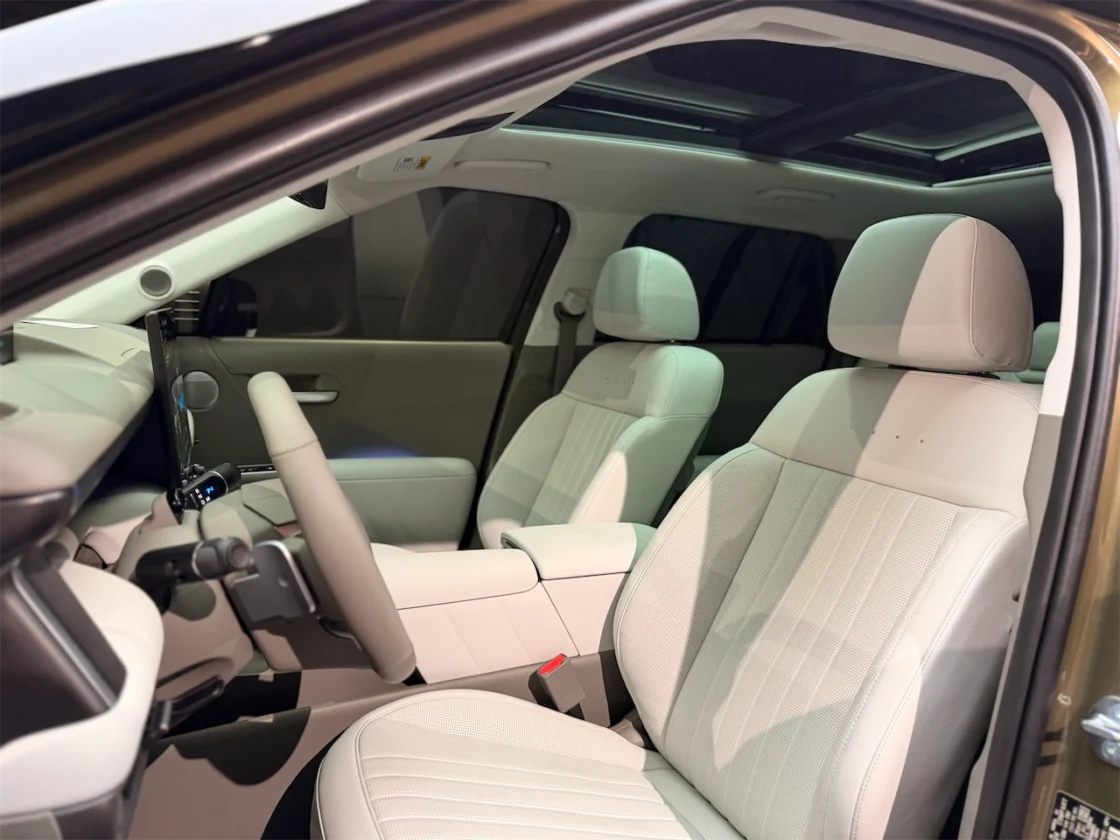
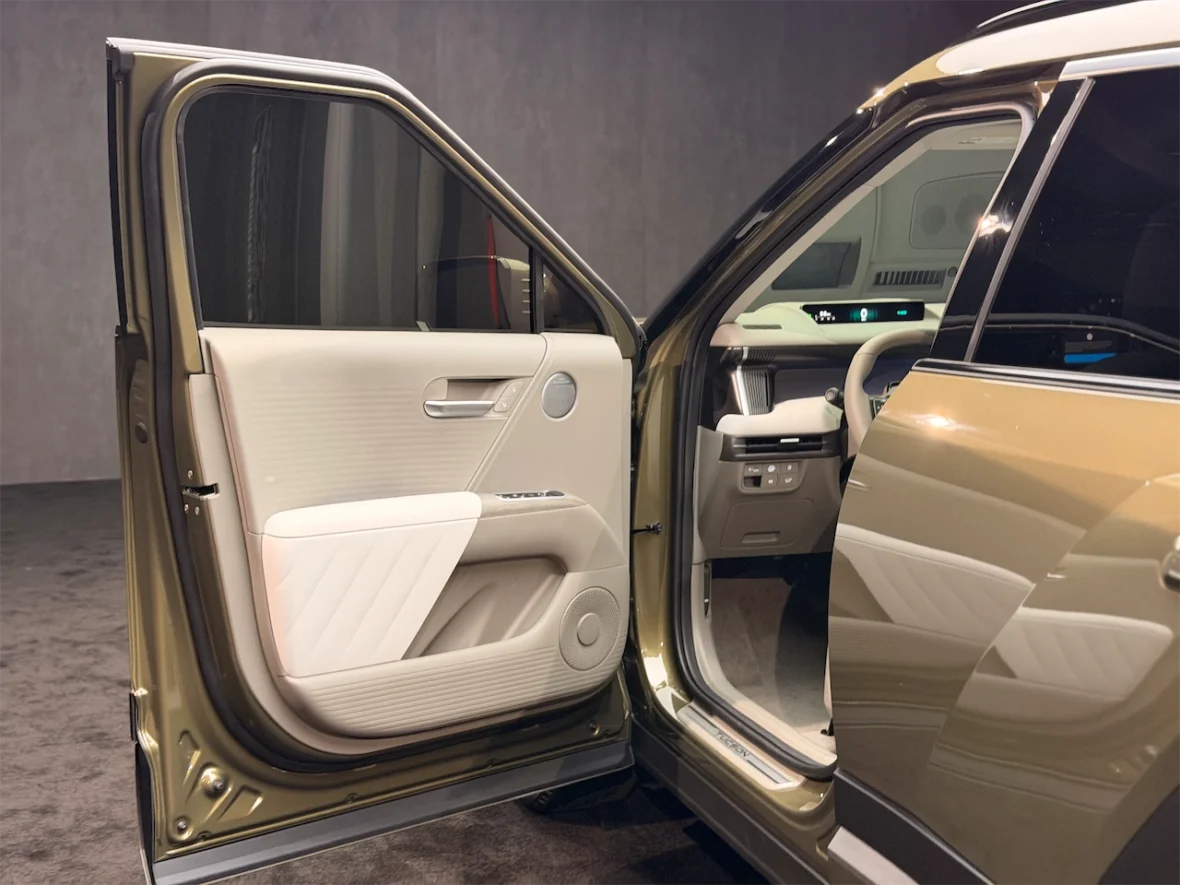
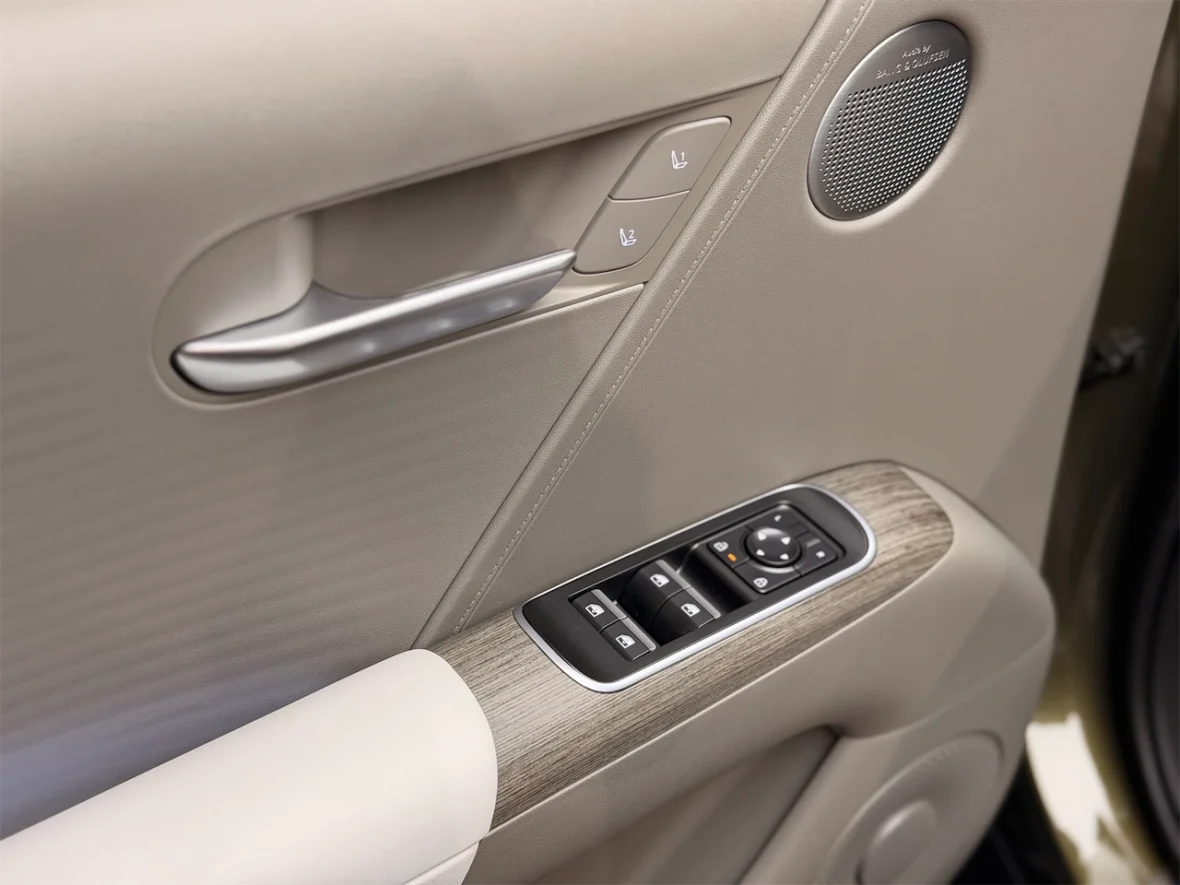
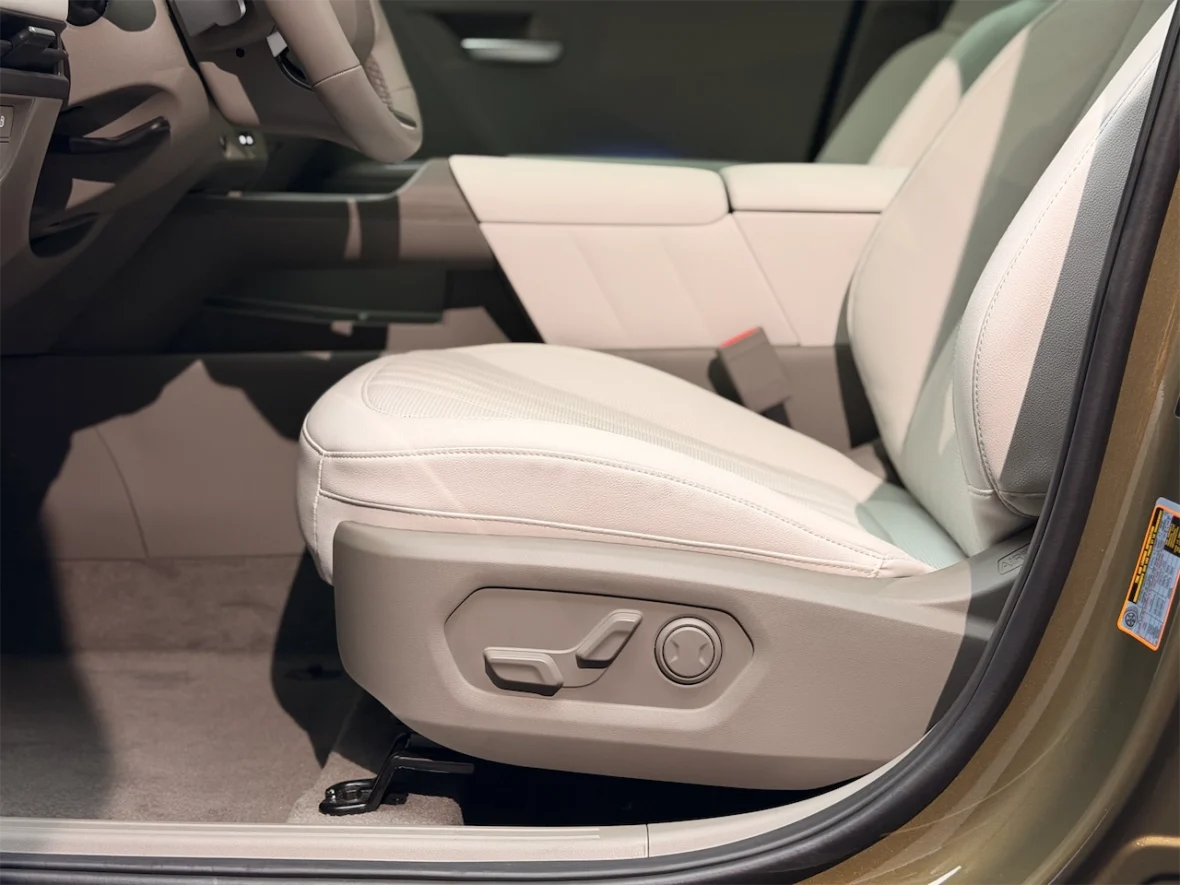
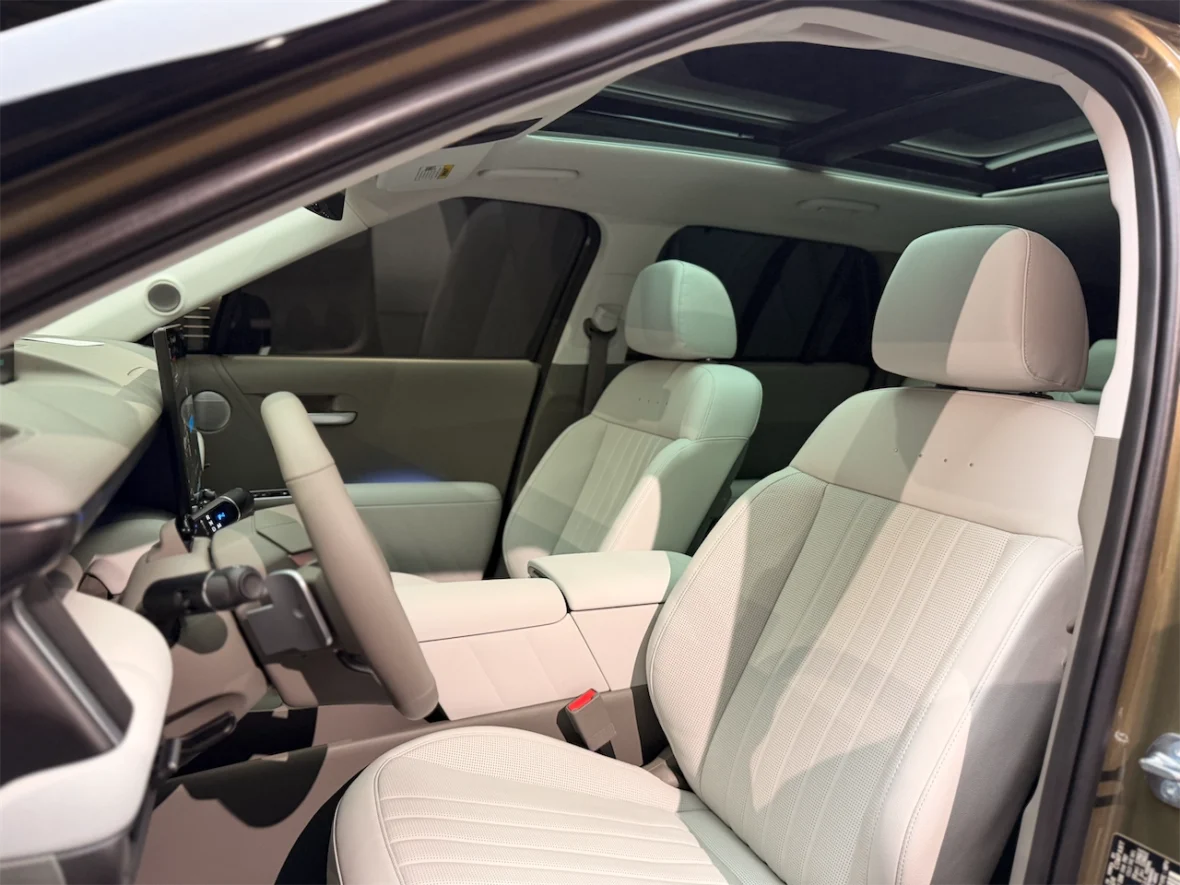
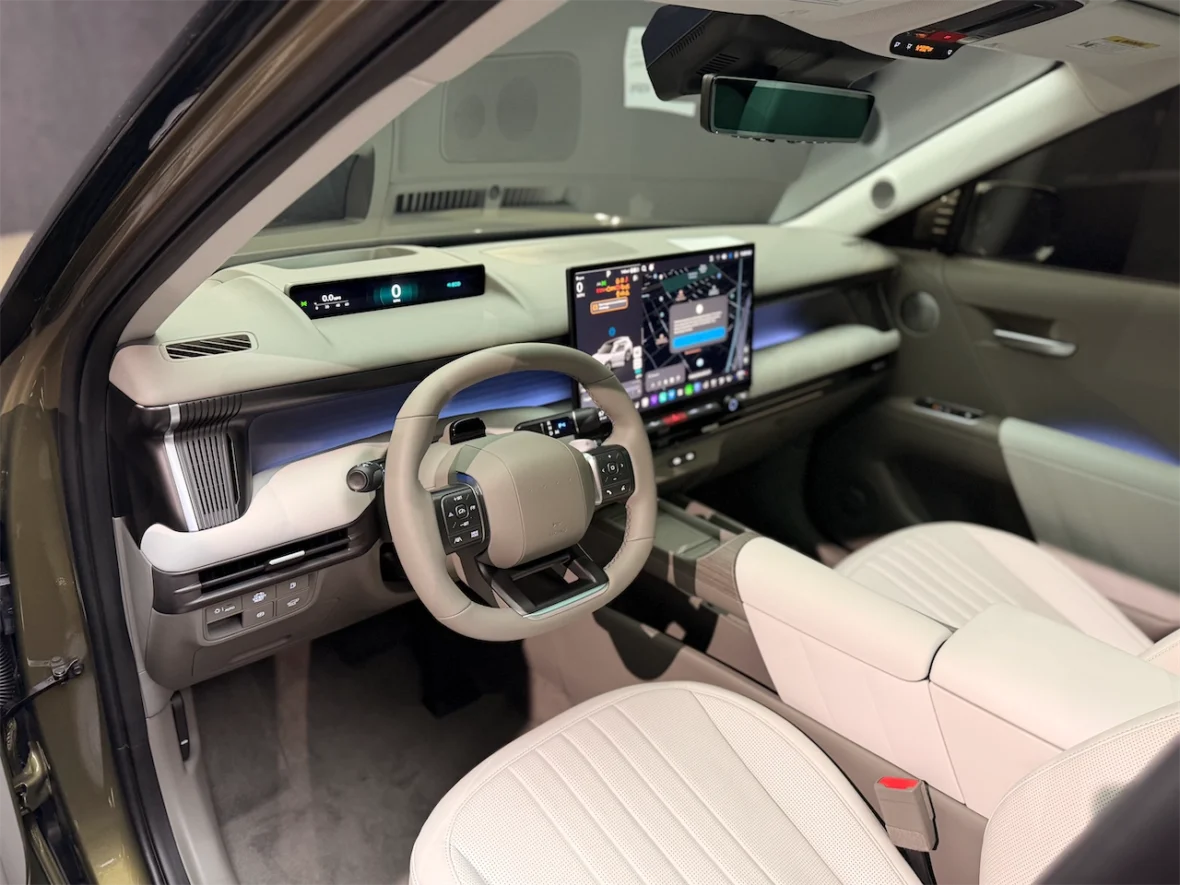
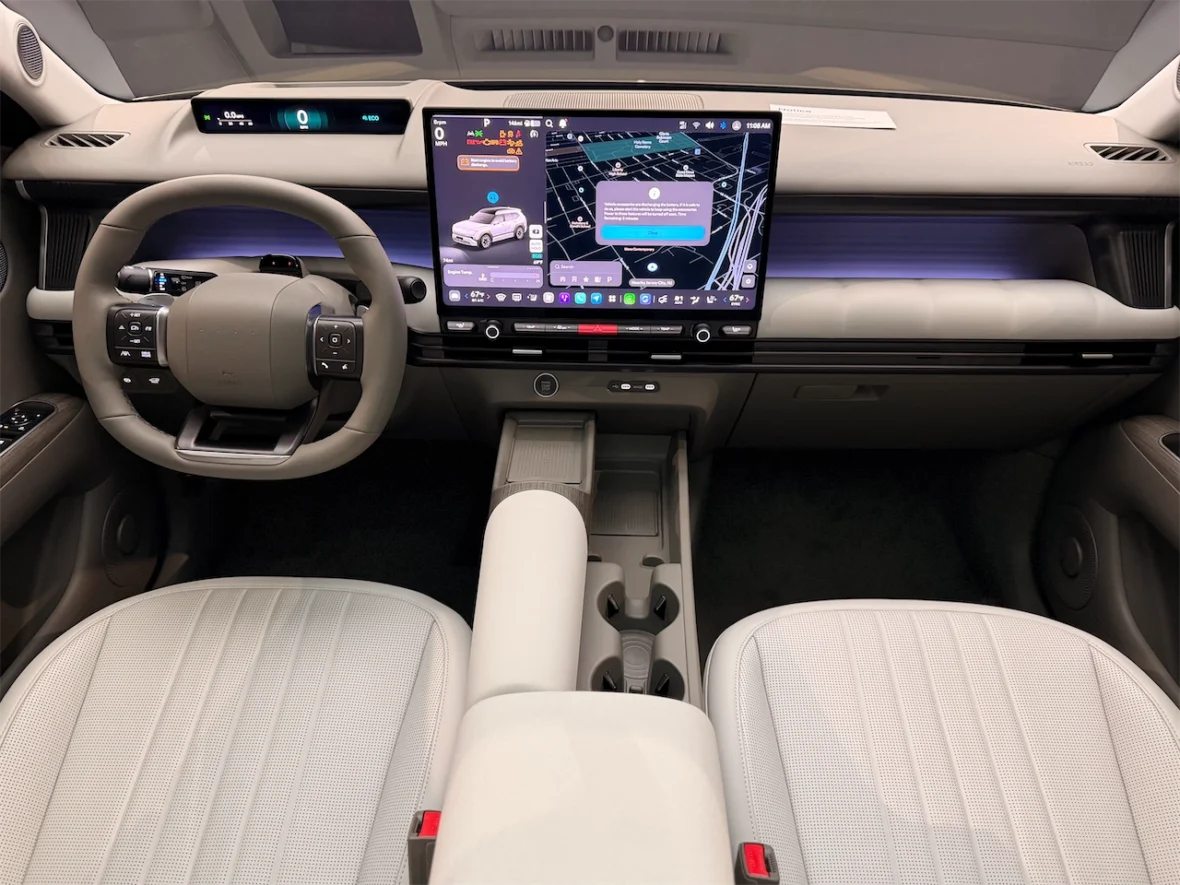
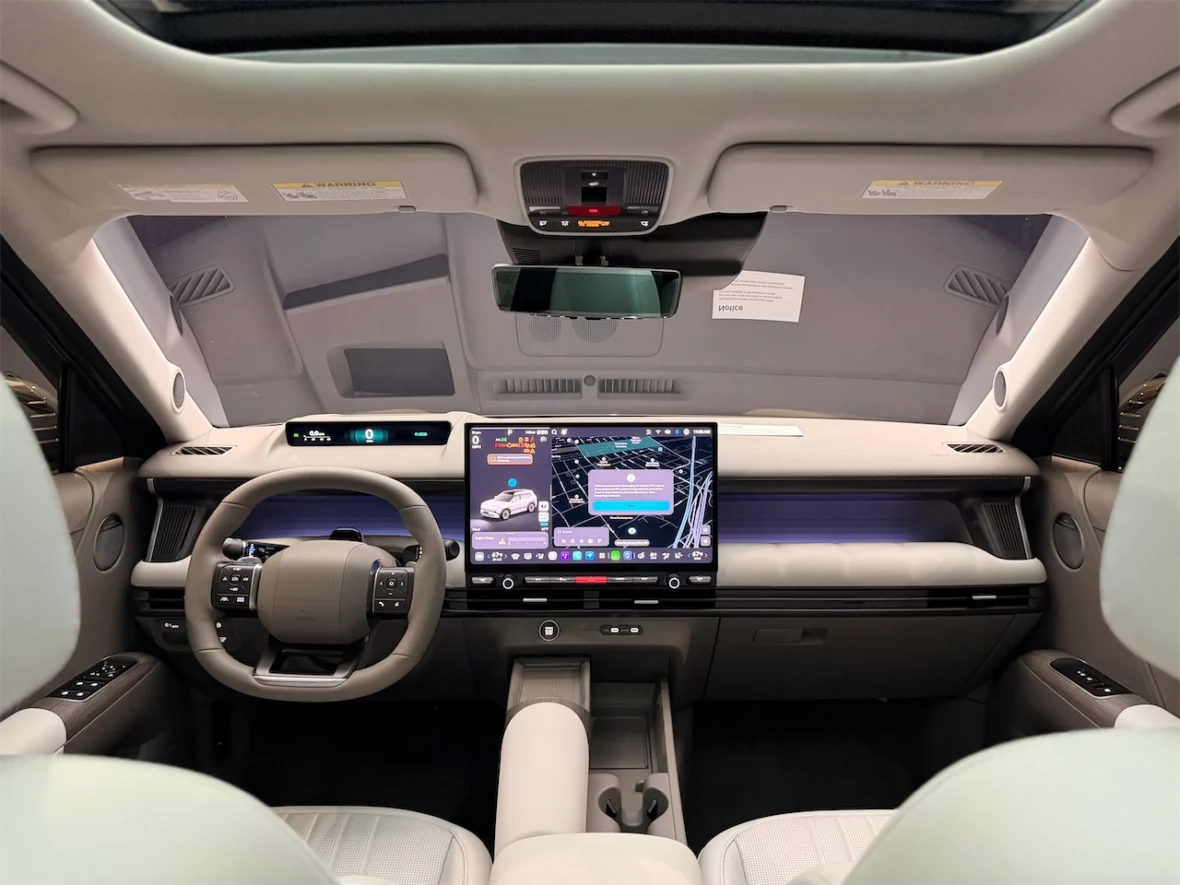
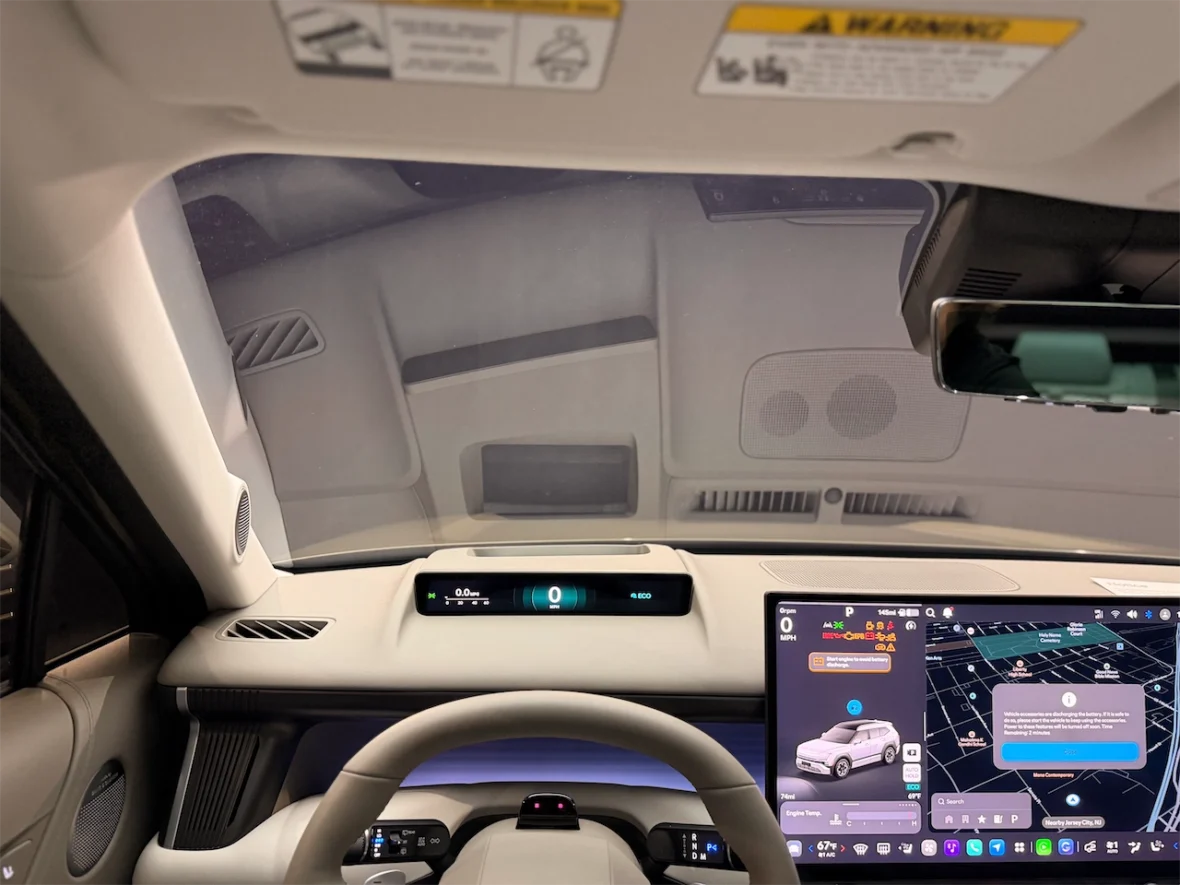
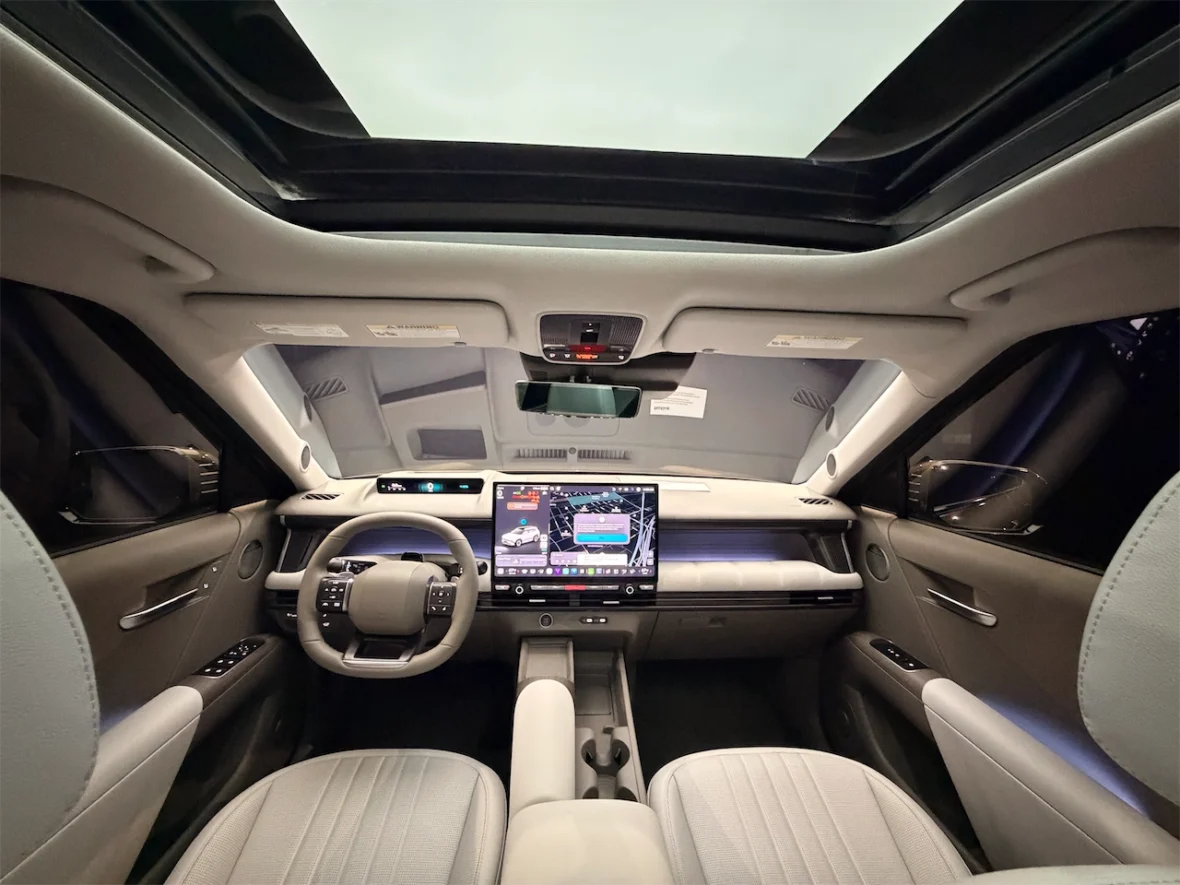
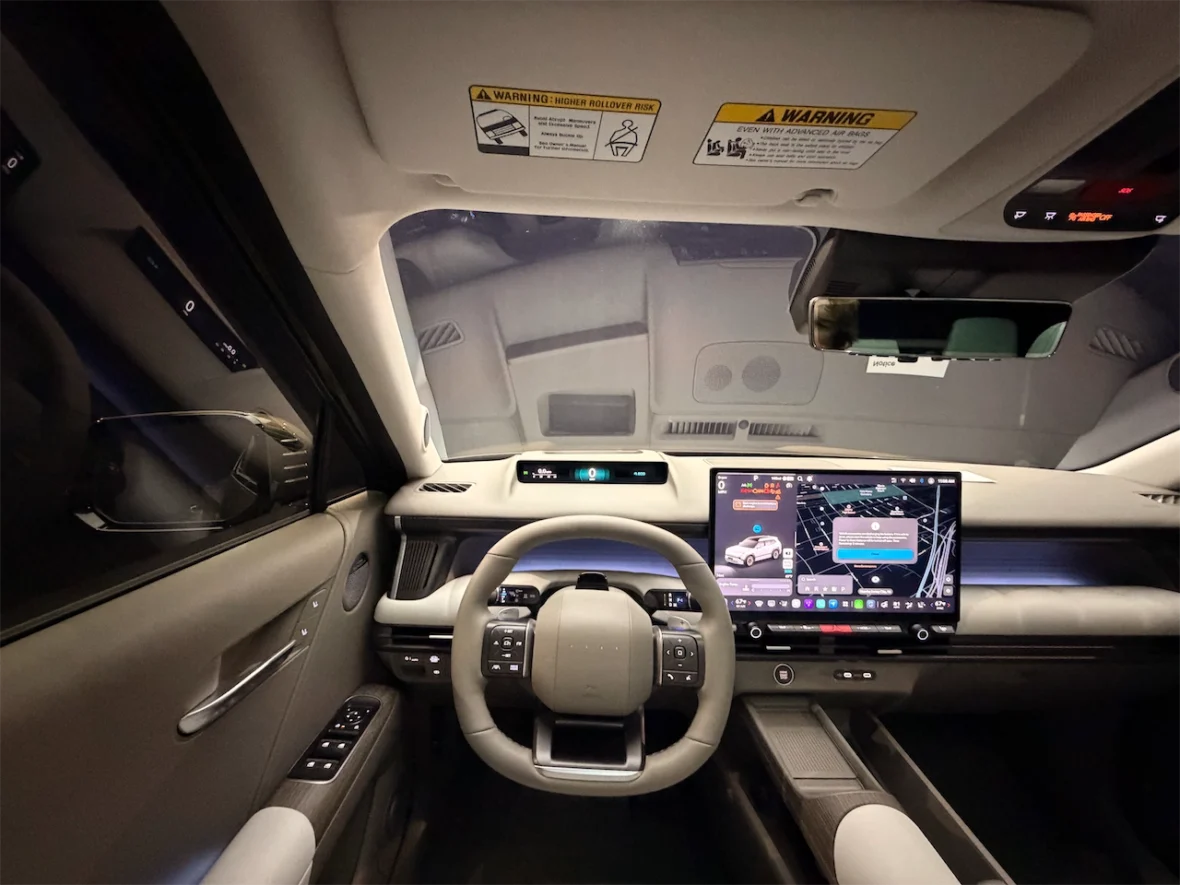
Hyundai describes the Tucson’s interior as a “furnished space,” and you can feel it. The brand wanted the cabin to feel more like living room furniture than a car. The armrests curve like an armchair, and soft cushioning runs across the top of the dash, doors, and console. Holli loved the subtle indentations in the dash and the mix of gray and black materials. It is not a sea of black plastic, and those small details make a big difference in how classy the Tucson feels.
Her favorite feature was a small one. Press a button on the armrest, and a hidden cubby opens up. It is lined with velvet, so lipstick, glasses, or sunglasses will not roll around and rattle while you drive. It is exactly the kind of thoughtful detail families notice every day.
Storage is everywhere up front. Hyundai extended the armrest so you can rest your elbow while using the touchscreen. Below it, cupholders sit on a lower level so tall drinks stay out of the way. There are dual 15-watt wireless charging pads, one for the driver and one for the passenger, plus a cubby, rubberized storage under the center bridge, and multi-tiered door pockets. You also get two USB-C ports, including one rated at 100 watts that is strong enough to charge a laptop.
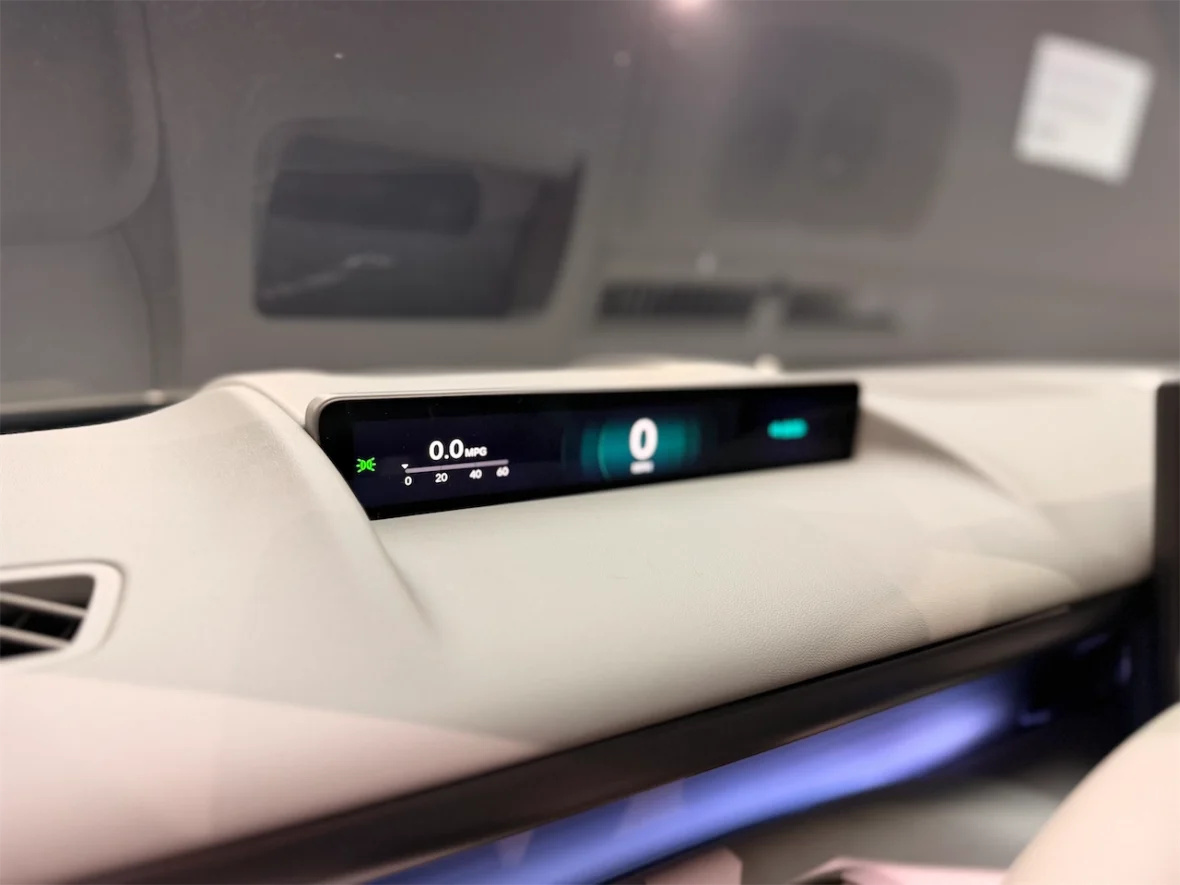
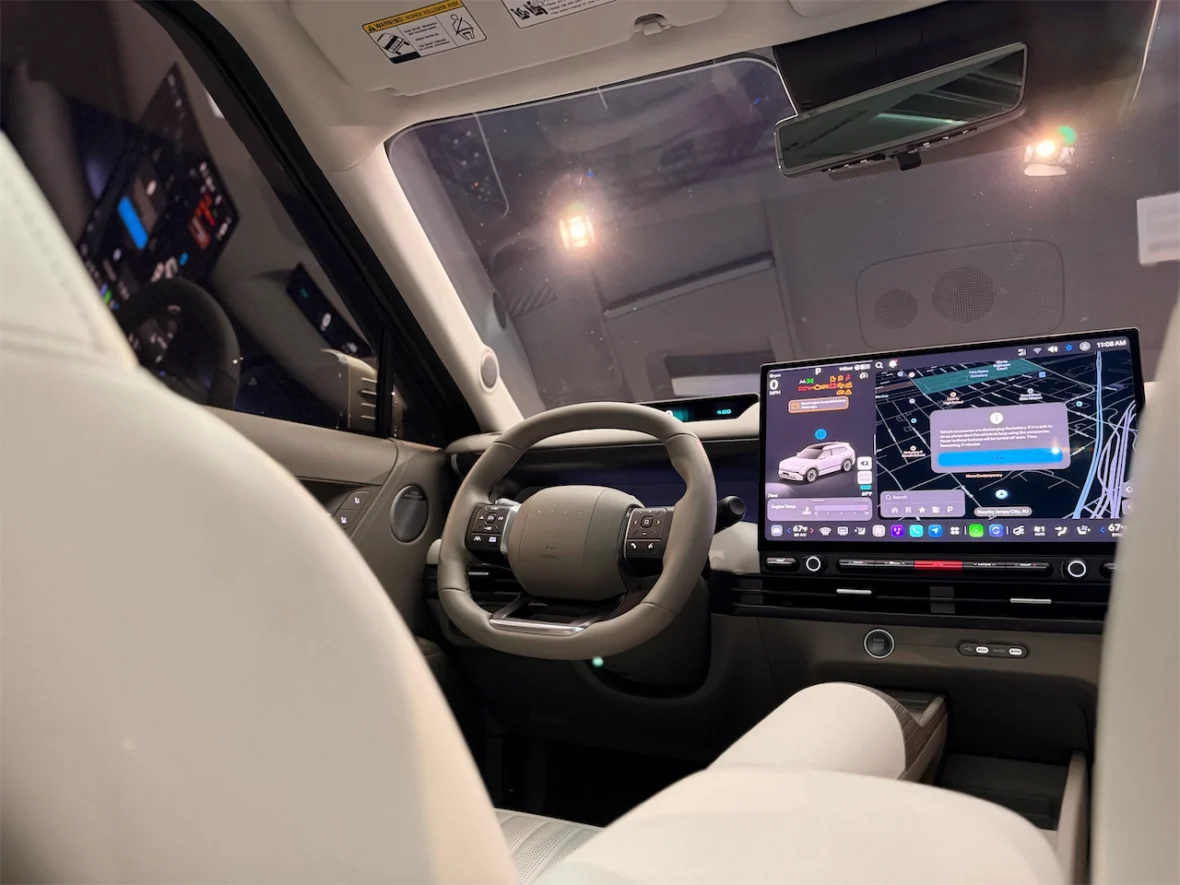
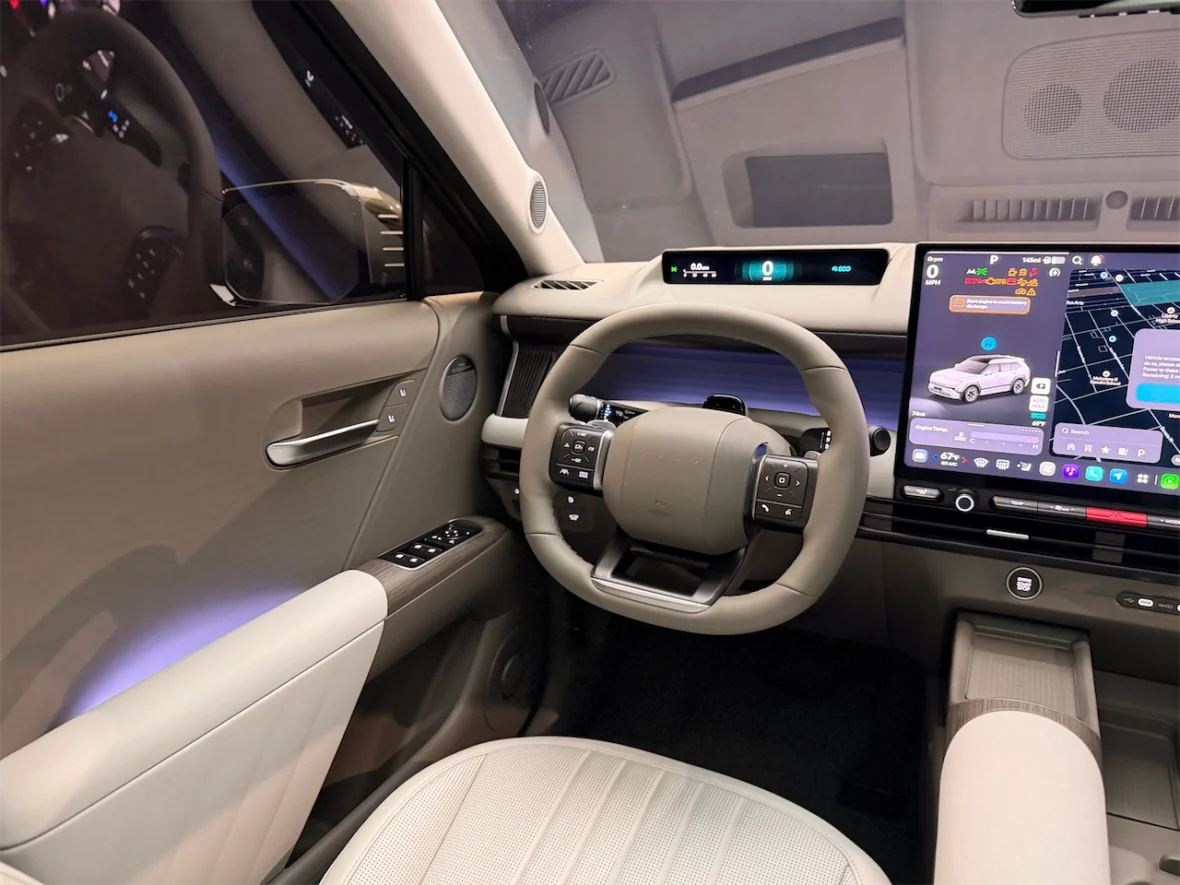
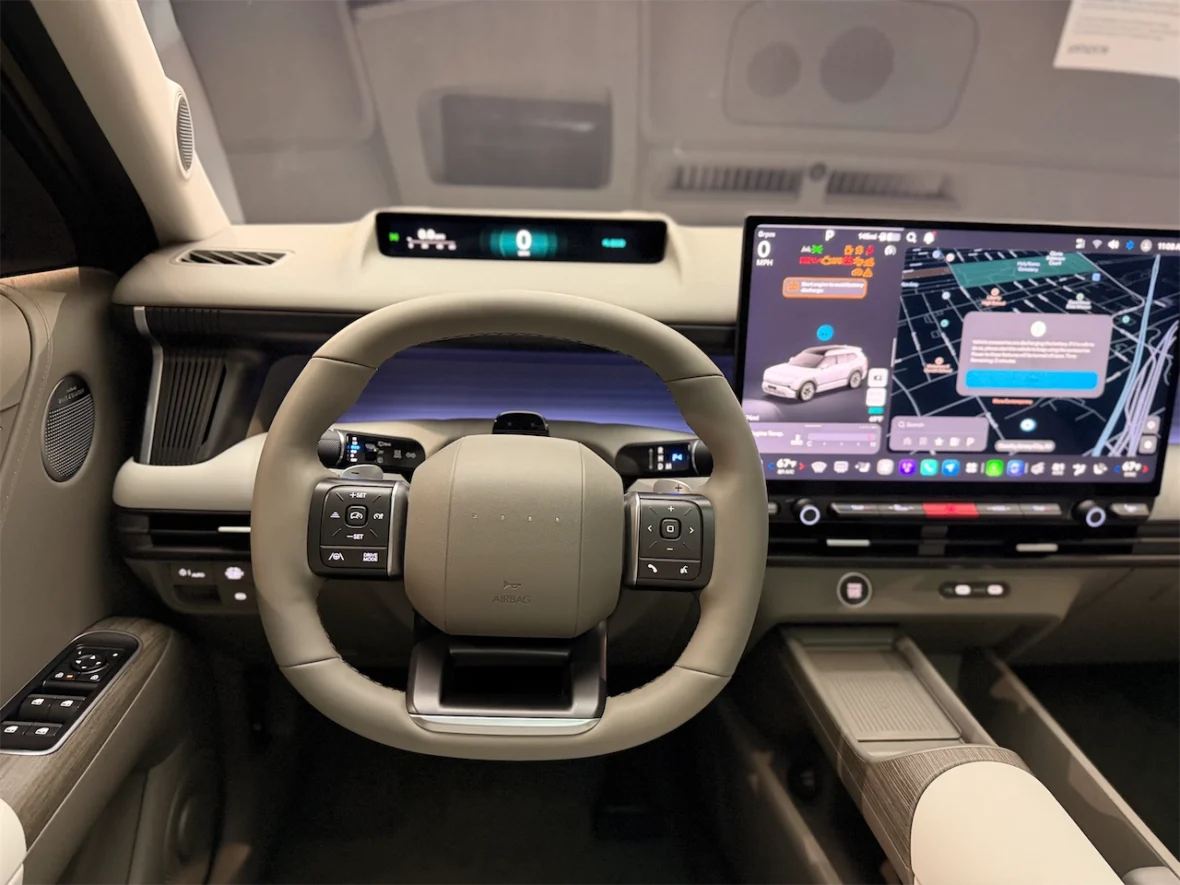
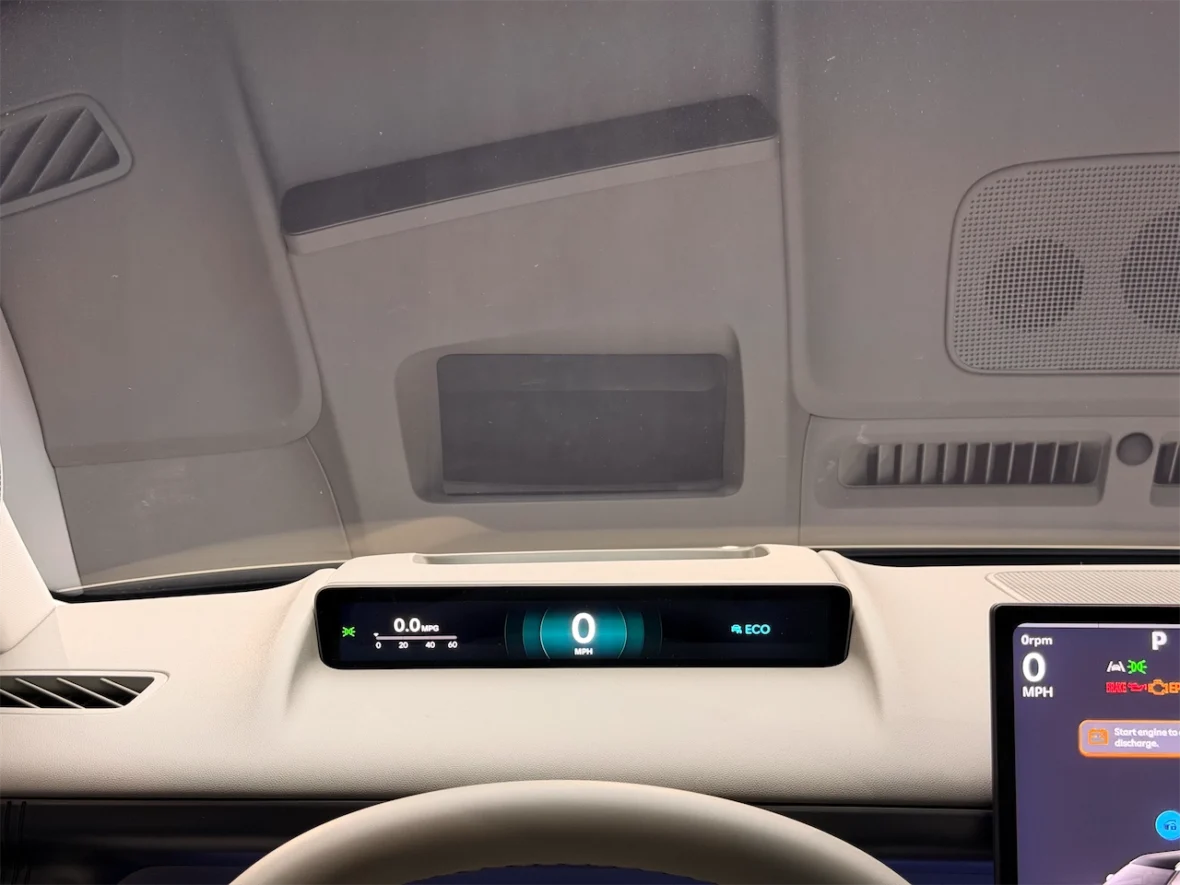
I am 5-foot-10, and the driving position is excellent. The Double D-Cut steering wheel keeps the new 9.9-inch slim driver display in clear view. Our tester also had a head-up display, so there is a lot of information right in my line of sight. Hyundai was adamant about “Eyes on the Road, Hands on the Wheel,” and that shows. The gear selector now lives on the steering column, and ambient lighting stretches across the dash.
Pleos Connect and Gleo AI Take Over the Dash
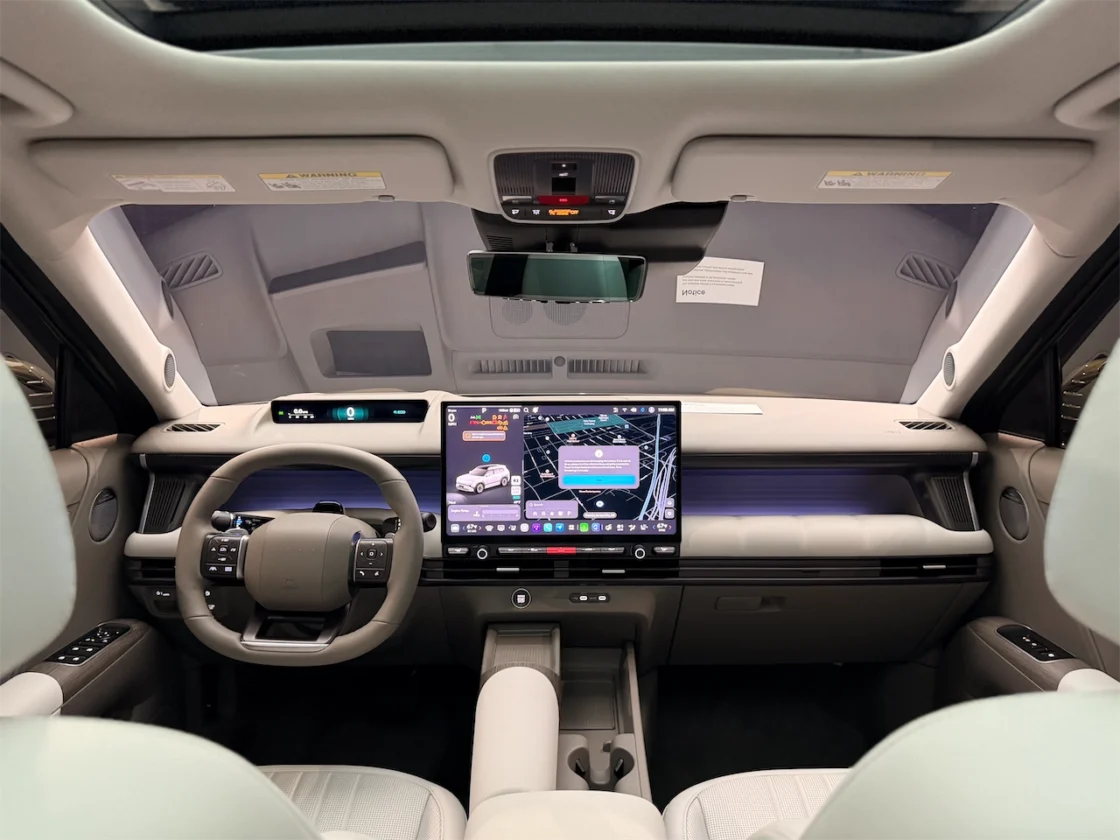
The biggest change inside is Pleos Connect, Hyundai’s new infotainment system. The new 2027 Hyundai Tucson is one of the first Hyundai vehicles to run the new software. It runs on a Qualcomm Snapdragon processor and is built on Android Automotive OS, though Pleos is Hyundai’s own operating system. Depending on trim, the main touchscreen measures either 12.9 or 17 inches, and the larger screen in our tester is massive.
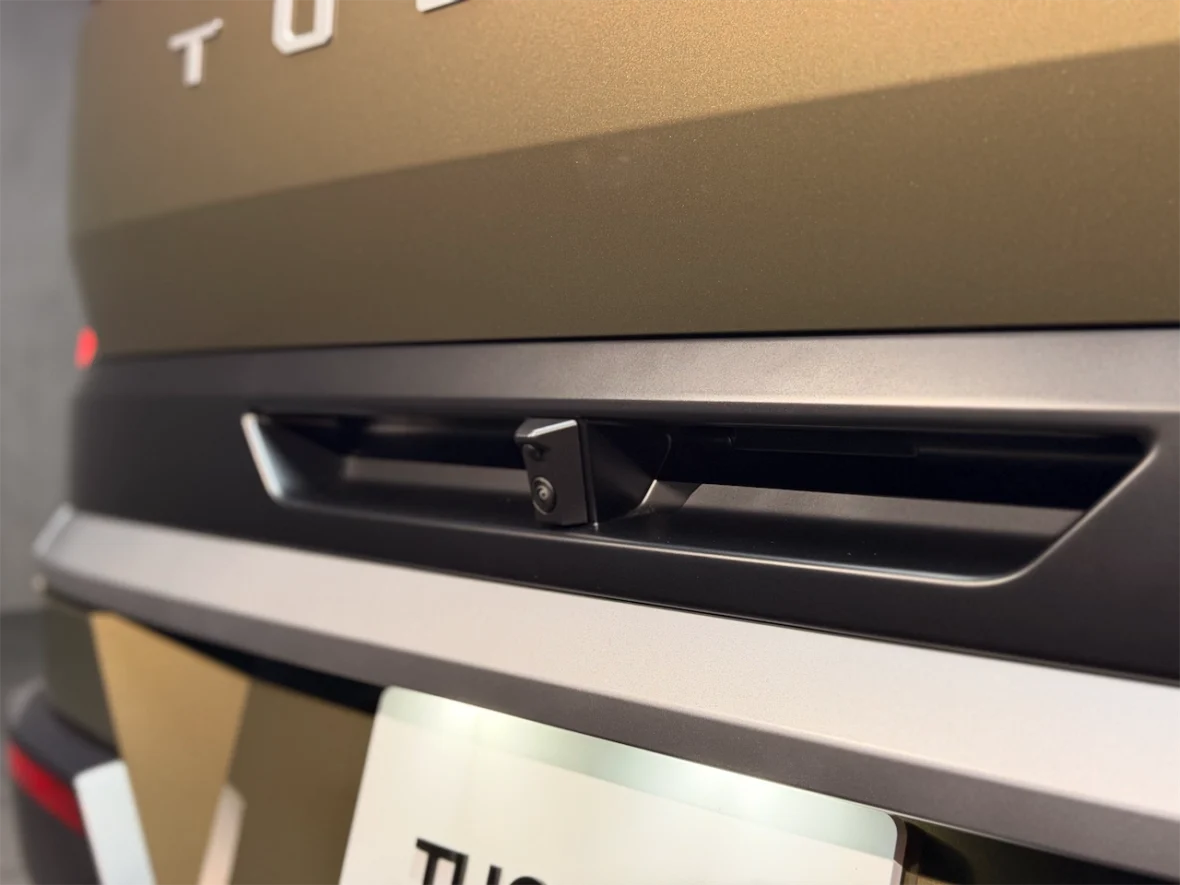
It is a big departure from Hyundai’s past systems. Quick-access shortcuts run along the bottom, and you can customize which apps show up and drag them wherever you want. When you turn on your blinker, the surround view monitor pops up on the screen. Hyundai is also opening Pleos to third-party developers, so expect more apps to arrive over time through over-the-air (OTA) updates.
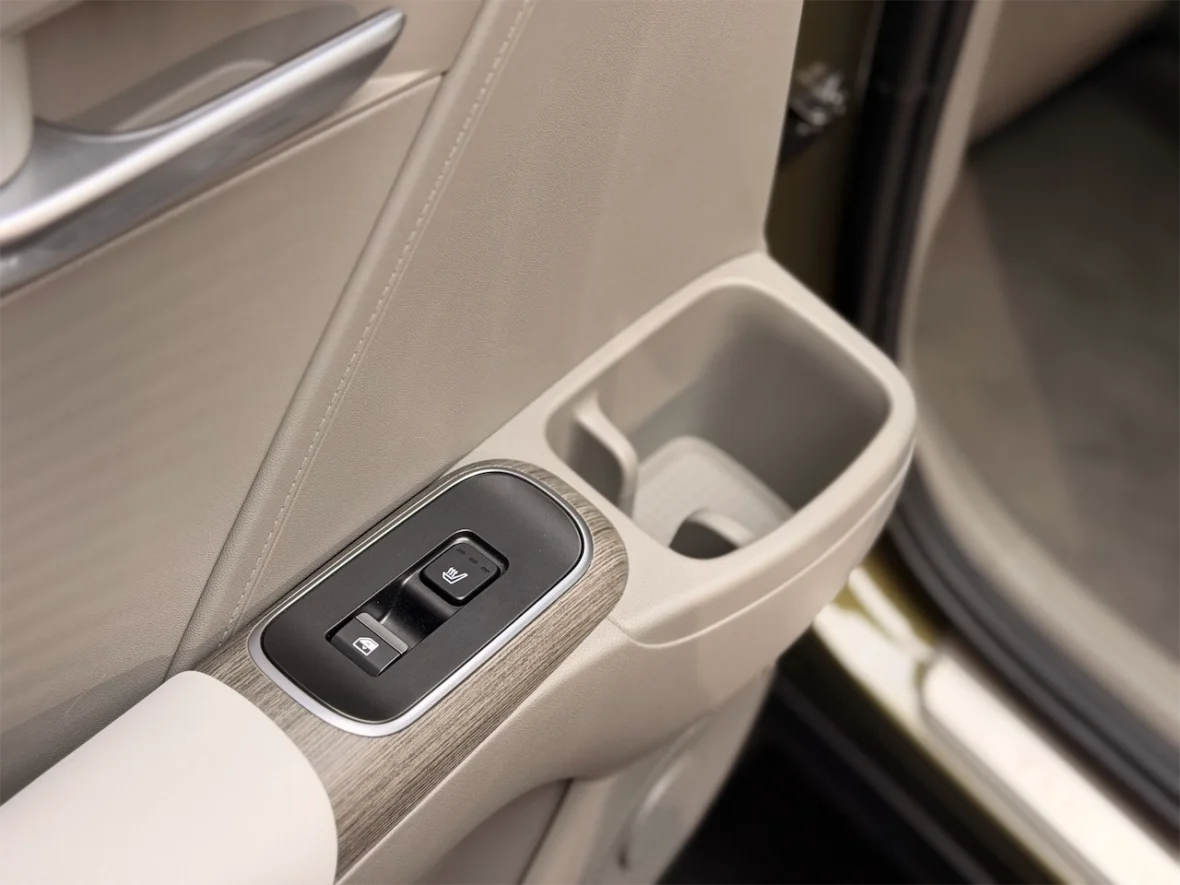
Then there is Gleo AI, the built-in voice assistant. It can roll down windows, adjust the climate, and respond to individual seats. One microphone array figures out who is speaking and handles each request accordingly. So I can say, “I’m cold, turn on my heated seat,” and someone in the back can say, “Me too,” and Gleo will warm up the right seat.
If all that tech stresses you out, Hyundai kept the buttons. Tactile controls sit below the screen for the things you use most, including climate, fan speed, heated and ventilated seats, and volume. Each one has a different texture, so you know what you are touching without looking. Holli loved having knobs and the tech.
A Back Seat That Puts Passengers First
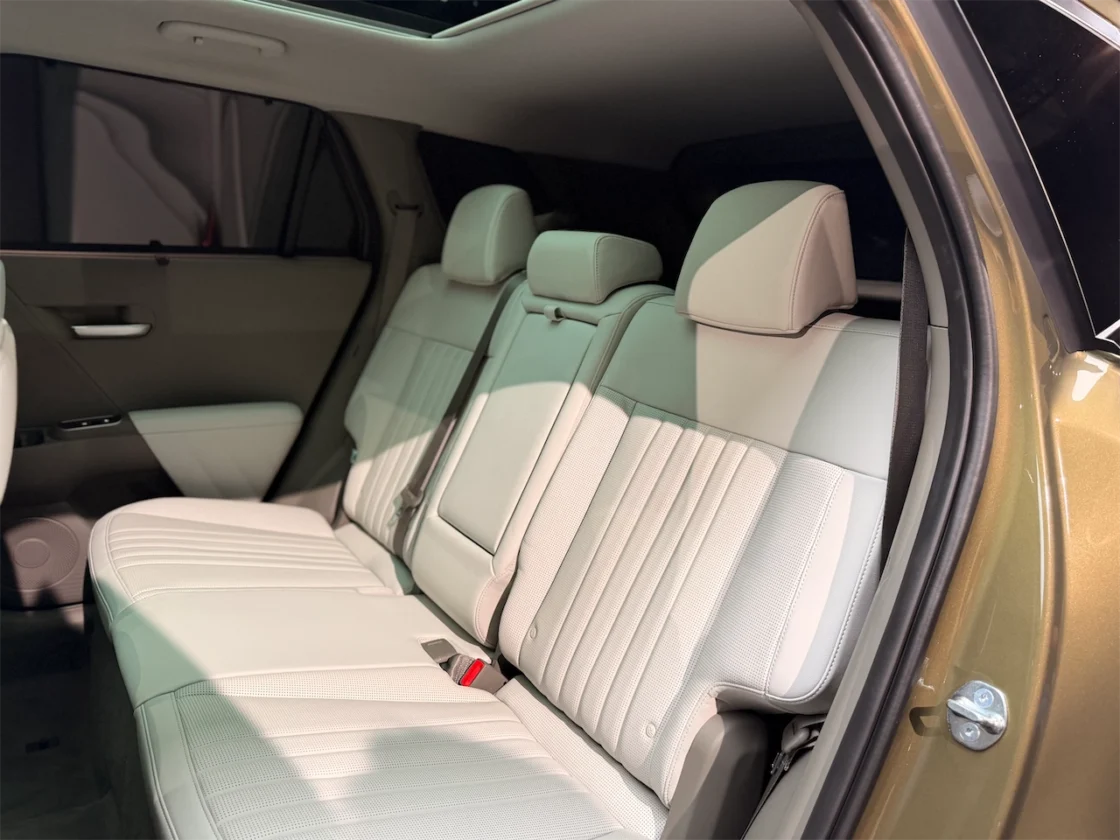
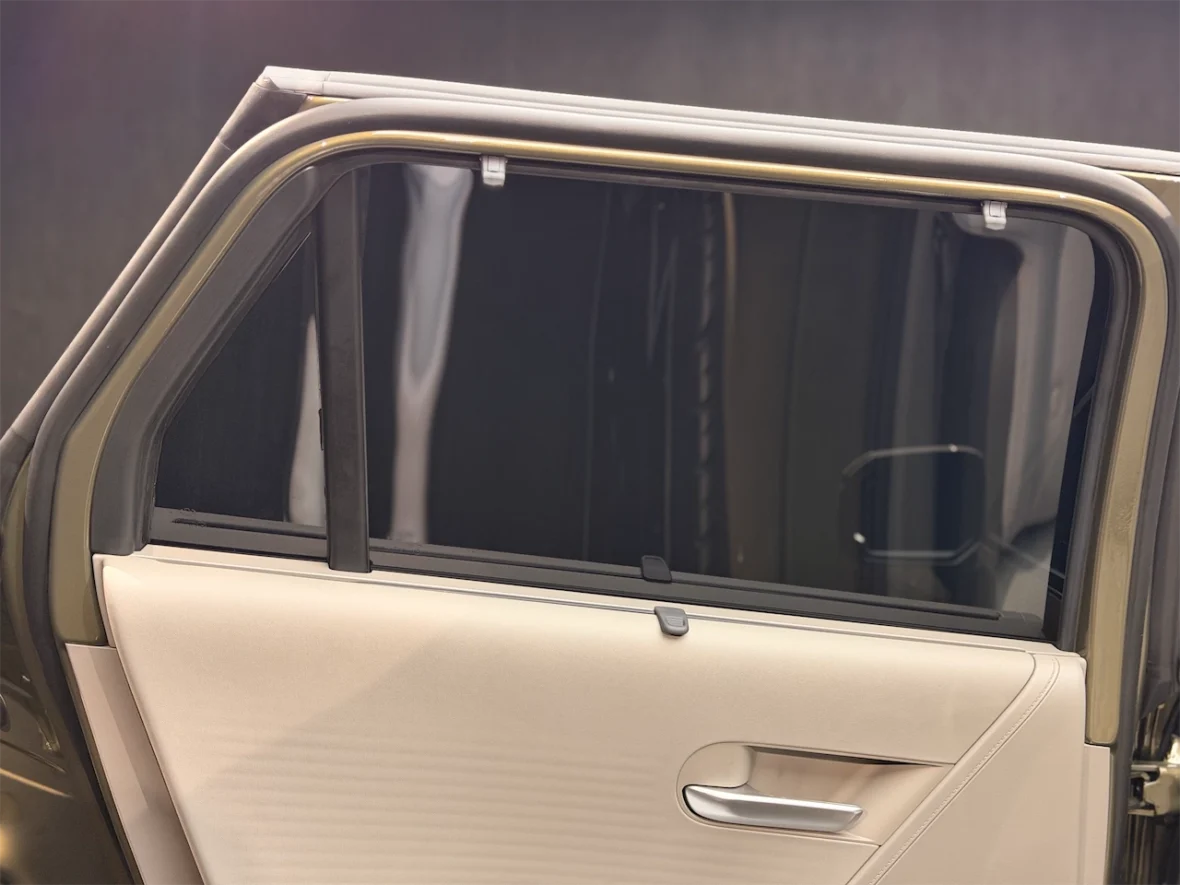
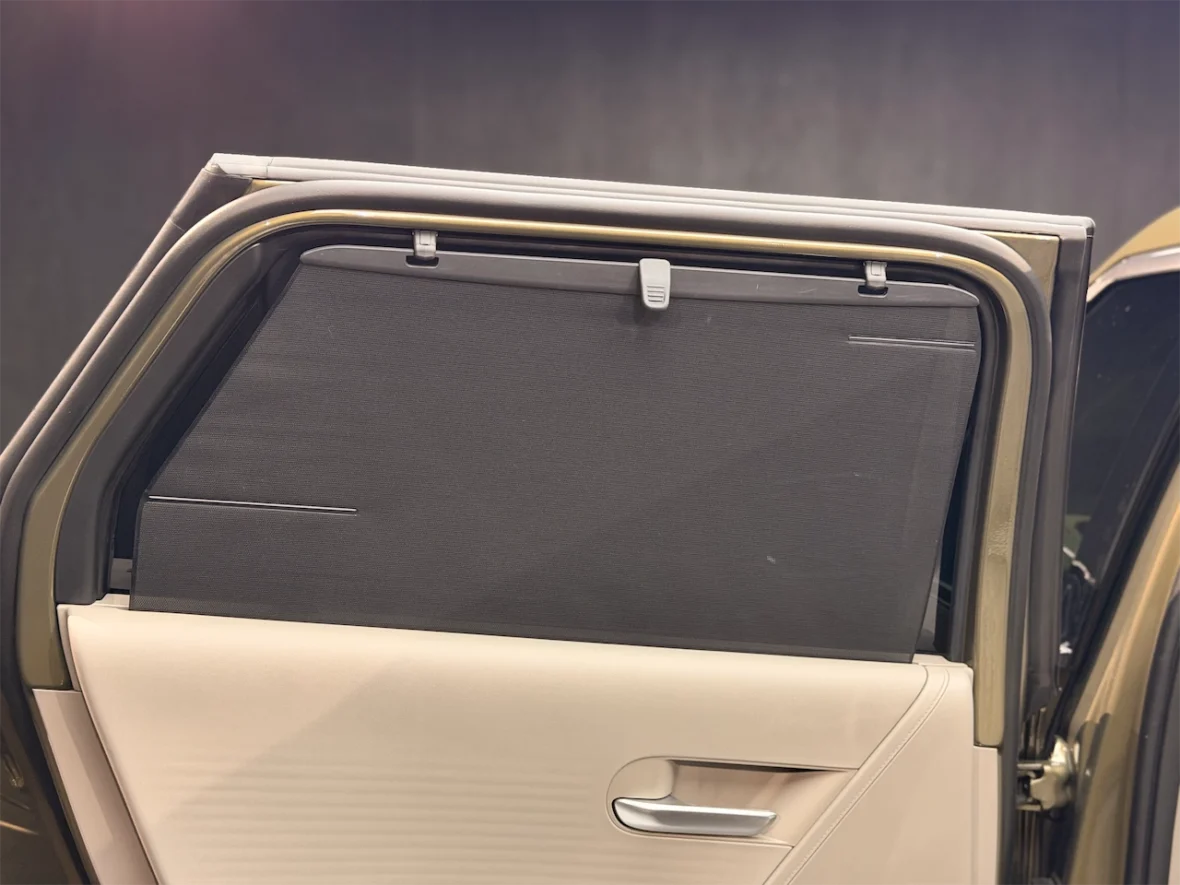
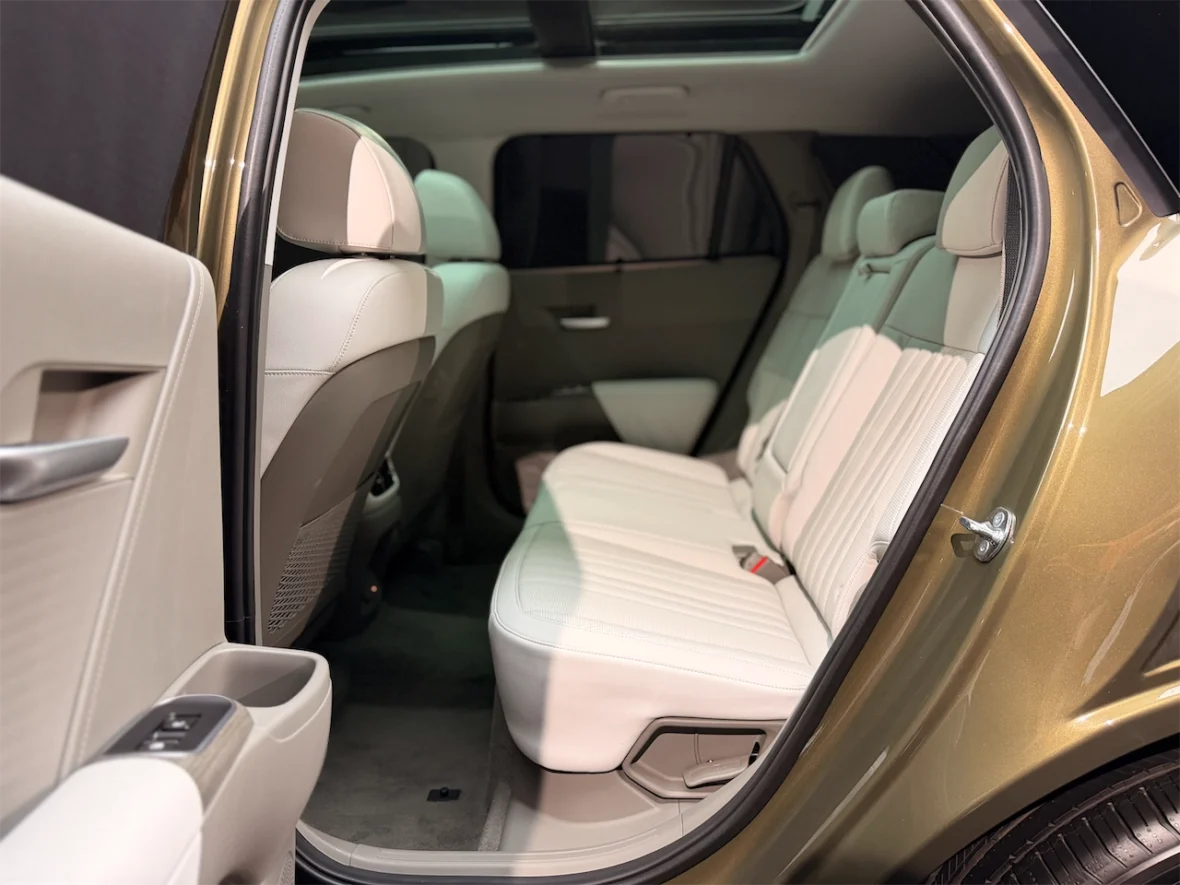
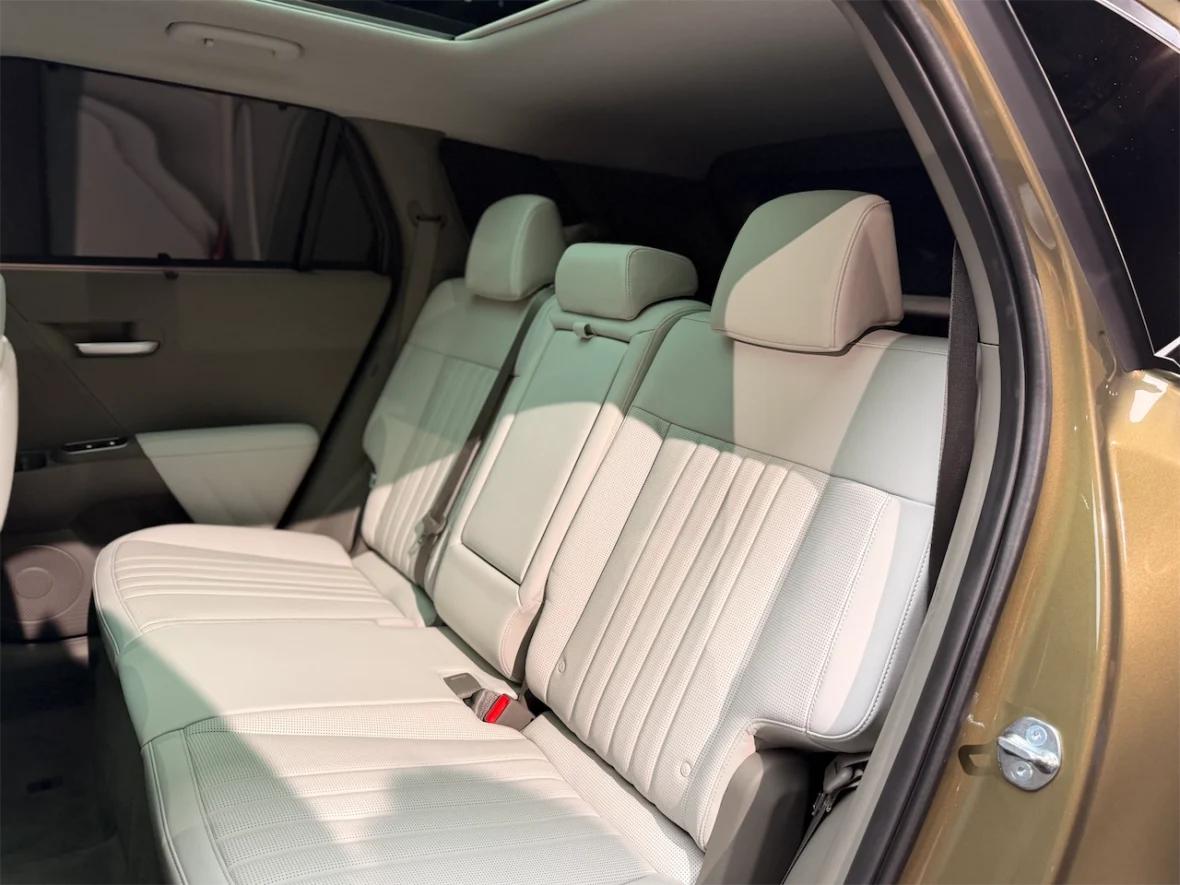
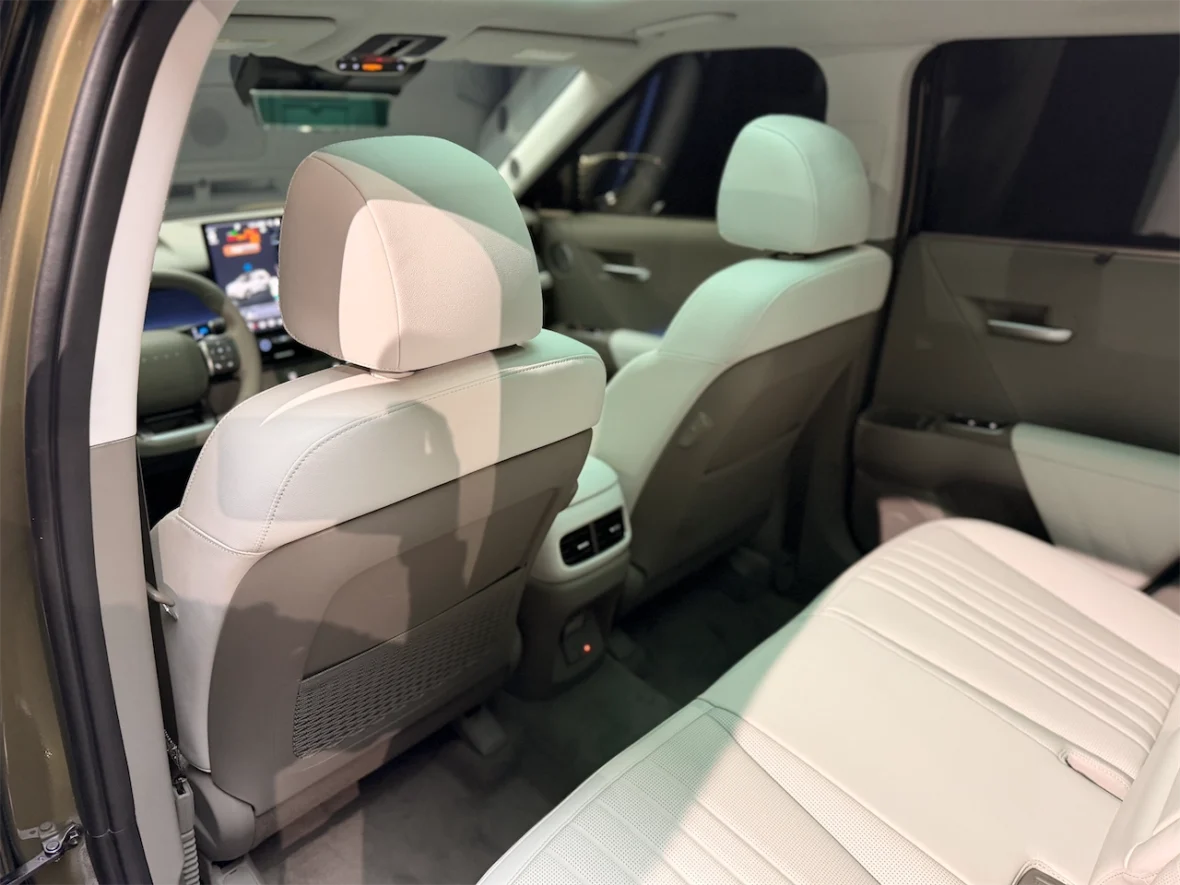
The back seat of the 2027 Hyundai Tucson was full of surprises. The rear doors have built-in sunshades, which are rare in this segment. There is a phone holder in the door, and the rear seats recline, way back. Holli tried it and was ready for a nap.
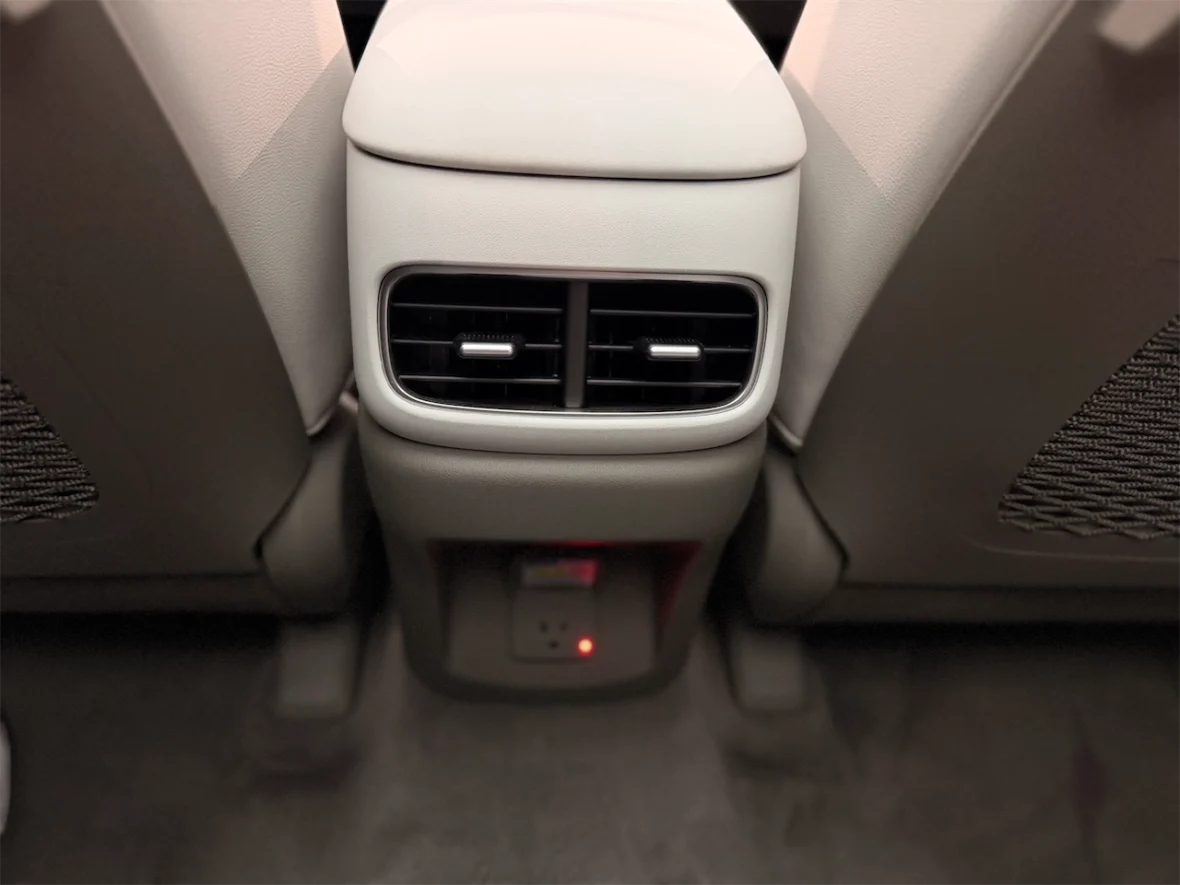
Sitting behind my own driving position, I had plenty of legroom and headroom. Rear passengers also get air vents, a household-style power outlet, and USB-C ports on the backs of both front seats. Our top-trim tester added heated outboard rear seats, storage nets, and a big panoramic sunroof overhead. Our son, Tucker, is going to love the fold-down armrest with its own cupholders.
All in all, the materials, textures, and features back here make it clear that rear passengers are not second-class citizens.
Why Busy Parents Will Love the New Tucson
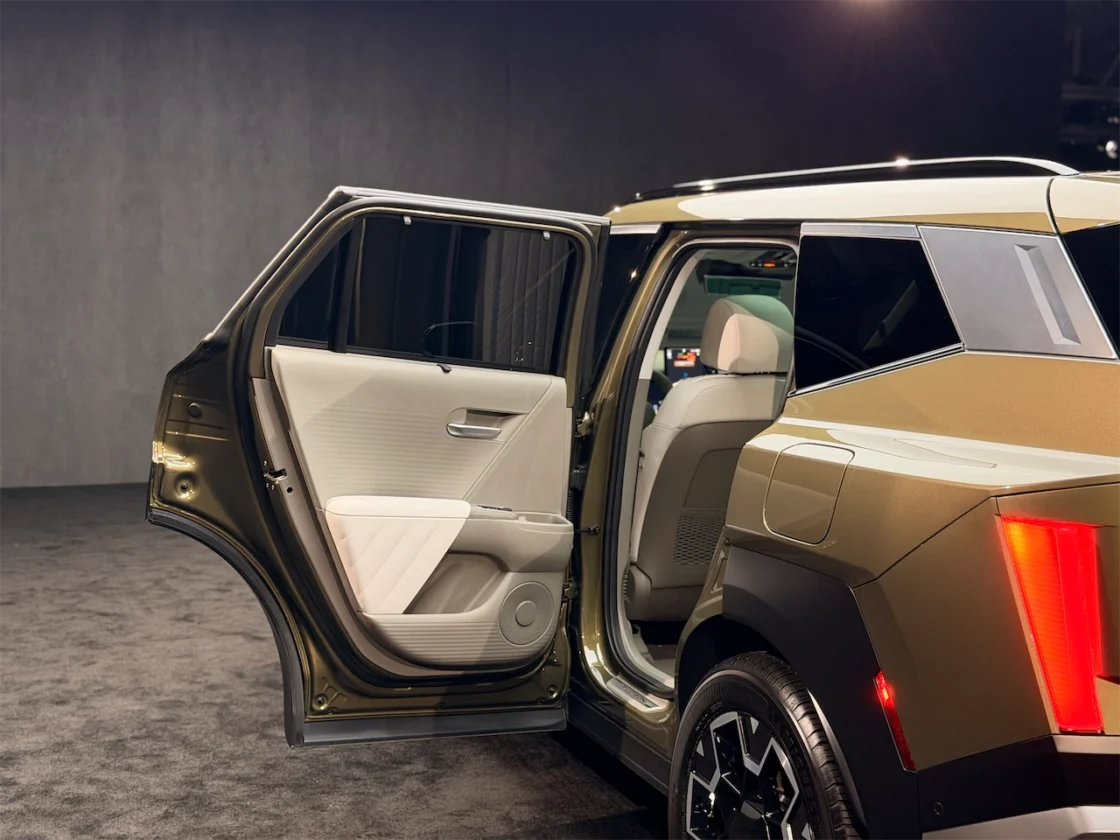
One detail busy parents cannot overlook is the rear doors. They now open to 83 degrees, up from 73 degrees. That might sound like just a number, but in practice it is nearly a 90-degree opening. That gives you the room to lean in and buckle a child or wrestle a car seat into place.
The extra 1.2 inches of wheelbase helps, too. Hyundai says that space is not just for adult passengers. It is also meant to make room for rear-facing car seats, so whoever sits up front is not riding with their knees in the dashboard.
Hyundai also added family-focused safety tech. Child Presence Detection and Rear Occupant Alert can warn you if a child or pet is left in the back seat, and an in-cabin monitoring system watches for driver drowsiness. Hyundai is targeting top safety ratings, including NHTSA 5-Star and IIHS Top Safety Pick+.
When Can You Buy the 2027 Hyundai Tucson?
The new Tucson launches in Korea later this year, and it arrives in North America in 2027. Hyundai has not announced pricing yet. For buyers who want more adventure, a rugged XRT PRO model adds AWD, all-terrain tires, 1.2 inches more ground clearance, and Hyundai’s first Smart Terrain Assist.
Keep in mind, this was a quick tour. We did not get to drive it yet. When the new Tucson comes home with us, we will put it to the test as a family and let you know how it stacks up against rivals like the Toyota RAV4 Hybrid, the Nissan Rogue Hybrid, and its cousin, the Kia Sportage.
Final Thoughts
The 2027 Tucson does not just look bolder. It feels like Hyundai sat down with real families and asked what they needed. The hybrid targets up to 42 MPG, the cabin feels like home, the tech is smart without taking away your buttons, and the wide-opening rear doors will save your back on every car seat install. For families shopping for a compact SUV next year, this is one to keep on your list.
Want to see it for yourself? Watch our full walkaround on the GT: Garage Talk YouTube channel, and subscribe to our weekly newsletter on GTGarageTalk.com so you never miss a new review.