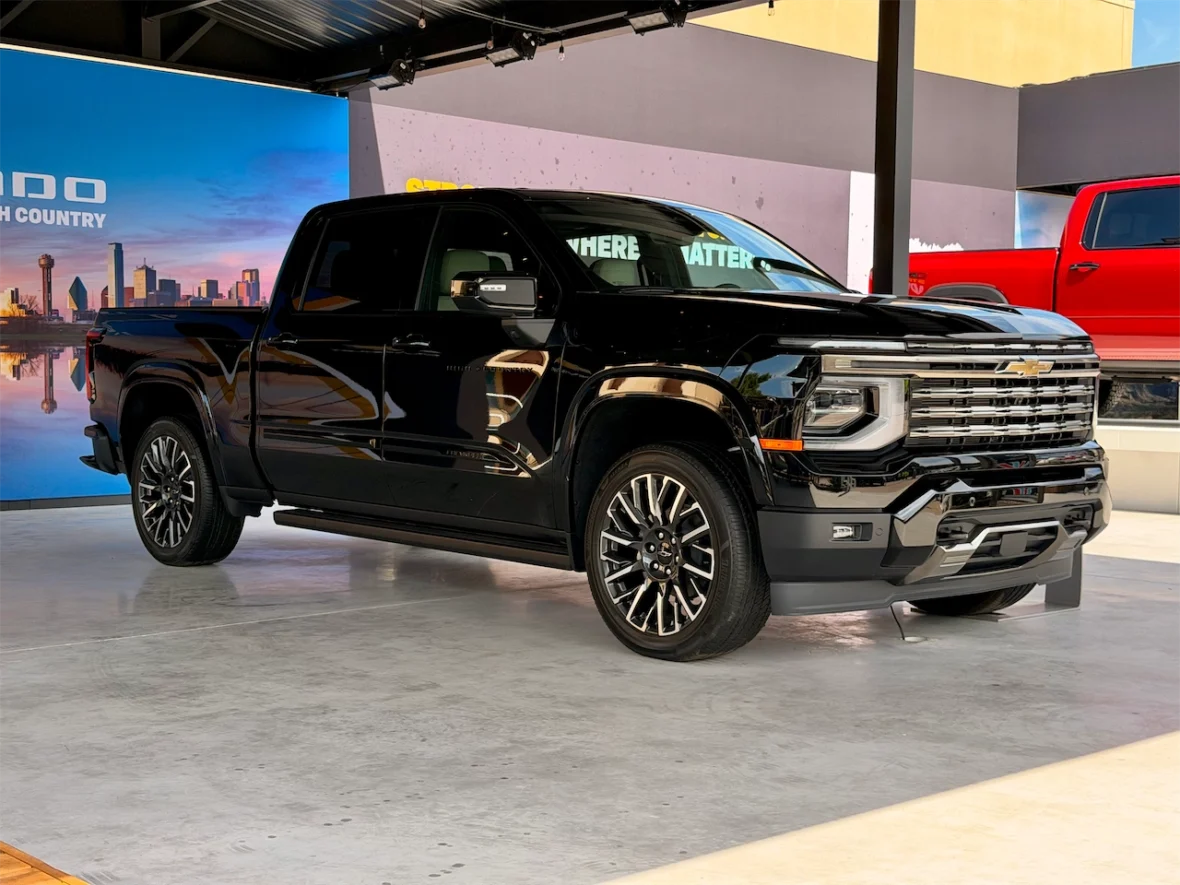
2027 Silverado V8 MPG Is In, and Here’s What It Means for Our Custom Trail Boss

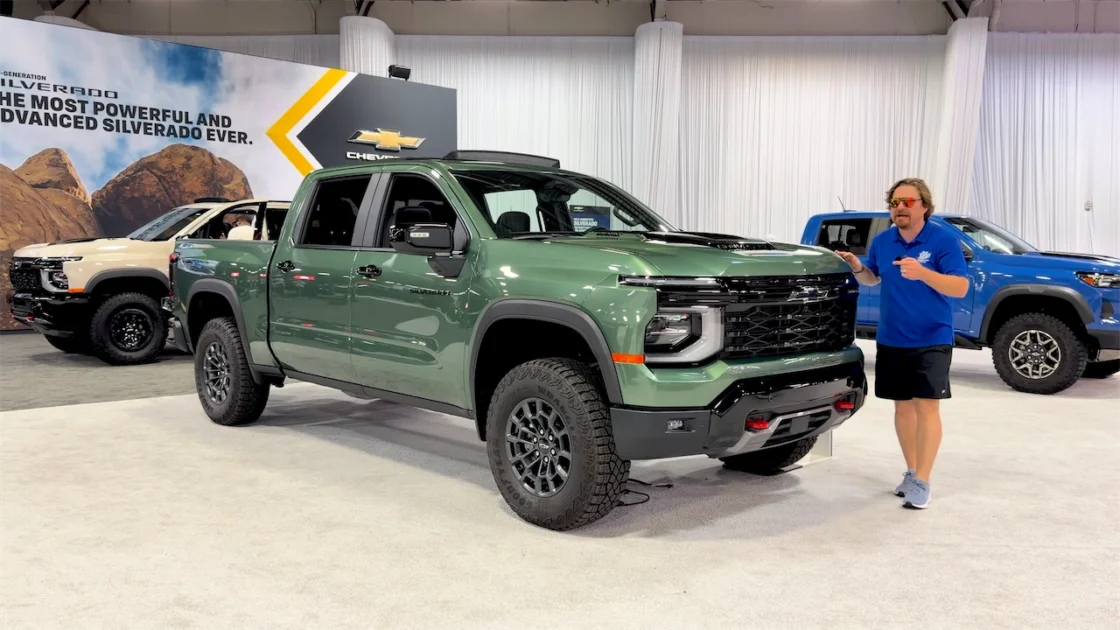
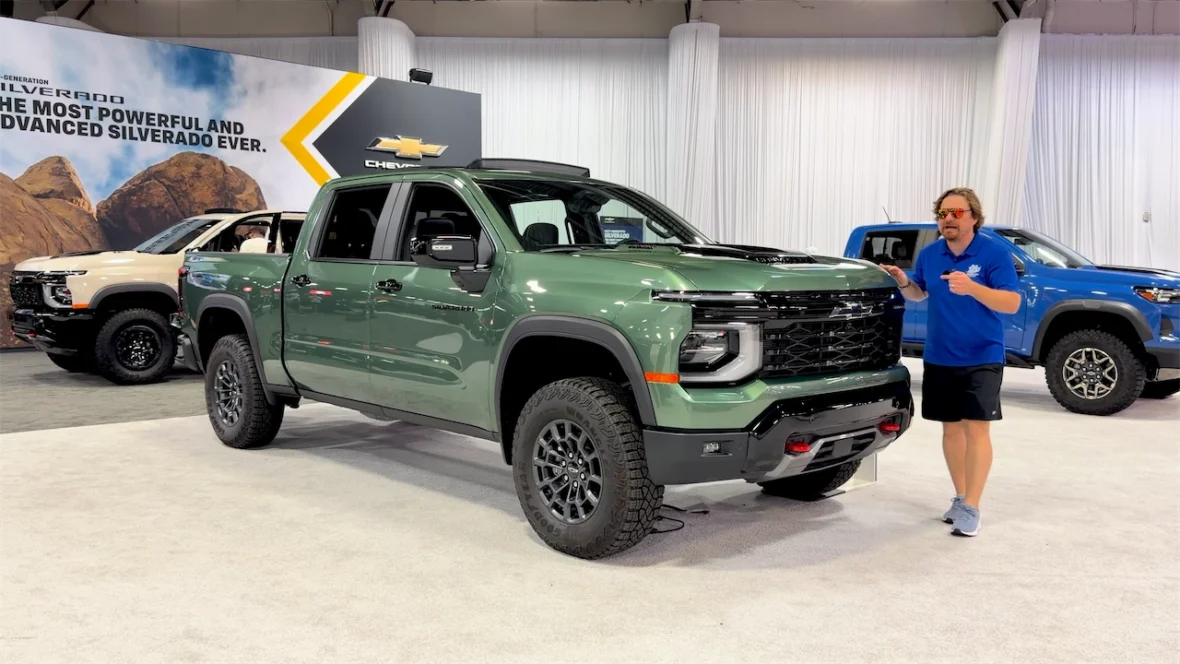
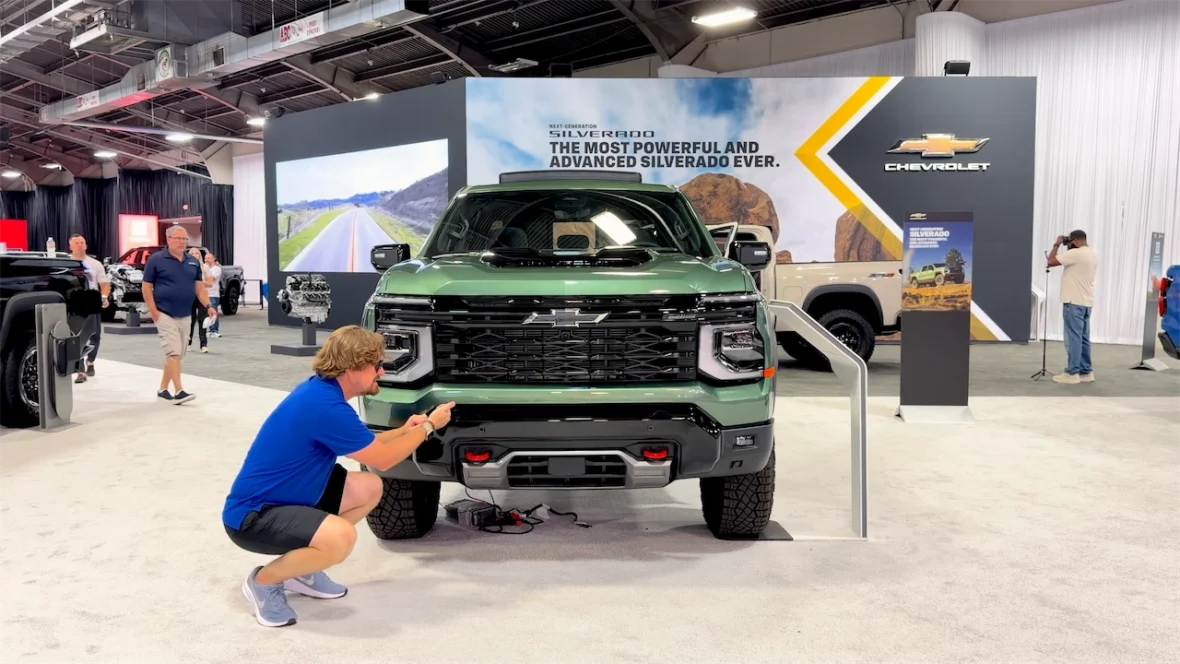
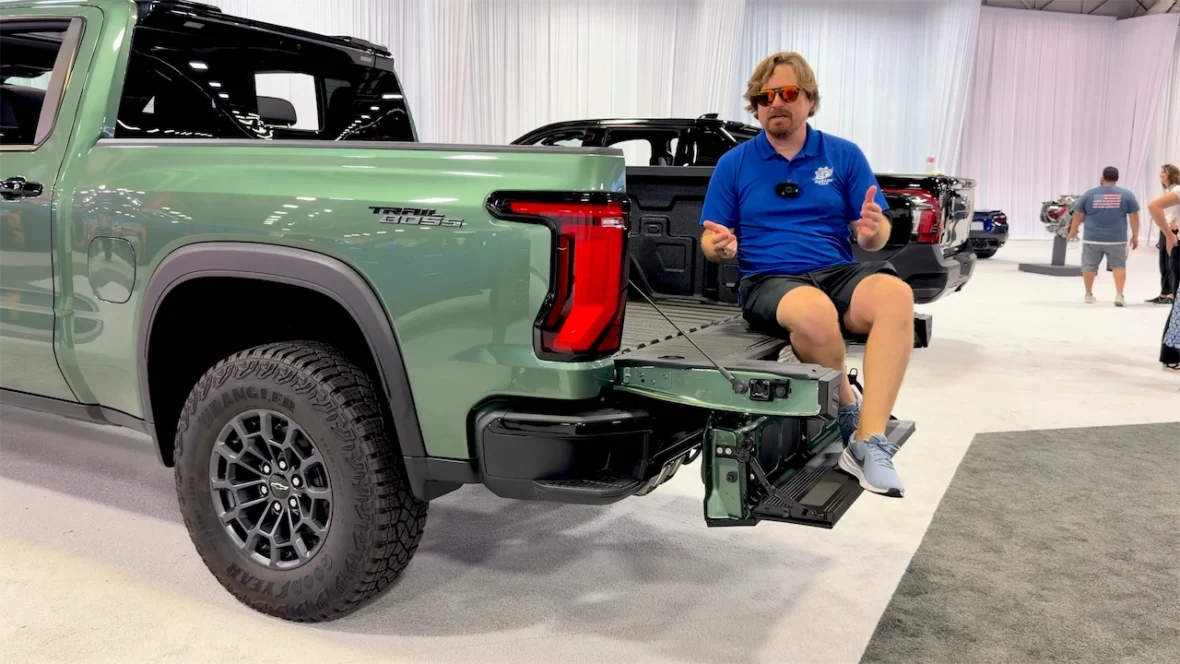
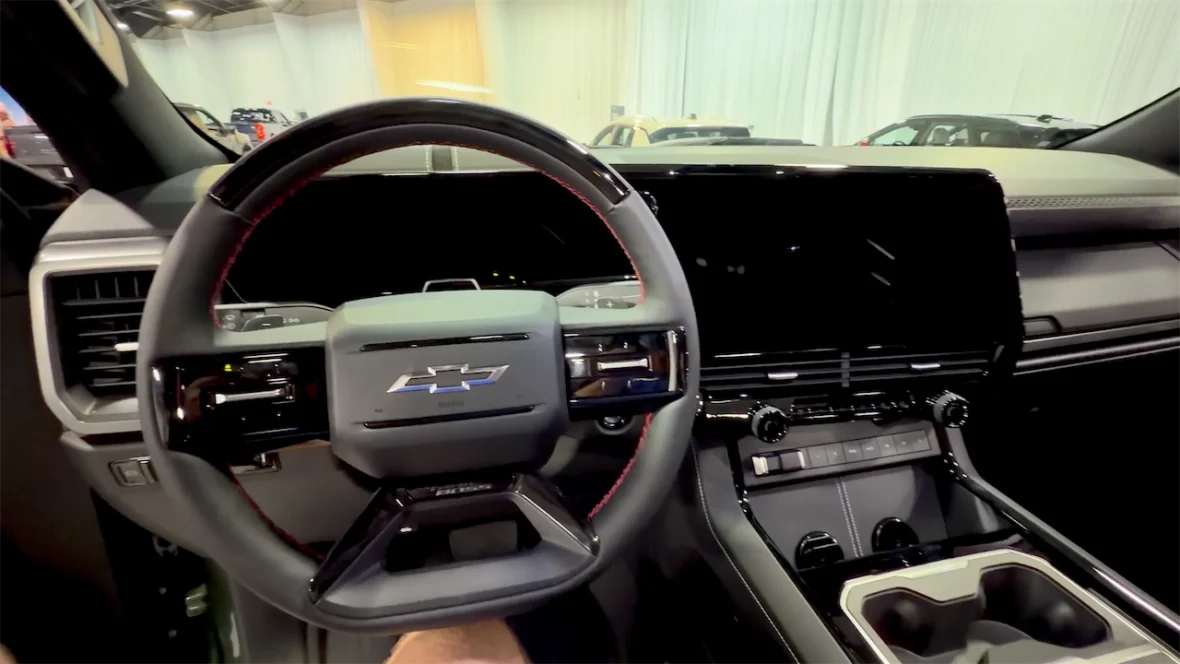
Every family that has ever ordered a new vehicle knows the waiting game. For example, in our house, we check the order status more than the weather, and the countdown for Cheyenne, our green 2027 Chevy Silverado Custom Trail Boss with the new 5.7-liter V8, is officially on. Since the day we placed the order, one question has nagged at me more than any other: what would 2027 Silverado fuel economy look like with this new small block?
Now we have an answer. The first official 2027 Silverado fuel economy numbers have surfaced. Surprisingly, they didn’t come from a GM announcement. As GM-Trucks.com reported in an exclusive, the EPA ratings are already printed on the window stickers of trucks headed to dealers, even though GM hasn’t published a single MPG figure for either new V8.
The 2027 Silverado Fuel Economy Numbers for the 5.7-Liter V8

The 5.7-liter V8 (RPO L76) is rated at 15 MPG city, 18 MPG highway, and 16 MPG combined on a 4WD crew cab Z71 and a 4WD Trail Boss. In 2WD, a crew cab LT and the GMC Sierra 1500 Denali both read 15 city, 19 highway, and 17 combined. Notably, every one of those trucks is a crew cab short box with the 10-speed automatic, a 3.23 rear axle, and 20-inch wheels. Better yet, GM recommends regular 87 octane for the 5.7, so there’s no premium pump in our future.
What the Trail Boss Label Tells Us About Our Custom Trail Boss
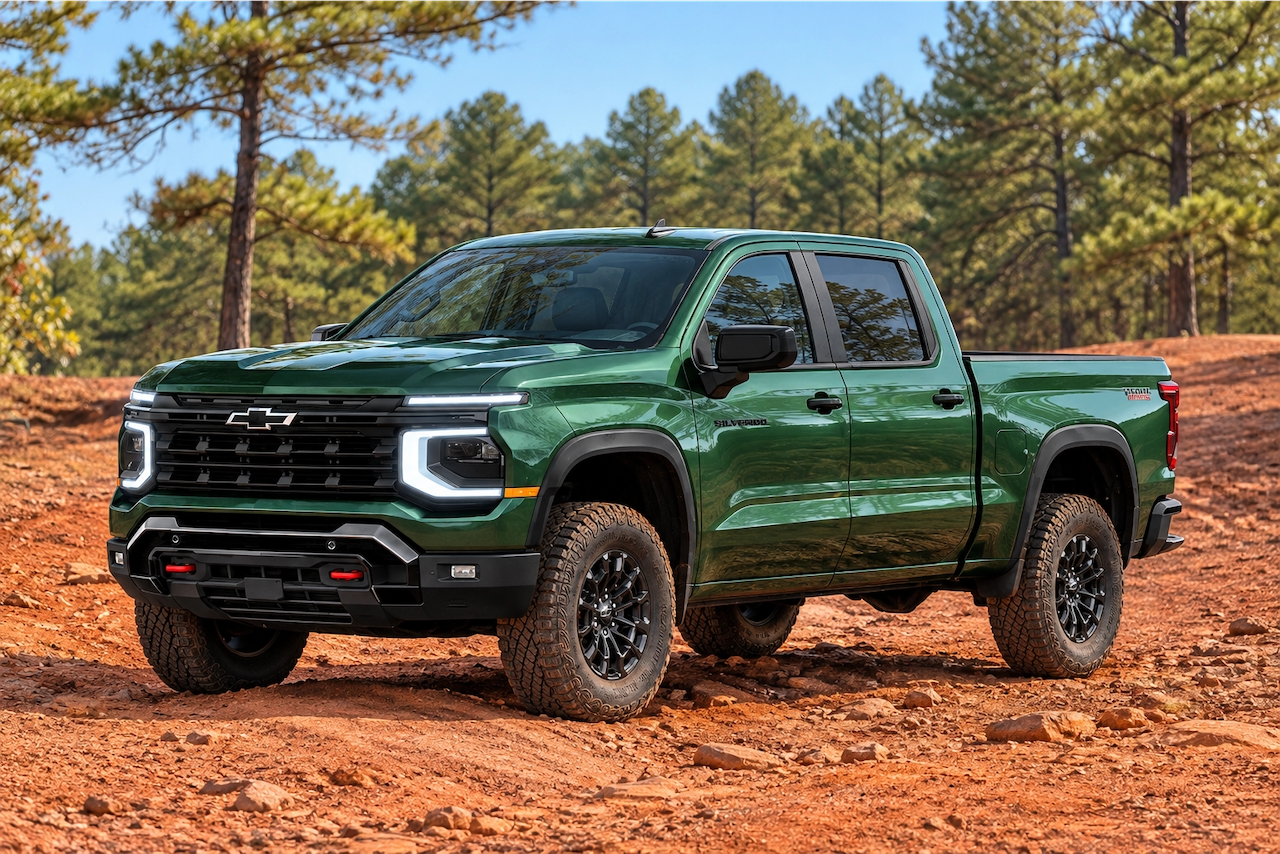
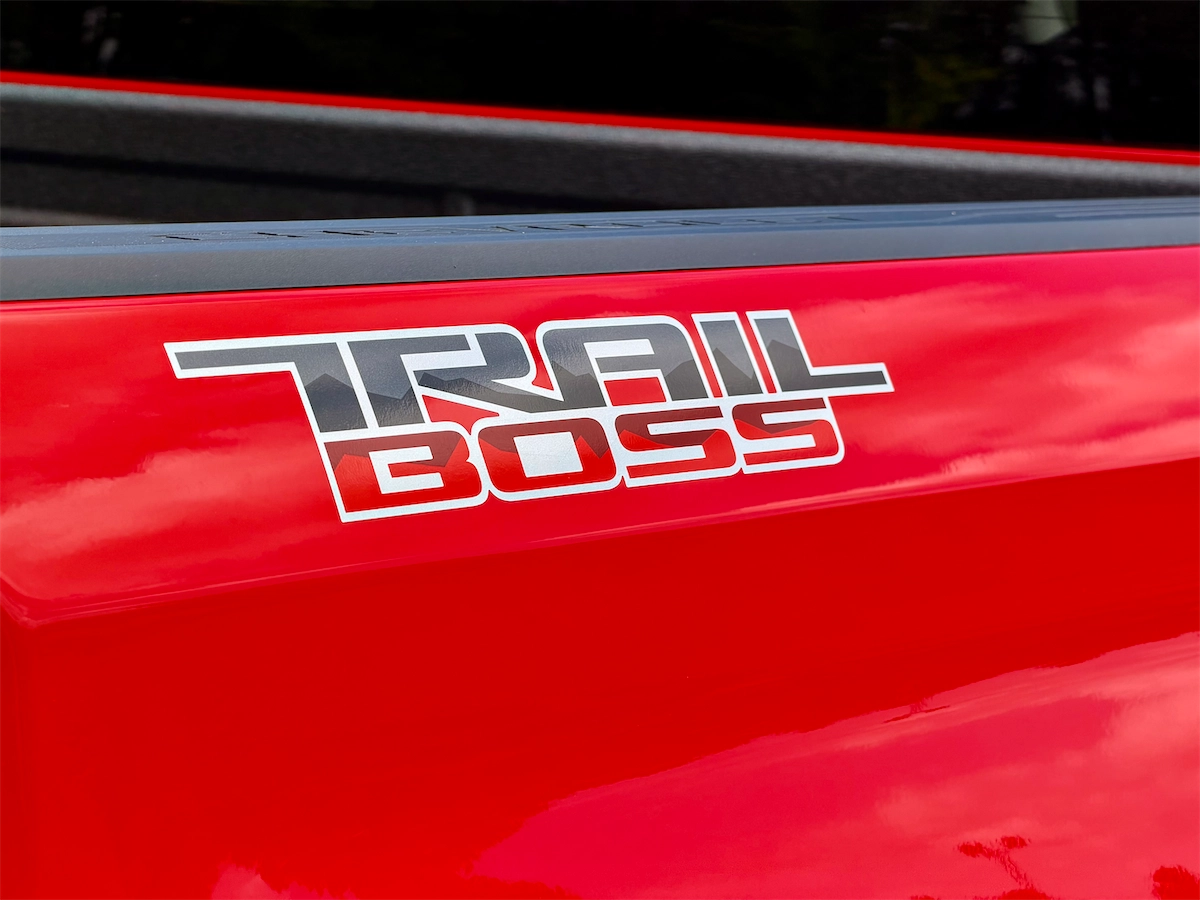
So far, nobody has spotted a Custom Trail Boss sticker. However, the most telling detail in the report is that the Trail Boss, with its off-road suspension package, printed the exact same label as the Z71. Since our truck is also a 4WD crew cab short bed with the 5.7, I’m expecting Cheyenne to land right around 15 city, 18 highway, and 16 combined.
Beyond MPG, range is the other number I care about, especially with road trips on the calendar. At 16 MPG, the standard 24-gallon tank works out to about 384 miles between fill-ups, while the optional 34-gallon tank stretches that to roughly 544 miles. Sadly for us, the new and larger 34-gallon tank was not an option on our trim.
Of course, the first few tanks won’t tell us much. We’ll be following the 2027 Silverado break-in rules before we start logging real-world numbers, and I’ll share every fill-up with you.
How the 5.7L Compares to the 2026 Silverado 5.3L
So did the new Gen VI small block gain or lose ground? According to fueleconomy.gov, the 2026 Silverado 5.3-liter V8 is rated at 16/20/17 MPG in 2WD and 15/19/17 in 4WD. In short, the 5.7 is a wash on combined MPG in 2WD and gives up one MPG in 4WD on these first labels.
| What Changed | 2026 5.3-Liter V8 | 2027 5.7-Liter V8 | What It Means for Families |
|---|---|---|---|
| Horsepower | 355 | 402 | More confidence merging onto the interstate with a loaded bed |
| Torque | 383 lb-ft | 428 lb-ft | More grunt for the camper, boat, or utility trailer |
| Combined MPG, 2WD | 17 | 17 | No fuel economy penalty |
| Combined MPG, 4WD | 17 | 16 | About one extra gallon every 300 miles |
| Recommended Fuel | Regular 87 | Regular 87 | Still no premium required |
In exchange, the 5.7 adds 47 horsepower and 45 lb-ft of torque, and it’s rated to tow up to 13,700 pounds. However, there’s a caveat worth noting. The Z71 and Trail Boss stickers come from trucks on all-terrain tires, and the EPA’s own 2026 listings show a mud-terrain tire option taking one MPG off the 5.3. In other words, a 4WD 5.7 on more road-friendly rubber could match the old engine.
Either way, one MPG for 47 more horsepower is a trade I’ll make all day.
Why the 6.6-Liter V8 Wasn’t for Us
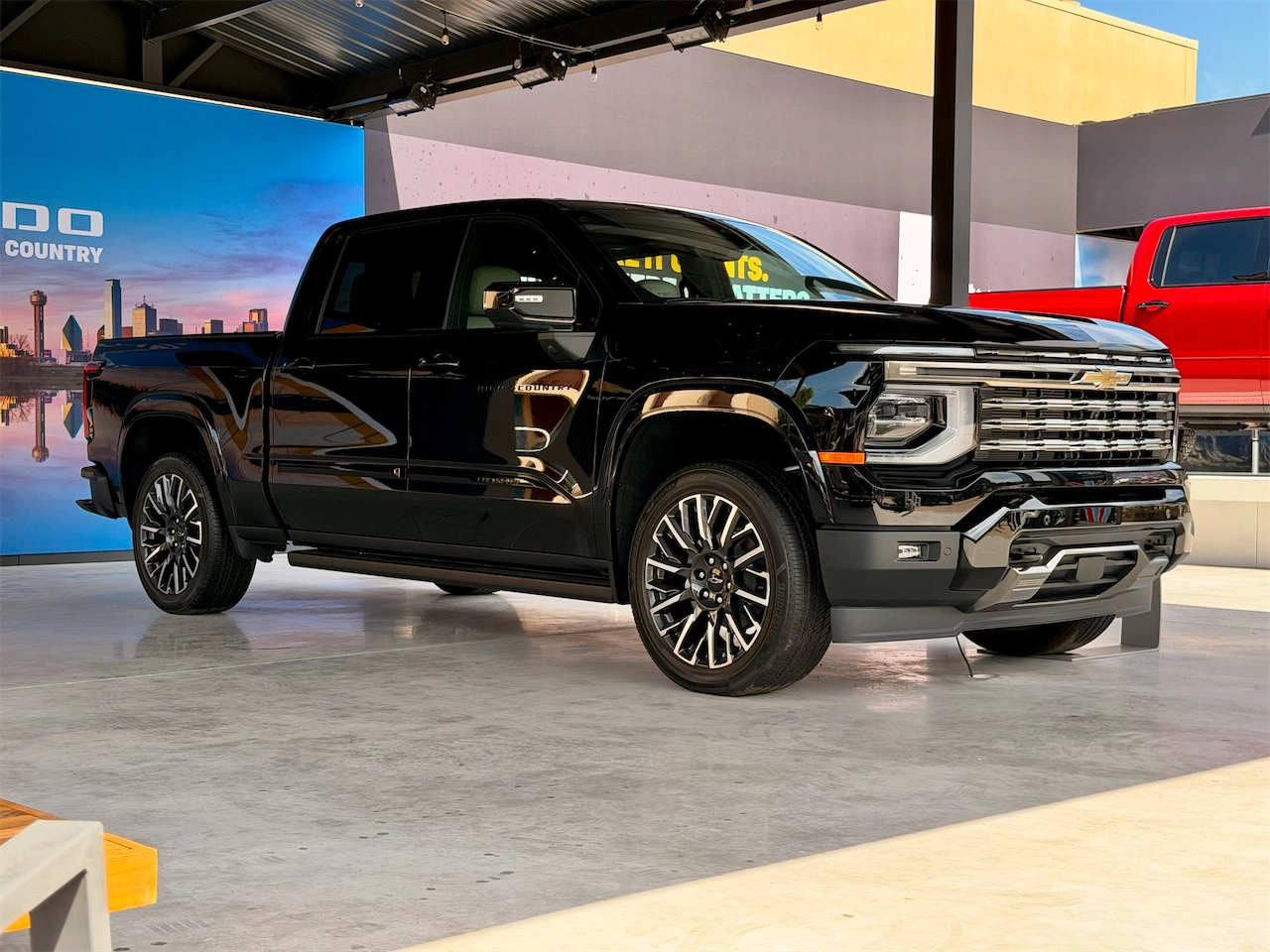
The bigger 6.6-liter V8 (RPO L78) is rated at 14 city, 18 highway, and 15 combined on a 4WD High Country. In return, it makes 481 horsepower and 501 lb-ft of torque, but it carries a 91-octane recommendation. As a result, its label prices fuel at $3.95 a gallon and lists $3,950 a year in fuel costs. Here’s how it stacks up against the 5.7:
- About 75 more gallons of fuel a year than a 4WD 5.7 at 15,000 miles
- Roughly $1,100 more per year at the pump, mostly from the premium price
- A $2,800 option over the 5.7 on a Silverado High Country
- Lower towing, rated at 9,700 pounds versus 13,700 pounds for the 5.7
- A standard 34-gallon tank, good for about 510 miles between fill-ups
Road Trip Math: 2027 Silverado Fuel Economy by V8
To put that gap in Texas terms, here’s roughly what a one-way drive from our driveway in Tyler would cost in fuel with each V8:
| Trip From Tyler (Approx. One-Way Miles) | 5.7-Liter V8 on Regular | 6.6-Liter V8 on Premium |
|---|---|---|
| Dallas (100 miles) | $17 | $22 |
| Houston (195 miles) | $34 | $43 |
| Austin (235 miles) | $40 | $52 |
| San Antonio (305 miles) | $53 | $67 |
Those estimates use the 18 MPG highway rating both 4WD V8s share, along with the fuel prices printed on their window stickers: $3.10 a gallon of regular for the 5.7 and $3.95 a gallon of premium for the 6.6. Over a summer of family road trips, that difference adds up quickly.
On top of that, Chevrolet only offers the 6.6 on the High Country and ZR2, so it was never on the table for our Custom Trail Boss. Meanwhile, both V8s take 8 quarts of 0W-30, and as we’ve covered, and neither one has an oil dipstick. For a family that tows, goes on road trips, and pays its own fuel bills, the 5.7 is the sweet spot.
When Will Official 2027 Silverado Fuel Economy Hit fueleconomy.gov?
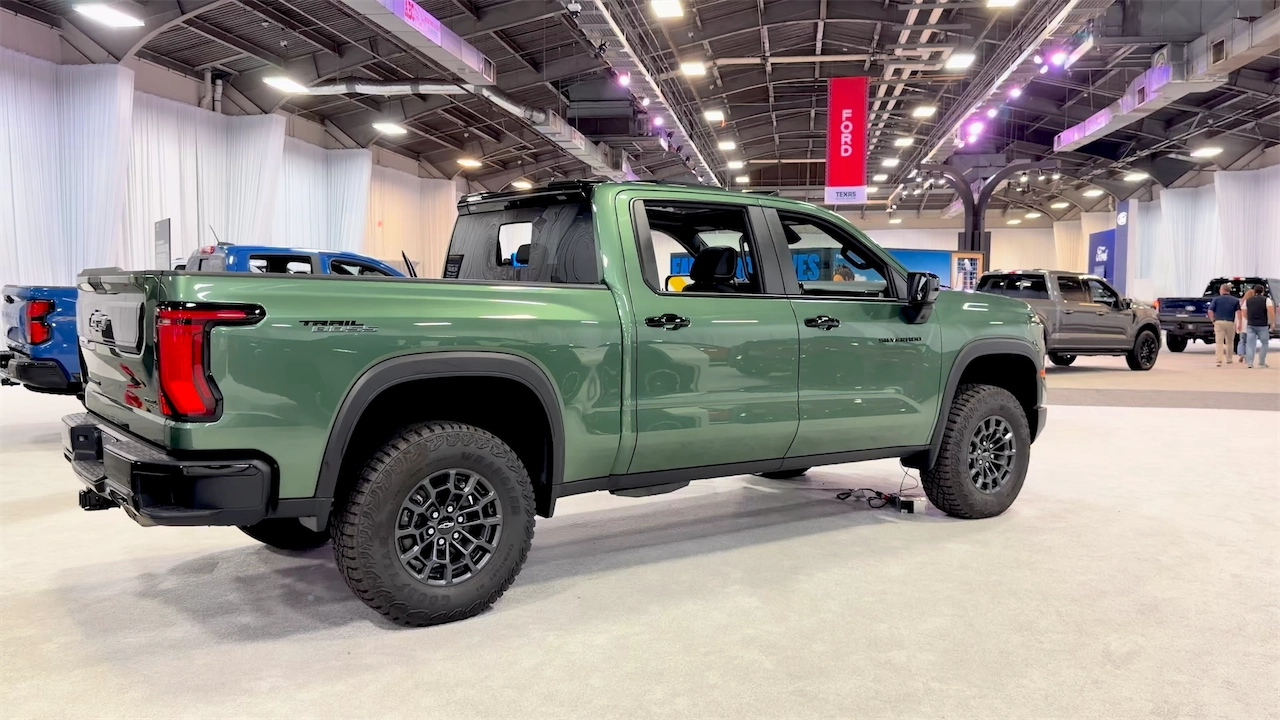
Not yet. As of November 3, the EPA’s site listed zero 2027 Silverado and Sierra pickups of any engine, including the TurboMax and Duramax. Meanwhile, the first trucks are already shipping to dealers. Until the official listings post, the Monroney window sticker is the only official source for 2027 Silverado fuel economy, and because it’s a federal label, these numbers are only EPA-estimates.
Interestingly, the 2027 Tahoe, Suburban, Yukon, and Escalade are already posted, because those SUVs keep the 5.3 and 6.2 and carried their ratings over.
Our Take
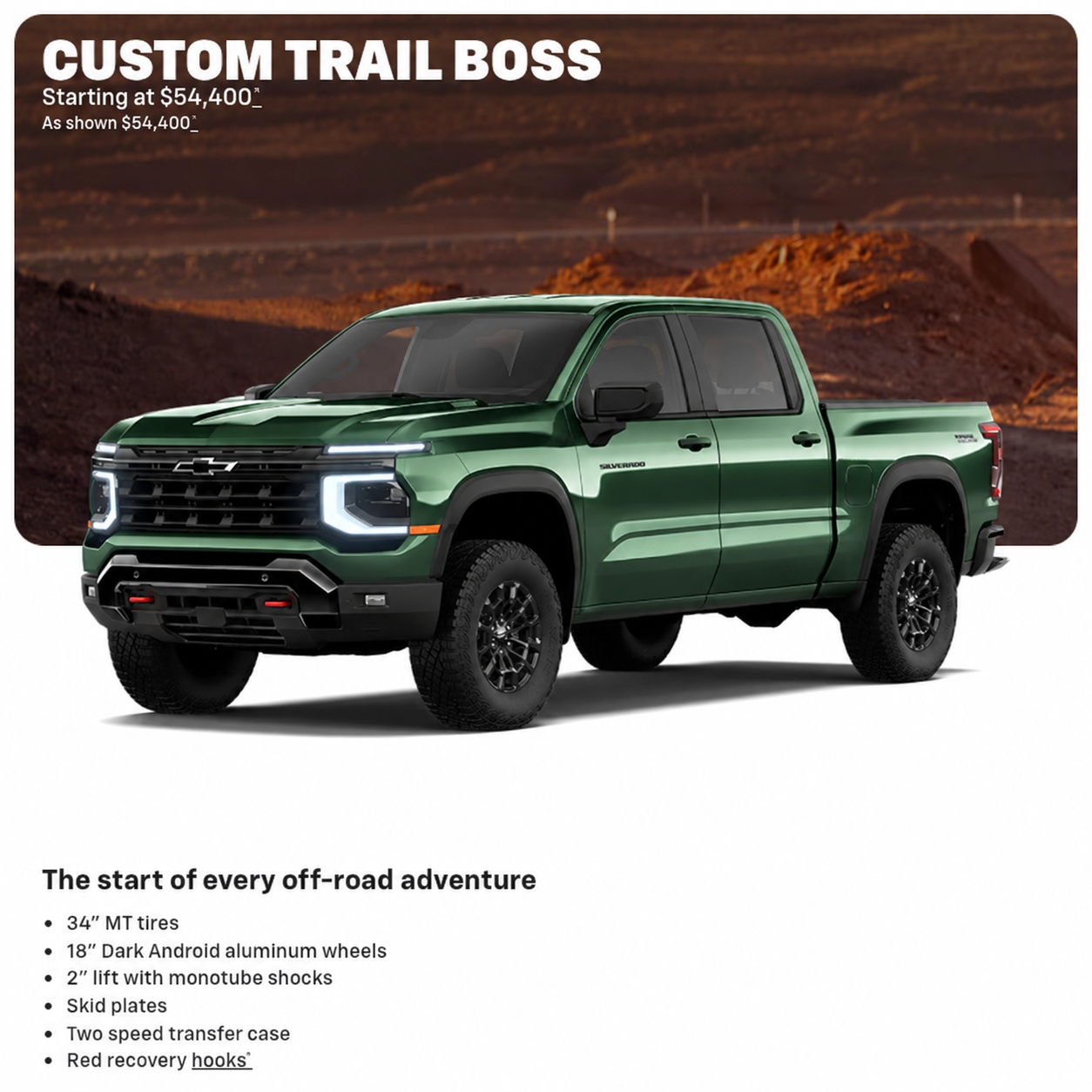
Sixteen MPG combined won’t win any efficiency awards, and I’m not going to pretend it will. Still, I ordered this truck to work, tow, and haul my family across Texas, and the 5.7 delivers more power, more towing, and regular fuel for about the same thirst as the engine it replaces. That’s a win in my book.
I am a little disappointed that the numbers are worse than my 2007 Silverado with the 5.3L V8, but a lot has changed since then, and trucks have gotten even larger.
Ultimately, the real test starts when Cheyenne rolls into Tyler in December (if not sooner). We’ll track every fill-up, from highway road trips to the brick streets of downtown Tyler, and compare our real-world numbers to the sticker. Subscribe to our 2027 Silverado playlist on YouTube to follow along, and to get every update in your inbox, sign up using the form at the bottom of this page.