
Apple CarPlay Will Remain in GM Gas Vehicles in a Stunning Reversal

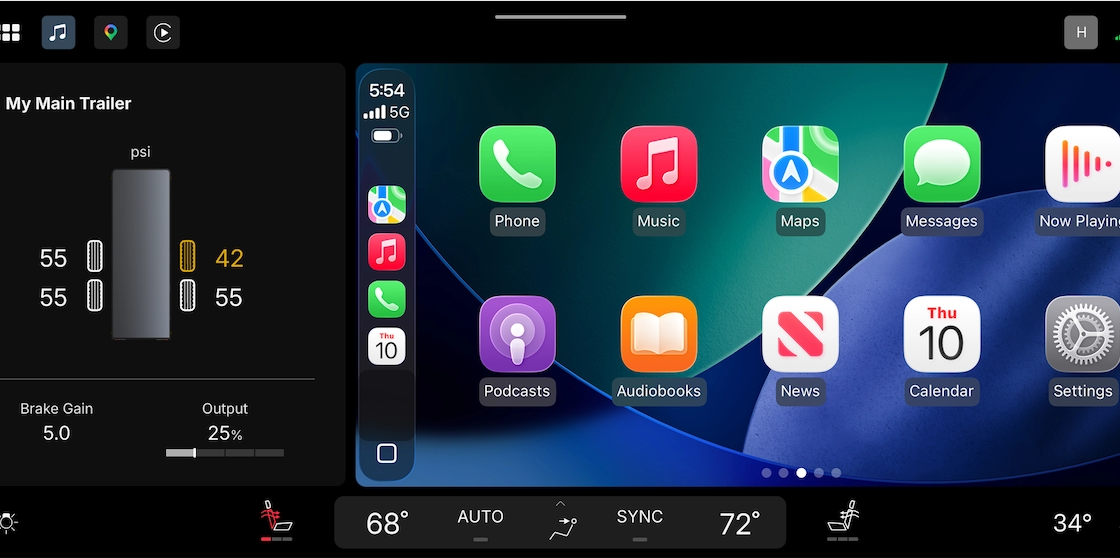
Well, here is a plot twist almost nobody saw coming. Apple CarPlay is staying in GM gas-powered vehicles, and it is showing up in the trucks that matter most. General Motors just revealed an all-new user interface that puts Apple CarPlay and Android Auto right back in the cabin, starting with the 2027 Chevrolet Silverado and 2027 GMC Sierra. For anyone who has followed this saga, it is a real turnaround.
What GM Just Announced
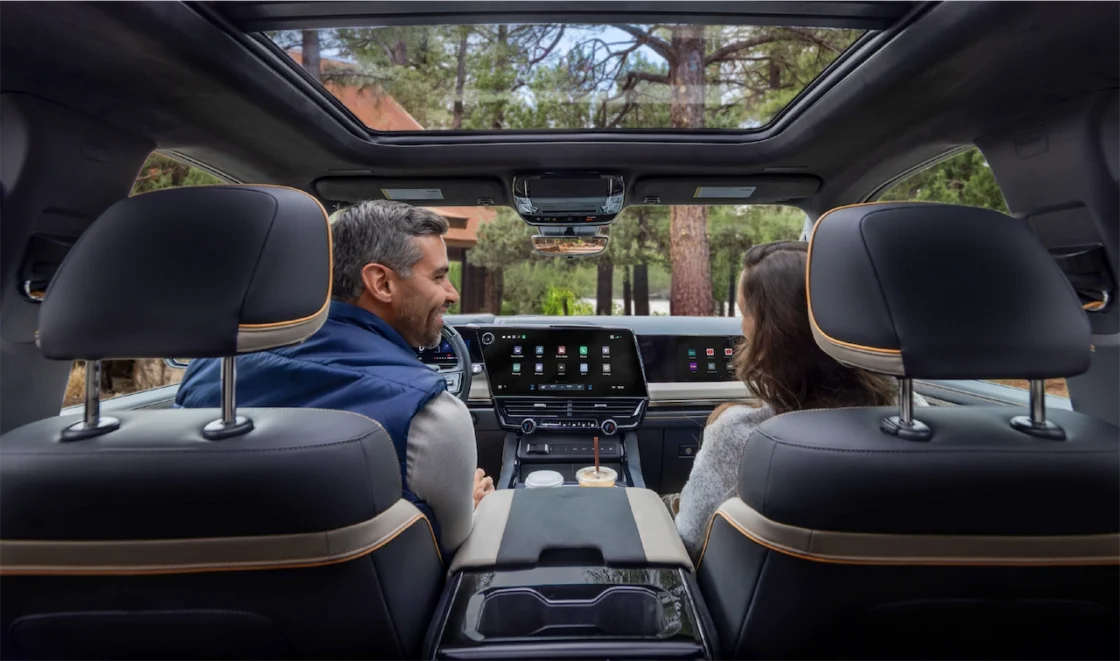
GM’s all-new interface debuts first on its light-duty pickups before expanding across the rest of the lineup. The automaker built it as a single, scalable foundation that spans electric, gas, and diesel models, so the same experience can grow across very different trucks. The redesigned 2027 Chevrolet Silverado and 2027 GMC Sierra lead the way as GM’s highest-volume vehicles.
The headline for a lot of shoppers is simple. Android Auto and Apple CarPlay are built right in, appearing in a large card window next to native apps like trailering and vehicle status. Better yet, you can slide between your phone and the truck’s own features without digging through menus.
Why the Return of Apple CarPlay Is Such a Big Deal for GM
Here is the context that makes this land. Back in 2023, GM said it would drop Apple CarPlay and Android Auto from its future EVs, starting with the Chevrolet Blazer EV, in favor of a native Google built-in system. That decision drew heavy criticism from owners and reviewers alike.
Then the story got bigger. About a year ago, reports surfaced that GM wanted to extend the phase-out to its gas-powered vehicles too, which would have pulled the feature from nearly the whole lineup. This decision made me question whether I would want to spend the money on a new Silverado without this key feature.
So seeing GM Apple CarPlay return as a marquee feature on its two most important trucks is a genuine reversal. Notably, GM is not calling it a U-turn. Still, the takeaway is hard to miss. The feature customers kept asking for is staying, and it now sits at the center of GM’s next-generation software.
How Apple CarPlay Works in the New Interface
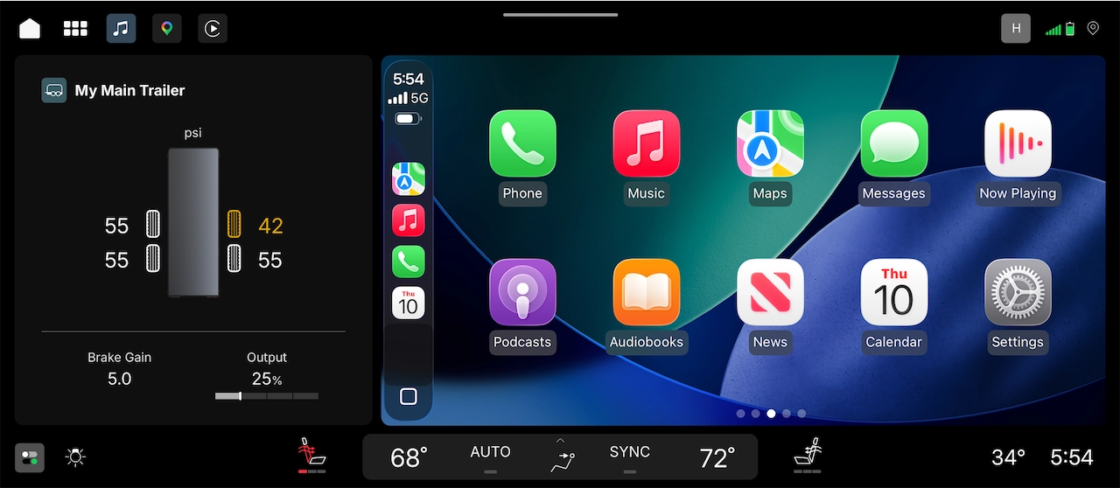
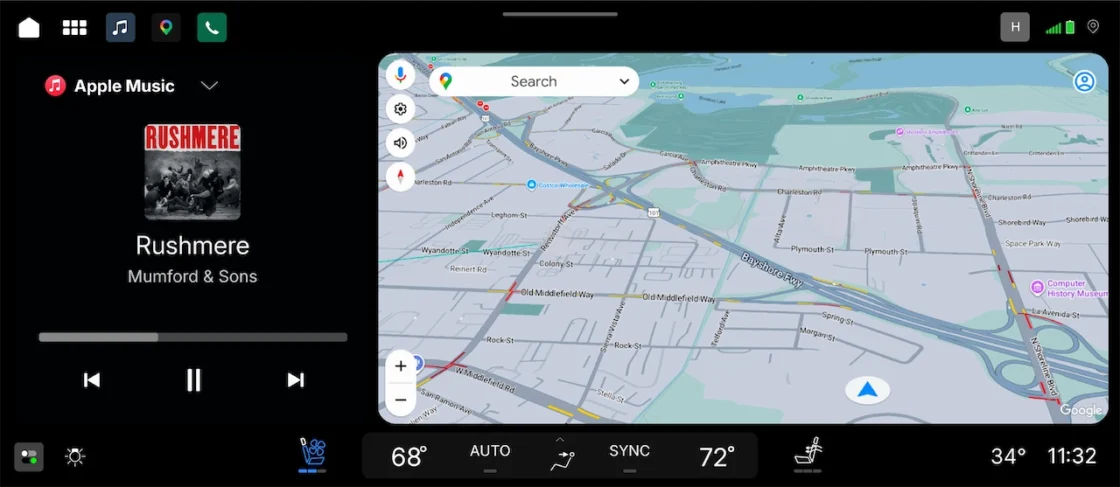
Rather than taking over the whole screen, Apple CarPlay and Android Auto live in a card next to GM’s own apps. The redesigned home screen uses a split view by default, with a large, interactive map on one side and details like trailering metrics, fuel efficiency, or media on the other. As a result, you never lose sight of your navigation.
GM also leaned hard into Google. Drivers get Google Gemini, Google Maps, and hundreds of apps from Google Play, all running natively through OnStar. In short, you can use your phone’s layout or the truck’s built-in tools, whichever you like best.
With the updates to Apple CarPlay in iOS 27 that were released yesterday, we may now have hope of this same functionality making it into GM EVs, as navigation apps like Apple Maps and Google Maps can share route data with the vehicle, so the car can check your planned route against its range and suggest a charging stop. iOS 27 also supports video playback on infotainment screens when parked, a great feature to use while waiting on your EV to charge.
The Touchscreen Problem GM Still Has Not Fixed
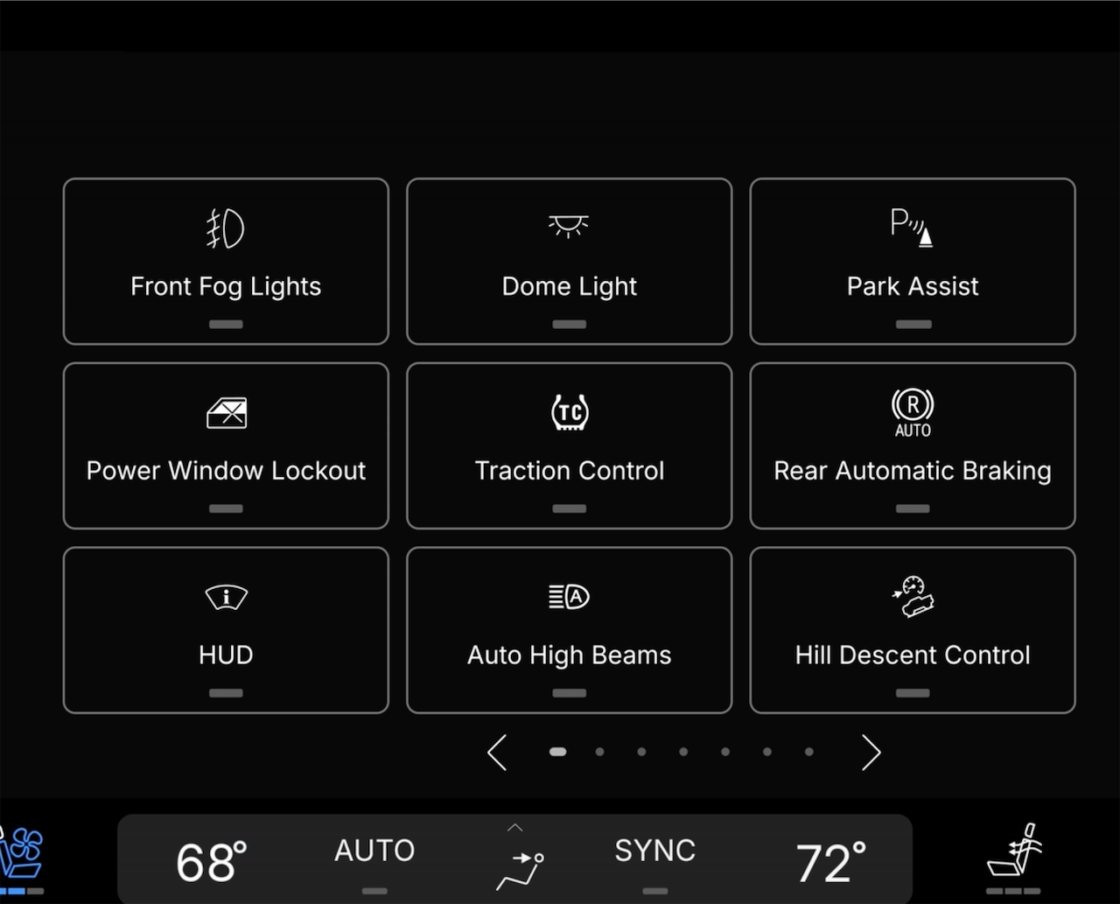
Here is where we have to push back a little. For years, drivers have complained about burying everyday controls, like vehicle lighting, inside a touchscreen. It sounds modern, yet it forces you to look away from the road for something that used to take a quick, blind reach for a knob.
To its credit, GM says key physical controls stay put, and that frequently used functions like climate, audio, and camera views remain where customers expect them. That is a good sign. Even so, the industry keeps drifting toward glass, and the photo and clip below show how a simple task, like switching on your lights, can turn into a distraction when it lives on a screen.
The fix is not complicated. Keep the lights, wipers, and hazards on real buttons, and let the touchscreen handle the rest. Until every automaker commits to that, this remains our biggest gripe with an otherwise impressive update.
Built for Real Truck Work
Of course, this update is not just about your phone. GM bills itself as the only automaker to offer hands-free trailering with its available Super Cruise driver assistance technology. Even so, Ford now pushed back today with BlueCruise with Towing on the 2027 F-150. The moment you hook up a trailer, the GM interface adapts on its own.
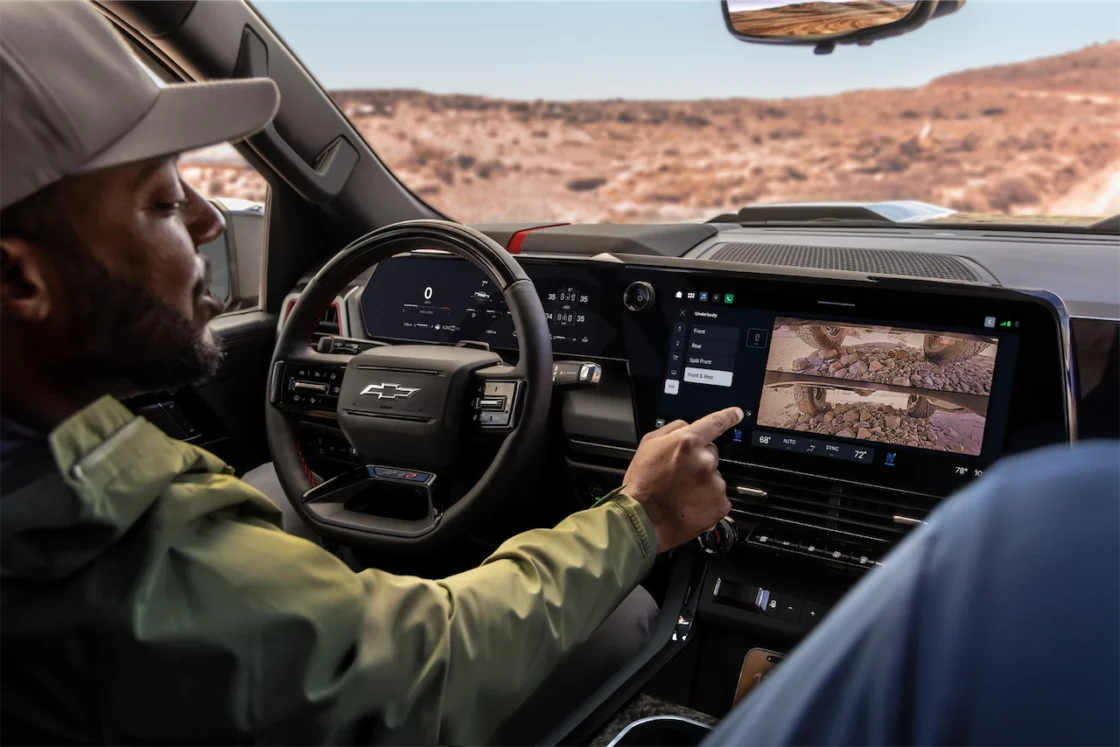
A dedicated Hitch View camera helps you line up a trailer without a spotter, and underbody camera views help you spot hidden obstacles off-road. The smartest touch might be the mobile trailer light check. You can test your brake lights, turn signals, reverse lights, and running lights from your phone, so nobody has to walk back and forth before a trip.
I also appreciate how the GM lawyers let the suite of cameras function at any speed in GM vehicles, especially off-road. Most competitors turn off 360º or off-road camera views above a certain speed, right when you need them most.
What Apple CarPlay Means for Families in GM Vehicles
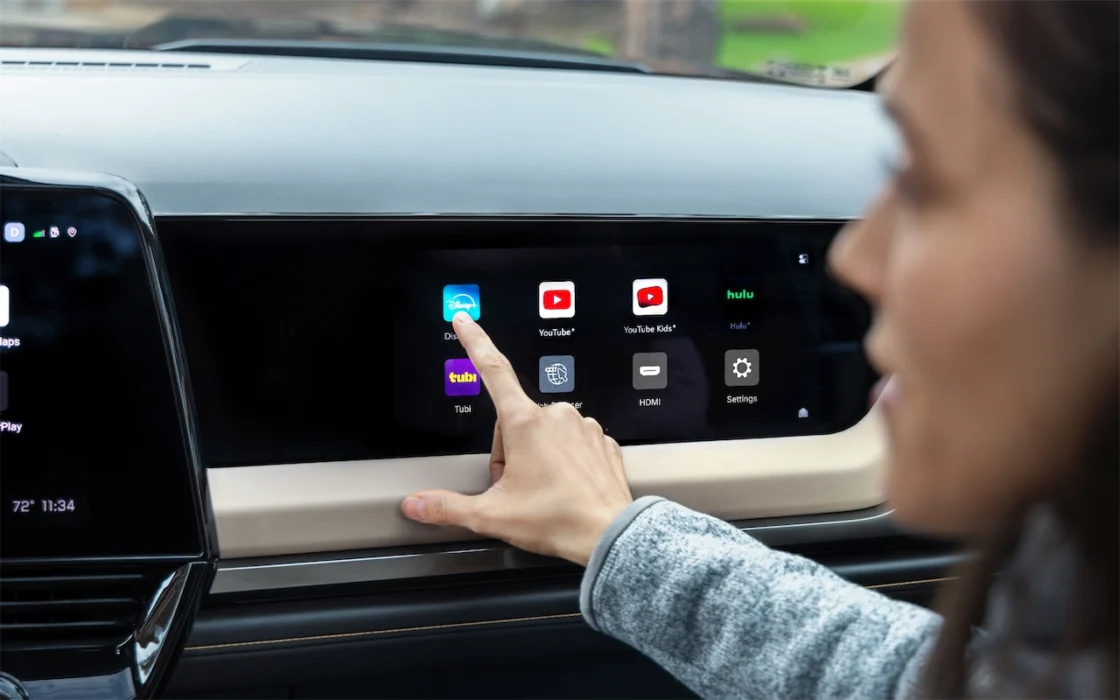
For families, this news is bigger than a spec sheet. A familiar phone layout means less fumbling and more eyes on the road, which really matters when the back seat is full and the questions keep coming.
Road trips get an upgrade, too. A front passenger screen can stream Disney+, Hulu, YouTube Kids, and more, while polarized screen technology keeps that content visible only to the passenger while you drive. The kids get their show, and you keep your eyes forward.
Because the whole system updates over the air, the truck you buy today can keep getting better long after it leaves the lot.
The Bottom Line
GM spent years steering customers toward a future without phone mirroring. Now its newest and most important trucks launch with Apple CarPlay and Android Auto front and center. Whether you read it as a reversal or a compromise, truck buyers clearly come out ahead.
We will be watching how quickly this interface reaches the rest of GM’s lineup, and whether its EVs get the same treatment. For now, the return of Apple CarPlay is a clear win for anyone who just wants their truck and their phone to get along.
Want more GM truck coverage? Check out our 2027 GMC Sierra 1500 first look and our 2023 Chevrolet Silverado Trail Boss family review, then stay tuned for our full take on the redesigned trucks.