Is All Gas the Same? Chevron’s Fuel Testing Lead Explains Next-gen Techron

How much thought do you give to the fuel you put in your car? For a lot of families, the answer is “not much.” We pull into whichever station has the lowest price or the shortest line and move on with our day. At the 2026 LA Auto Show, I stopped by the Chevron booth to learn about Next-gen Techron and whether our fill-up habits are costing us.
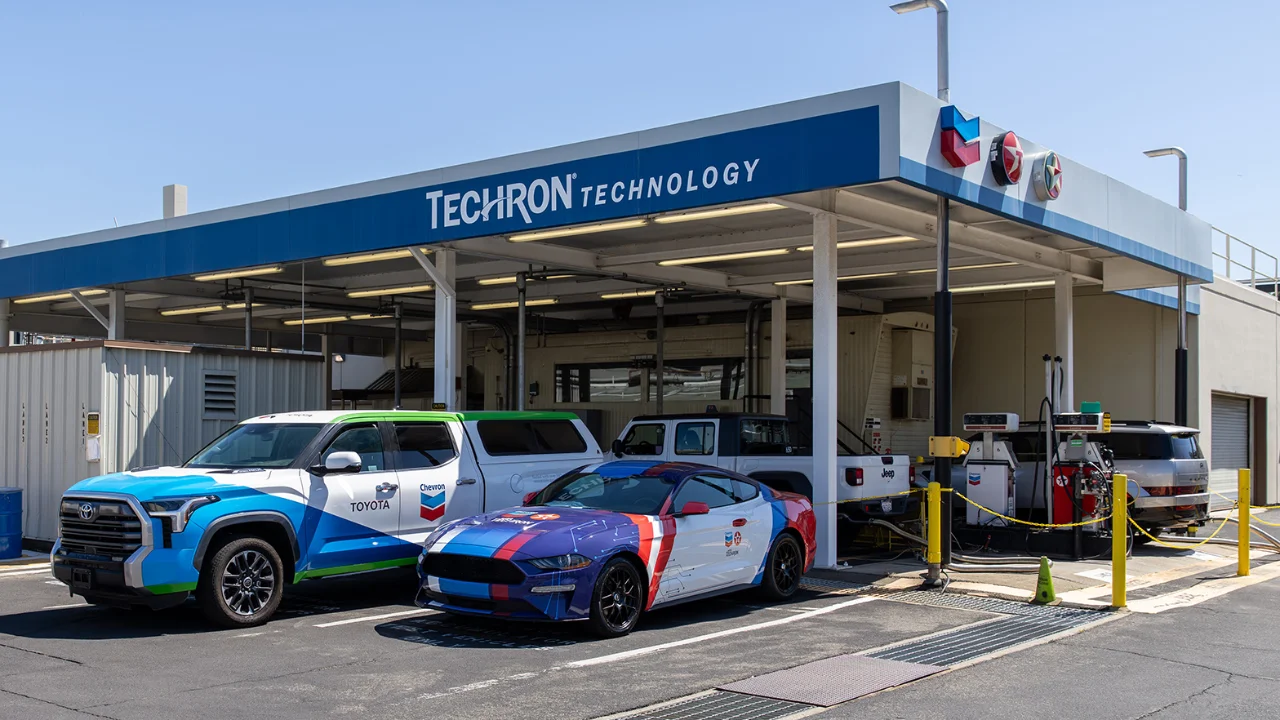
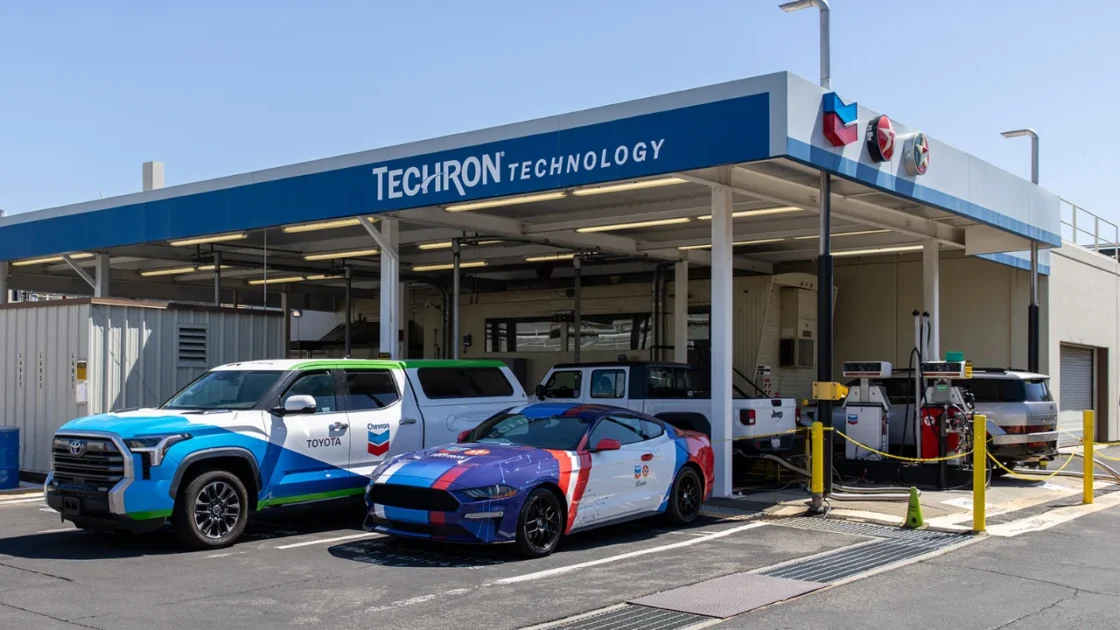
Chevron recently updated the additive in its gasoline, now called Next-gen Techron. To find out what that actually means, I sat down with David Vuilleumier, who leads Chevron’s fuels performance testing. His team of engineers designs the tests run in Chevron’s engine and vehicle labs, including the engine laboratory at its Richmond Technology Center near San Francisco.
What Is Next-gen Techron?
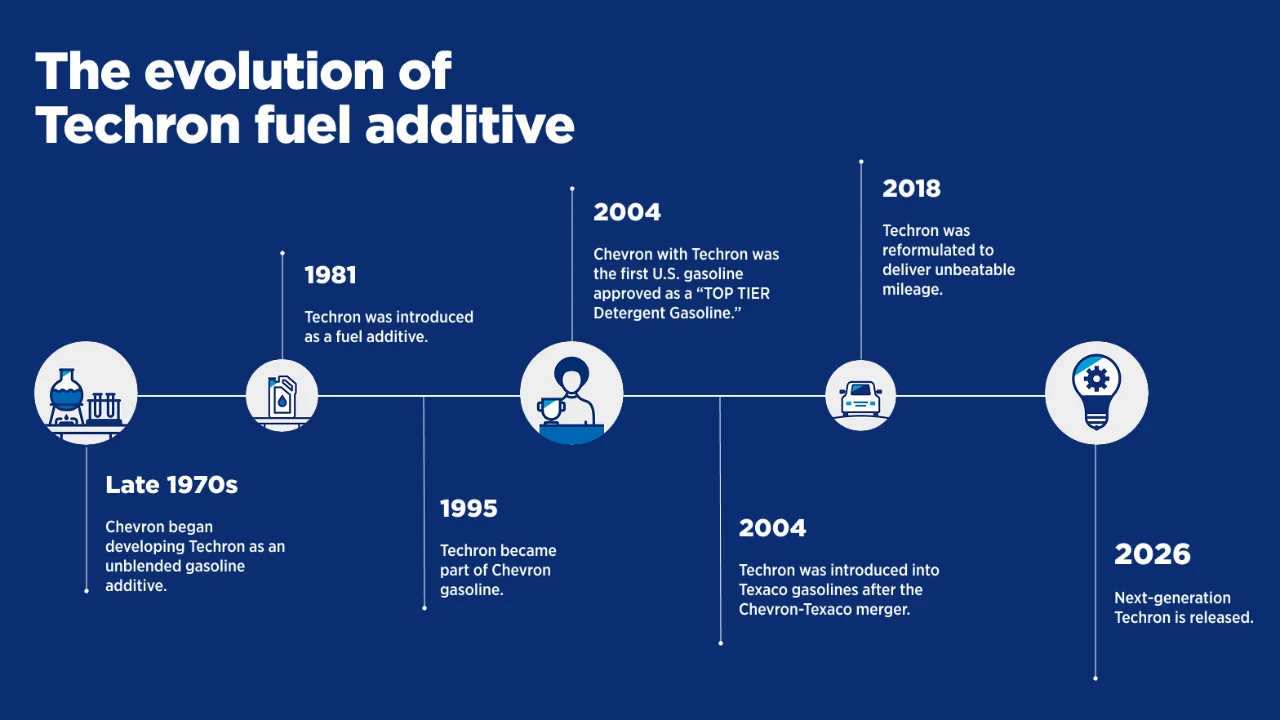
If you grew up in the 1990s, you probably remember the Techron commercials with the talking cars. Techron launched in 1995, but Vuilleumier told me the chemistry behind it has changed several times since then, even though the name stayed the same.
“Not all fuels are the same,” Vuilleumier said. “That’s definitely something we want folks to take away from today.”
Here’s what you need to know about the latest version:
- It launched nationwide around Memorial Day 2026.
- It’s in every grade of Chevron and Texaco gasoline: regular, mid-grade, and premium.
- It’s designed to work in brand-new vehicles and older ones alike.
- Chevron says it meets Top Tier Plus standards, plus its own internal testing standards.
That last point covers a wide range. Chevron wants Next-gen Techron to work as well in a brand-new 2027 model as it does in a 1969 Camaro Z/28. You can find more details on Chevron’s Techron technology page.
Built for Turbocharged and Direct-Injection Engines
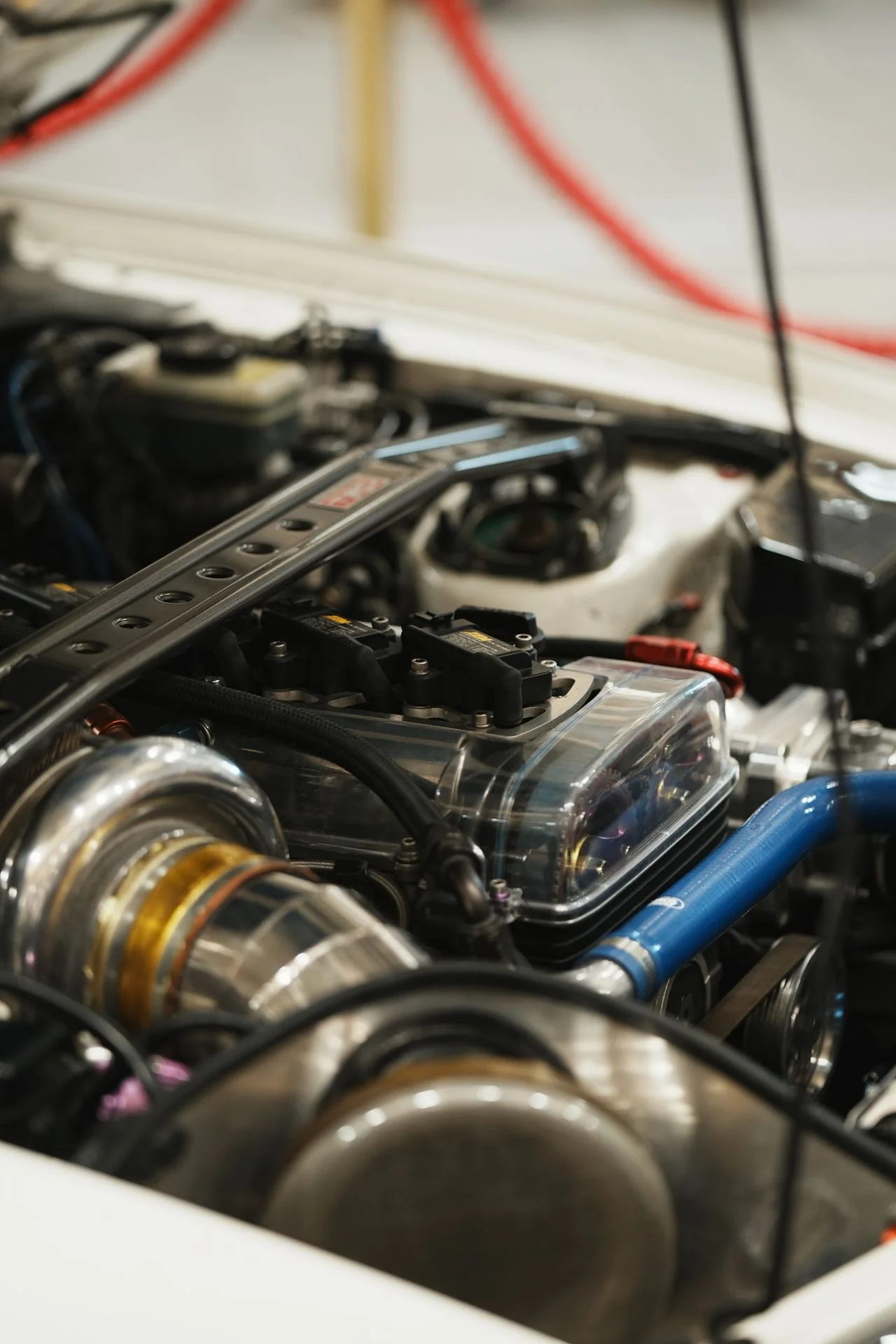
So what makes Next-gen Techron next-gen? According to Vuilleumier, Chevron buys and tests a lot of vehicles to see how new engine technology changes what’s needed from fuel. The biggest shift lately has been the spread of turbocharging and direct injection across the industry.
Direct-injection engines spray fuel straight into the combustion chamber, and their injectors are prone to carbon buildup. The new formula keeps the cleaning ability of earlier versions but does a much better job of cleaning those direct injectors. Chevron says it removes up to 100% of harmful deposits with consistent use.
I’ll be honest: you rarely hear anyone claim 100% of anything. Vuilleumier was quick to explain the fine print. That figure comes from an industry-standard test, and because every driver’s vehicle is different, real results will vary. That’s why Chevron says “up to” 100%.
Where Do the Deposits Go?
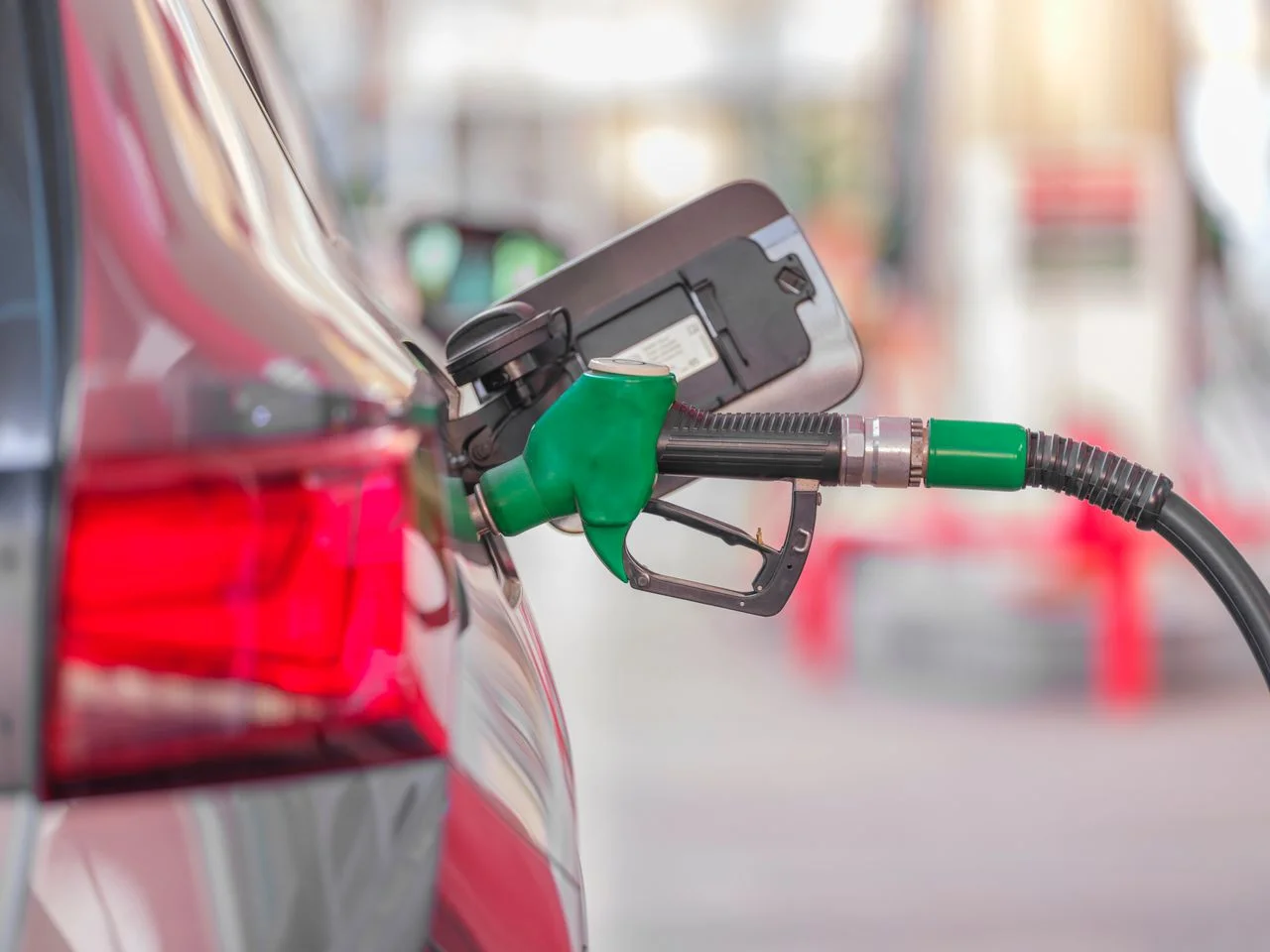
The harmful deposits Vuilleumier is talking about are carbon buildup on intake valves, in combustion chambers, and on direct injectors. Over time, that buildup can rob your engine of performance and fuel economy.
My first question was where all that gunk ends up. Thankfully, it doesn’t come out the tailpipe. Vuilleumier said the deposits are burned up in the combustion chamber.
Better yet, it’s not too late if you’ve been buying cheaper gas. “Just because you haven’t used Techron in the past doesn’t mean it’s a lost cause,” Vuilleumier said. Chevron’s testing includes running engines on lower-quality fuels, letting deposits build up, and then measuring how much Next-gen Techron can clean up afterward.
Inside Chevron’s Engine Torture Tests
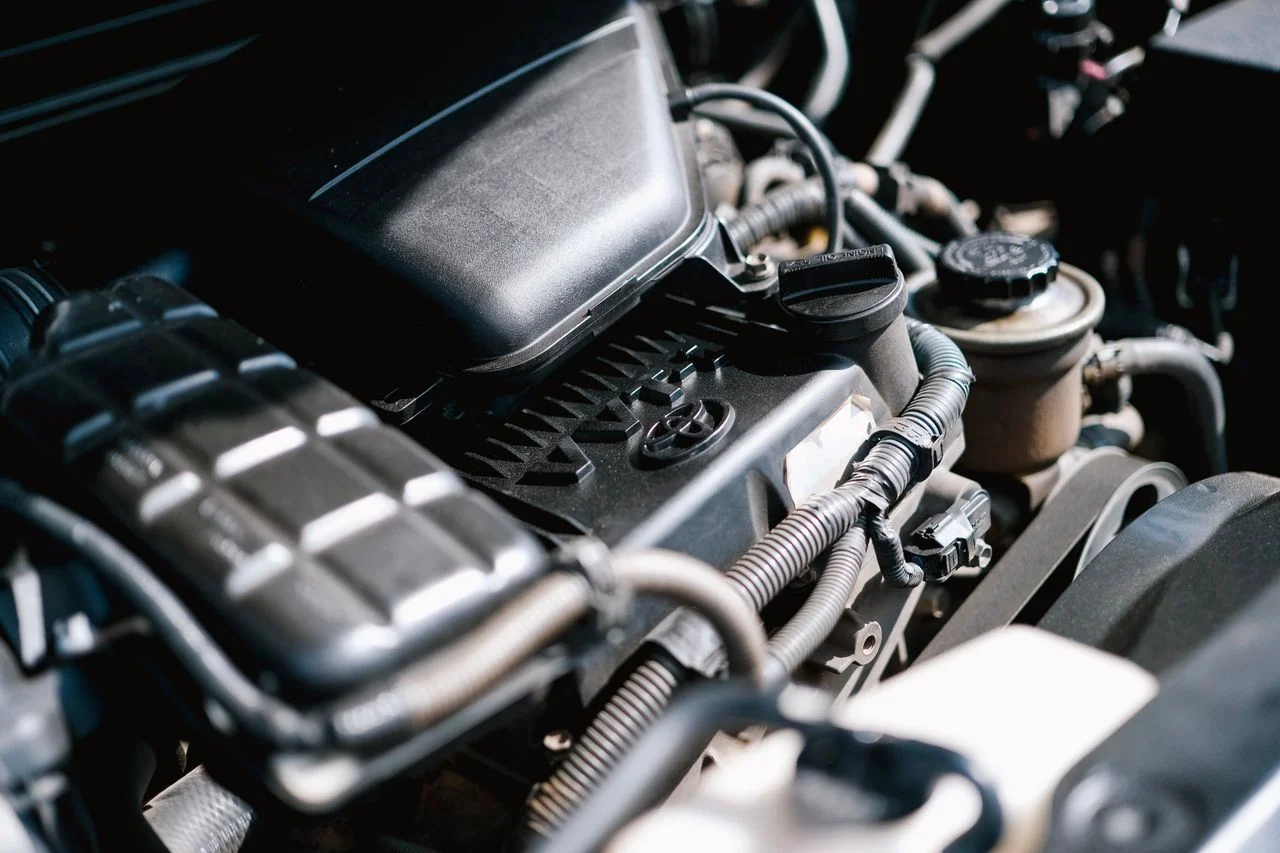
When I asked Vuilleumier about his team’s testing, he agreed that “torture testing” is a fair description. Chevron runs engines for extended stretches of 100, 200, or even 500 hours.
The test fleet covers just about everything on the road:
- Legacy engines from the 1980s and 1990s
- Modern turbocharged engines
- Hybrids
- Extended-range electric vehicles, which Chevron plans to test as more reach the market
Vuilleumier explained that there are tiers to fuel quality. The bare minimum is fuel that meets EPA or California requirements. Above that are standards like Top Tier Plus, which add more rigor. Chevron then adds its own requirement that the fuel performs across a wide range of real vehicles, not just on one industry-standard test.
Start-Stop and Cylinder Deactivation Add Stress
Plenty of today’s cars and trucks use start-stop systems to save fuel. When the engine shuts down at a light, Vuilleumier said, it essentially cooks whatever fuel residue is left in the system, putting a lot of heat stress on it.
Cylinder deactivation works in a similar way. GM’s Active Fuel Management might shut a cylinder down for five or 10 seconds, while Dynamic Fuel Management can shut one down for a single cycle. Either way, residue can oxidize while the cylinder sits idle.
Chevron runs vehicles through city and highway drive cycles to check for those problems. So far, Vuilleumier said, Next-gen Techron is holding up well, even in hybrids that start and stop constantly.
Should Plug-In Hybrid Owners Worry About Old Gas?
I’ve tested plenty of plug-in hybrids where I barely burned any gas all week because my commute ran on electricity. For owners who go months between fill-ups, does that fuel go bad in the tank?
Vuilleumier said U.S. drivers shouldn’t be too concerned. Automakers ask Chevron this question often, and the company hasn’t seen significant problems from fuel sitting in the tank because U.S. gasoline is generally pretty stable.
However, he added a caveat. A lower-quality fuel that sits fine in the tank can still leave harmful deposits once it reaches the engine.
Our Take on Next-gen Techron
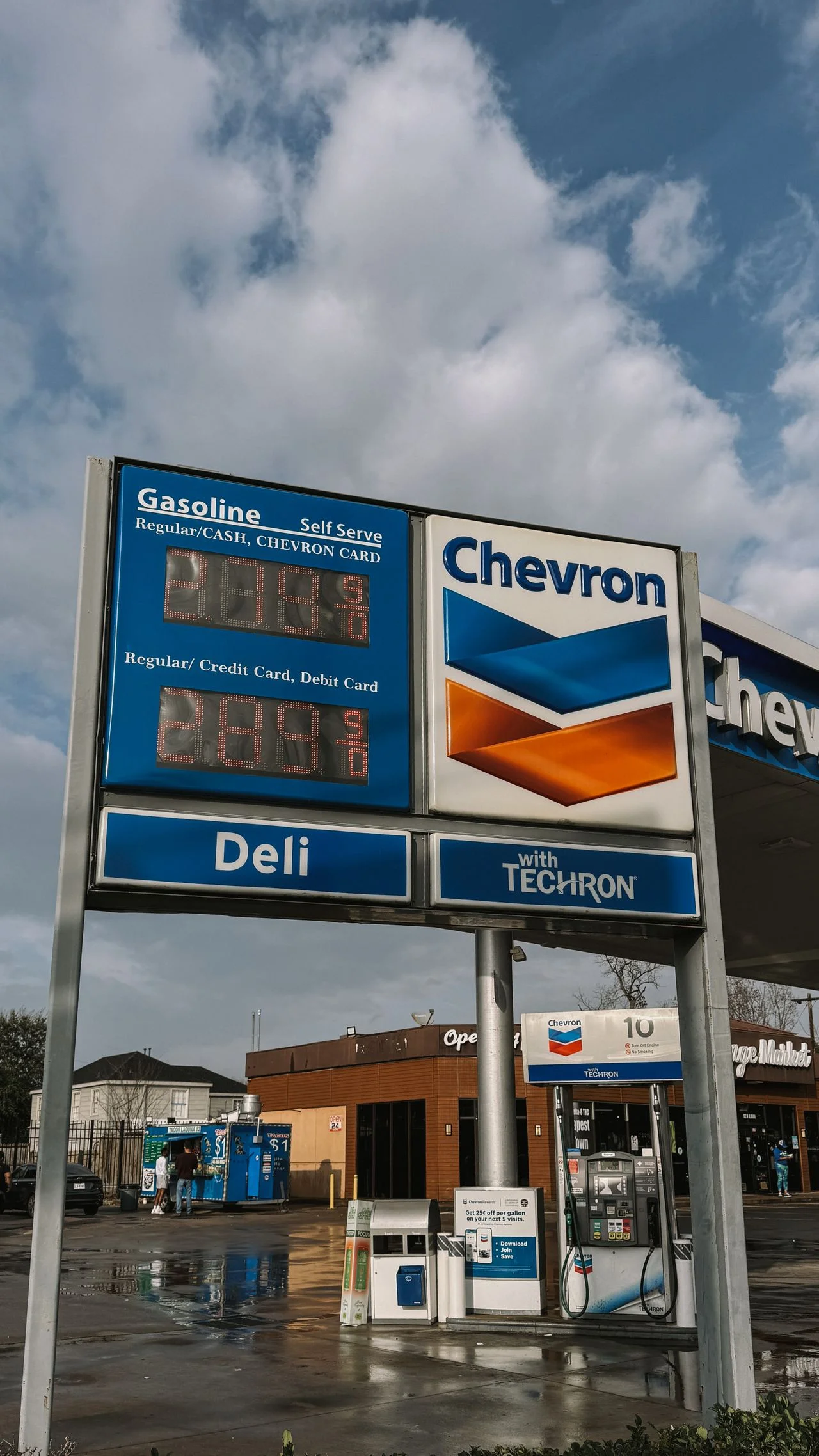
The biggest takeaway from my conversation with Vuilleumier is simple: not all gas is the same. Modern engines with turbochargers, direct injection, start-stop, and cylinder deactivation ask a lot more of fuel than engines did 20 years ago. Choosing a Top Tier Plus fuel like Chevron with Next-gen Techron is an easy way to help protect your engine. If you haven’t thought twice about where you fill up, the good news is you can start cleaning up that buildup with your next tank.
I saw a lot more while in LA for the Auto Show, too, including the all-new 2027 Hyundai Elantra and the Lamborghini Temerario Spyder. Want more stories like this? Sign up for our weekly newsletter using the form at the bottom of this page to get the latest automotive news delivered to your inbox every Thursday morning.