2027 Hyundai Elantra First Look: Bigger, Bolder, and a 53-MPG Hybrid on the Way

Hyundai flew Holli and me to New York City for an exclusive first look at the all-new 2027 Hyundai Elantra, and it is a big deal for the brand. The Elantra is Hyundai’s all-time best-selling nameplate in the U.S. and around the world, and for many buyers, it is their first Hyundai. Now in its eighth generation, it is bigger, bolder, and far more high-tech than the car it replaces.
Here is the plan: the gas-powered Elantra arrives first as a 2027 model, and the Elantra Hybrid follows as a 2028 model. Both made their global debut at the LA Auto Show.
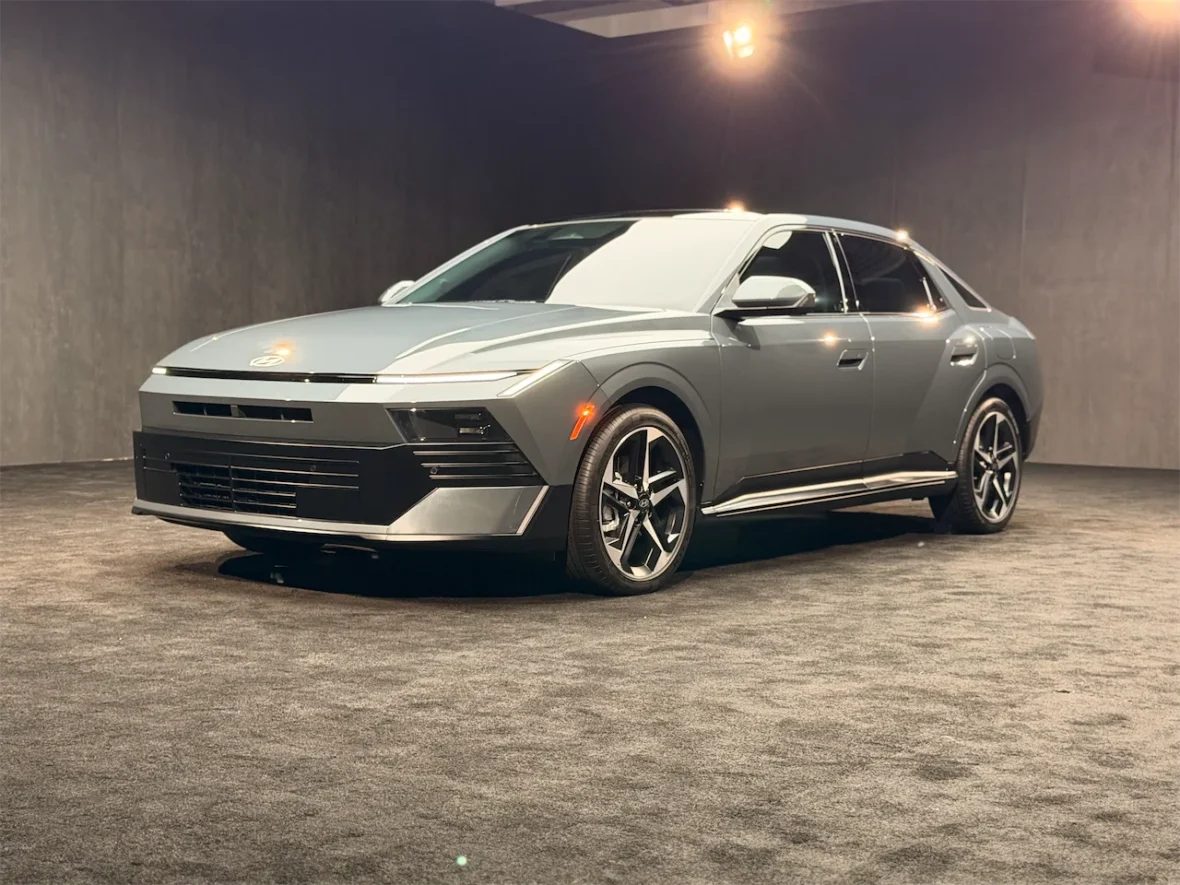
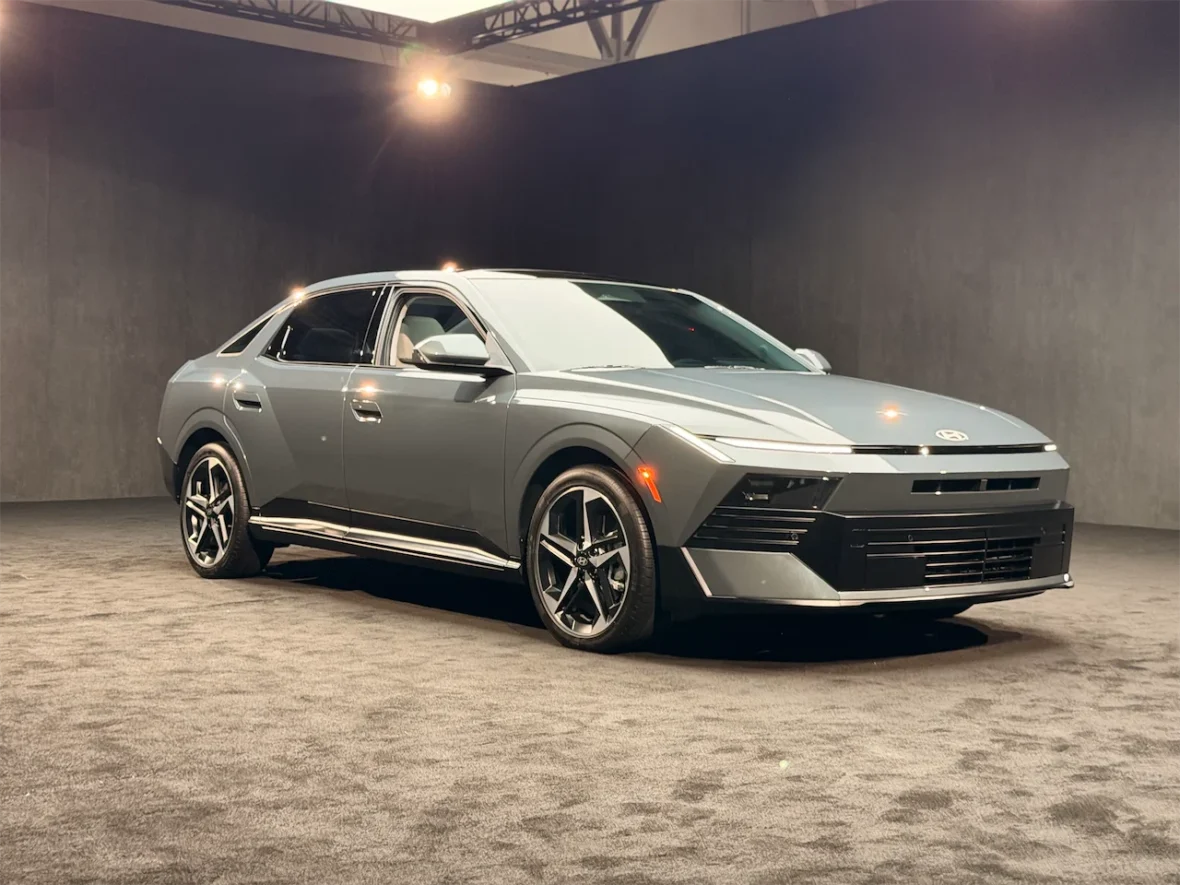
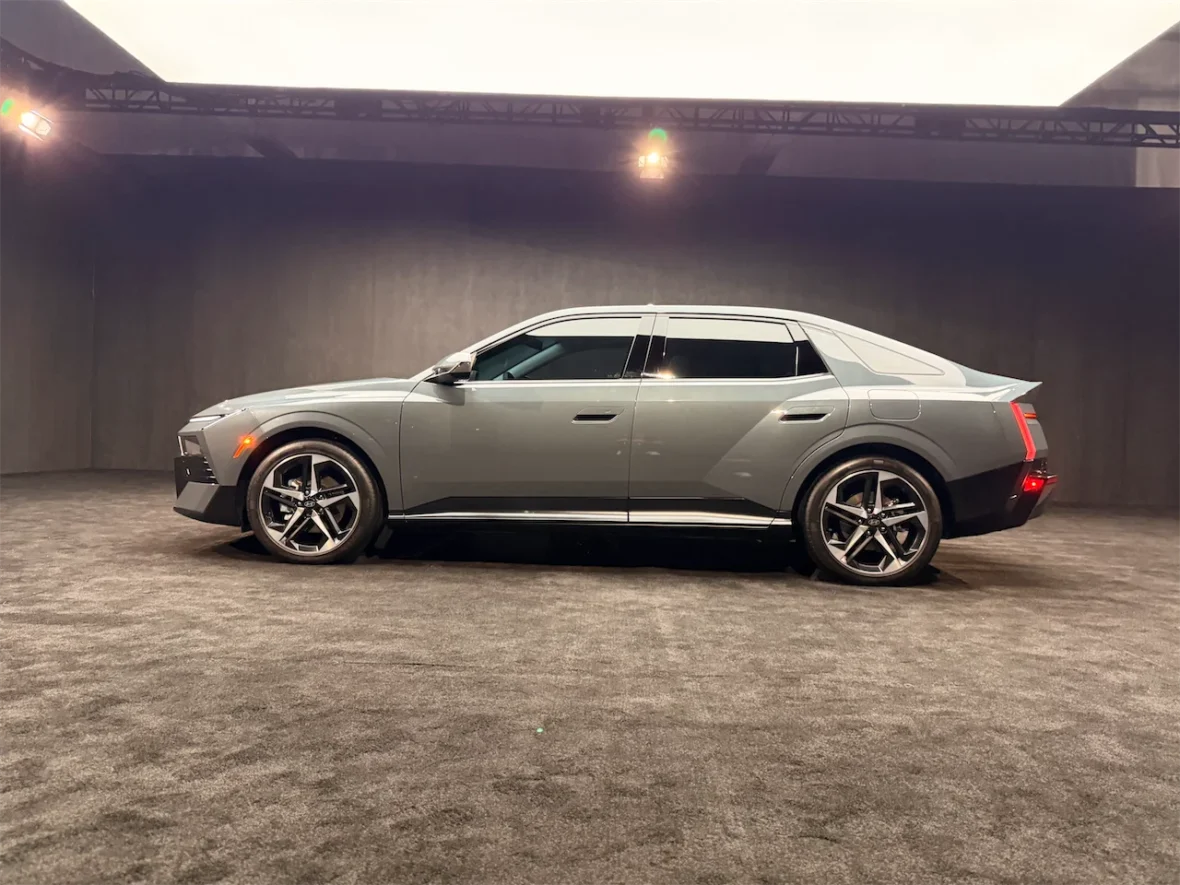
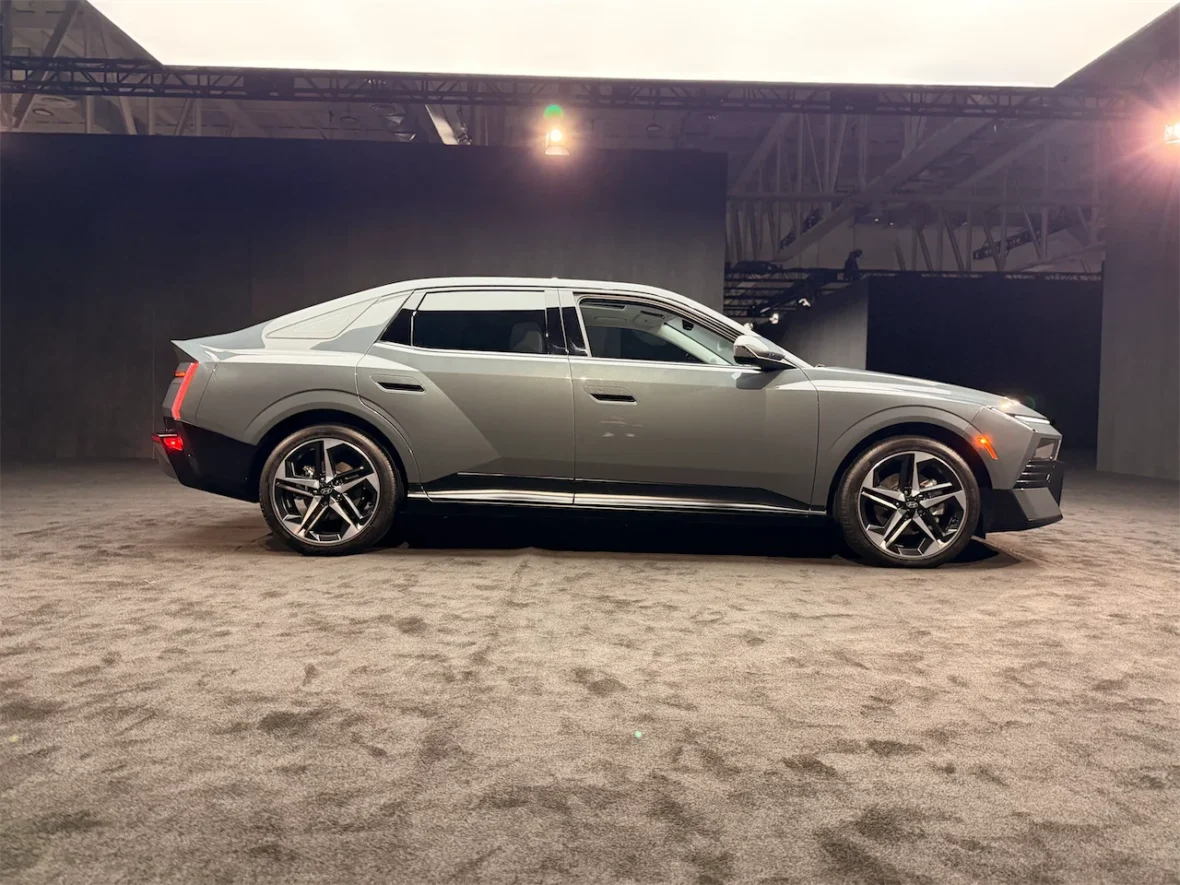
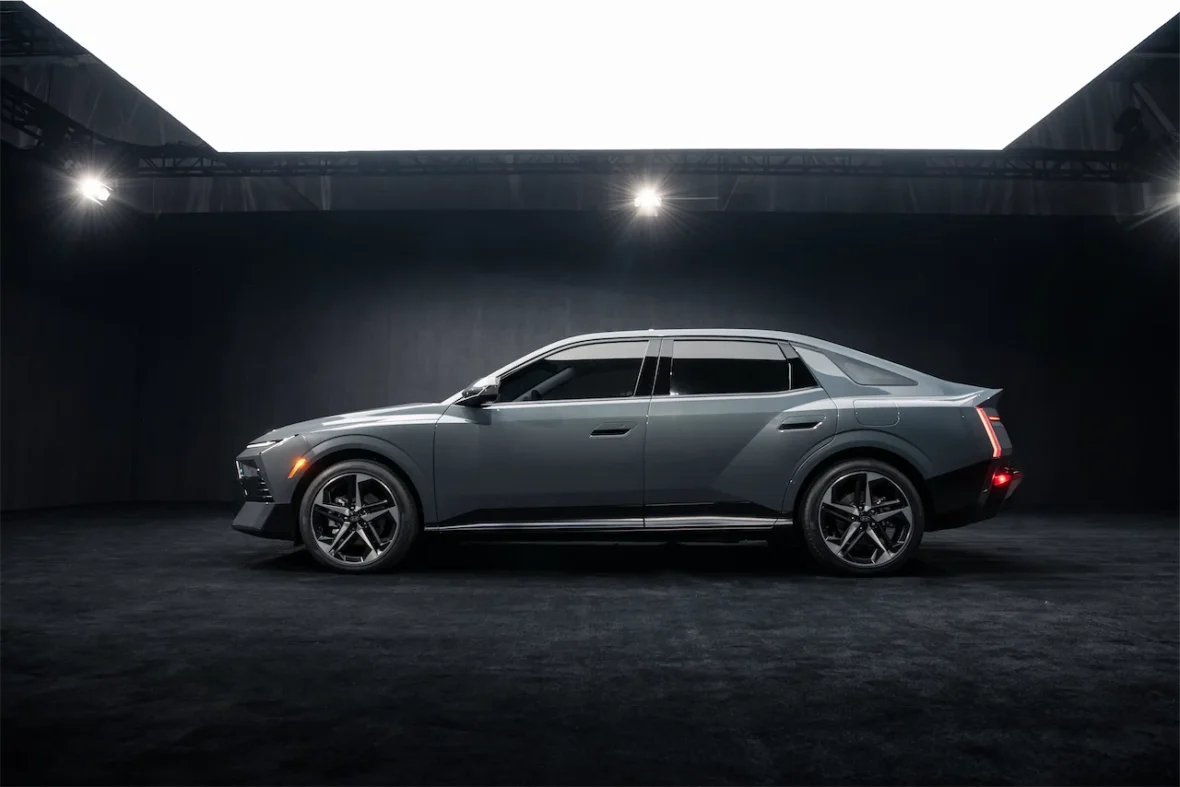
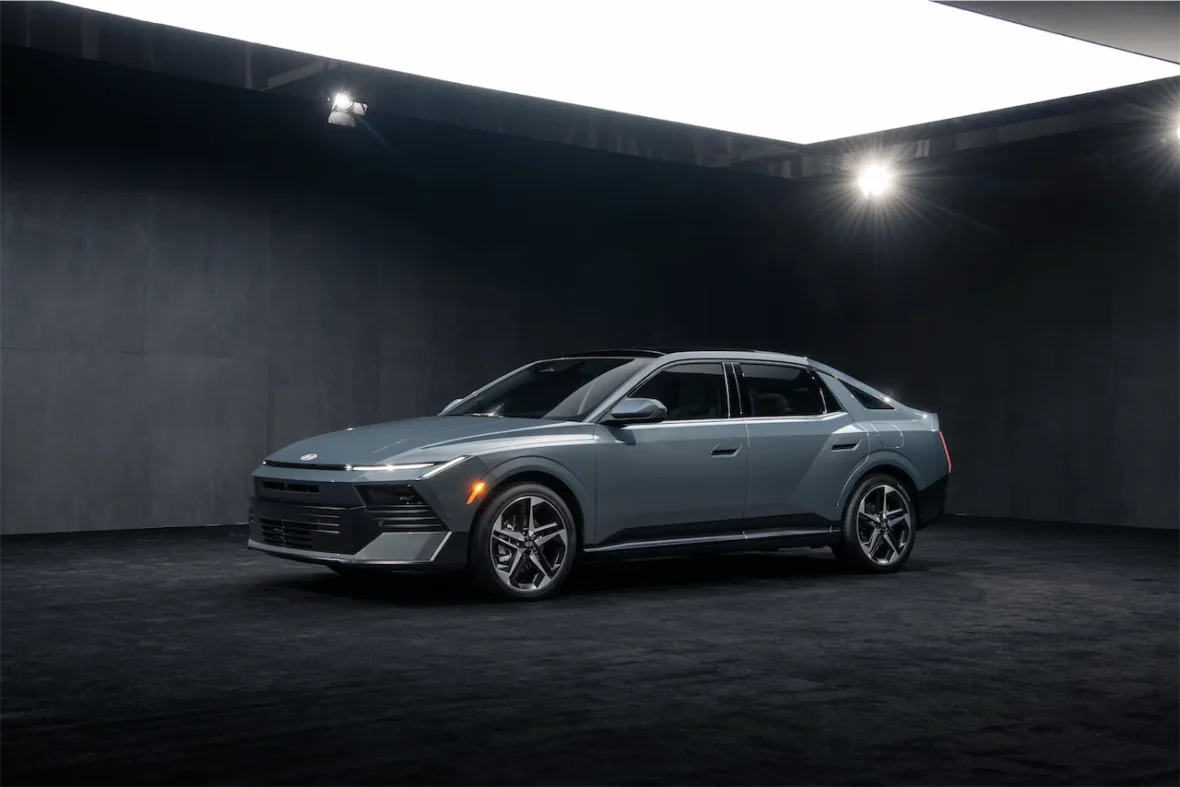
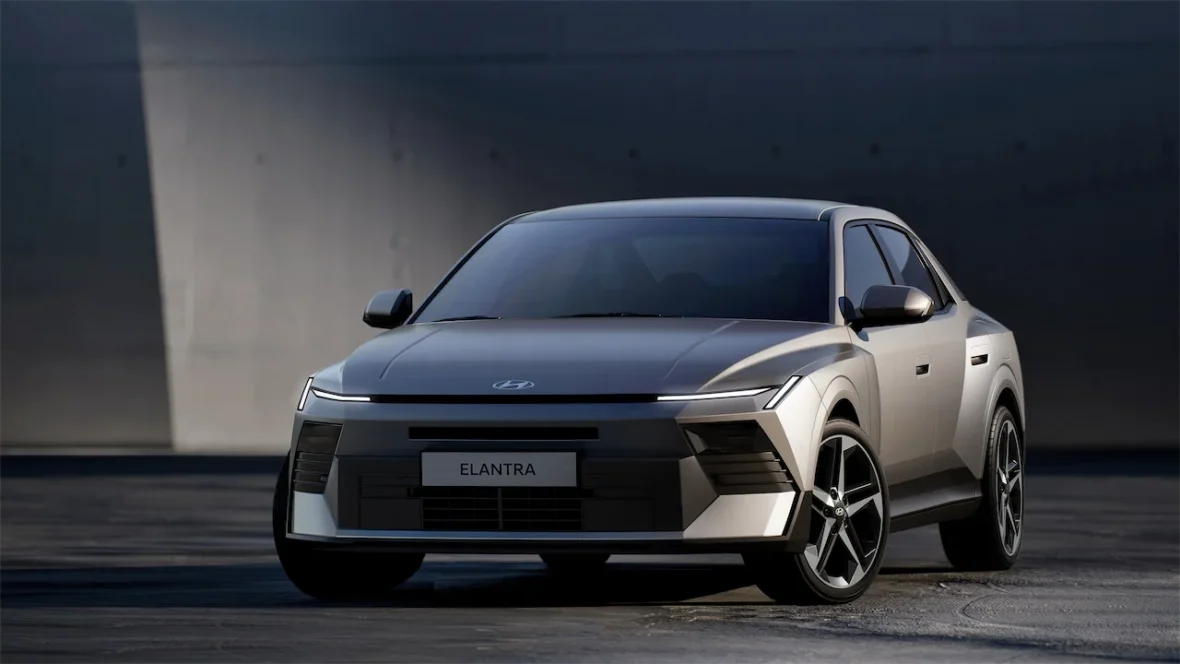
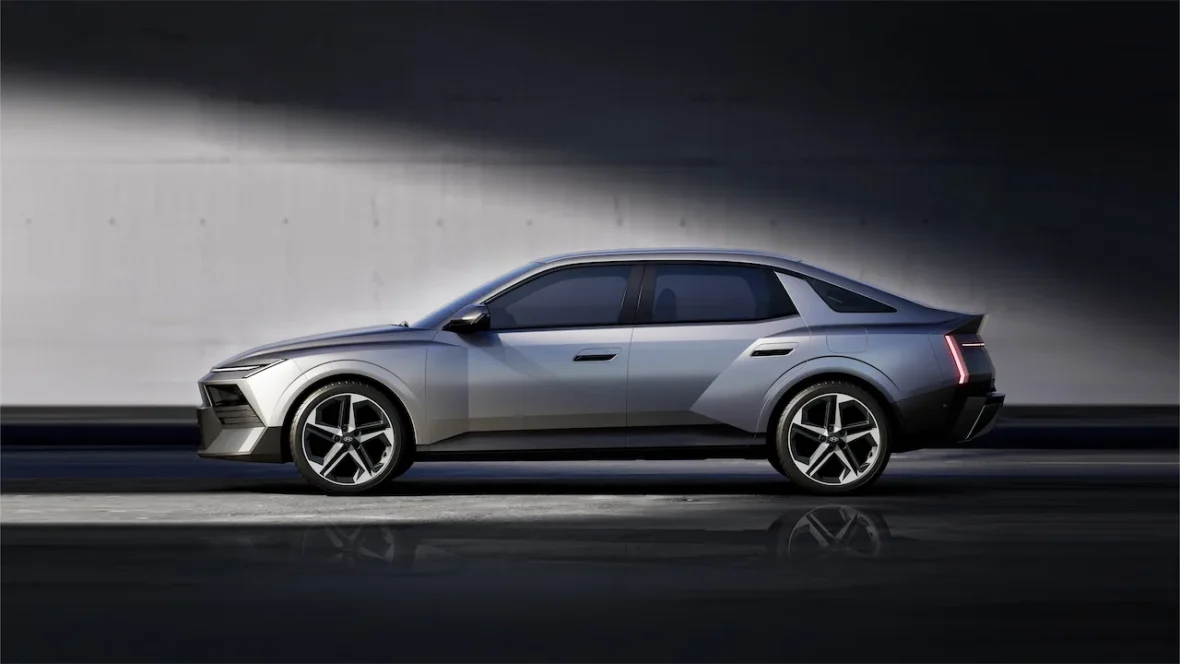
An “Everyday Muscle Car” Design
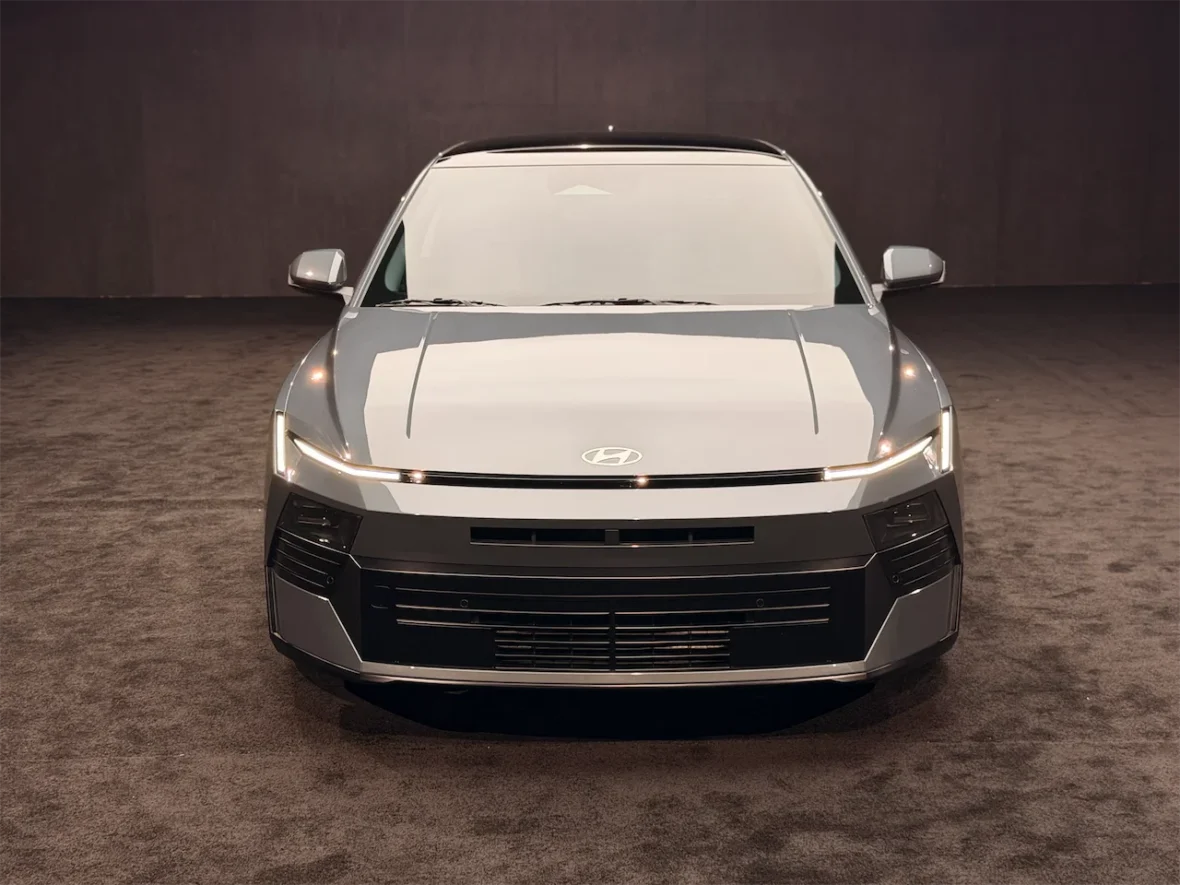
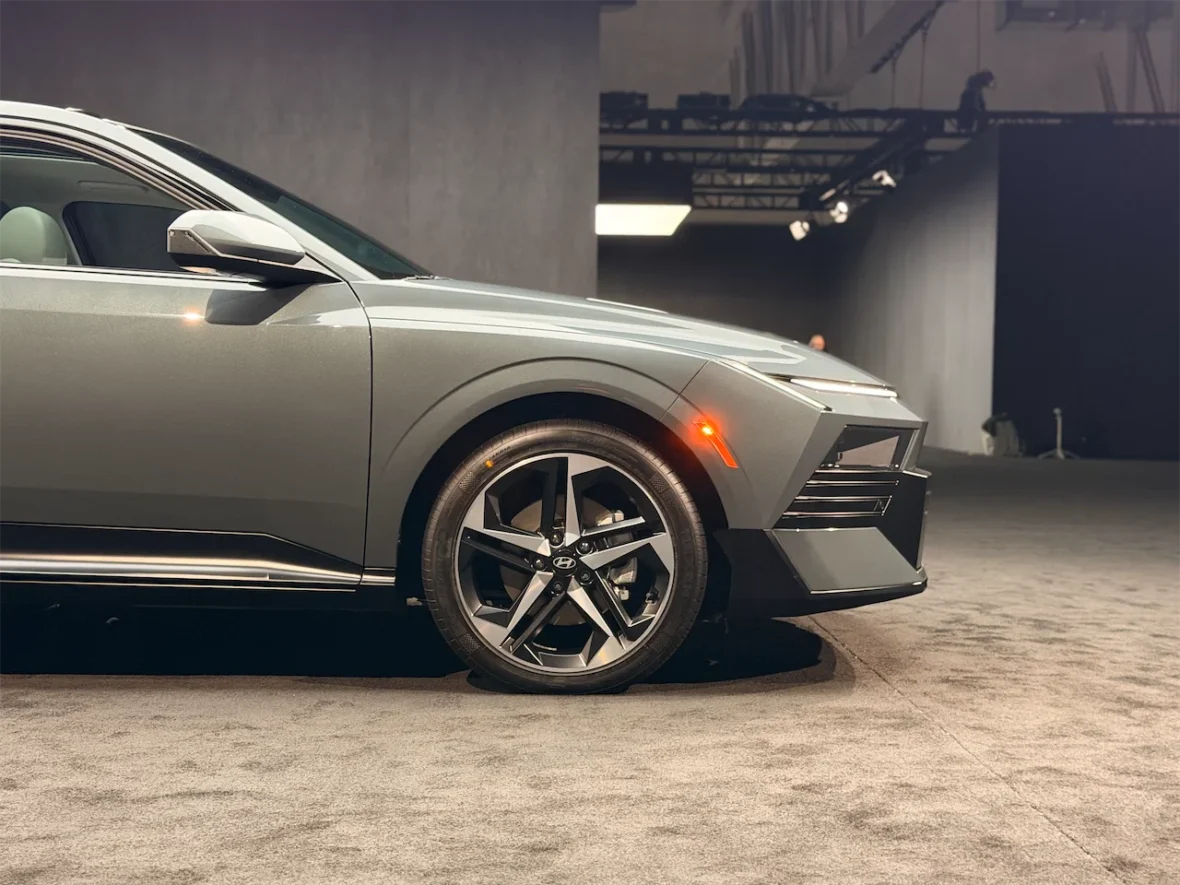
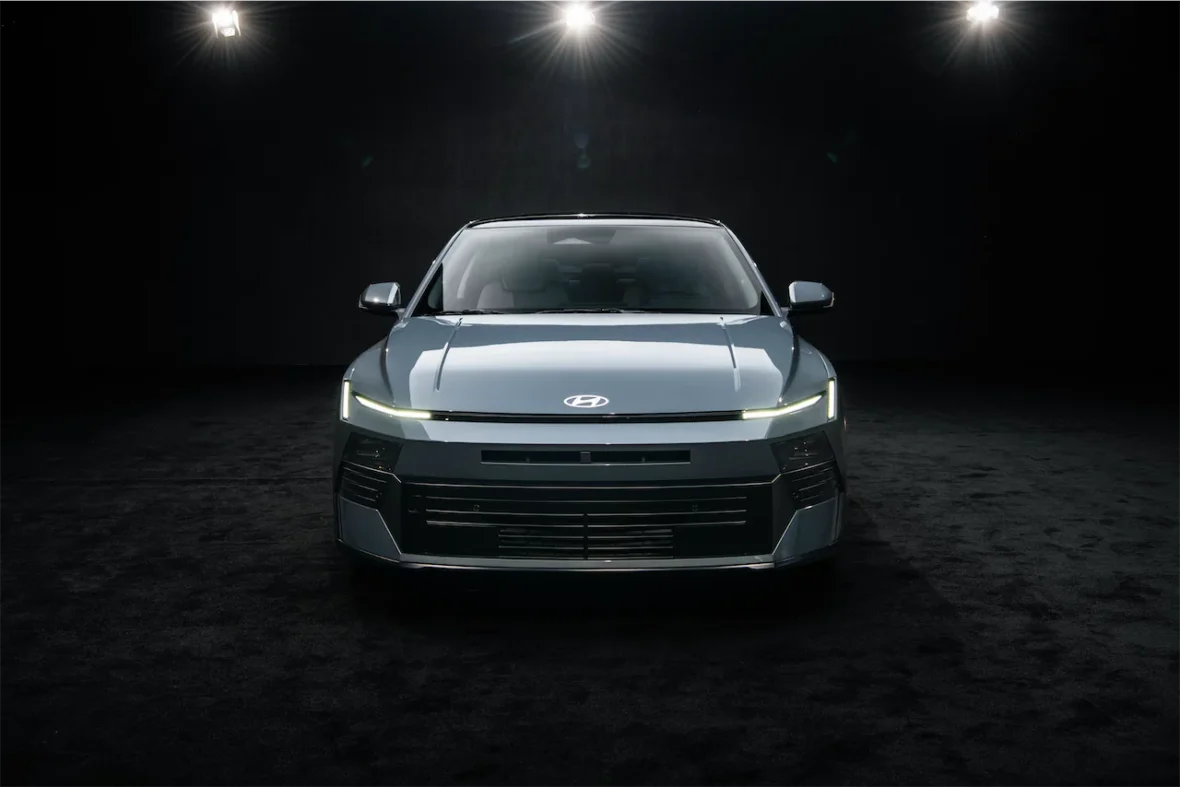
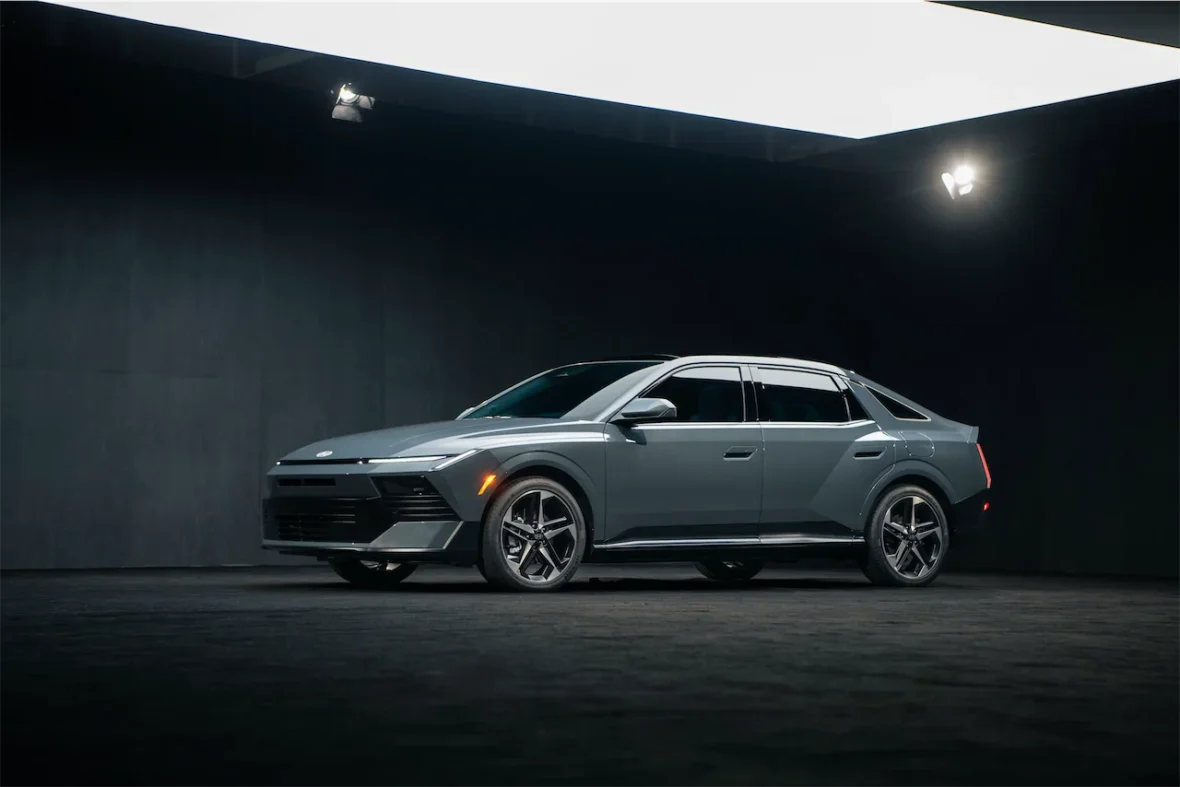
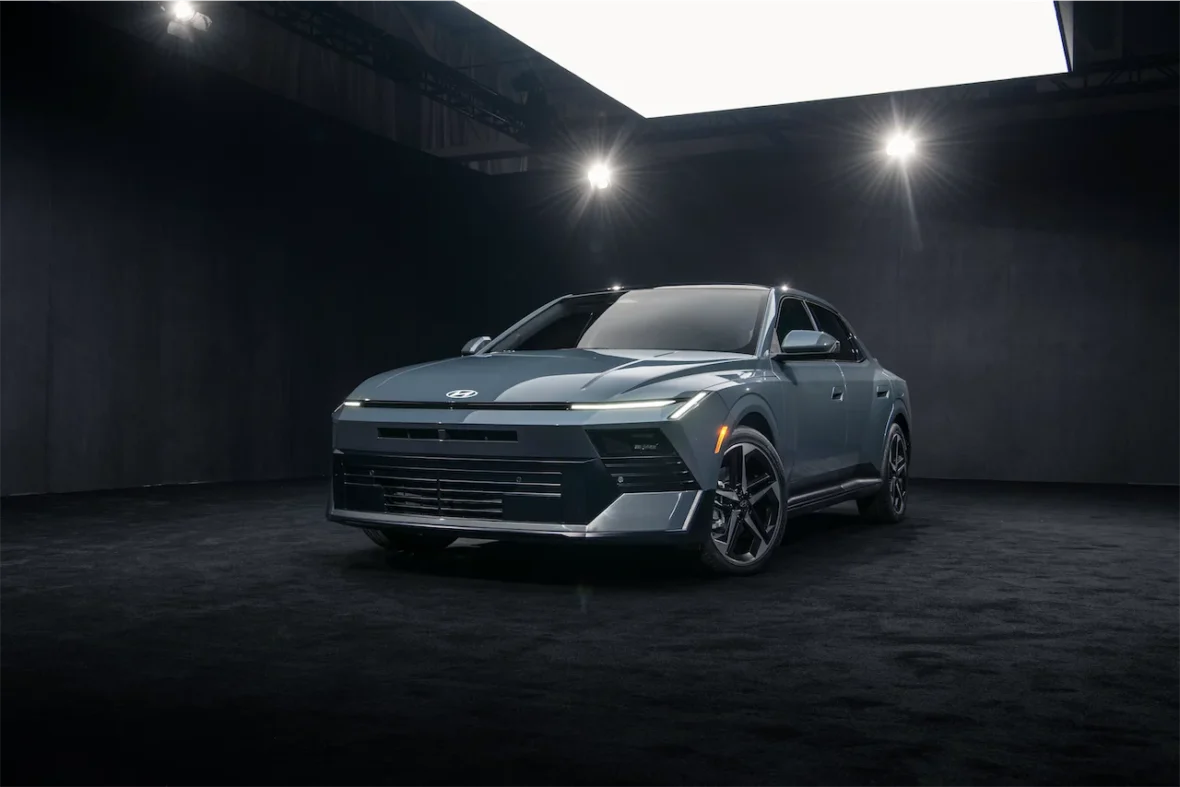
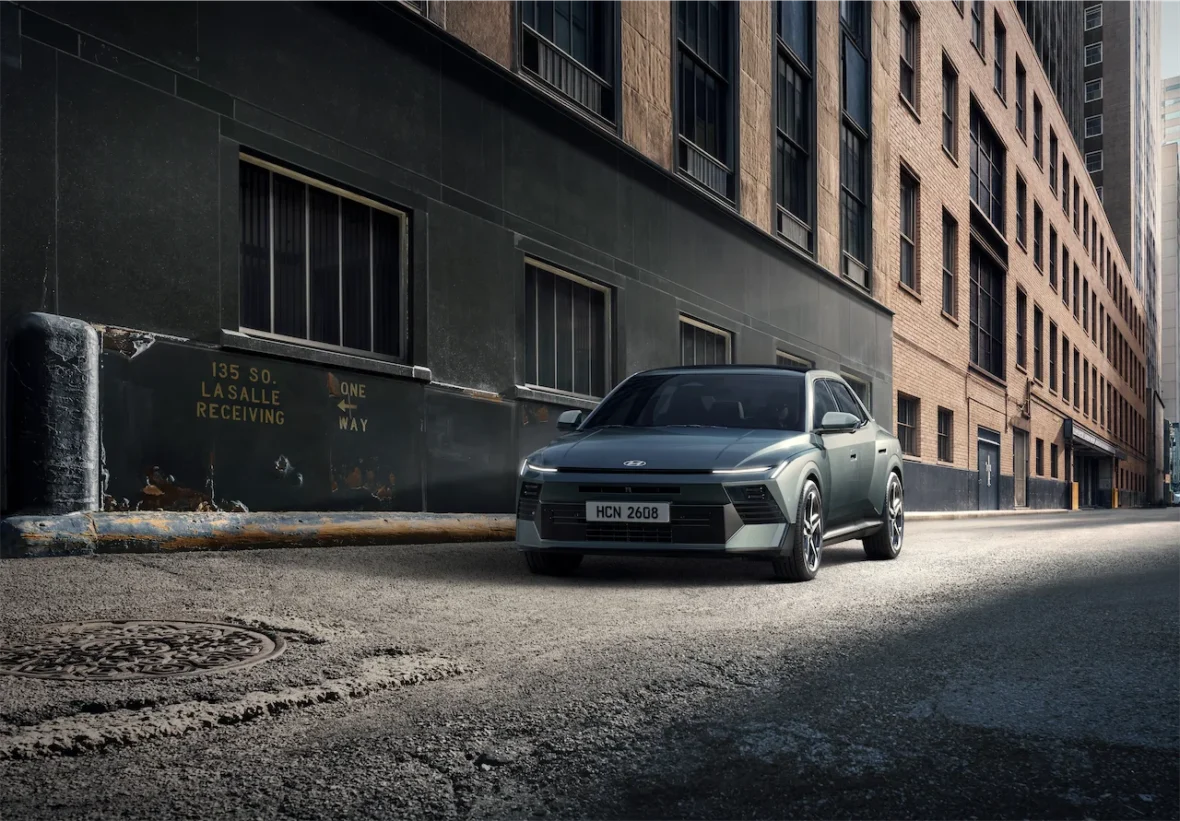
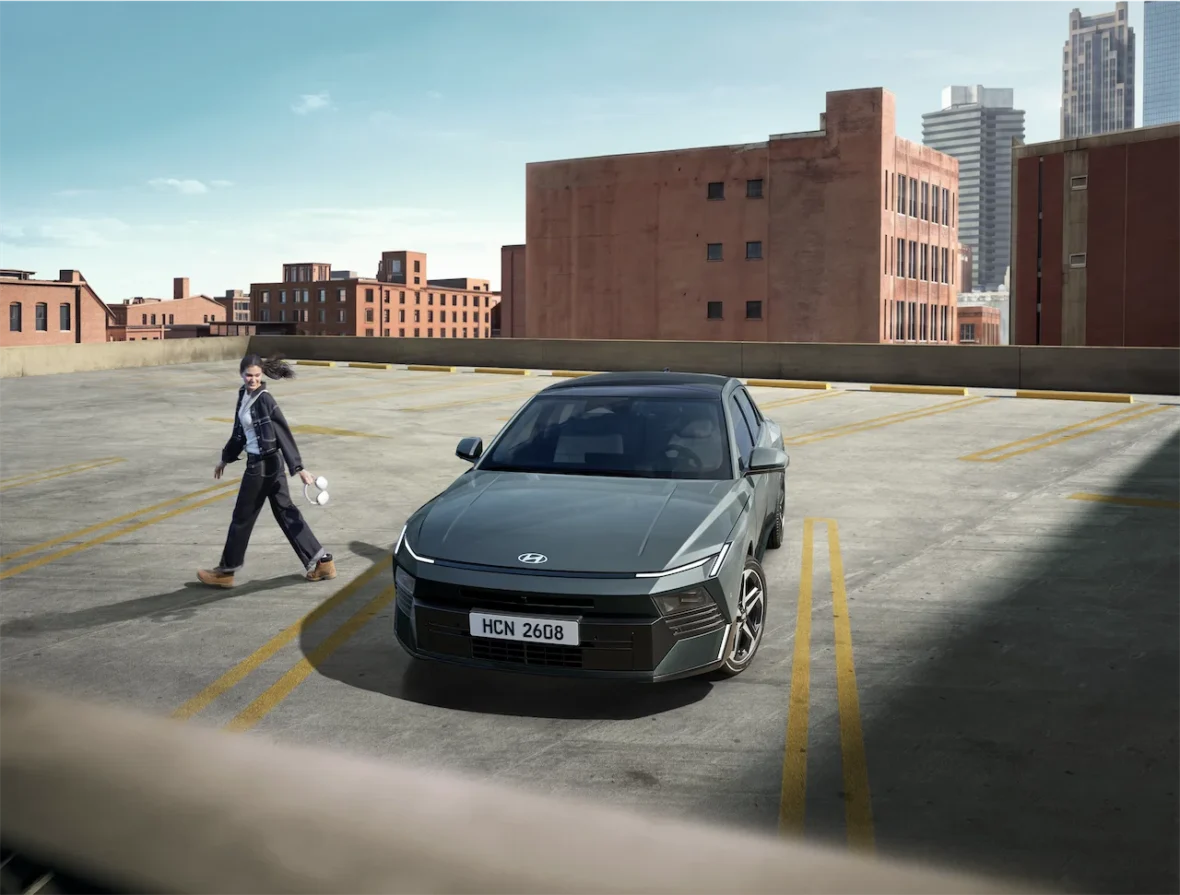
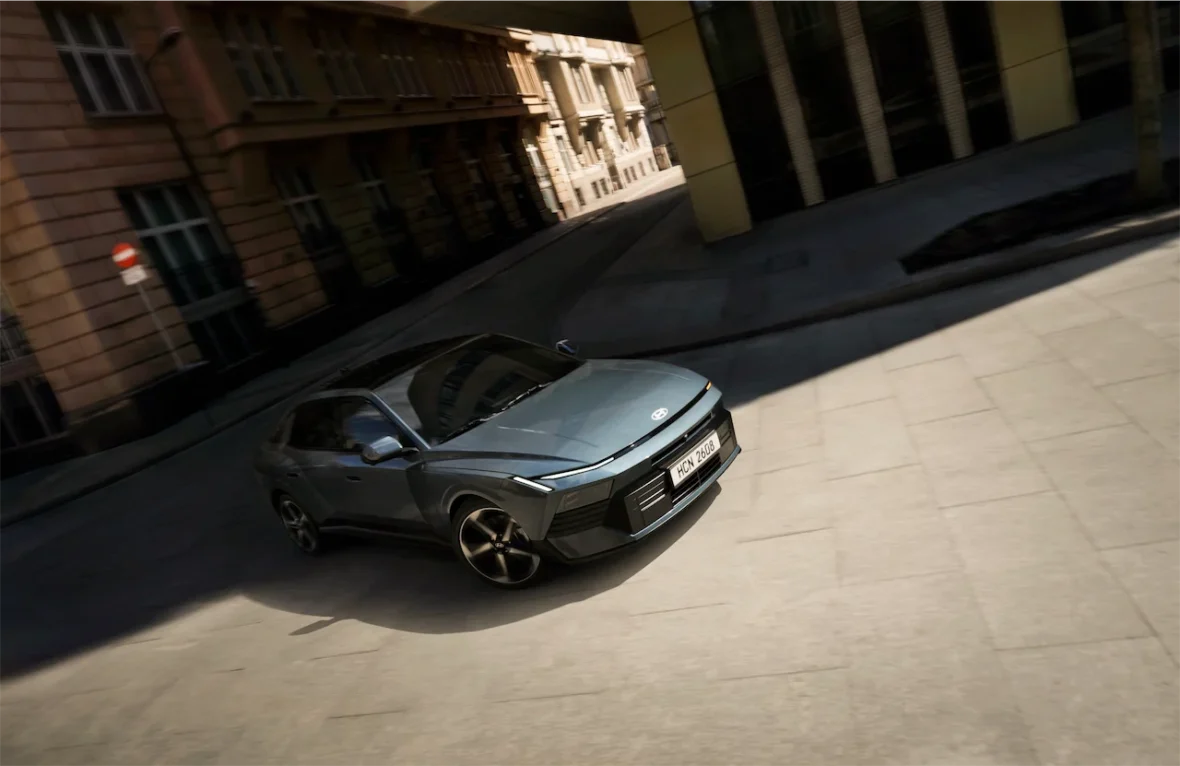
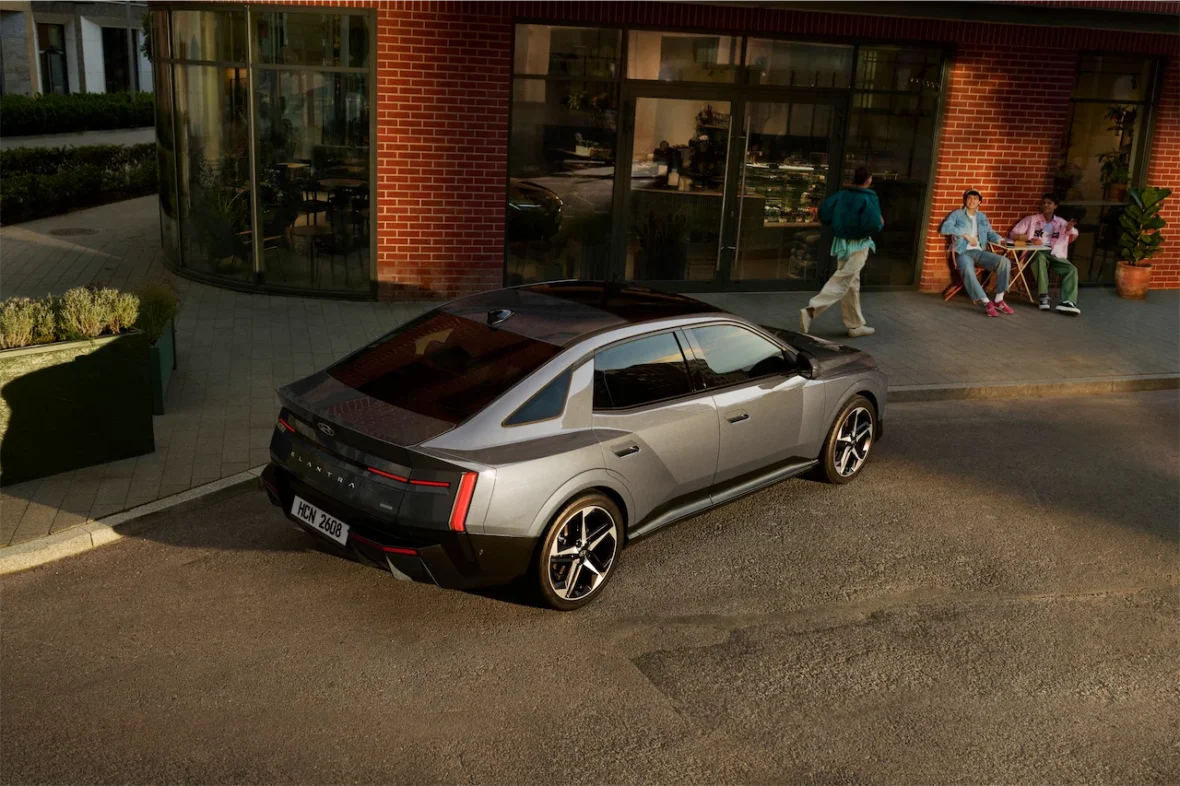
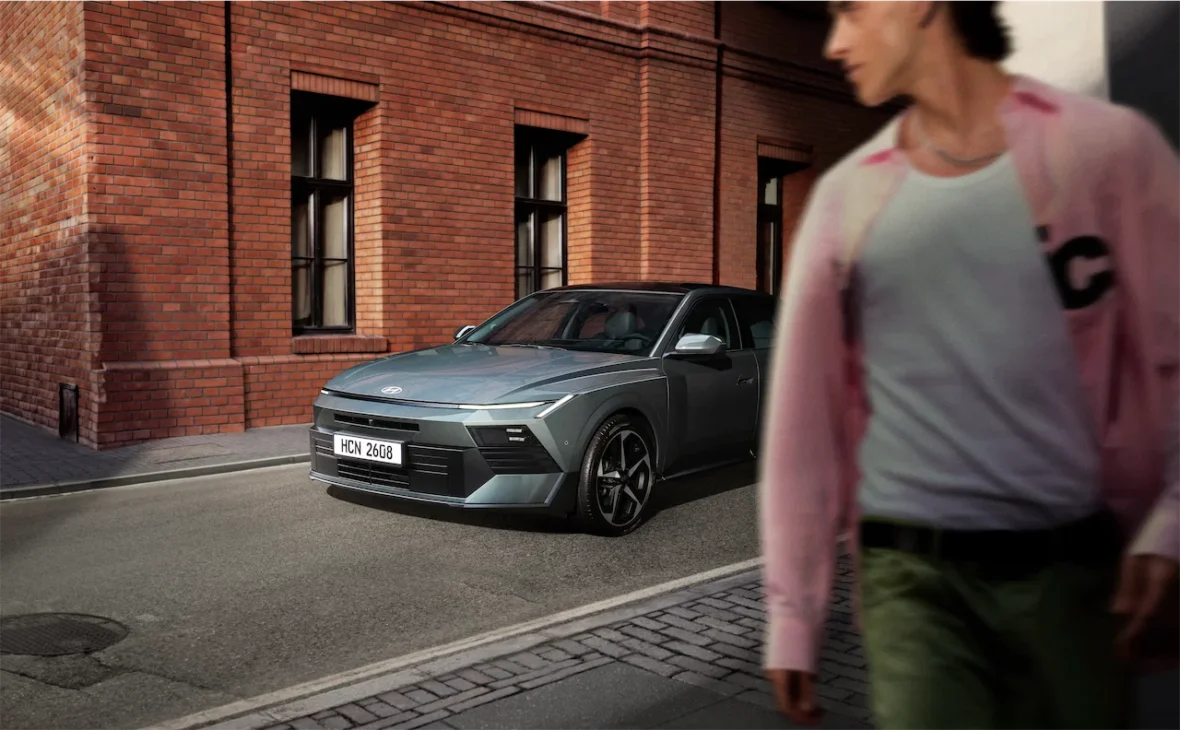
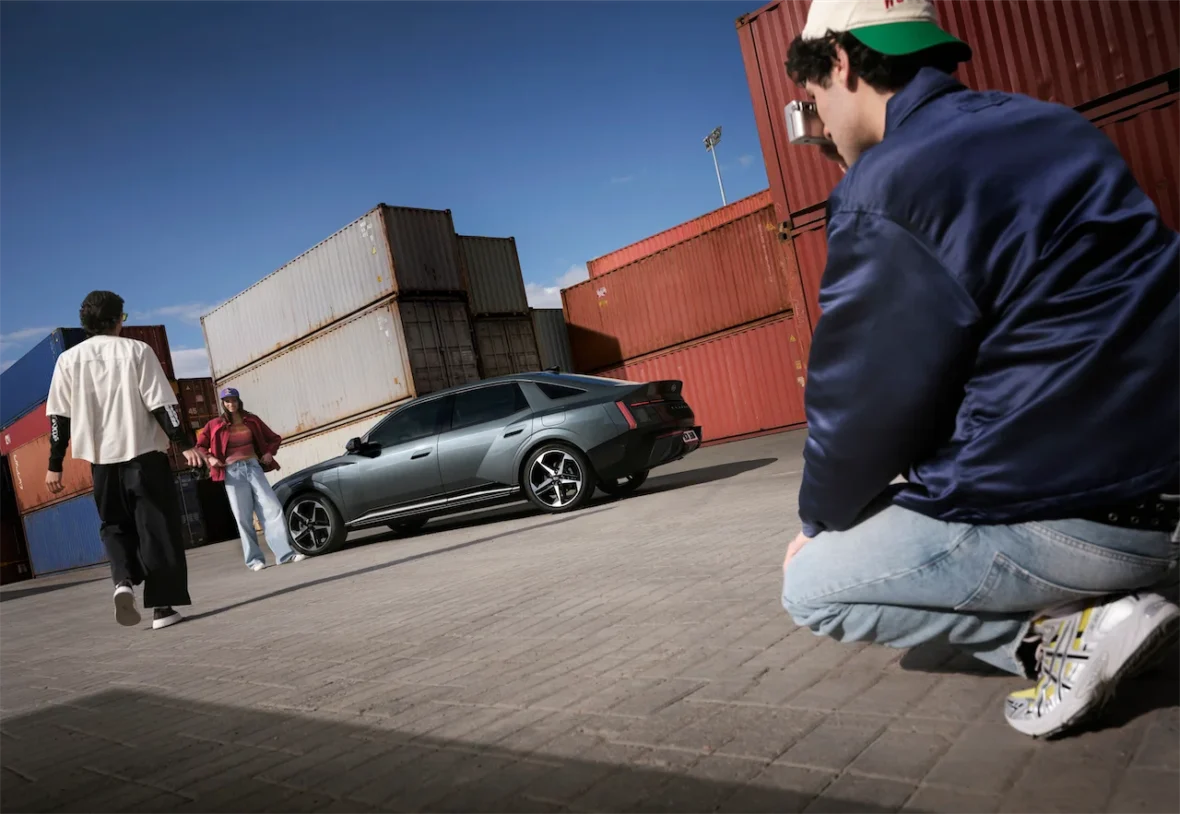
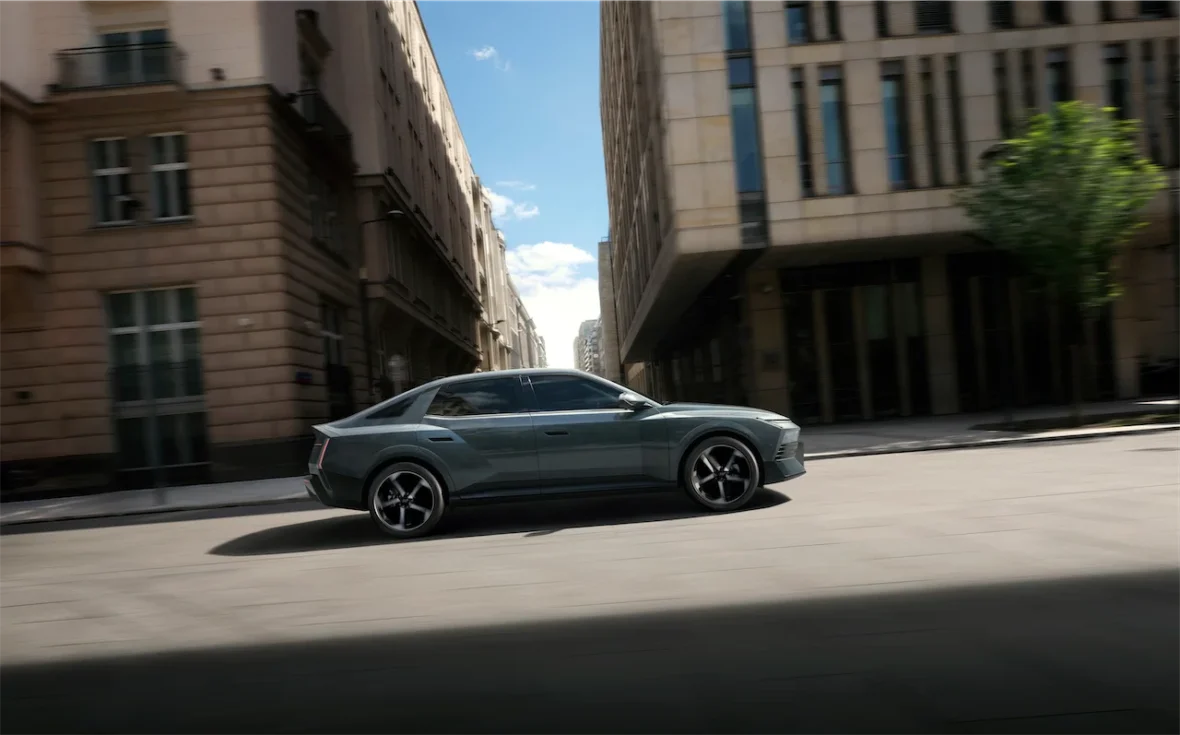
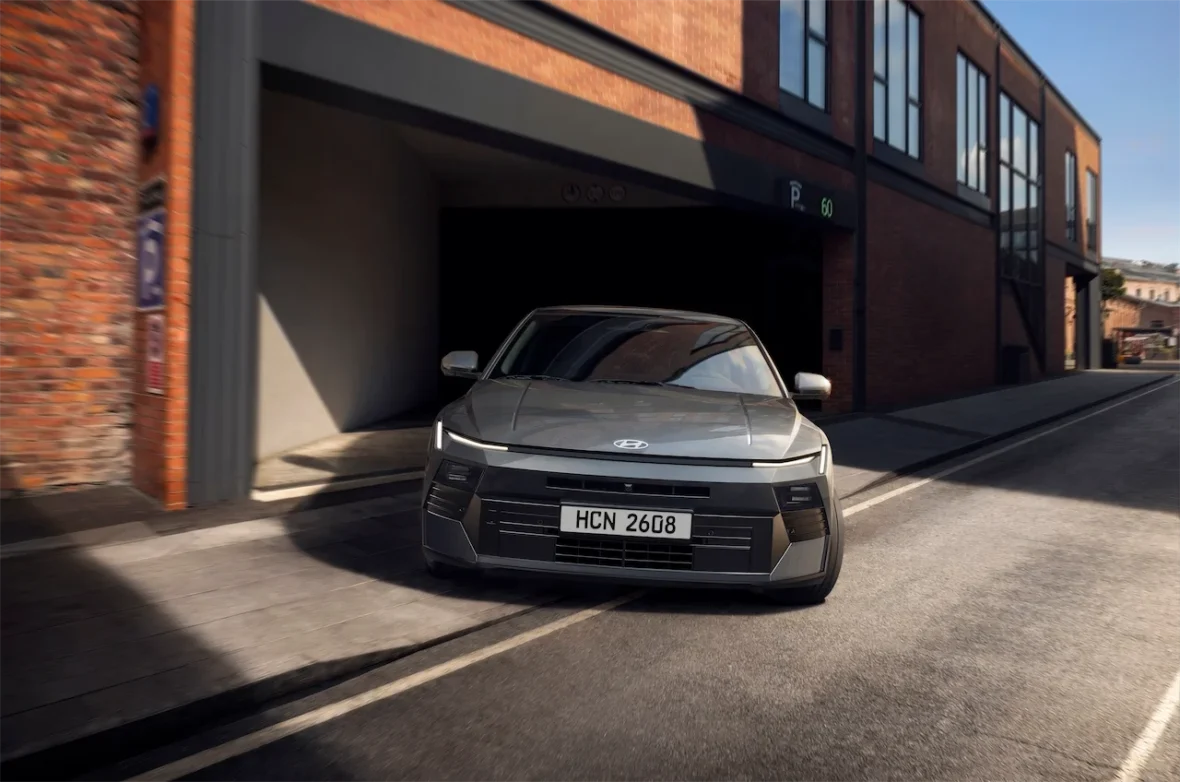
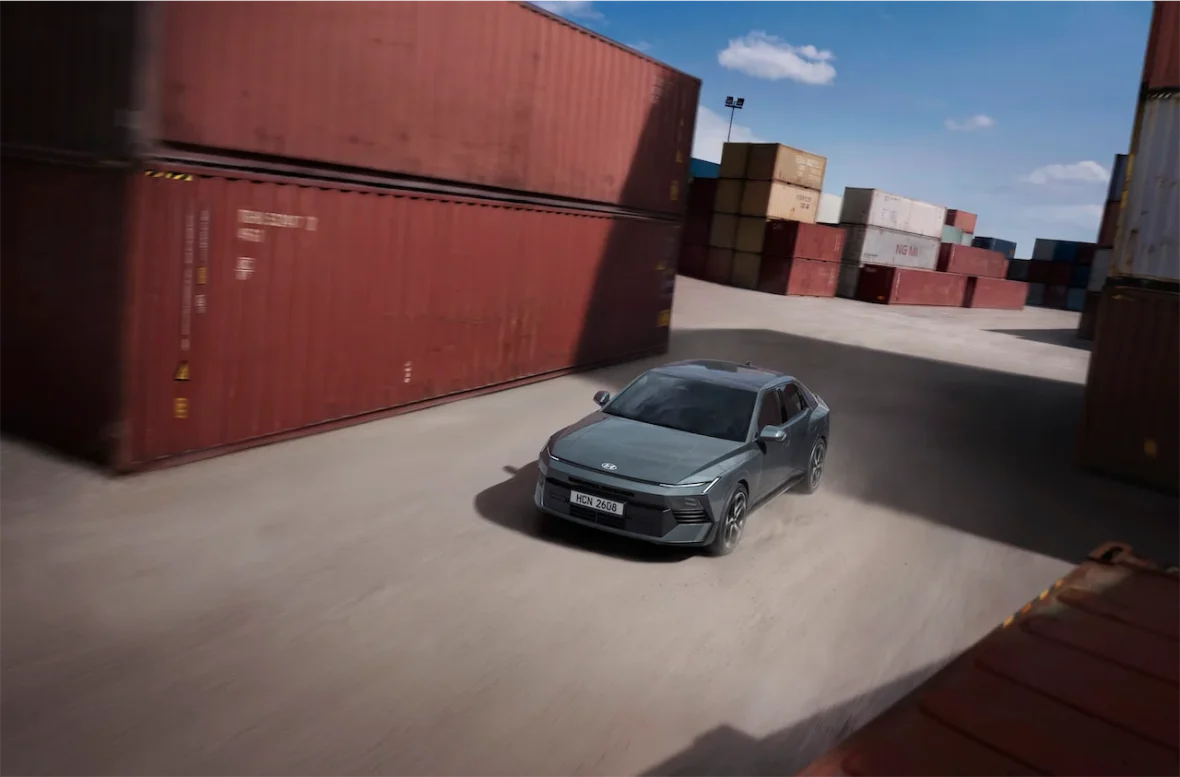
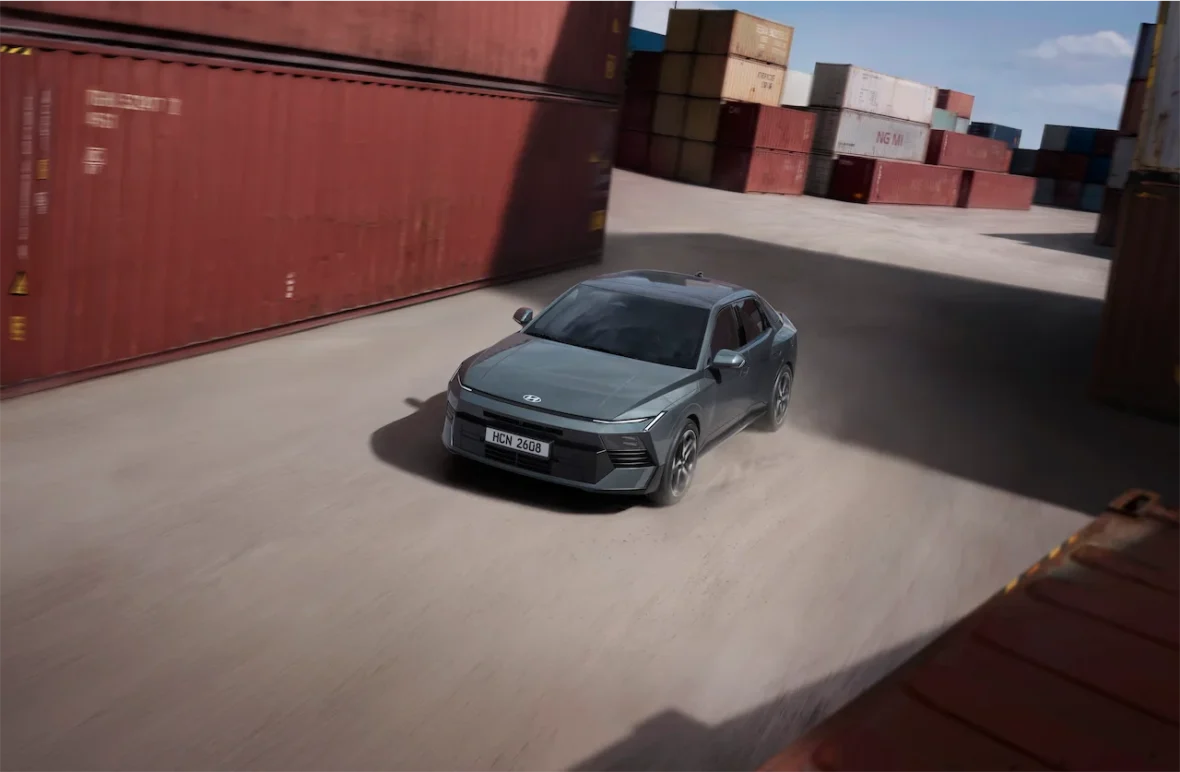
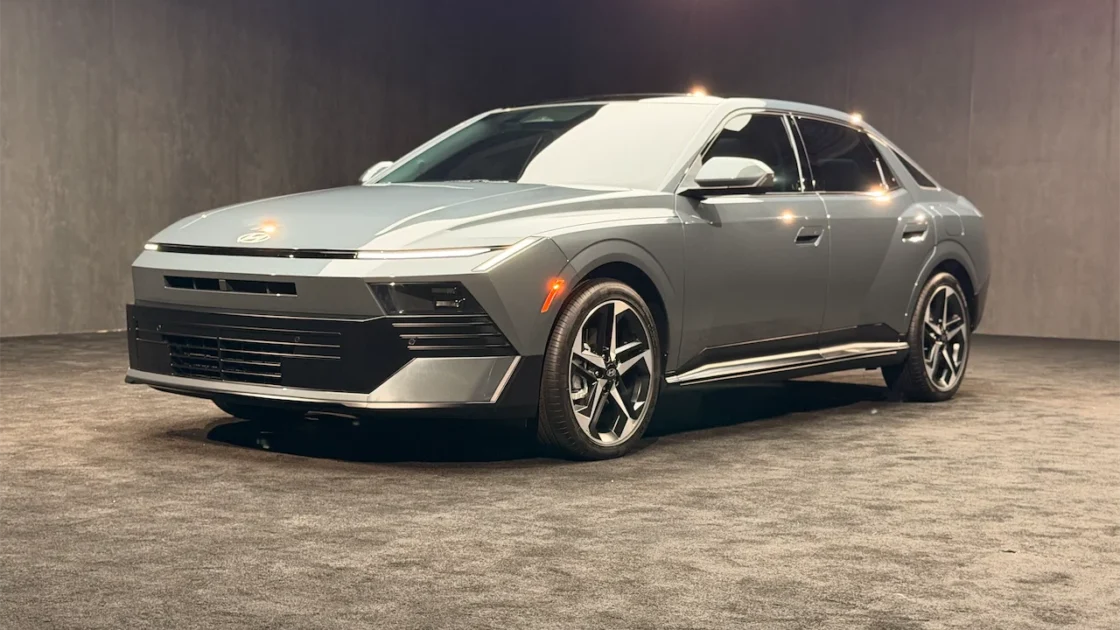
Up front, the Elantra borrows a lot from the all-new 2027 Tucson. Hidden H shapes and H-Edge lighting stretch across the nose, with low-mounted LED headlights and turn signals tucked into the light bar. It is taller and less wedge-shaped than the outgoing car, with a long hood and a much cleaner look.
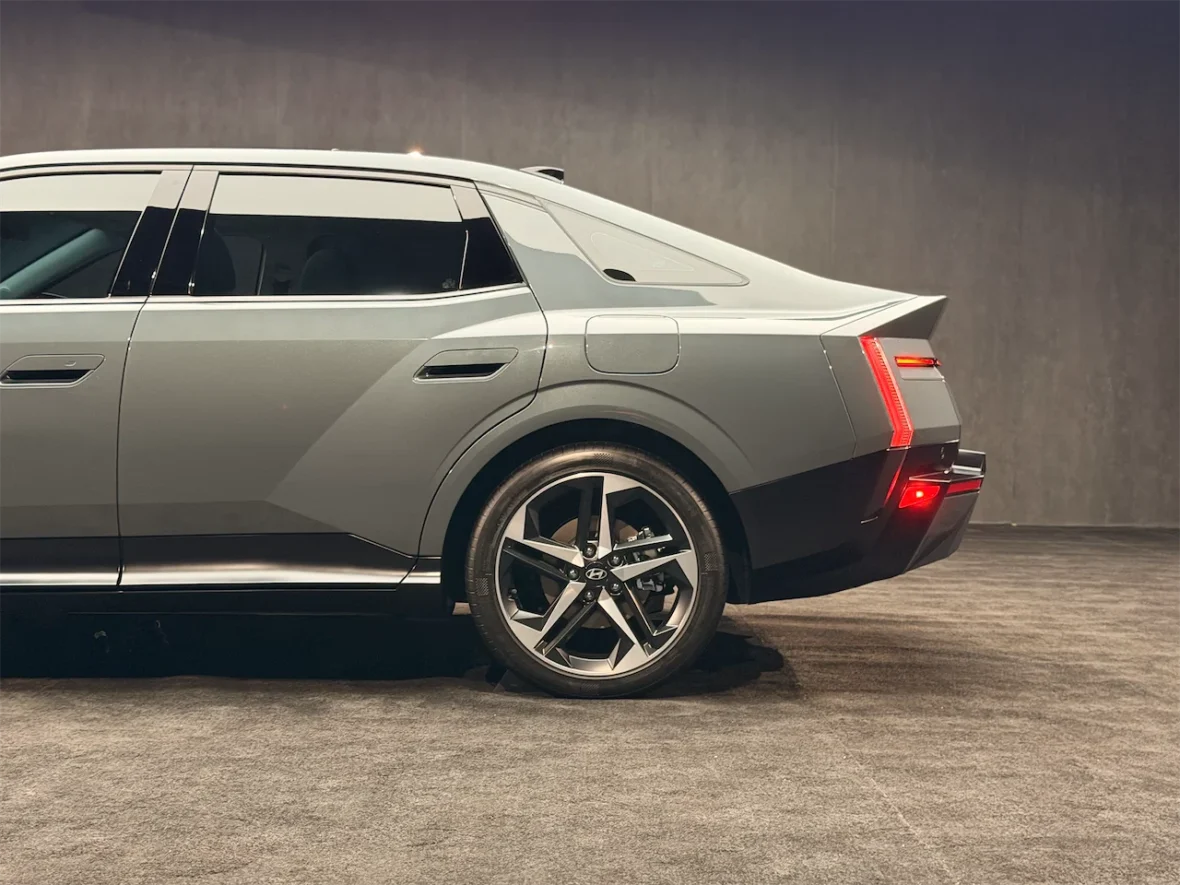
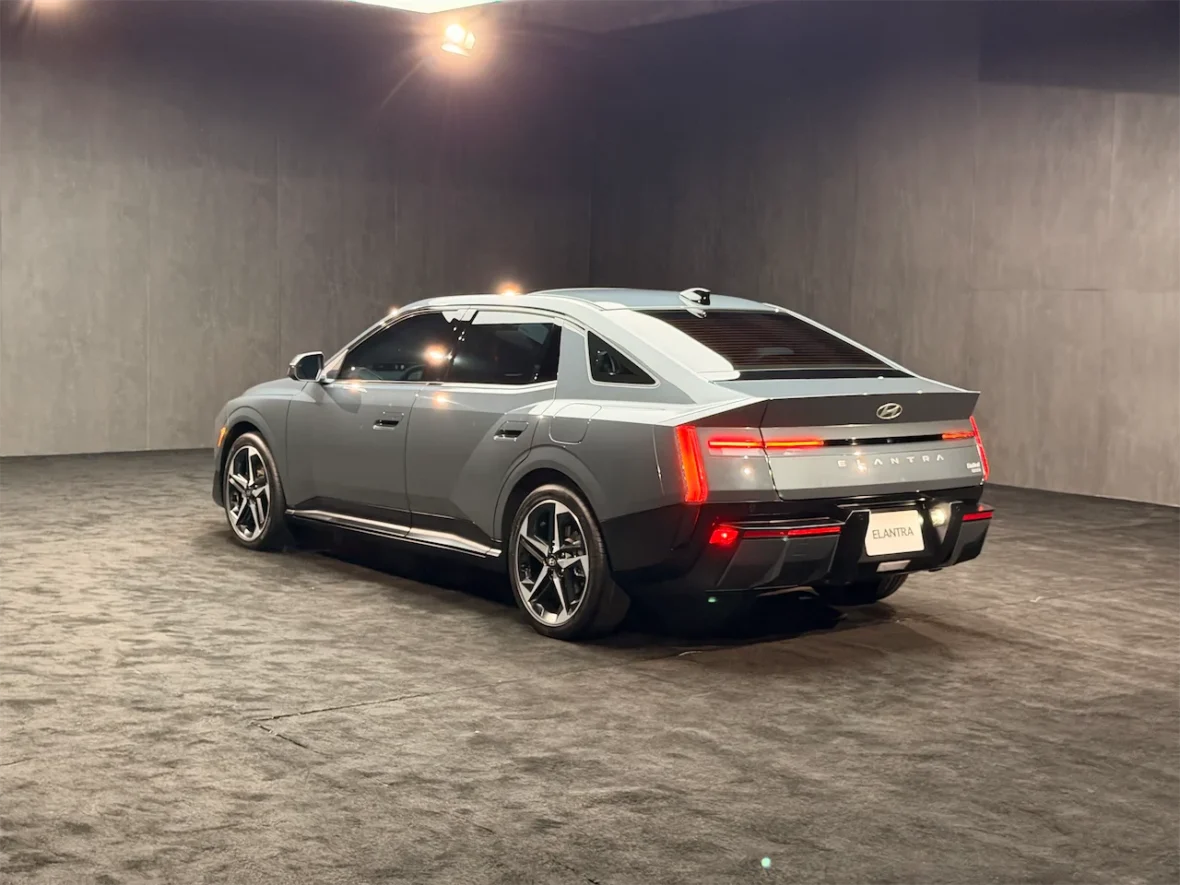
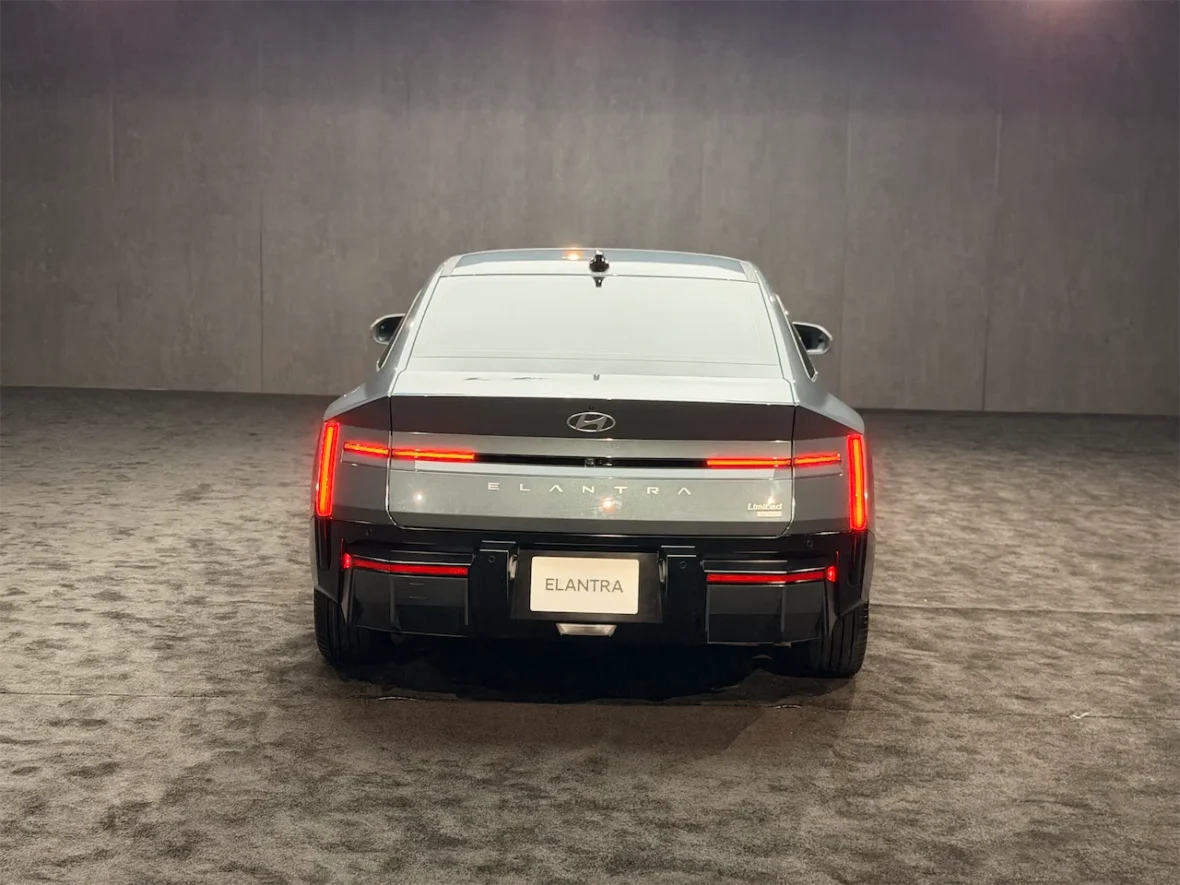
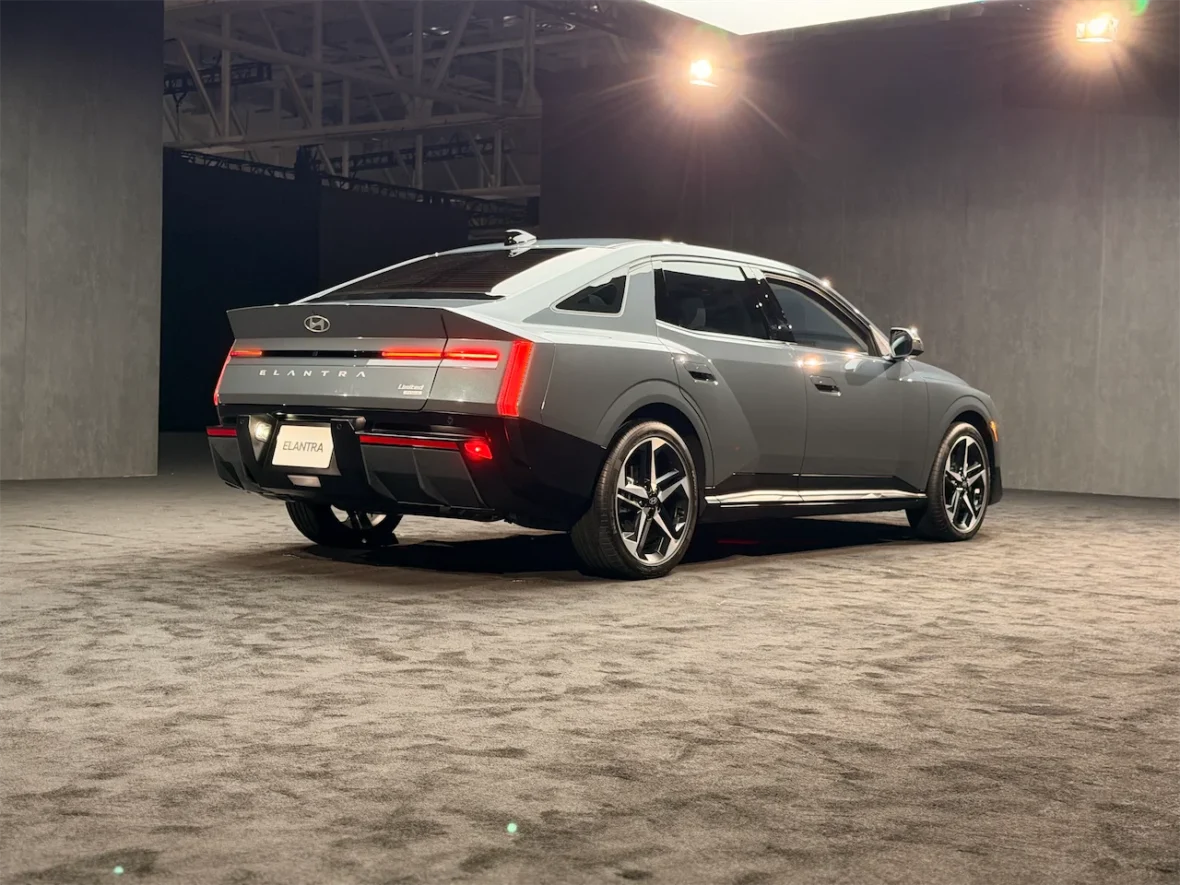
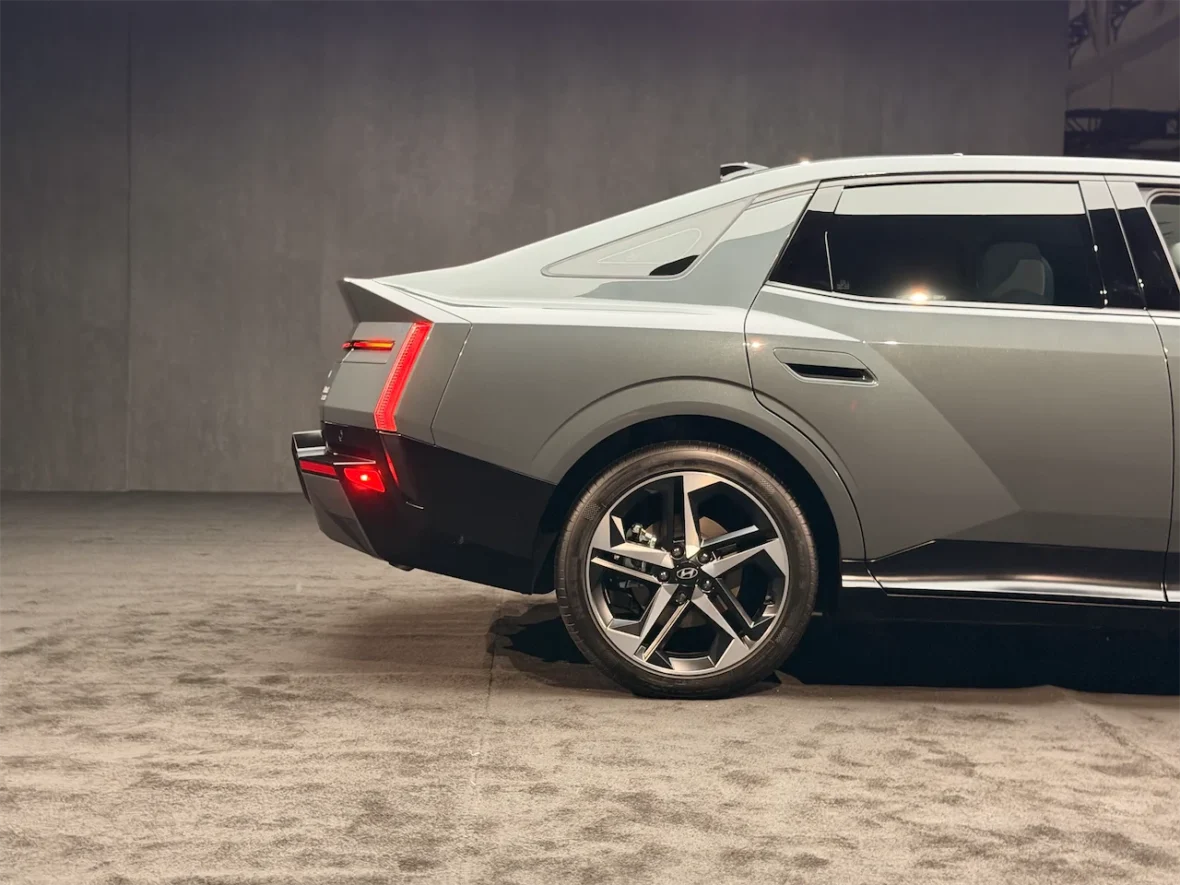
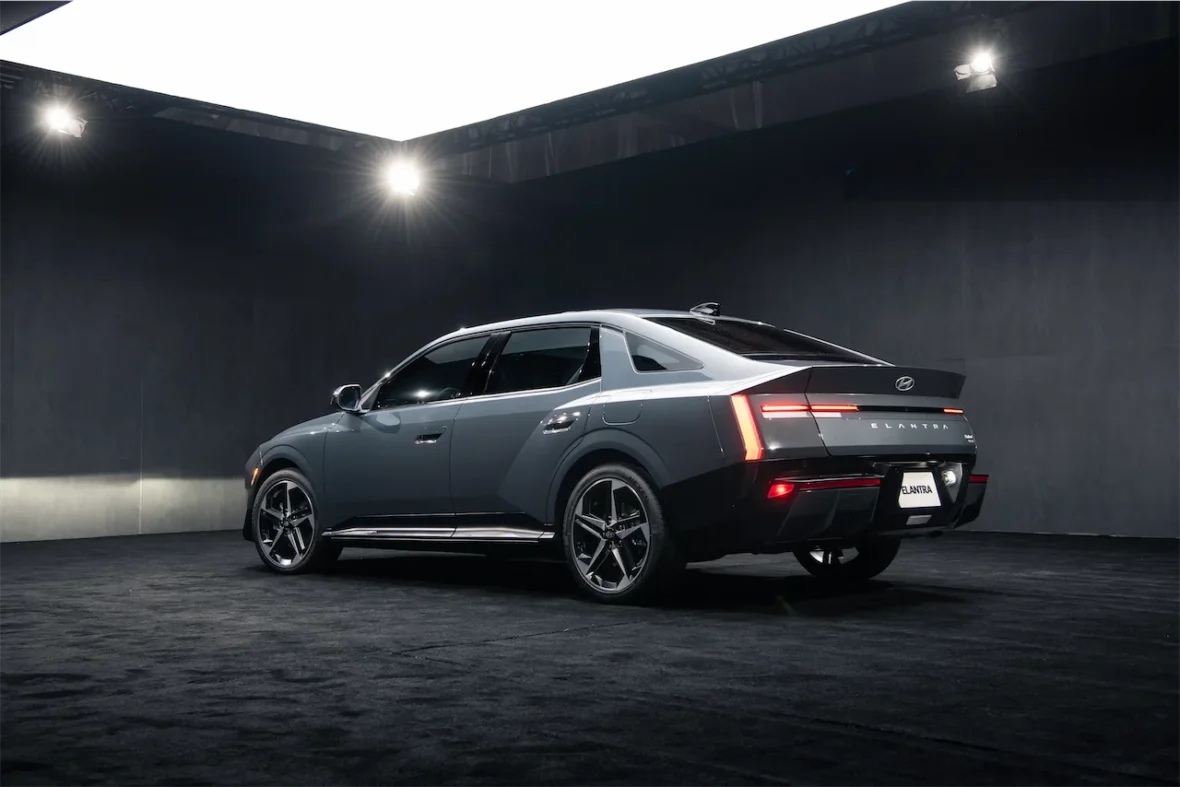
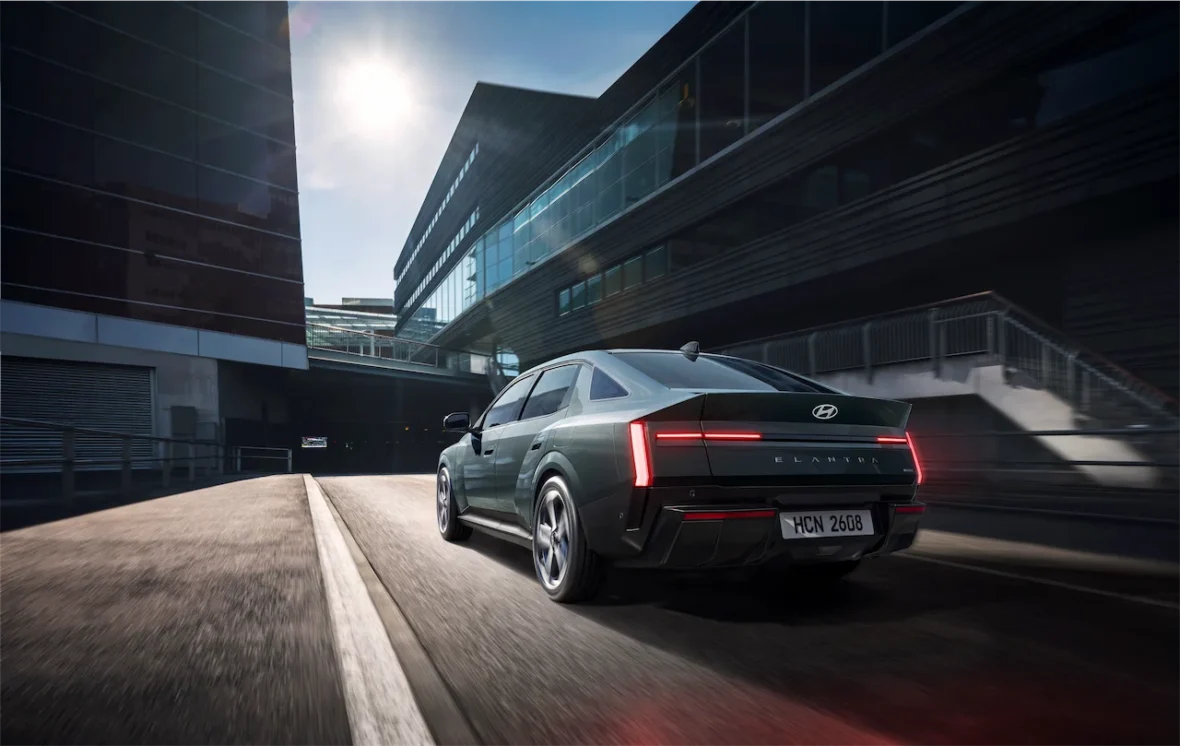
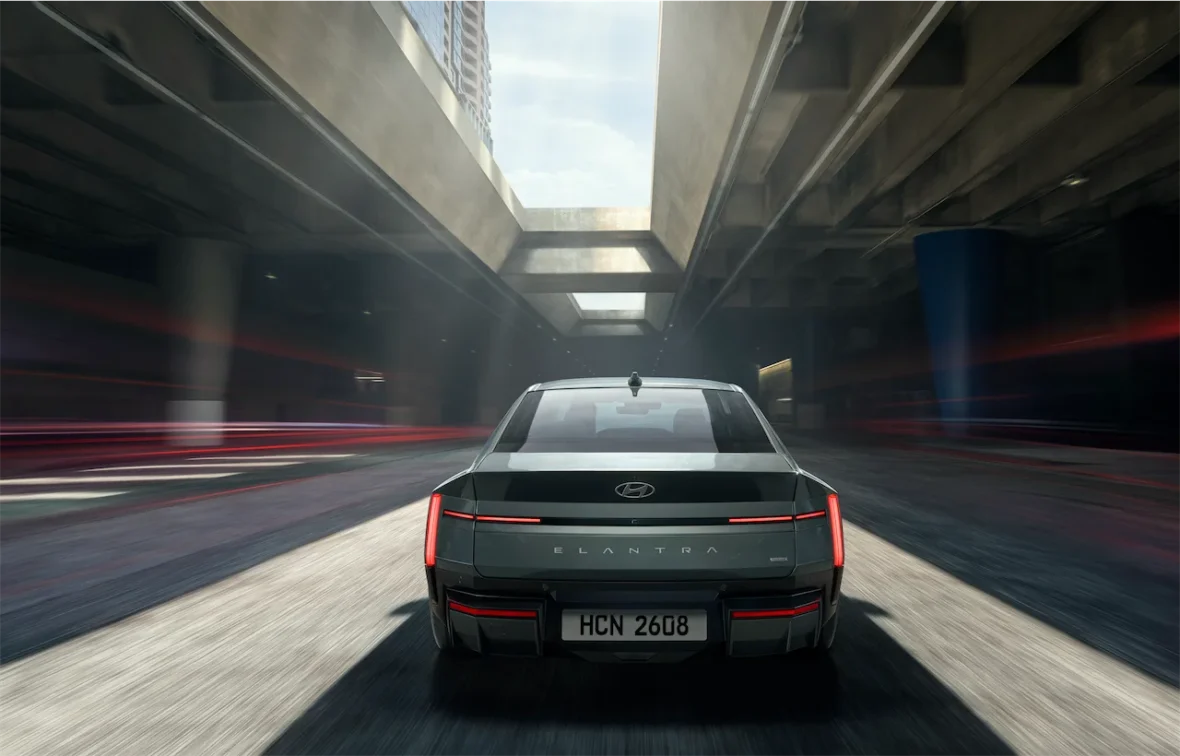
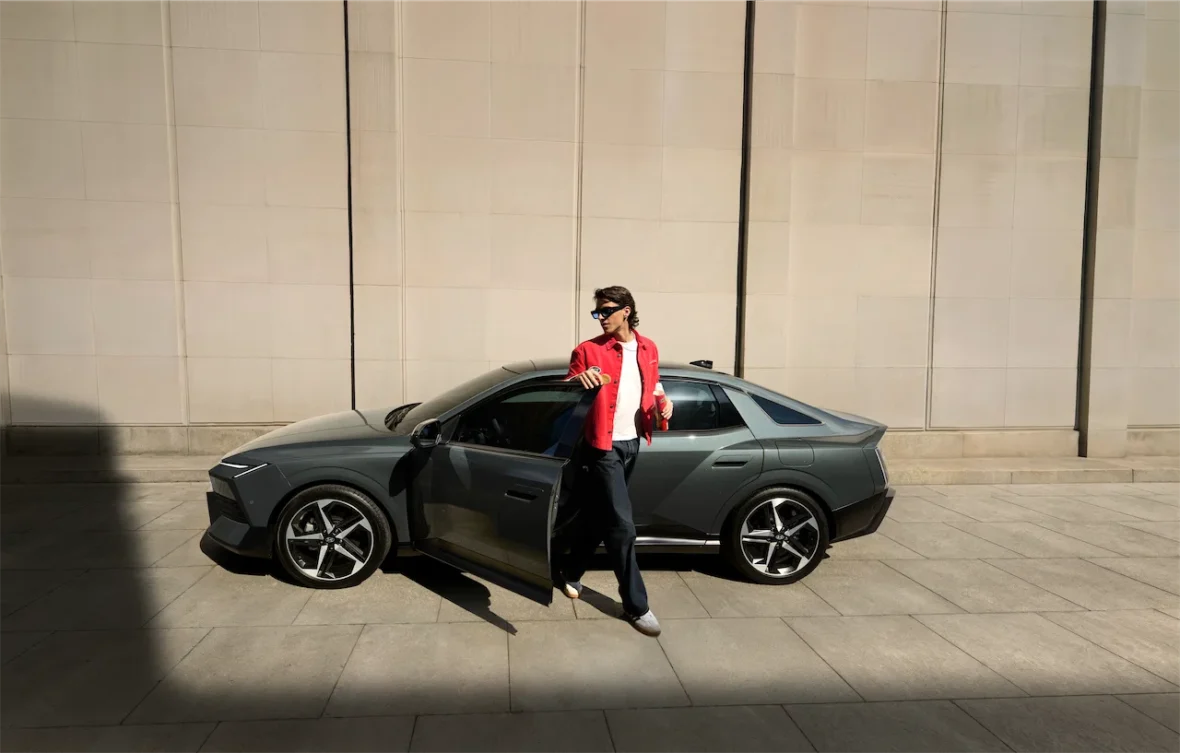
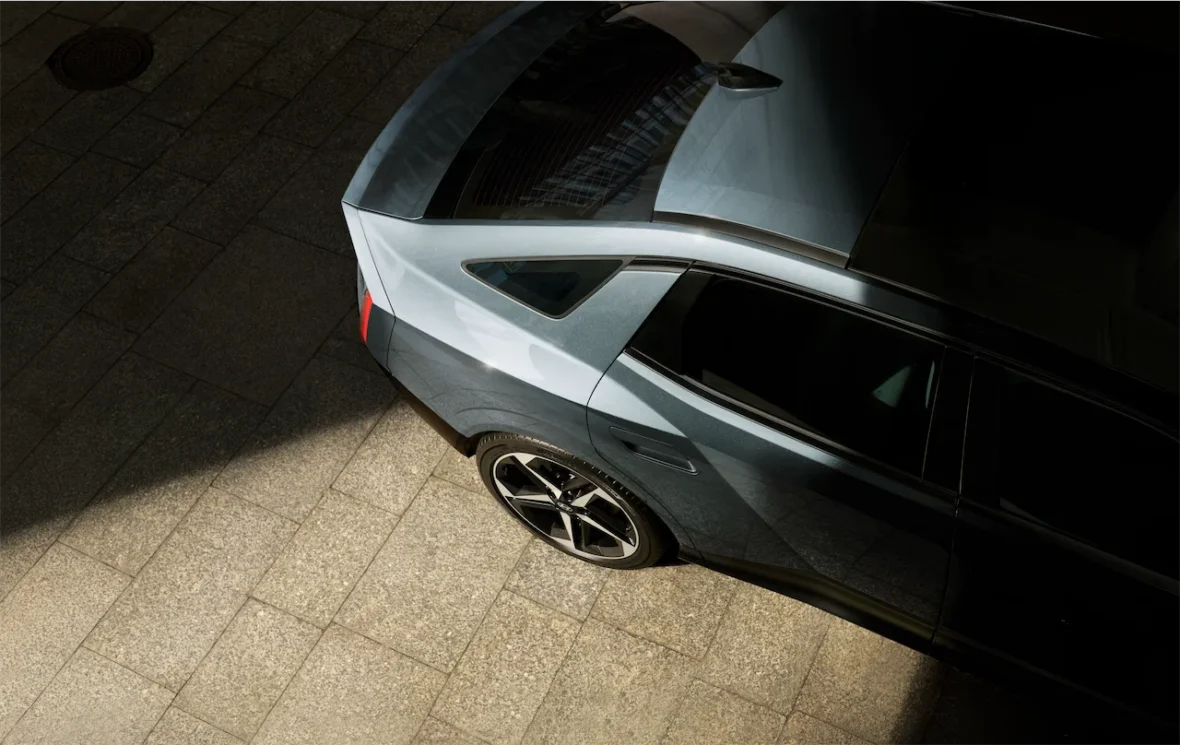
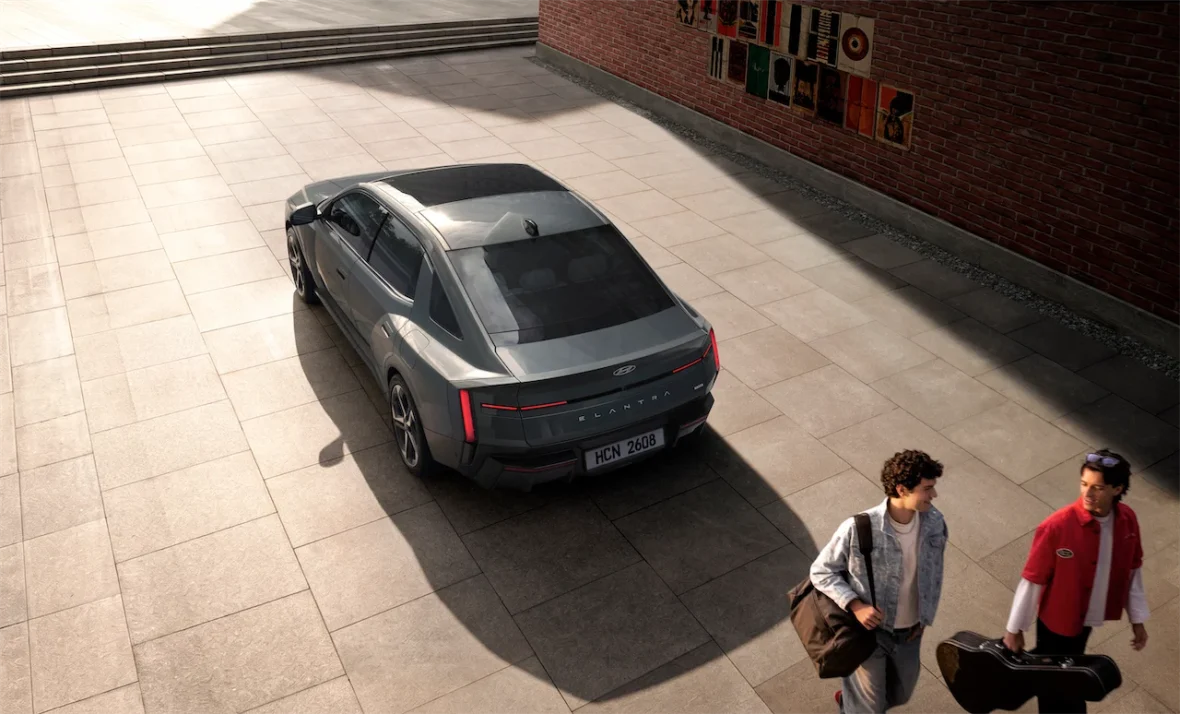
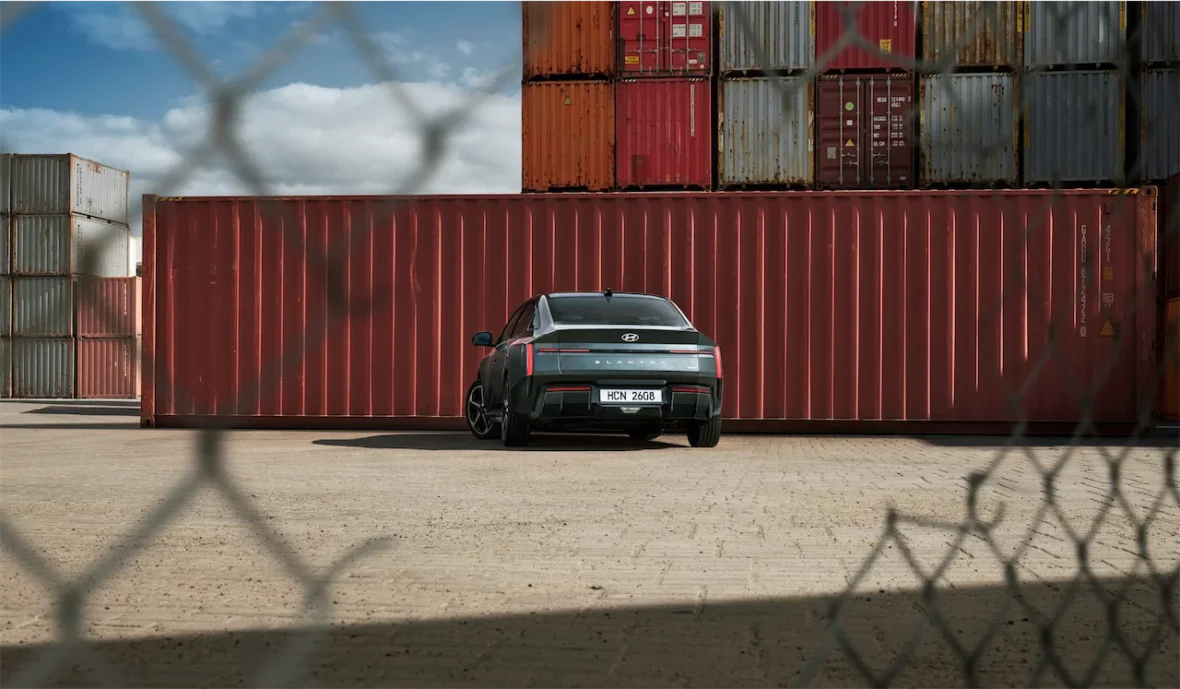
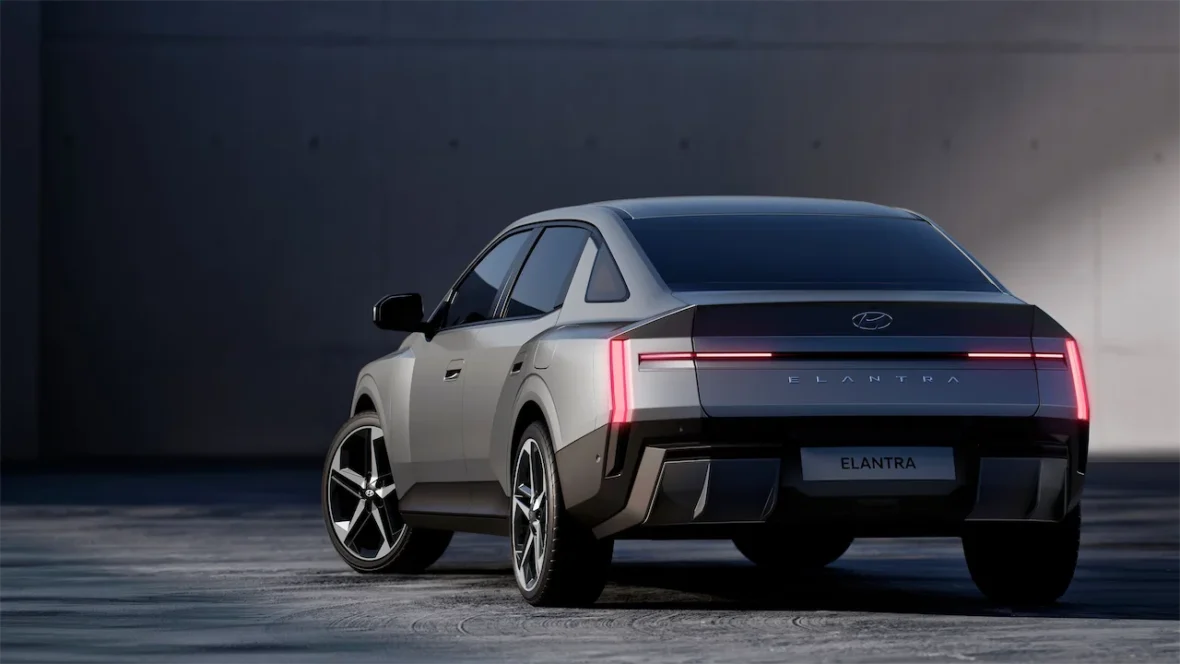
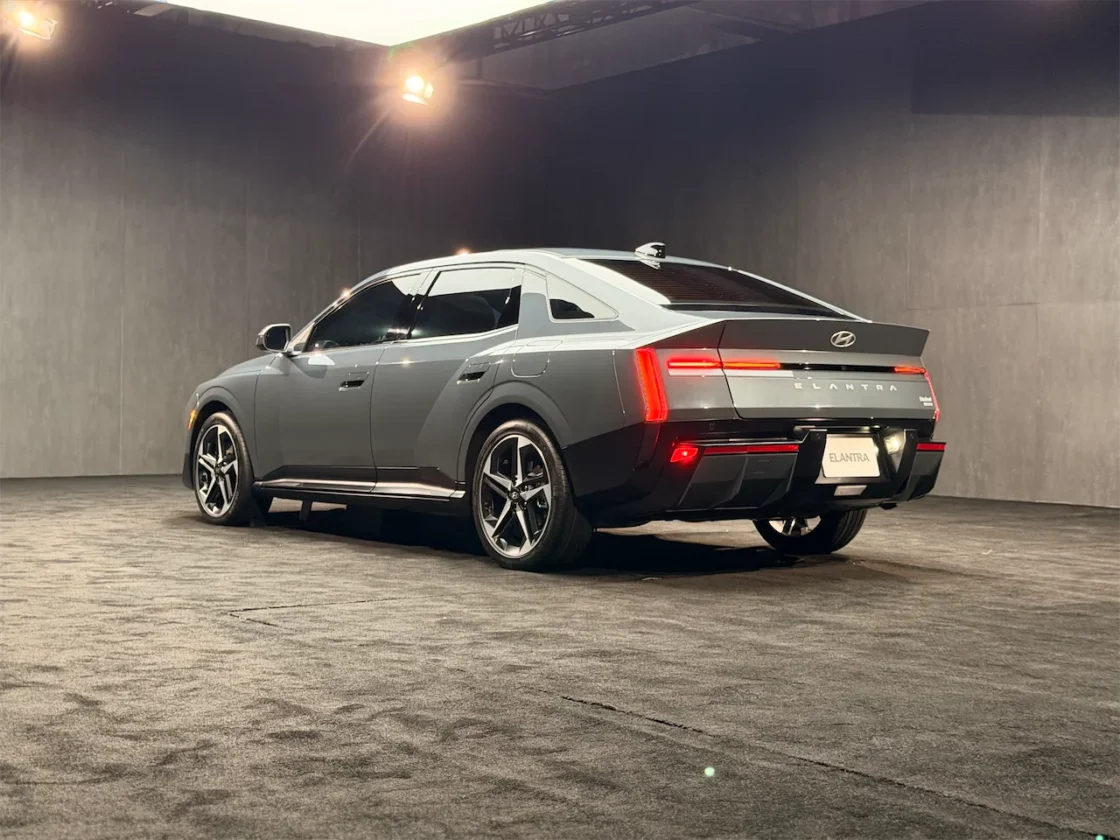
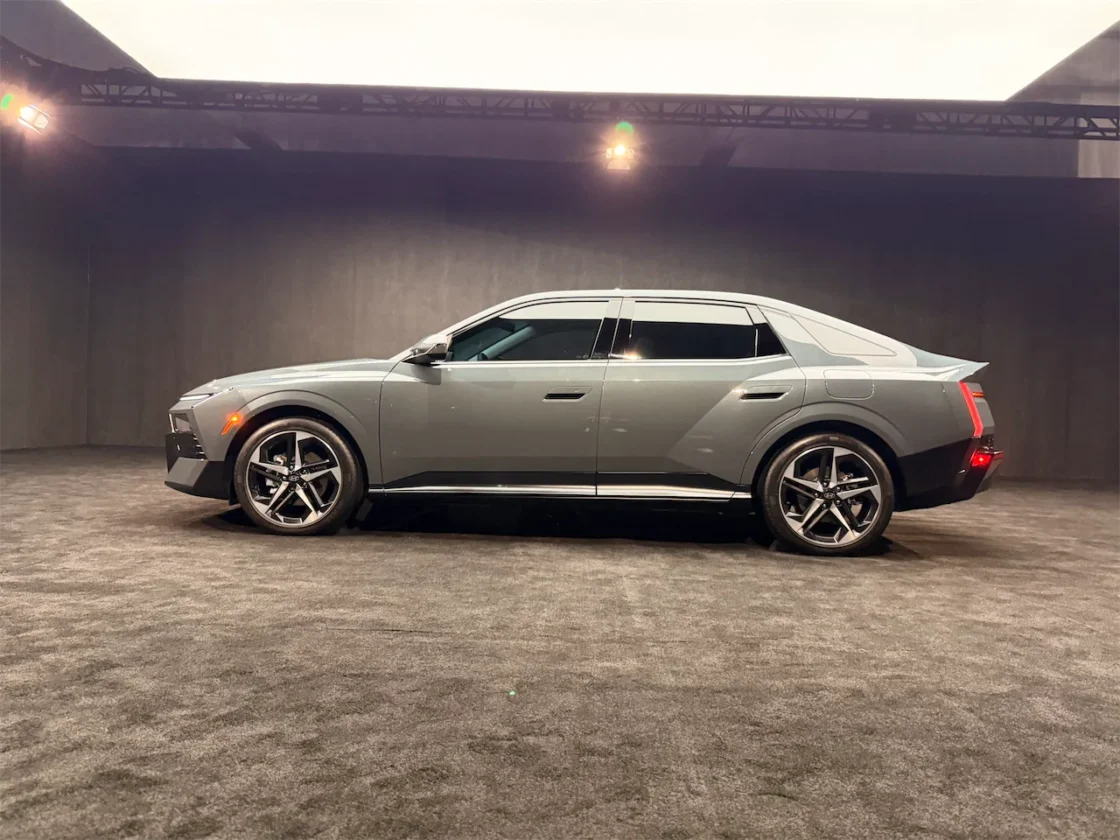
Hyundai kept calling it an “everyday muscle car.” As someone who fell in love with 1960s muscle cars, I cringed a little at that. But from the back, those wide, Coke-bottle rear hips really do give it that look. Hyundai also made a bold call with a body-color panel that splits the rear window, where most brands would have used gloss black.
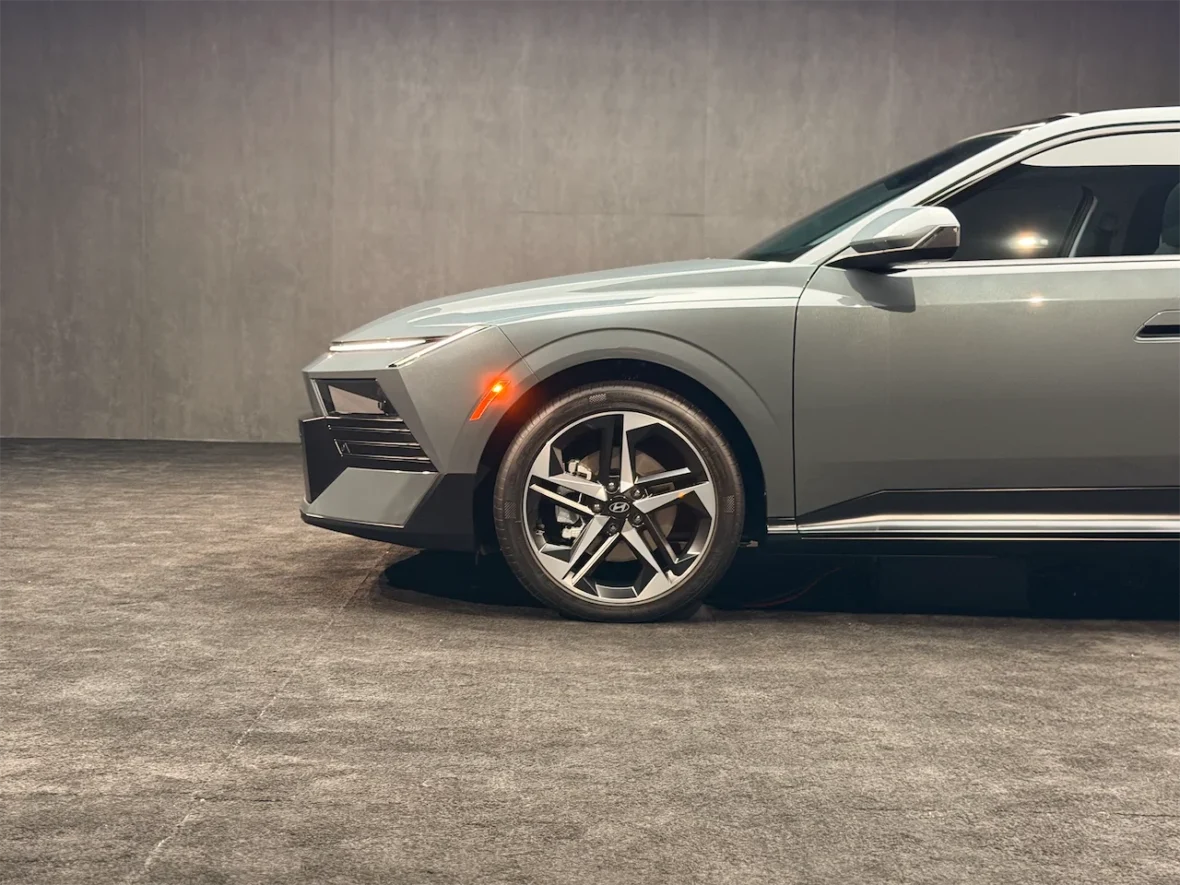
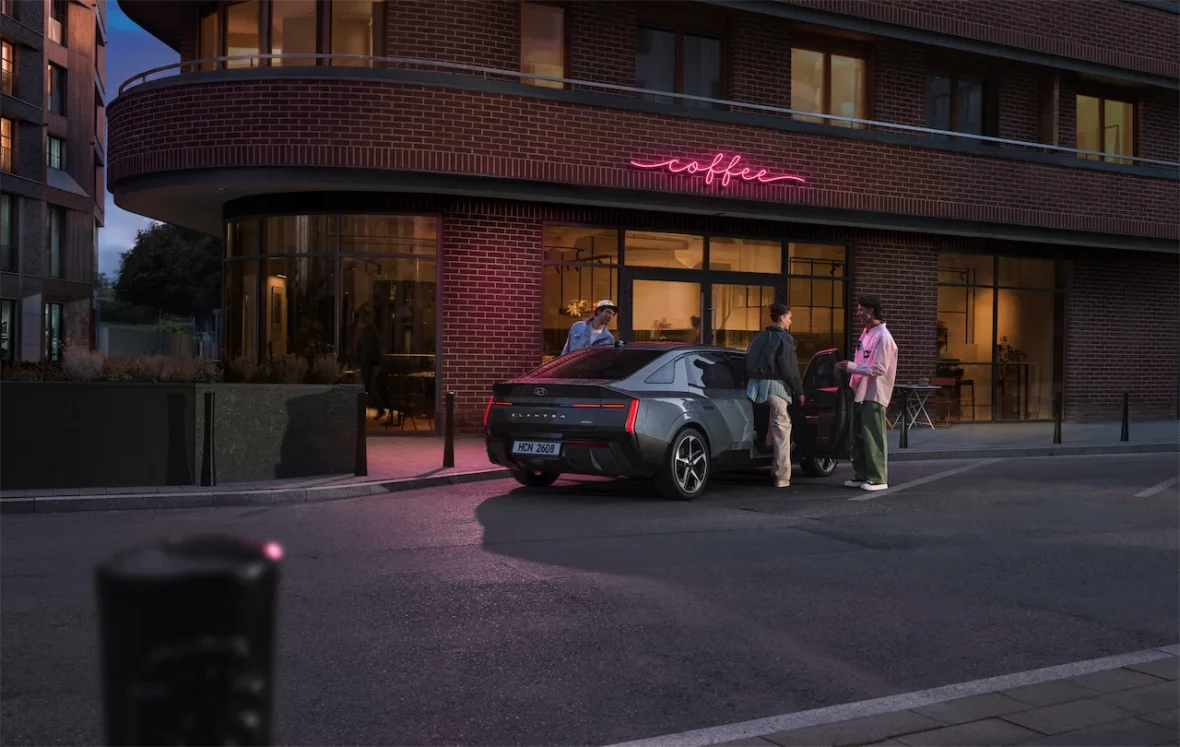
Around back, the vertical 3D taillights almost look like a modern take on a Cadillac tail fin, and they nearly connect to form an H. Other details we liked include flush door handles, 18-inch throwing-star wheels on the upper trims, and new colors like Graphene Green and Kodiak Blue. Hyundai also says both the gas and hybrid models have a slippery 0.26 coefficient of drag.
Midsize Space in a Compact Sedan
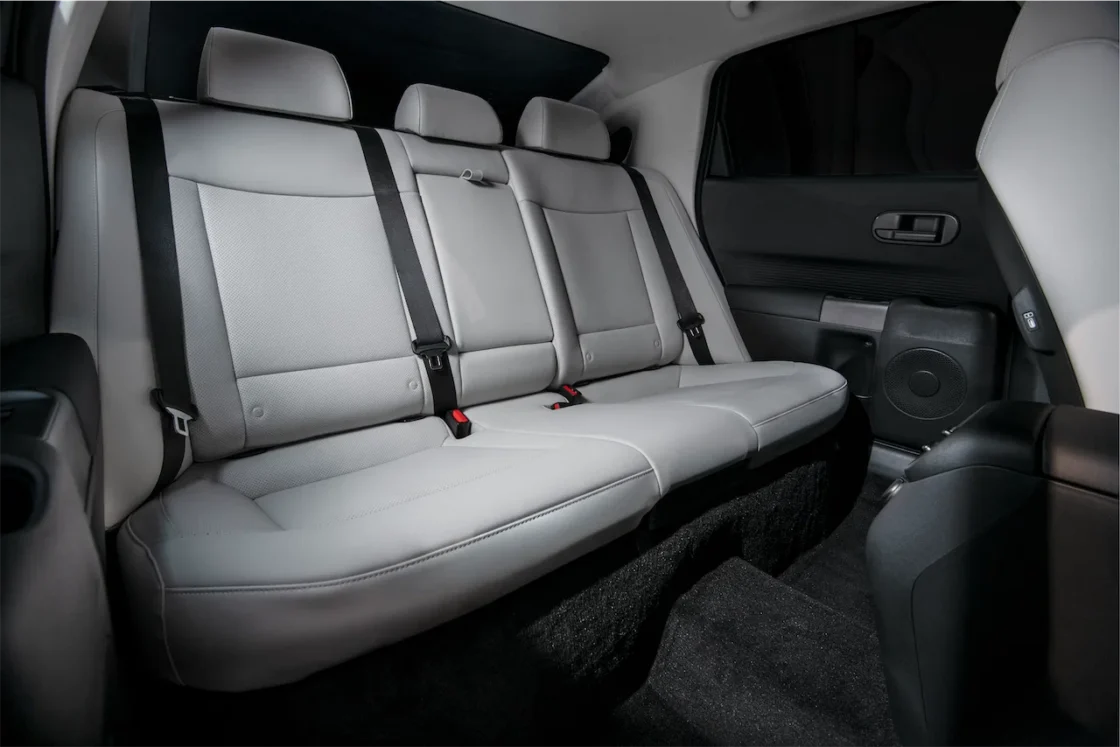
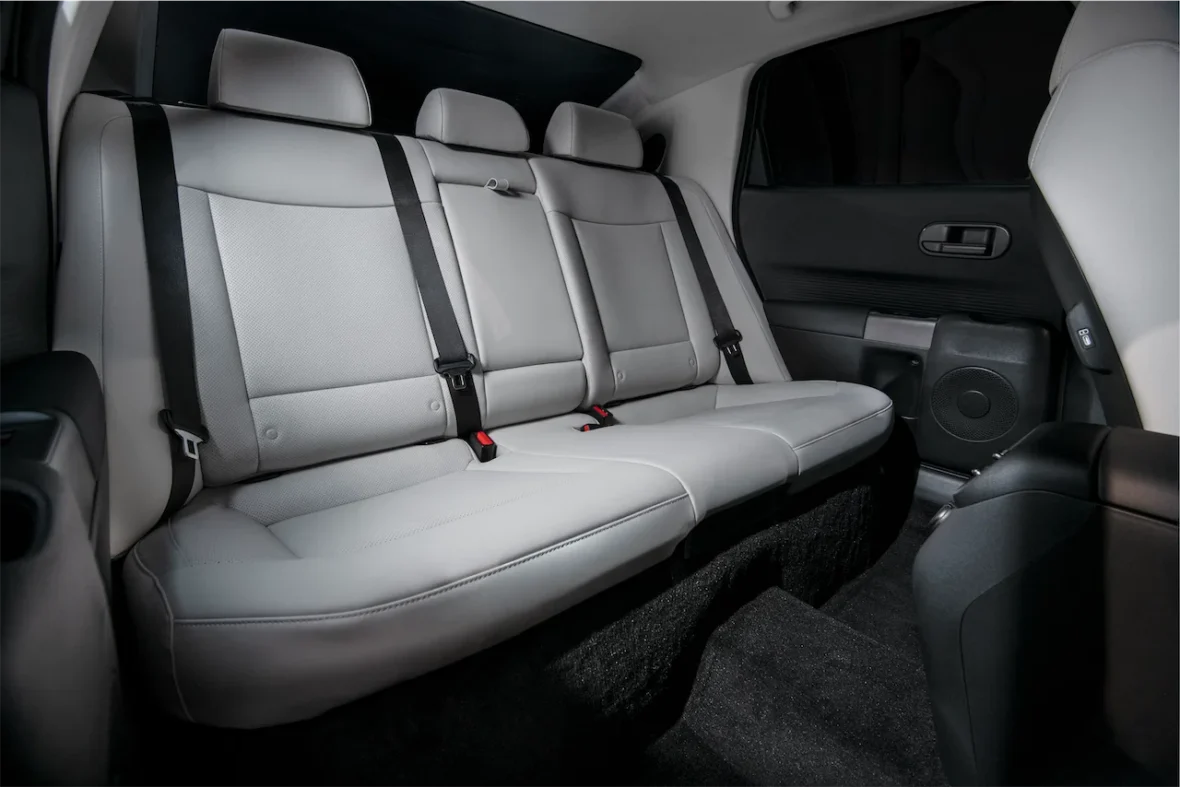
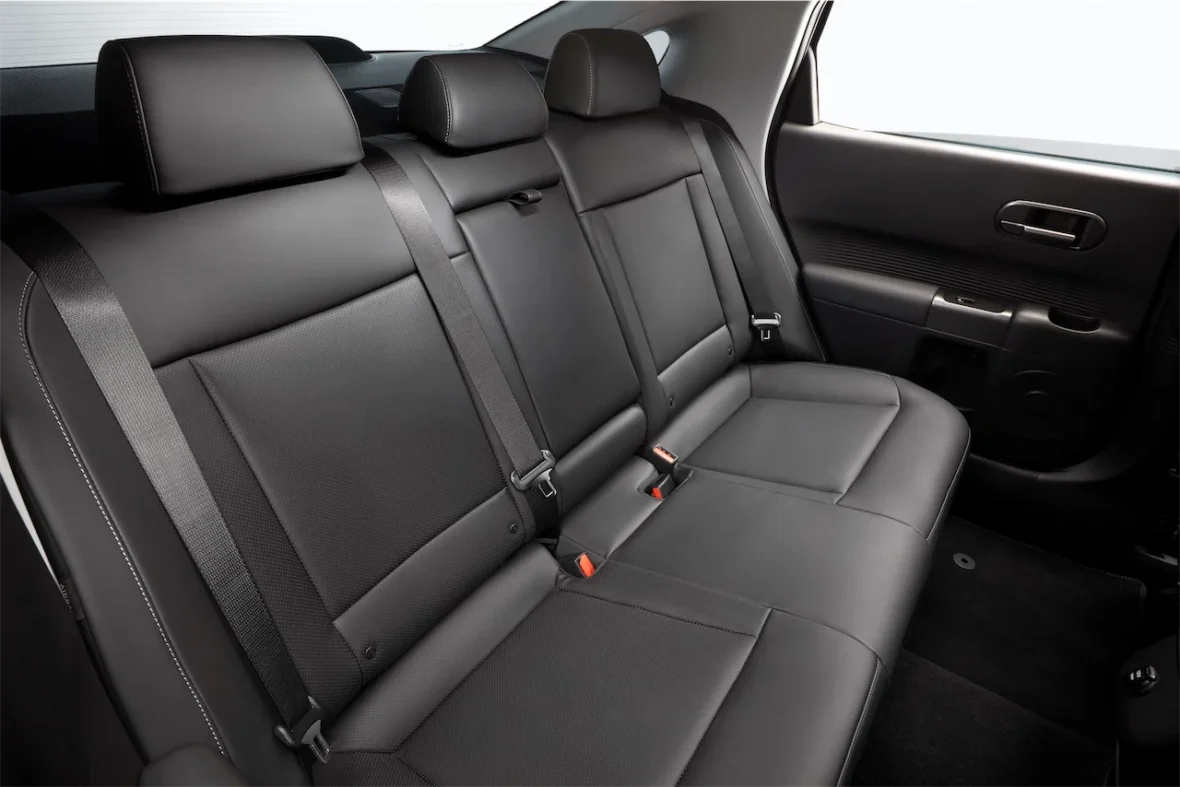
The new Elantra grows 3.4 inches longer and 1.2 inches wider, with a wheelbase that is 1.2 inches longer. That pays off in the back seat, where Hyundai claims best-in-class rear legroom of 39.1 inches. Holli could sit comfortably behind her own driving position, and Hyundai says the back seat works for adults and for front- and rear-facing car seats. The rear doors also open wide, which should make car seat installs easier.
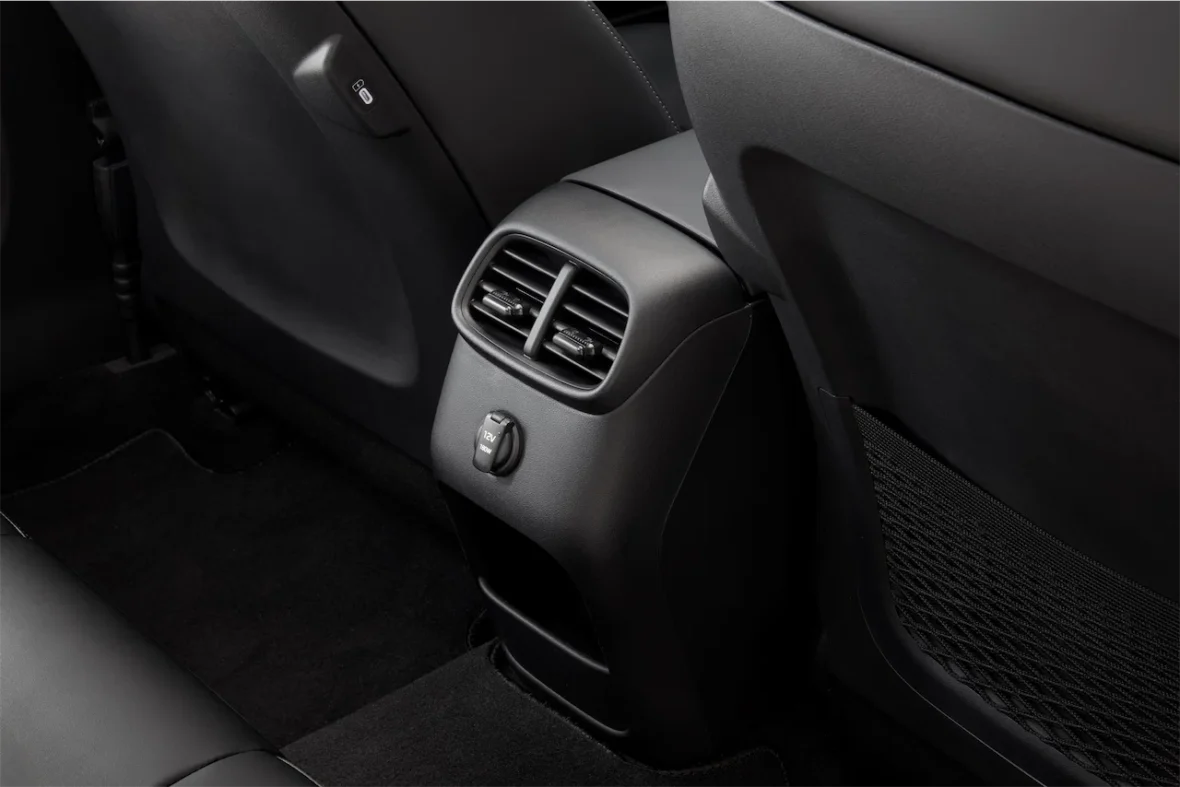
Rear passengers get their own air vents, illuminated USB-C ports, and on most trims, a fold-down armrest with cupholders. Tucker always checks for that first. Three can fit across, though the middle rider has to straddle a center tunnel.
The trunk is big for the class, with a 60/40 split-folding rear seat on most trims and a hands-free trunk release. My favorite detail is simple: a plastic pull handle inside the trunk lid. If you are not going to give me a power trunk, give me a handle so I am not leaving fingerprints all over the back on rainy days.
A Furniture-Inspired Cabin With Pleos Connect
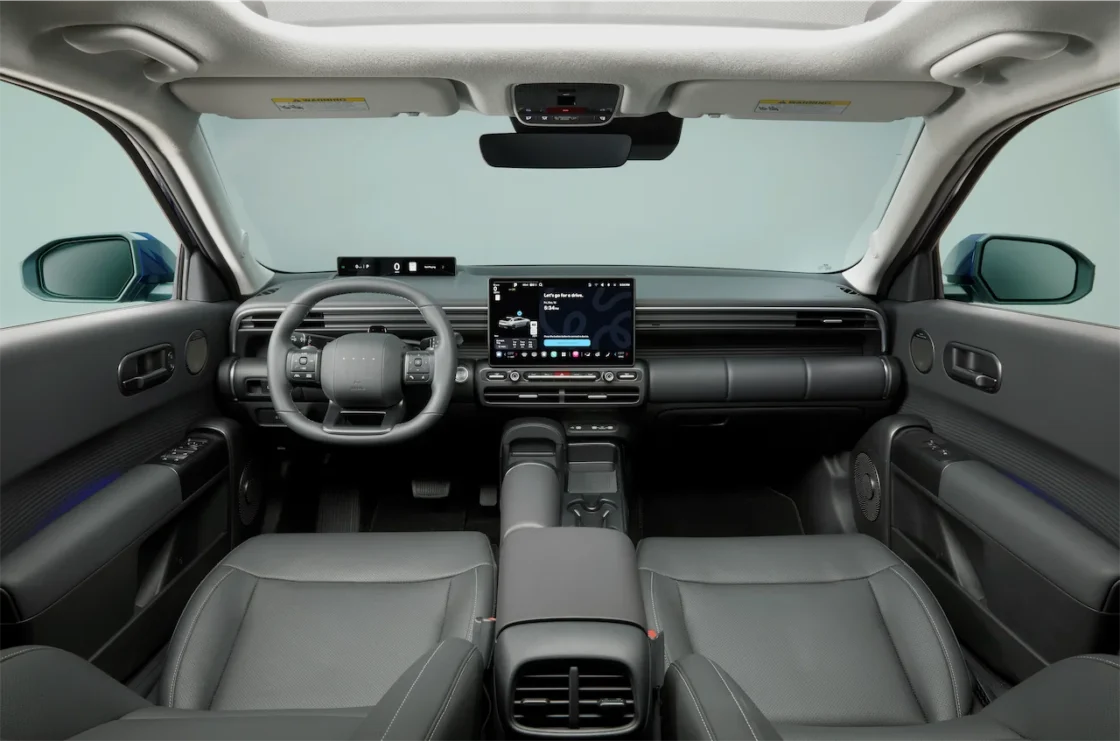
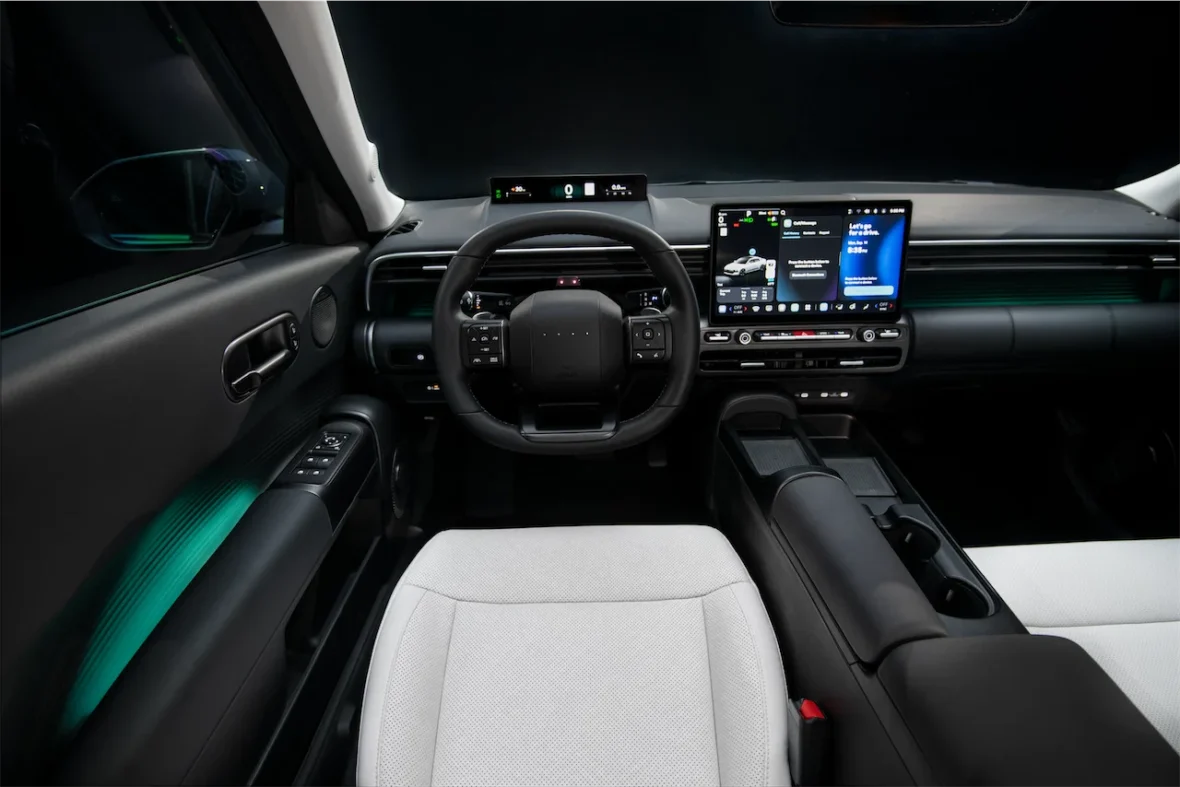
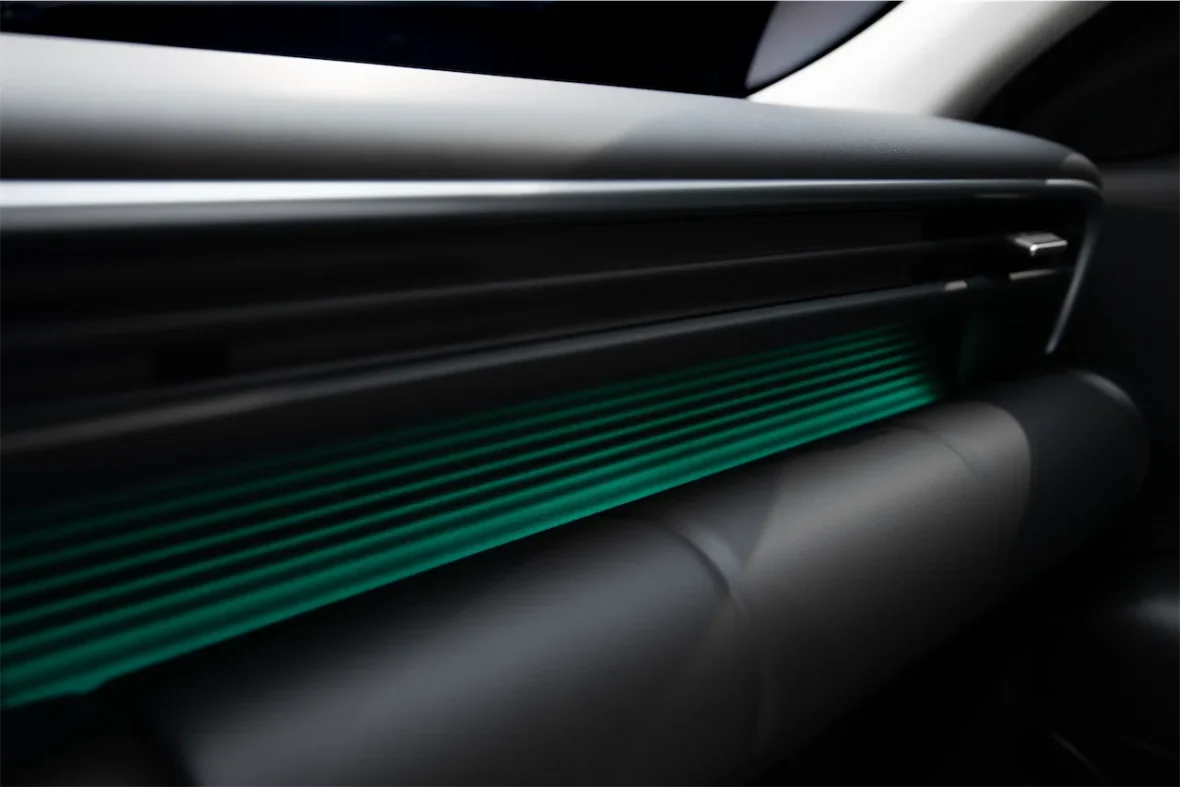
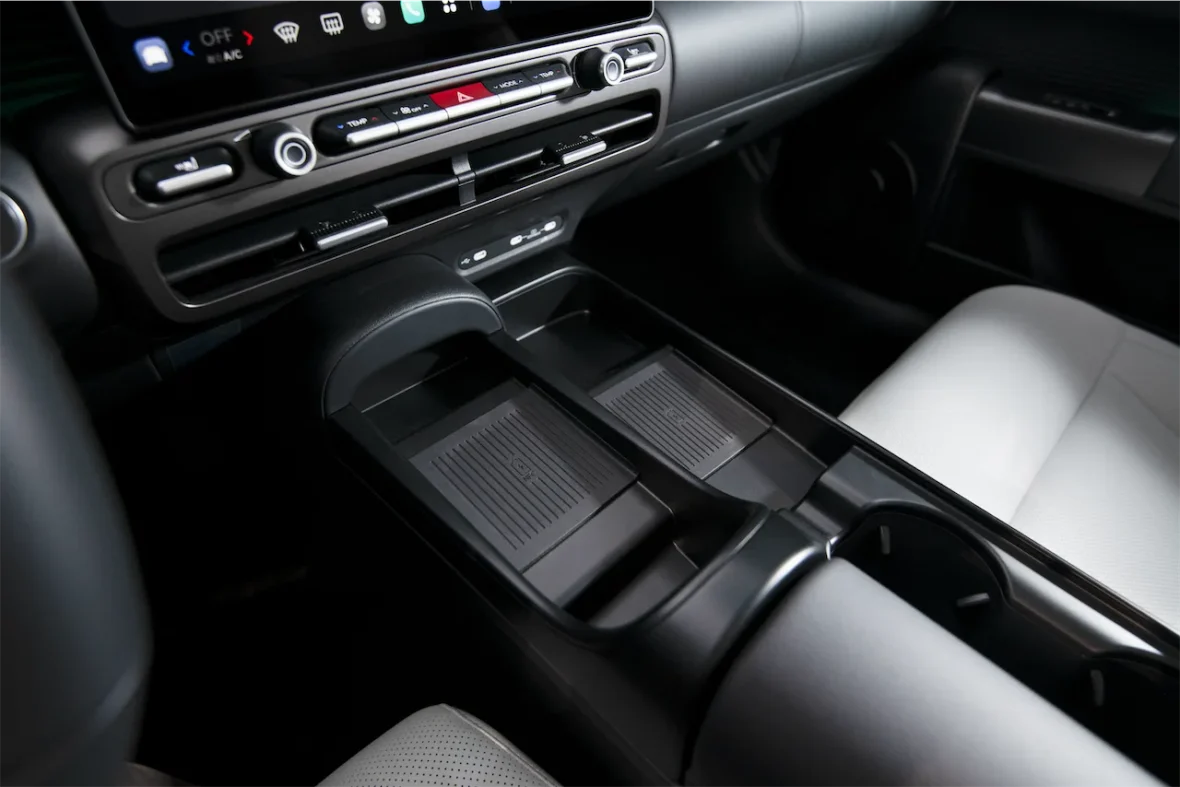
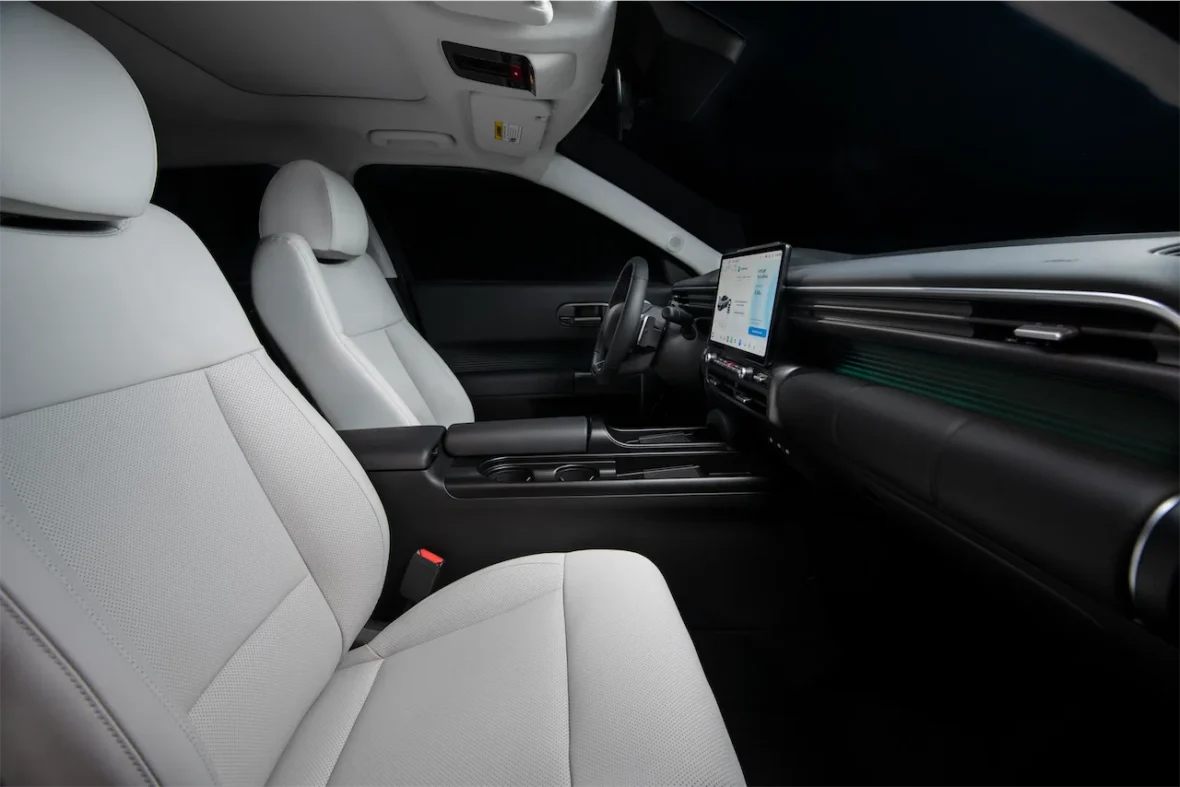
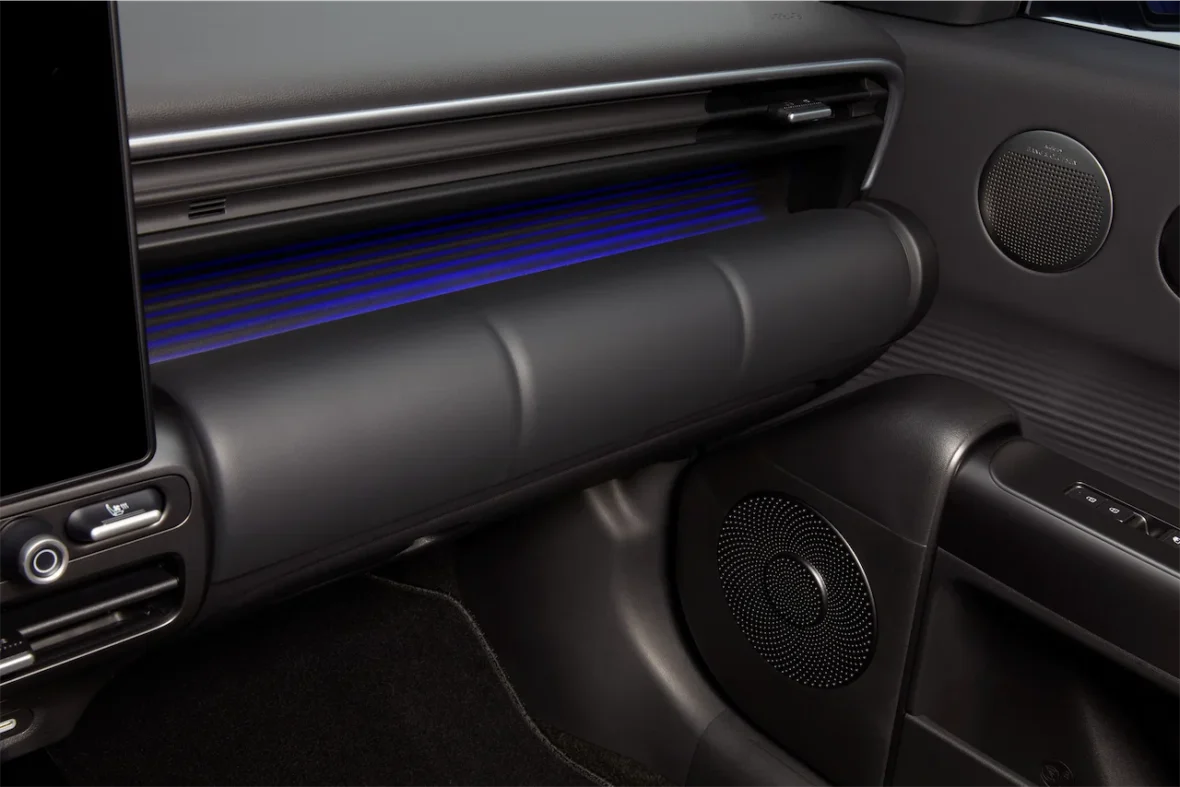
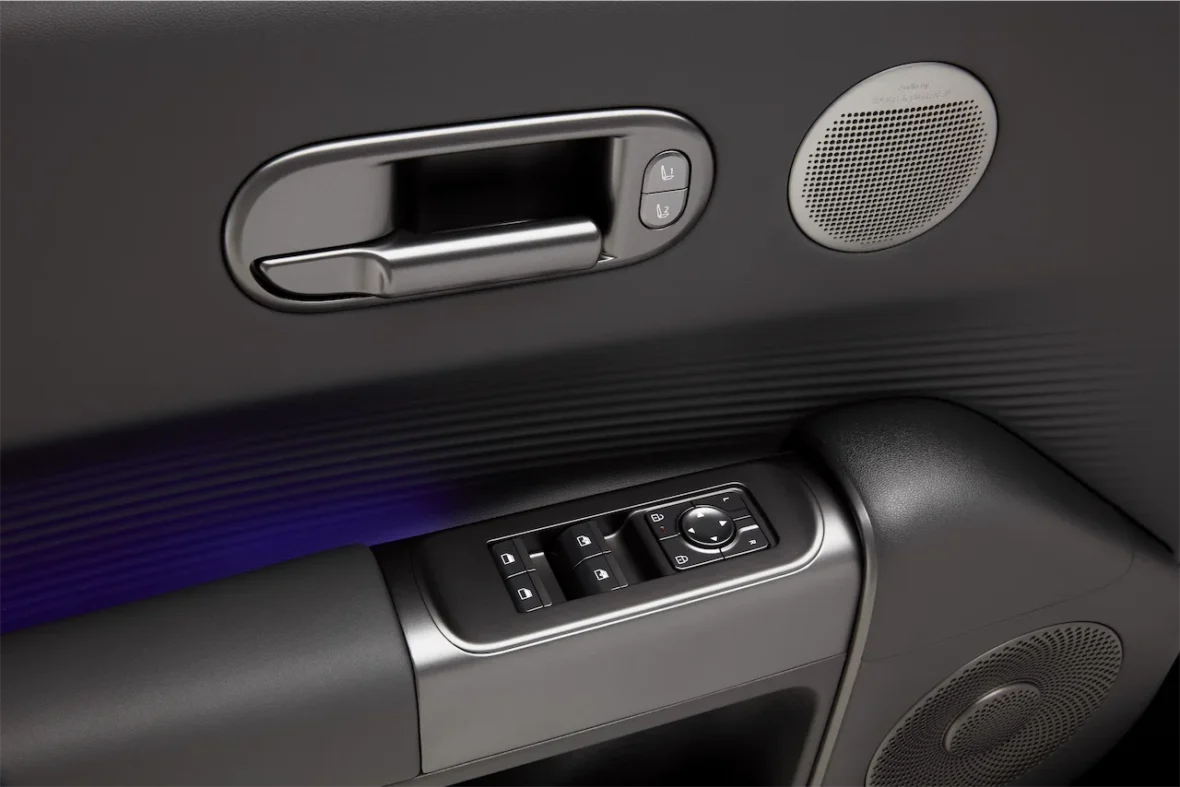
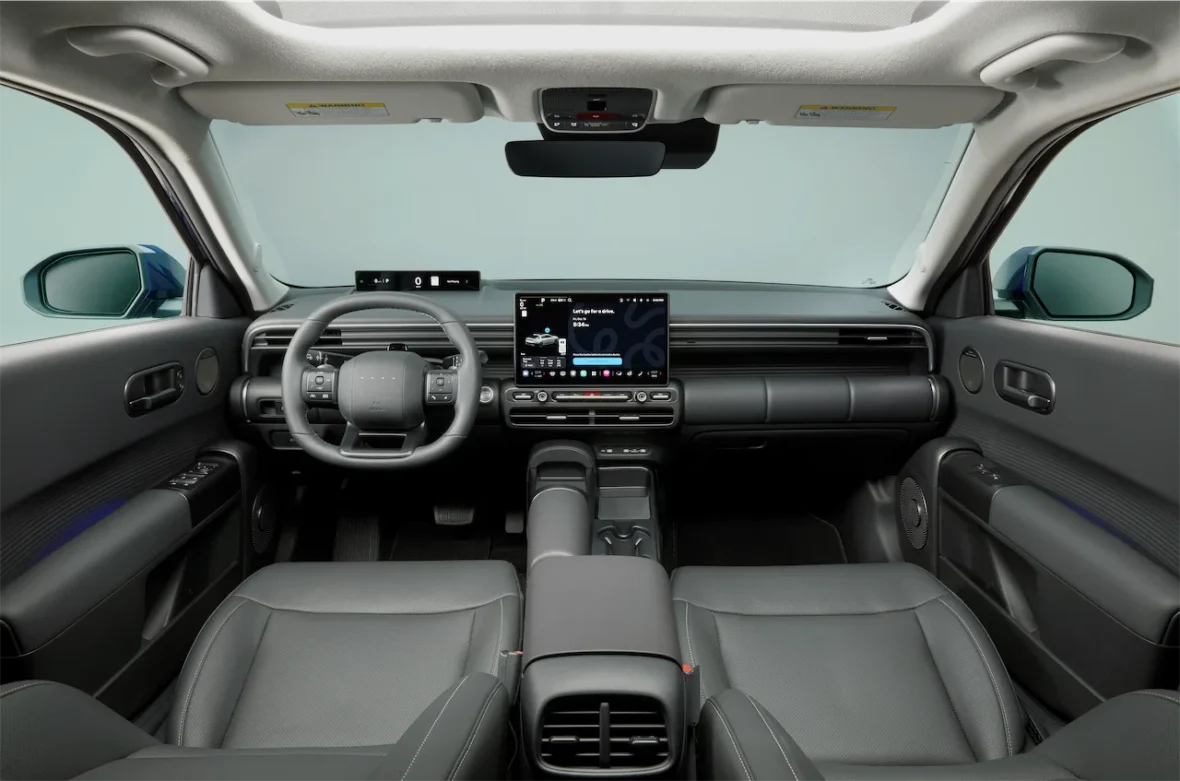
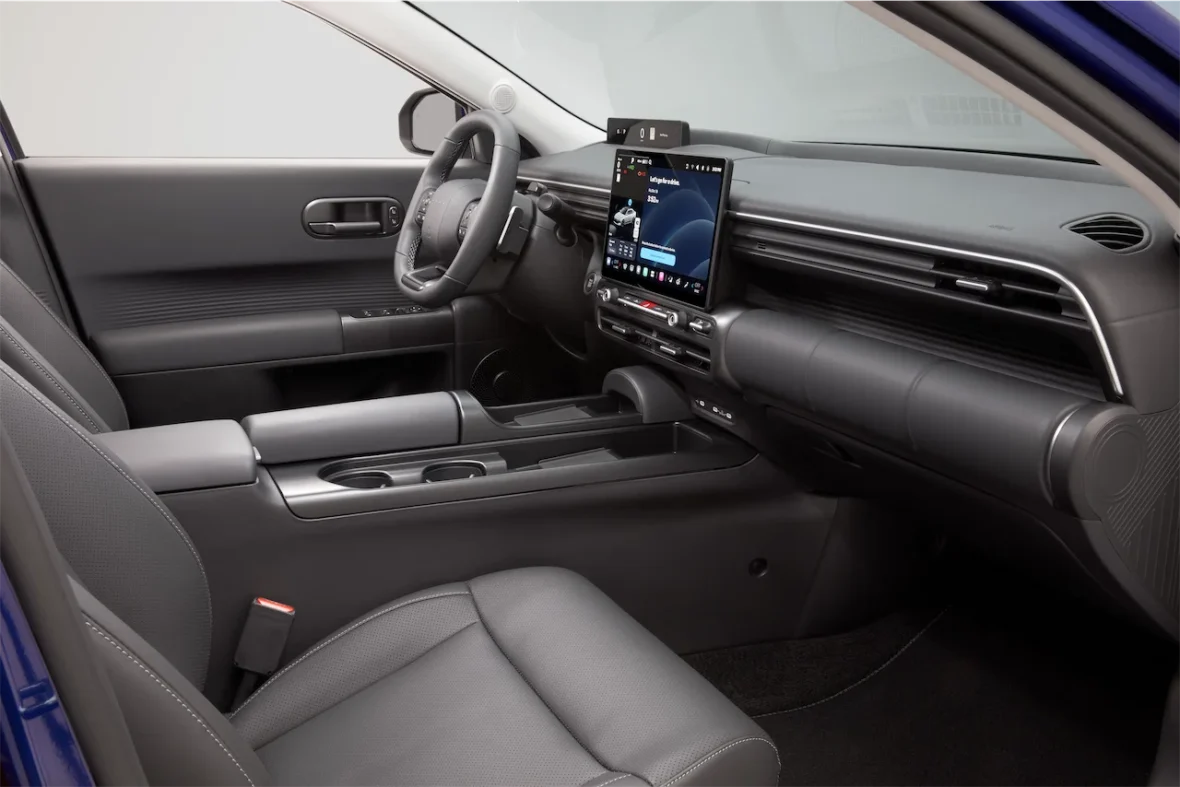
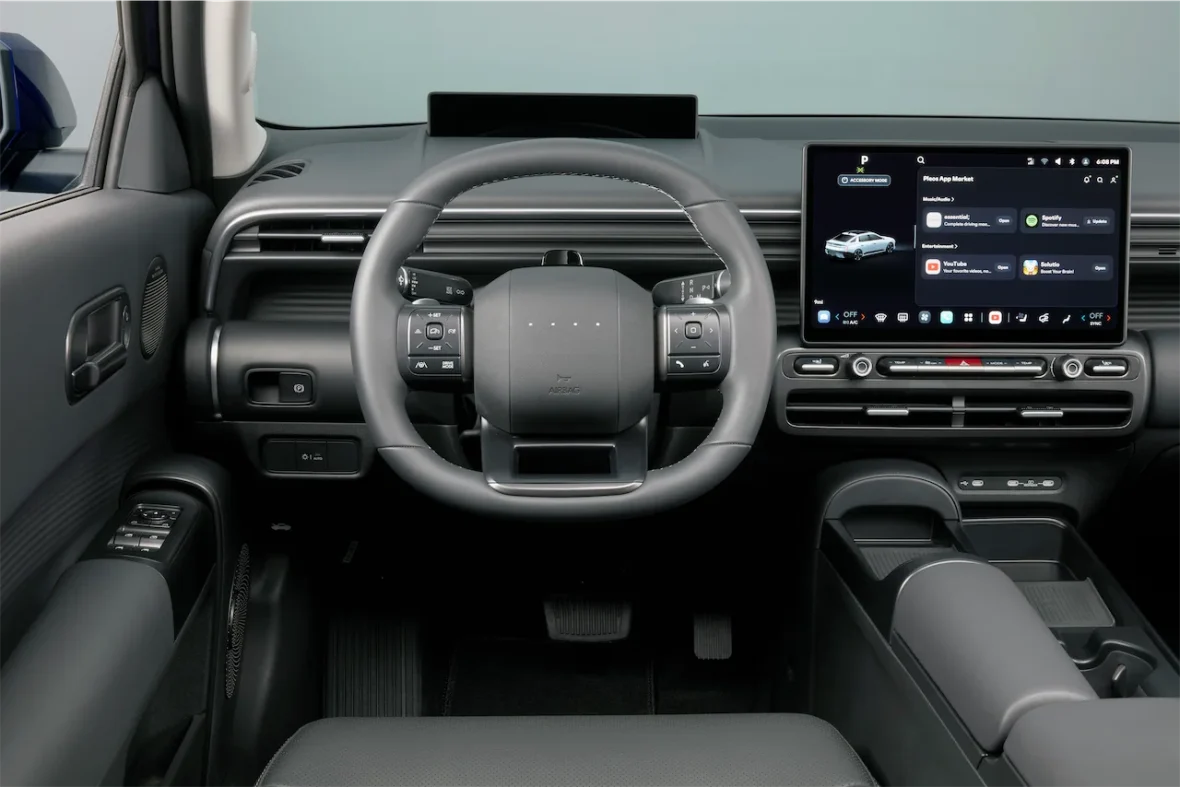
Hyundai says it wanted the cabin to feel like a living room. The rounded armrests look like an easy chair, and the dashboard has a tufted, couch-like look. Holli loved the thoughtful storage, including carpeted hidden cubbies in the console that are perfect for sunglasses or makeup. Moving the gear selector to a stalk on the steering column also freed up space between the seats.
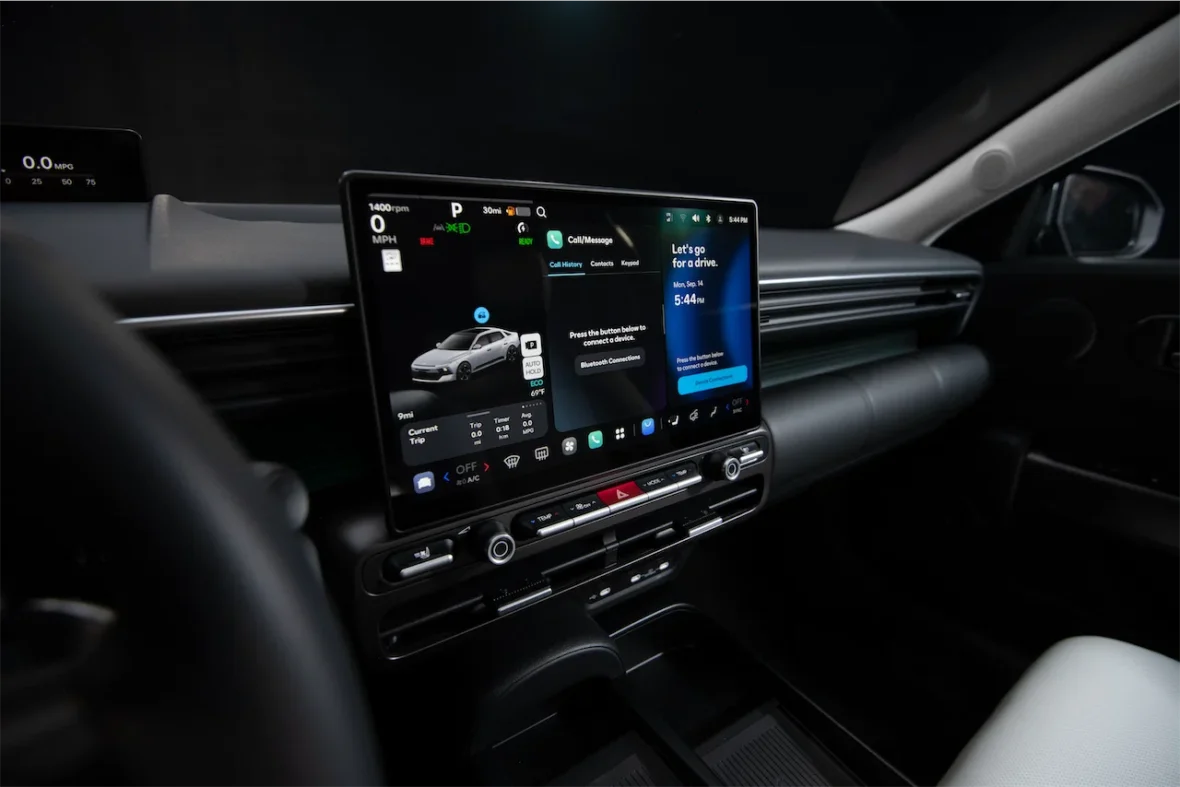
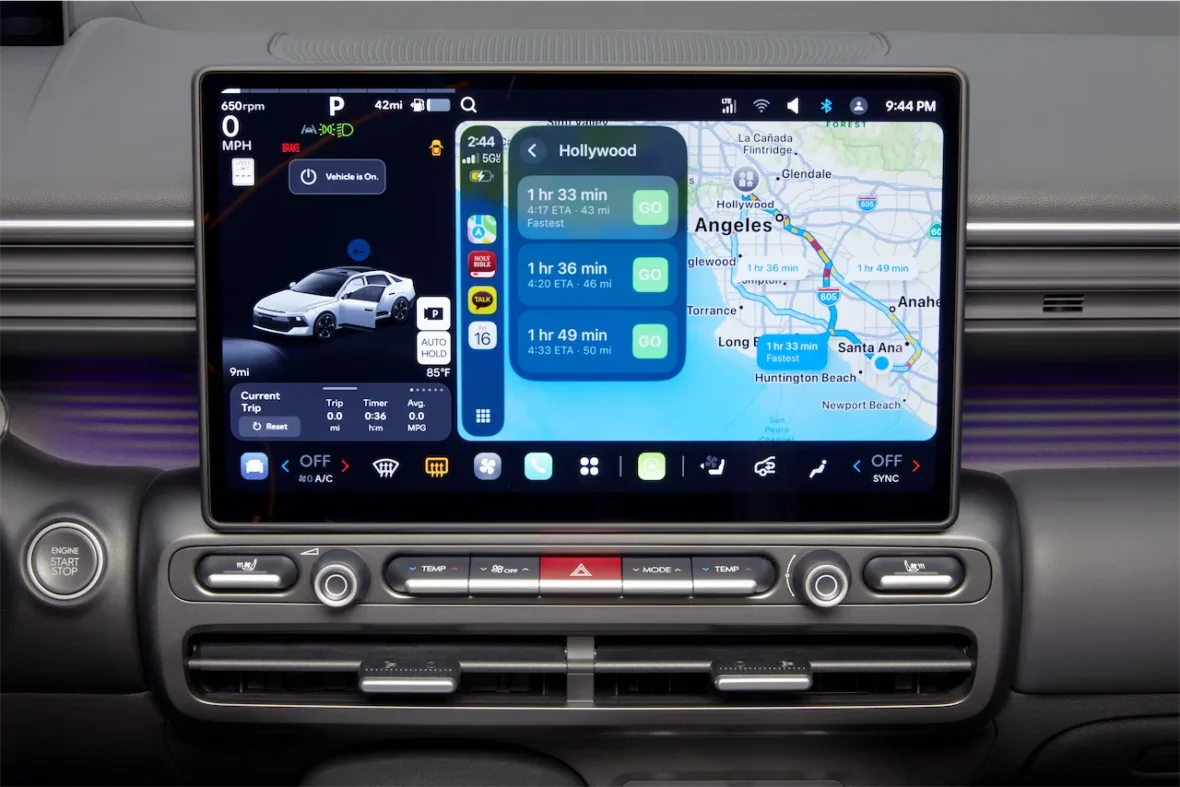
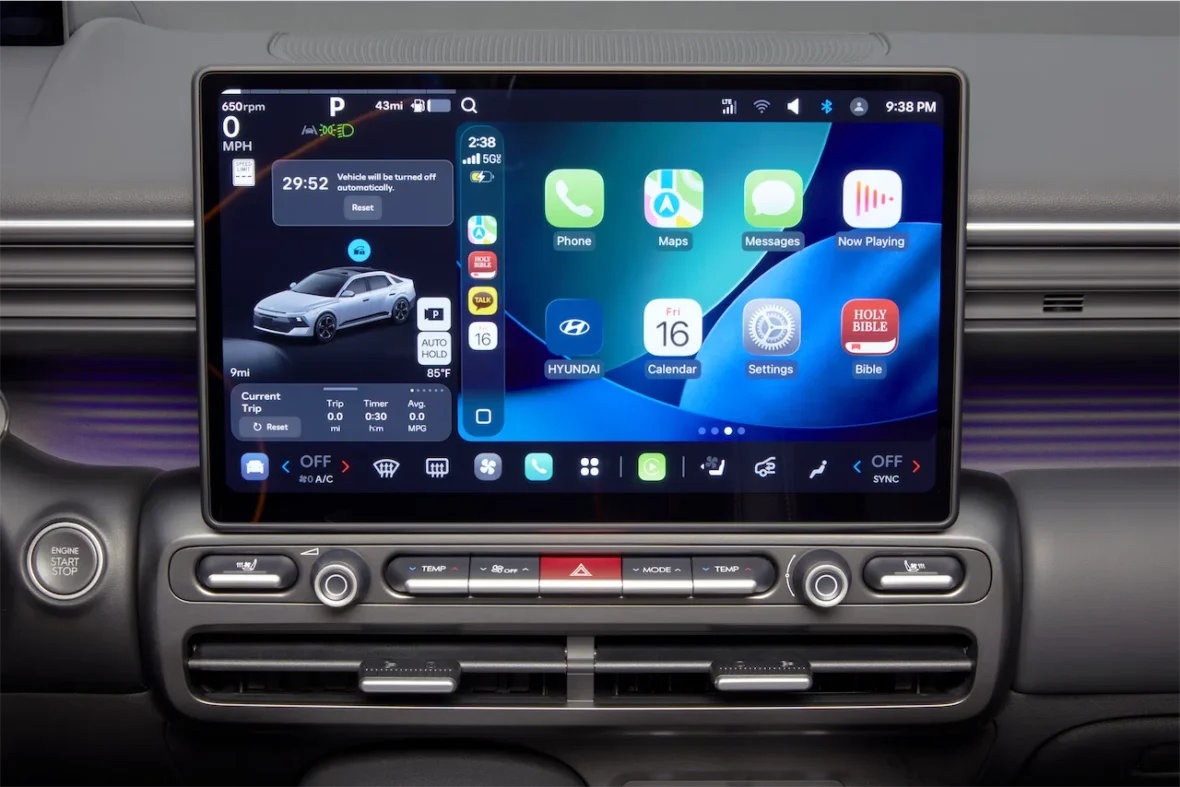
The big tech news is Pleos Connect, Hyundai’s new Android Automotive-based infotainment system. Here is what to know:
- A standard 12.9-inch Full HD touchscreen with customizable shortcut buttons
- Gleo AI, a conversational voice assistant built on a large language model
- Over-the-air software updates
- Wireless and wired Apple CarPlay and Android Auto
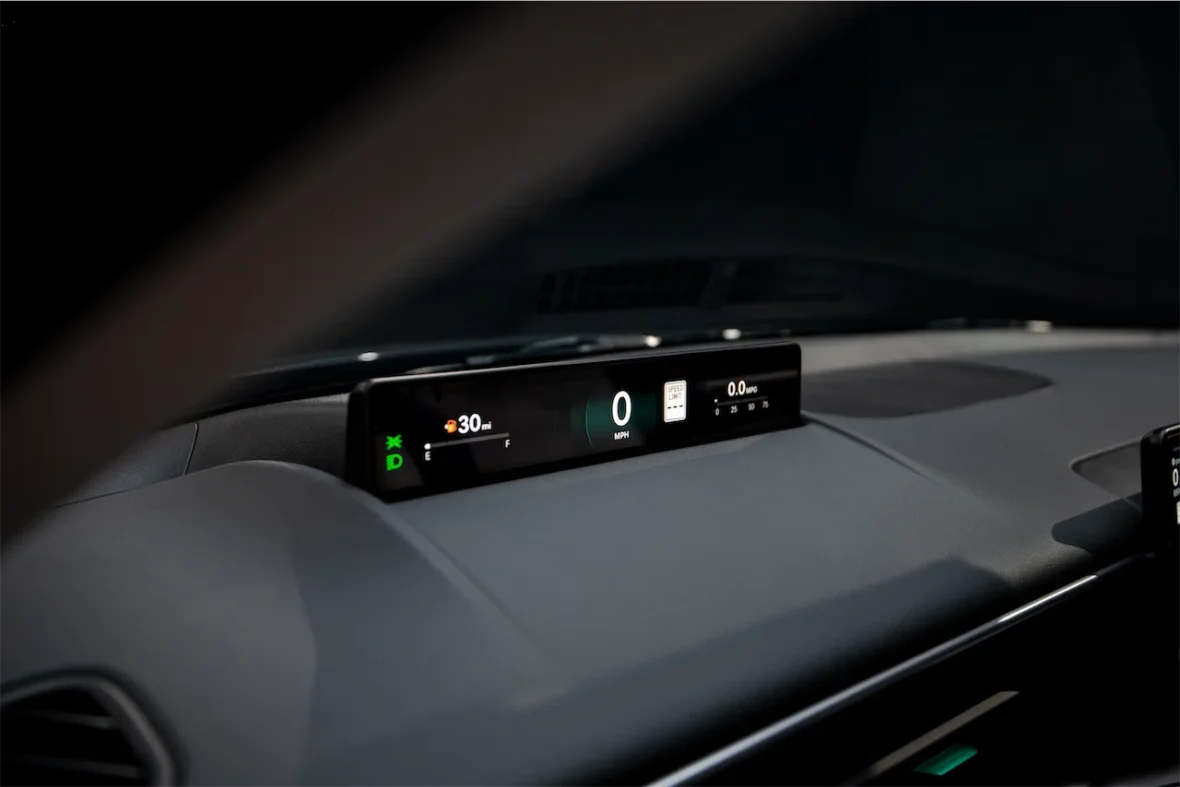
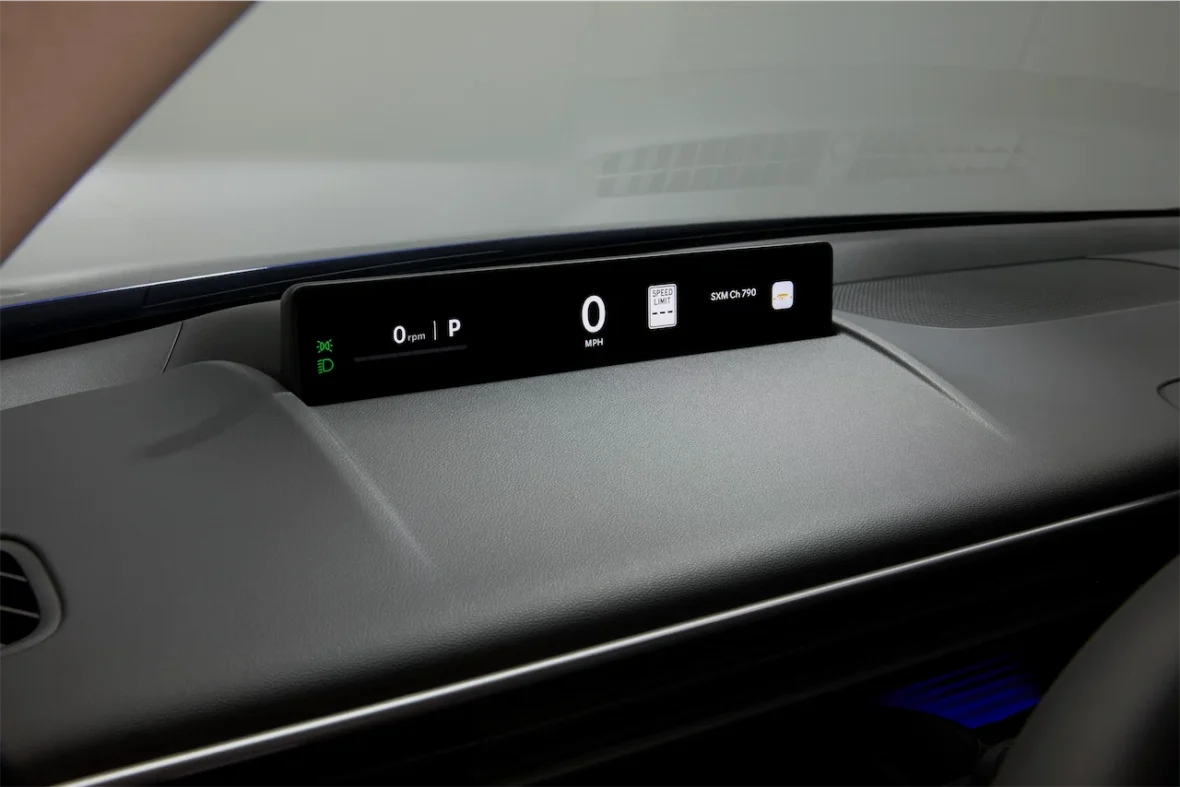
- A 9.9-inch slim information display in the driver’s line of sight on upper trims
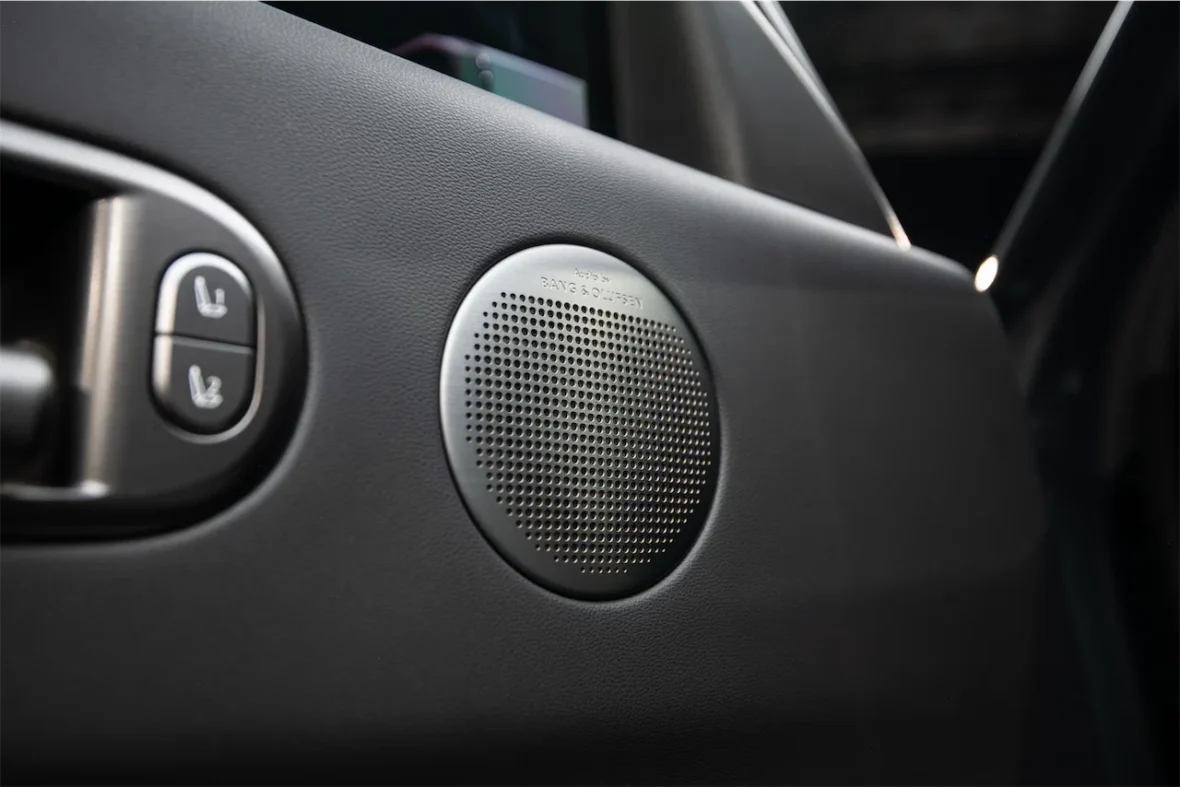
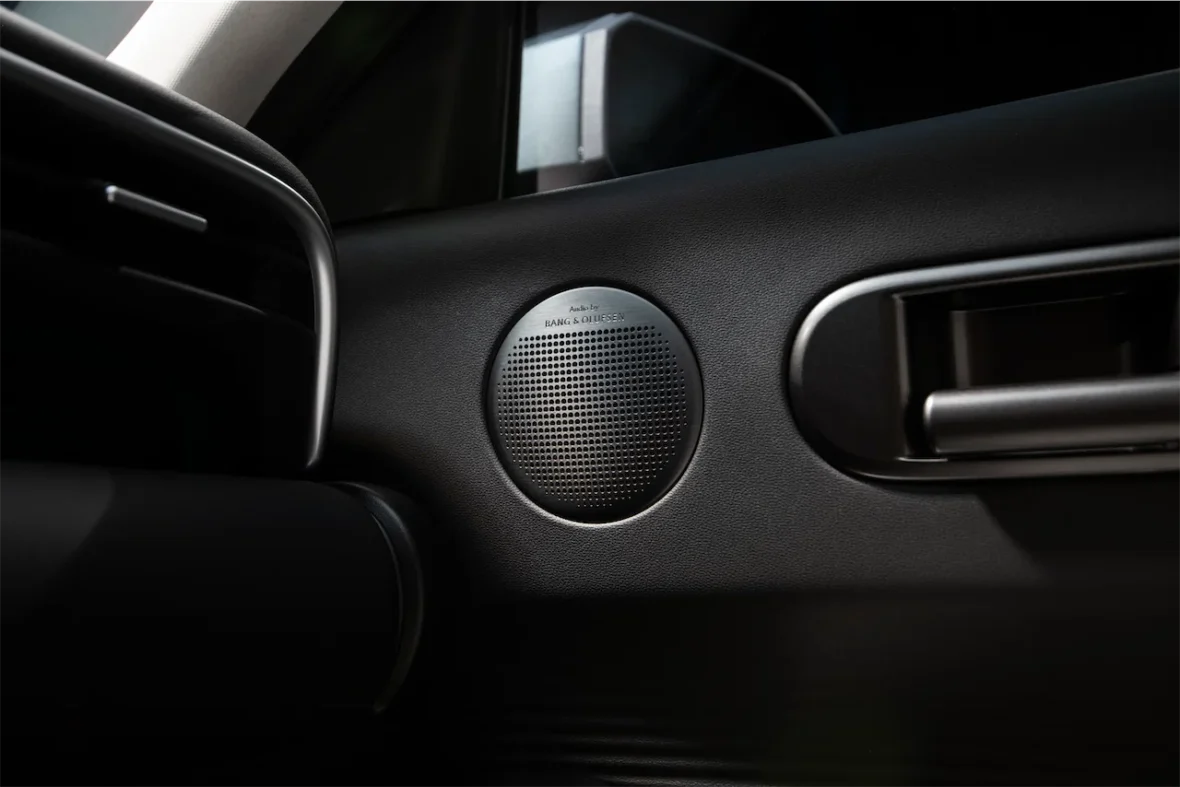
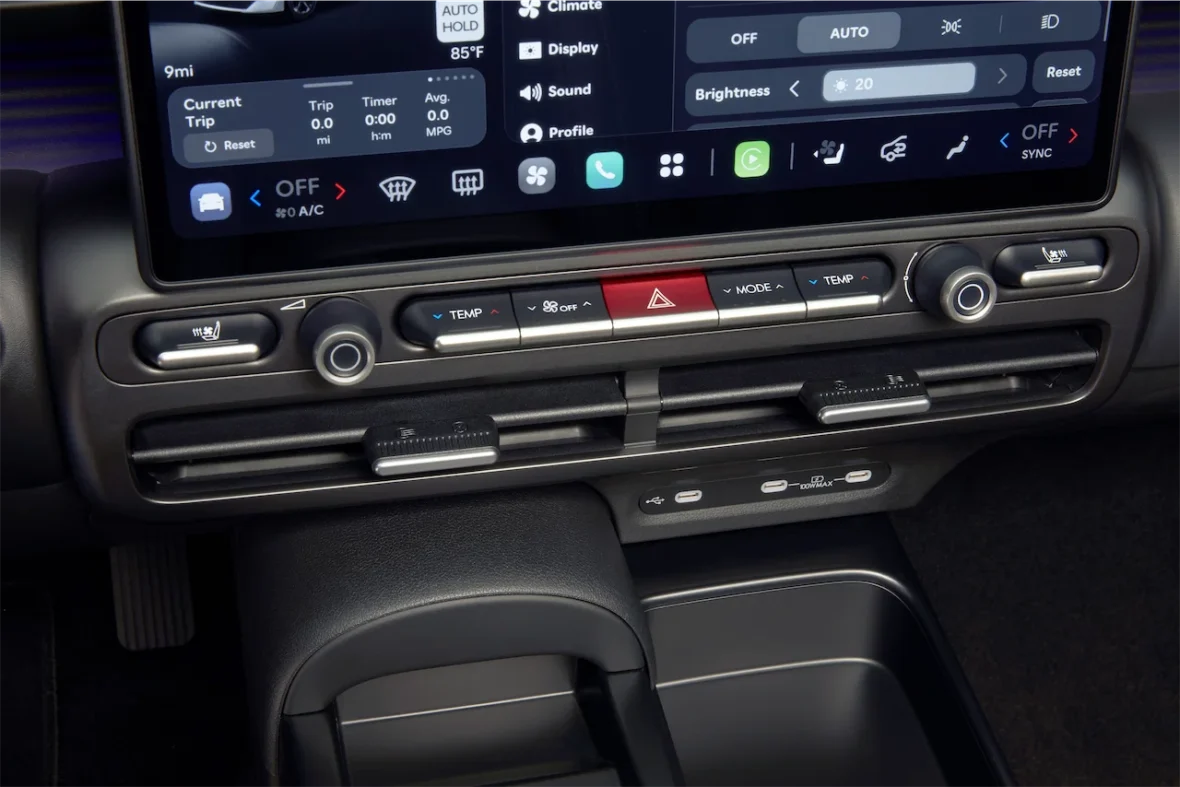
Thankfully, Hyundai kept physical buttons and knobs for the climate, volume, and heated and ventilated seats. The squircle steering wheel took some getting used to, and the Blind-View Monitor moves from the gauge cluster to the center screen. Other available features include dual wireless chargers, 100-watt USB-C charging, a 12-speaker Bang & Olufsen audio system, and Digital Key 2 Premium.
Gas First, Then a 53-MPG Hybrid
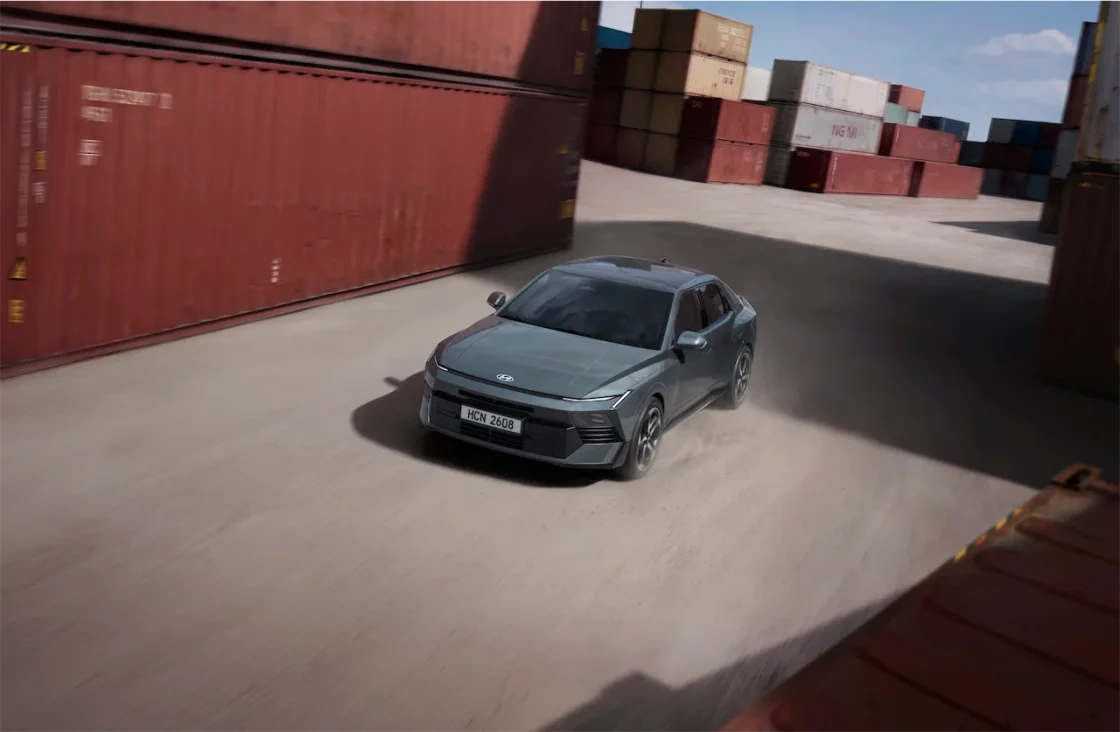
The 2027 Elantra uses a 2.0-liter four-cylinder engine rated at an estimated 147 horsepower and 132 lb-ft of torque, paired with a continuously variable transmission that Hyundai calls the IVT. Hyundai is targeting up to 35 MPG combined on models with 16-inch wheels.
The 2028 Elantra Hybrid is the efficiency star. Its 1.6-liter hybrid system makes 155 combined horsepower, up from 139, thanks to a stronger 45-kilowatt electric motor and a larger battery. It uses a six-speed dual-clutch transmission, and Hyundai is targeting up to 53 MPG combined. The hybrid also gets a multi-link independent rear suspension, adjustable regenerative braking with one-pedal driving, and Stay Mode, which runs the climate and audio for about 20 to 30 minutes while parked without starting the engine.
Keep in mind that those fuel economy figures are Hyundai targets. Official EPA ratings will come closer to launch.
Trims and Safety Features
The gas Elantra comes in SE, SEL Sport, and Limited trims, while the hybrid comes in SE Blue, SEL Sport Hybrid, and Limited Hybrid. Every model gets Hyundai SmartSense, including:
- Forward Collision-Avoidance Assist with pedestrian, cyclist, and junction-turning detection
- Blind-Spot Collision Warning and Rear Cross-Traffic Collision-Avoidance Assist
- Smart Cruise Control with Stop & Go
- Safe Exit Warning and Rear Occupant Alert
- Lane Keeping Assist, plus Lane Following Assist 2 on Limited trims
Our Take on the 2027 Hyundai Elantra
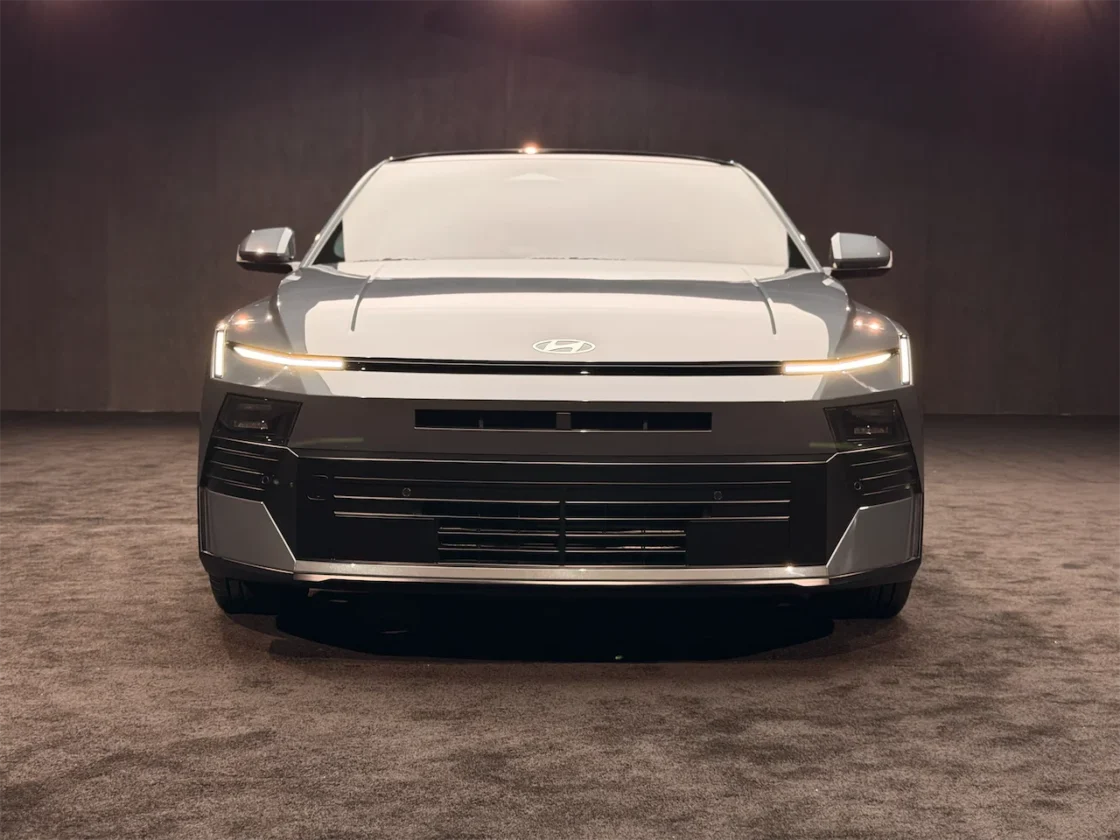
Hyundai is making bold design choices, and the new Elantra shows it. It looks more expensive than it probably will be, it offers near-midsize space for families, and the hybrid could be one of the most efficient cars you can buy. Hyundai has been on a roll with hybrids, including a record October for sales, and this one should only add to that.
Pricing and on-sale timing have not been announced yet. We didn’t get to drive it in New York, so we can’t wait to get one on our home turf in East Texas and see what Tucker thinks. Subscribe to GT: Garage Talk® on YouTube so you don’t miss it, and sign up for our weekly newsletter using the form at the bottom of this page.