Ford Fathom Hits 5,000 Unicastings as Its Affordable Electric Truck Nears Launch

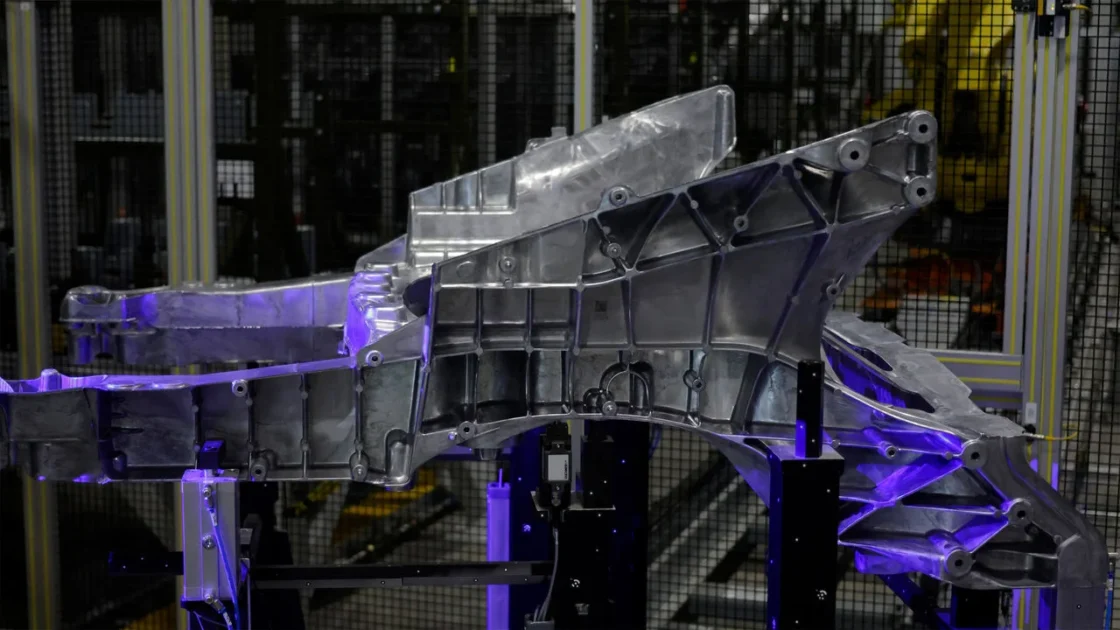
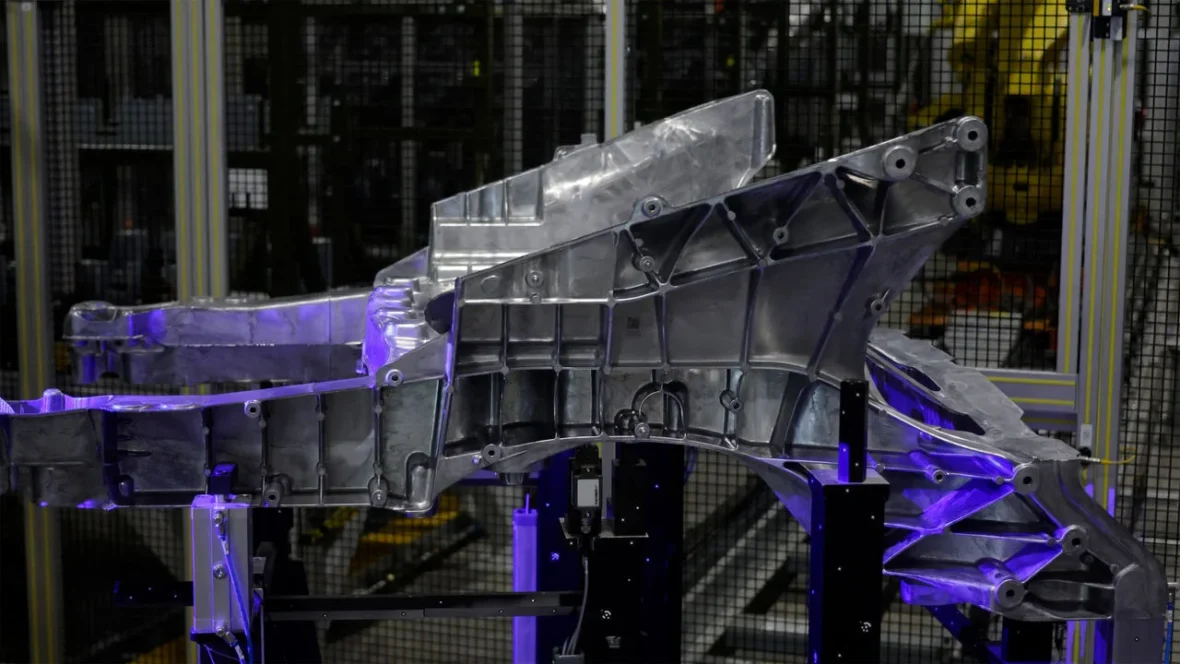
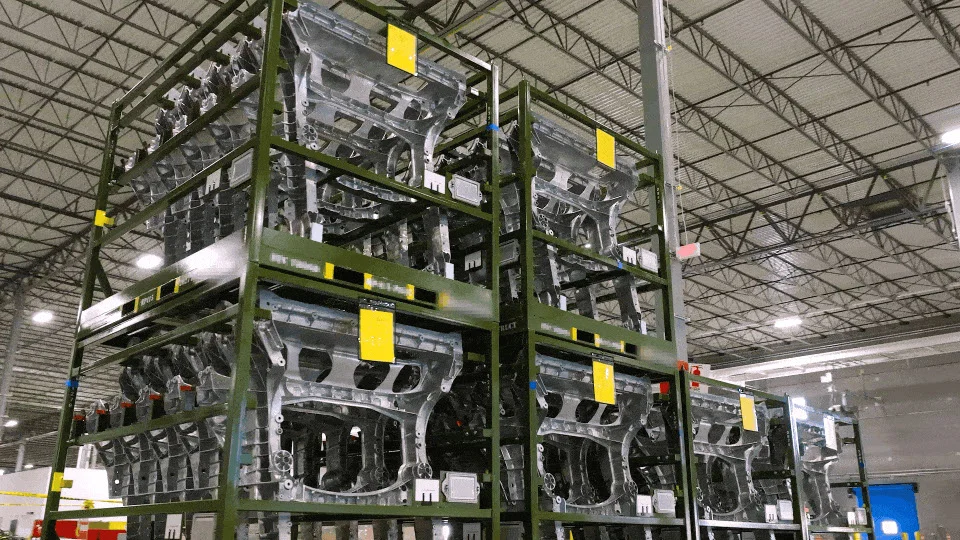
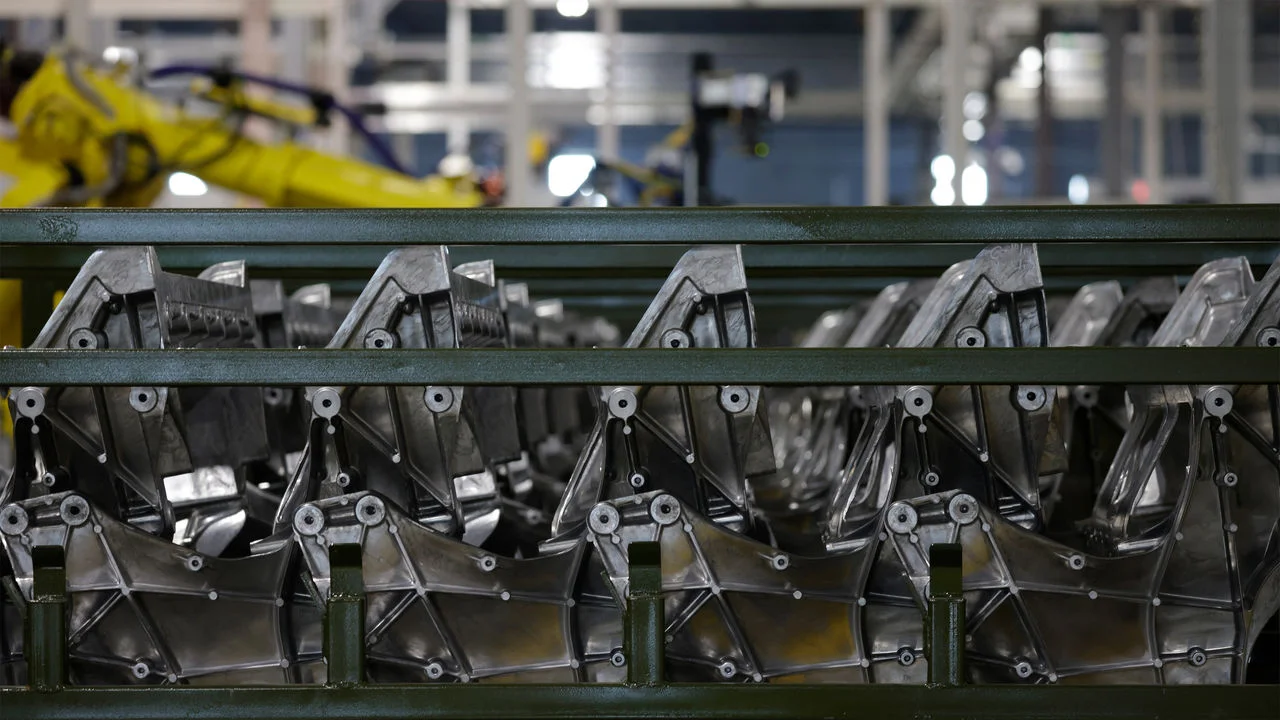
Ford has now produced more than 5,000 giant aluminum unicastings for the Ford Fathom, its upcoming affordable midsize electric pickup. The castings come out of Ford’s Shelbyville Technical Center, and they are already feeding prototype assembly at Louisville Assembly Plant as the truck heads toward its 2027 launch.
That number matters for more than bragging rights. In fact, these two massive castings are the heart of how Ford plans to build an electric truck that regular families can afford. So here is what a unicasting is, how Ford makes one, and why it could matter in your driveway.
Why Two Giant Castings Matter for the Ford Fathom
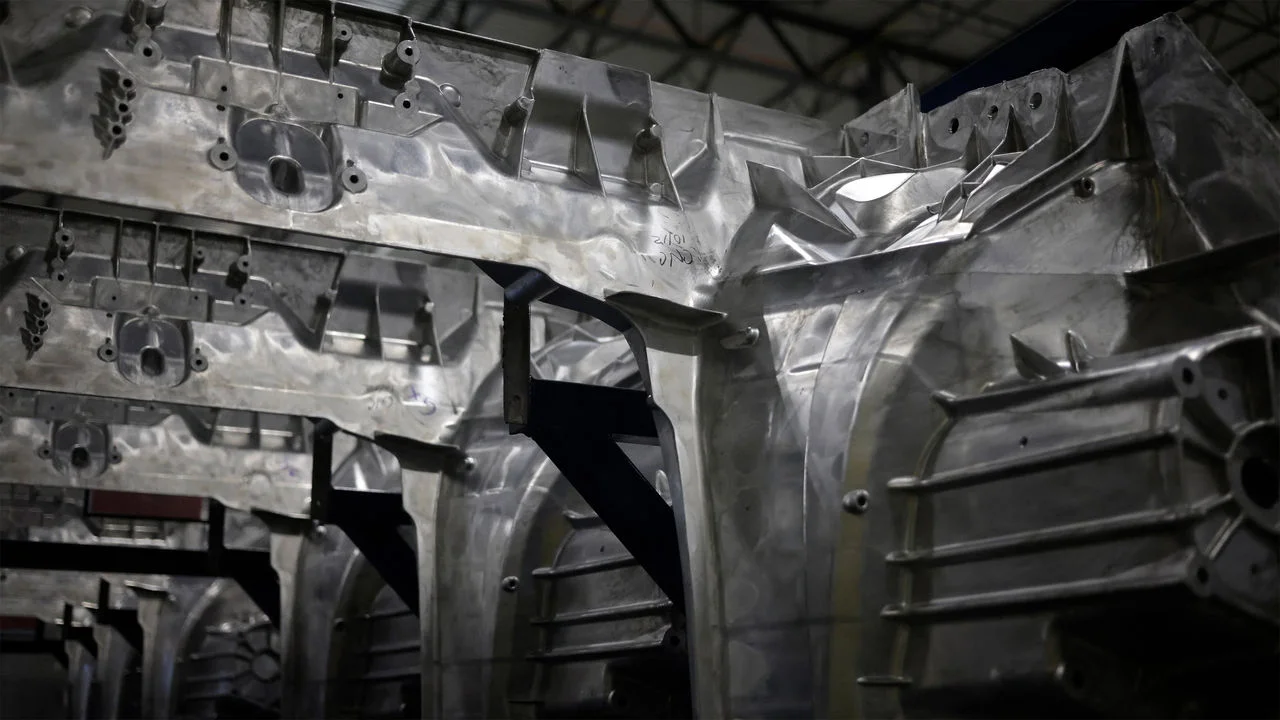
Most trucks use a skeleton of stamped steel and aluminum pieces that workers weld, rivet, and bolt together. The Fathom takes a different route. Instead, it uses a pair of large unicastings, one for the front structure and one for the rear.
According to Ford, that switch cuts 146 structural parts down to just two. Fewer parts means less mass, and less mass helps improve overall energy efficiency. For an electric truck, better efficiency can mean more miles from the same battery, or a smaller and cheaper battery for the same range.
From Aluminum Ingot to Truck Structure
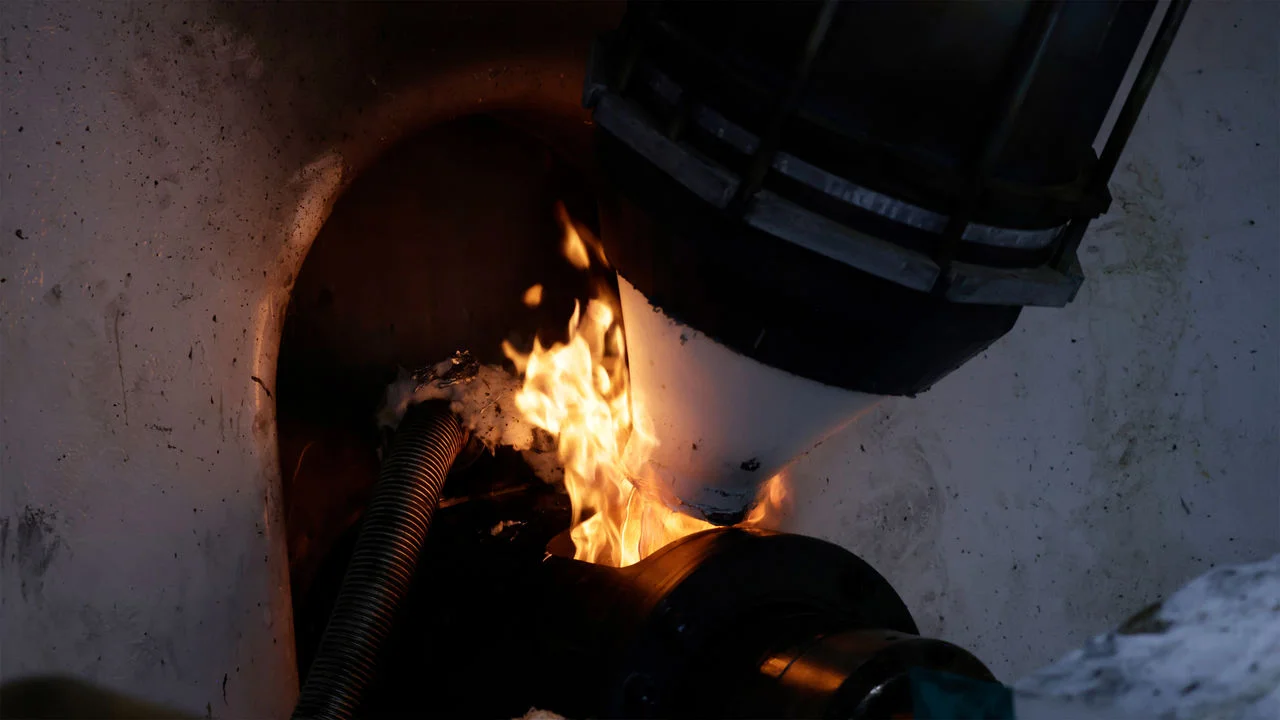
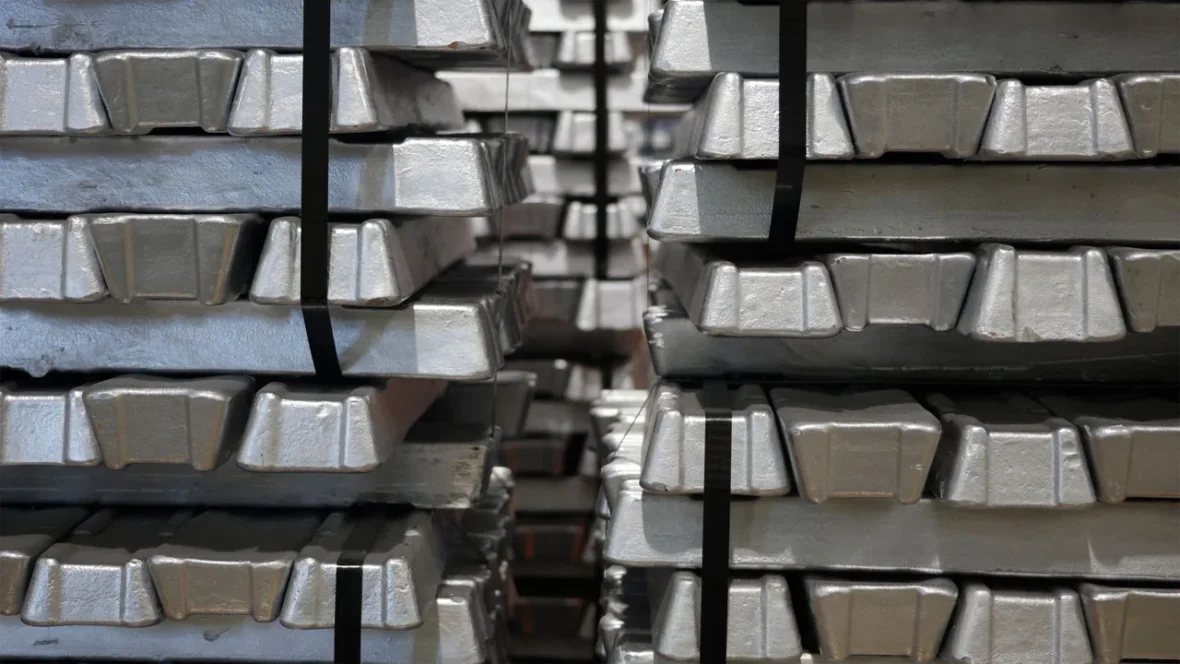
The process starts with plain aluminum ingots. From there, the metal moves through a series of steps before it ever looks like part of a truck:
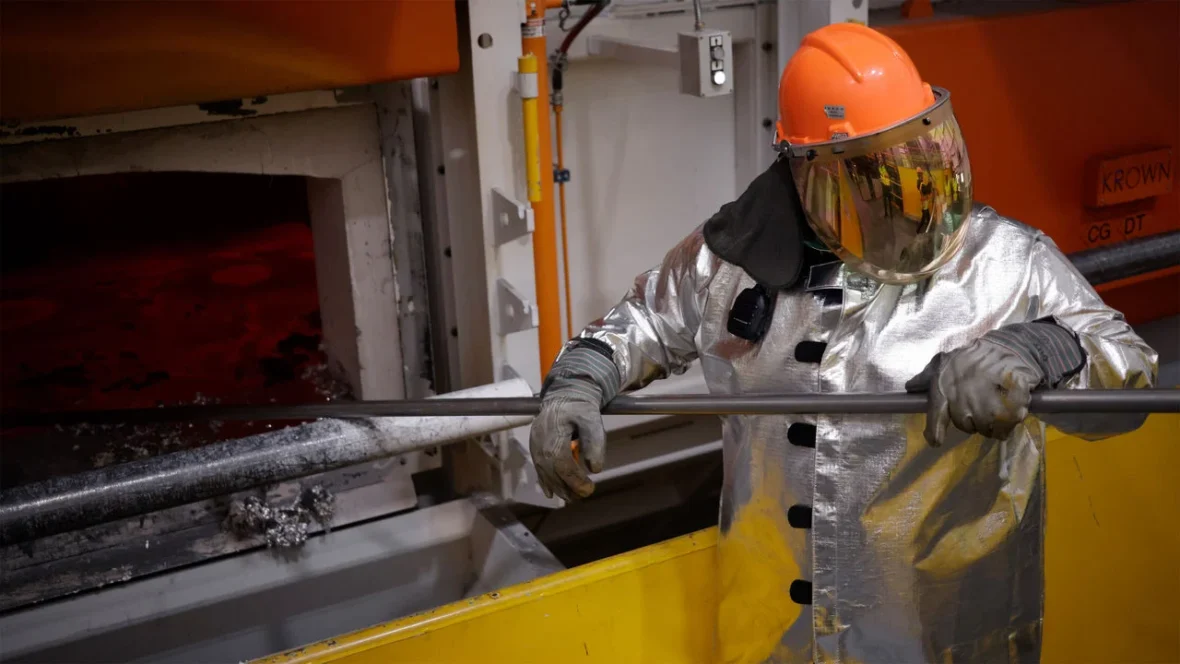
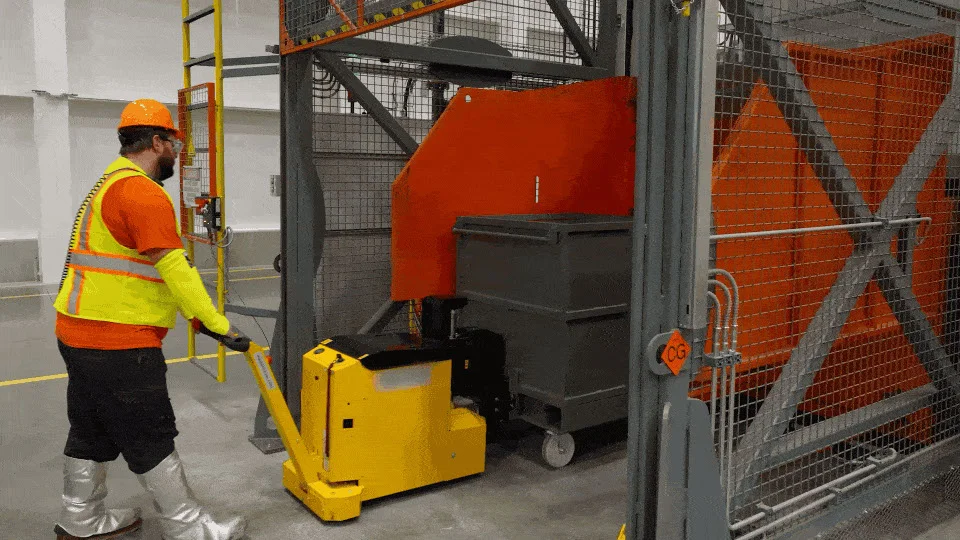
- An elevator feeds the ingots into a furnace, where they melt at about 1,300 degrees Fahrenheit (700 degrees Celsius).
- Molten aluminum moves to a holding furnace, then into the casting machine.
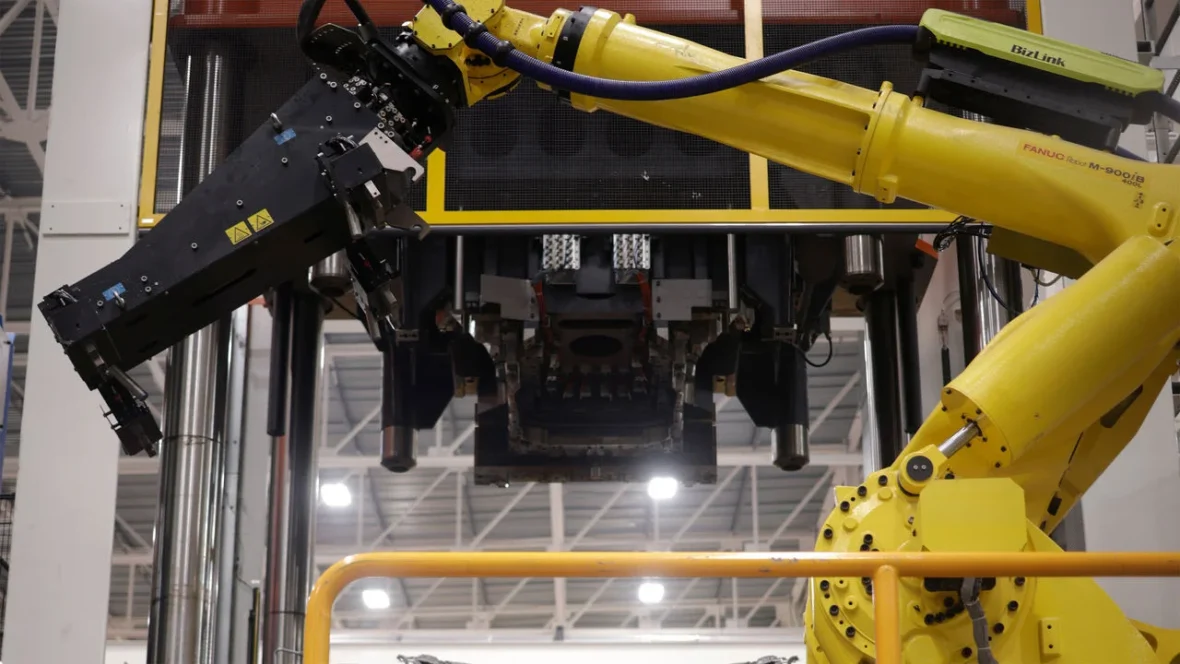
- The machine injects the metal into a two-piece mold for either the front or rear structure.
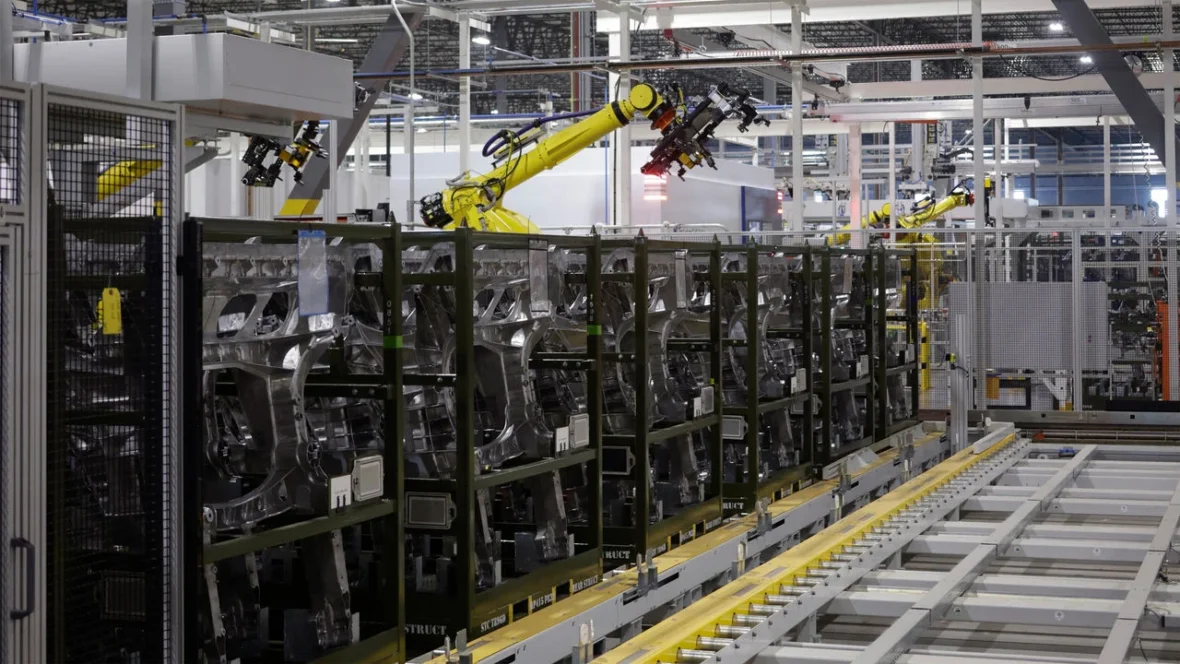
- A robot pulls the finished casting and drops it into a quench tank to cool.
- An operator then visually inspects the part before machining.
Ford says its team is also obsessively reducing the cycle time of each casting. In other words, every second saved at this stage helps the plant build more trucks with less cost.
Every Casting Gets Tested Before It Ships
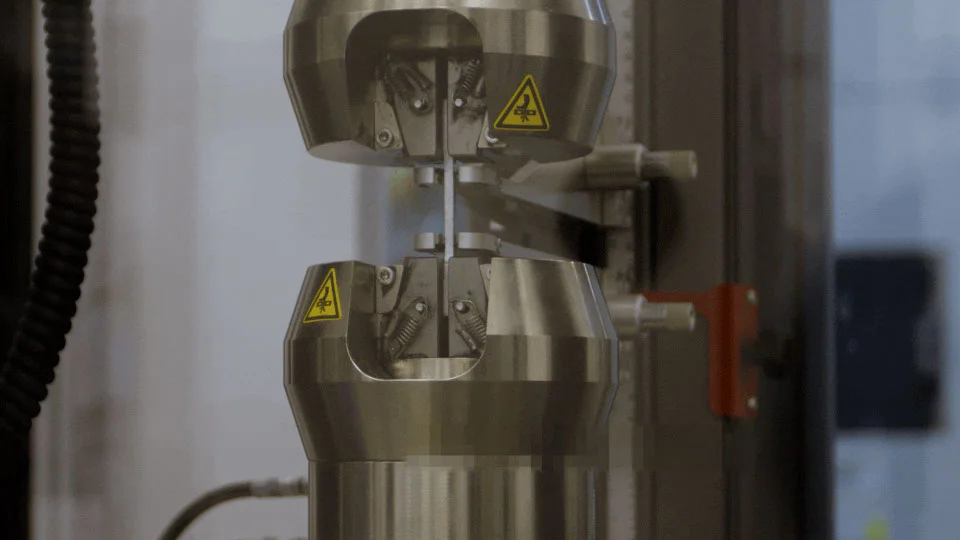
A single giant casting holds a lot of the truck’s structure, so quality control is a big deal. After machining, parts from each batch go through several checks:
- A coordinate measuring machine in a climate-controlled room checks dimensions, hole locations, and alignment.
- An industrial X-ray system looks inside the casting for defects such as pores and voids.
- An optical scanner maps the surface to confirm its dimensions.
- Lab samples undergo tensile testing for strength, plus separate tests on the alloy’s chemical composition.
Production batches stay on hold until every required inspection and test is complete. Only then does Ford approve the castings to ship to Louisville.
A Faster Way to Build Trucks in Louisville
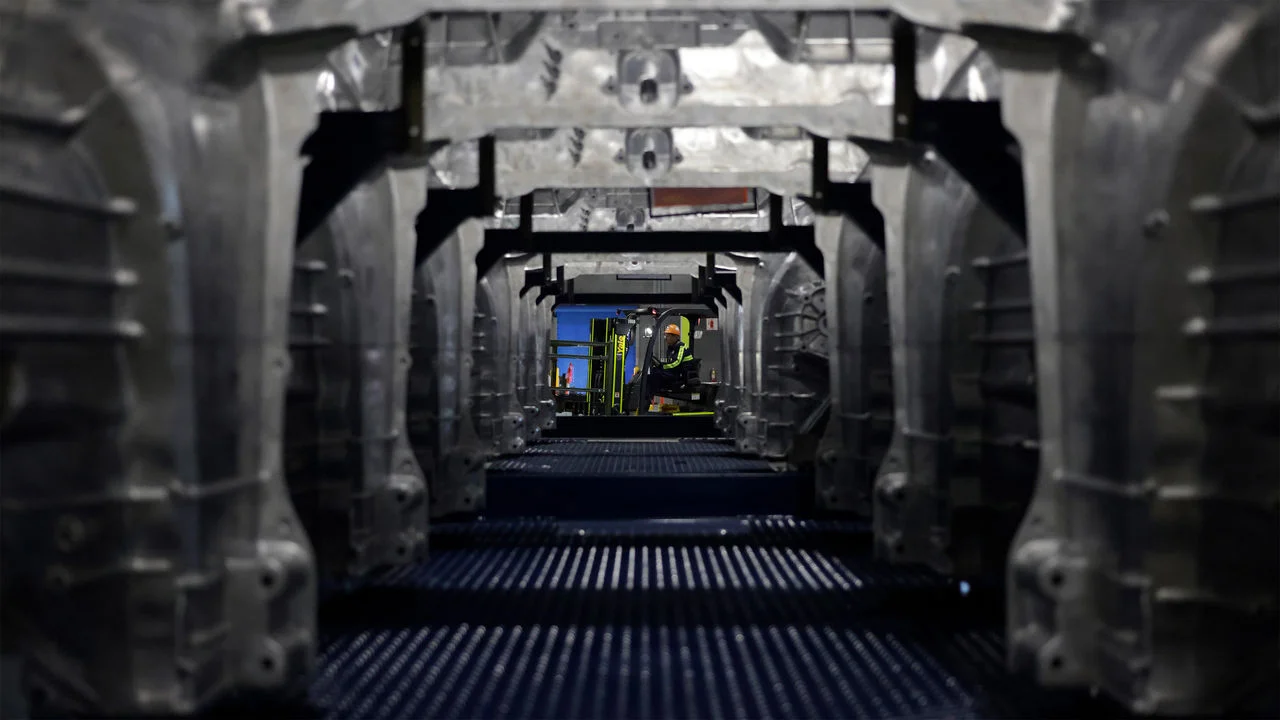
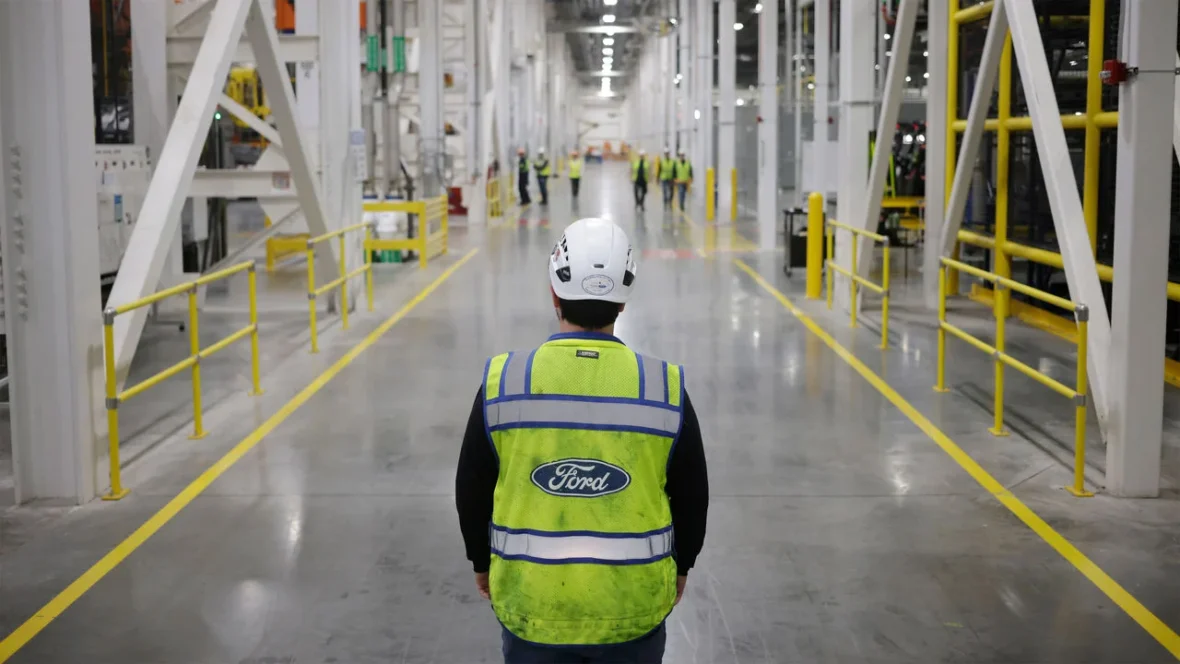
The castings also unlock a new way to put the truck together. Ford calls it the Universal Production System, and it splits a traditional assembly line into three main branches.
As a result, workers can build different sections of the vehicle at the same time, in parallel, before those sections come together as a complete truck. It is a big change from the one-long-line approach that has defined auto plants for more than a century. For shoppers, the payoff Ford is chasing is simple: a simpler, faster build should help keep the Fathom’s price within reach.
Built to Be Fixed, Not Just Built Cheap
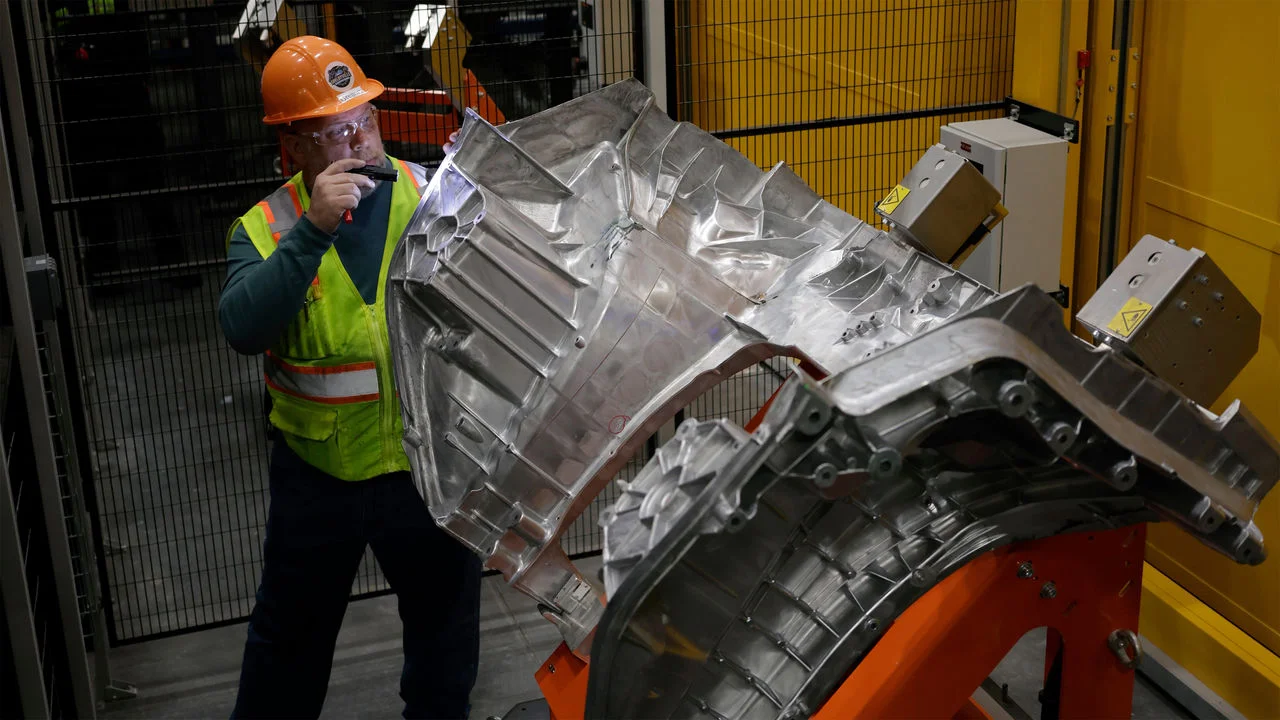
One of the biggest questions around giant castings is what happens after a crash. If one huge piece of aluminum holds up the back half of your truck, a fender bender could get expensive fast.
However, Ford says it specifically engineered the Fathom’s unicastings for modular repairability. Ford has not yet shared exactly how body shops will handle those repairs, and we will be watching closely. After all, for a family hauling kids to school and practice every day, repair costs and insurance rates matter just as much as the sticker price.
Charging Up for an Affordable Electric Truck
We have been following the Fathom since Ford first named it, and the affordable price is a major part of its appeal. You can catch up on how the Fathom takes on Slate in the budget EV truck fight, plus how the Ford Fathom could help power your home during an outage.
Ford has not shared range or charging specs for the Fathom yet. Still, if an electric truck is in your future, a home Level 2 charger is the easiest way to wake up to a full battery every morning. If you are shopping for one, take a look at Lectron EV chargers.
Disclosure: Lectron is a GT: Garage Talk® partner, and the Lectron link above is an affiliate link. If you make a purchase through it, we may earn a small commission at no extra cost to you.
Our Take on the Ford Fathom
I love a good factory story, and this one tells me Ford is serious about the Fathom. Five thousand castings is not a science project. That is a company working the bugs out of a brand new way to build trucks before customers ever see one.
Even so, the proof will come when the Fathom hits dealer lots. I want to see final pricing, real range numbers, and how those big castings hold up in the real world, especially when it comes to repairs. If Ford nails all three, this could be the electric truck that finally makes sense for a lot of working families, including plenty of folks here in East Texas.
Want more automotive news like this? Sign up for our weekly newsletter using the form at the bottom of this page to get the latest stories delivered to your inbox every Thursday morning.