
Genesis GV90 Takes Aim at Rough Roads and Cabin Noise

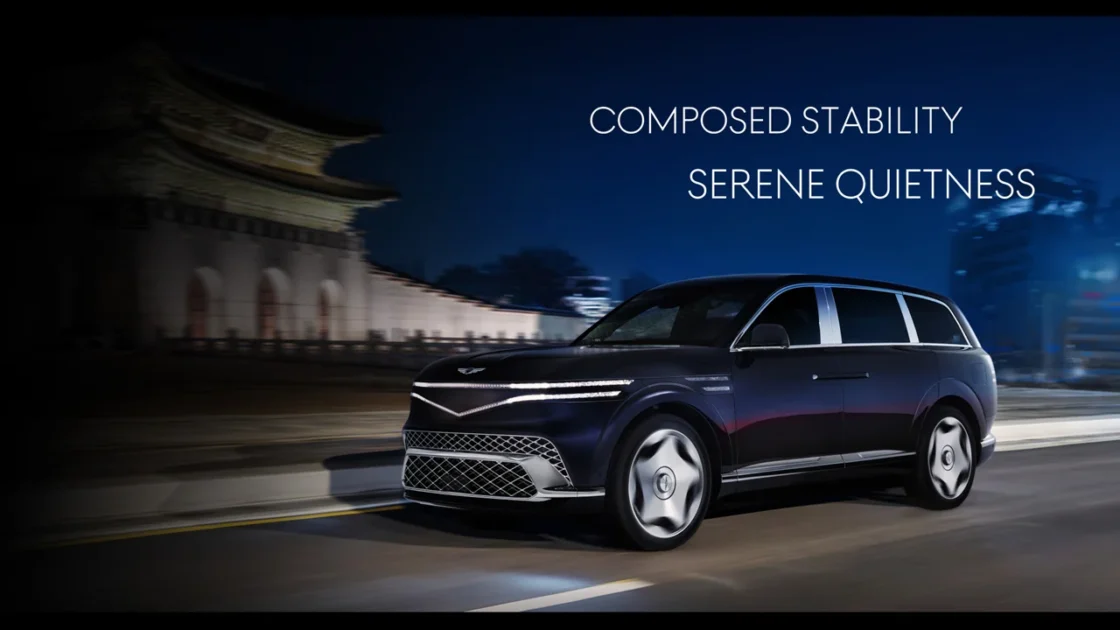
A luxury SUV can have impressive screens and comfortable seats, but a long drive quickly reveals how well it deals with rough pavement, wind, and tire noise. The latest engineering look at the Genesis GV90 puts its air suspension and other less visible details front and center.
Following the GV90 Neolun reveal and earlier looks at the flagship’s hidden B-pillar safety structure and its swivel-seat cabin, Genesis is now detailing standard multi-chamber air suspension, electronically controlled dampers, front and rear electronic limited-slip differentials, and extensive sound insulation. The goal is a large electric SUV that feels settled through corners while keeping passengers comfortable and the cabin quiet.
For drivers facing patched city streets, highway expansion joints, and long stretches of Texas pavement, those are useful priorities. The question is how the hardware will translate to everyday driving. For now, these are Genesis’ engineering details and test claims; we have not independently evaluated the GV90’s ride or cabin noise.
GV90 Air Suspension Adjusts to the Road
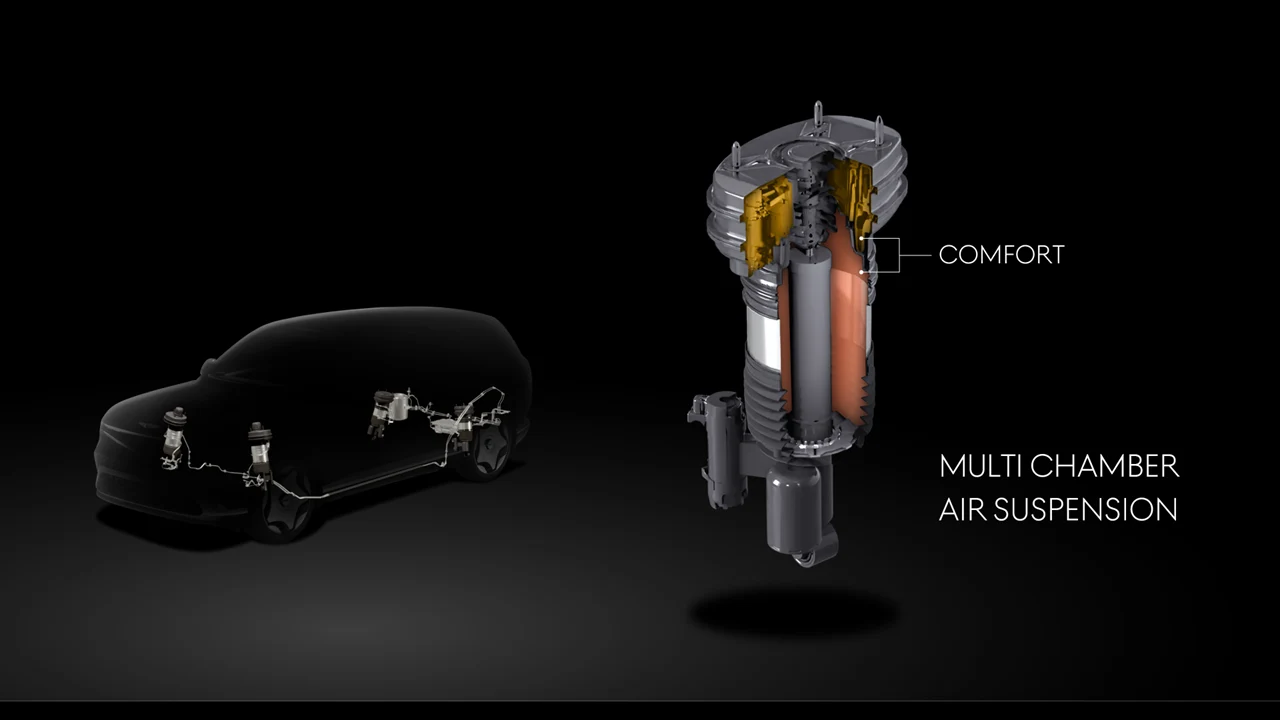
Genesis says every GV90 variant will have multi-chamber air suspension. By opening or closing internal air chambers at each wheel, the system changes the firmness of the air springs to suit the situation.
In ordinary driving, the softer setting is intended to absorb bumps. During faster driving or cornering, a firmer setting helps control body movement. In practical terms, Genesis is trying to avoid making owners choose between a soft ride and the more controlled feel they want on a winding road.
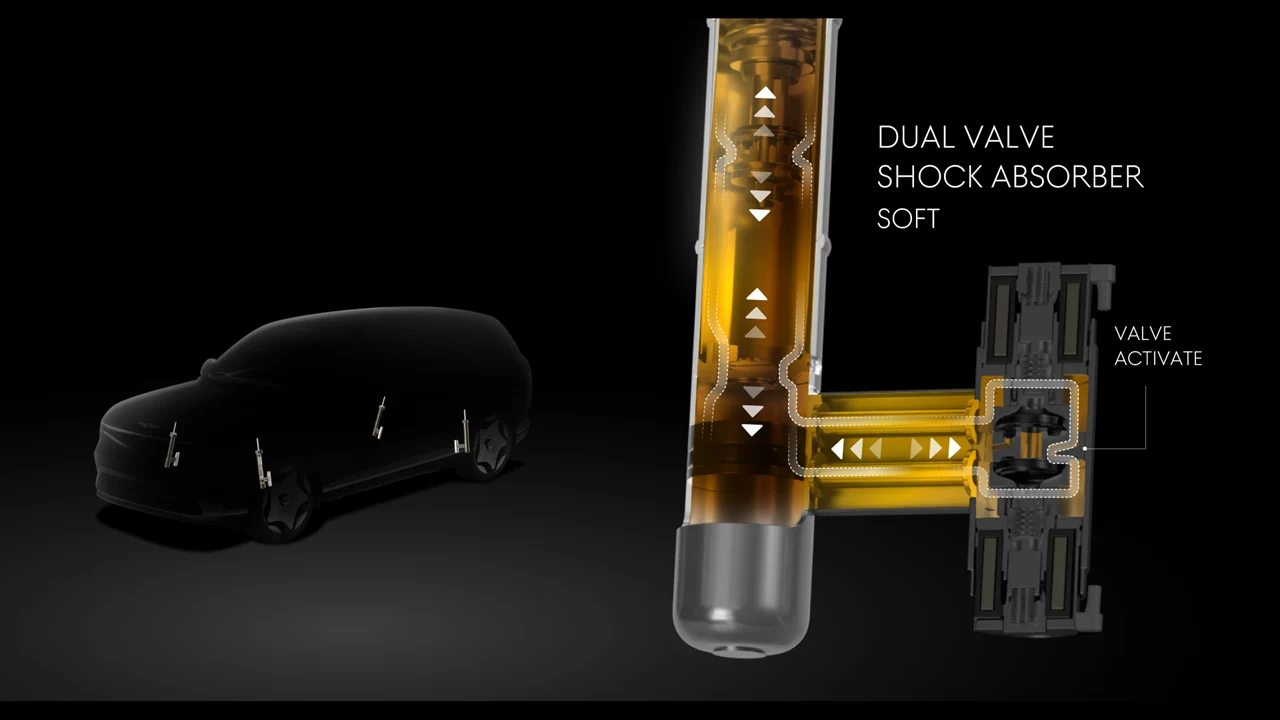
The air springs work with electronically controlled shock absorbers that use separate valves for compression and rebound. That lets the system independently manage the initial impact from a bump and the suspension’s return movement afterward, rather than handling both through a shared pathway.
Ride Height Changes Help Beyond the Highway
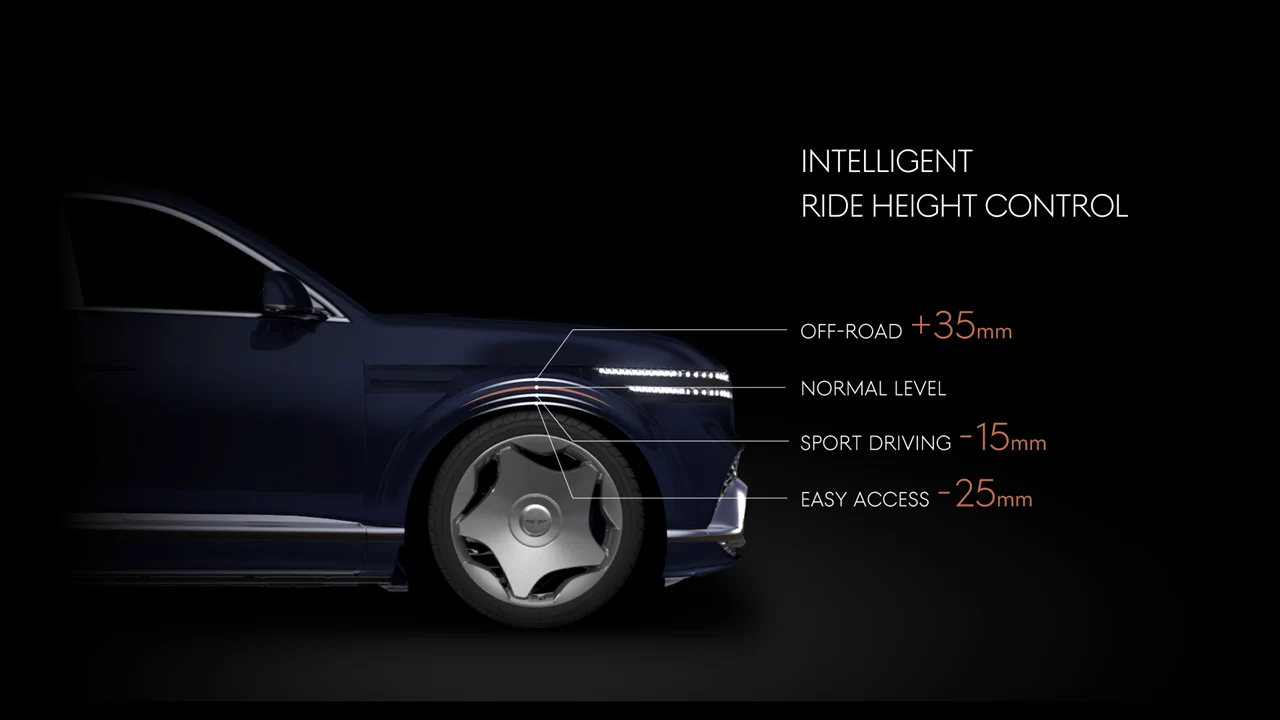
The air suspension also adjusts the GV90’s height. Genesis lists four useful changes:
- A 35-millimeter rise on rough surfaces to help protect the underbody.
- A 15-millimeter reduction in Sport mode for stability and aerodynamic efficiency.
- A 25-millimeter drop to make getting in and out easier.
- Up to 40 millimeters of lowering at the rear to simplify cargo loading.
The entry and cargo settings may be the features owners appreciate most often. Lowering a tall SUV can make a difference when helping a passenger aboard or lifting luggage into the back. The rough-road setting adds clearance, though it should not be read as a promise that the GV90 can tackle any trail.
Two Electronic Differentials Help Manage Grip
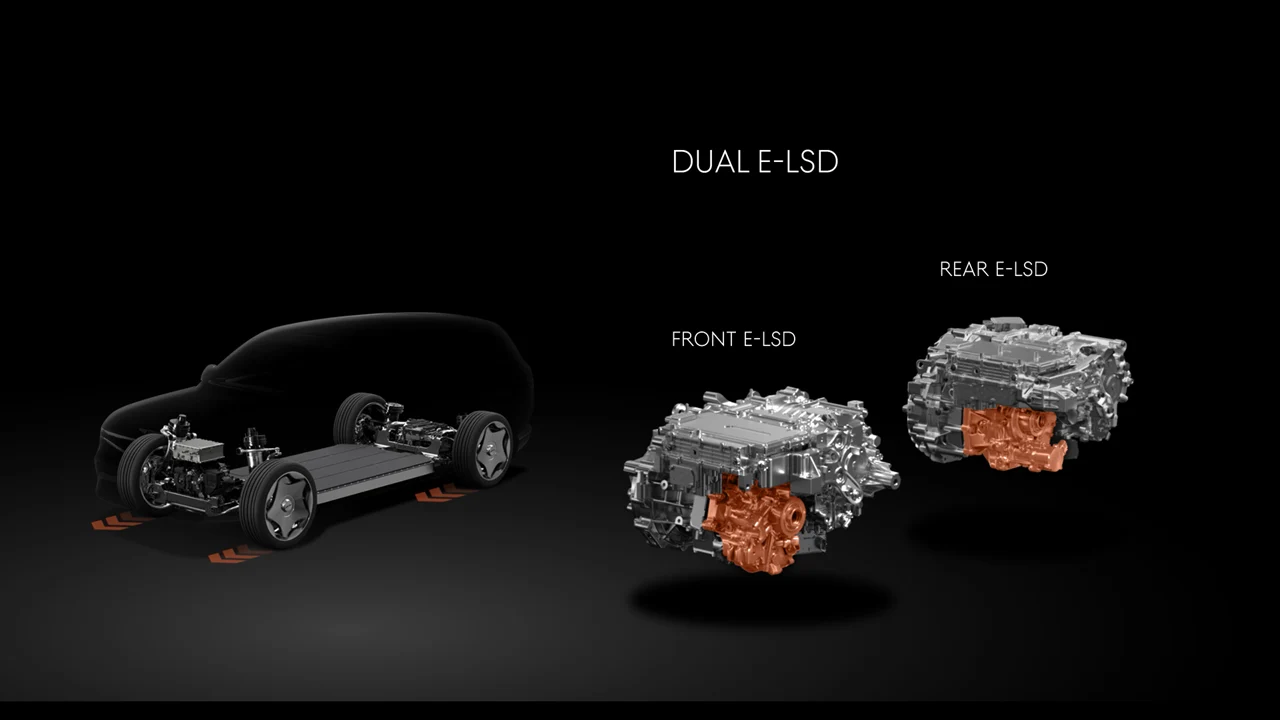
Genesis is fitting electronic limited-slip differentials to both the front and rear electric drive systems, describing the arrangement as a first for Hyundai Motor Group.
These systems actively manage how torque is distributed between wheels. In corners, the aim is to improve agility and reduce the tendency to push wide. On wet pavement, snow, or an unpaved surface, torque can be redirected away from a slipping wheel toward one with available grip.
That could be useful when road conditions change during a trip. However, it is still a traction aid: the available grip ultimately depends on the tires and surface, and drivers need to adjust their speed to match.
Thicker Glass Is Part of a Quieter Cabin
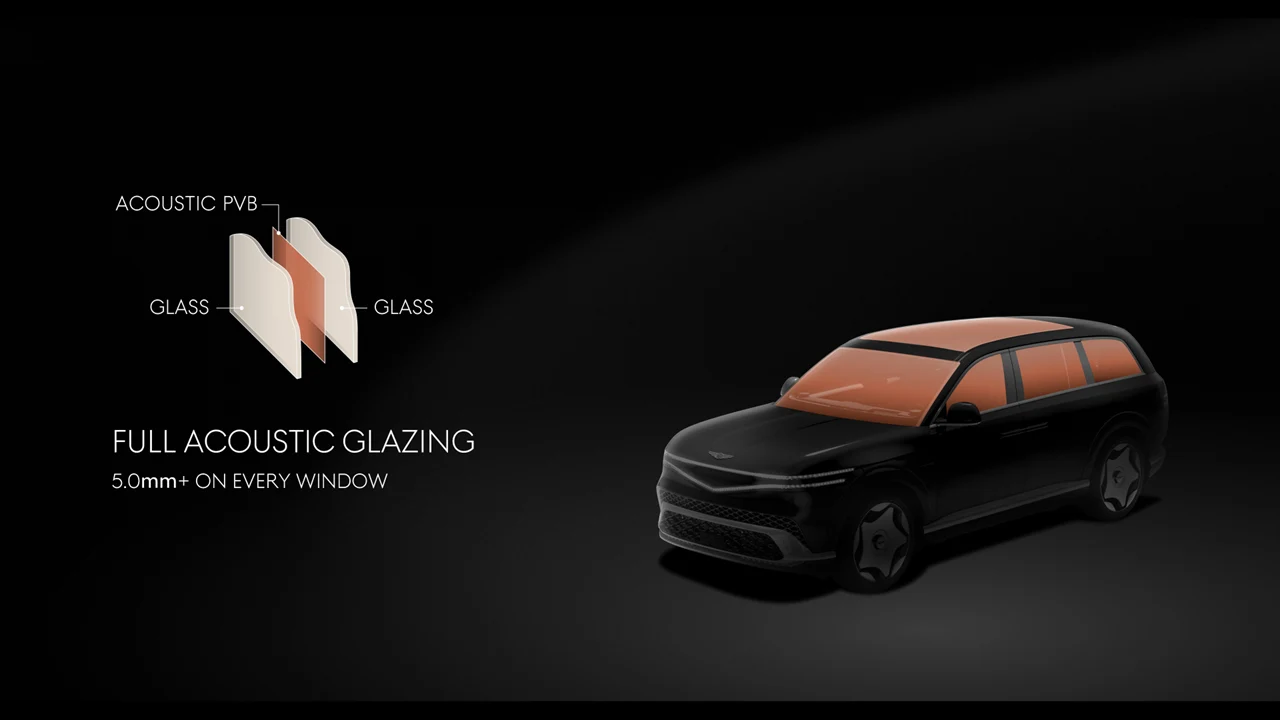
An EV removes the familiar background sound of a combustion engine, making wind, tire noise, and motor whine easier to notice. Genesis addresses that with acoustic glass at every GV90 window, measuring at least 5.0 millimeters thick.
The side windows and Smart Vision Roof use 5.7-millimeter acoustic glass with a sound-absorbing layer between the glass sheets. Genesis reports a three-decibel improvement in interior noise compared with previous Genesis models from the glazing.
In addition, there is more insulation around the floor, wheel arches, cargo area, and the partition between the front motor compartment and the cabin. Engineers also placed sound-absorbing material around underfloor wiring paths where noise could otherwise pass through.
Acoustic foam inside six locations in the body structure expands during manufacturing to seal internal passages. Genesis says that measure reduced certain mid- and high-frequency cabin noises by up to three decibels in standardized testing. That is a separate test result from the glass figure; the two numbers should not simply be added together.
The Four-Seat Executive Suite Gets Another Barrier
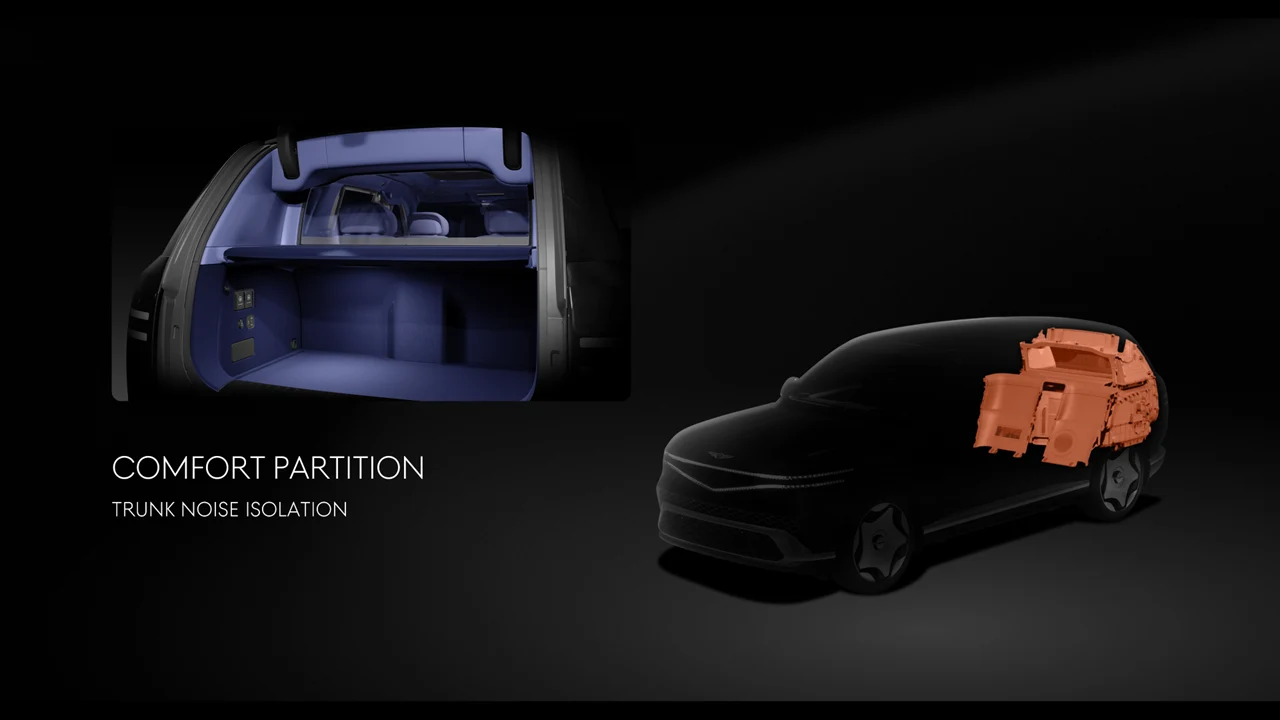
For the GV90 Neolun Executive Suite’s four-seat configuration, Genesis adds a Comfort Partition behind the second row. It separates the passenger cabin from the luggage compartment to reduce noise traveling forward from the cargo area.
That feature is specific to the four-seat Executive Suite. It is an interesting way to address a common SUV challenge: passengers normally share a large open space with the luggage area and the sound coming from the rear wheels.
Genesis also targets electric motor whine through the motor control system, using an opposing electrical waveform to counter current fluctuations. Insulation surrounds 80% of the motors and control units to contain remaining noise.
What We Want to Test on Tyler’s Brick Streets
The GV90’s approach is promising because it focuses on things drivers and passengers feel throughout a trip. A calm ride over broken pavement, less road noise, and easier entry can matter long after the novelty of a new display wears off.
Holli, Tucker, and I test ride control on every vehicle over the historic brick streets of downtown Tyler, and that is exactly where we want to put the GV90 to work. We would want to see how smoothly the suspension changes between its softer and firmer settings, how much tire noise reaches the cabin on that bumpy brick, and how well the body settles after a large bump. Those real-world impressions will determine whether the engineering delivers the relaxed experience Genesis is targeting.