
Hyundai Pleos Connect Explained: Gleo AI, Apps, Updates, and Privacy

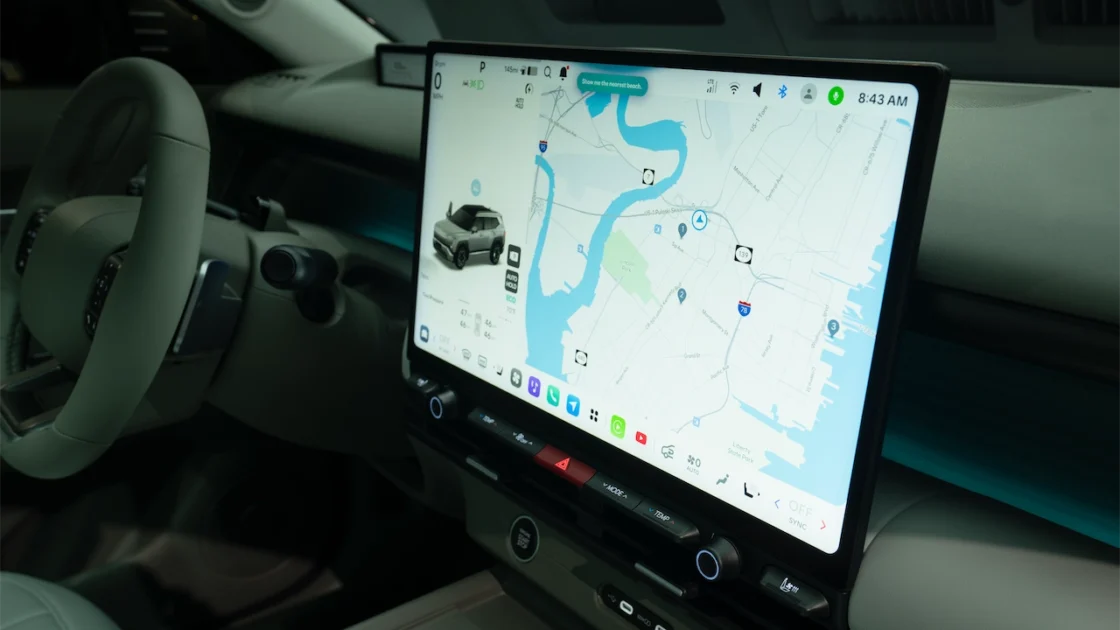
A vehicle’s infotainment system can influence ownership every time the driver enters a destination or reaches for a cabin setting. Hyundai’s Pleos Connect platform gives us a new system to examine, particularly as it becomes part of the conversation around the new 2027 Hyundai Tucson.
Our technology interview helped explain how Hyundai is developing the software and the hardware that supports it. The result is an approach intended to keep evolving after a vehicle leaves the factory.
What Is Hyundai Pleos Connect?
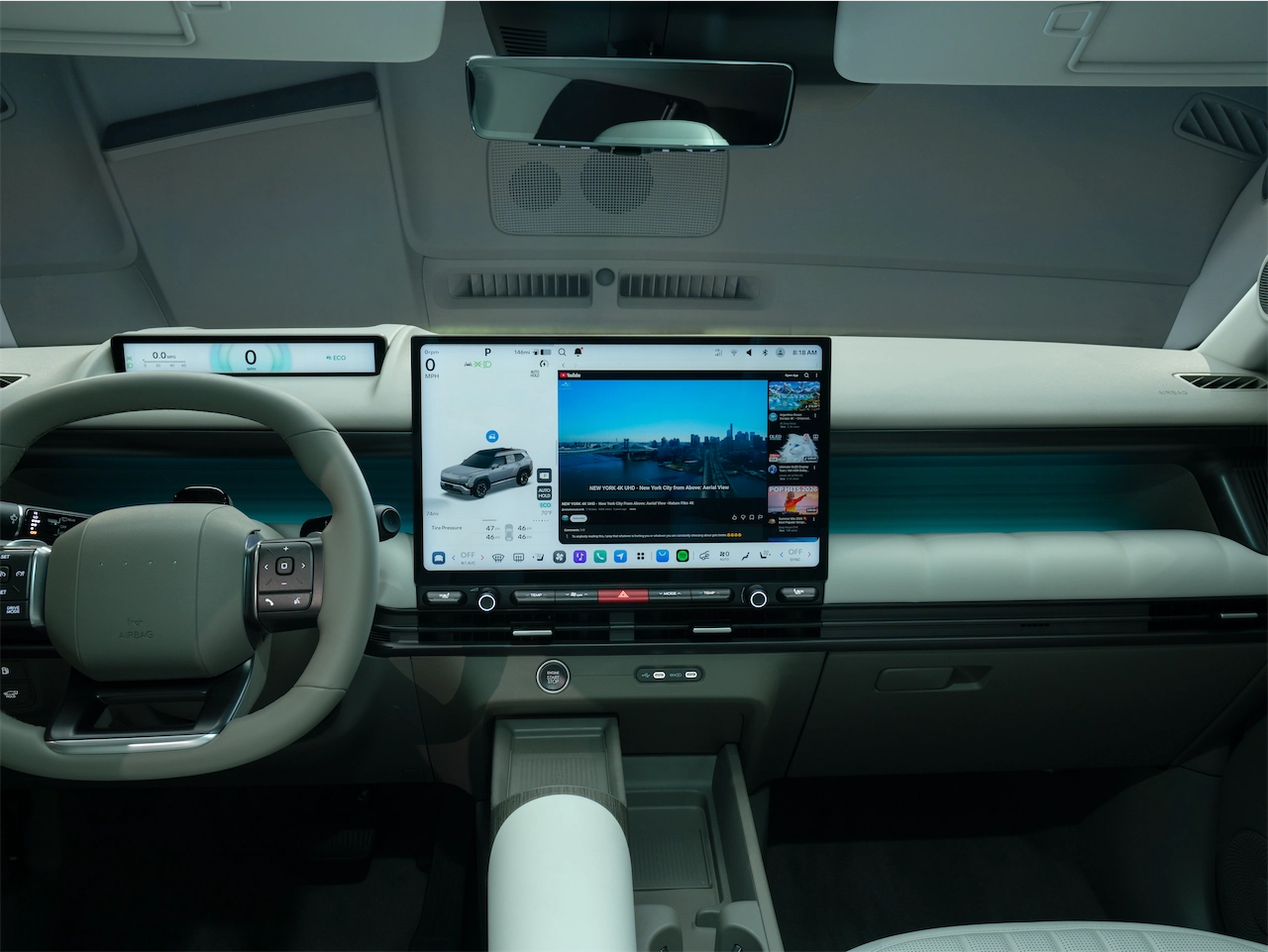
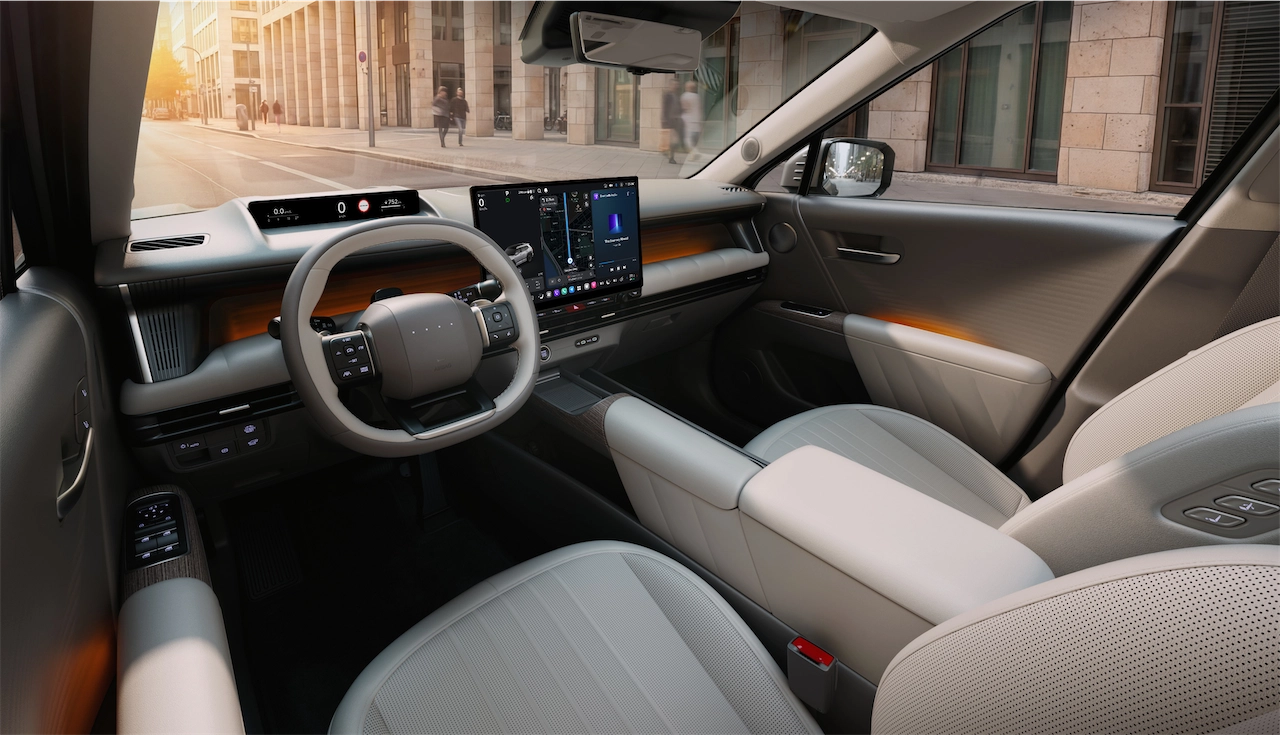
Pleos Connect is Hyundai’s next-generation infotainment platform. Its published overview describes a large central display working alongside a slim display directly ahead of the driver, with physical buttons for frequently used controls.
The central screen handles navigation and applications. A customizable bottom bar provides access to pinned or recently used apps, helping owners organize the interface around their habits.
During our interview, the technology team said Pleos uses Android Automotive OS as its foundation, with Hyundai developing its own services and ecosystem. That’s a distinction worth understanding when comparing platforms: The underlying operating system doesn’t, by itself, tell you which Google services or applications a particular vehicle will include.
What Does Gleo AI Do?
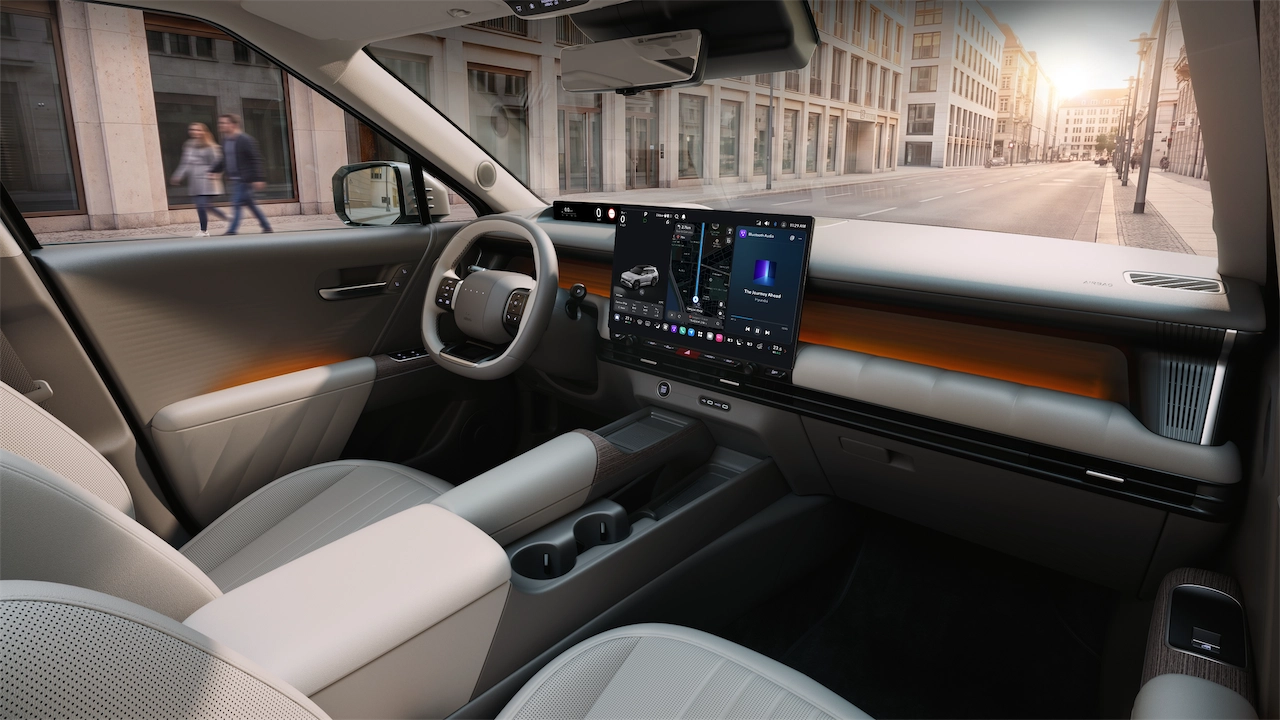
Gleo AI is the platform’s voice assistant. Hyundai describes natural-language requests for functions such as navigation and climate adjustments, with the ability to interpret conversational context.
The company also describes recognizing the speaker’s position in the cabin. A request to turn on a heated seat can therefore be directed to the occupant who asked.
In our interview, the team said driving-related controls were excluded from the assistant’s current convenience-function scope. Owners should evaluate its available functions against the final vehicle documentation.
Apps and Software Updates
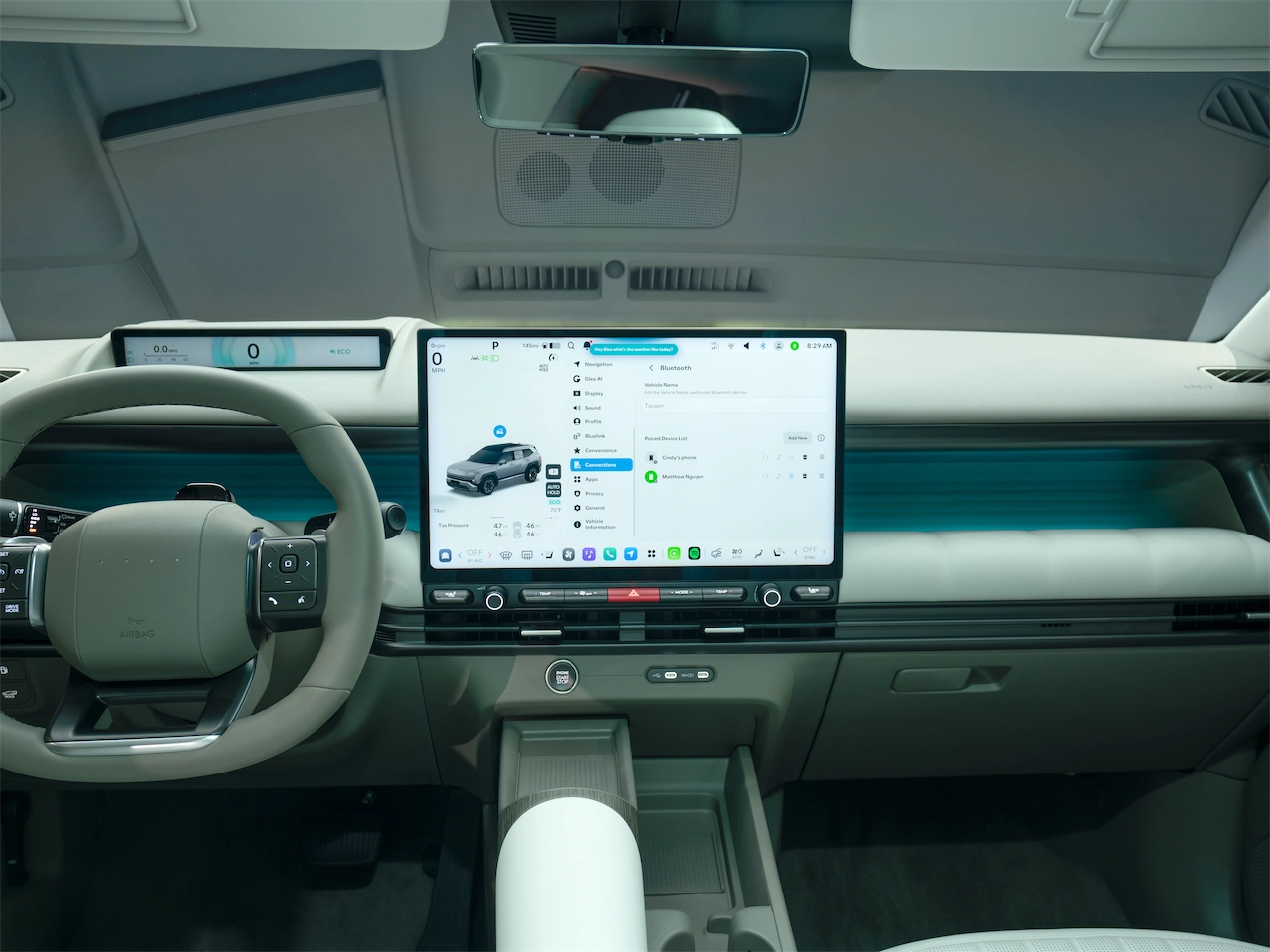
Pleos Connect includes an App Market, and Hyundai’s published overview identifies services such as Spotify and YouTube within its initial ecosystem. U.S. buyers will need the regional application list and usage restrictions for their vehicle before assuming those services are included.
Software updates delivered wirelessly are another important part of the platform. Hyundai’s engineers described leaving spare computing capacity in the hardware to support future development over a vehicle’s longer service life.
Specific future functions and payment models discussed in our interviews remain possibilities rather than commitments.
What Hyundai Said About Privacy
Holli, who is a bit more cautious about technology and online safety, asked the hard questions about how the driver’s privacy is protected with all of the new technology in the Tucson. Hyundai reps told us that necessary assistant data is used after a user invokes Gleo AI, with anonymization and limited retention among the stated protections. The team also described security testing during platform development.
Those statements explain Hyundai’s approach; the final privacy notice will establish the applicable terms. I’d review what the service collects and how owners can manage it before enabling connected functions.
Pleos Connect gives buyers several useful questions to ask at delivery, including which apps are available and what connected services cost. The production experience will ultimately show how effectively Hyundai’s platform supports everyday use.