Porsche Mission S Previews a Mid-Engine Supercar That Will Sit Above the 911

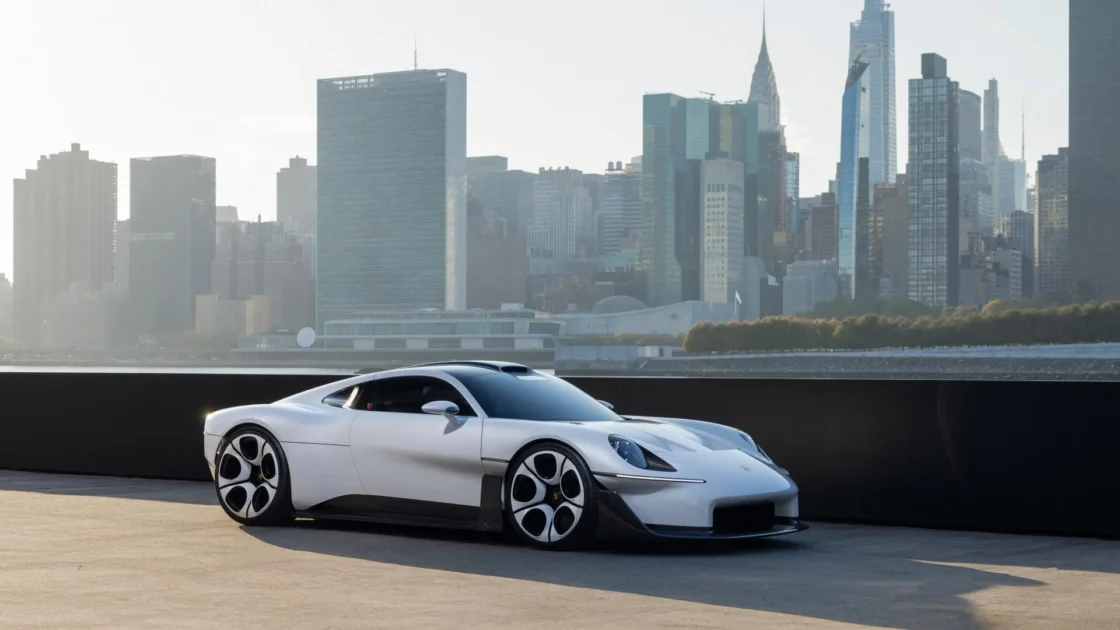
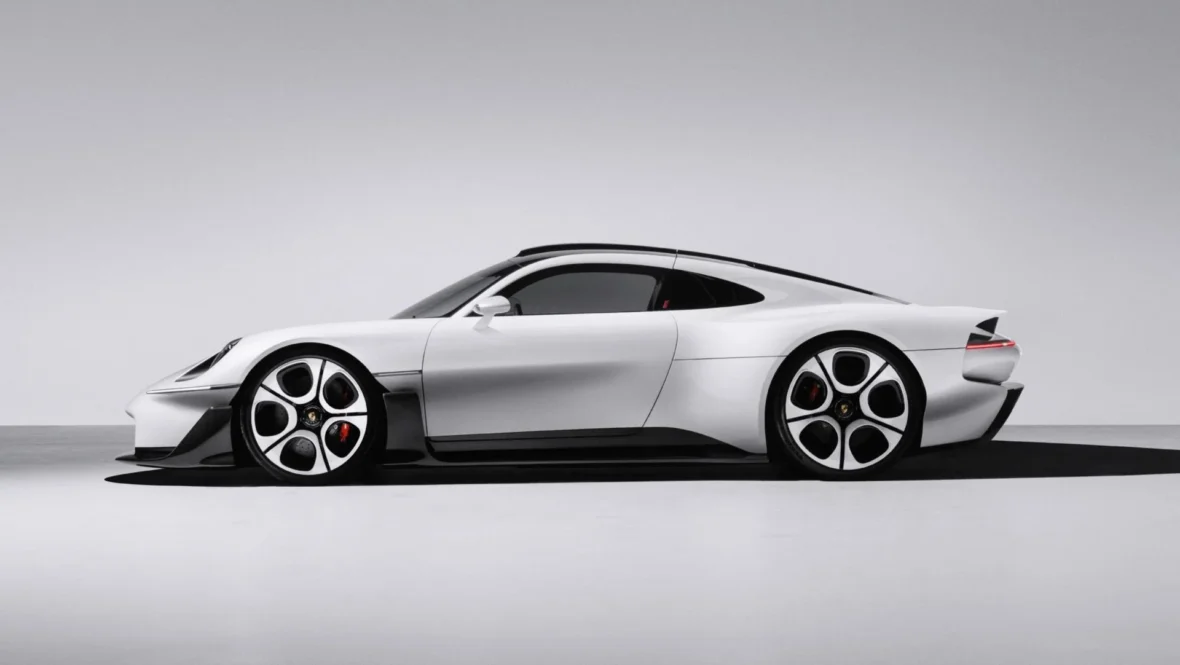
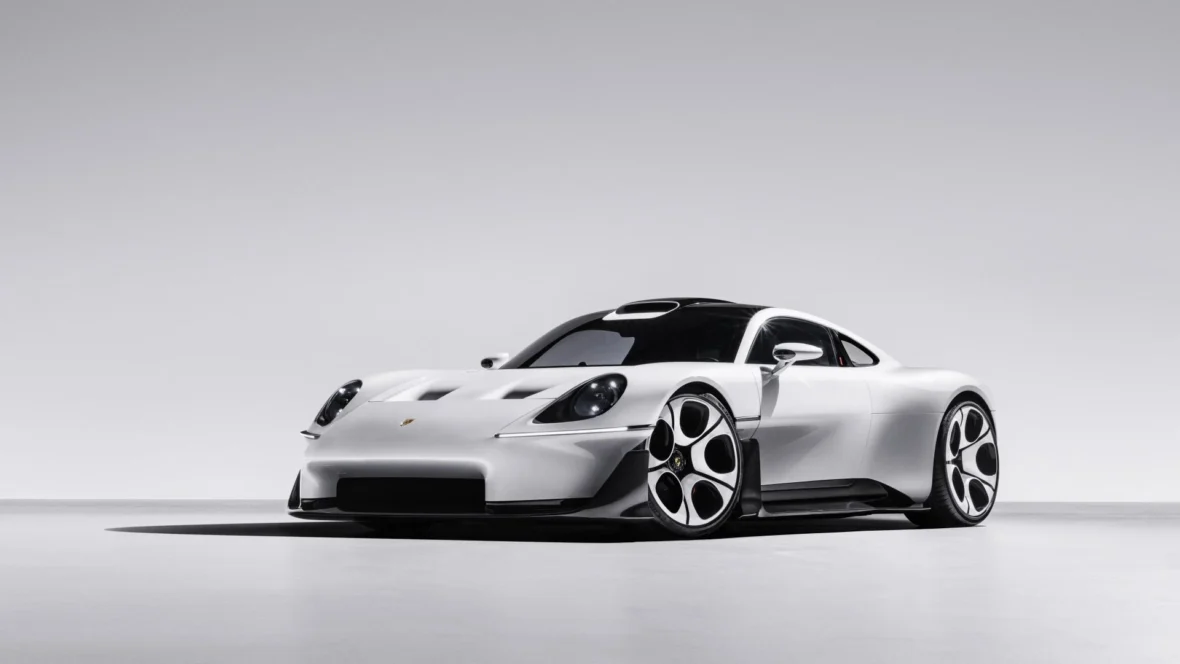
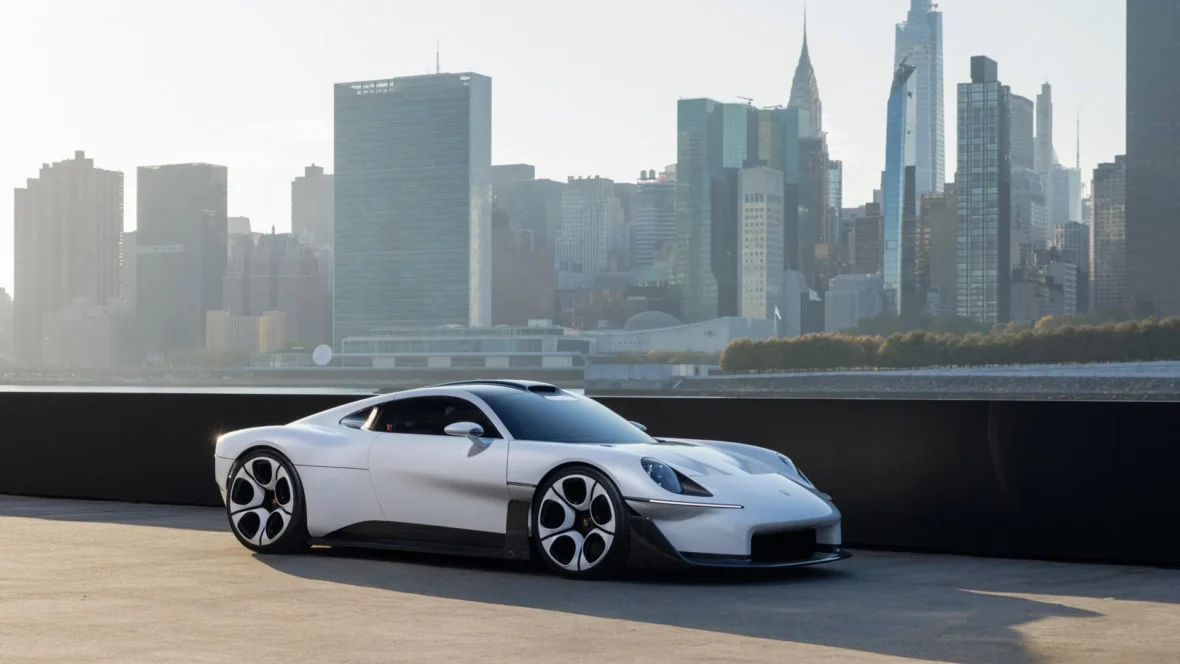
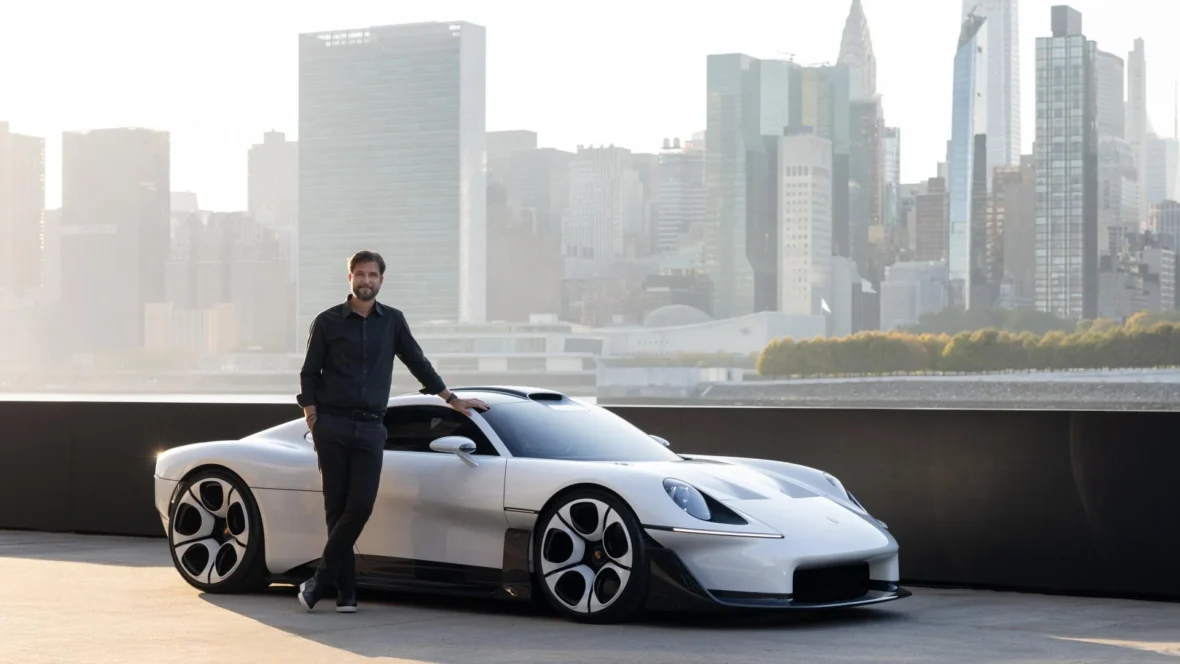
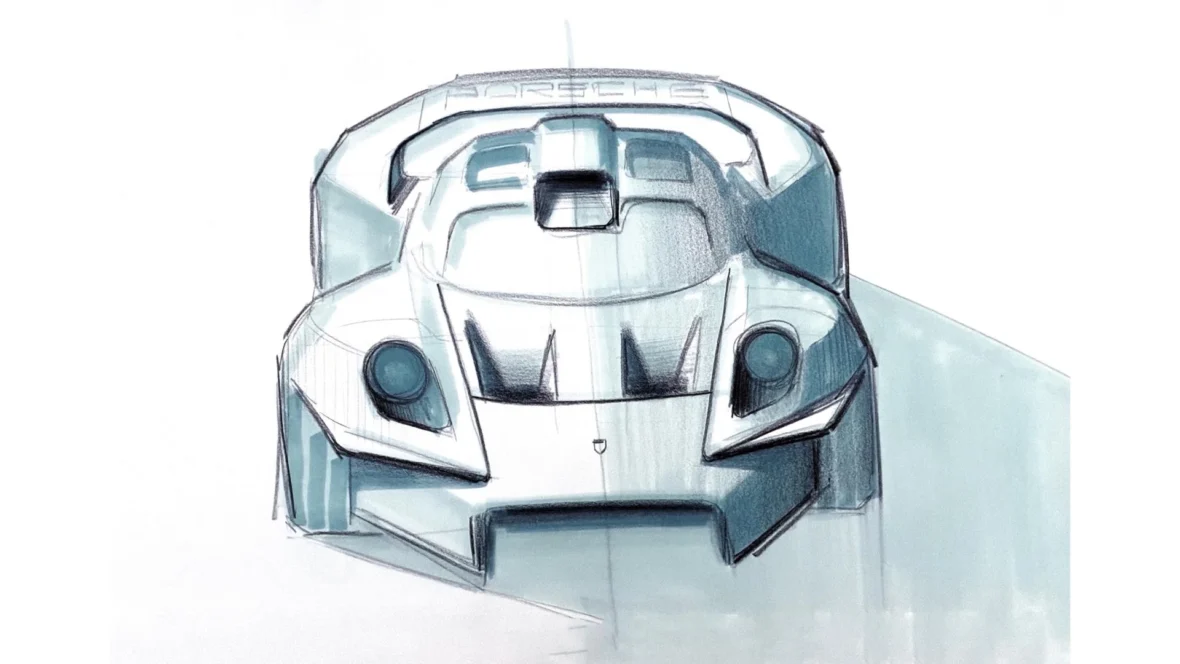
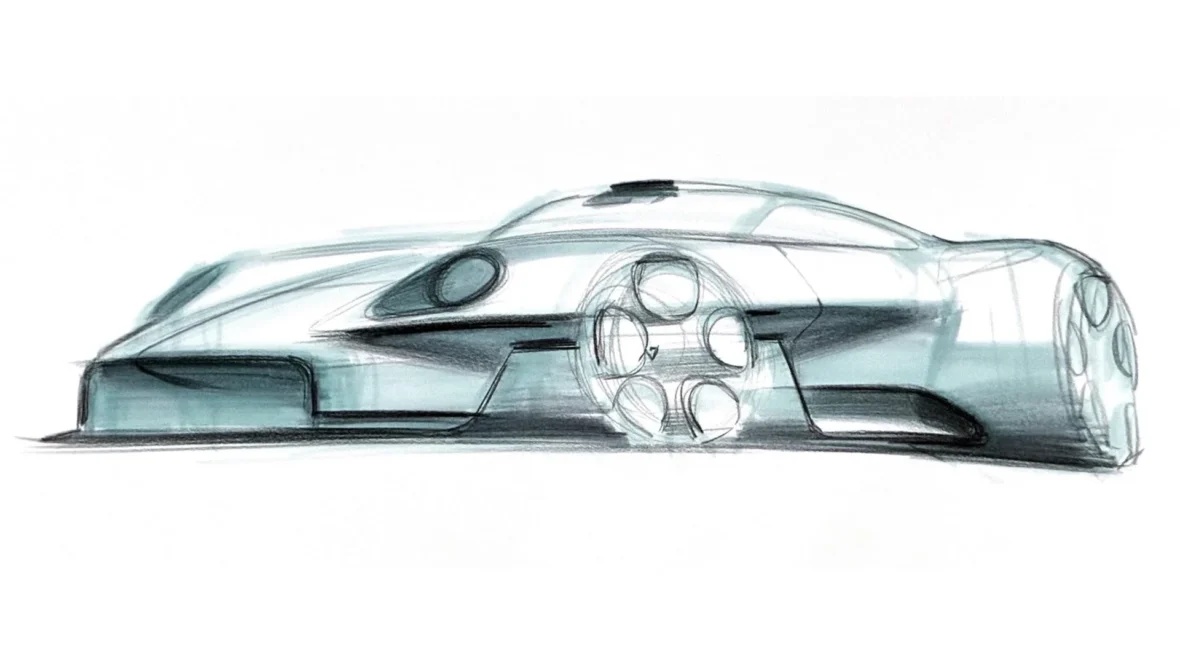
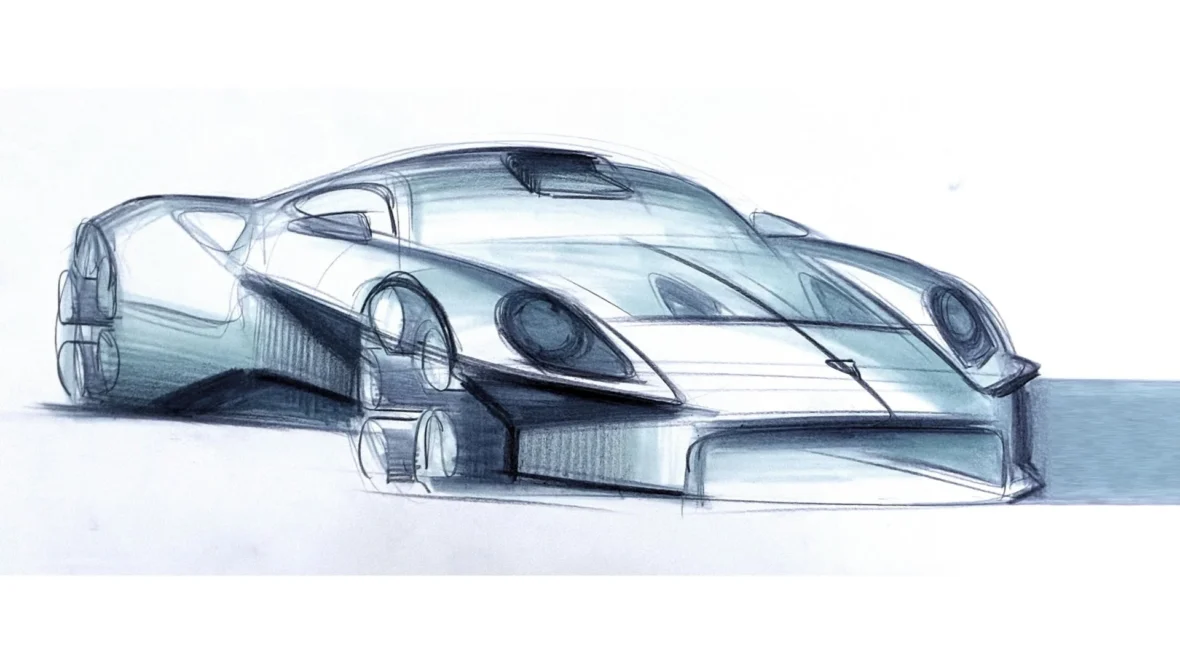
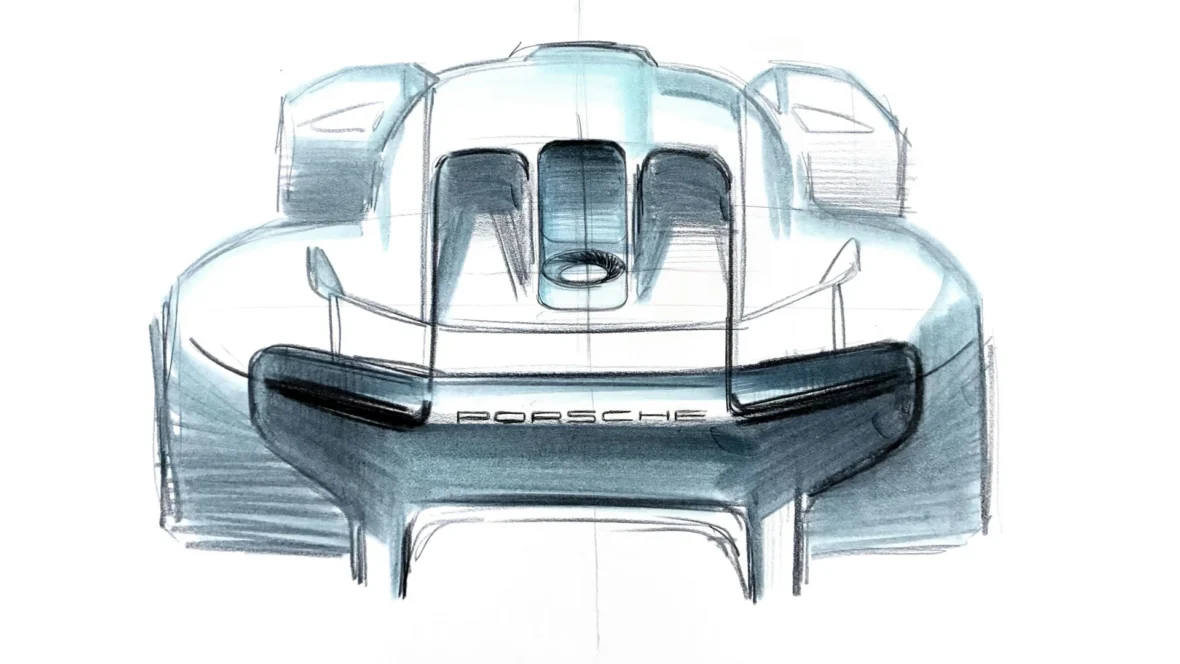
Porsche just gave us our first look at where its design language is headed, and it did it with a mid-engine supercar. The Porsche Mission S vision model made its world debut on a pier in Queens, New York, with the Manhattan skyline as its backdrop. More importantly, it previews an all-new mid-engine super sports car platform that will sit above the 911 in the lineup.
That is a big deal. Porsche says this is not a one-off hypercar or a limited-run halo car. It is meant to be a permanent addition to the family.
A New Mid-Engine Platform Above the 911
Porsche chairman Dr. Michael Leiters described the Mission S as the preview of a mid-engine super sports car platform positioned above the 911, built as a permanent offering rather than a one-time special. That puts it in a very different spot than the Carrera GT and 918 Spyder, which were limited-production halo cars.
For now, Porsche is keeping the hard numbers to itself. There are no dimensions, no powertrain details, no performance figures, and no pricing. Porsche also hasn’t said whether the production car will use gas, hybrid, or electric power, or when it will arrive.
Why Porsche Revealed It in Queens
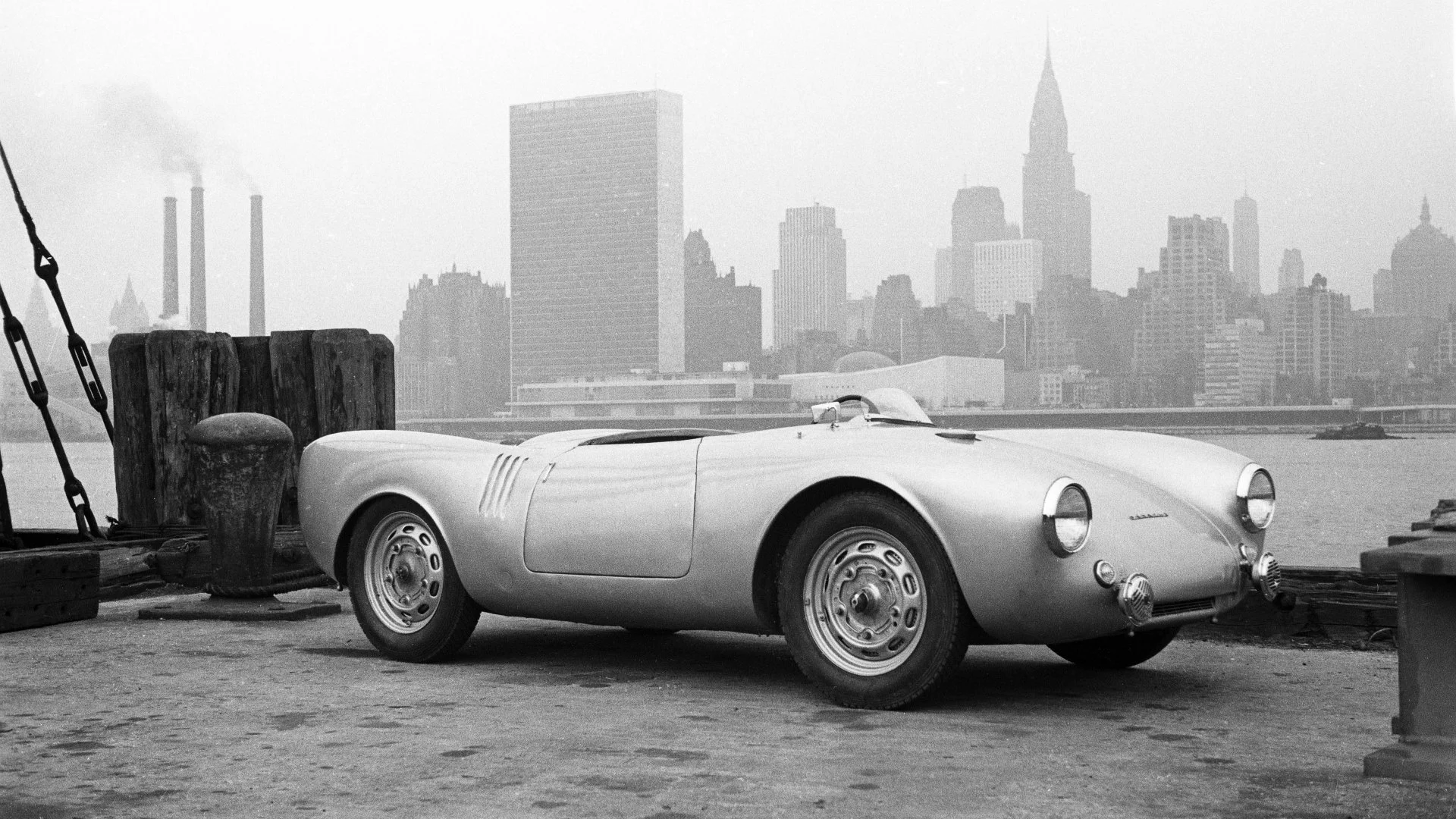
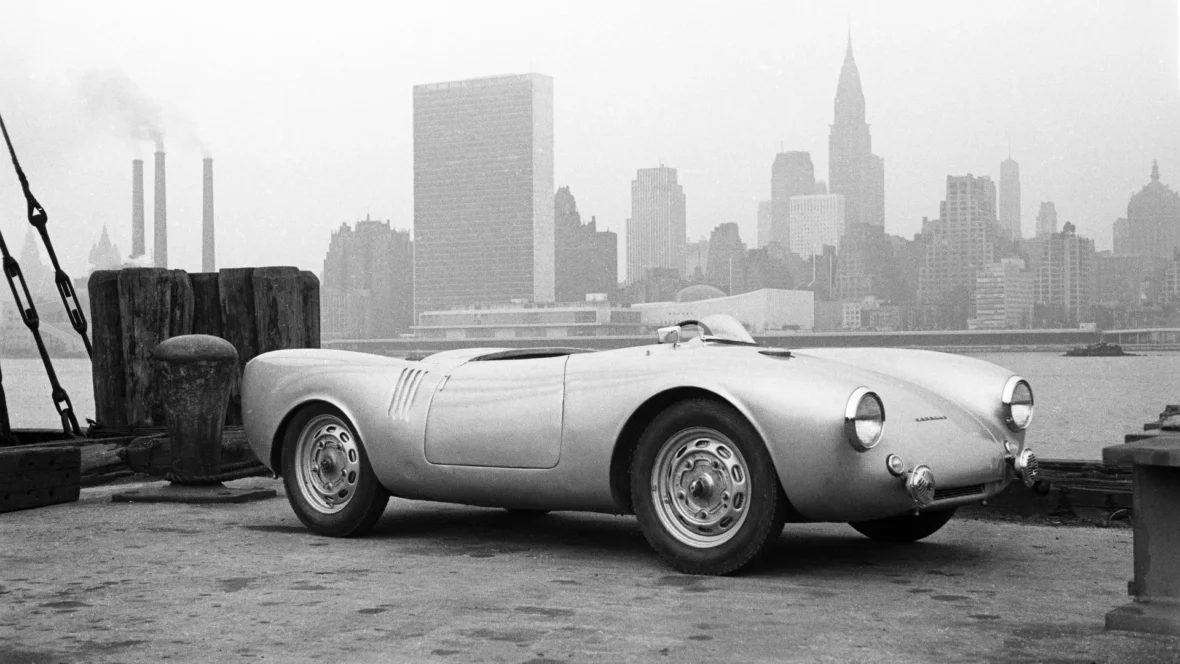
The location was not random. In 1953, the mid-engine Porsche 550 Spyder was photographed on that same stretch of the Queens waterfront, and Porsche ties that moment to its early success in the United States. Bringing a new mid-engine sports car back to the same spot more than 70 years later is a pretty cool full-circle moment for the brand and its American fans.
Design Cues Pulled From Porsche History
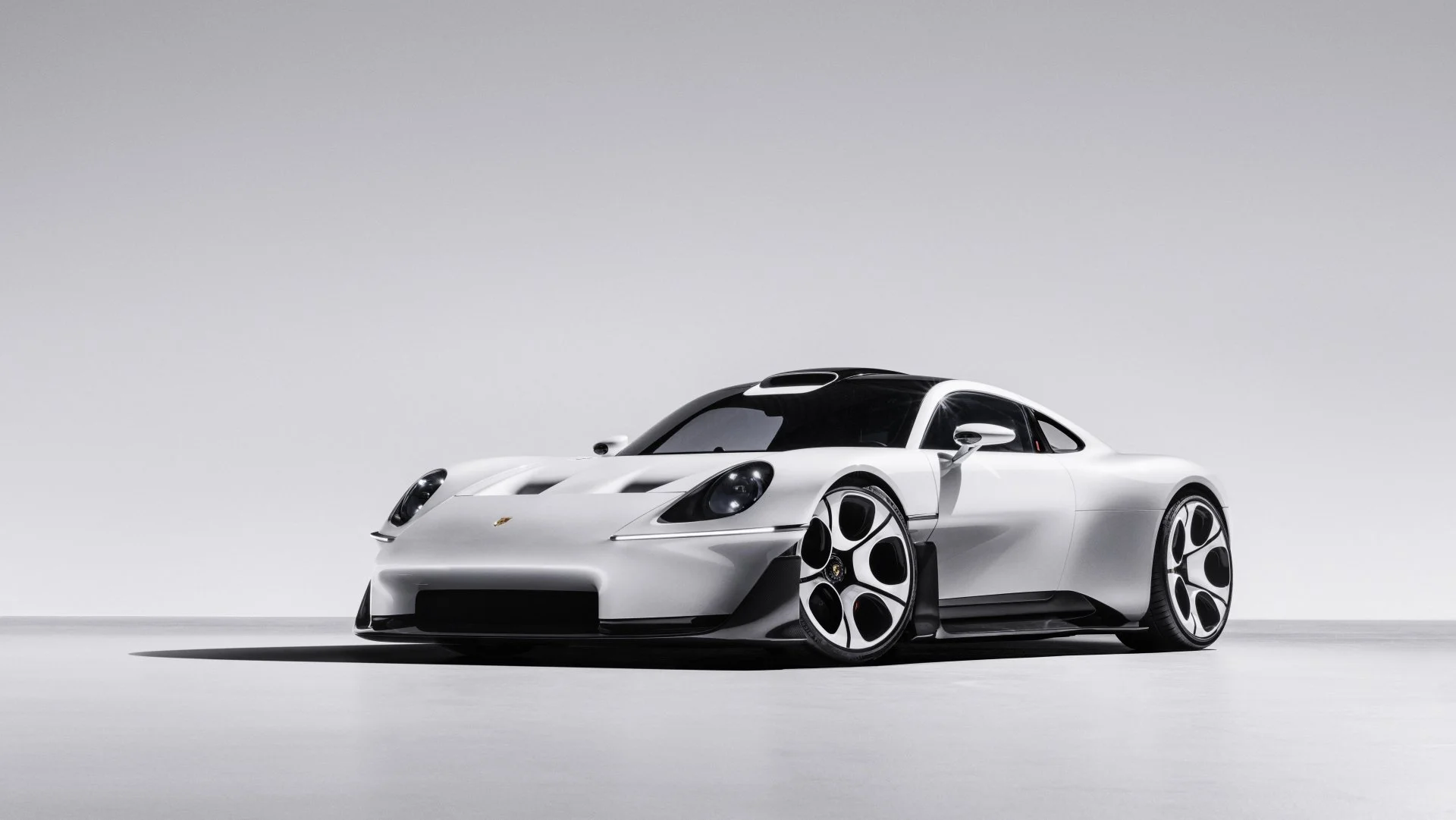
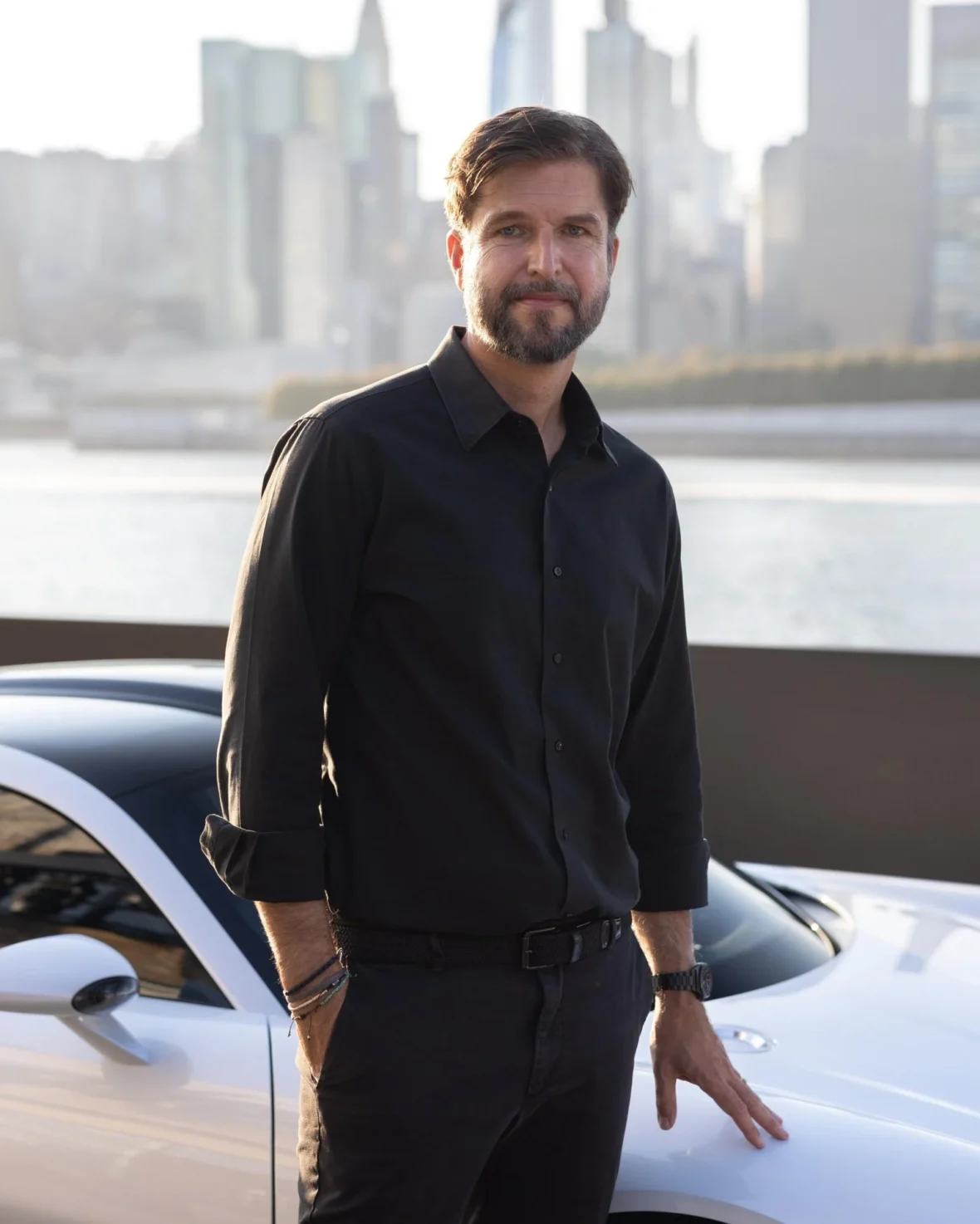
According to Tobias Sühlmann, head of Style Porsche, the Mission S is the result of a holistic design strategy, and its direction will soon show up across Porsche’s future product portfolio. In other words, pay attention to this car, because its details will likely trickle down to the models you can actually buy.
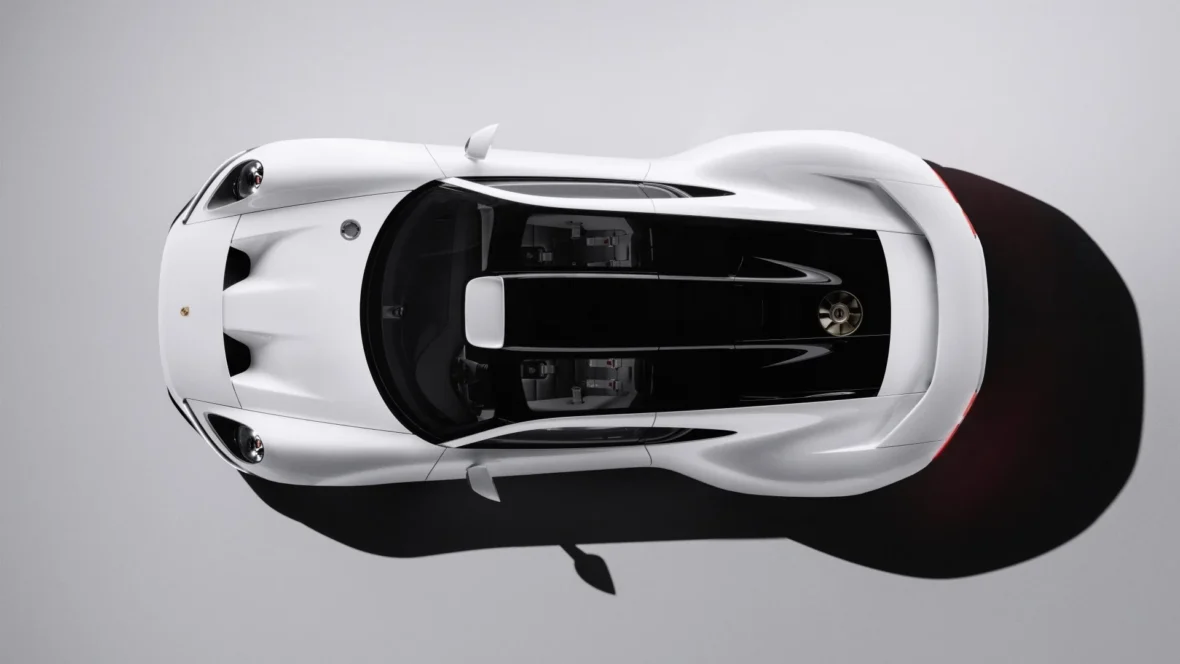
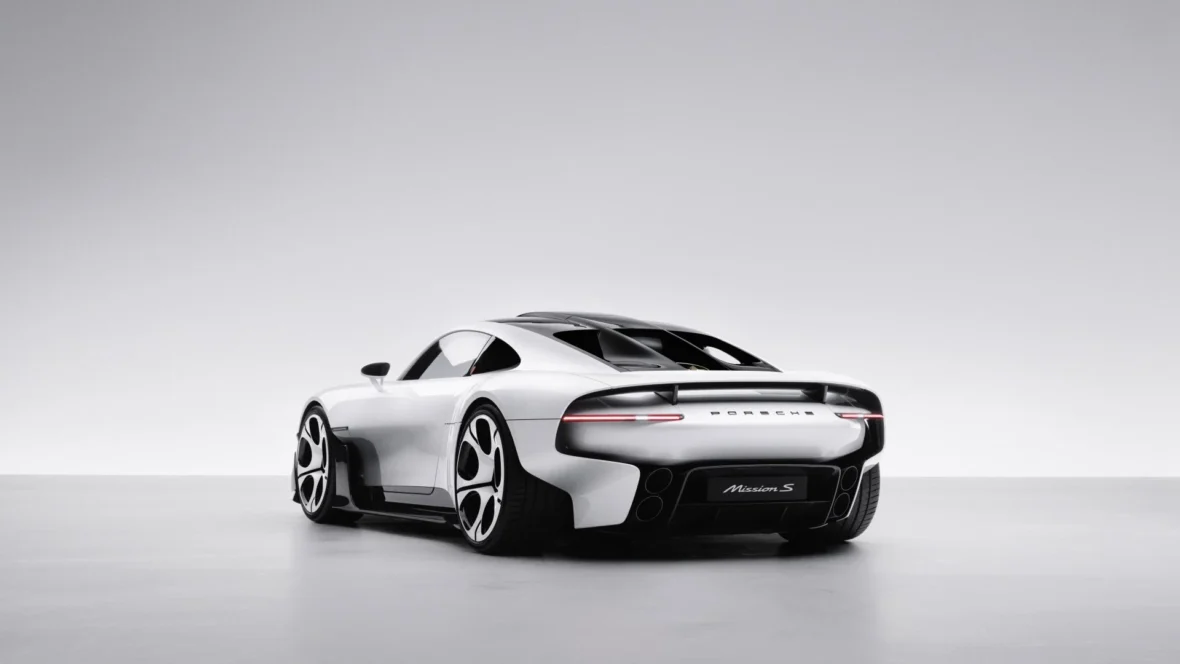
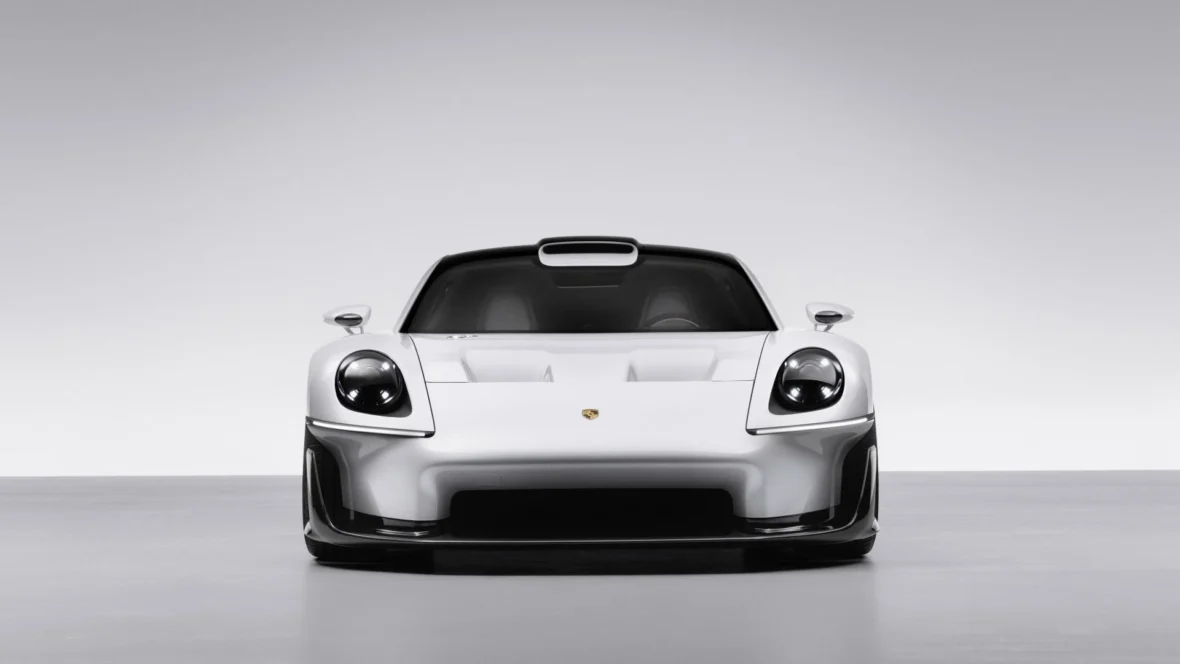
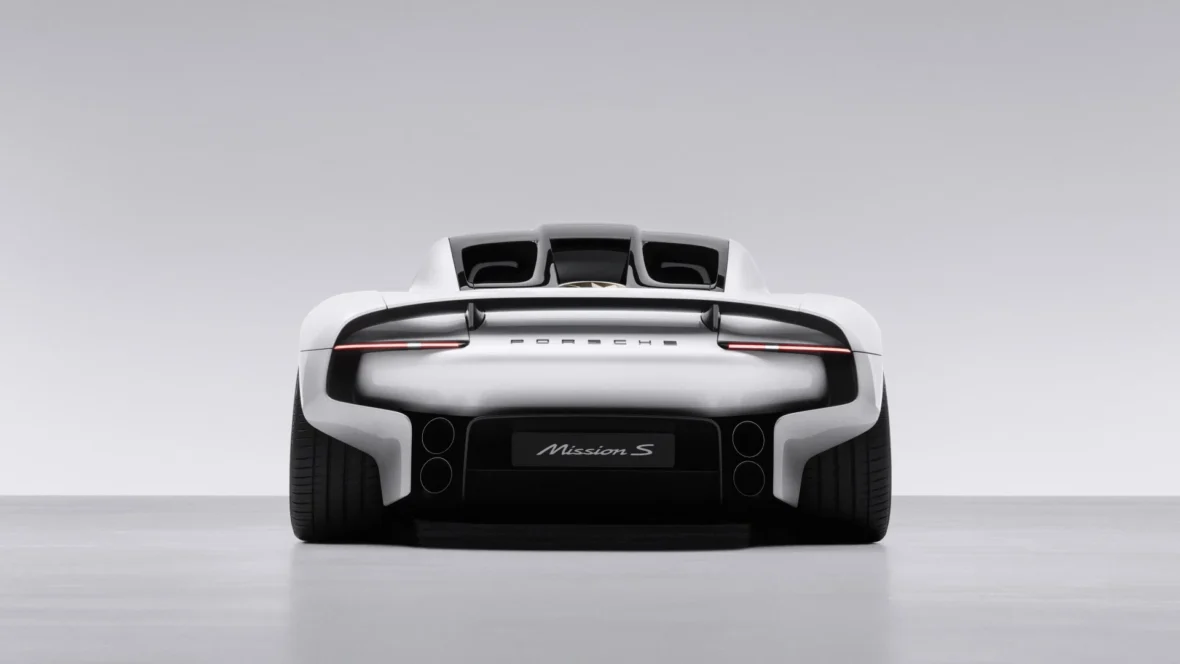
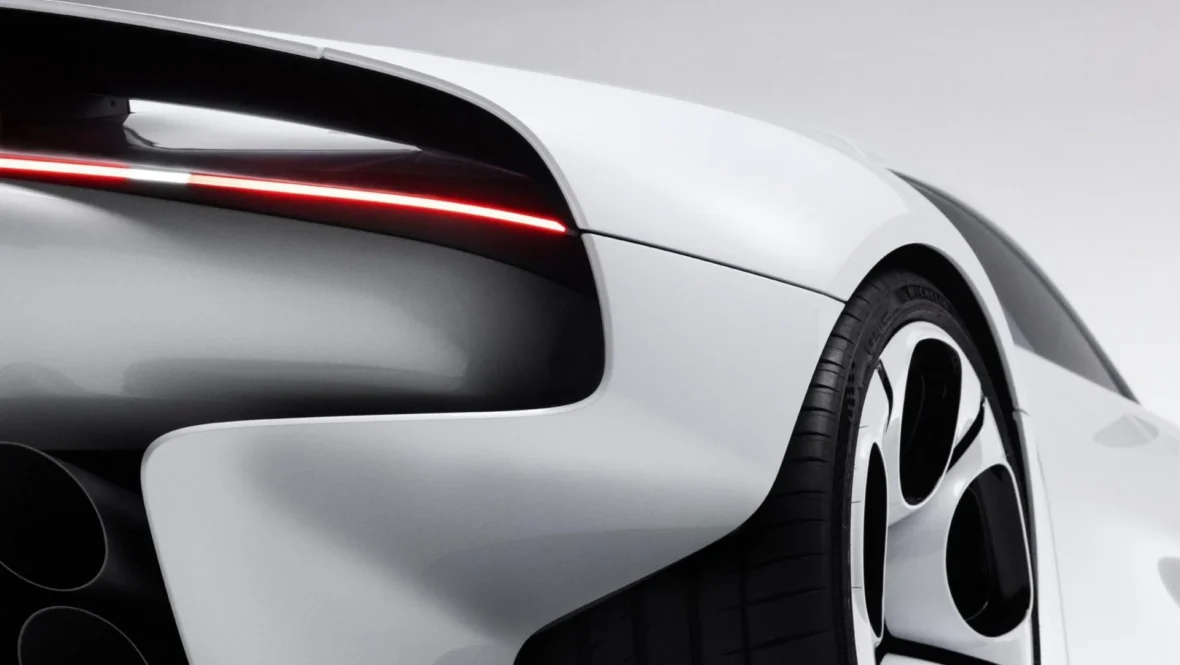
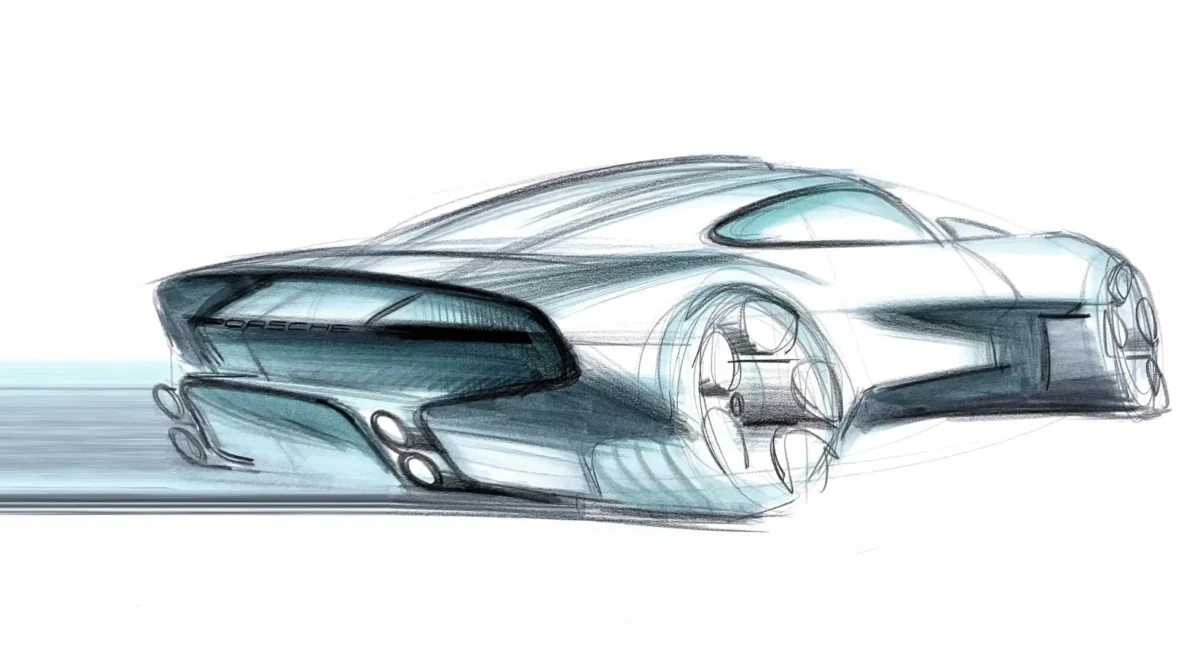
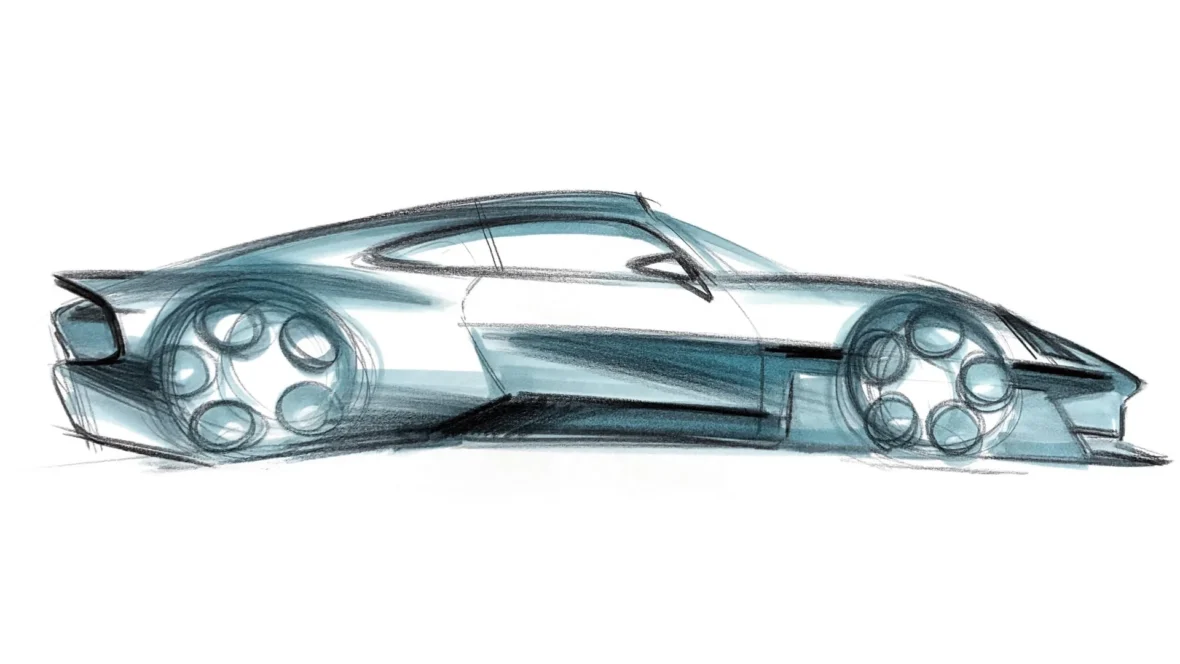
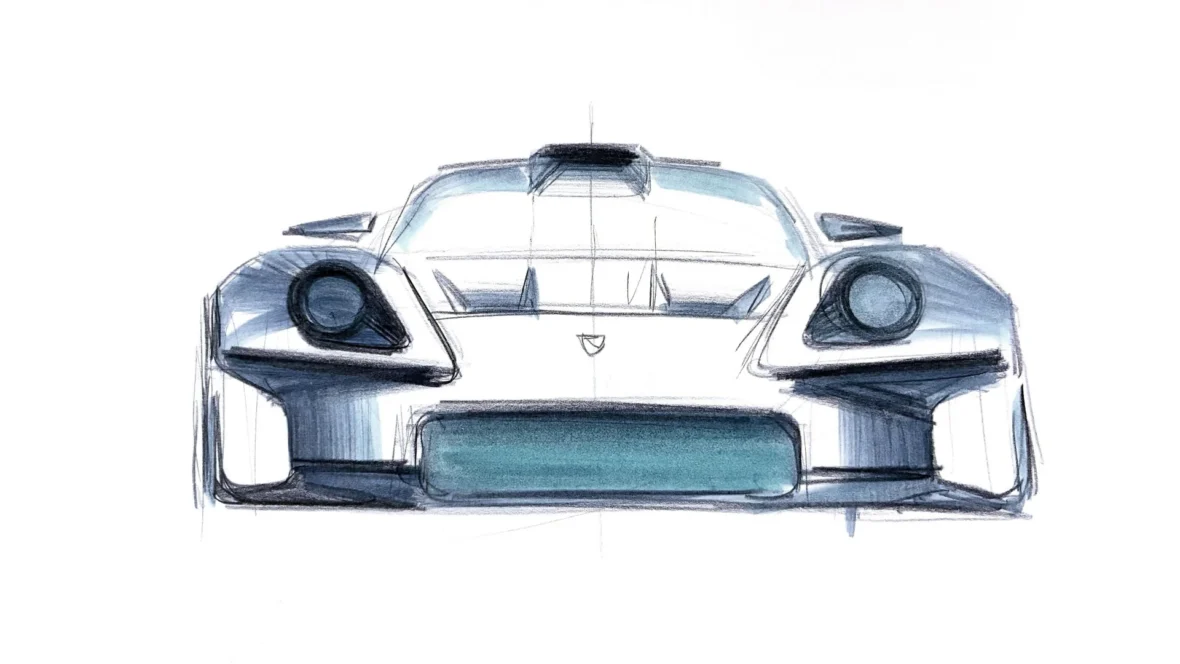
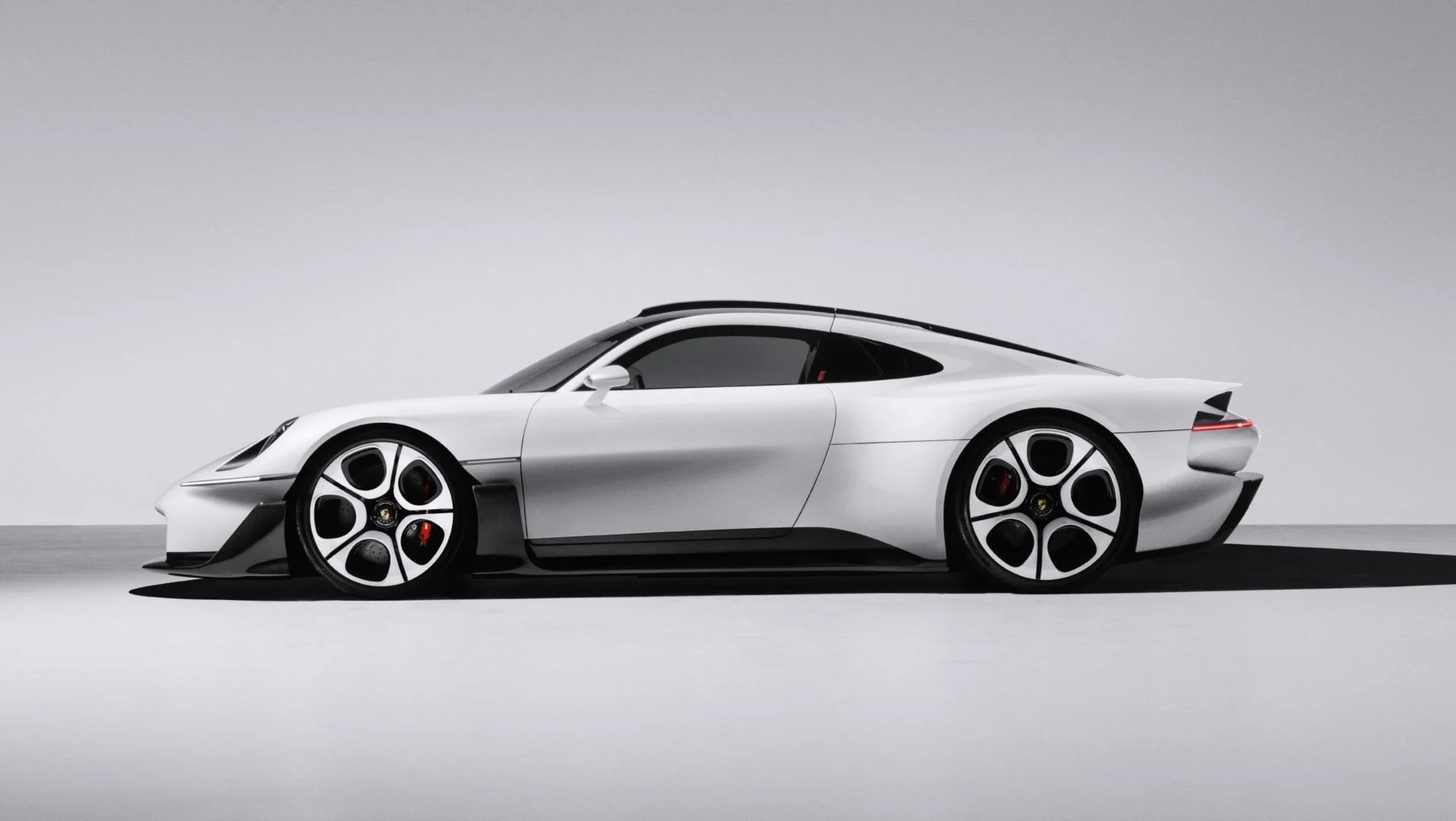
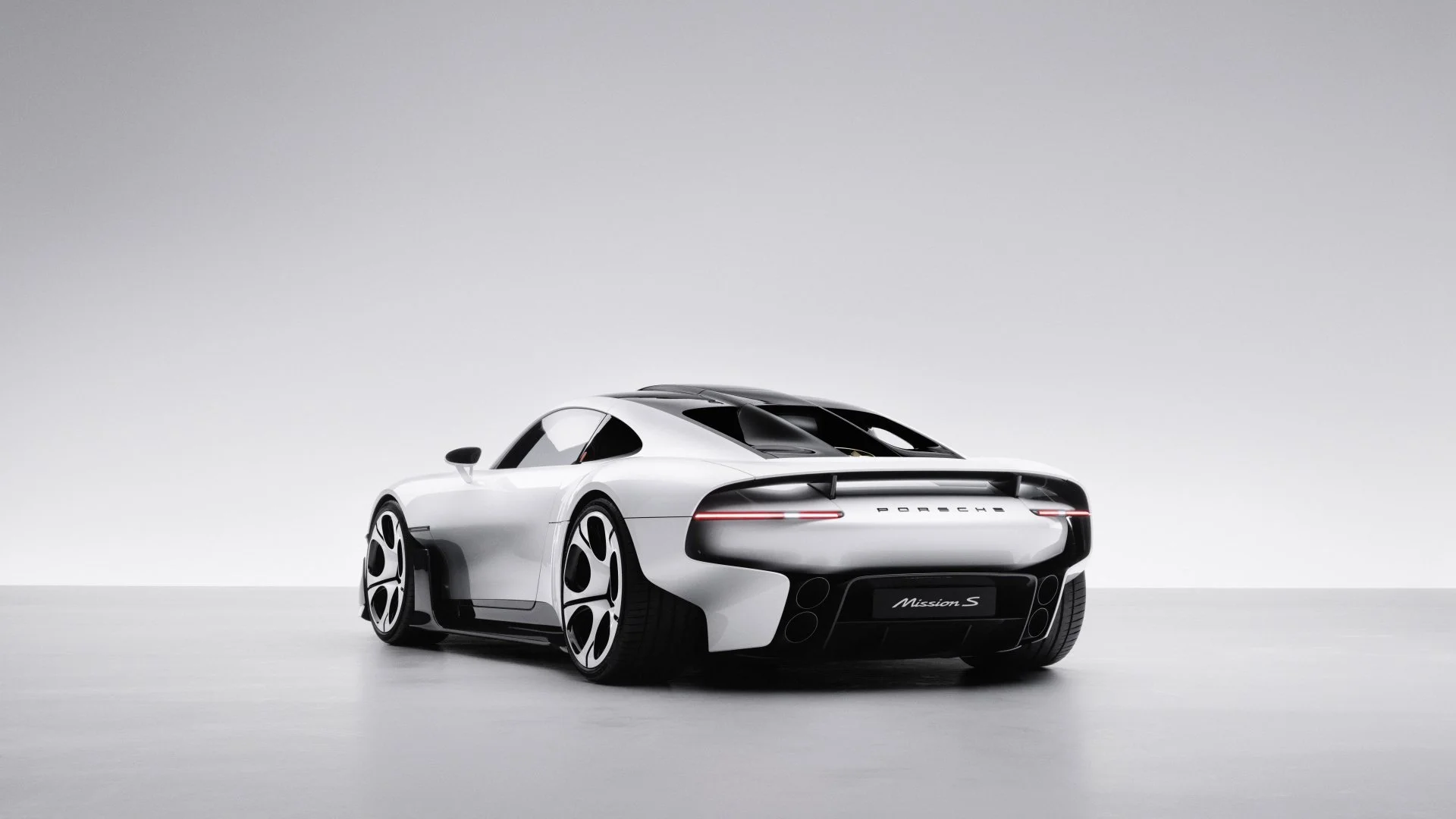
The core of the design is classic Porsche: torpedo-shaped fenders, that iconic roofline, and wide, low proportions. Porsche calls the sculptural body concept “floating volumes,” and a wraparound line connects the front and rear lighting signatures. The mid-engine layout also allows a continuous flyline from front to back.
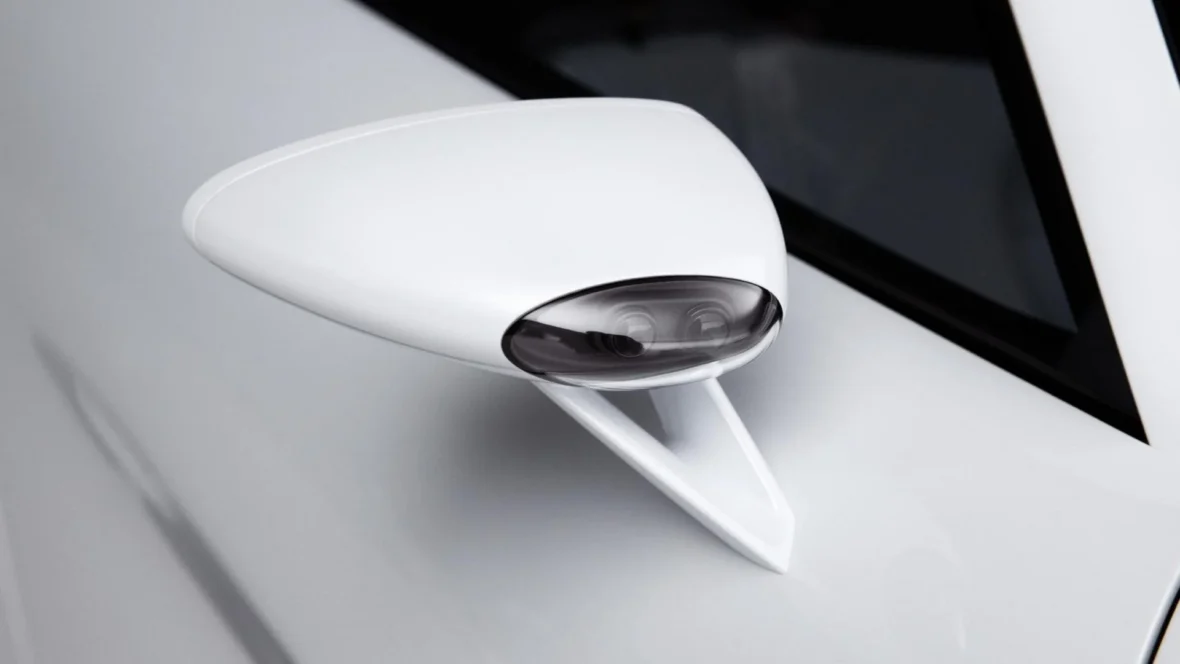
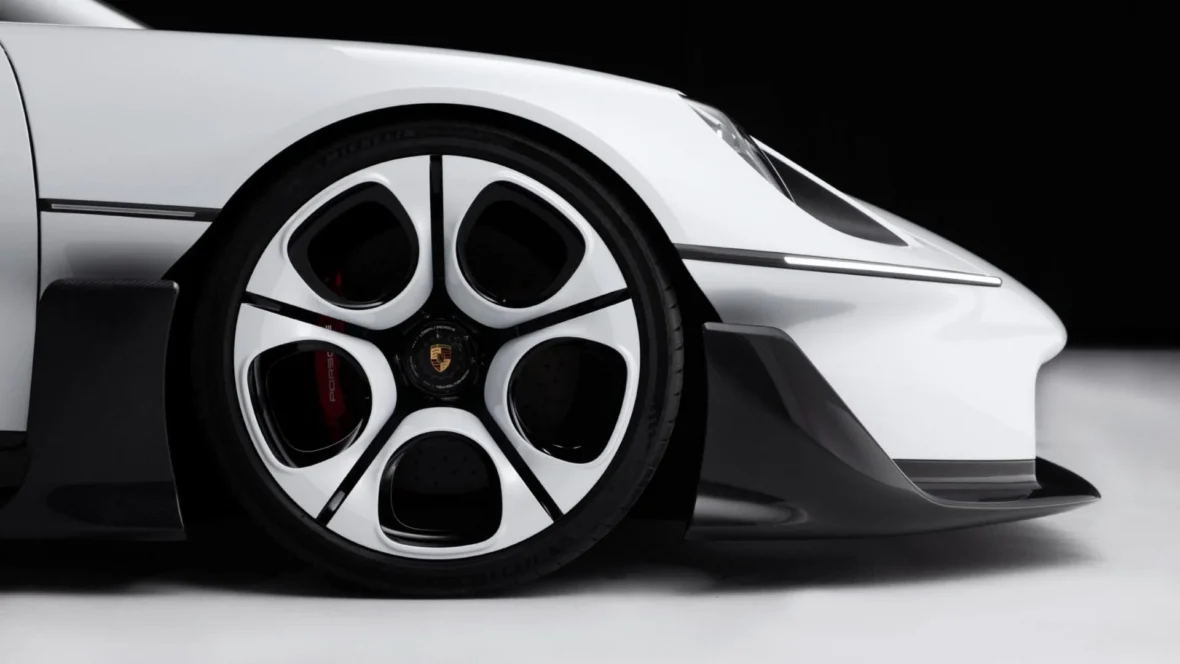
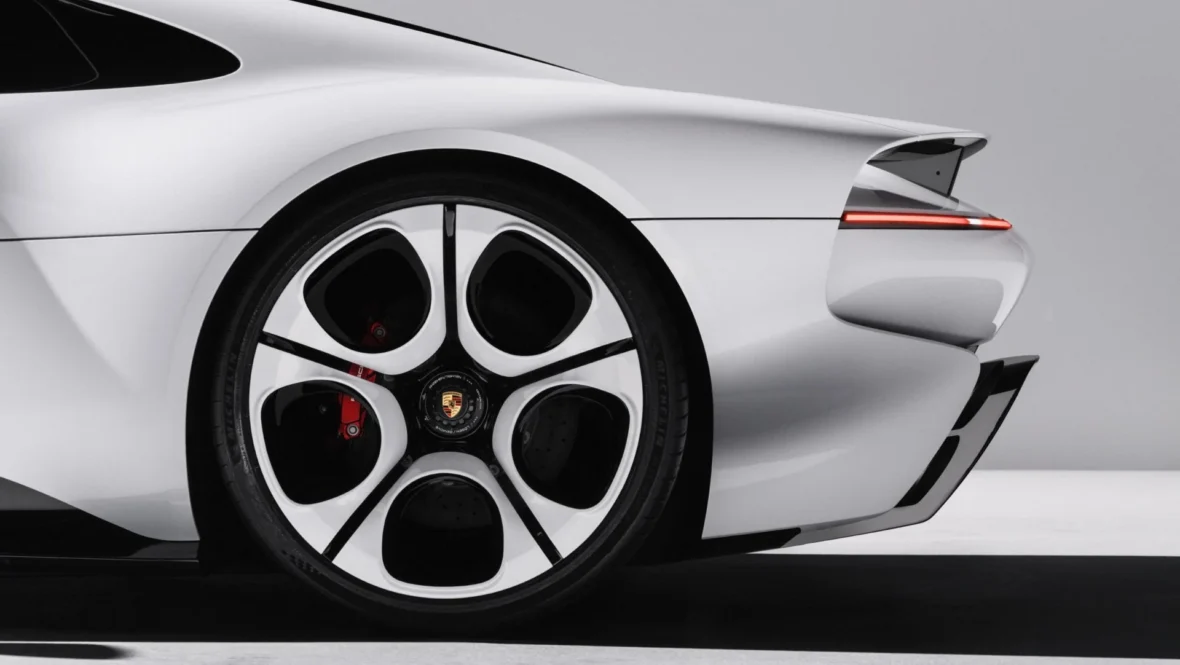
If you are a Porsche nerd, this is where it gets fun. The round headlights and fenders nod to the 911, the shut lines reference the G-model 911, and the flat front end recalls the 911 GT1. The roofline comes from the 959, and the car-in-car rear concept also draws on the GT1. Cooling elements echo the radiator fan of the legendary 917, the rear wing is fully integrated, and the lightweight wheel design is based on the 928’s dial wheels.
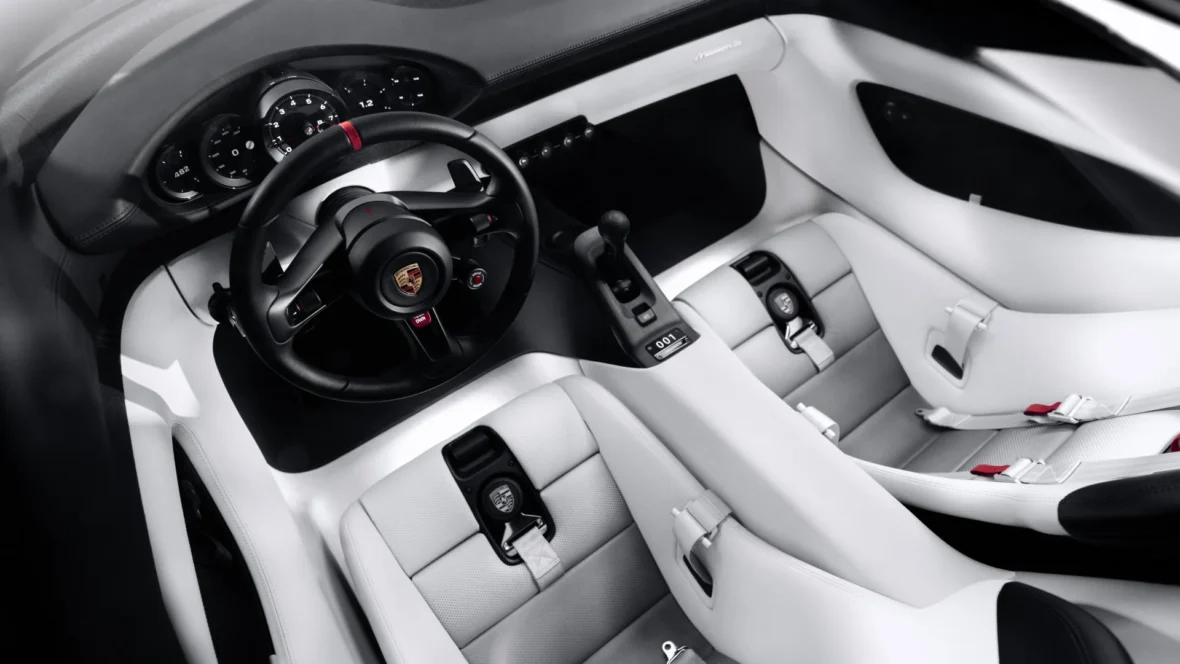
Porsche showed the Mission S in Firn White Metallic, Light Red Metallic, and Black Chrome, with a Special Black interior. Those colors were inspired by classic Porsche Motorsport liveries.
An Analog-Feeling Cockpit With No Center Screen
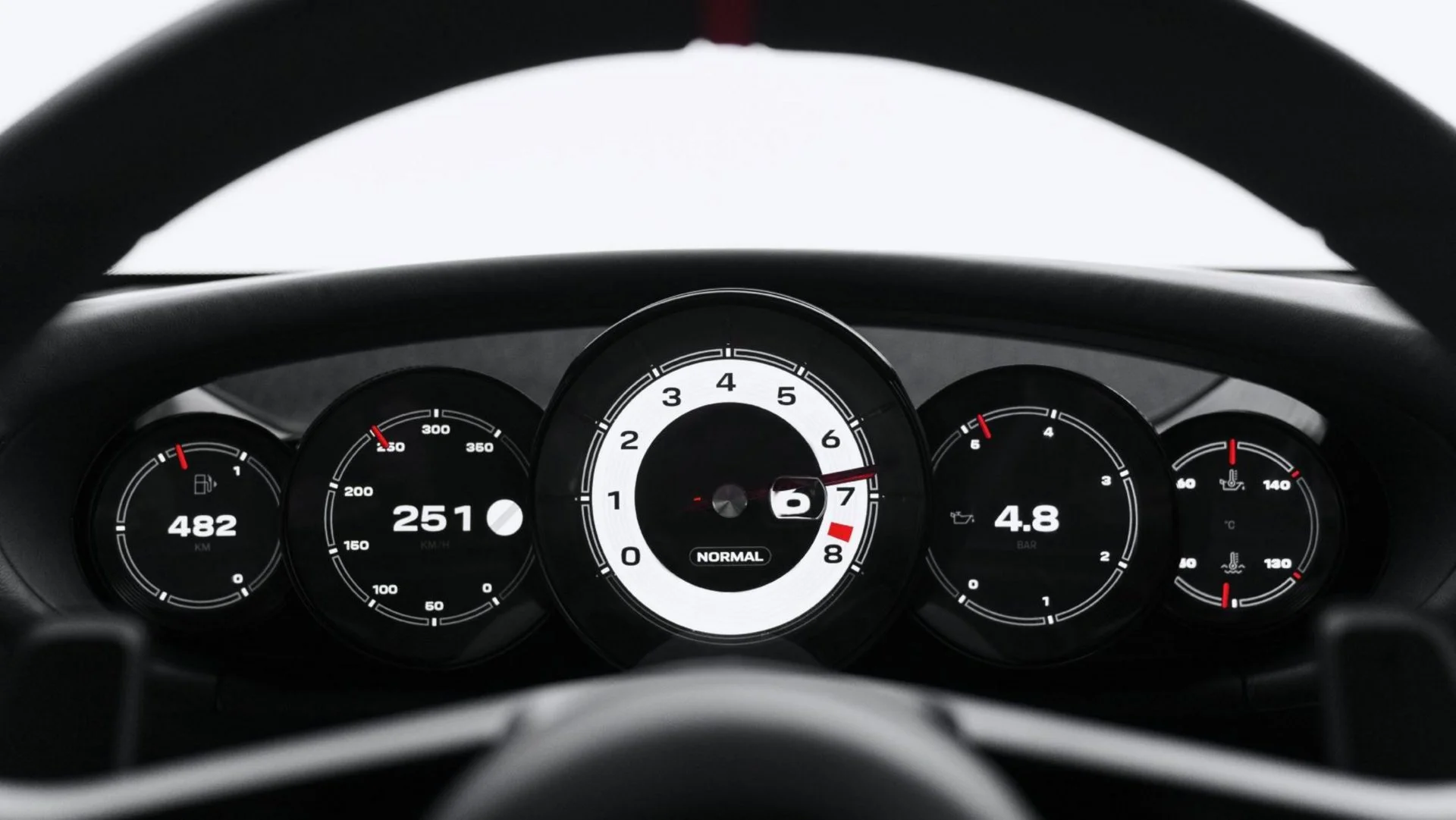
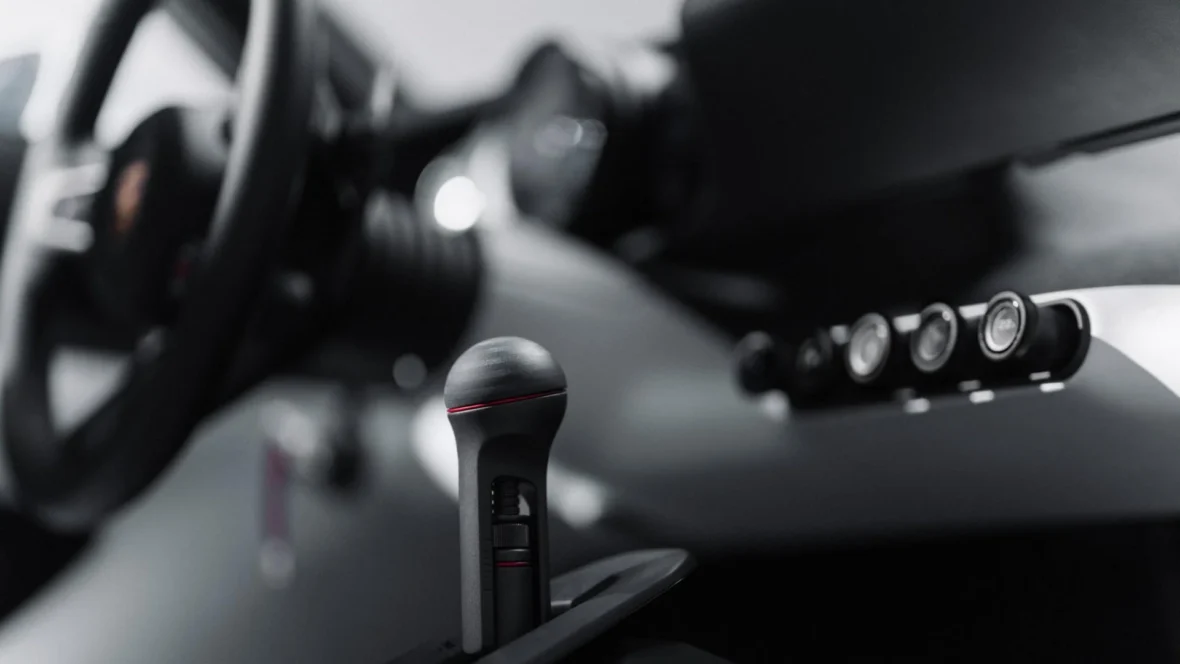
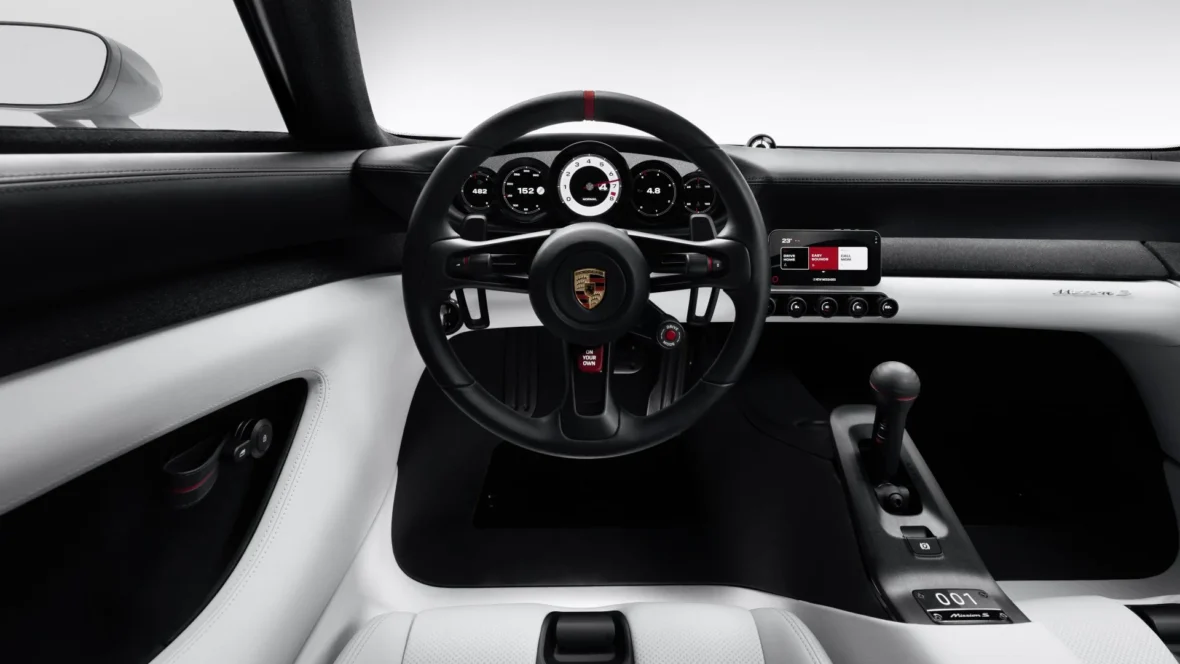
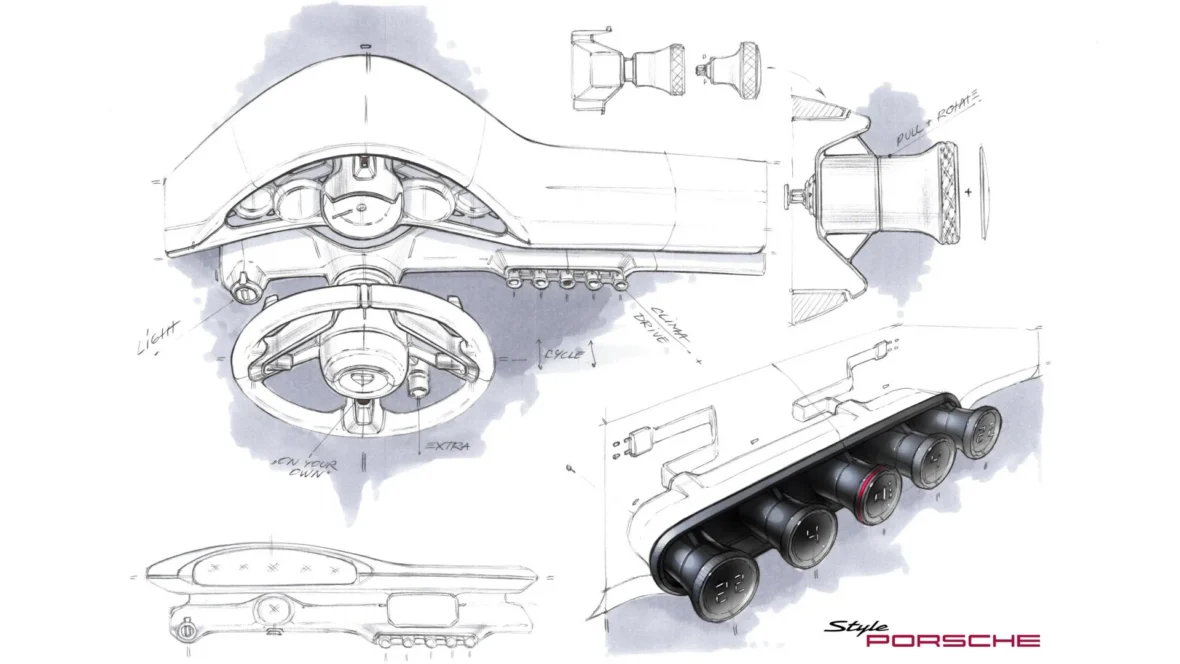
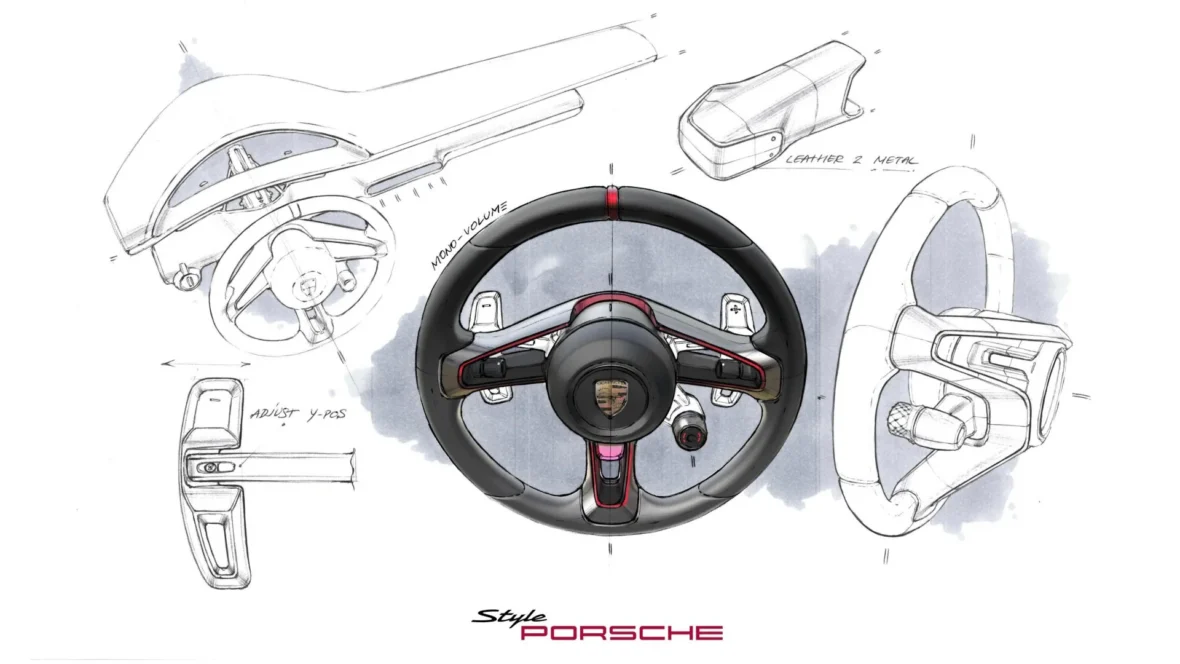
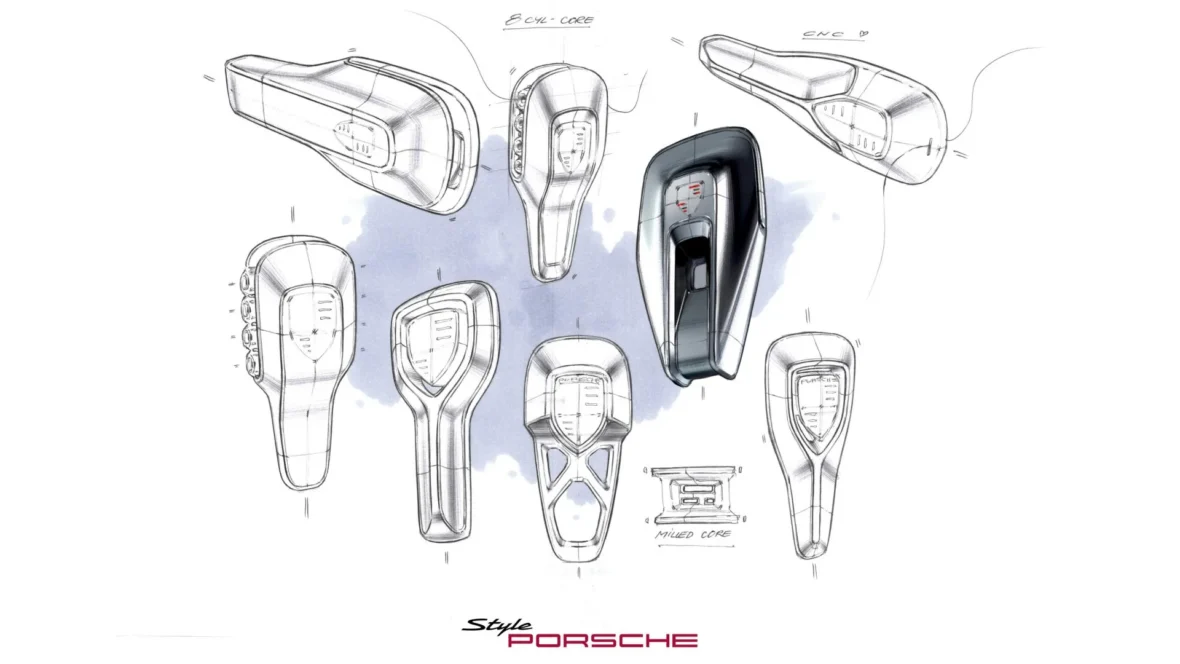
Inside, the layout draws inspiration from the 550 Spyder and 356. Two lines run through the dashboard and doors to tie the cabin to the exterior design, and Porsche blends analog switches and buttons with modern displays. The seats integrate the seatbelt buckle into the center panel and move the electric adjustment controls to a new spot.
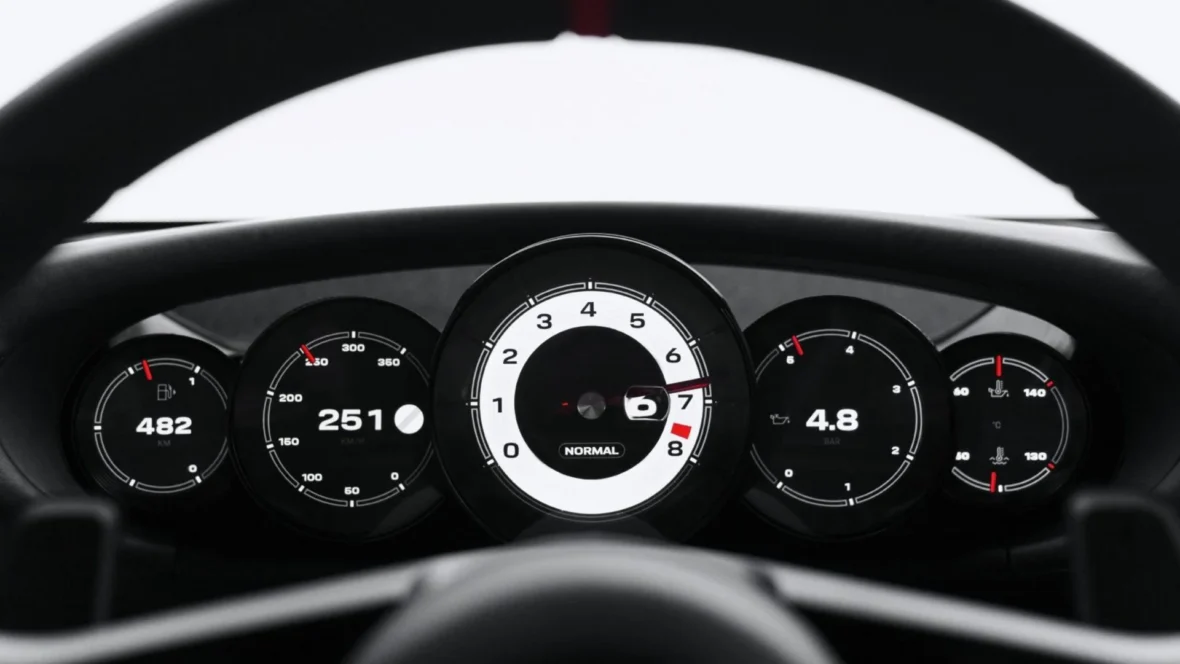
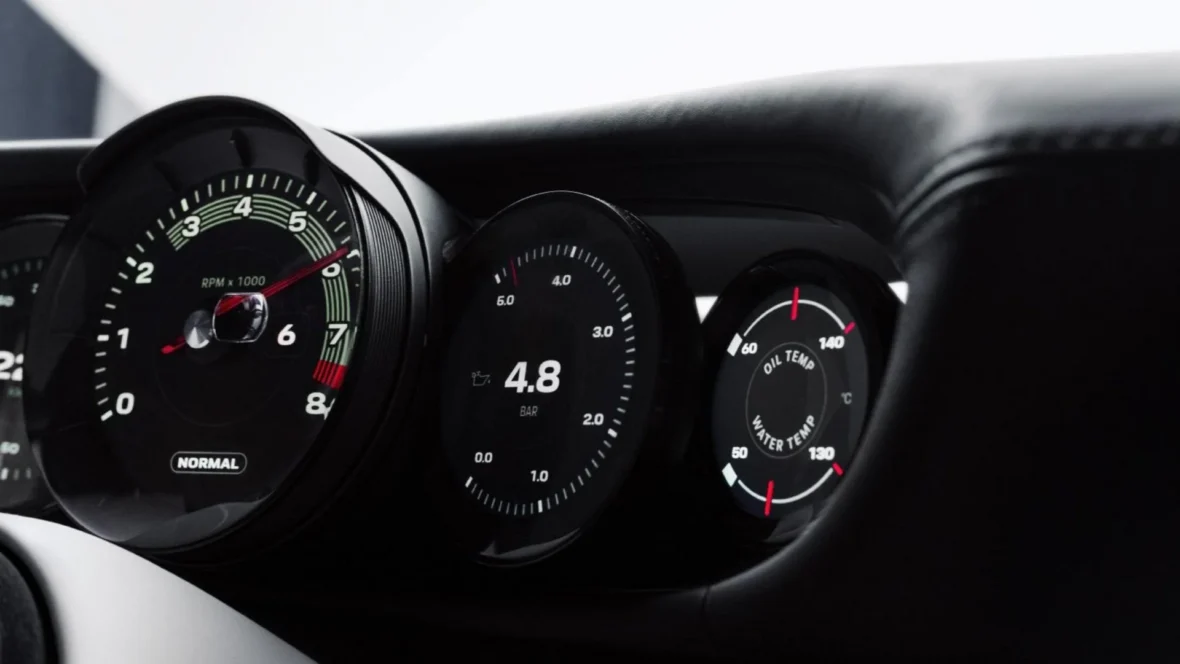
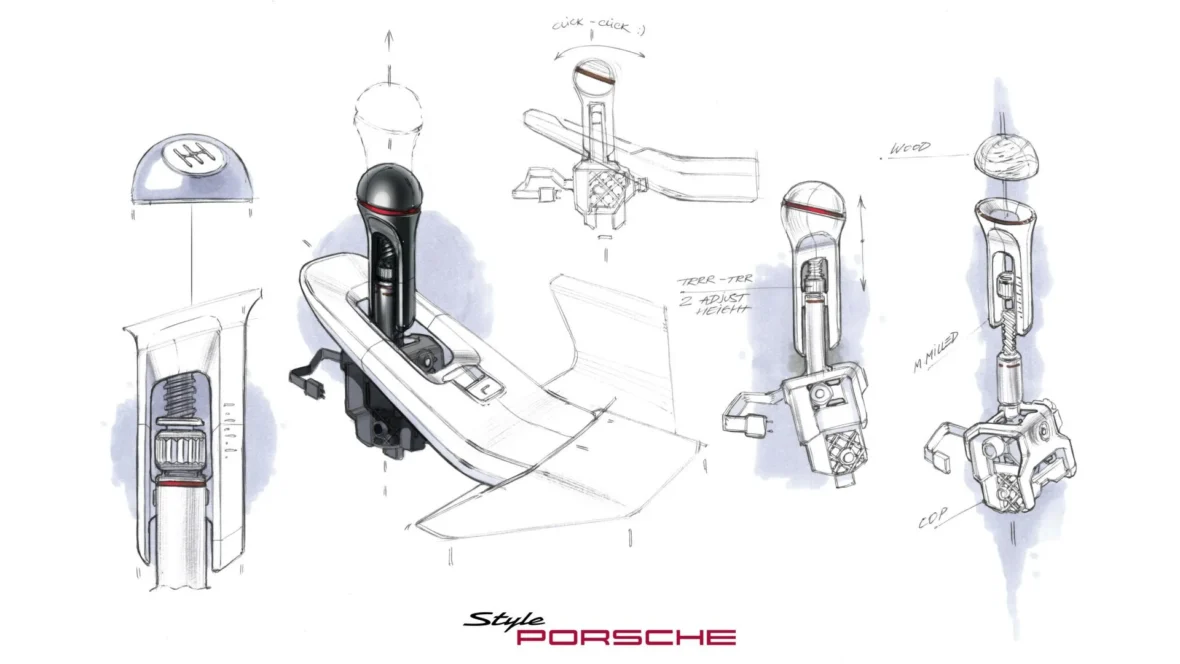
The instrument cluster uses five round tubes, a Porsche signature. The tachometer gets an analog needle, and its position and the tube layout change based on the drive mode. The key holder stays to the left of the steering wheel, as tradition demands, and push-pull controls in the dash give you direct access to comfort and driving functions. Porsche also redesigned the Sport Chrono element.
Here is the part I love most: there is no permanent center screen or passenger display. Instead, a retractable MagSafe-compatible smartphone holder becomes your navigation and information screen when you need it. The My Porsche app handles vehicle functions and even lets you pick historically inspired digital designs for the round gauges. In a world where every new car seems to add another screen, Porsche is going the other direction, and I am here for it.
What the Porsche Mission S Means for the Brand
Porsche frames the Mission S as part of its “Sportwagenschmiede 35” strategic realignment, which roughly translates to “sports car forge.” It arrives at a time when Porsche is reshaping itself, including the Porsche Future Package that cuts jobs while investing billions in what comes next. A permanent mid-engine model above the 911 sends a clear message that the company is doubling down on what it does best: sports cars.
As Leiters put it, “A Porsche must be recognizable as a Porsche at first glance.” The Mission S certainly is. Between this, the return of the manual 911 Carrera S, and a cockpit that ditches the giant center screen, Porsche seems to be listening to enthusiasts. Now we just need to know what is powering it, and when we can drive it.
Want more automotive news like this? Sign up for our weekly newsletter to get the latest stories delivered to your inbox every Thursday morning.