
Musk Says Cybertruck Buyers Will Get Refunds, Not Trucks, as Production Winds Down

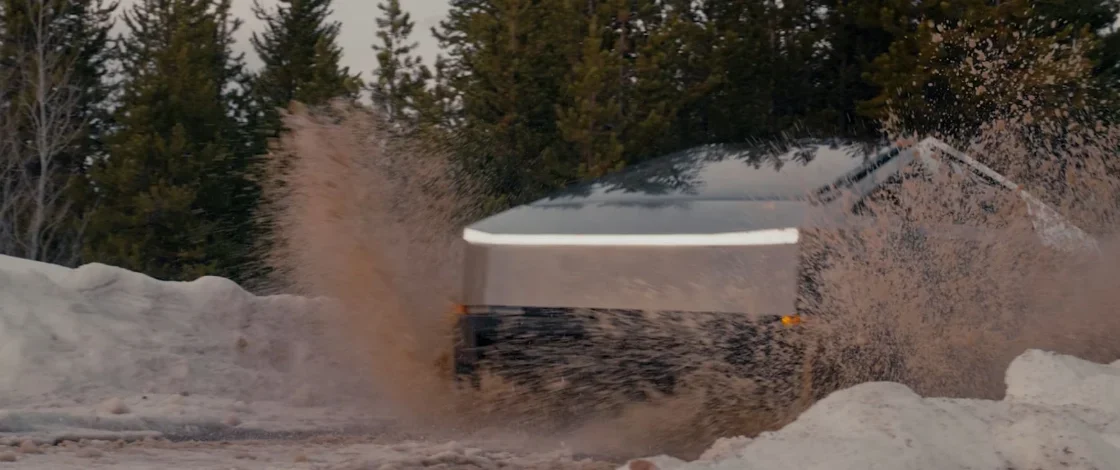
Tesla’s Cybertruck has been a controversial ball and chain for the company since it entered production a few years ago. Now, it’s being axed, with production scheduled to end in mid-2027. The Cybertruck was supposed to be a bold moonshot into the EV pickup wars, but sales never matched Tesla’s projections.
With the Cybertruck axed, questions emerged about demand. Musk once touted more than 1 million reservations. CEO Elon Musk dumped a big bucket of cold water on some of these remaining customers. Tesla will build as many trucks as it can, but he says there will be more orders than it can fill.
Musk Says Cybertruck Wasn’t a Financial Flop
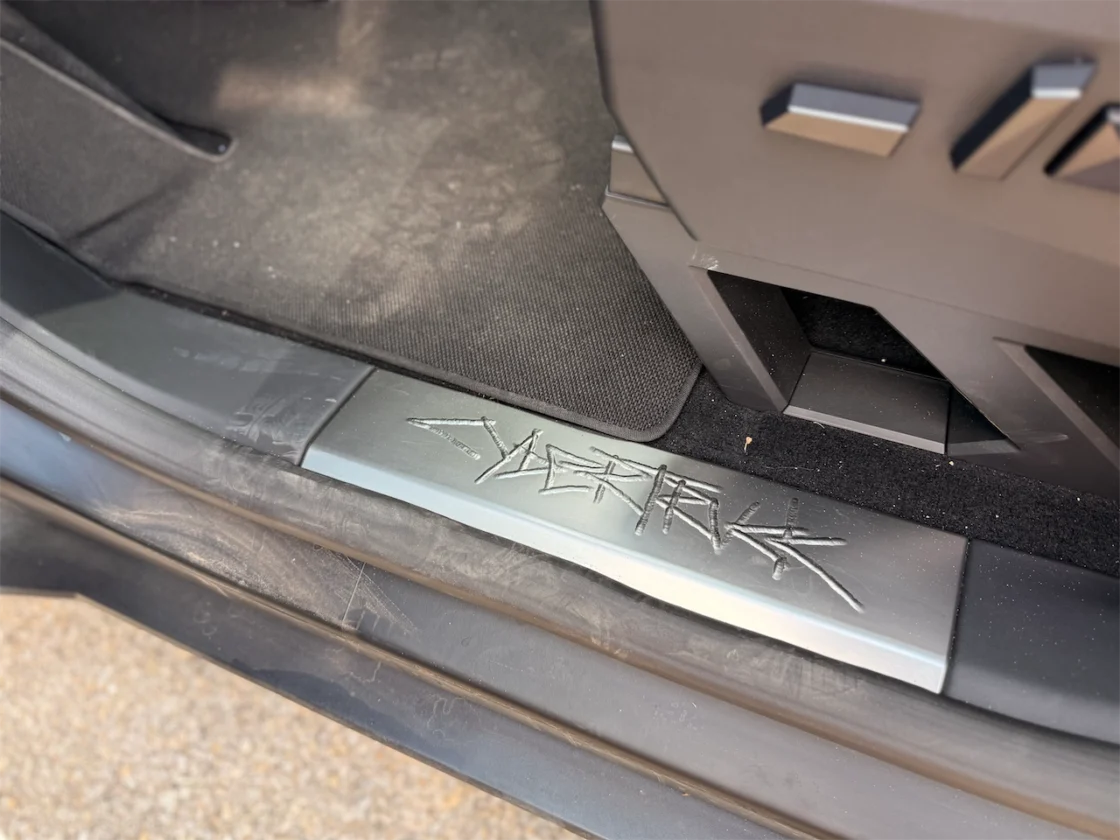
This latest chapter in the Cybertruck saga began last week, when Musk revealed the truck would end production. The electric pickup’s sales have been moribund, far below Tesla’s projections of 250,000 a year. Instead, the company is poised to finish with fewer than 100,000 sales over the truck’s entire production run.
These weak sales also highlighted another problem: the glut of unsold Cybertruck inventory. The company has resorted to parking excess inventory in storage lots around the country to free up space. This effort occasionally drew unwanted attention. Tesla got caught illegally storing dozens of them in a mall parking lot in Farmington Hills, Michigan, back in 2025. City officials weren’t pleased, and they forced the landlord and Tesla to boot the trucks off the mall property.
But despite all the evidence to the contrary, Musk insists this “is not a case of Cybertruck being unprofitable.” Instead, the CEO claims the line is closing to make room for more Cybercab robotaxis, which have begun testing in select U.S. cities.
Many Customers Will Be Left Hanging
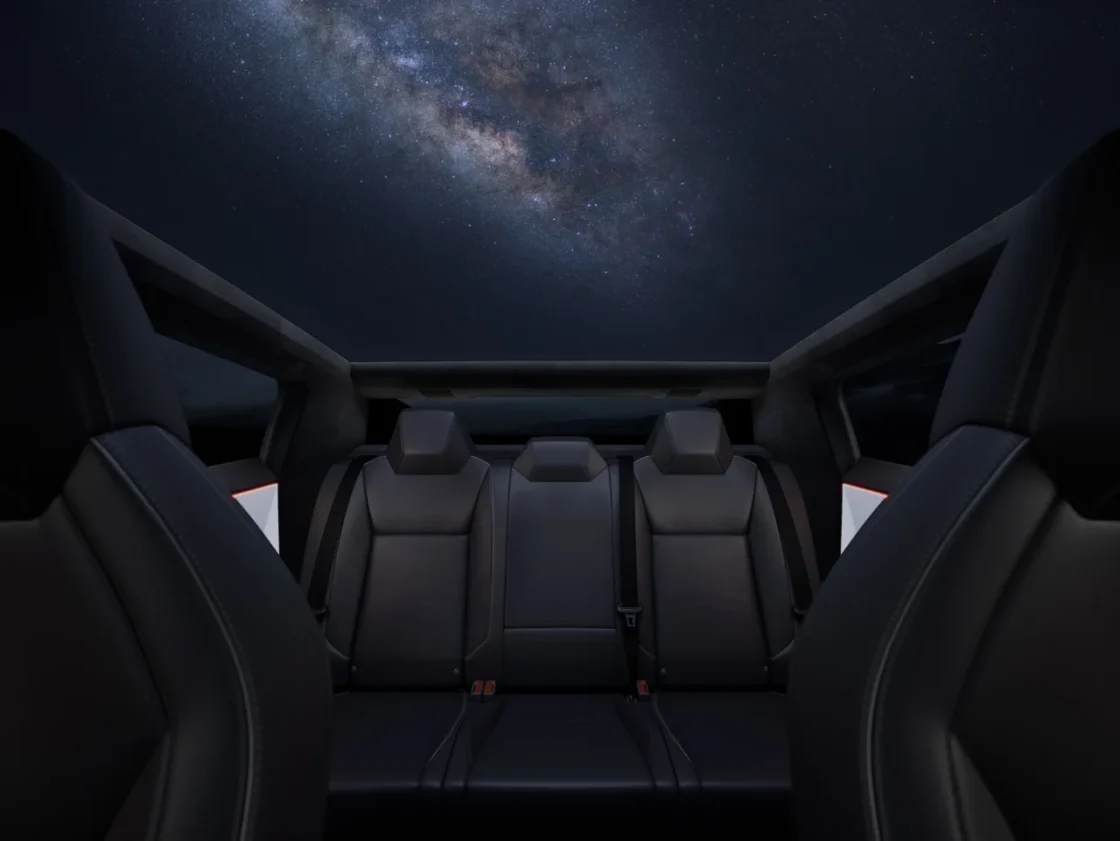
In an update posted on X this week, Musk claimed that “the Cybertruck order rate far exceeds our production rate.” He added that Tesla will “try to make as many as possible before shutting down the line in about 8 months.” That might be good news for customers at the front of the line. However, many who put down a deposit later will not get a truck. Instead, they will get a shiny, factory-fresh refund check to show their friends.
They will have plenty of company, too, with Musk revealing the company “will have to return deposits for a lot of people.” Cybertruck deposits came in two forms. The first was a $100 reservation fee that rose to $250 as production commenced. Tesla started that system in 2019 before dropping it in 2024.
In its place was a direct order system. The outgoing $250 charge was still there, but Tesla said these payments were non-refundable. However, with Tesla canceling the truck, Musk’s post suggests many of those customers will get their money back. These refunds will also drain the company’s bottom line. It remains to be seen how much financial damage they will cause when all is said and done.
Move Comes as Tesla Is Feeling the Heat From Regulators
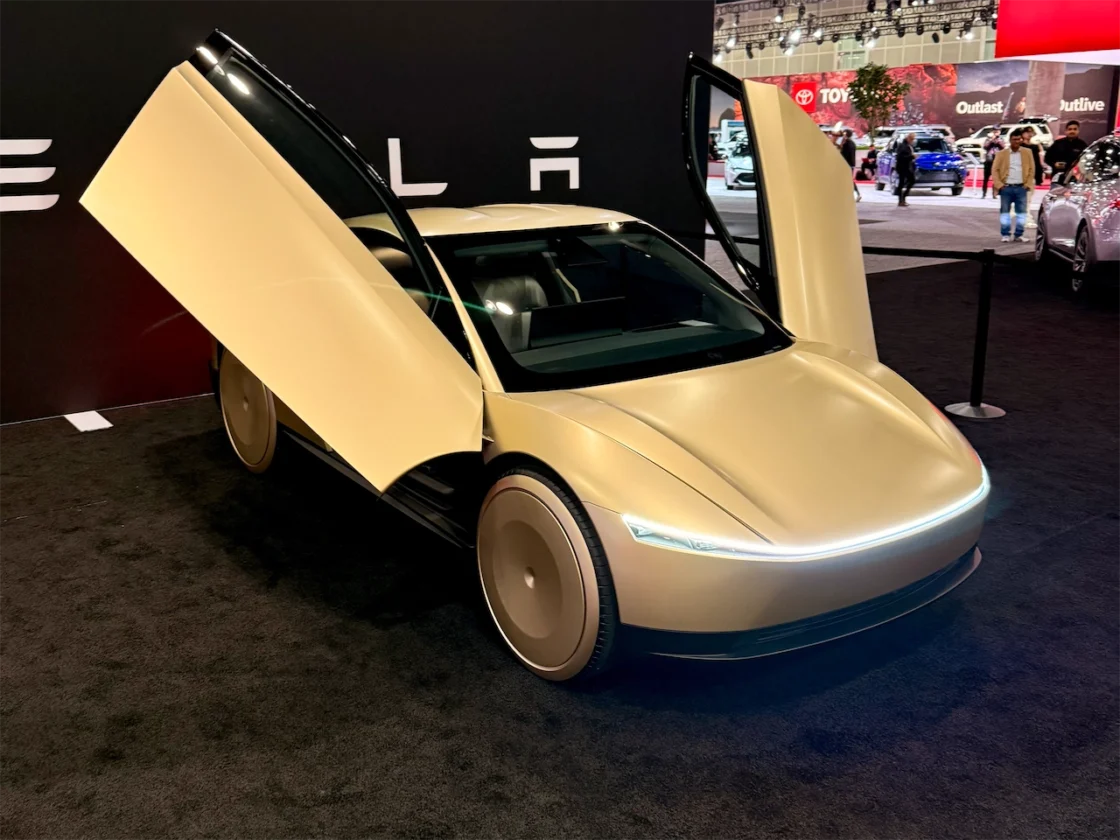
Tesla’s decision to axe the Cybertruck and shift the factory to Cybercab production may seem logical at first glance. However, this plan could hit hurdles of its own as the company faces increased scrutiny from federal regulators. The National Highway Traffic Safety Administration (NHTSA) is asking new questions about Tesla’s self-certification that the Cybercab meets certain safety requirements. If the agency feels Tesla’s data isn’t accurate, the company could face steep penalties and be forced to yank the Cybercab off the road. That would throw a wrench into Musk’s plan to reuse the Cybertruck’s production line for Cybercab production.
In addition to lingering questions about the Cybercab’s ability to keep people safe, Tesla’s controversial autonomous driving system continues to be the proverbial pebble in NHTSA’s shoe, with a separate investigation looking into whether the software is intentionally allowing the cabs to speed through active school zones.
Tesla Keeps Looking Ahead
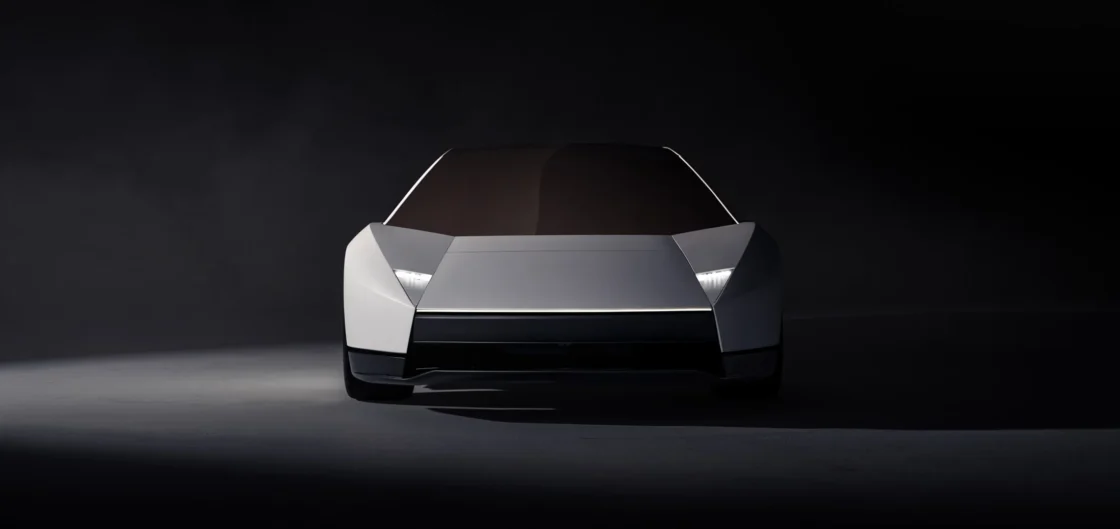
In the meantime, Musk and Tesla continue to look forward, with the company teasing a new iteration of the long-promised but never-produced Tesla Roadster. One version was even designed to “fly” with the help of special cold-gas thrusters. However, the car used in that bold stunt was a specially designed prototype, and AI content creators immediately swarmed the internet with Roadster-themed videos. But with the Cybertruck’s failure, it remains to be seen if Tesla will push that model into production.