The New Tesla Roadster Is Finally Here, and One Version Can Fly
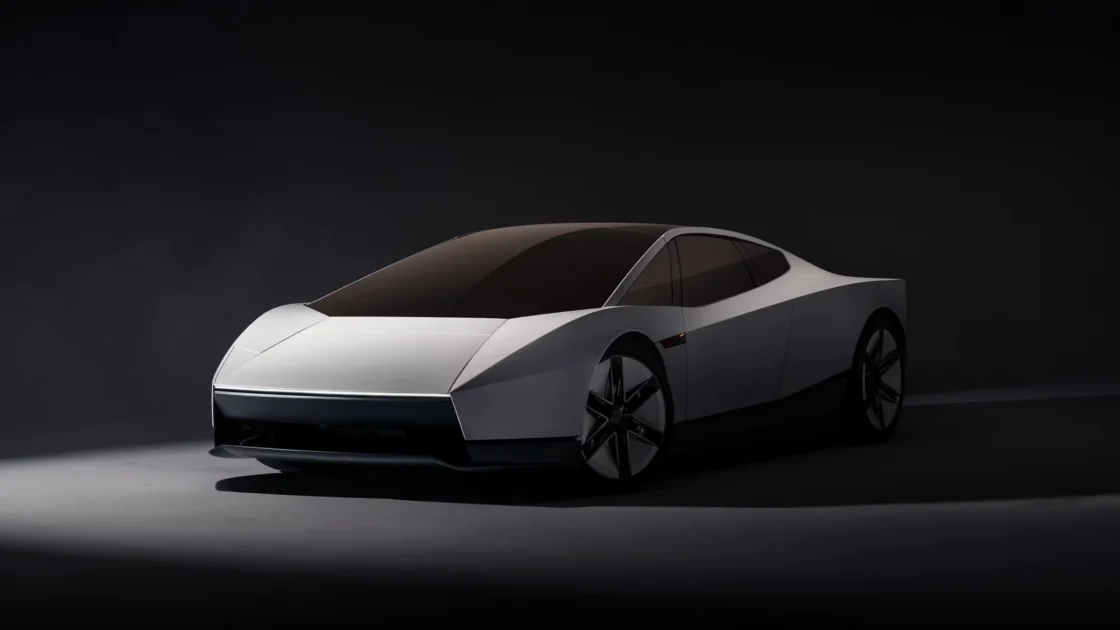
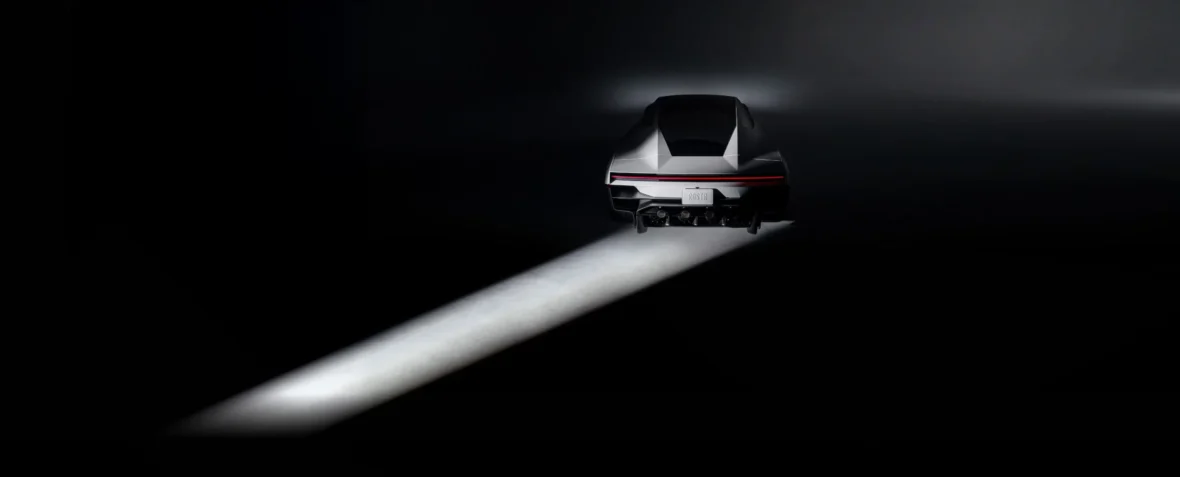
Nearly nine years after Tesla first showed it off, the new Tesla Roadster is finally here, sort of. Tesla revealed the production version of its electric supercar Thursday night at an outdoor event outside Waco, Texas, and it showed up with something no other road car has ever offered: SpaceX-inspired cold-gas thrusters.
Yes, you read that right. One version of the Roadster is designed to fly. Here is everything we know about Tesla’s wildest product yet, and why I am keeping my expectations firmly on the ground.
Three Trims, Including One That Can Fly
Tesla is offering the Roadster in three versions. The base Performance model seats two and gets active aerodynamics plus what Tesla calls a multi-mode suction system for maximum downforce. Tesla calls it “road ready,” and it is available by reservation.
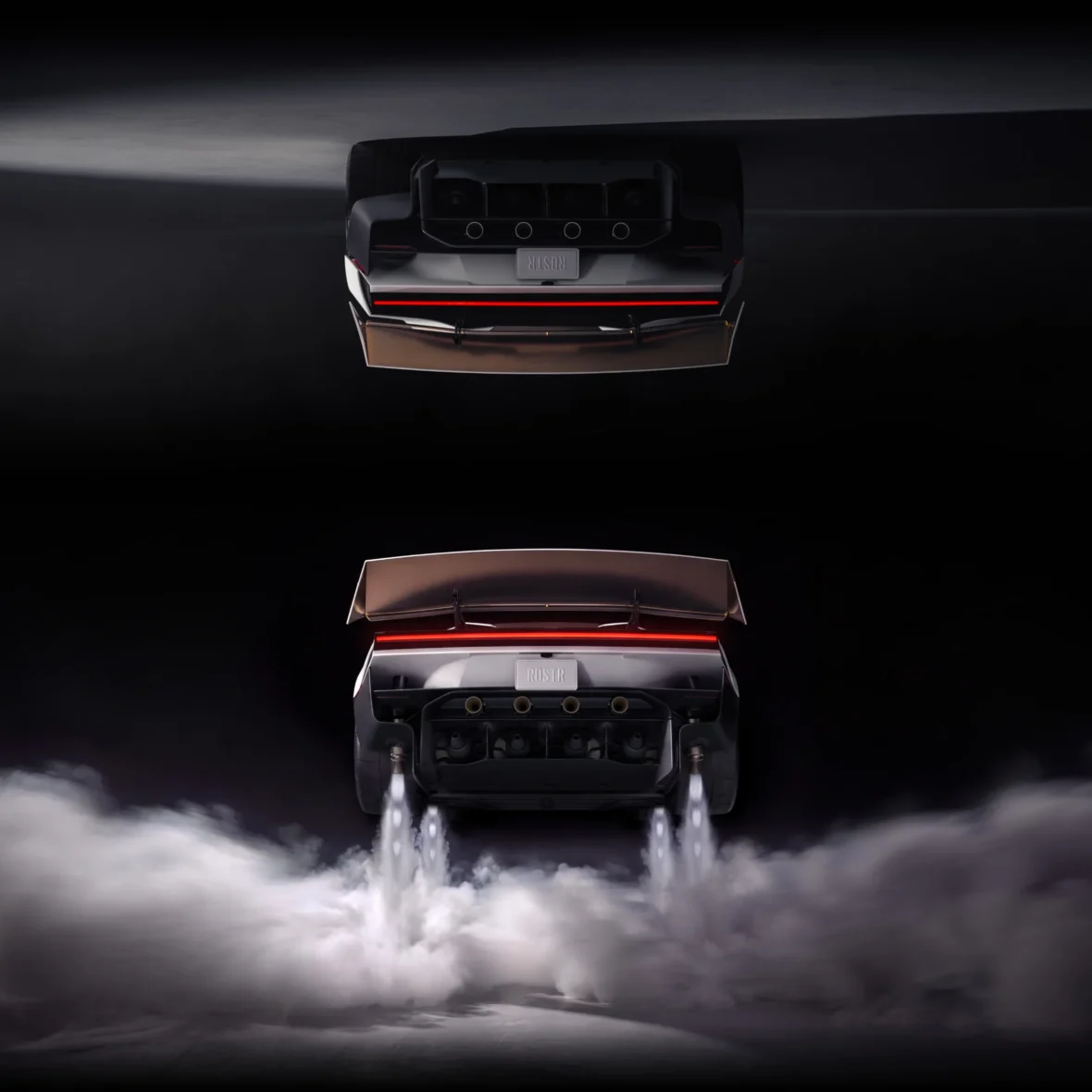
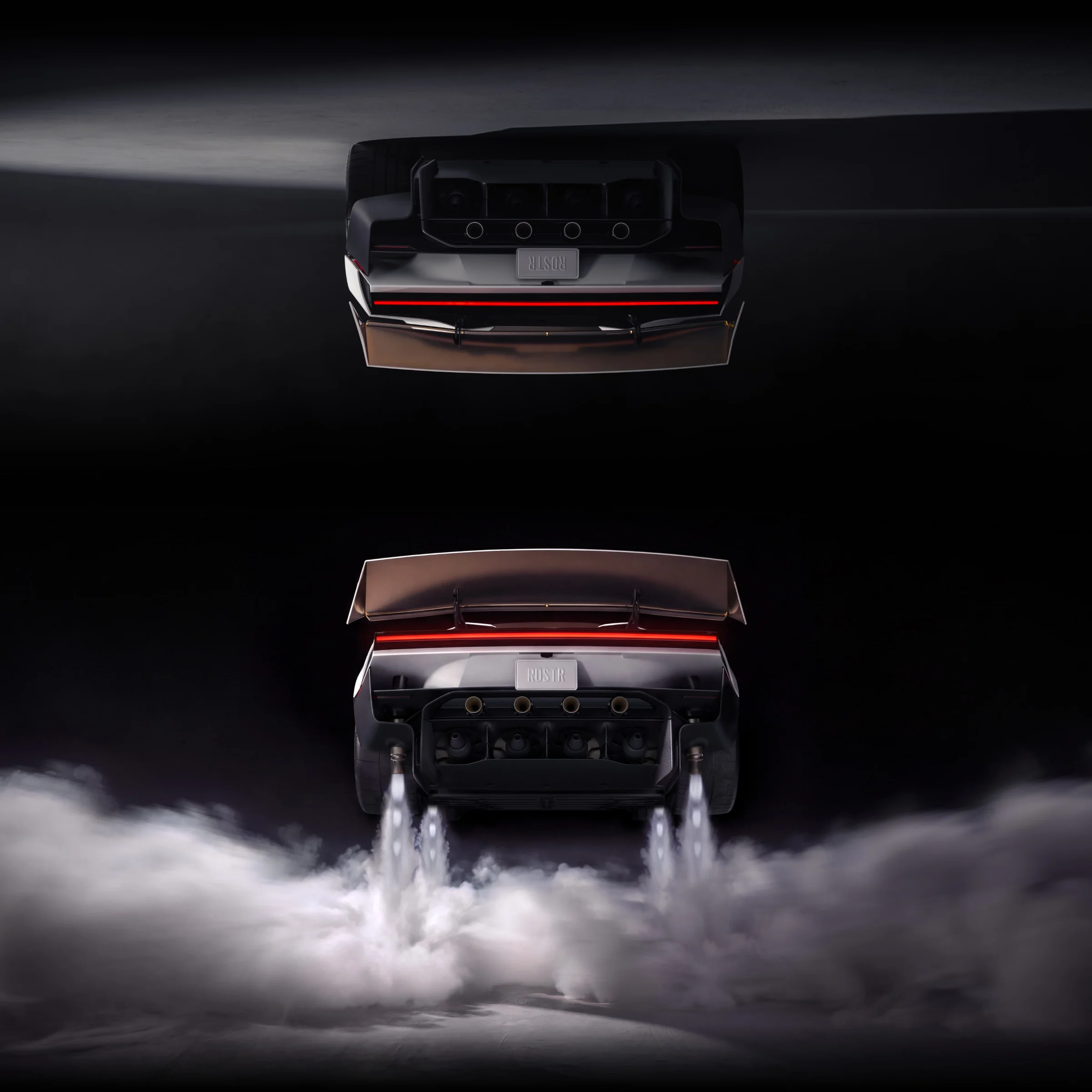
Step up to the Thrust augment, a limited release, and you add cold-gas thrusters at the rear of the car. According to Tesla, that setup launches the Roadster from 0 to 60 MPH in under one second.
Then there is the invite-only Rocket. It seats just one person and places cold-gas thrusters around the entire perimeter of the car to support forward, upward, and rotational movement. Tesla’s own website puts it plainly: “So yes, it can fly.” Tesla also notes it is not approved for public road use and won’t be offered in all regions.
A Fan System Strong Enough to Hold It Upside Down
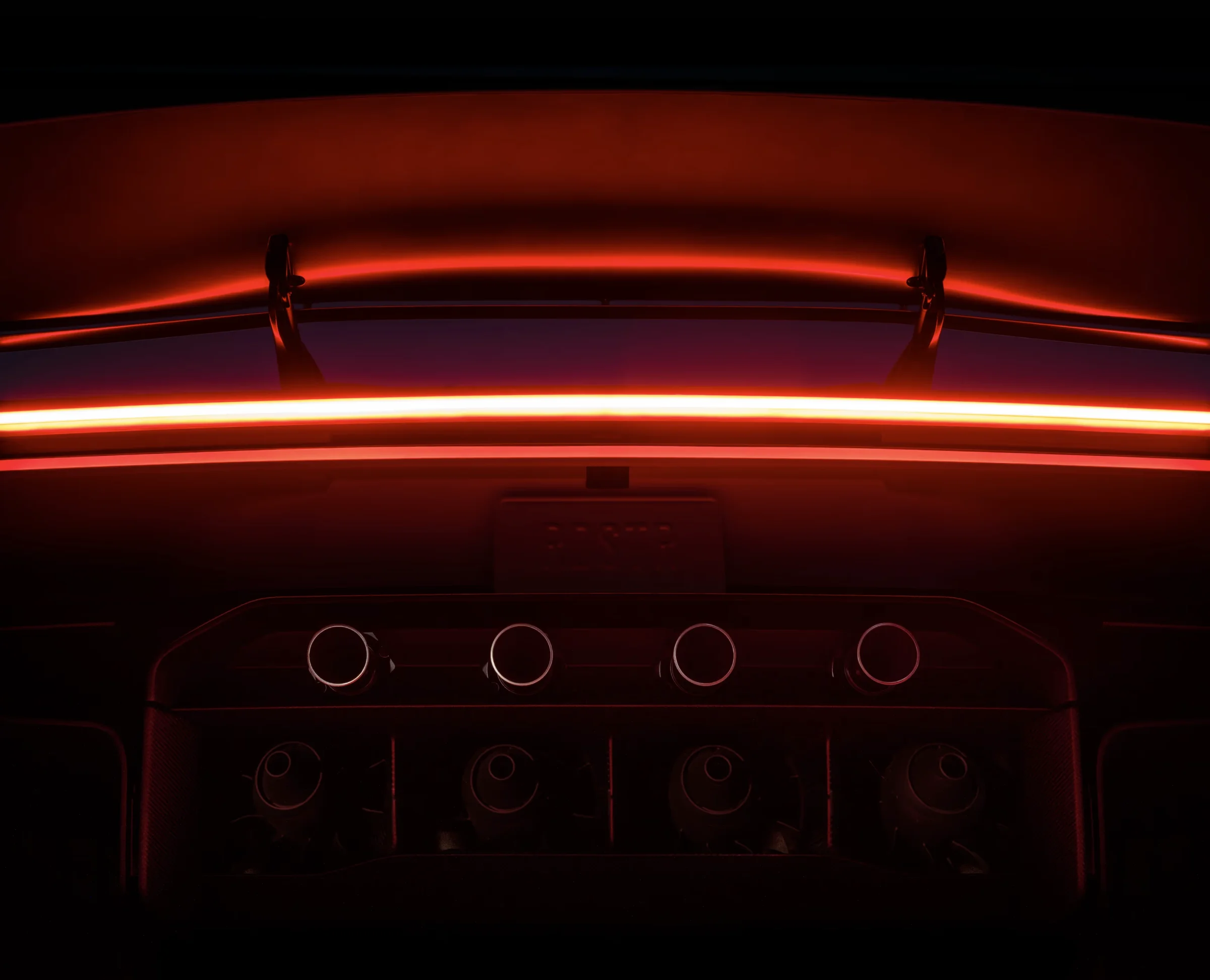
Thrusters get the headlines, but the Roadster’s fan and ground-sealing system might be the more useful trick. It works as a downforce generator, pulling air out from beneath the car. Tesla says it creates enough suction to hold the Roadster upside down, even when it is standing still.
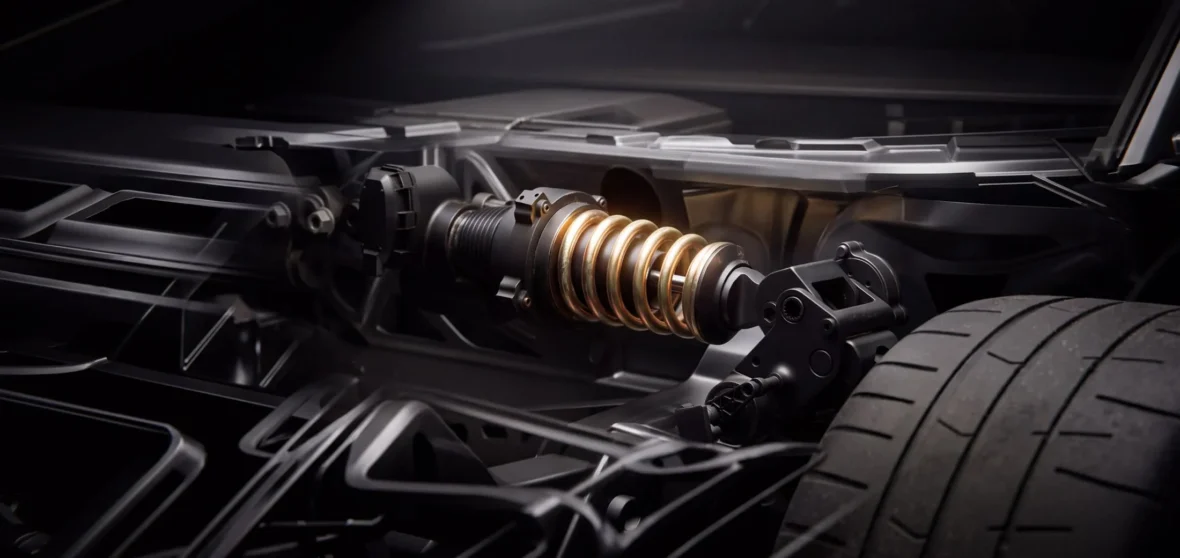
Powered fans and active wings work to maximize traction and cornering speeds, and Tesla claims they generate massive downforce at zero speed. A Track Mode lowers the car and transforms the suspension, and drivers can then choose between high downforce and low drag modes. On the Rocket, the thrusters use all-electric actuators to make micro adjustments in a fraction of a second, which helps stabilize the car in flight.
During the reveal, Tesla demonstrated the car driving up an inverted ramp and using its thrusters to hop over a lineup of other Tesla models, including the Cybertruck and Semi. Tesla engineering vice president Lars Moravy said the thrusters draw on 600 liters of compressed air that can be recharged.
What We Know About Range, Speed, and Price
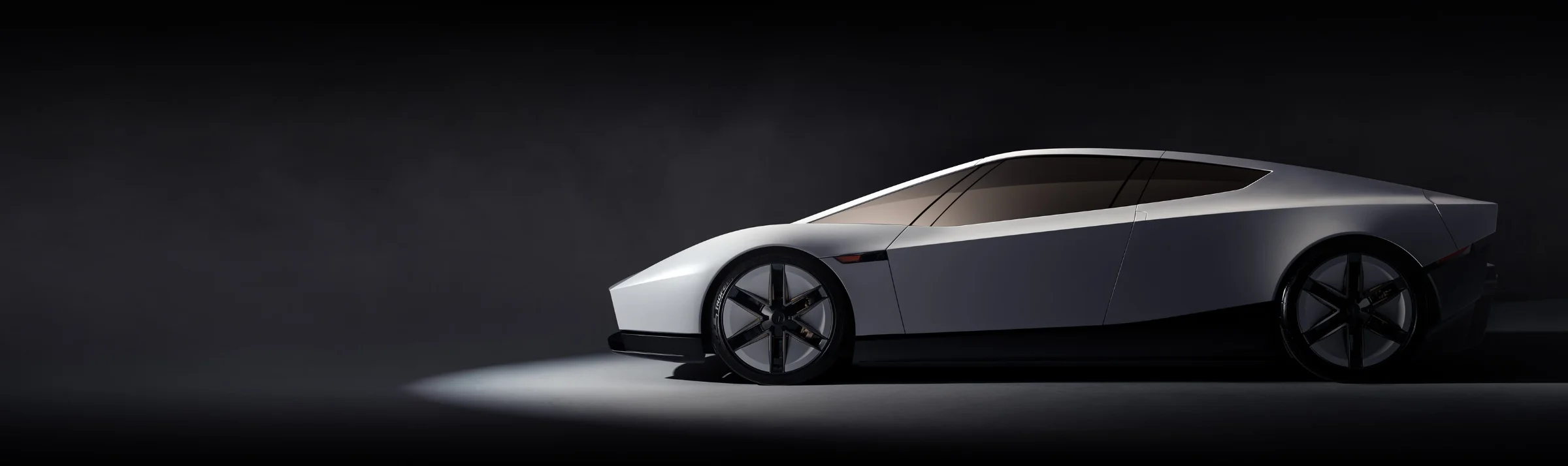
Tesla’s website is light on hard numbers, but the company shared a few during the event. Every trim is expected to deliver about 300 miles of range, with top speeds above 230 MPH. Elon Musk said production will start in 2028.
Pricing has not been announced. Reservations reportedly start at $50,000 for the Performance model and $250,000 for the Thrust, while the Rocket is invite only. Musk also called the Roadster a halo product and admitted it may not move the needle much for Tesla’s revenue.
Design Inspired by Aerospace
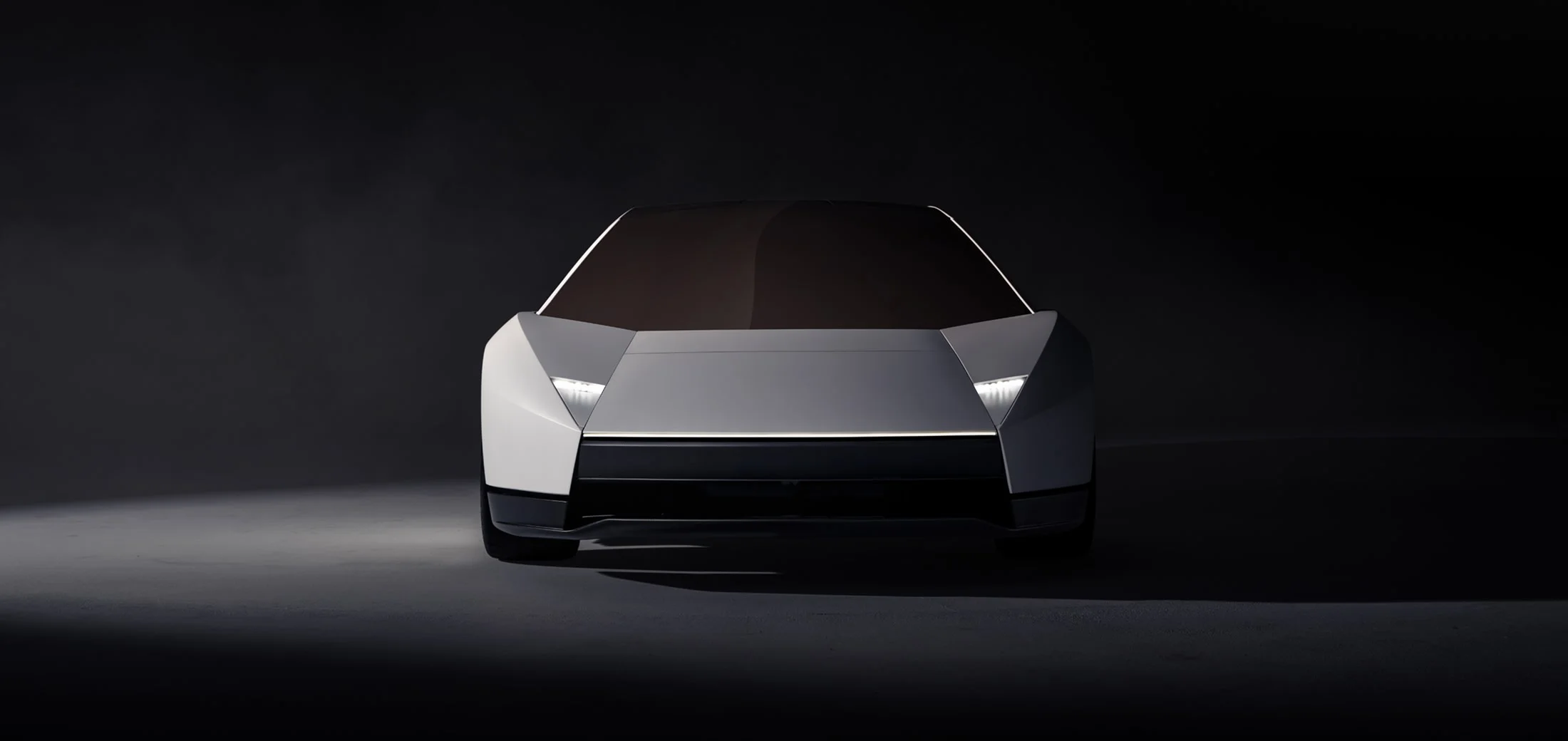
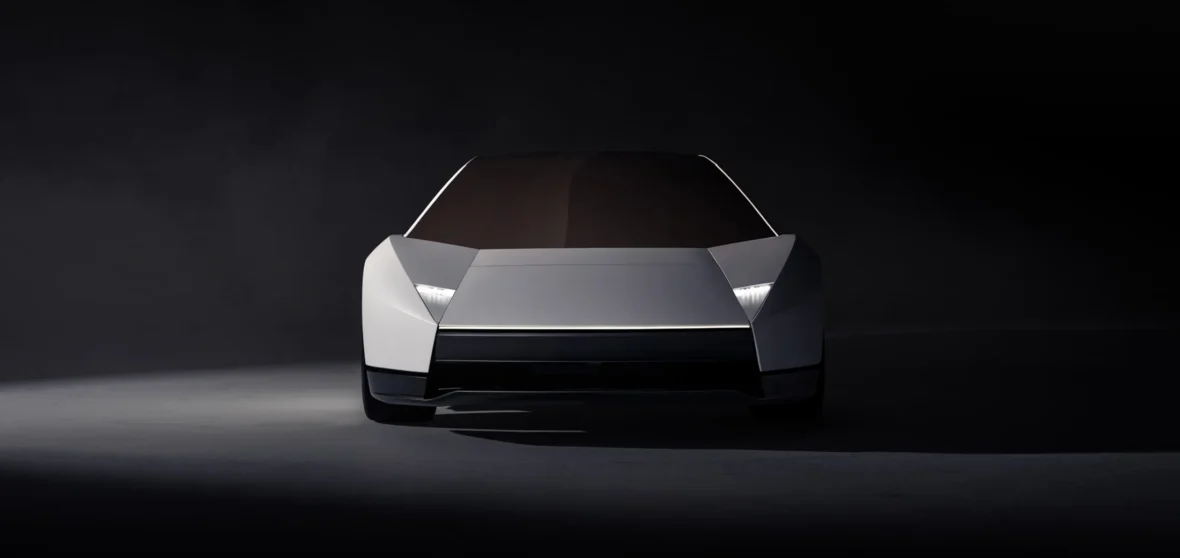
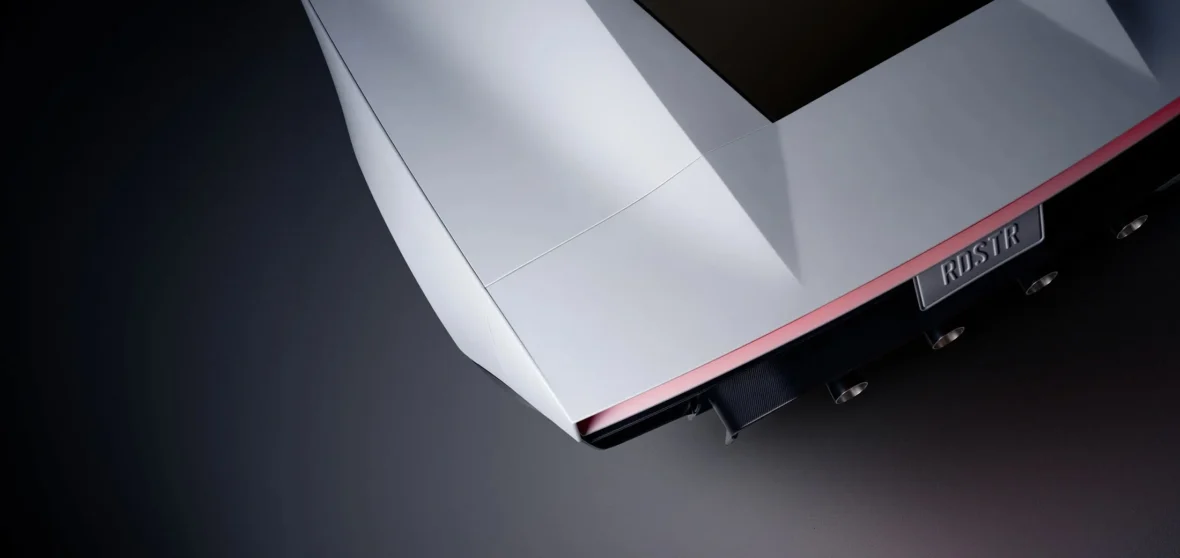
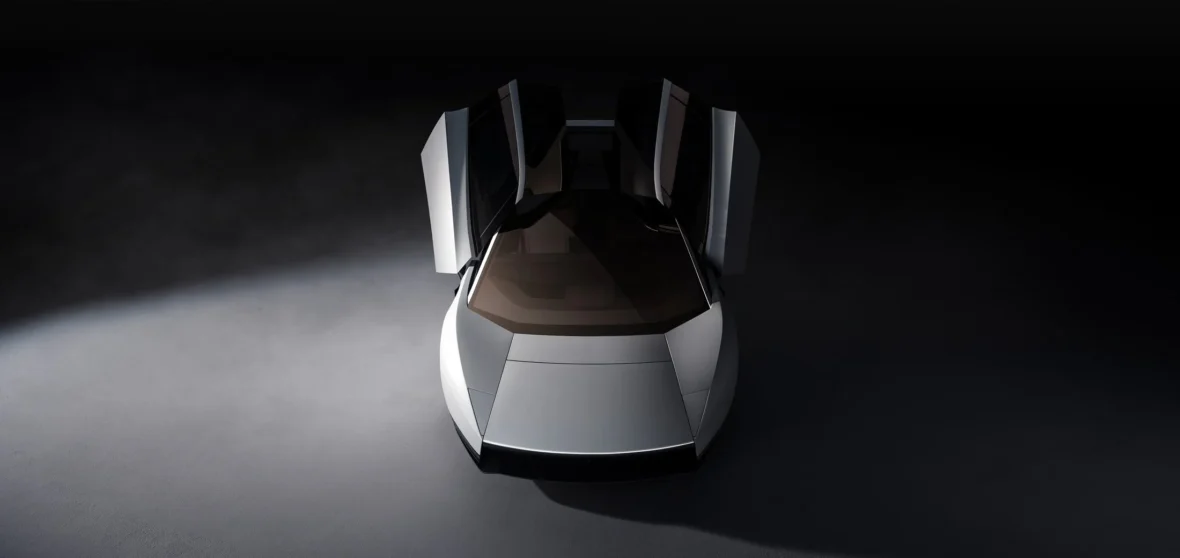
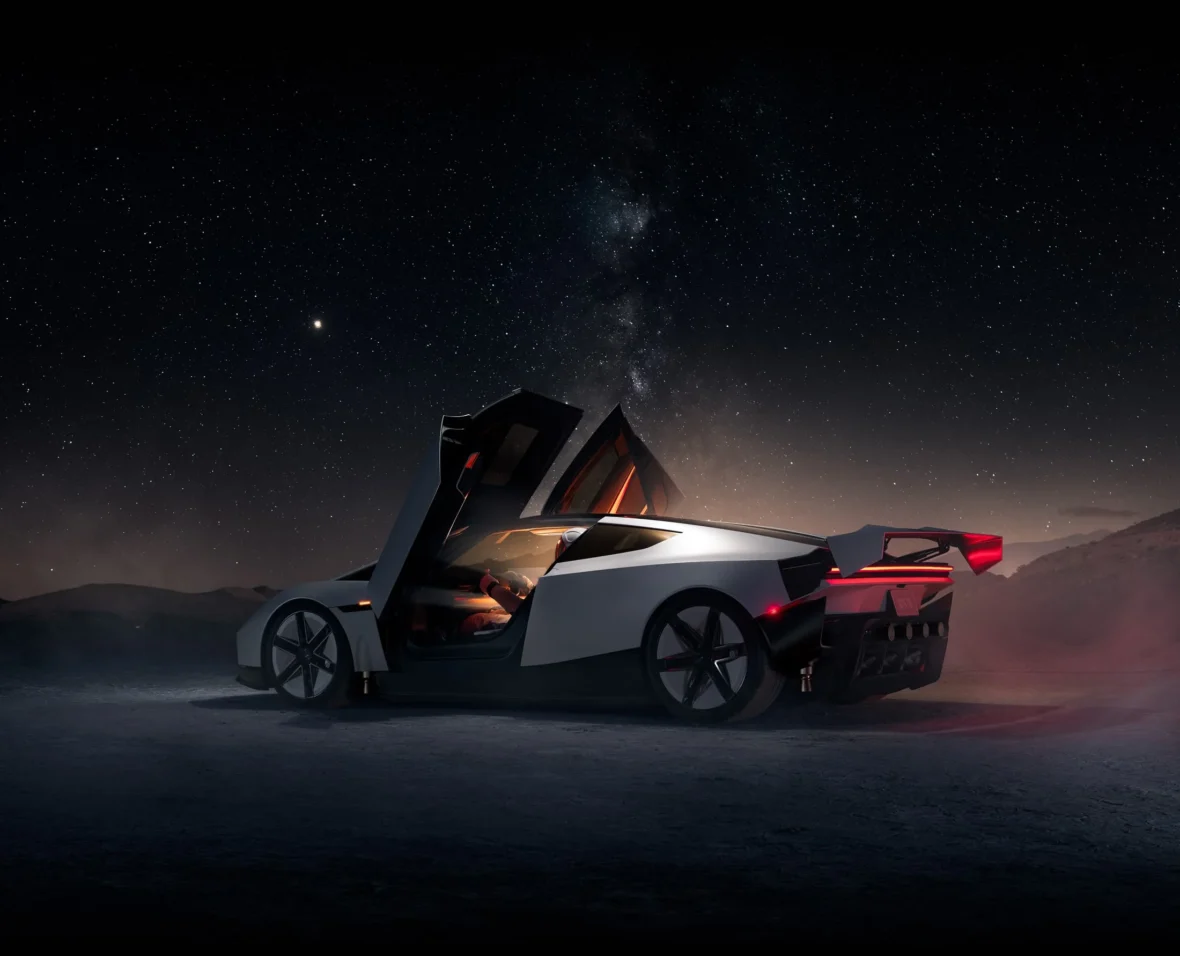
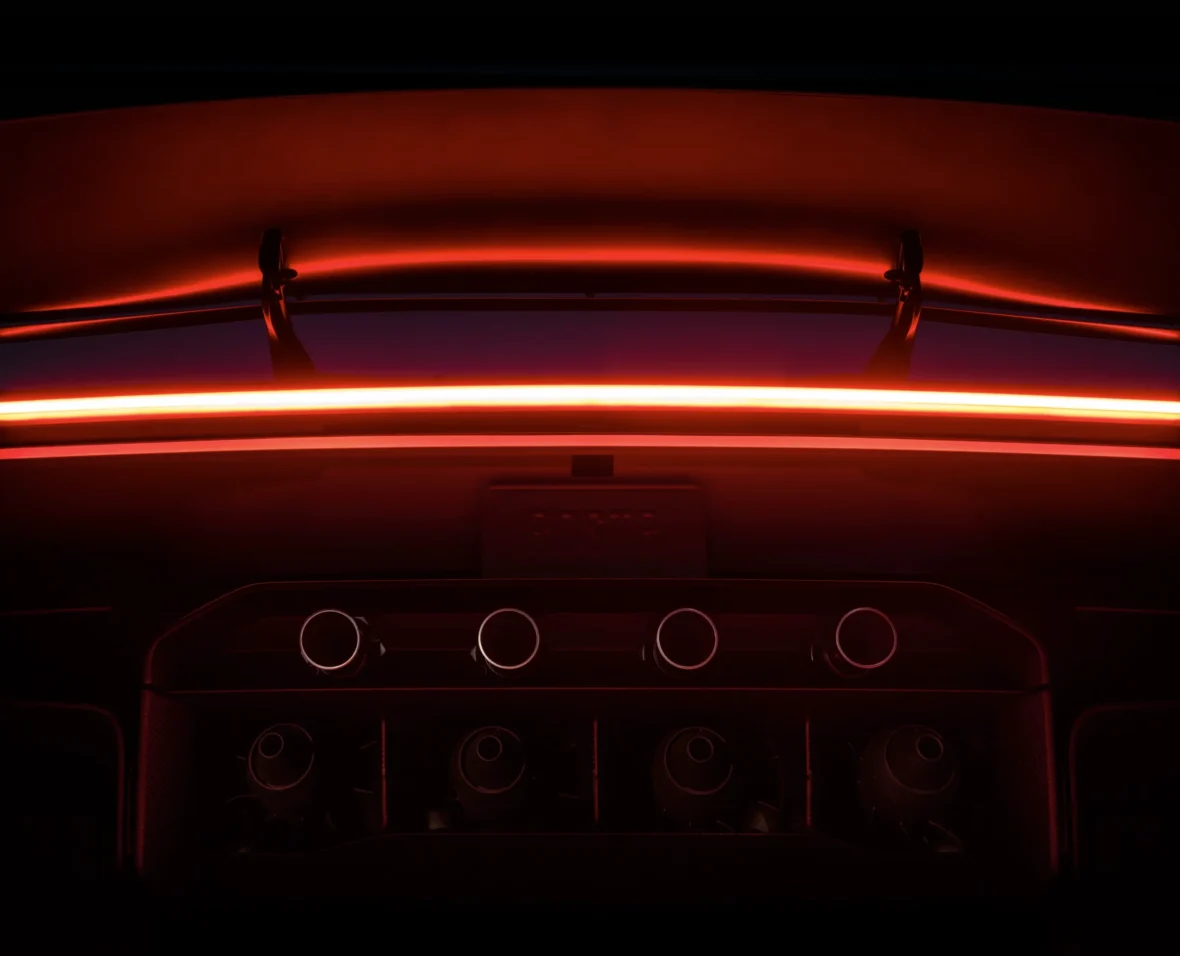
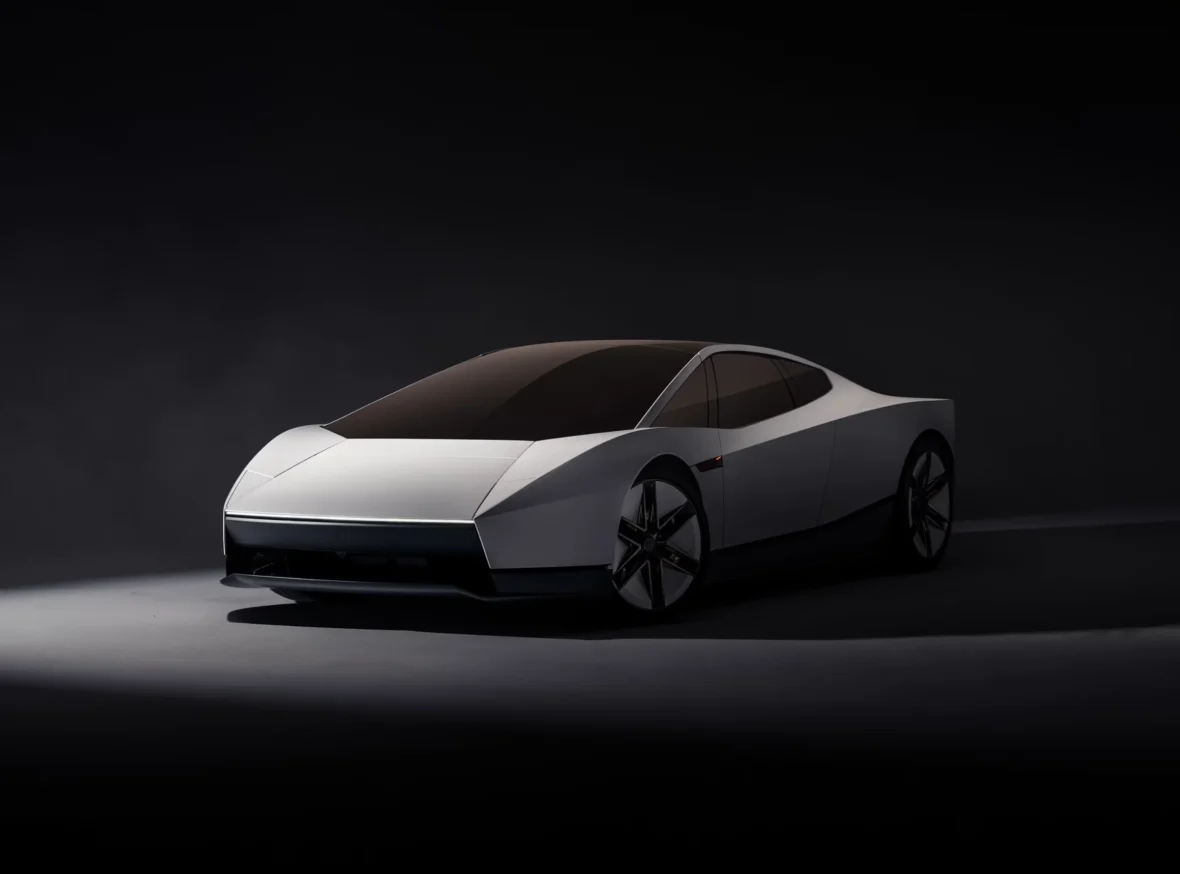
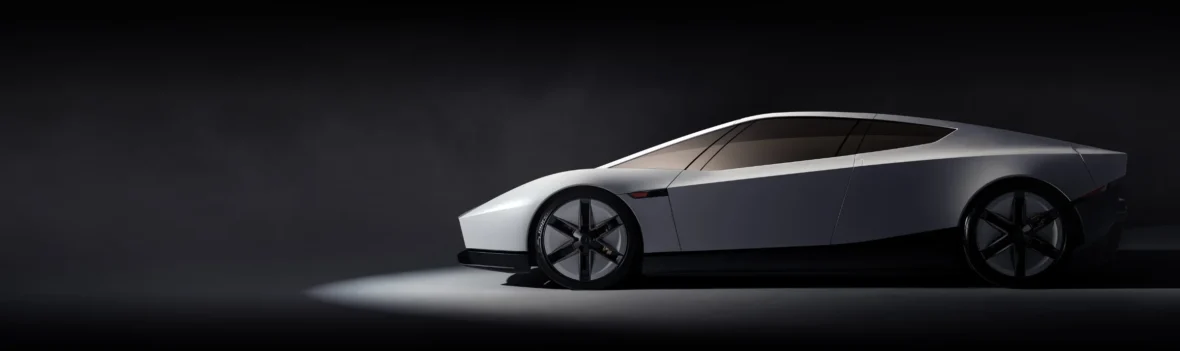
Tesla describes the design as minimalist yet highly technical. Hidden headlights, a full-length taillight, and flush-mounted aerodynamics conceal the car’s true form, and the lightweight wheels use thin spokes for added strength. Tesla says the angular shape draws inspiration from the SR-71 Blackbird and F-35 fighter jet.
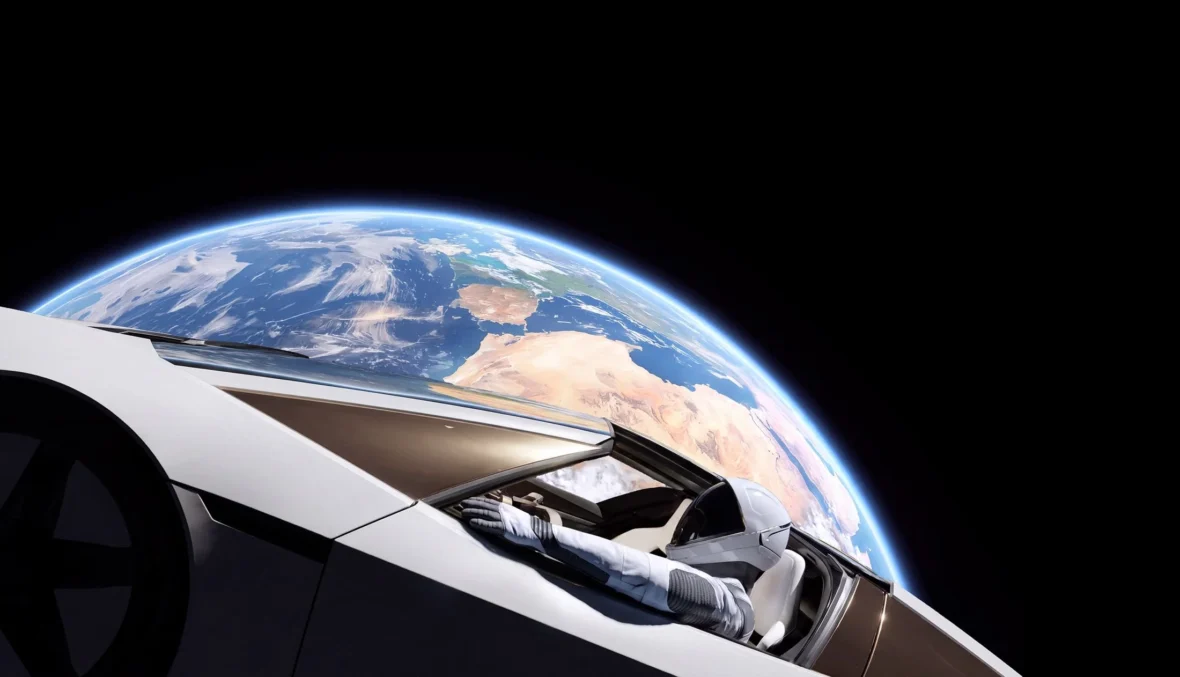
The Ano White paint takes its cue from coatings that protect rockets from UV exposure, cryogenic temperatures, and corrosion. The gold-tinted glass mimics the copper coating on spacesuit visors, and titanium accents round out the space-age look.
A Cockpit Built for a Pilot
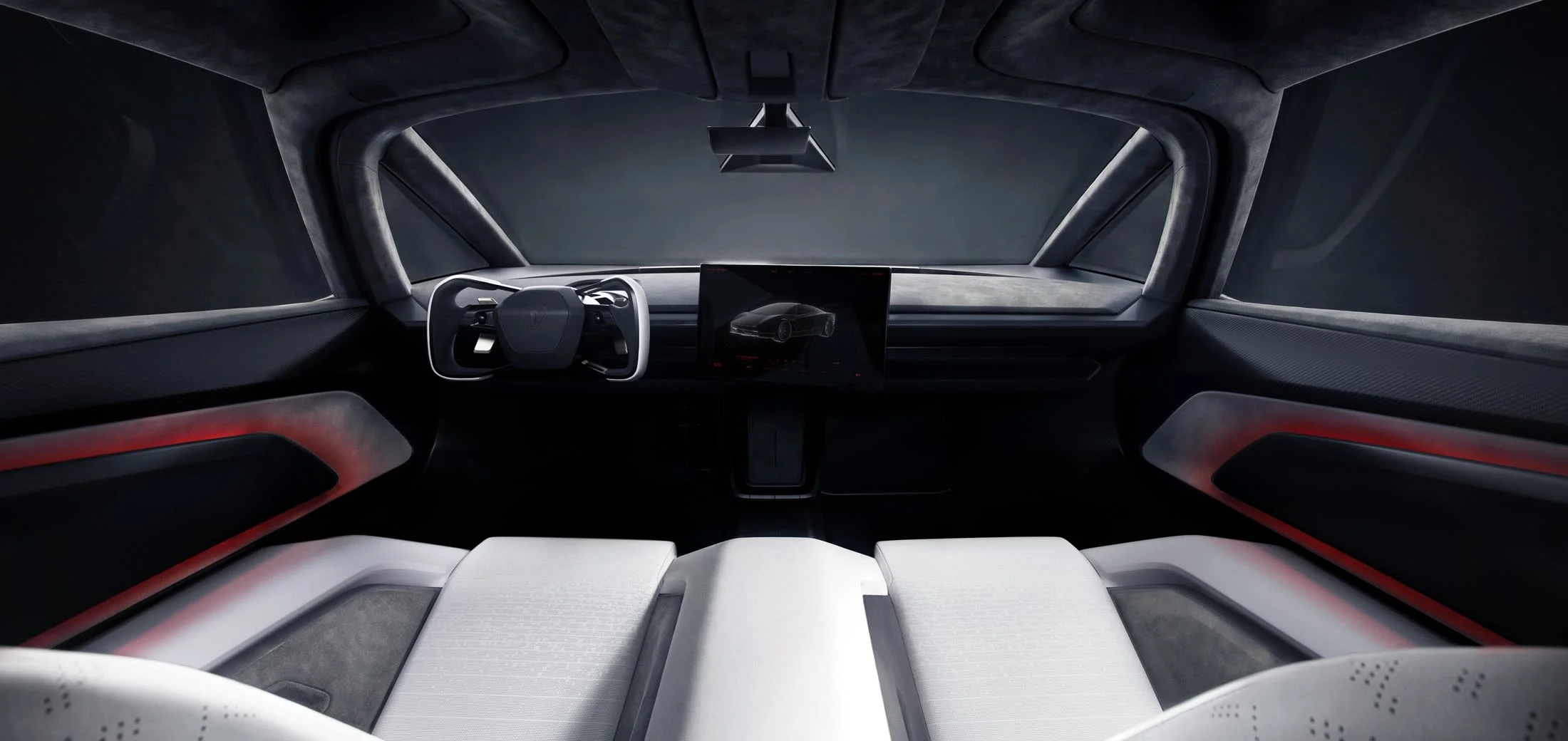
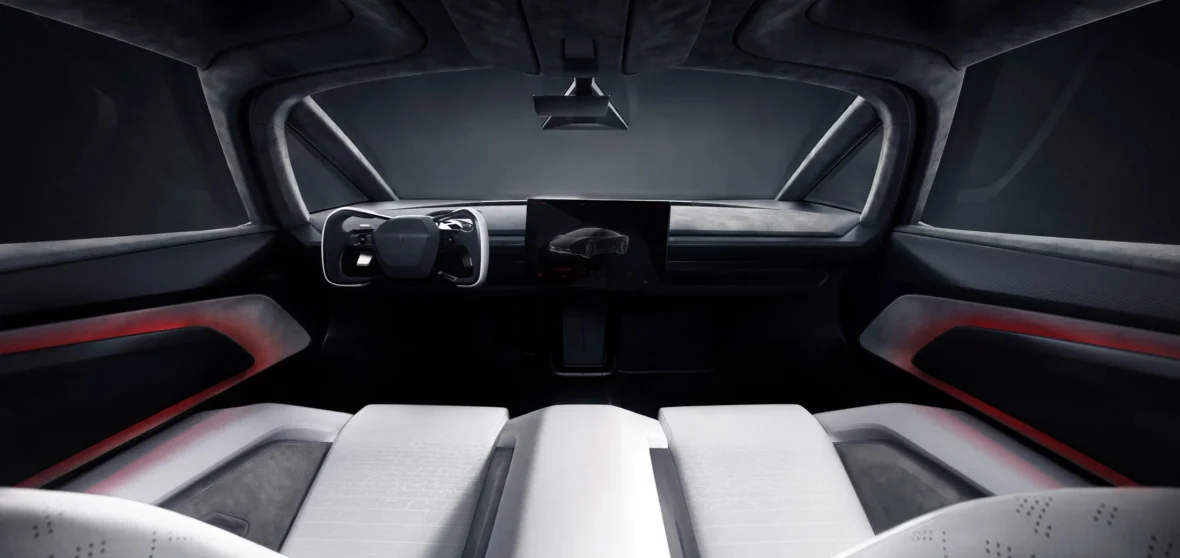
Inside, the Roadster gets Tesla’s Ultrawhite interior with gray microsuede detailing and microsuede seat bolsters for extra grip. A yoke designed for steer by wire sits in front of the driver, with a center touchscreen and two smaller forward displays for critical driving info.
To save weight, Tesla used manual controls and a fixed seat position, plus magnesium, titanium, and carbon fiber throughout. Tesla says that lets the Roadster respond to driver inputs almost instantly.
Nine Years of Tesla Roadster Promises
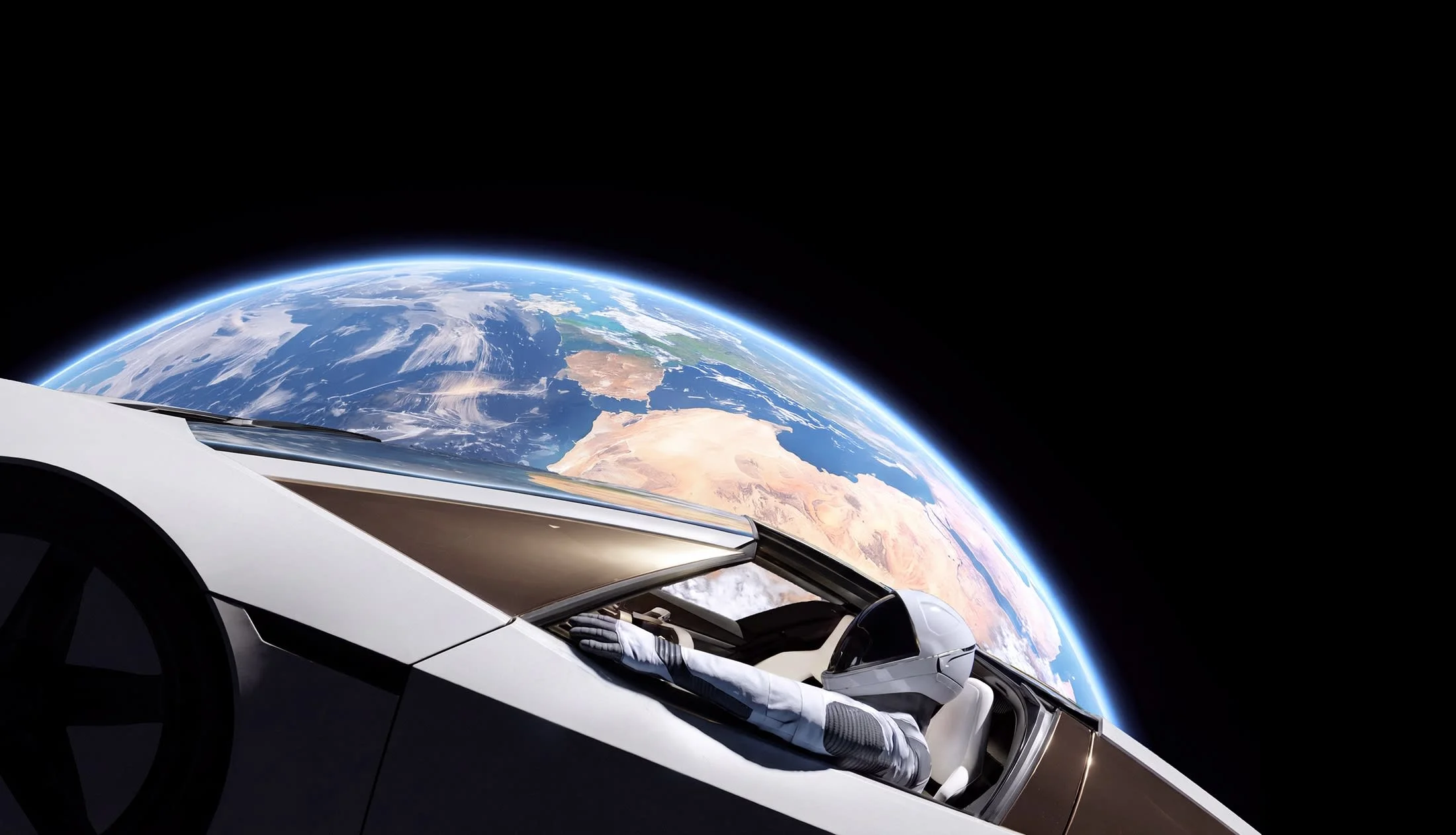
Tesla has a great line on its website: “We already put Roadster in a rocket. Now we put a rocket in Roadster.” That is a nod to the original Roadster that SpaceX launched into space in 2018.
The road to this reveal has been long. When Tesla first showed the second-generation Roadster prototype in November 2017, it promised a $200,000 car with 620 miles of range, a 1.9-second 0 to 60 time, and production in 2020. Reservations cost $50,000, or $250,000 for the Founders Series. Since then, production has slipped at least six times, and this reveal date moved repeatedly, including a postponement from October 1 due to weather.
Our Take on the New Tesla Roadster
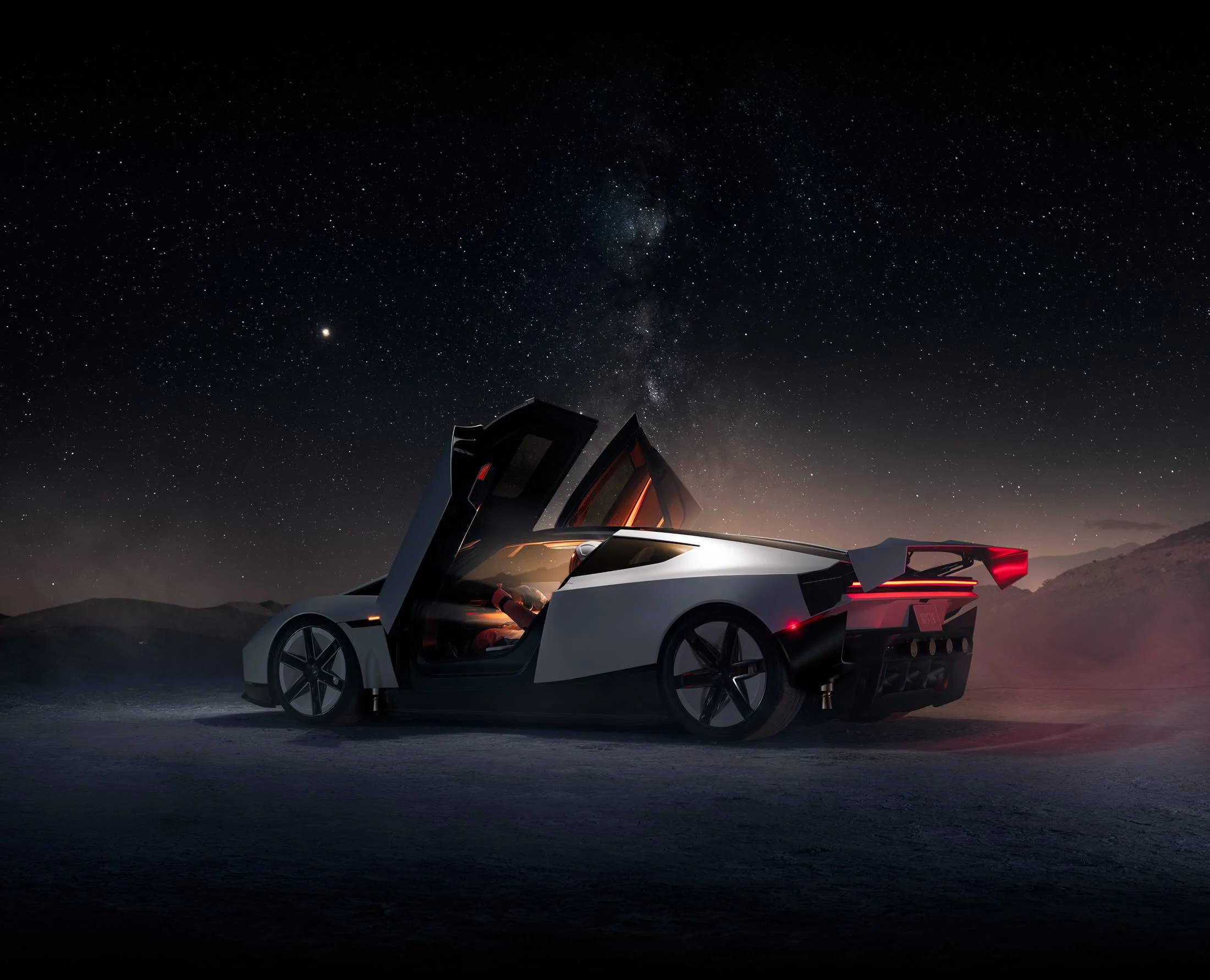
I will give Tesla this: nobody else would show up to a supercar reveal with a car that flies. It is pure theater, and it was staged right here in Texas. But it is hard to ignore the history. Customers who put down $50,000 or more in 2017 are still waiting, and the range target has dropped from 620 miles to about 300.
It is also interesting timing. On the same day, Porsche previewed its own Mission S mid-engine supercar with five round gauges and no center screen, a very different vision of what the future sports car should be. Tesla’s answer has thrusters, suction fans, and a yoke. Until Roadsters are actually reaching driveways, I will treat 2028 as a target rather than a promise. If you are a current Tesla owner, check out our story on the Tesla Emergency Drive Away feature.
Want more automotive news like this? Sign up for our weekly newsletter to get the latest stories delivered to your inbox every Thursday morning.