
Tesla Debuts Emergency Drive Away Feature After Fatal Incident

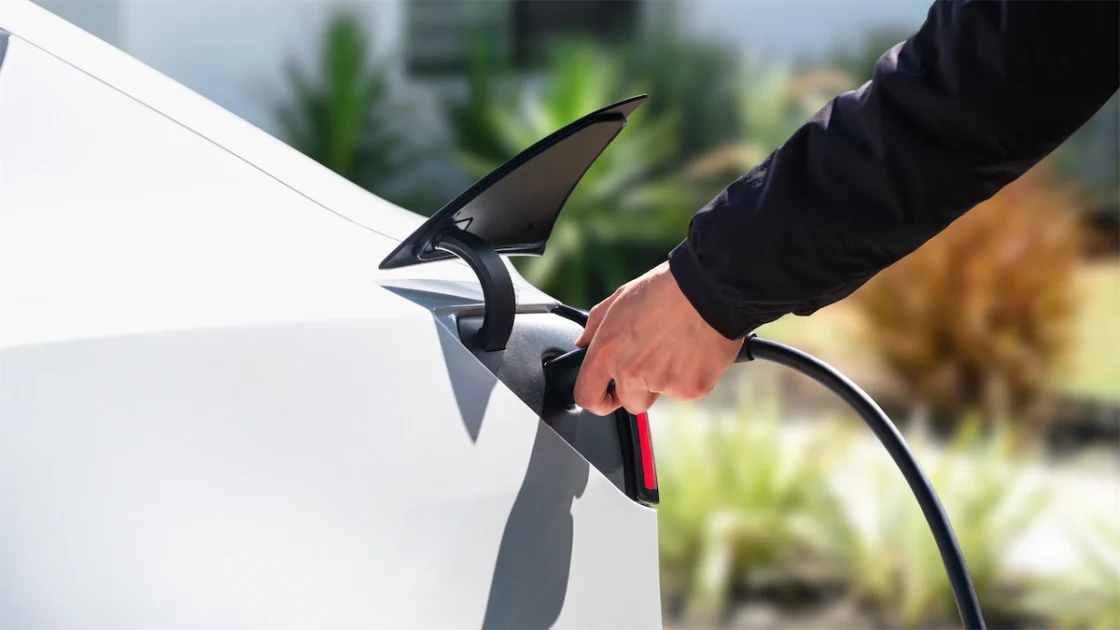
A recent fatal incident at a Tesla charging area in Twin Falls, Idaho has pushed the EV maker to act. Its answer is Emergency Drive Away, a new feature that helps owners escape danger while charging at Supercharger stations nationwide.
Tesla is rolling out the feature to U.S. owners now. It arrives through over-the-air software update 2026.38.3.
Emergency Drive Away Helps Drivers Escape Danger
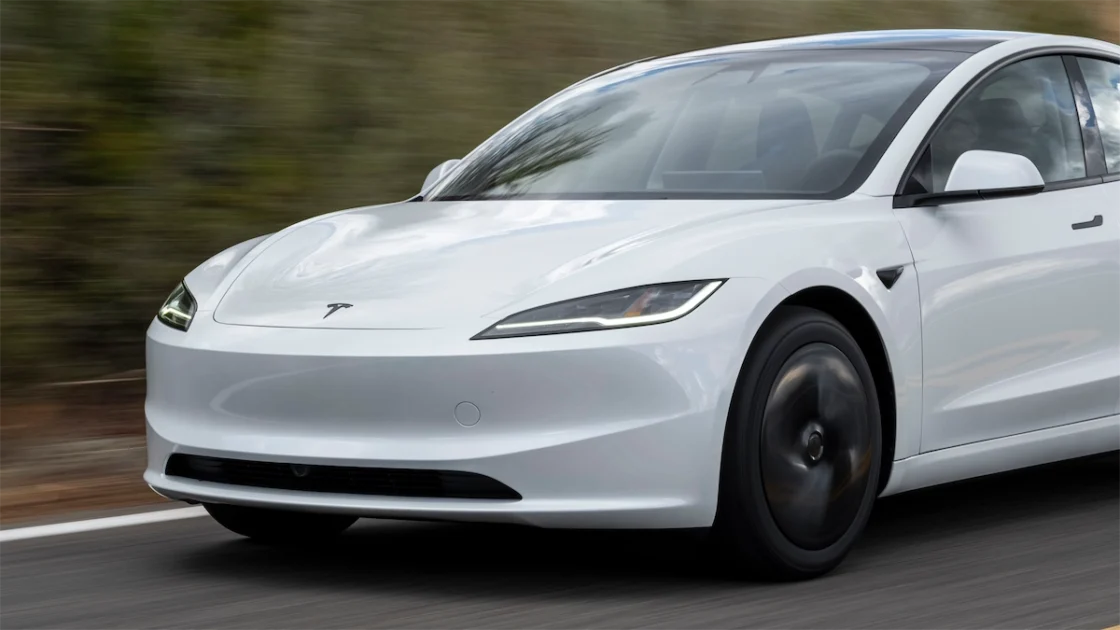
Tesla vehicles use an interlock that senses when the car is plugged in. As a result, the driver cannot shift into drive or reverse. During the Idaho incident, an attacker approached the charging area and targeted the parked EVs. Sadly, the incident claimed the life of 66-year-old Dale Schultz of Salt Lake City, Utah, who was sitting in his EV. It also showed how vulnerable drivers become when their vehicles cannot move away from a threat.
Emergency Drive Away gives owners a way out of similar situations. The feature overrides the interlock, so drivers can move forward or backward while still plugged in. That buys precious time to escape danger. However, the escape comes at a cost. Pulling away damages both the car’s charge port and the charging station.
Tesla Puts In Digital Guardrails
Because of that damage, Tesla built in digital guardrails to keep the feature limited to actual emergencies. First, a red Emergency Drive Away prompt appears on the touchscreen when a driver tries to shift into gear while plugged in. Next, the driver must hold the brake pedal and tap “Activate” before the car will move.
Tesla also reviews short camera recordings that the car sends automatically whenever someone uses the feature. If Tesla decides an owner deliberately misused Emergency Drive Away, that owner will face strict penalties. However, the company has not said what those penalties are or how it will enforce them. Owners also need a mandatory service visit to repair the charge port afterward. Meanwhile, Supercharger stall repairs can cost up to $25k.
Availability is also limited. The feature requires software version 2026.38.3 or later, and Model S and Model X vehicles built before 2021 do not qualify. On top of that, it only works at Superchargers in the U.S. Home chargers and Superchargers in other countries do not support it for now.
Could This Feature Inspire Others to Follow Suit?
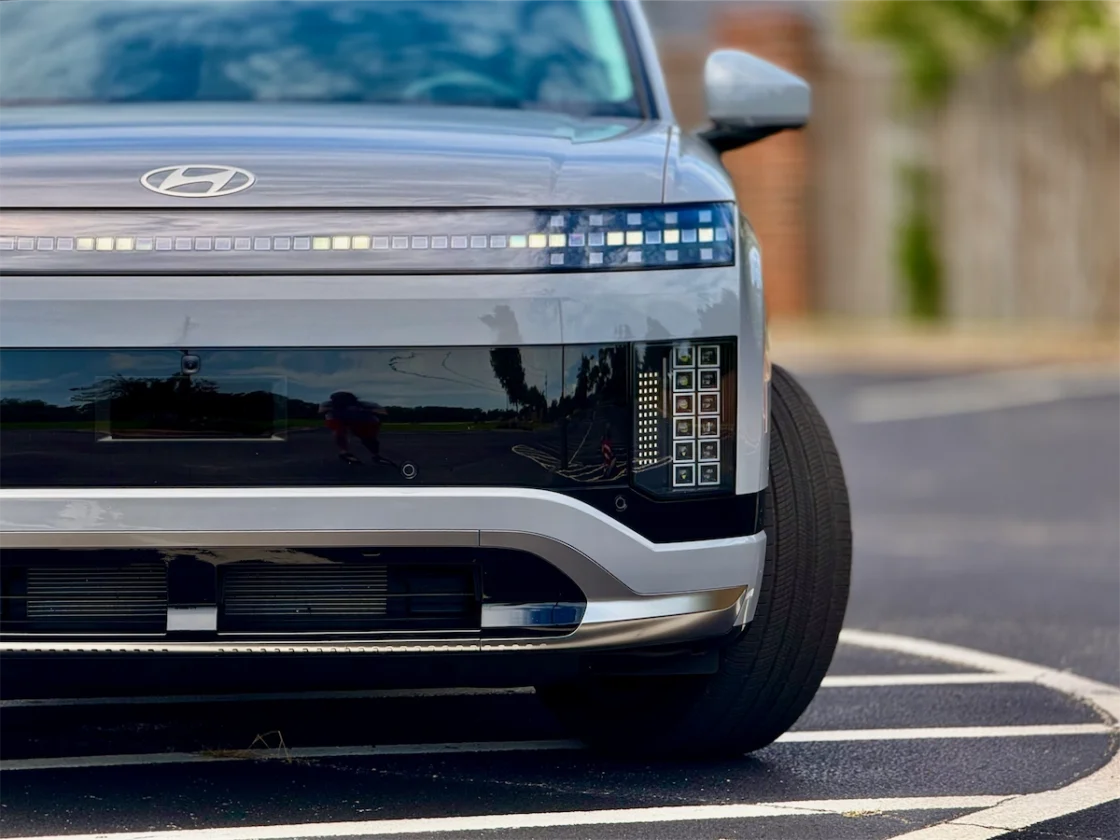
Tesla’s move could inspire other automakers to follow suit. Nearly all EVs on the market today block owners from shifting into gear while plugged into a charger. That includes family haulers like the 2026 Toyota bZ Woodland we recently reviewed. As a result, these EVs face the same risk if a similar incident occurs.
Aftermarket solutions offer a similar capability. Still, it’s rare to see an automaker build a feature like this directly into its lineup. Expect other automakers to take notice, since they often follow Tesla’s lead on EV technology. The potential safety benefit only adds to the incentive.