
Vehicle Repair Costs Have Risen Nearly Twice as Fast as Inflation

Modern vehicles carry more technology than ever, and that technology keeps pushing vehicle repair costs higher. Many repairs now demand extra steps, specialized computers, and paid software.
Bureau of Labor Statistics data, which the Federal Reserve Bank of St. Louis tracks, shows how steeply prices have climbed for mechanics and owners alike.
Repair Costs Are Now Outpacing Inflation
Vehicle repair costs rose about 60% from January 2019 to August 2026, according to that Consumer Price Index data. As CNBC points out, that is nearly twice the 32% rise in overall inflation over the same period.
To explain the jump, CNBC spoke with Ralph Czeisler, who owns an independent shop in Brooklyn, New York. It also talked with Greg Brannon, director of automotive engineering at AAA. According to Brannon, modern repairs almost always require a laptop, sometimes one dedicated to a single brand. Shops also pay for software and repair data subscriptions that last anywhere from a few hours to a year.
Smaller shops struggle to absorb these recurring costs, and Czeisler updates all of his computers every year. “I have multiple computers for domestic, Asian, European cars, and it’s very costly,” Czeisler said. “Every year they make changes, and it costs more money and more money. And it’s getting very challenging.” He passes at least some of those costs on to his customers.
Other Repairs Are Also Getting More Expensive
Software costs even reach routine maintenance. Czeisler needed a computer just to reset the oil change light on one vehicle. On a luxury vehicle oil change that normally costs about $400, the software access added another $75.
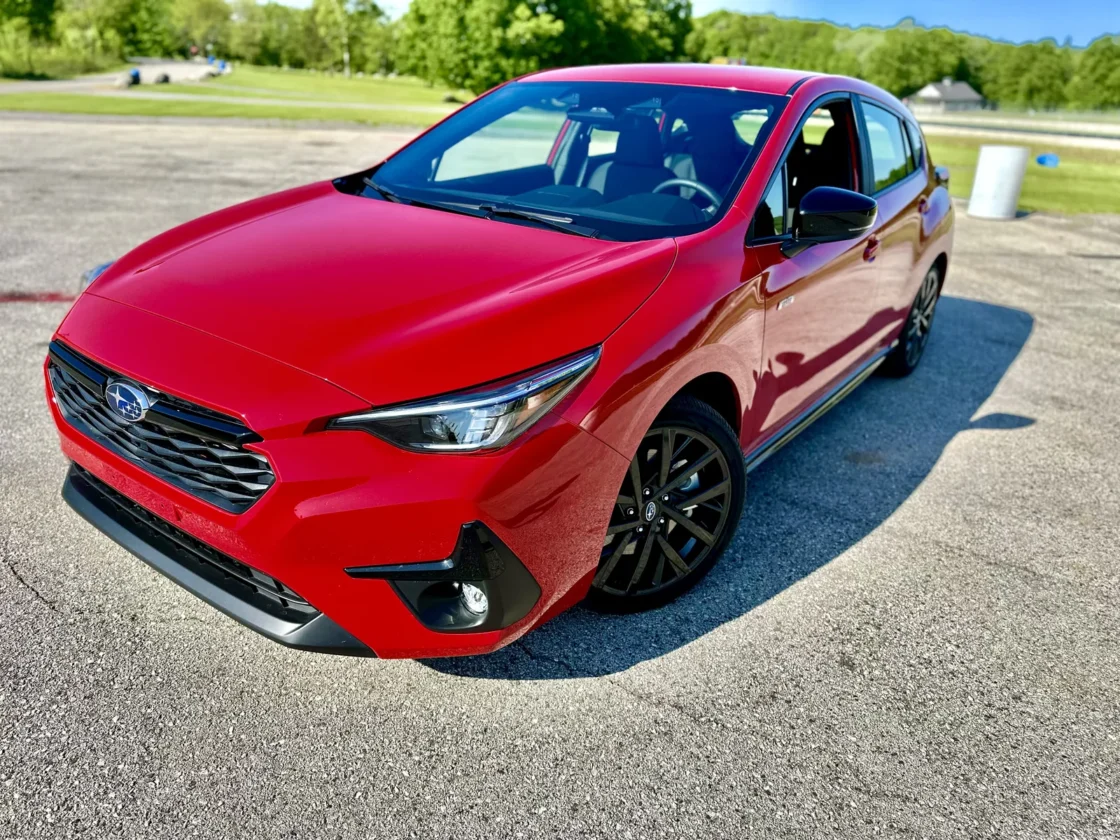
Windshield replacements have changed, too. A simple glass swap now also means calibrating the cameras behind it. Those cameras support advanced driver-assistance systems (ADAS) such as automatic emergency braking and lane keeping. Subaru’s EyeSight is a good example. On the 2024 Subaru Impreza RS we tested, its cameras sit right behind the windshield.
Collision Repairs Are Not Immune From Cost Increases
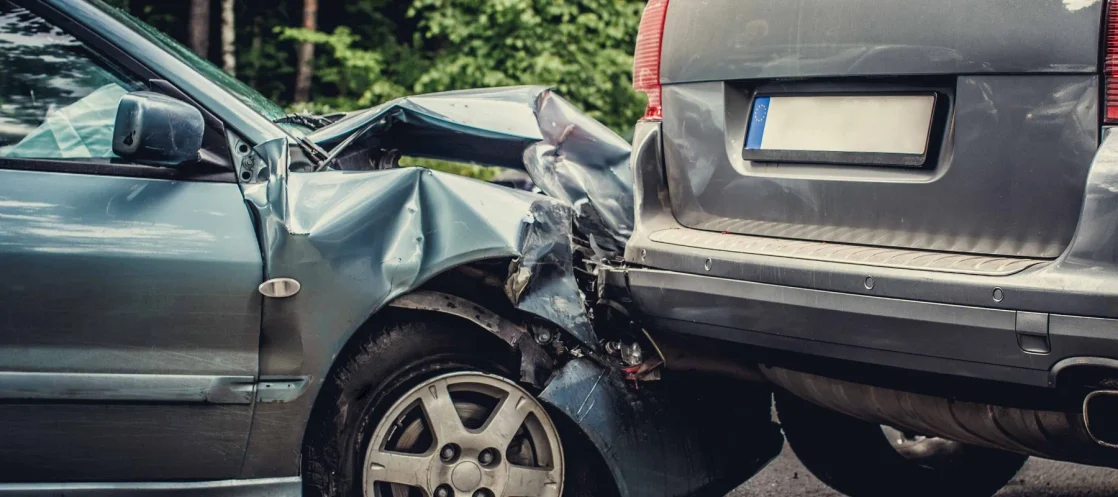
Collision repairs have not escaped the trend either. Automakers now mount many sensors and cameras in or behind bumpers, the parts most likely to take a hit in a fender bender. Replacing a bumper often means replacing or recalibrating those components, too.
A 2023 AAA study found that ADAS repairs can add up to 37.6% to the total cost of fixing a vehicle after a crash. As that damage adds up, a collision bill can reach wallet-busting levels before insurance even enters the picture.
Automakers Are Taking a Tighter Stance on Repairs
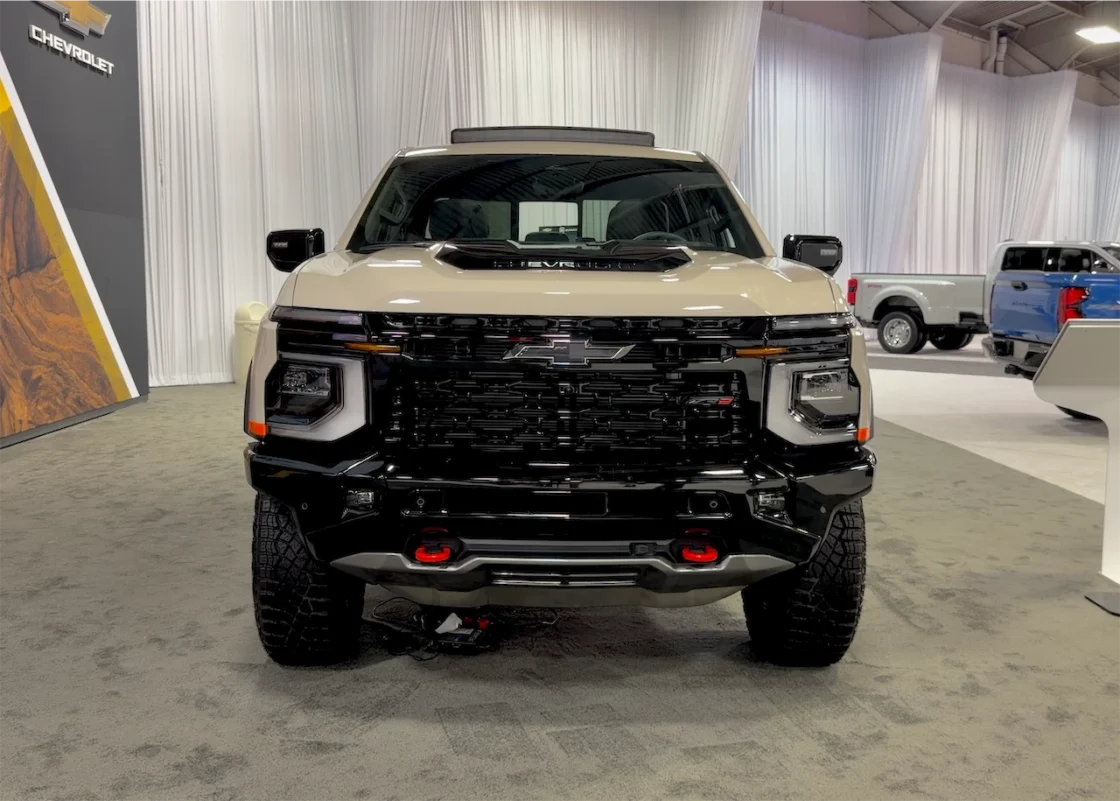
Some automakers also want more say in how shops handle certain repairs. General Motors tightened its repair guidance throughout this year. Its latest ADAS position statement covers Chevrolet, Buick, GMC, and Cadillac vehicles. The statement calls salvaged, recycled, reconditioned, remanufactured, and aftermarket ADAS radars, cameras, and sensors “strictly prohibited” for collision repairs. GM approves only new GM Genuine Parts.
Smaller shops often turn to used or aftermarket parts because they typically cost less. GM argues that its own components work as engineered safety systems. Its new vehicle warranty also won’t cover damage that non-GM parts cause. Still, requiring new factory parts raises costs for shops, and customers ultimately shoulder that burden.
What Rising Repair Costs Mean for Families
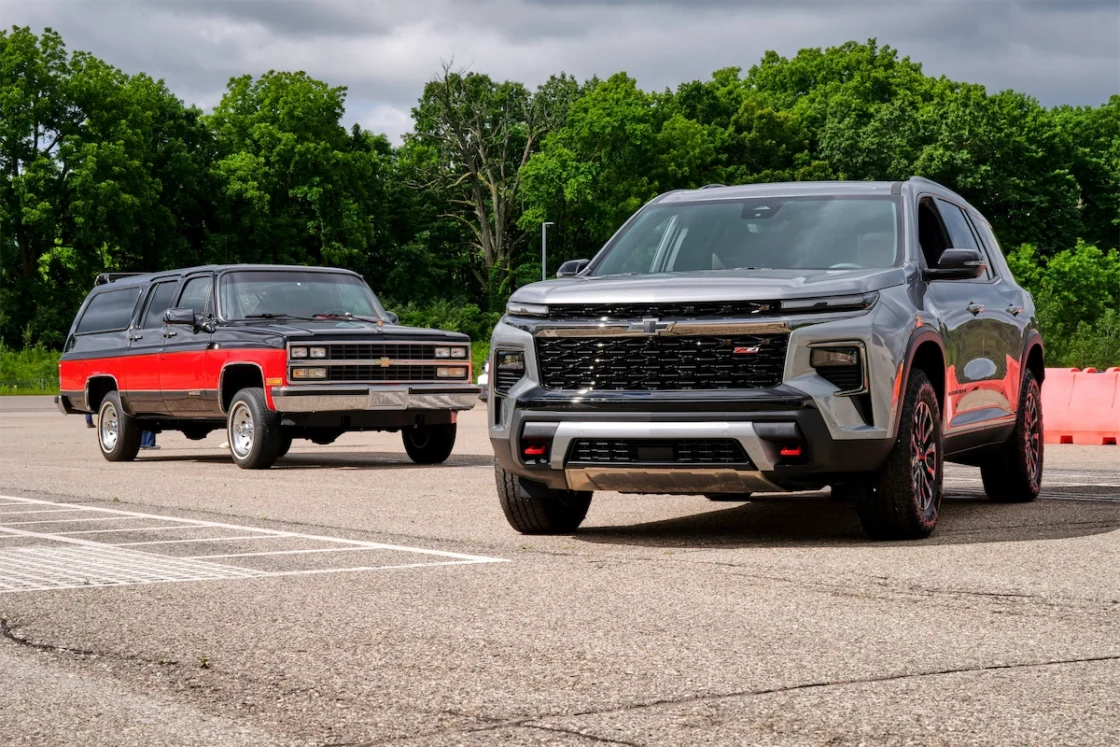
Rising vehicle repair costs mean families should budget more for maintenance than they did a few years ago, especially on newer vehicles loaded with driver-assistance features. Before approving work, get a written estimate and ask whether it includes ADAS calibration. Also check what your insurance covers for glass and collision claims.
If you drive a GM vehicle, ask which parts the shop plans to use, since non-GM parts can affect your warranty. Software is also creeping into other parts of ownership, as we covered in our look at 2027 Silverado subscriptions.