
The 2026 Toyota C-HR XSE: The All-Electric Subcompact That Fit Our Family Better Than I Expected

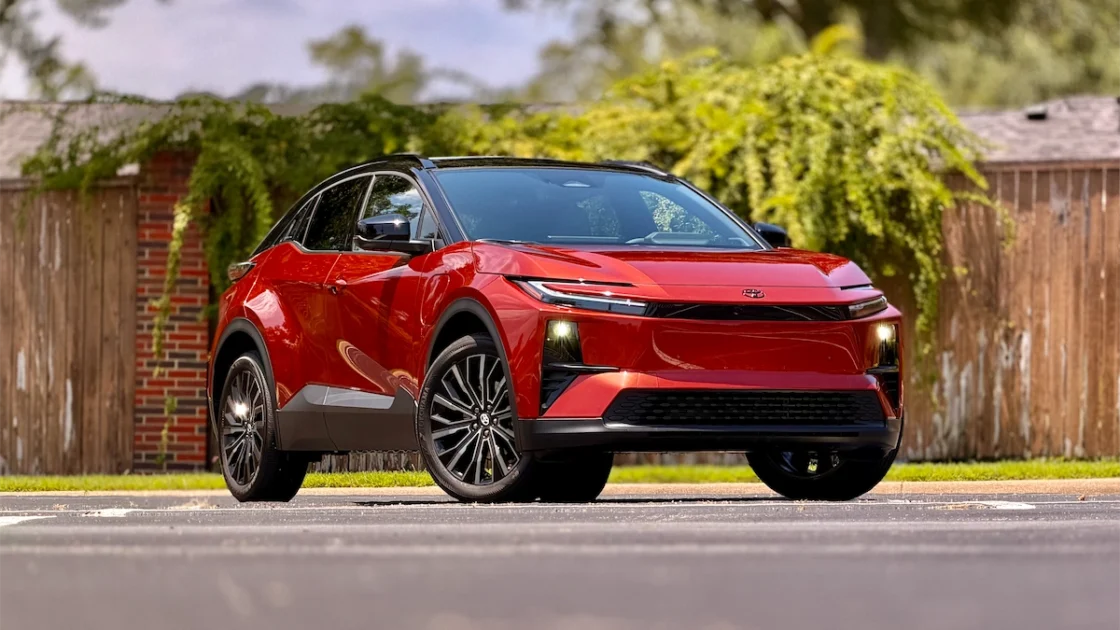
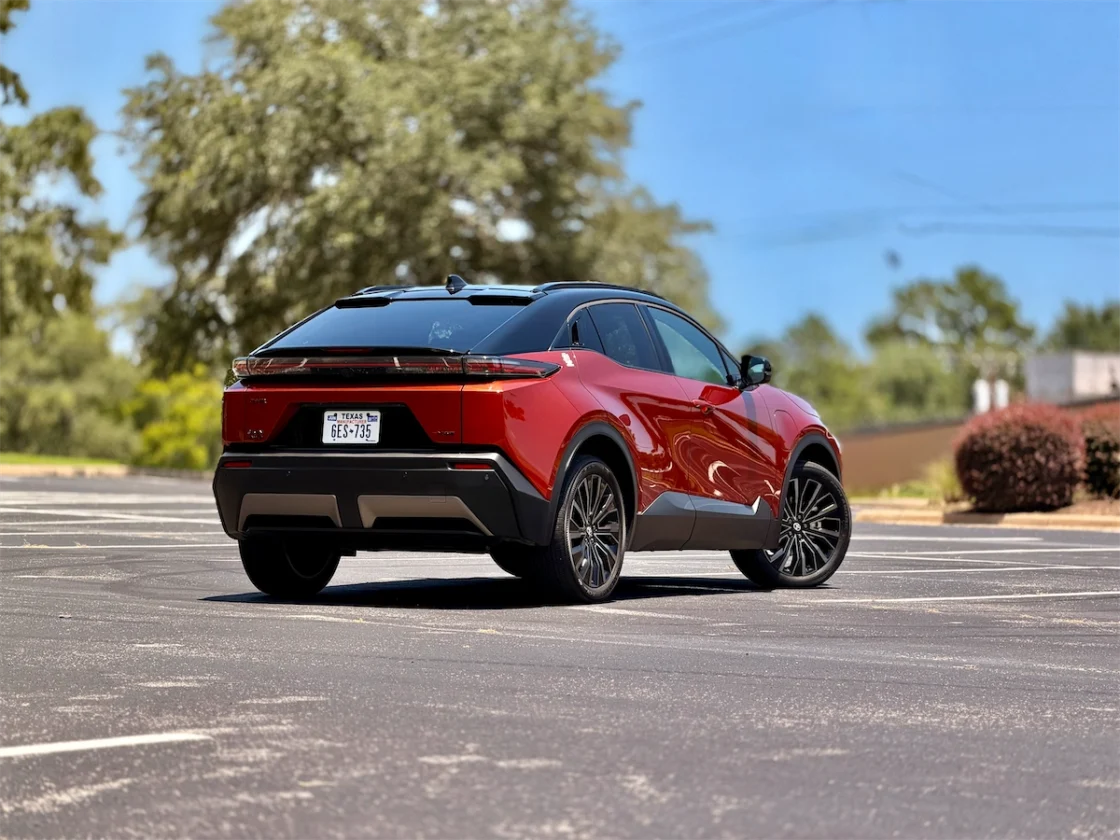
I walked up to this one ready to be skeptical. We picked up the 2026 Toyota C-HR XSE coming home from the airport after a week away, then pointed it straight back toward Tyler from Dallas with a week’s worth of luggage and a tired kid in the back. A subcompact EV, on the heels of a long trip, with our whole family and all our bags? I figured I already knew how this would go. By the time we rolled onto the brick streets of downtown Tyler, the C-HR had quietly changed my mind on most of it. This is Toyota’s reborn C-HR, and for 2026 it is a fully electric subcompact SUV built on the same platform as the Subaru Uncharted we spent time in earlier this year. Here is how it treated our family of three, from a mom’s POV.
Pros and Cons of the 2026 Toyota C-HR
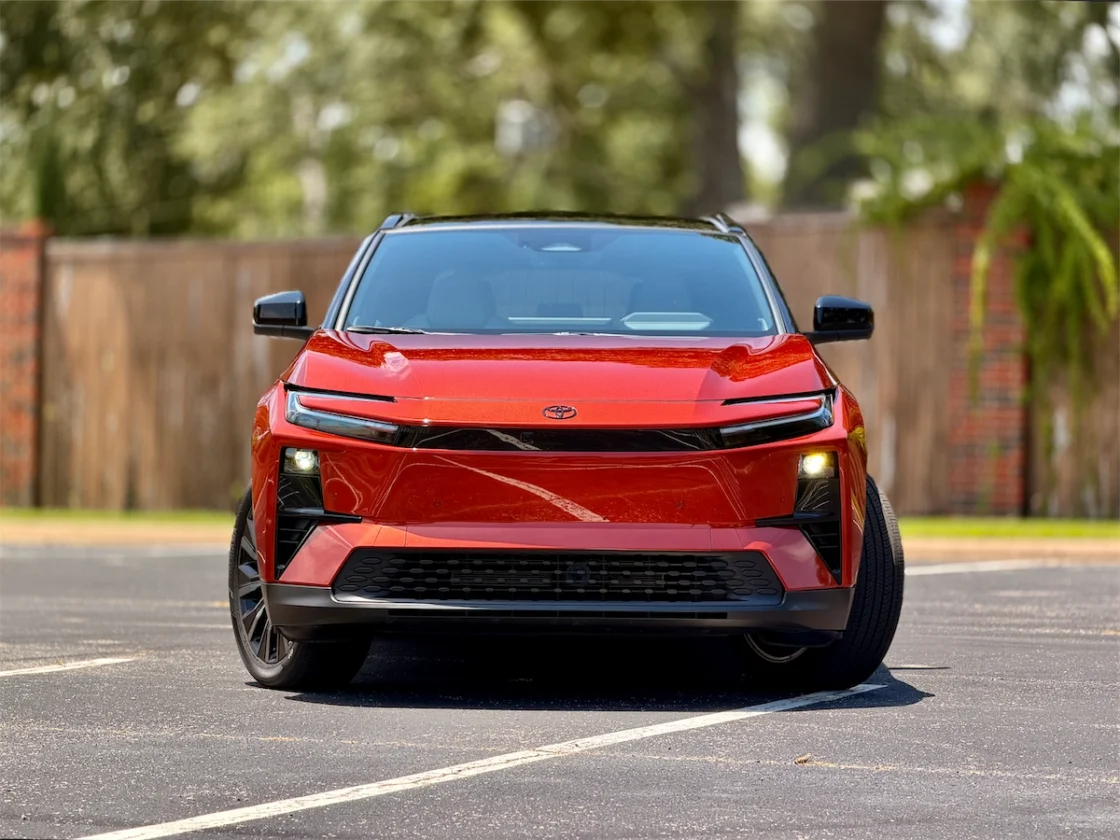
Pros:
- It rides far bigger than its footprint, thanks to a long, EV-only wheelbase and the battery weight low in the floor. Our bump-heavy drive home from Dallas barely registered.
- The 360-degree camera system and the easy one-button shortcut to it made tight parking and downtown driving genuinely stress-free.
- Real-world efficiency landed at 3.3 miles per kWh on mostly Texas highway speeds, right in line with its EPA rating, which almost never happens.
Cons:
- The seats are heated but not ventilated, which is a hard thing to give up in a Texas summer.
- Cargo space is tight for a family that travels. Our airline-flagged “heavy” suitcase, a carry-on, a duffel and a backpack barely fit with the hatch closing.
- The rear door handles are tough for a child to work, and our son let me know about it more than once.
A Ride That Drives Bigger Than It Looks
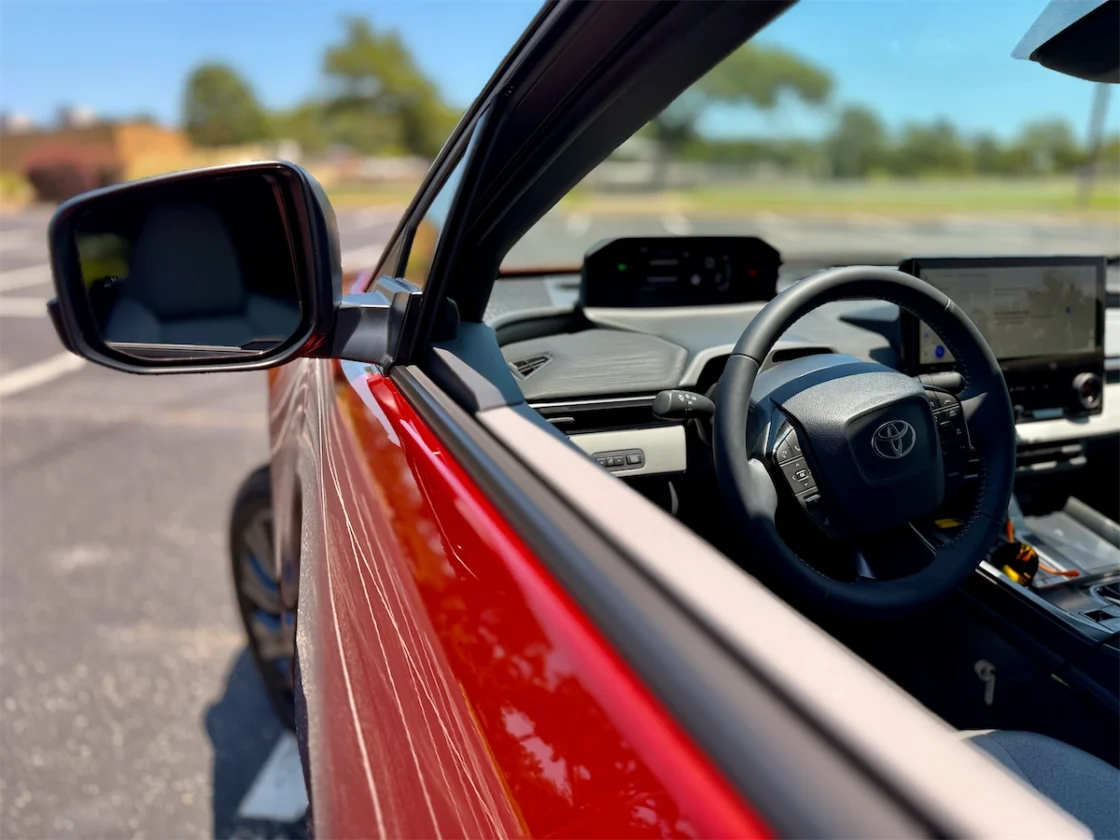
My favorite surprise had nothing to do with a screen or a feature. It was the ride. Because this is an EV-only platform, Toyota stretched the wheelbase and dropped the heavy battery down low, and you feel it. We came home over the kind of road that normally sends a shudder through the whole cabin, railroad tracks and all, and the 2026 Toyota C-HR just soaked it up. It genuinely rides more like a RAV4, or even a Highlander, than a subcompact.
The adaptive cruise control deserves its own paragraph. I get carsick, and I am usually the first one asking Cory to switch that feature off because it lunges and brakes every time someone cuts in. On the way back from Dallas, I never asked. He actually turned to me at one point and asked whether I had even felt it react, and I hadn’t. That is high praise from someone who feels every jerky mile.
Seats That Fit in All the Right Places
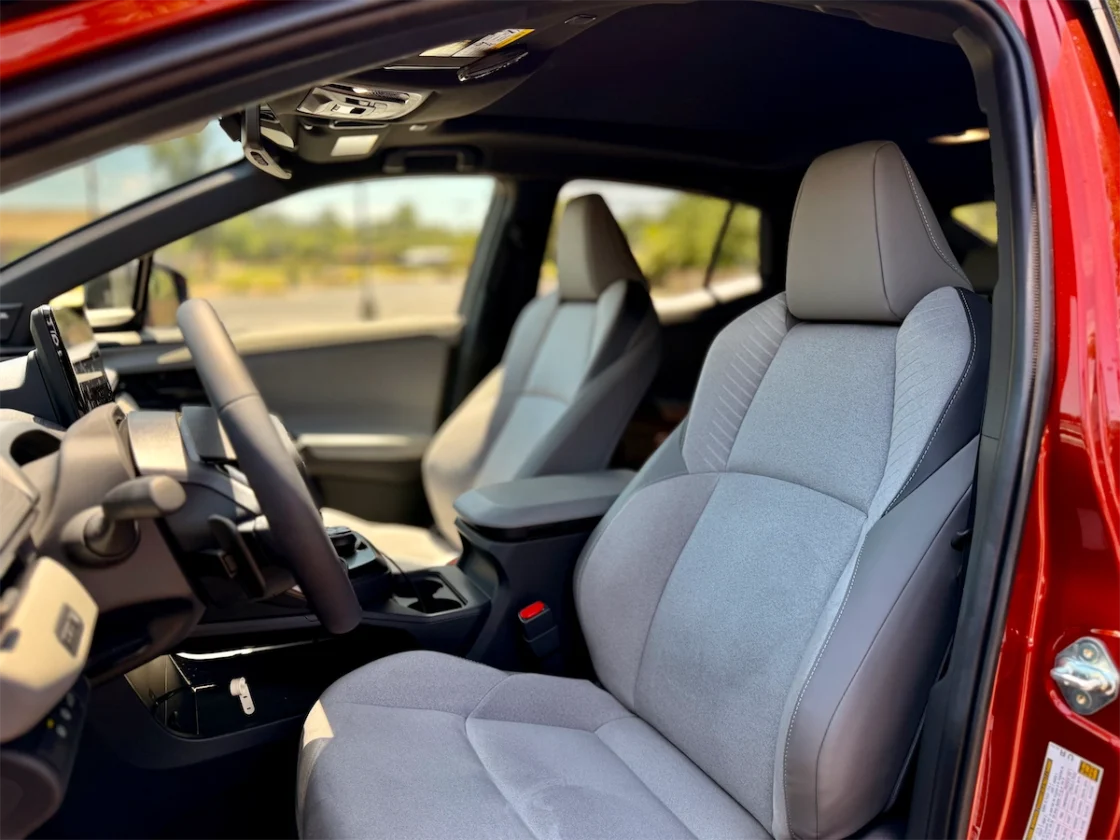
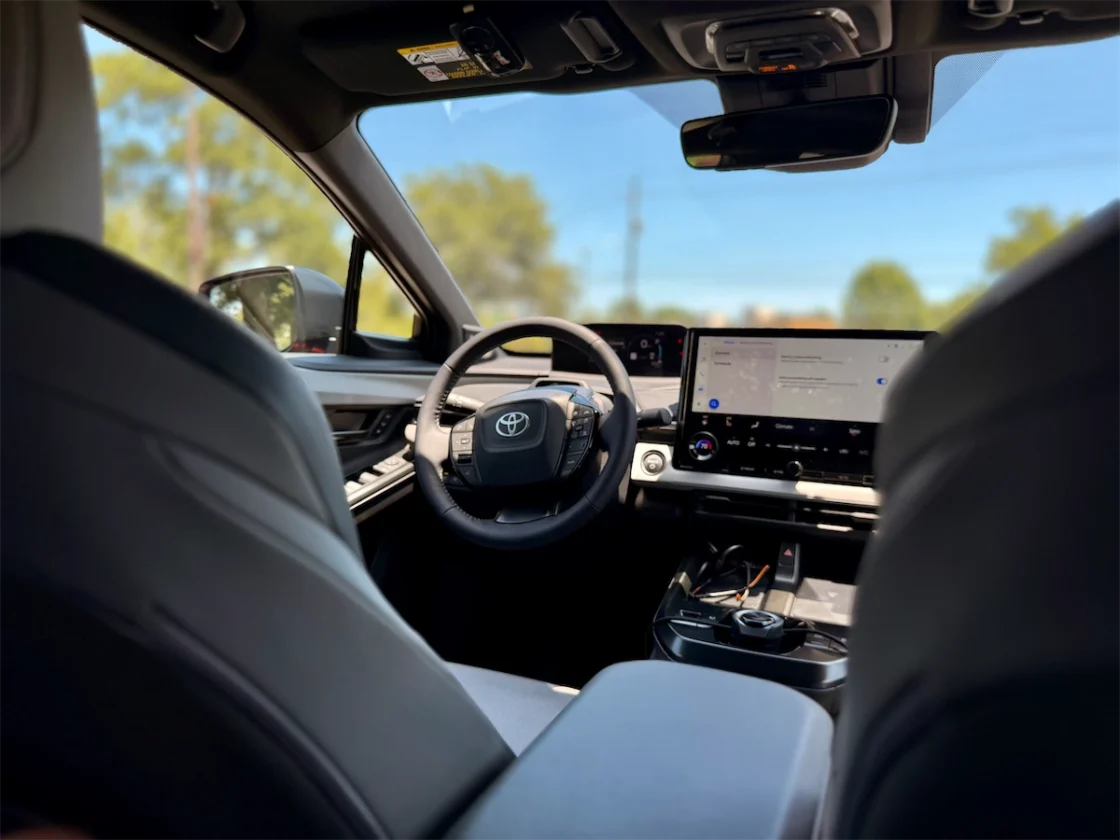
Cory and I do not always agree on seat comfort, and this was one of those times. Fresh off a plane, I thought the seat bottom could use a touch more cushioning, and it is firm. He had no complaints at all. What we do agree on is that the 2026 Toyota C-HR puts the support in the right places, and the synthetic suede and SofTex trim feels genuinely nice for the class. Both front seats are 8-way power-adjustable with lumbar support. The driver seat has two-person memory. In a detail I love, that memory is tied to the mirrors too. My one real wish here is simple: heated seats are lovely, but in Texas I would trade a little heat for ventilation.
The Back Seat and the Car Seat
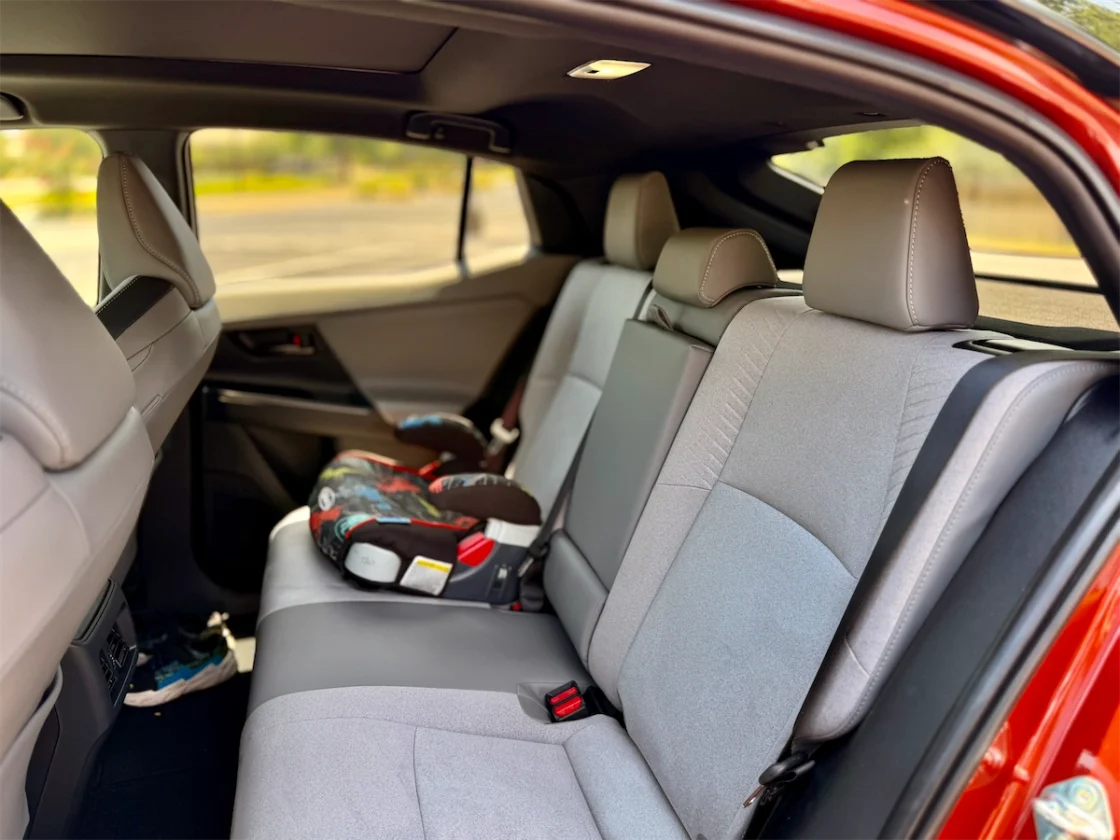
Tucker rode back here for two hours and slept through most of it, which tells you plenty. The back seat is roomier than a subcompact has any right to be, again because of that stretched EV wheelbase, and it comes with nice touches like three-stage heated outboard seats, rear air vents and a pair of USB-C ports.
His one complaint, and it is a fair one, is that the rear door handles are hard for a kid to open on his own. If you have children climbing in and out by themselves, keep that in mind.
For car-seat families, there is good news. We run a Graco Extend2Fit, and in rear-facing form it fits behind my seating position with only a small nudge forward. The lower LATCH anchors sit in little cutouts in the seat material, so they are easy to find. The top tethers run all the way across the seatbacks. My only gripe is the rear doors. They could open wider. Wrestling a child and a car seat at the same time asks for every inch.
Cargo That Makes You Work a Little
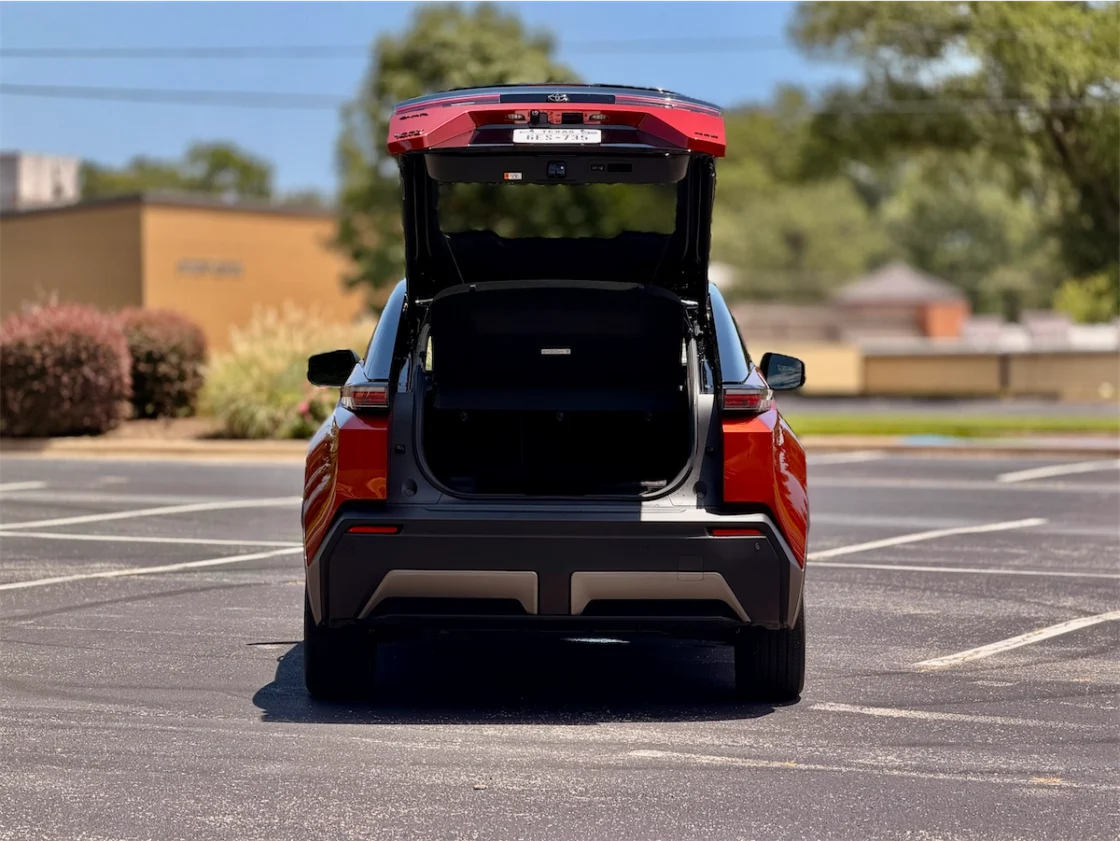
Here is where the subcompact size shows itself. We got our Dallas luggage home, one big suitcase, a carry-on, a duffel and a backpack, but it was a squeeze, and the hatch closed on the last inch. The upside is flexibility. There is a dual-level cargo floor with removable panels you can drop down for taller items. Underneath sits hidden storage. That is where the owner’s manuals live, since this C-HR has no traditional glove box. There is a slightly awkward lip when you configure it for maximum space, but you do have options, and I appreciate options over one fixed setup.
Tech, Cameras and the Little Stuff
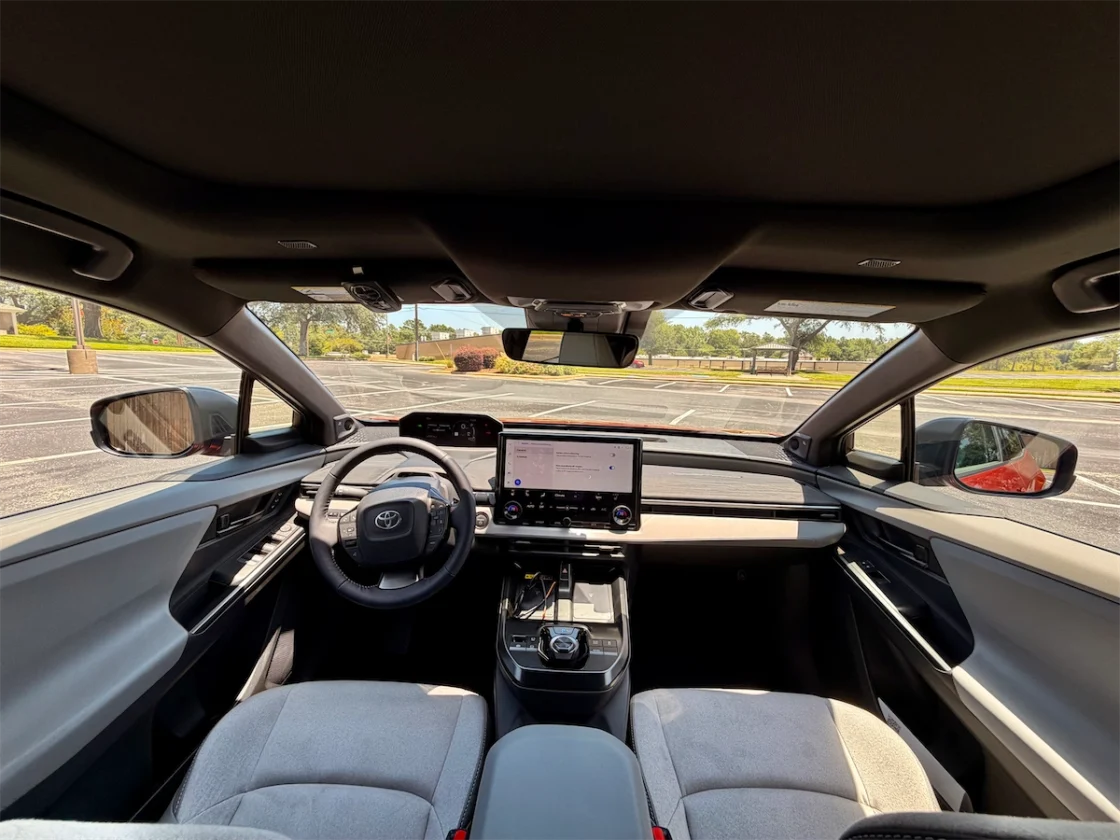
The 14-inch touchscreen is big, bright and, yes, a fingerprint magnet. It handles dual-zone climate and the usual suspects well enough. The tech I actually reach for, though, is that 360-degree camera and the dedicated button that pulls it up instantly. Not every vehicle gives you that shortcut, and it earns its keep in a parking lot every single time.
A few smaller notes from a week of living with it. There are two wireless phone chargers up front, plus USB-C ports for everyone. The center console opens from either side, so the driver or passenger can dig in. The cupholders sit low. That last one had me patting around in the dark on our first night trying to figure out what my hand kept finding. The view out the small rear window is a little tight, and there is no rear wiper, which I would want to watch in a heavy rainstorm.
What It Costs to Live With
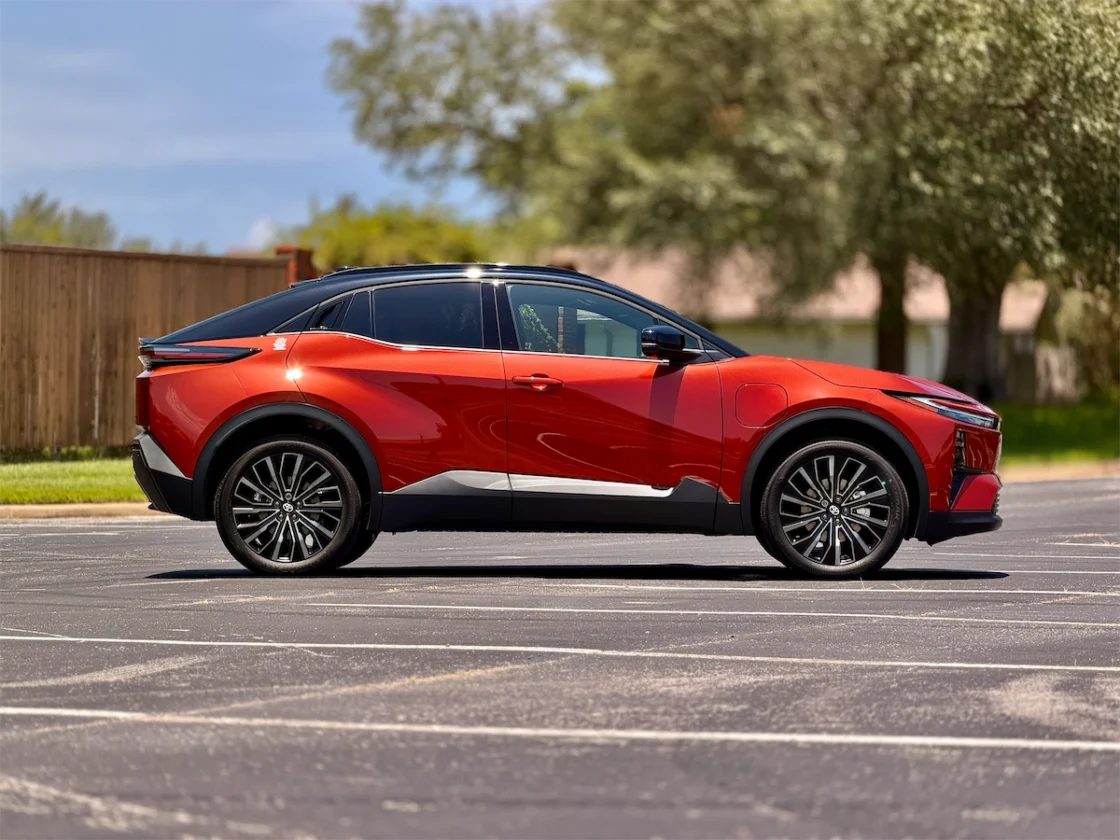
Because this is an EV, the efficiency numbers are the ones that matter. Toyota rates the C-HR at 273 miles of EPA-estimated range from its 74.7-kWh battery, with 112 MPGe combined. What impressed me is the real-world number. We actually saw 3.3 miles per kWh, almost entirely at highway speed. That is right on its EPA rating. Charging at home, especially with a Level 2 setup, makes it cheaper per mile to drive than a comfortable gas car.
As for the sticker, our tester was the top XSE trim with just about everything on it, and it came to $43,429 as tested. Cory guessed the price within $500, which he will not let me forget. For a loaded, all-wheel-drive electric SUV that drives this comfortably, I think that is a genuinely good deal.
Holli’s Top 5 Favorite Features for Moms
- Multiple places to charge devices. Wireless pads up front and USB-C ports front and back mean nobody’s phone dies on a road trip.
- The easy-access camera button and the 360-degree cameras. My favorite feature, hands down.
- The space in the back seat. Tucker has real room back there, and so does a car seat.
- Two-person driver seat memory. Always welcome, and it moves the mirrors with it.
- Versatile rear storage. The luggage was a squeeze, but the dual-level floor and configurable panels help you make the most of what you have.
Final Thoughts on the 2026 Toyota C-HR
I came into this expecting a small car to feel like a compromise, and mostly it doesn’t. The C-HR rides like something a size up, the efficiency is honest, the family touches are thoughtful, and at $43,429 for a fully loaded electric SUV, the value is real. The compromises are the ones that come with the footprint: tight cargo for a traveling family, no ventilated seats, and a rear door setup that could be friendlier to kids and car seats.
If your family is just starting out, or you want an efficient, comfortable EV that parks easily and doesn’t punish you on a long drive, the C-HR earns a serious look. If you regularly haul a car full of luggage or a growing crew, Toyota conveniently sells bigger versions of nearly this same idea in the bZ, the bZ Woodland and the now-electrified Highlander. As for this one, I recommend it.