New 2027 Hyundai Tucson: A Bold Redesign With Everyday Drivers in Mind

A cup holder probably isn’t the first thing you expect to discuss when an automaker introduces a redesigned SUV. But after our conversations with Hyundai’s design, product, and technology teams, one small detail stayed with me: Someone thought about how you would get a coin out of the bottom of it.
That kind of consideration runs throughout the new 2027 Hyundai Tucson, which made its world premiere in October in Long Island City, New York. The Tucson redesign brings a more upright exterior and a new approach to the cabin, with Hyundai’s development teams placing considerable attention on how people actually use their vehicles.
As someone who covers cars alongside my husband, Cory, I approach a new vehicle with questions about daily ownership. How comfortable will everyone be on a road trip? Can I adjust the temperature without hunting through a screen? Where will my son put the things he inevitably brings along?
Our interviews offered a look at the thinking behind the new Tucson, including details that should interest anyone shopping for a compact SUV.
The 2027 Hyundai Tucson Redesign Takes a Bolder Direction
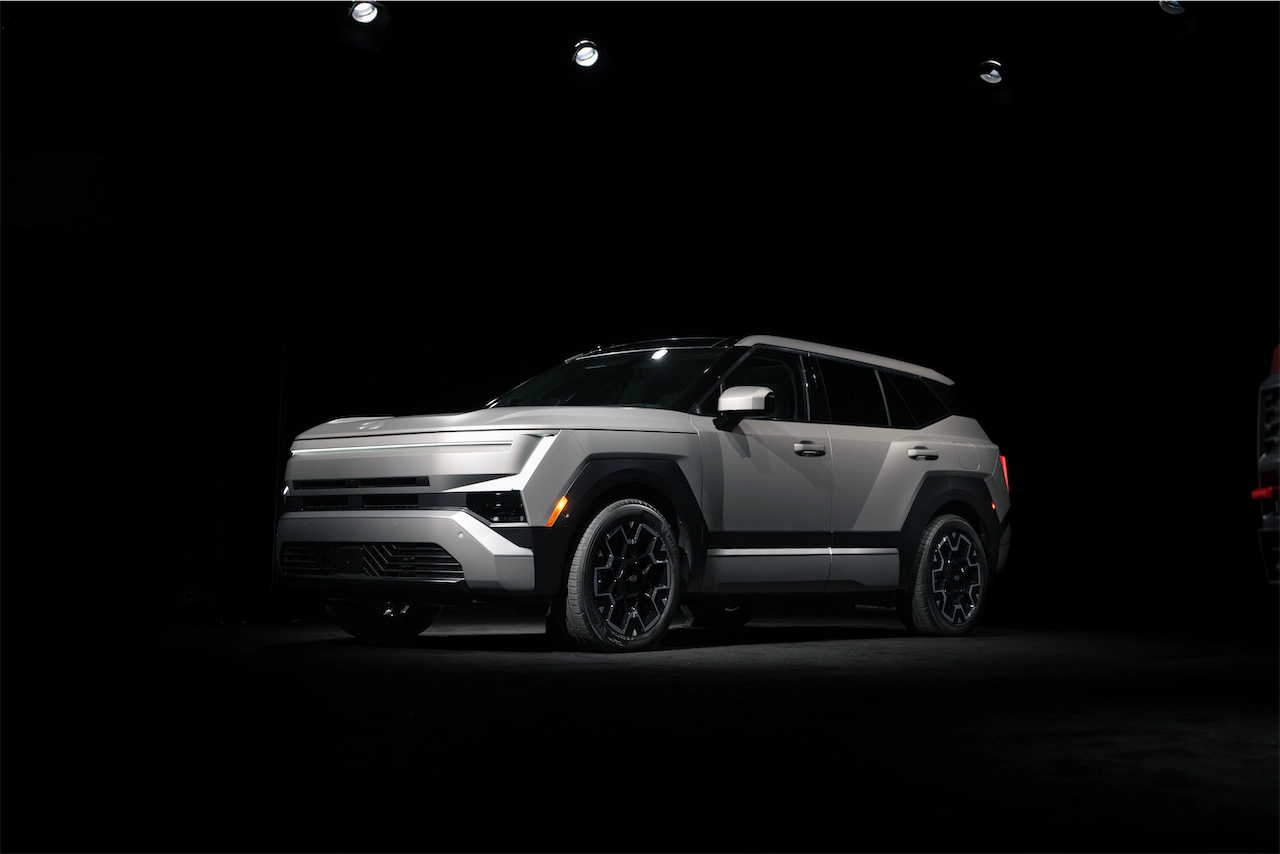
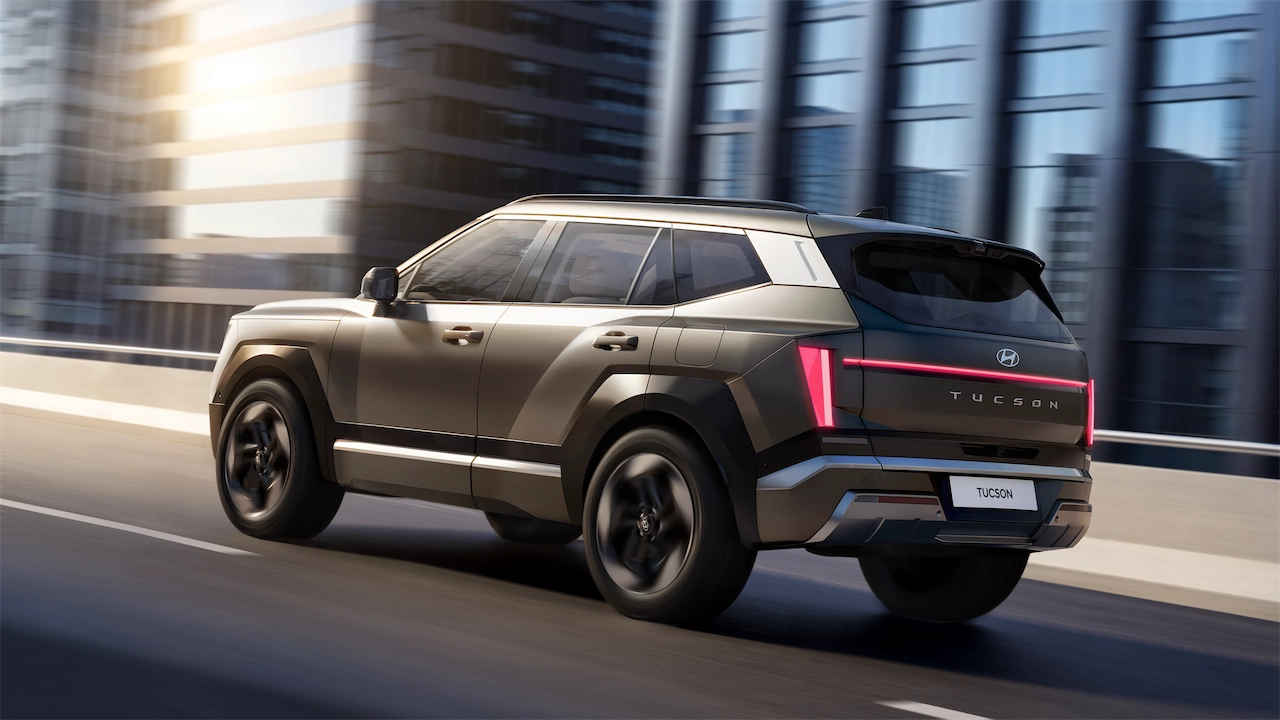
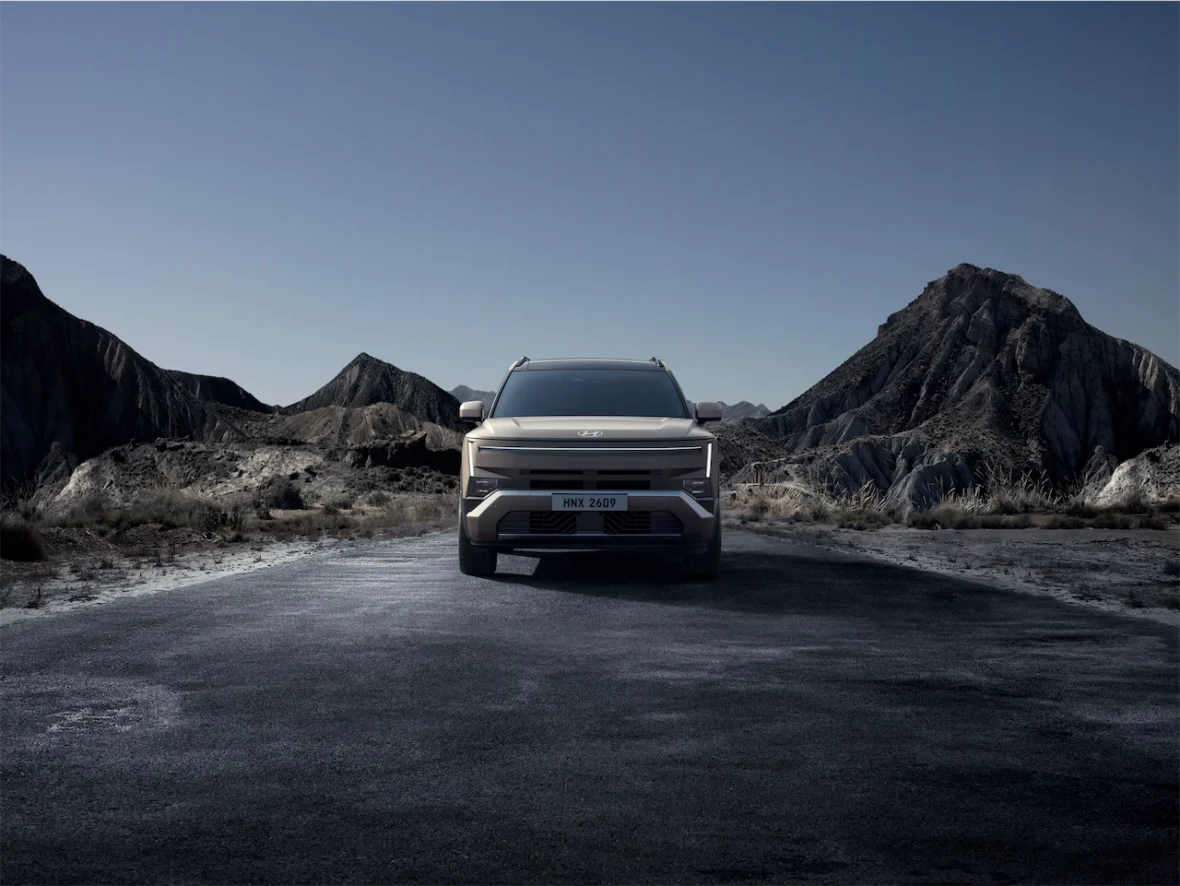
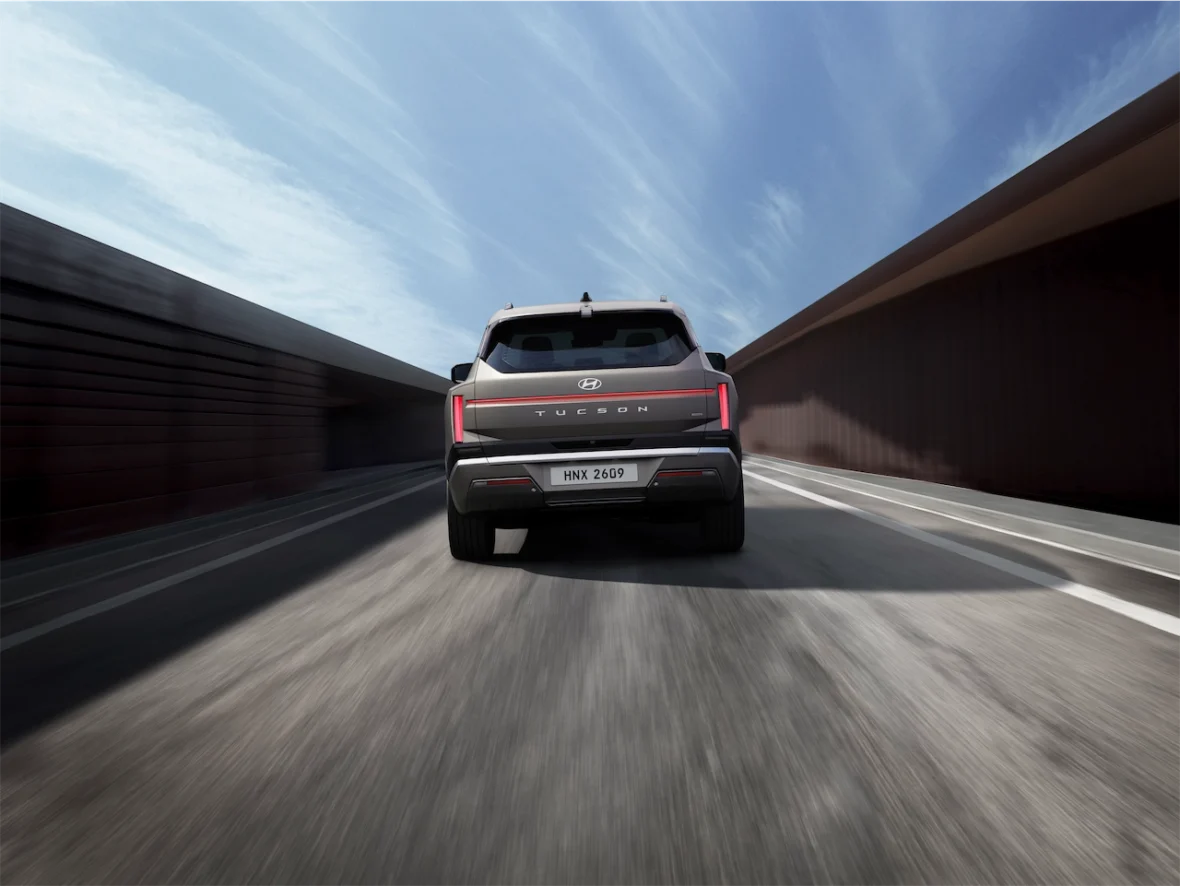
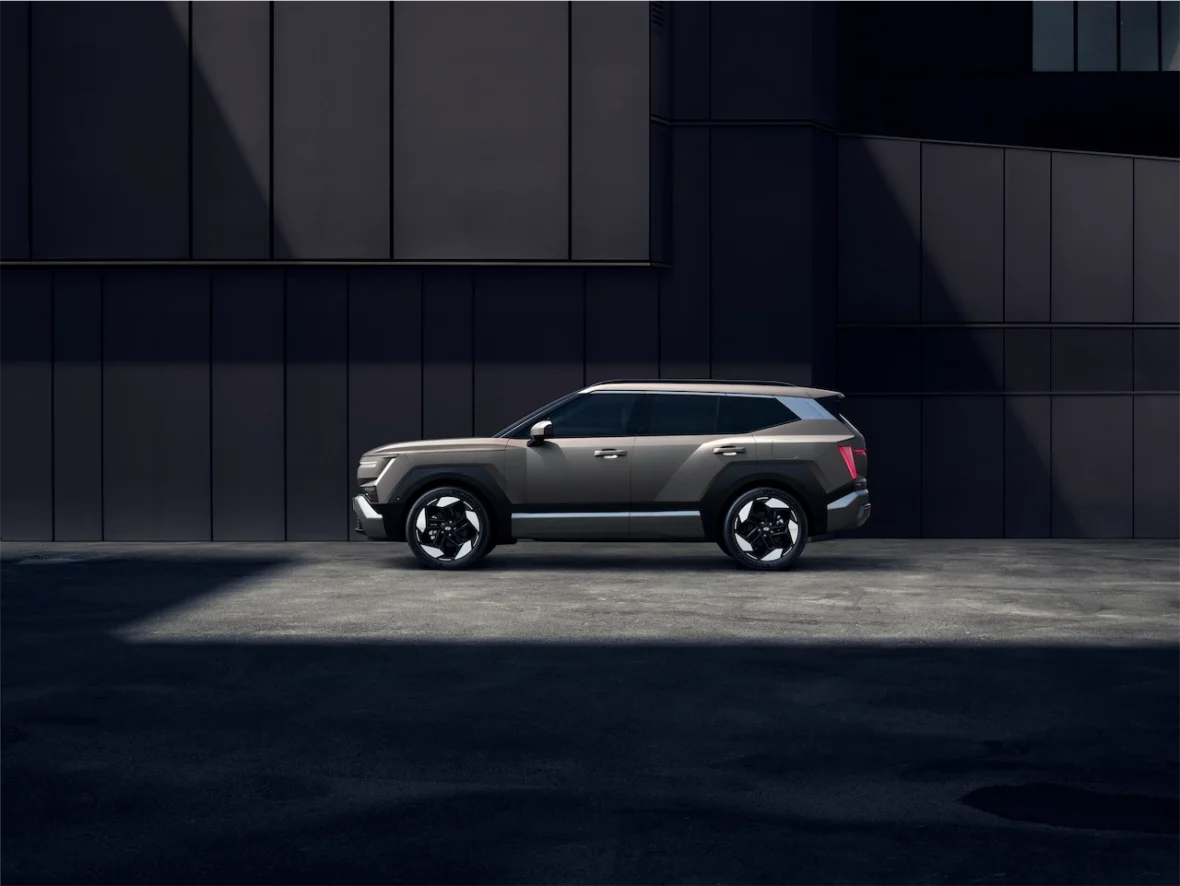
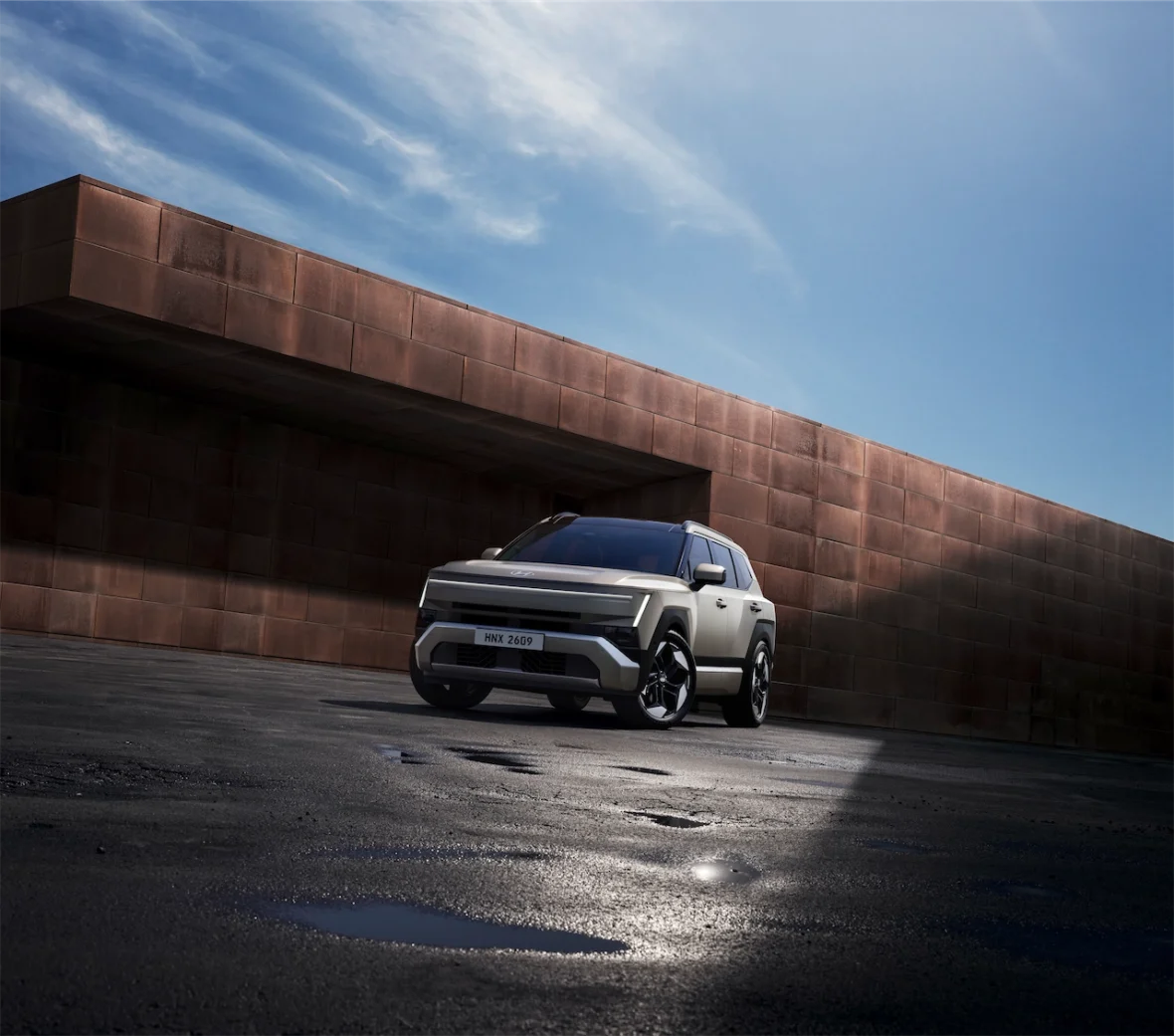
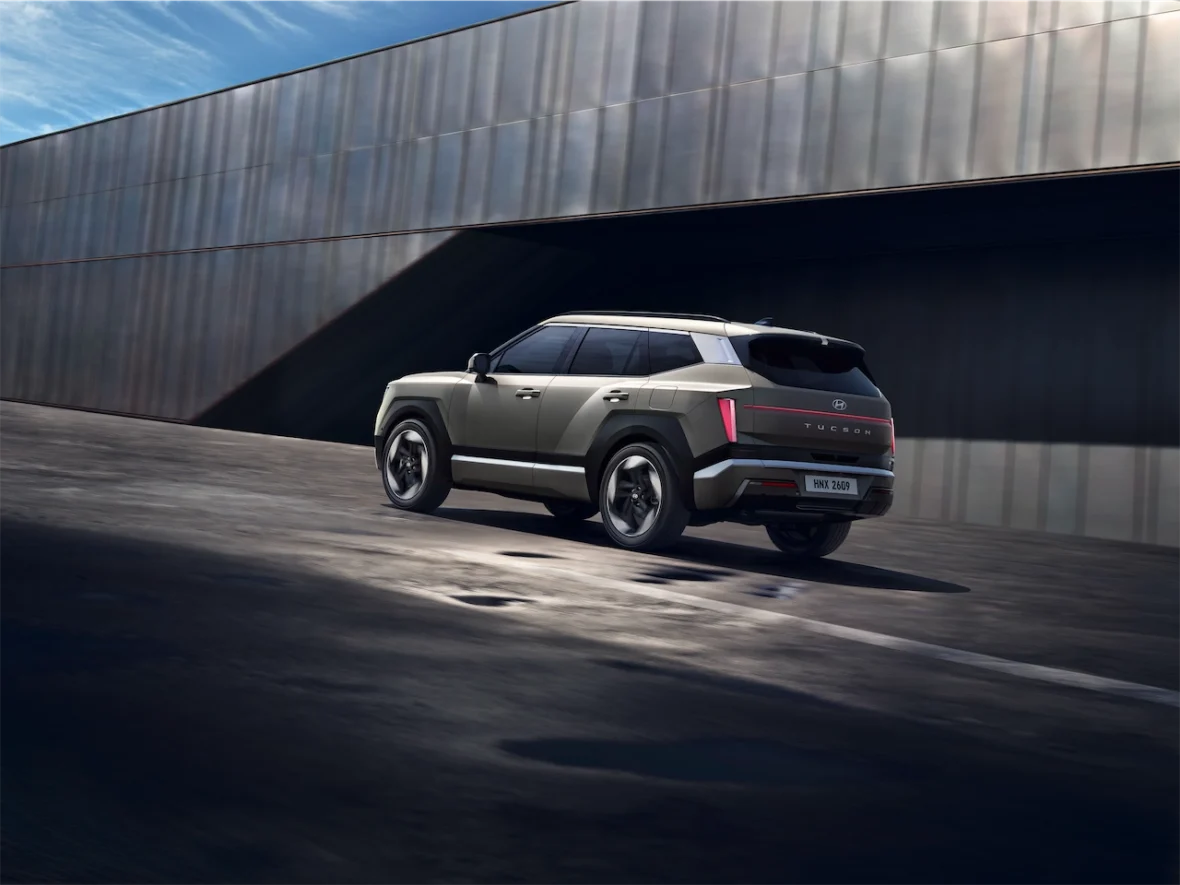
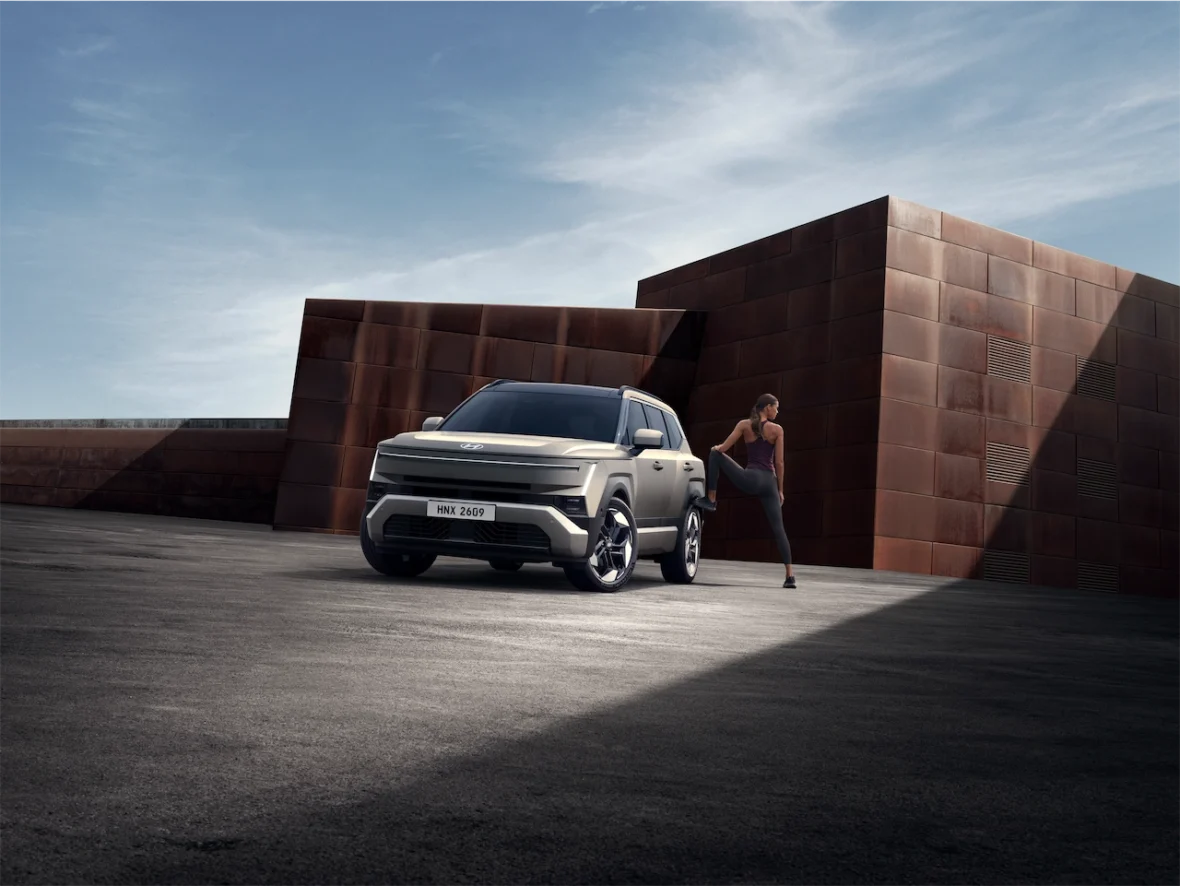
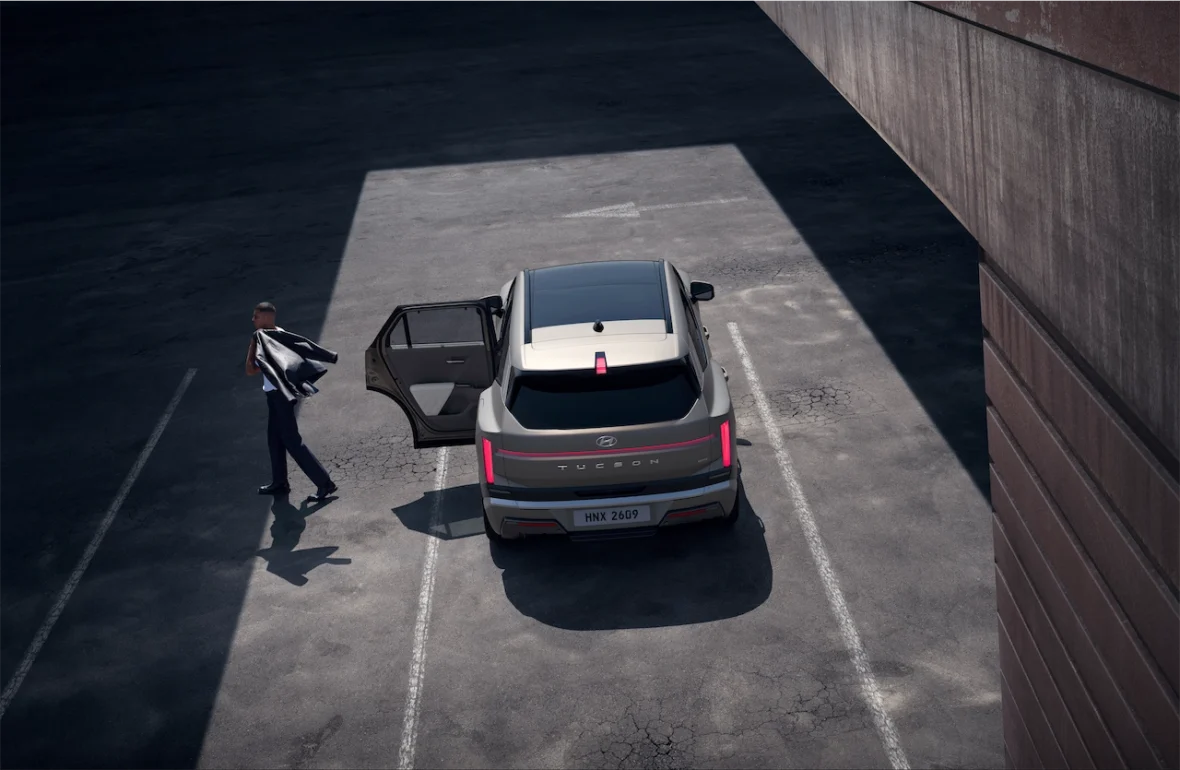
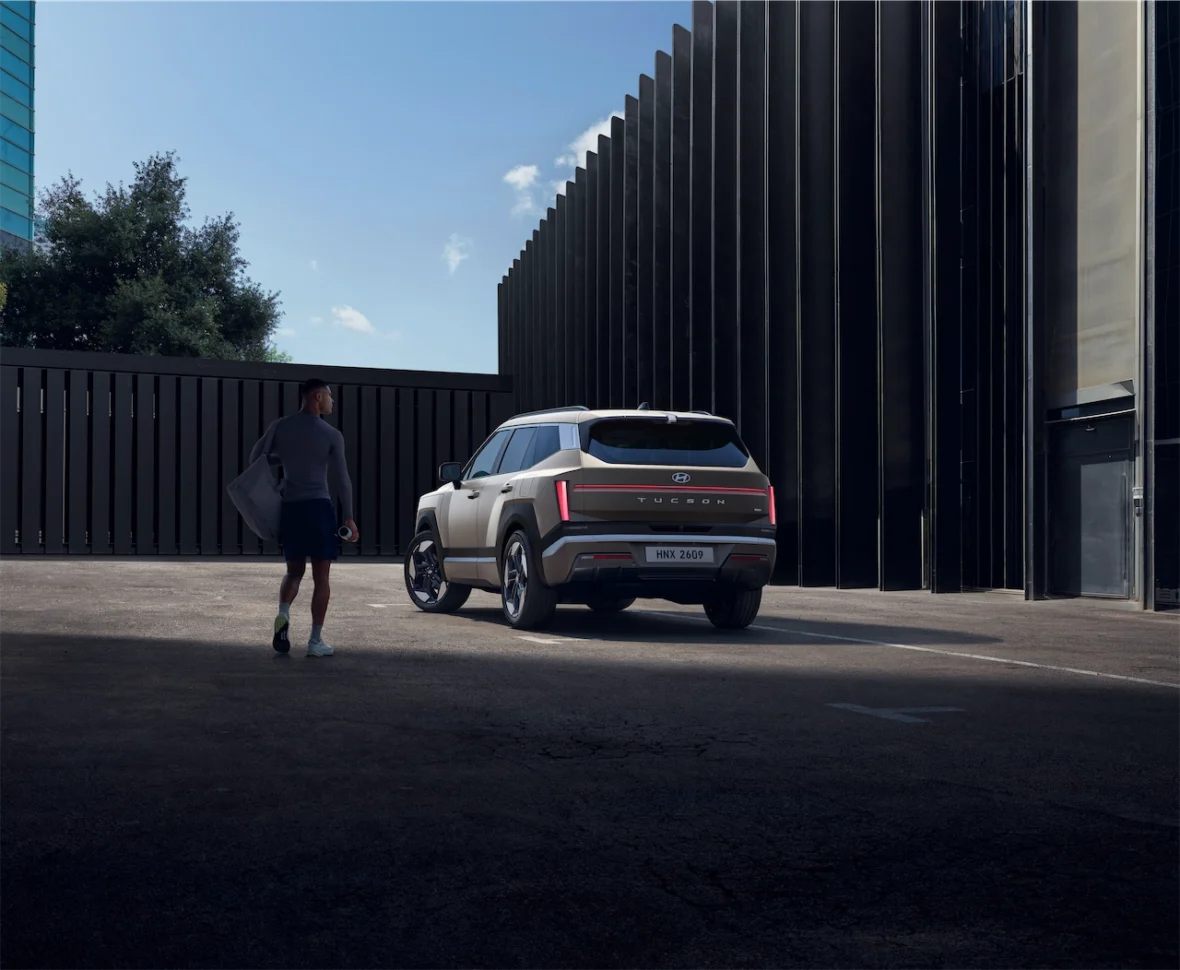
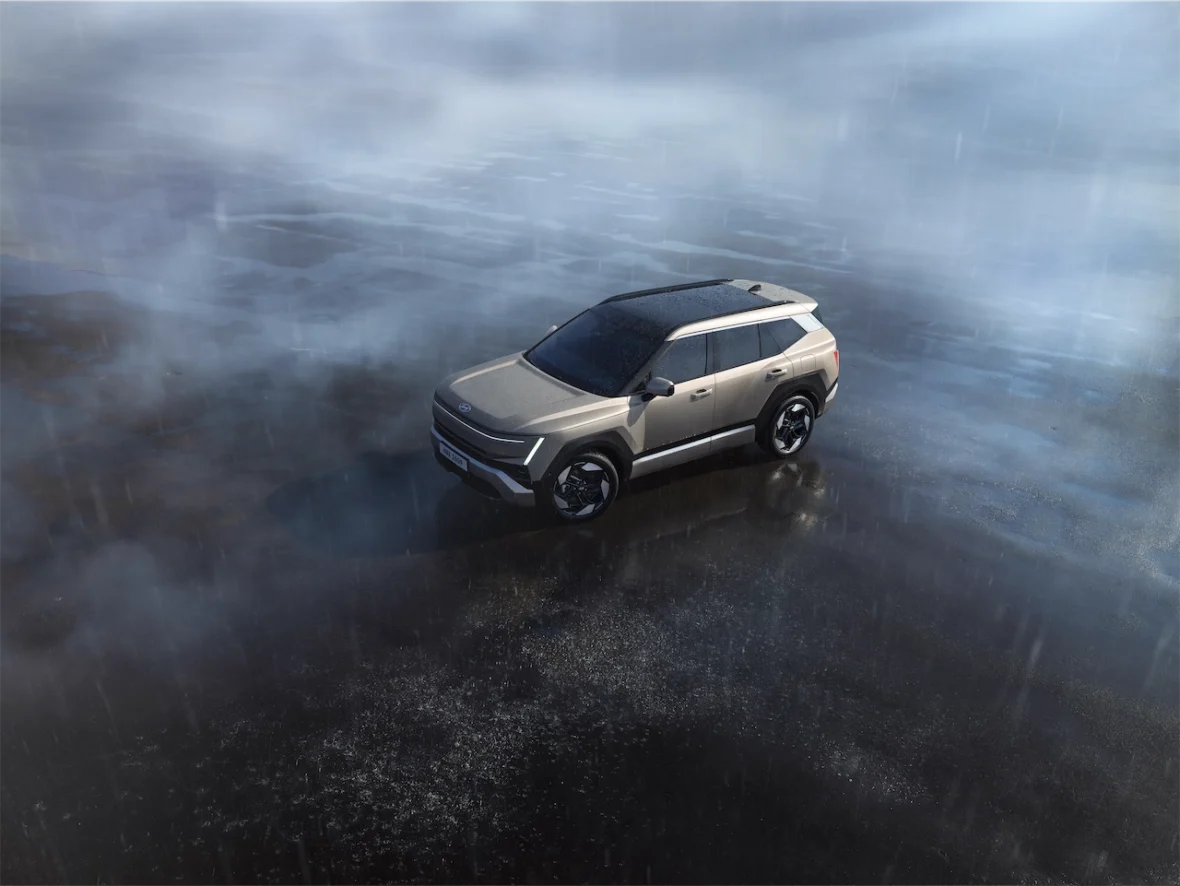
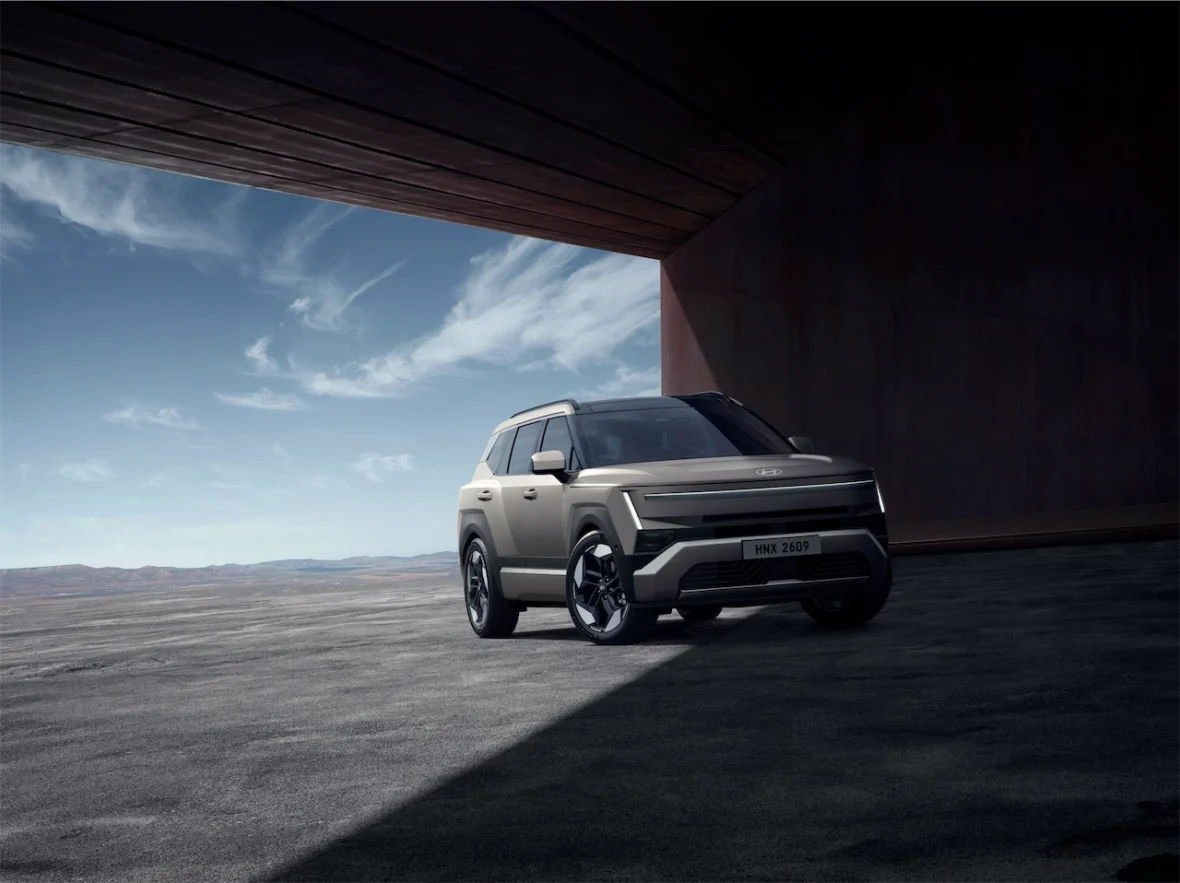
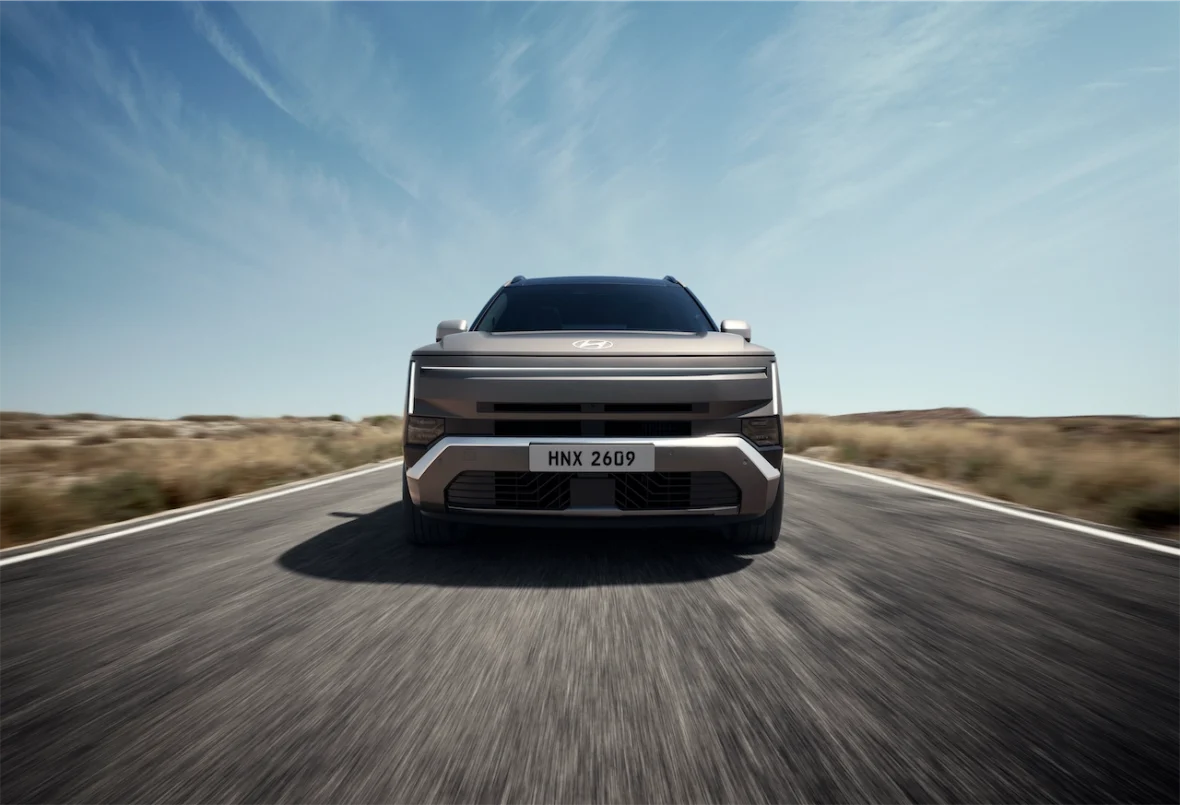
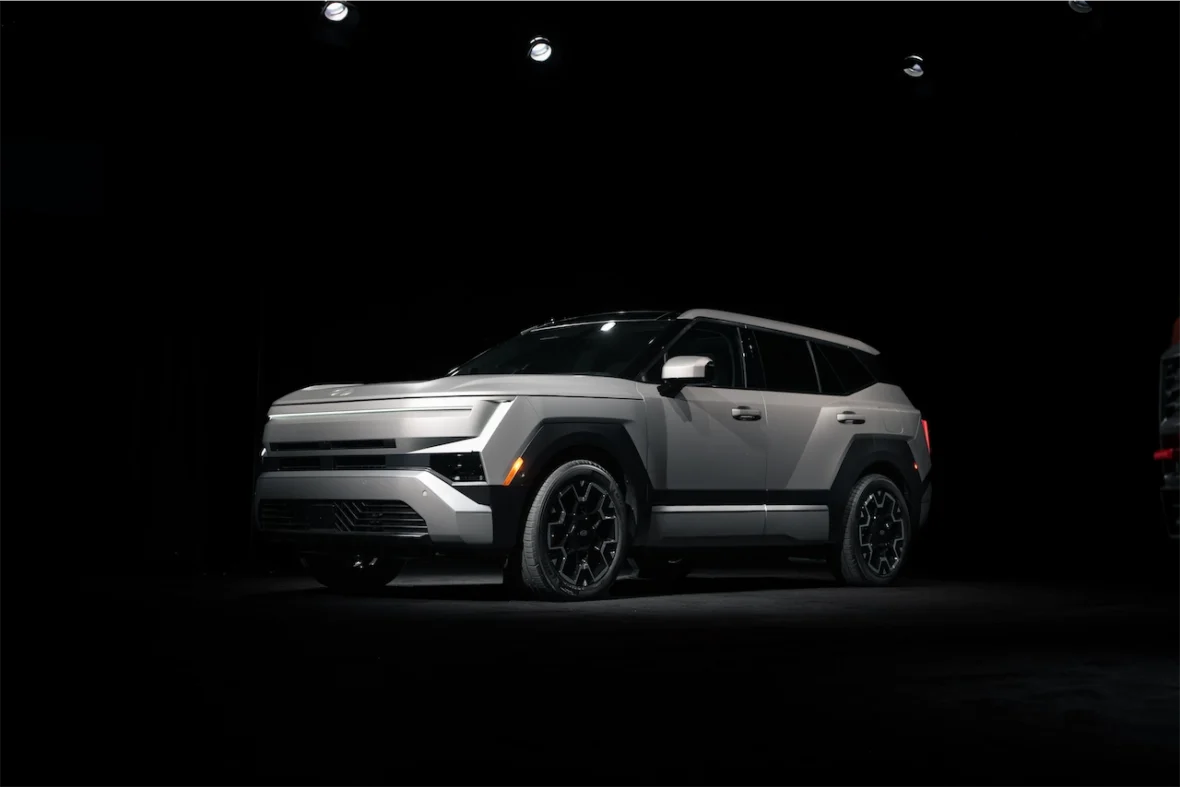
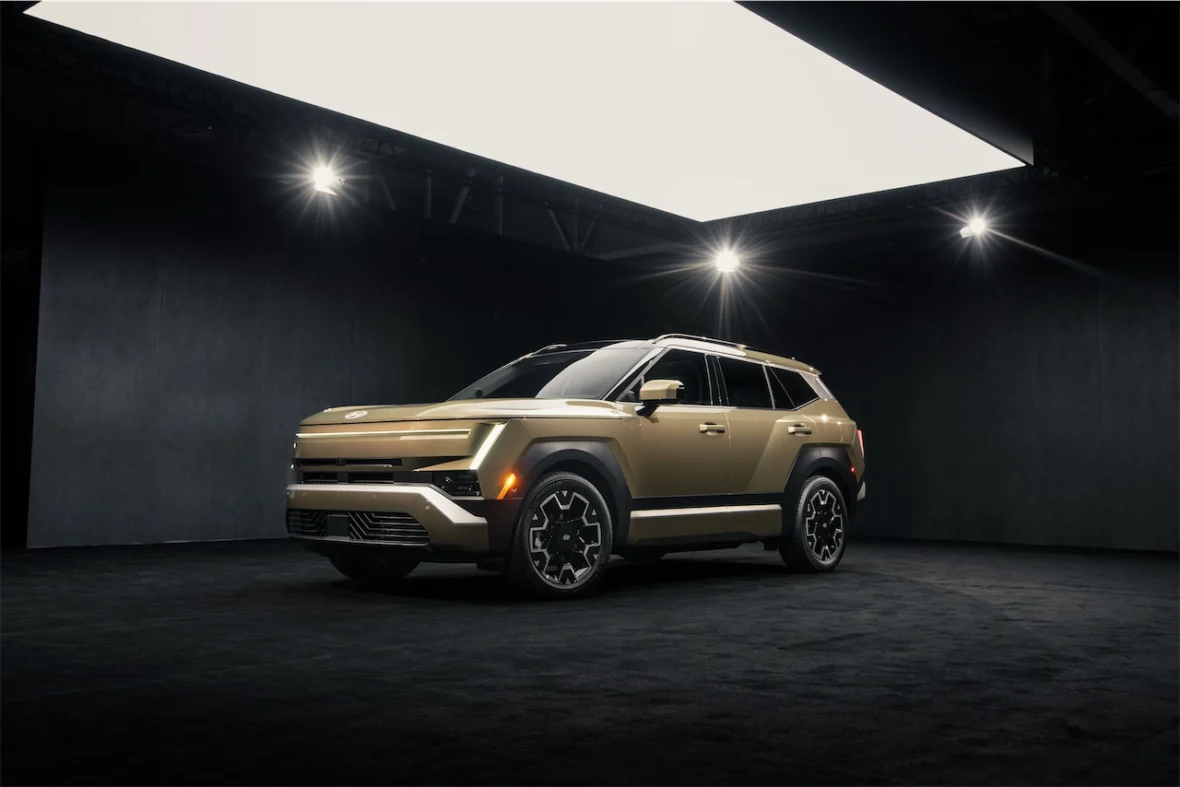
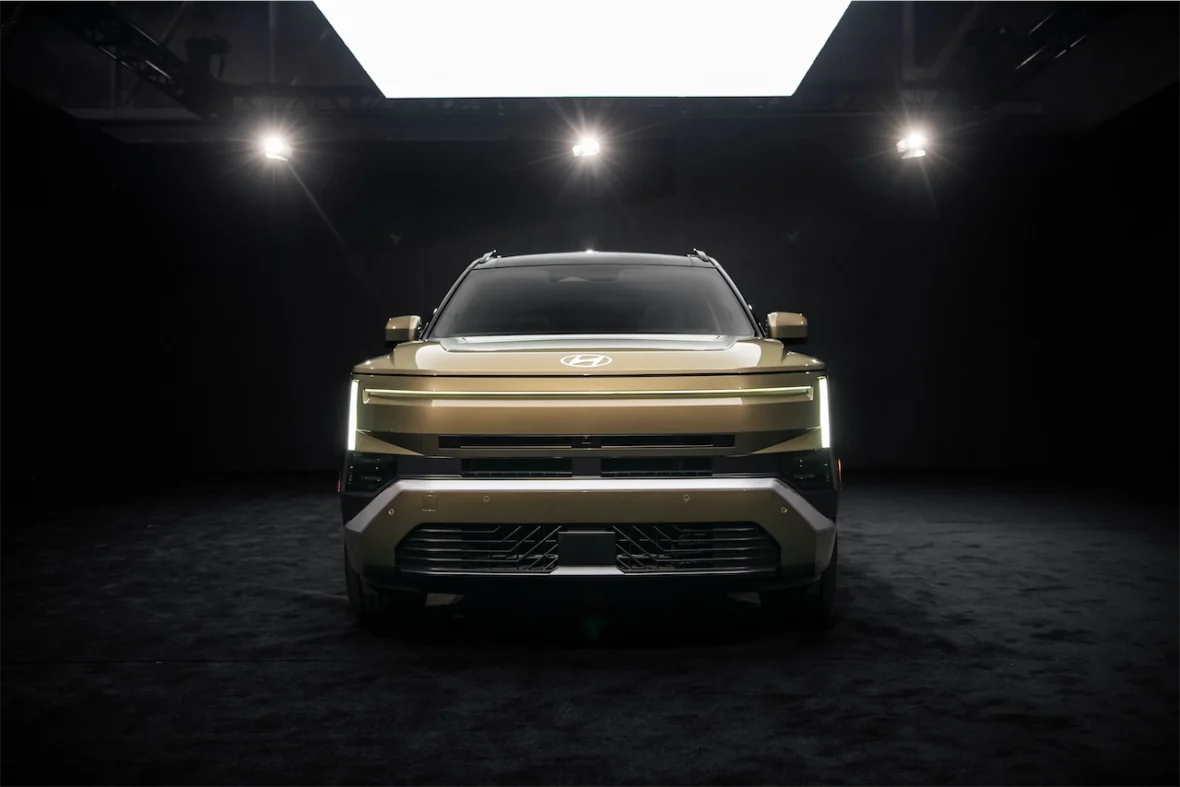
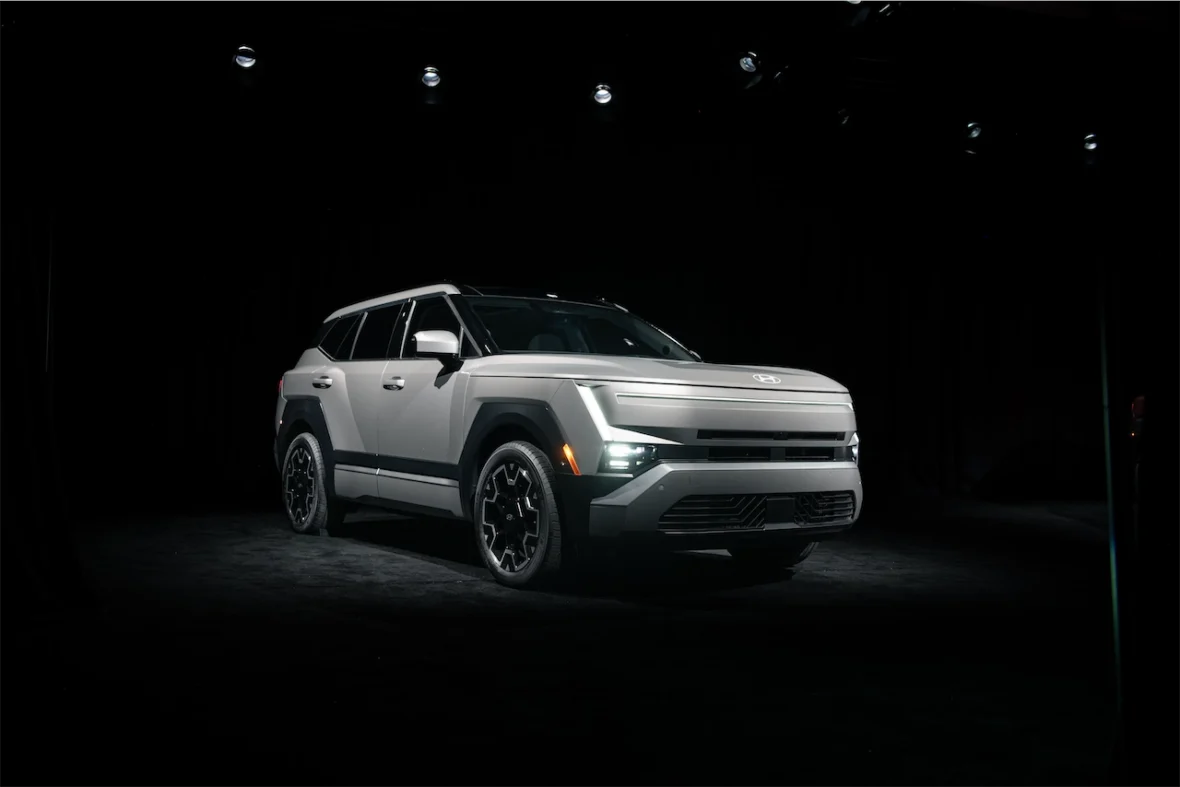
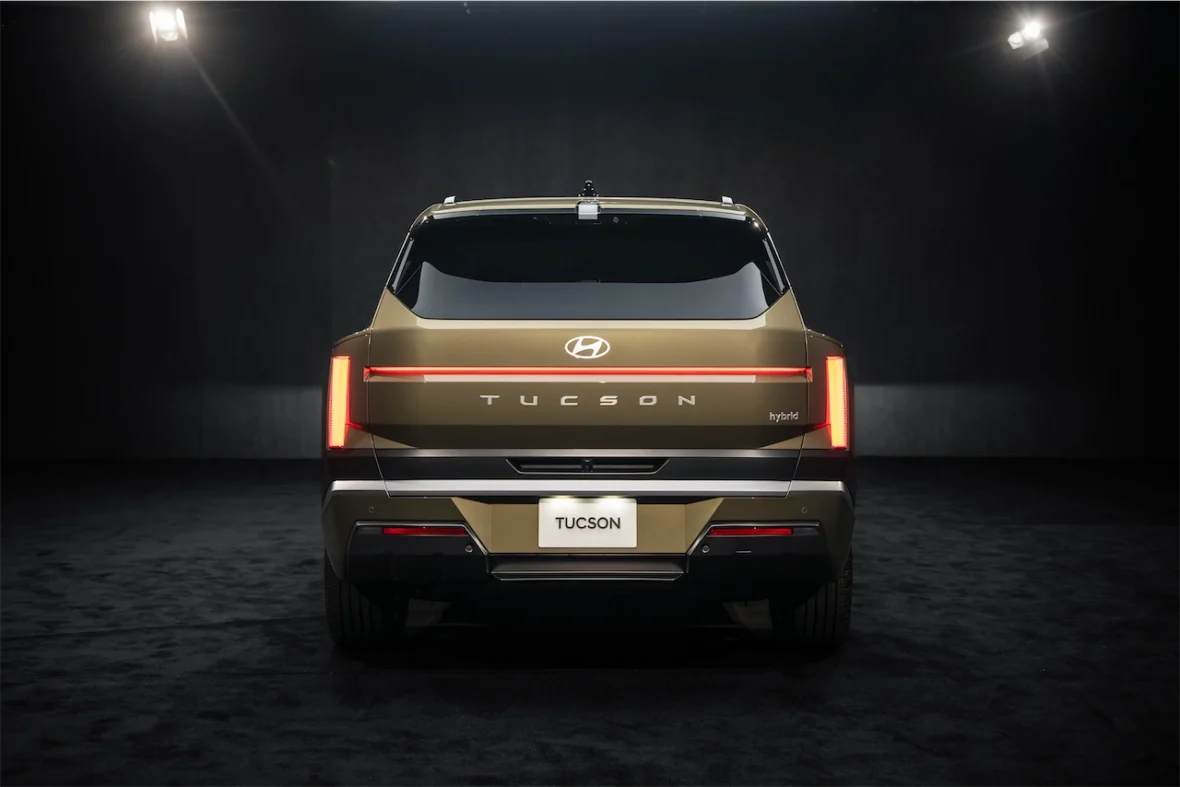
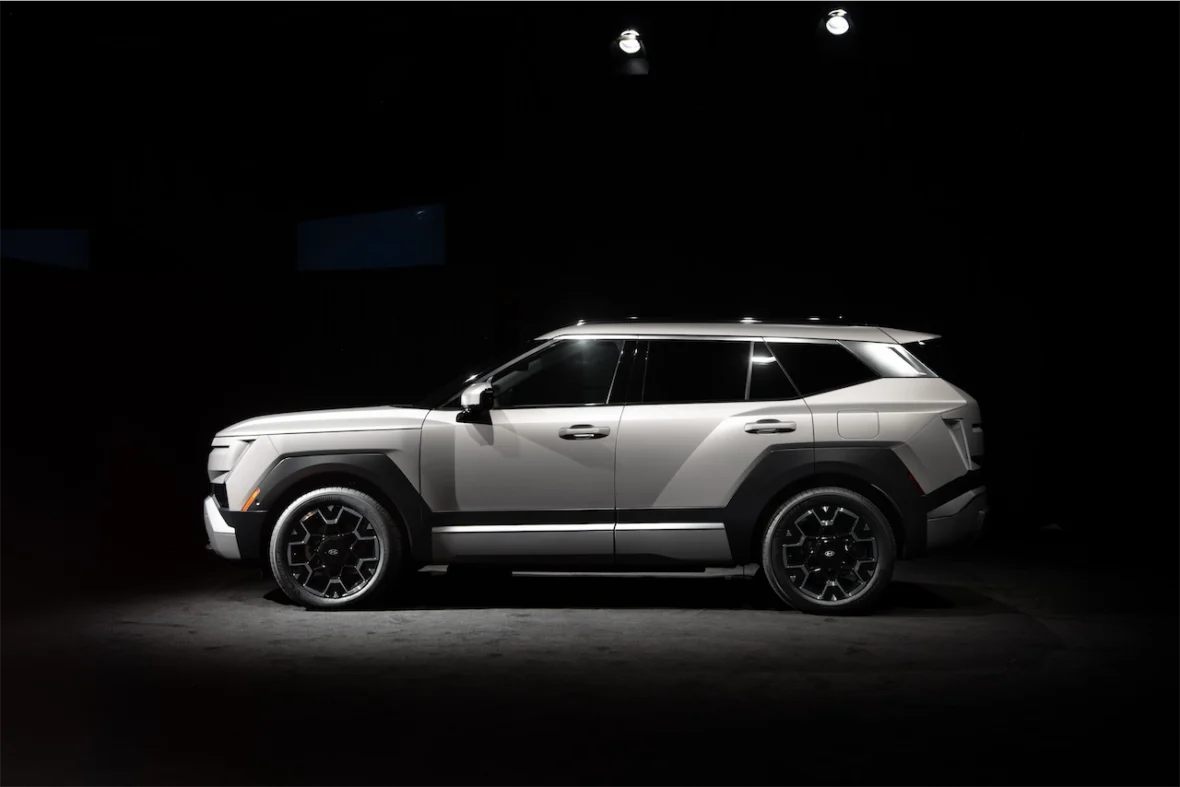
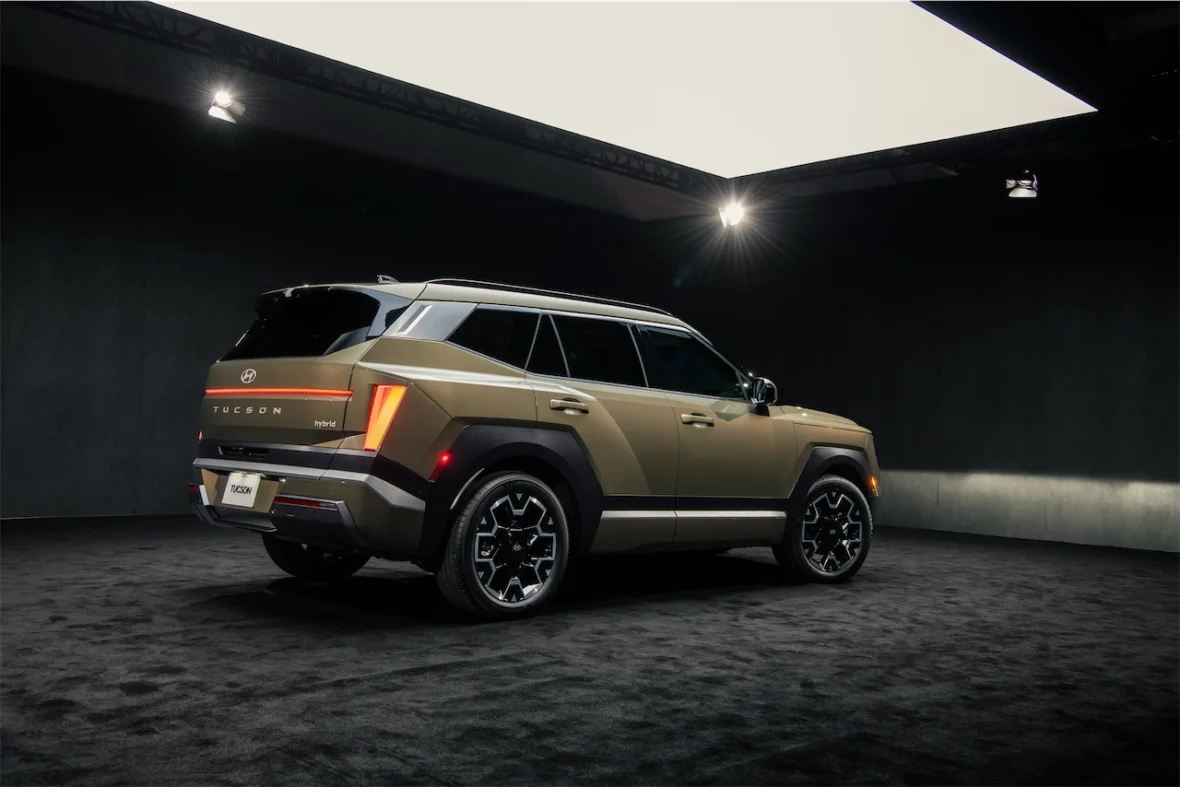
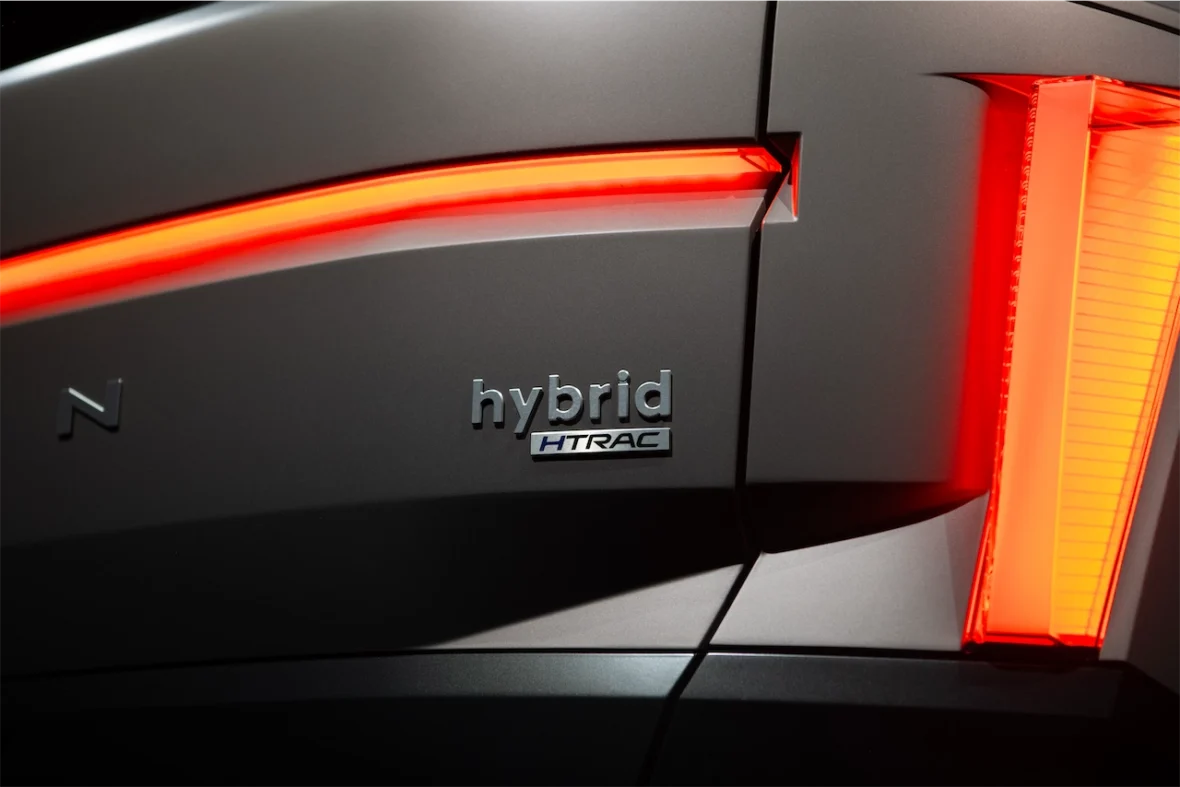
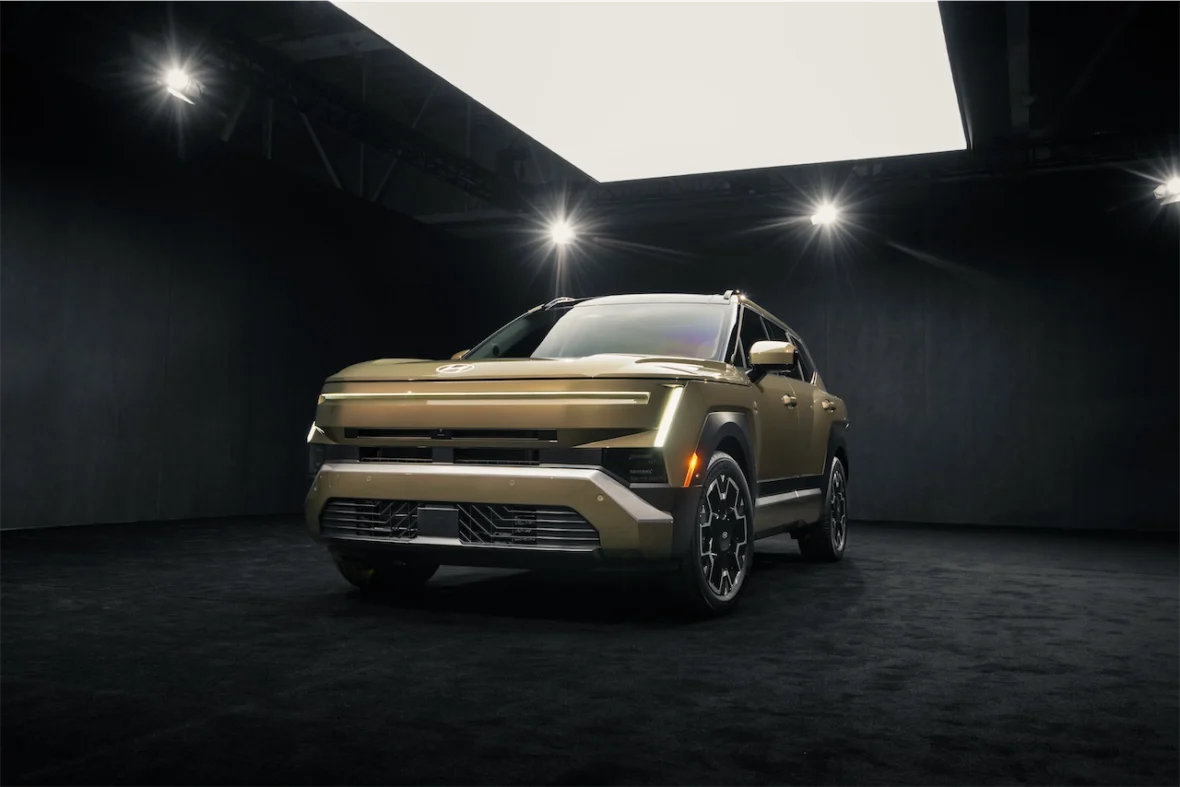
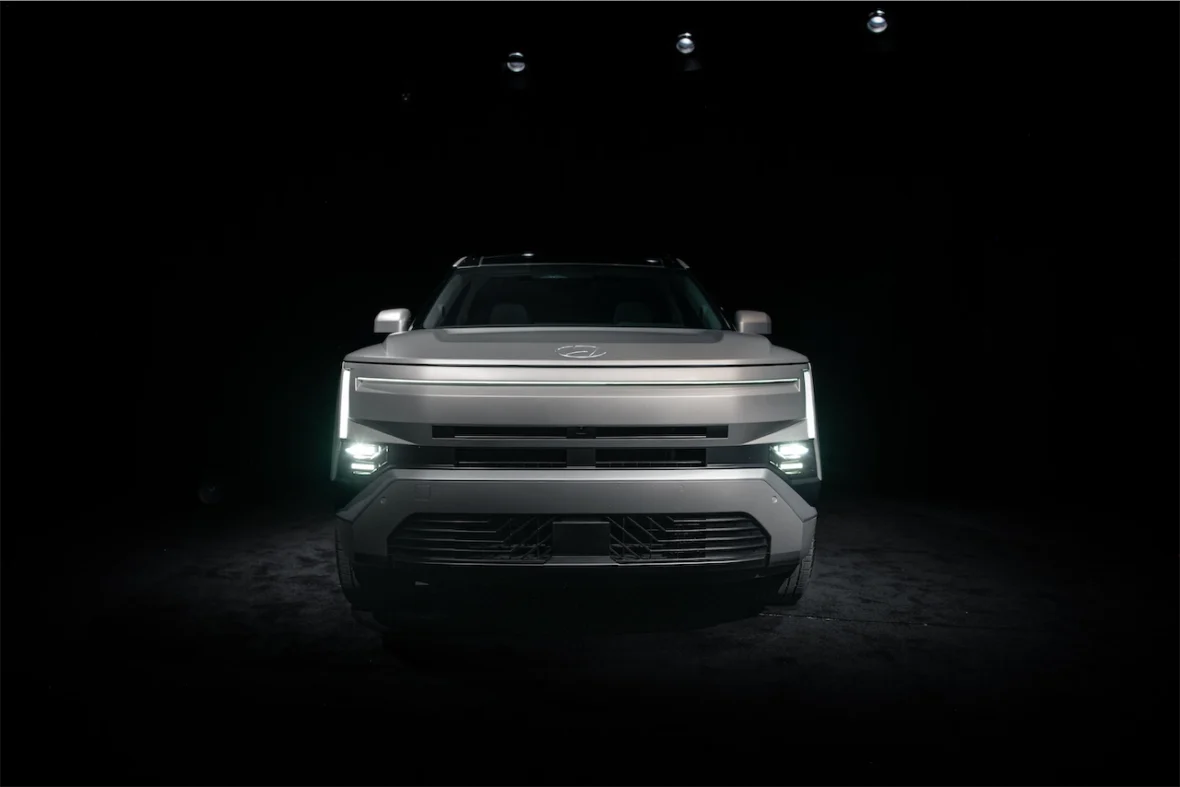
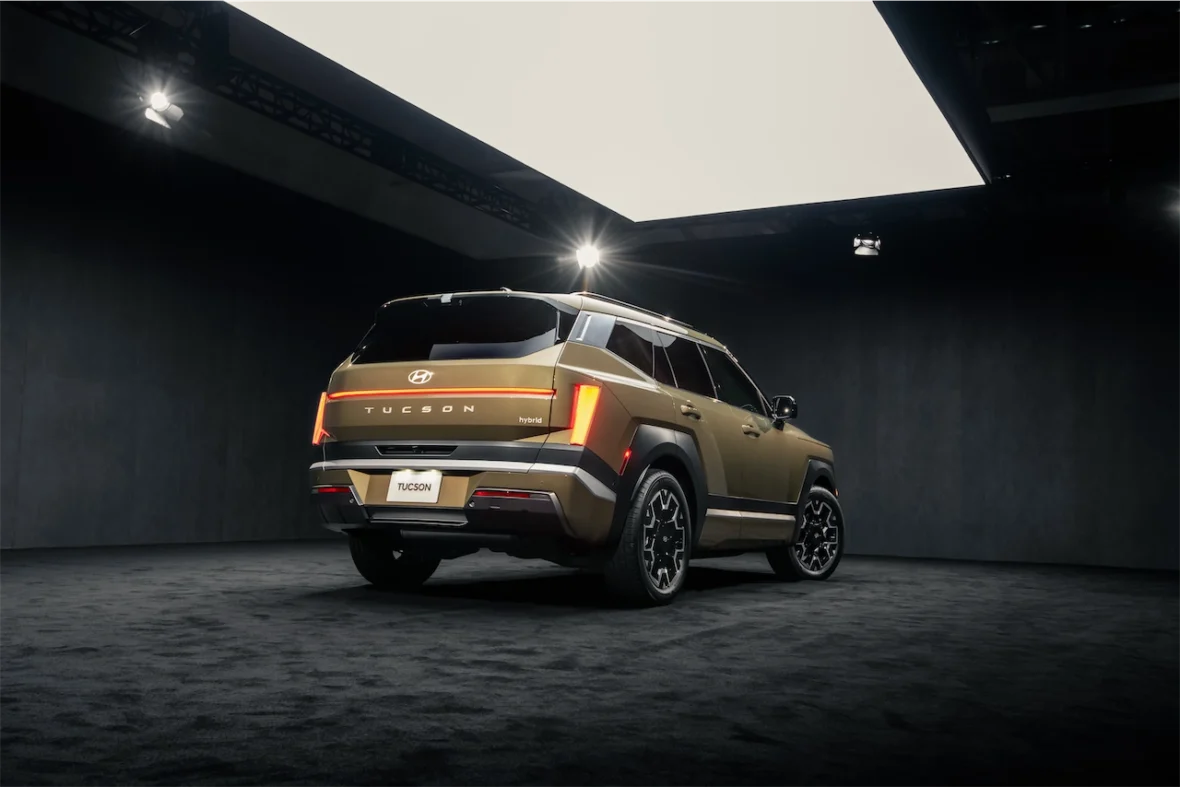
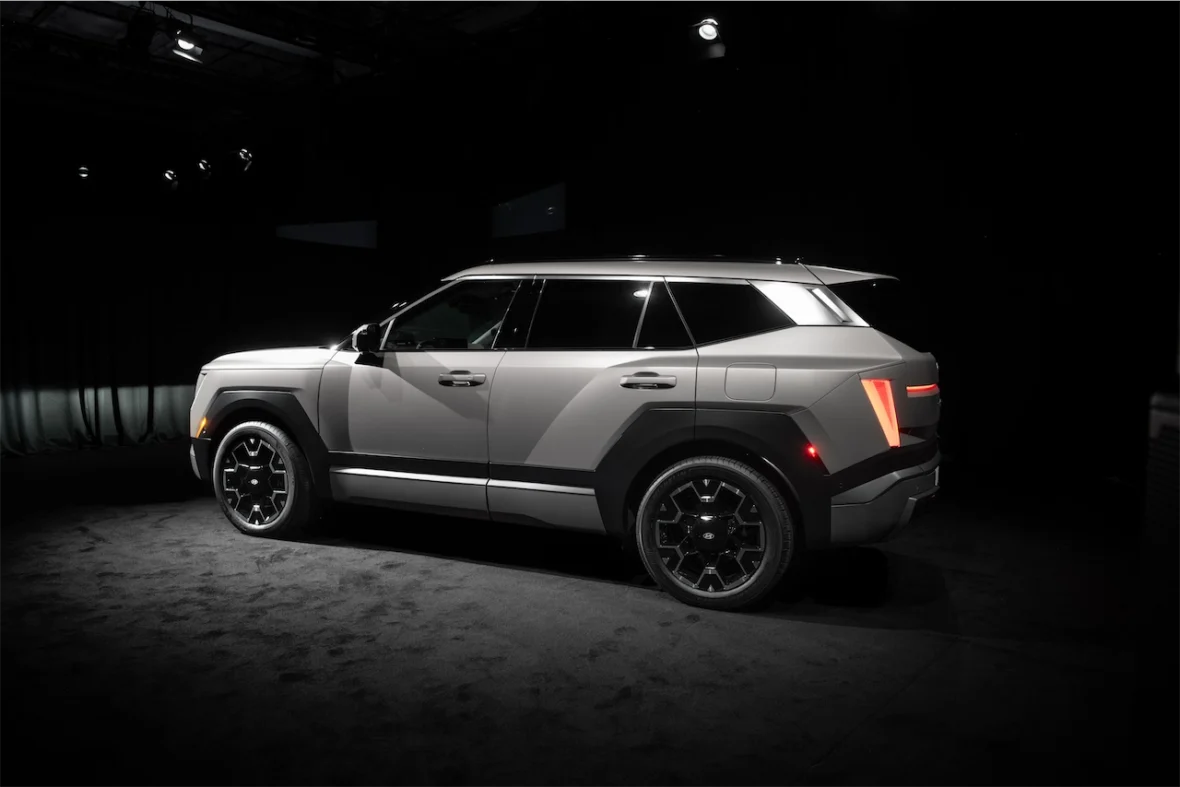
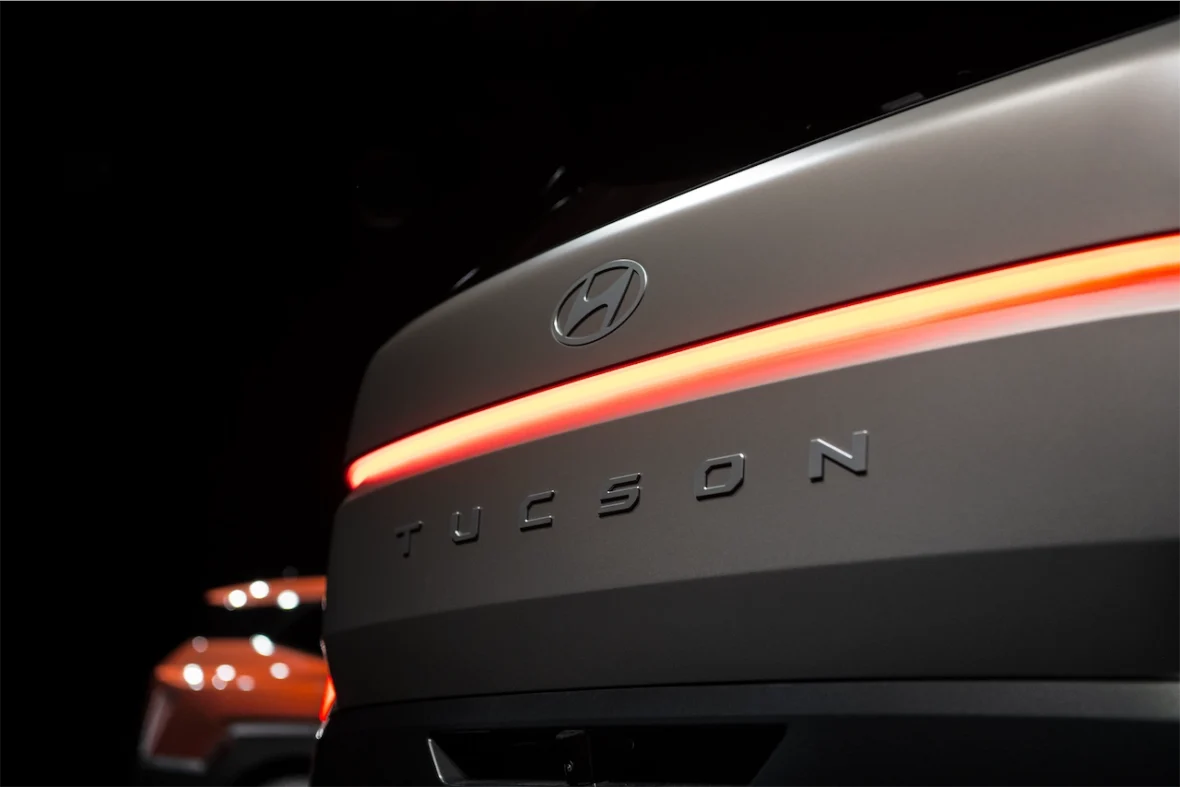
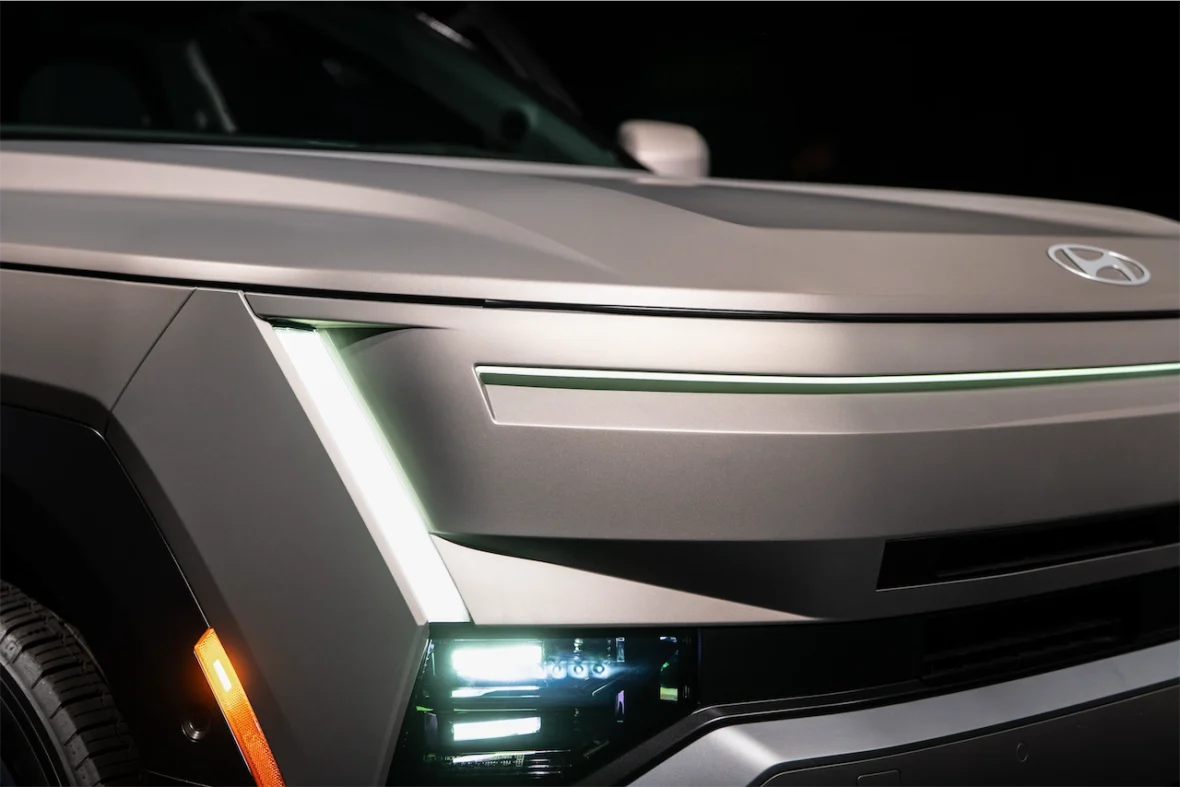
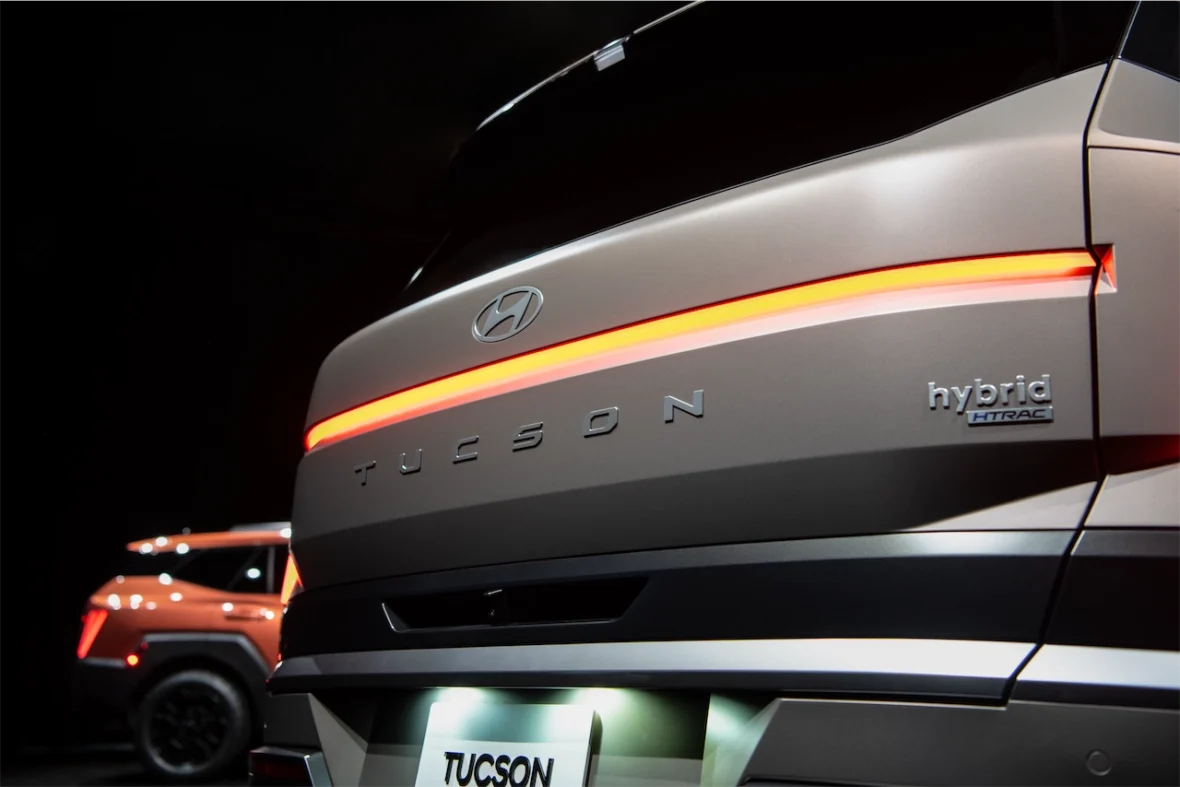
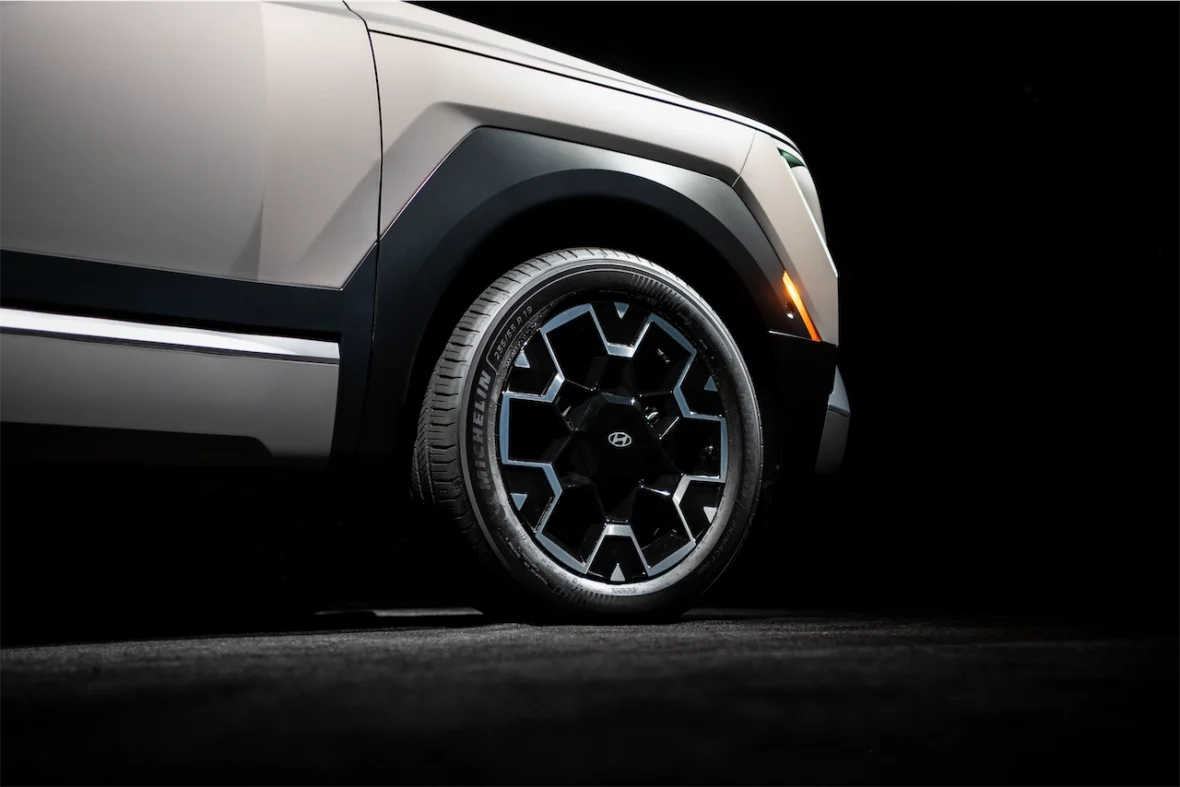
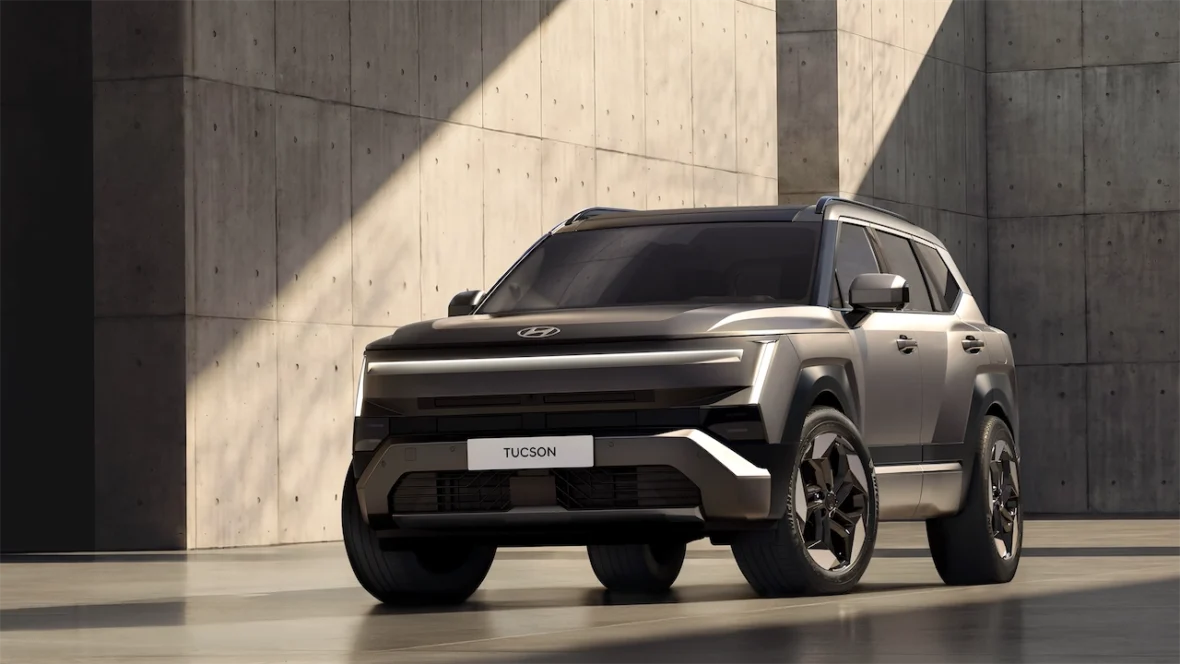
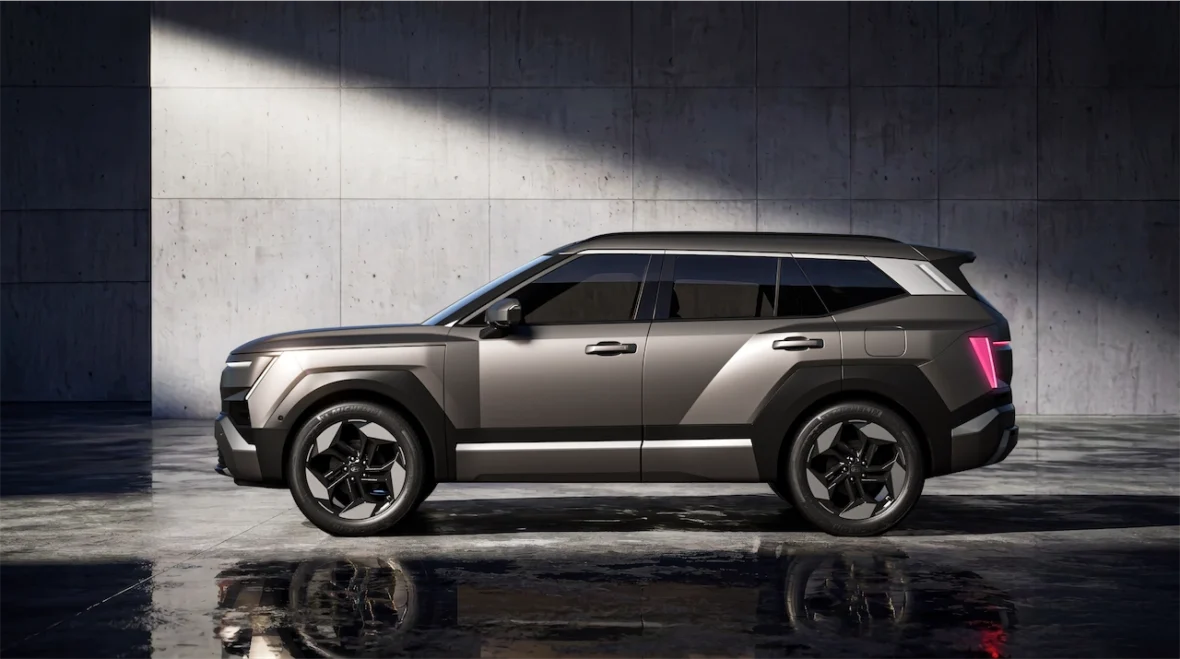
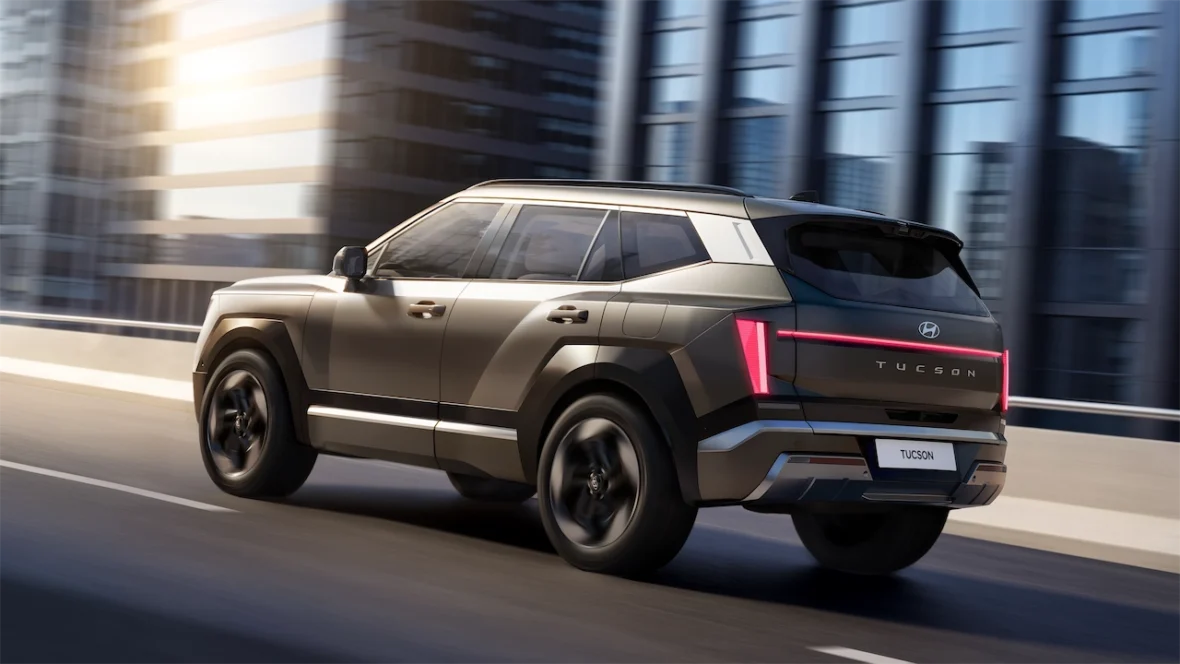
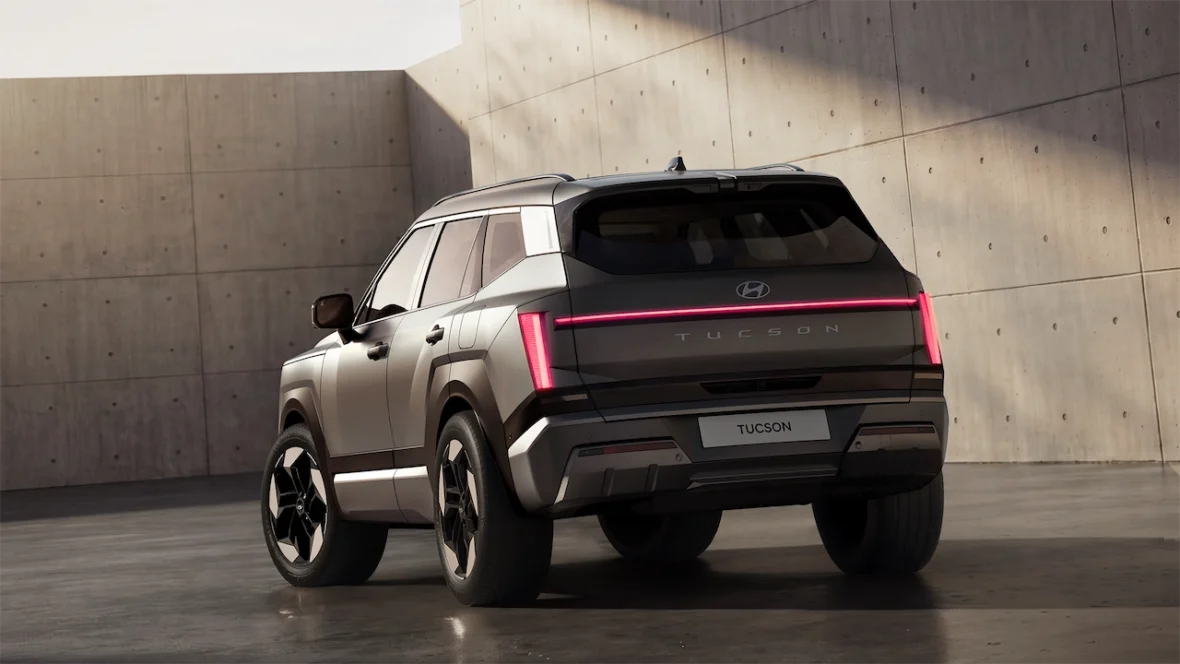
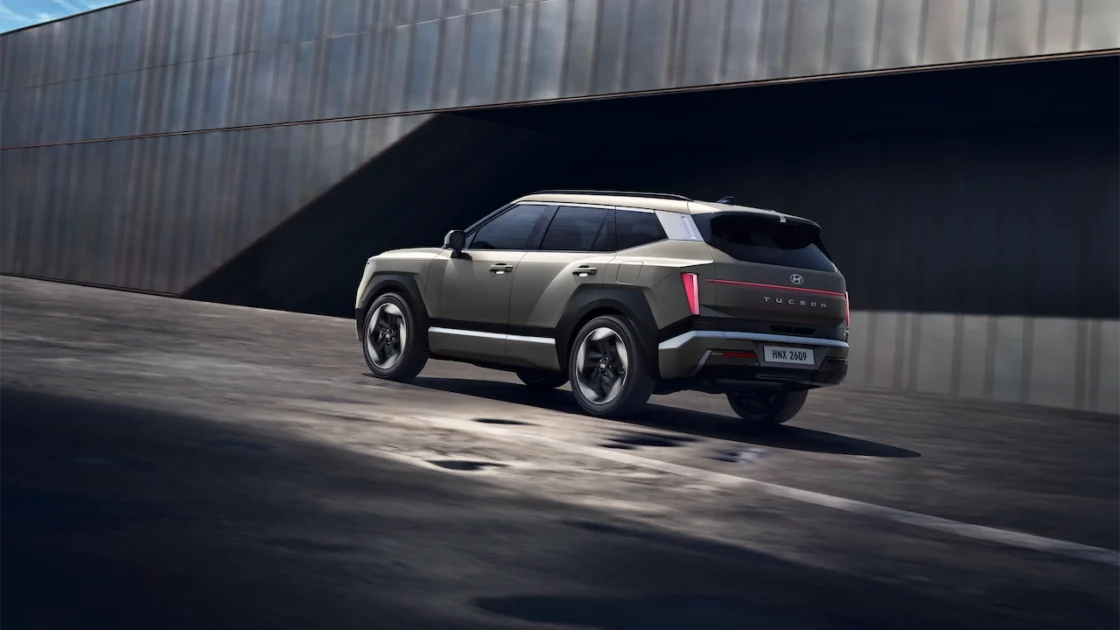
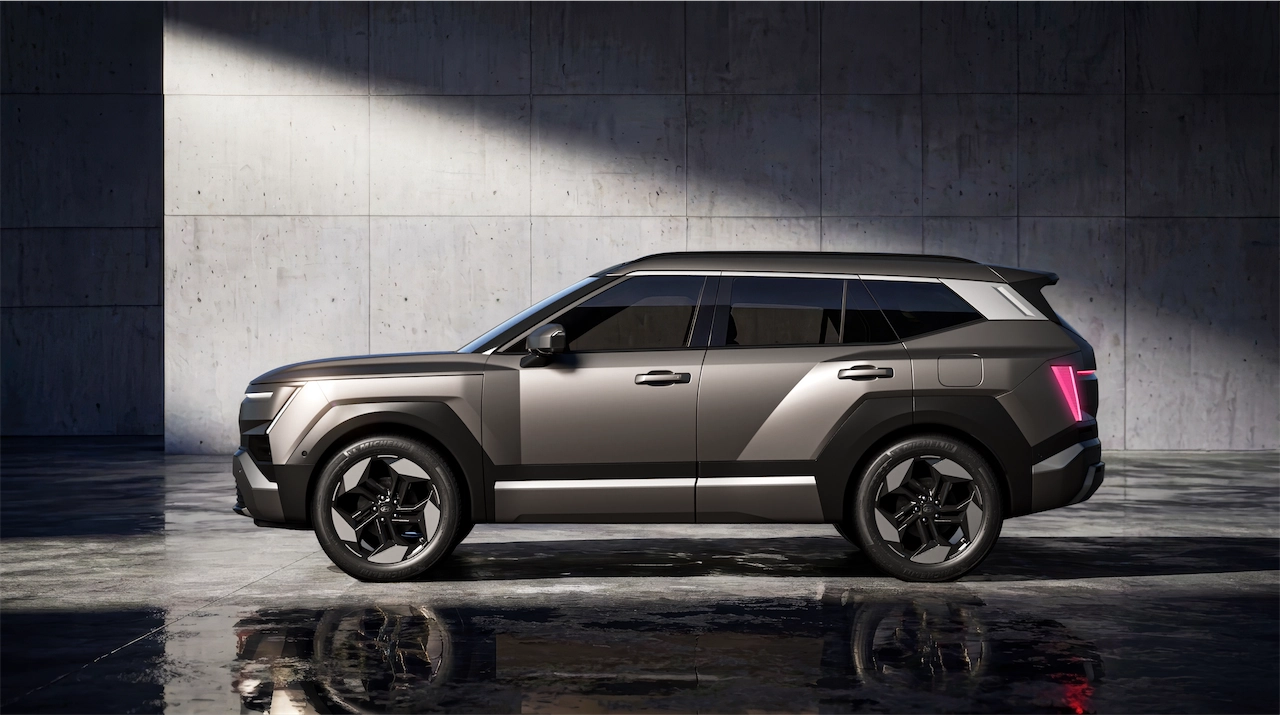
The new Hyundai Tucson adopts the brand’s Art of Steel design language, with pronounced fenders and a more horizontal appearance. Hyundai’s designers described their goal as giving the SUV a strong, commanding presence.
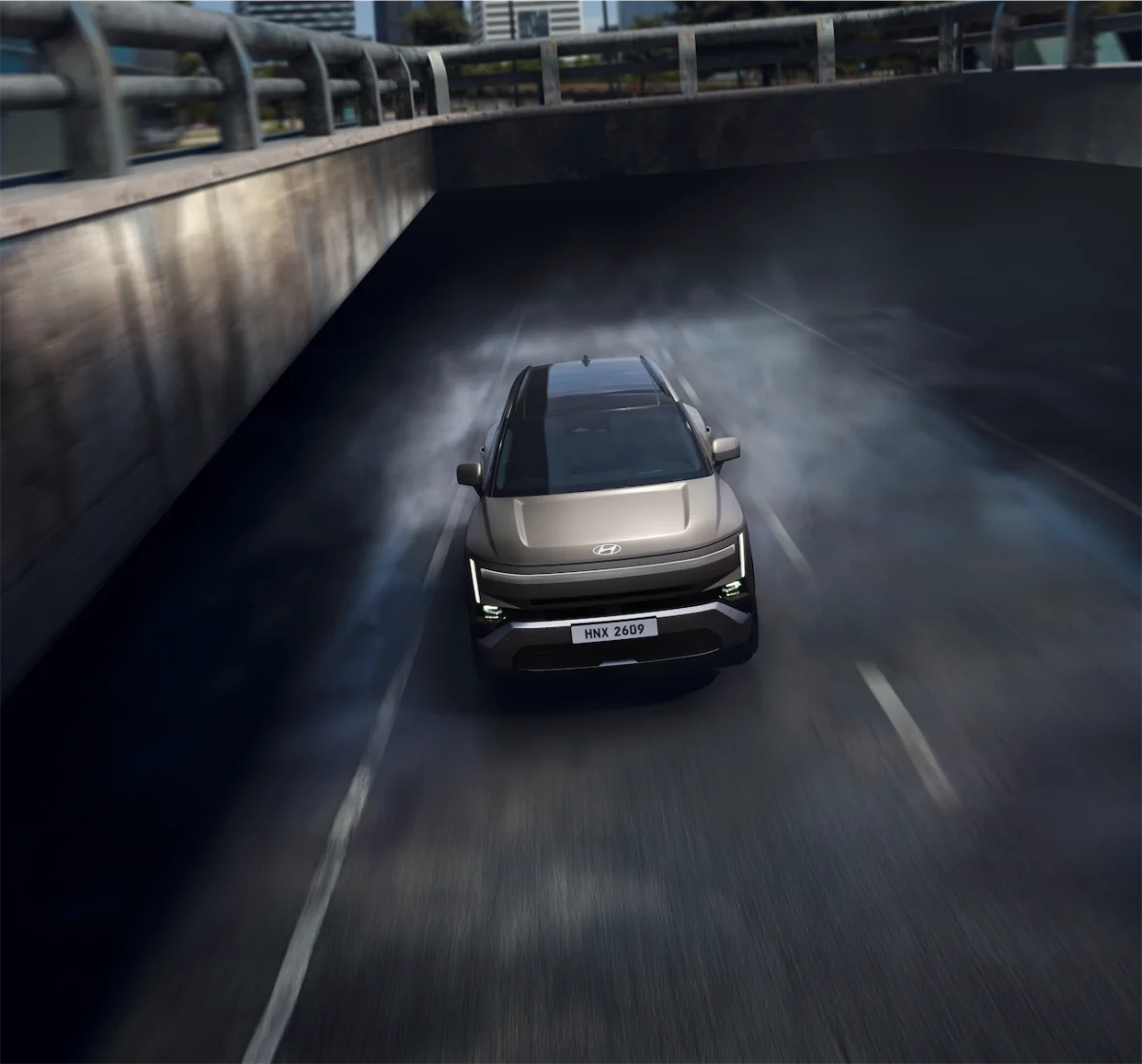
A clamshell hood helps create that effect. Its continuous horizontal line draws your eye across the front of the vehicle, emphasizing width. During our design interview, the team explained the visual idea by comparing it with turning the stripes of a pinstripe suit sideways.
Making that hood work required additional engineering effort, including more complex hinges and careful attention to how the panels fit together. It’s an interesting reminder that a styling choice can influence components most owners will never notice outright.
Hyundai also approaches its lineup with what its designers describe as a chess-piece philosophy. Each vehicle has a distinct role and appearance while sharing recognizable family details. The Tucson gets its own SUV identity within that approach.
There’s a quieter cultural influence, too. The design team pointed to a diagonal junction near the rear fender as a subtle reference to the lines of a hanbok, traditional Korean clothing. It gives the design a story you might otherwise miss.
Inside the New Hyundai Tucson Interior
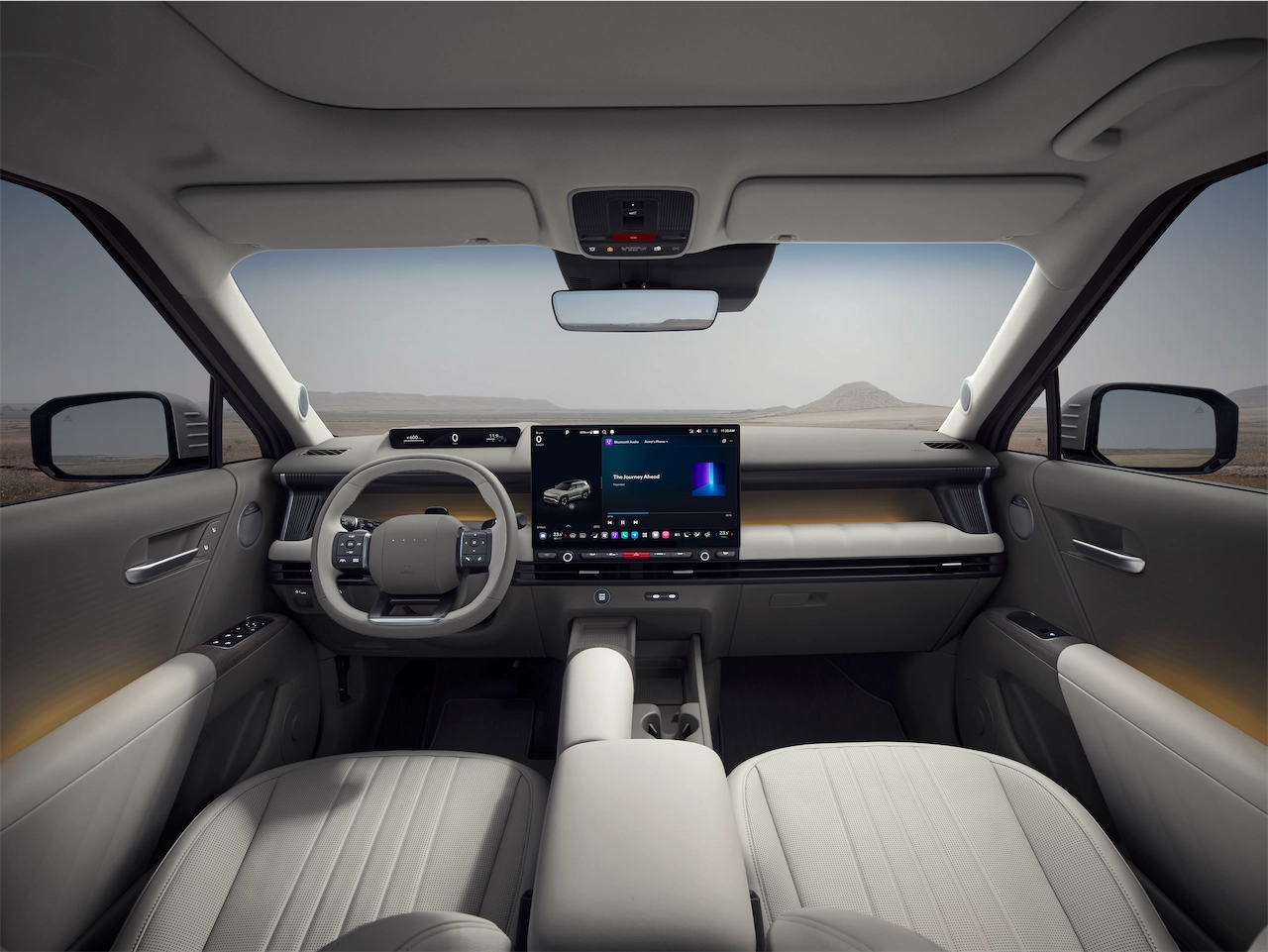
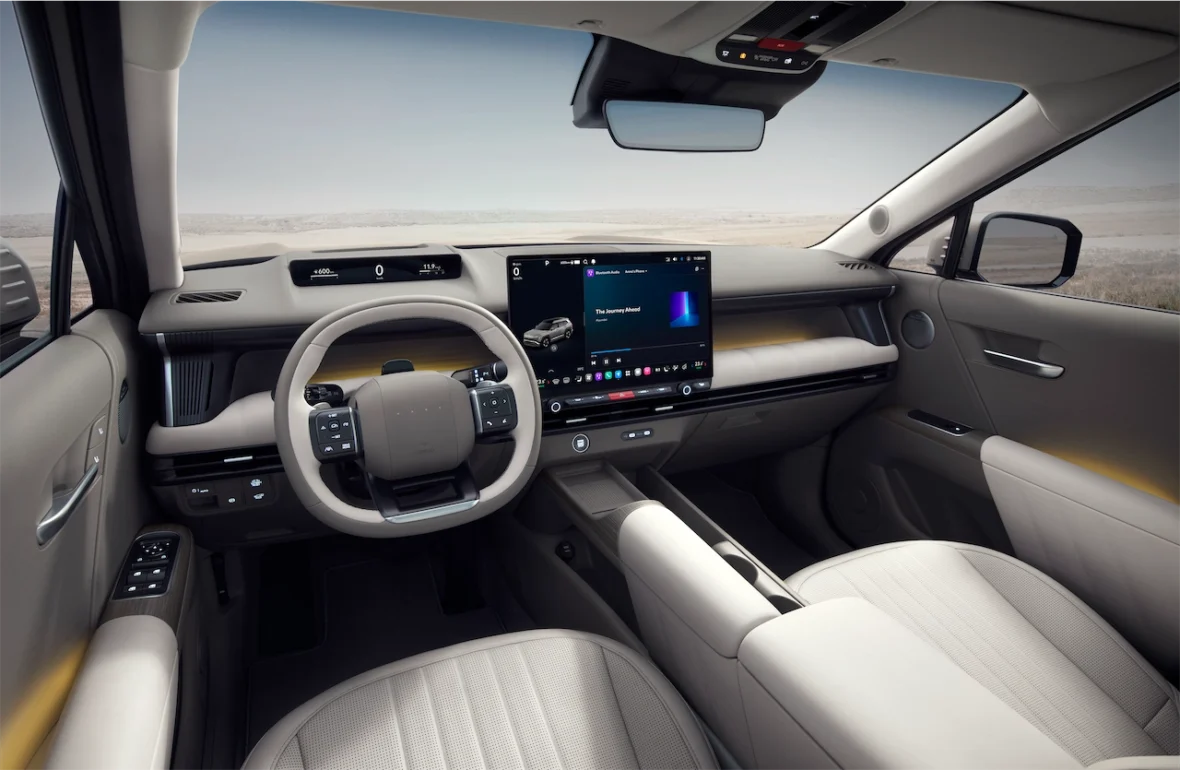
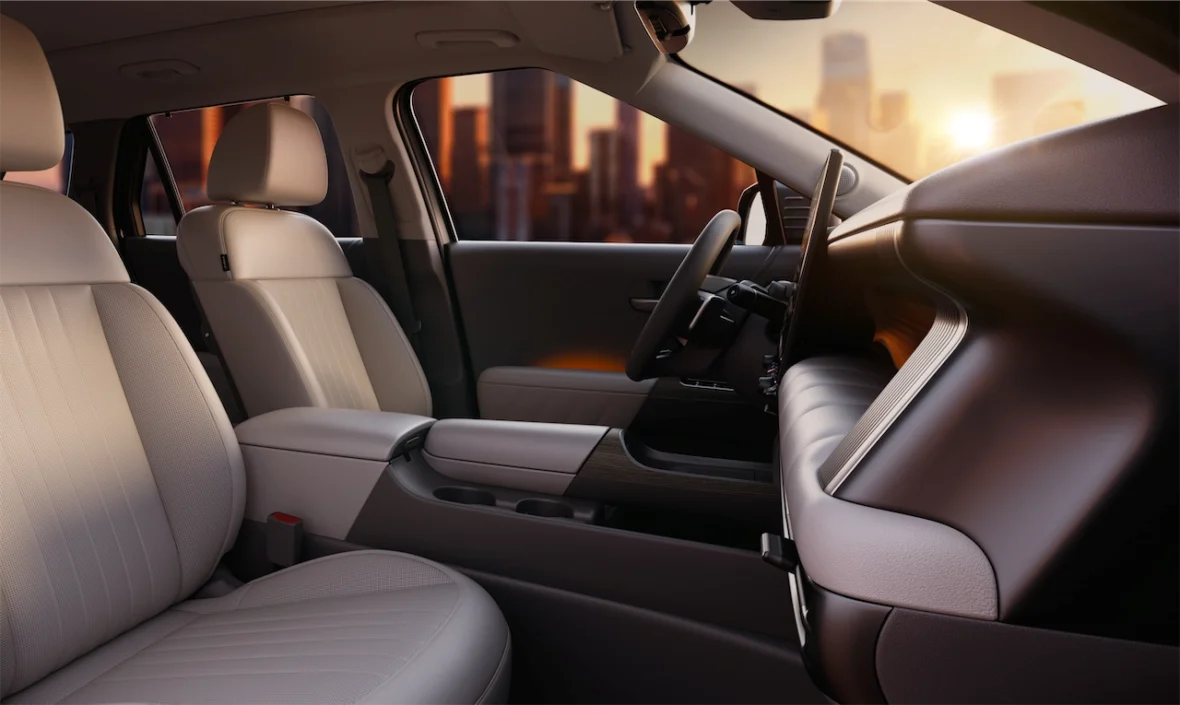
The Hyundai Tucson interior was one of the most interesting parts of our conversations because the designers explained why seemingly ordinary features were shaped or positioned a particular way.
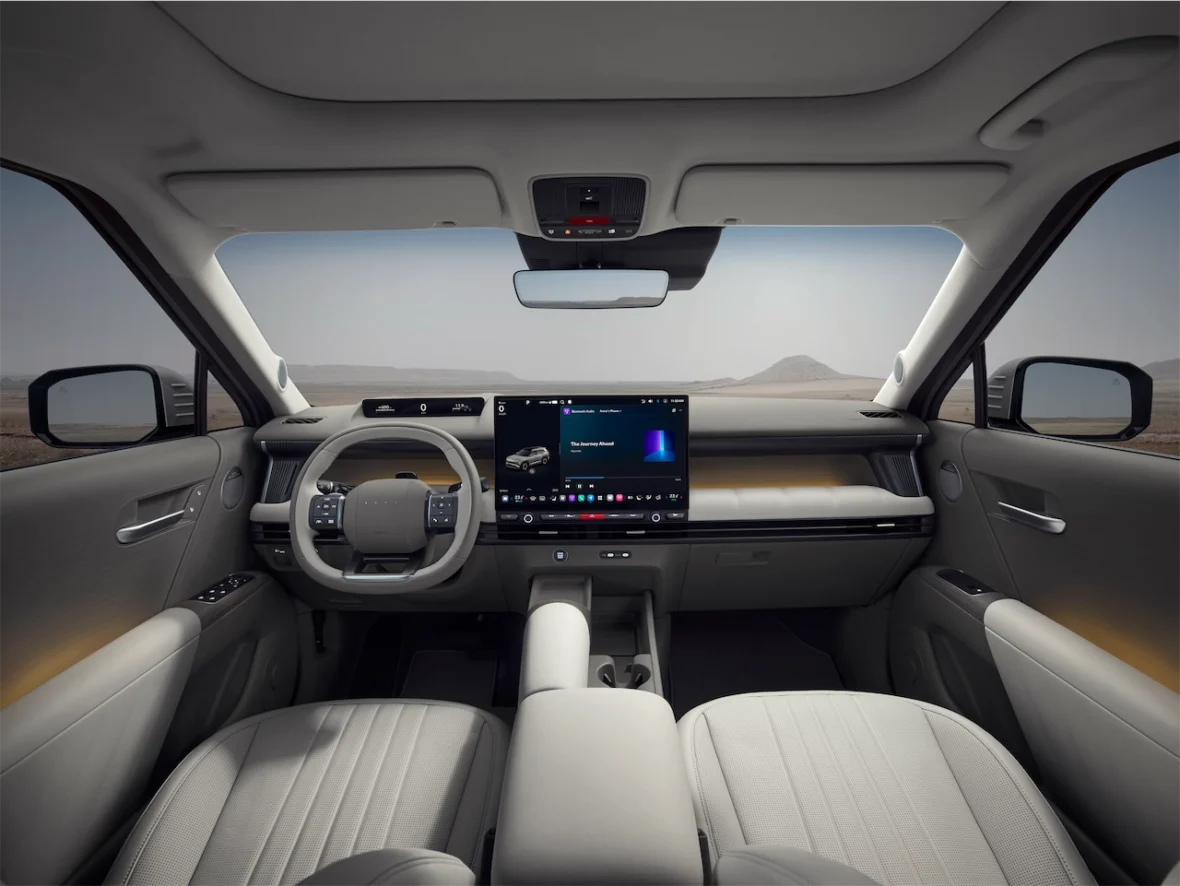
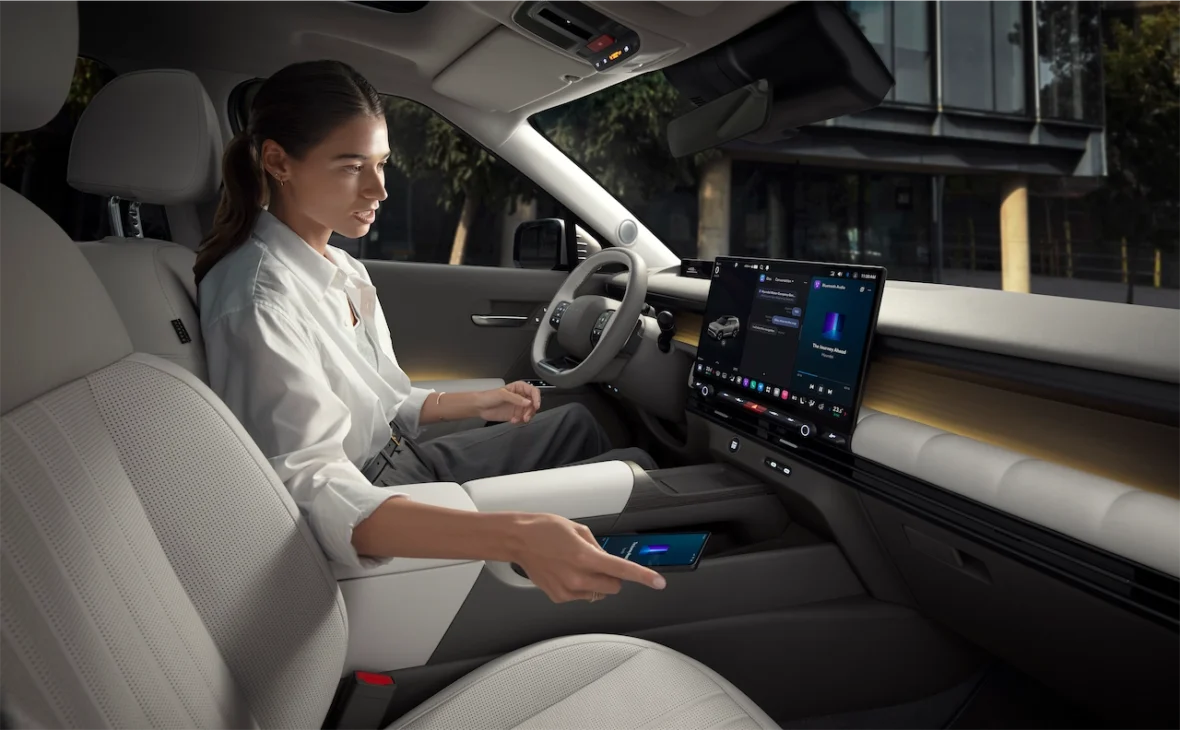
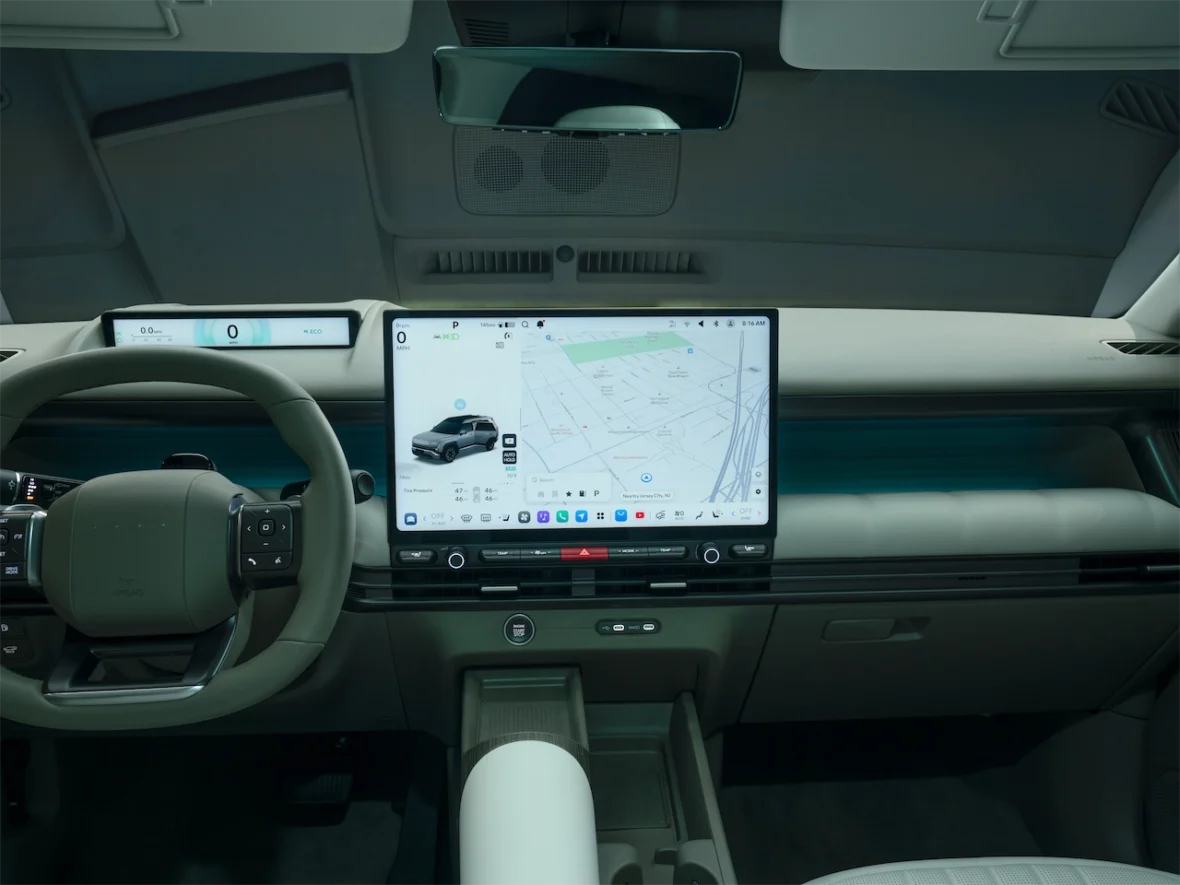
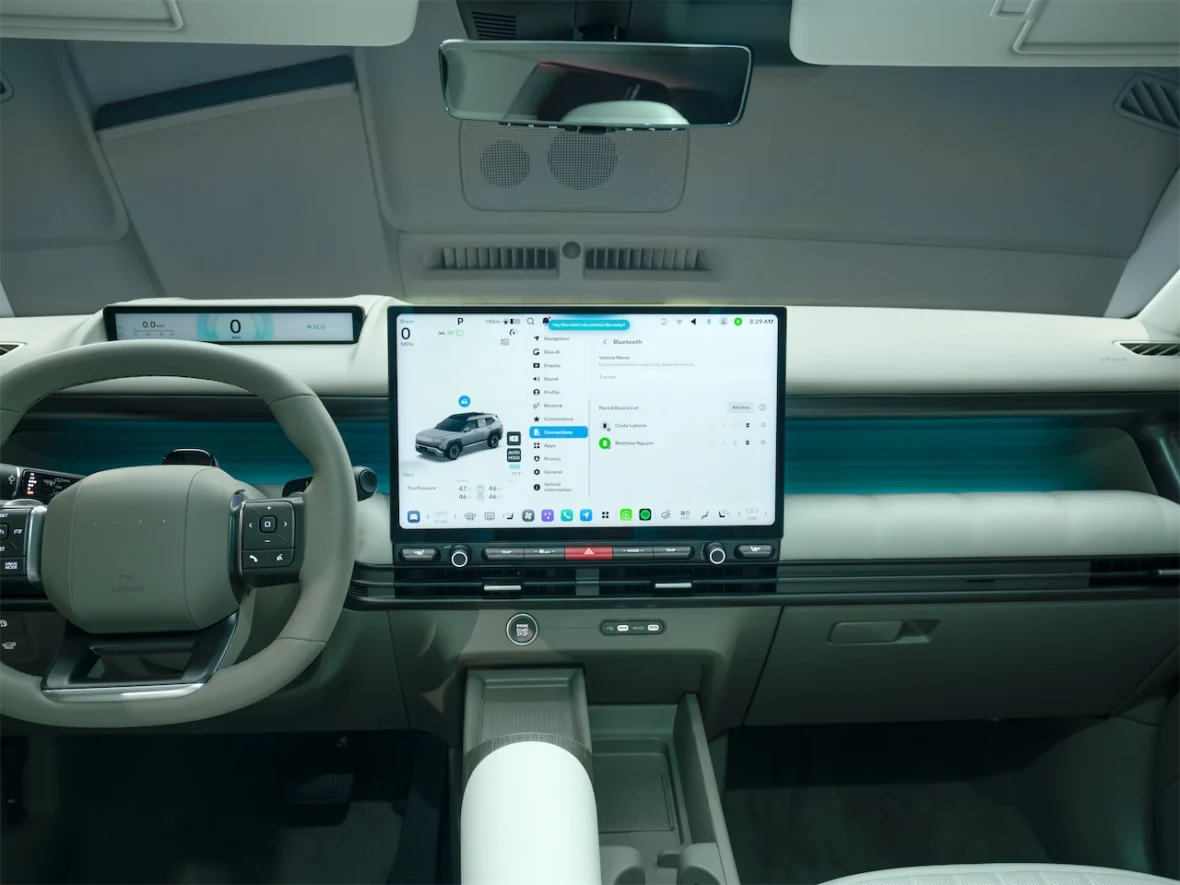
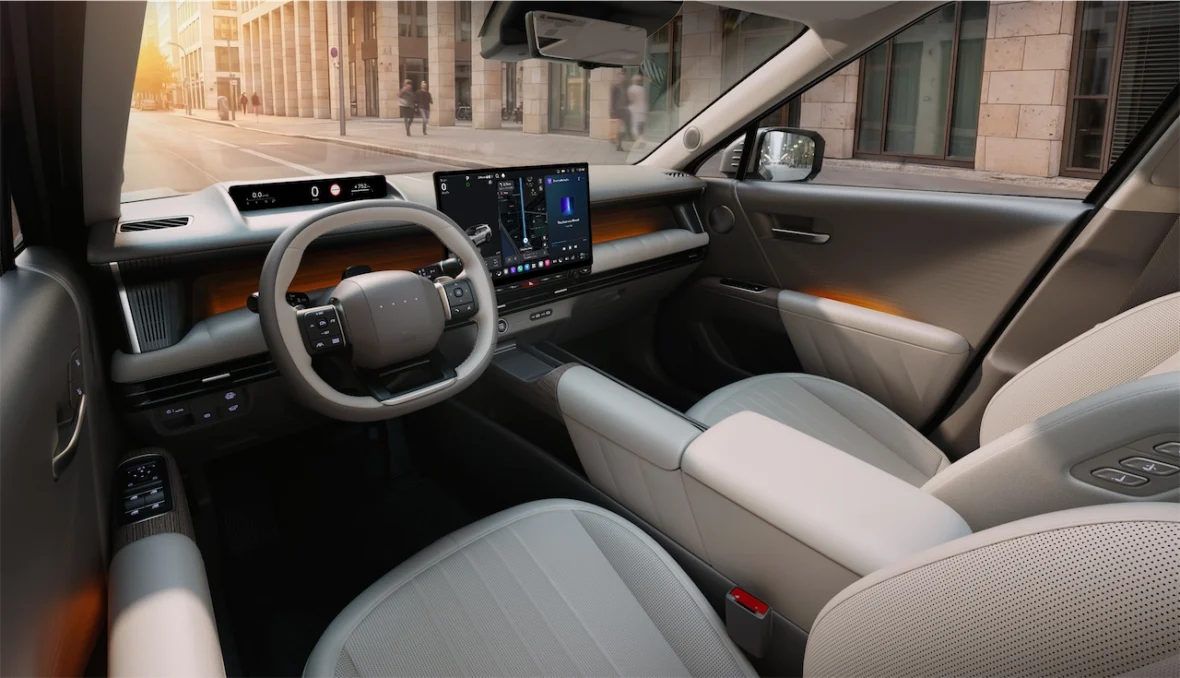
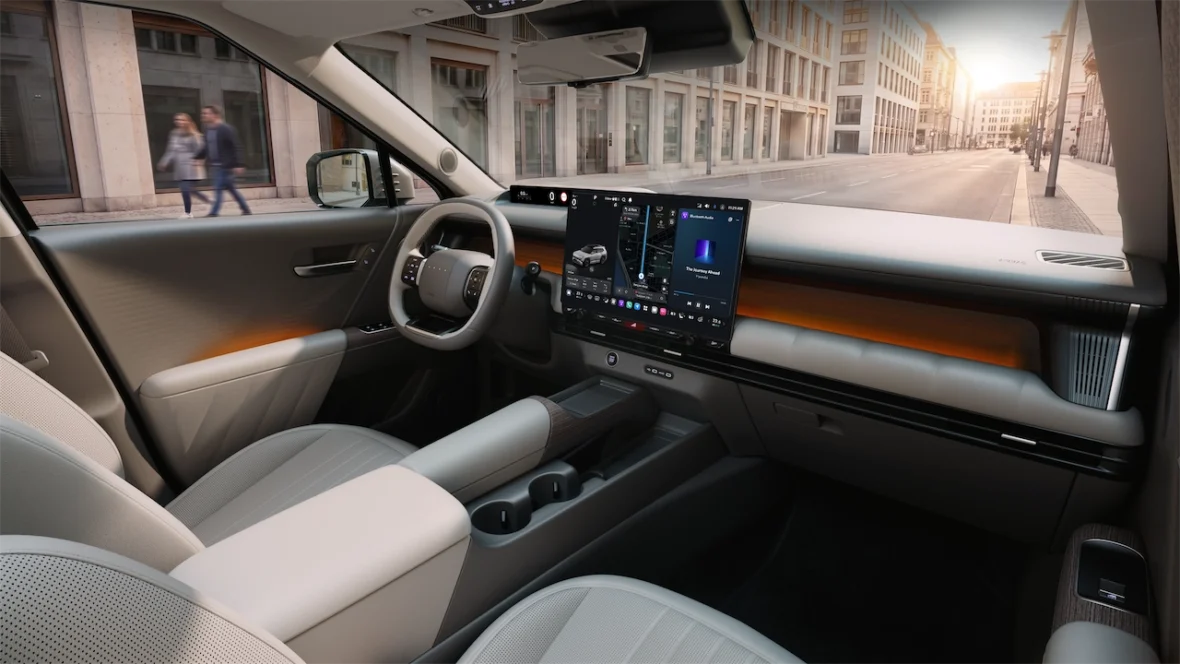
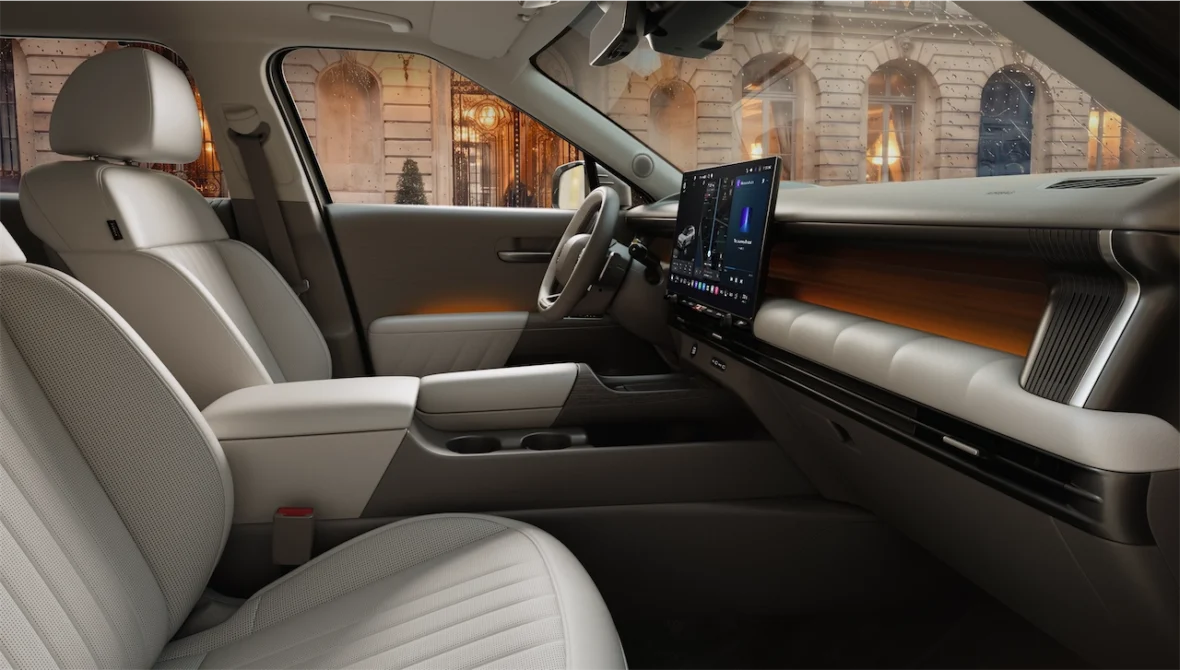
Moving the shifter to the steering column creates more usable space in the center console. The layout discussed in our interview makes room for wireless charging and cup holders positioned one behind the other.
The center armrest was designed around the natural movement of an occupant’s lower arm, helping make the screen easier to reach while providing storage underneath. Even the curve of the door armrest received careful attention to how it would feel in someone’s hand.
And that cup holder I mentioned? A small step below its main floor lets you press down on one edge of a coin so the other edge tips upward. Anyone who has tried to dig loose change out of a deep console can appreciate the thought.
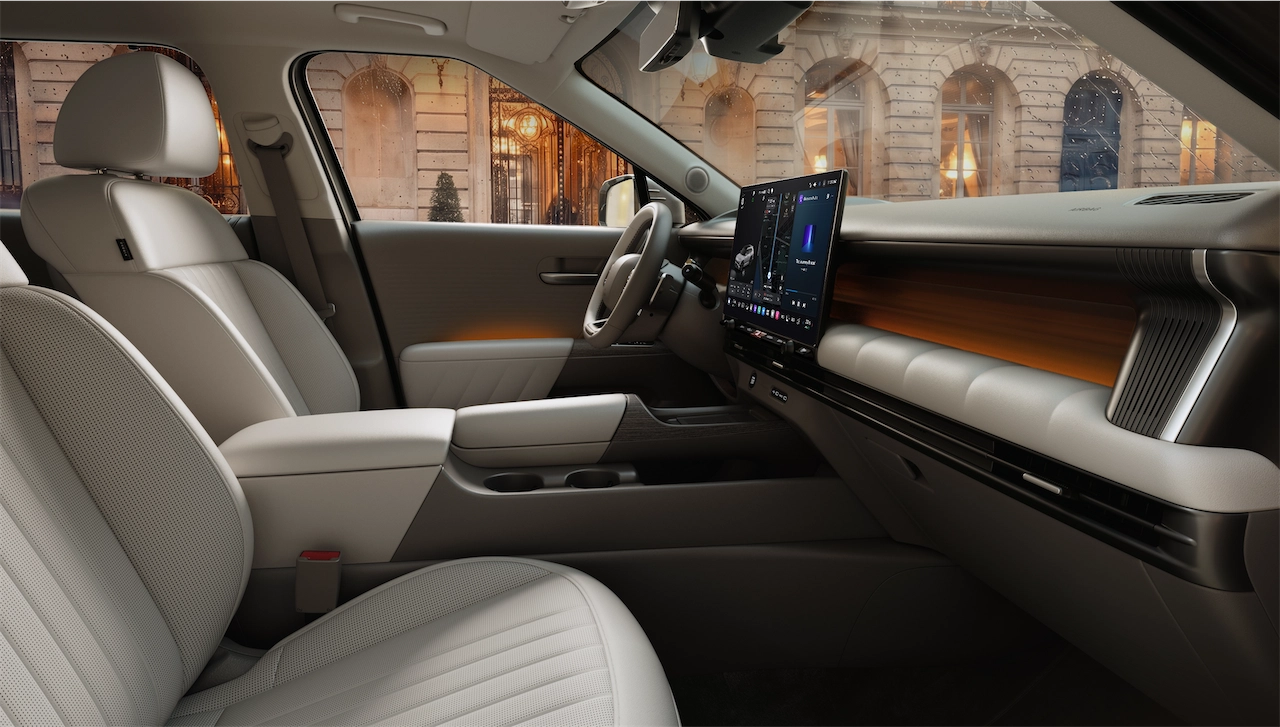
These details won’t tell us how the Tucson drives, but they offer a useful preview of the effort going into the comfort and usability of its cabin.
Physical Controls Remain Part of the Tucson’s Technology
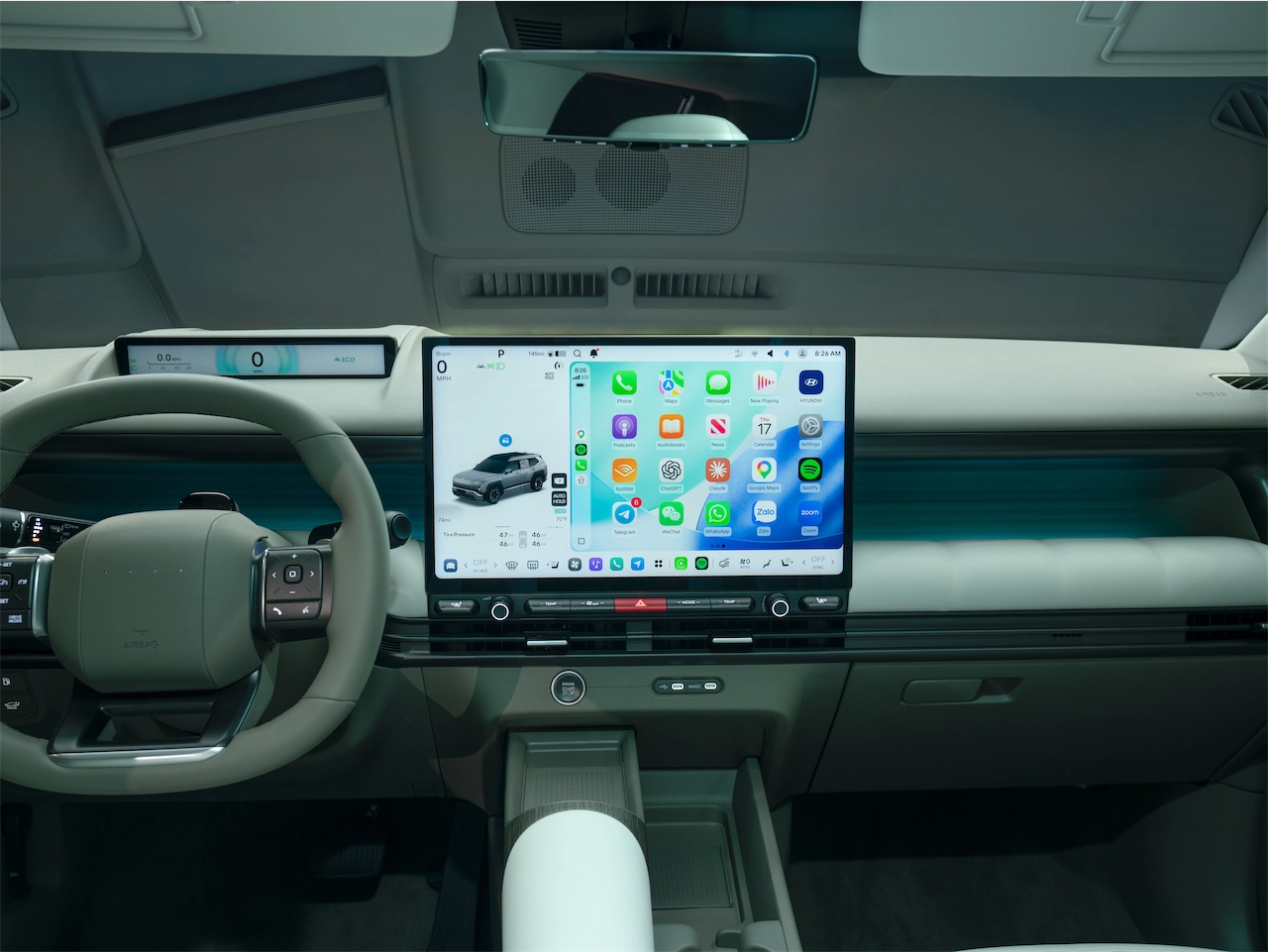
A large screen can be useful, especially for navigation, but I appreciate being able to make frequent adjustments by feel.
Hyundai’s designers described an interior strategy that keeps physical controls for common functions, including temperature and fan adjustments, along with audio controls. Different button shapes and textures help drivers recognize what they’re reaching for.
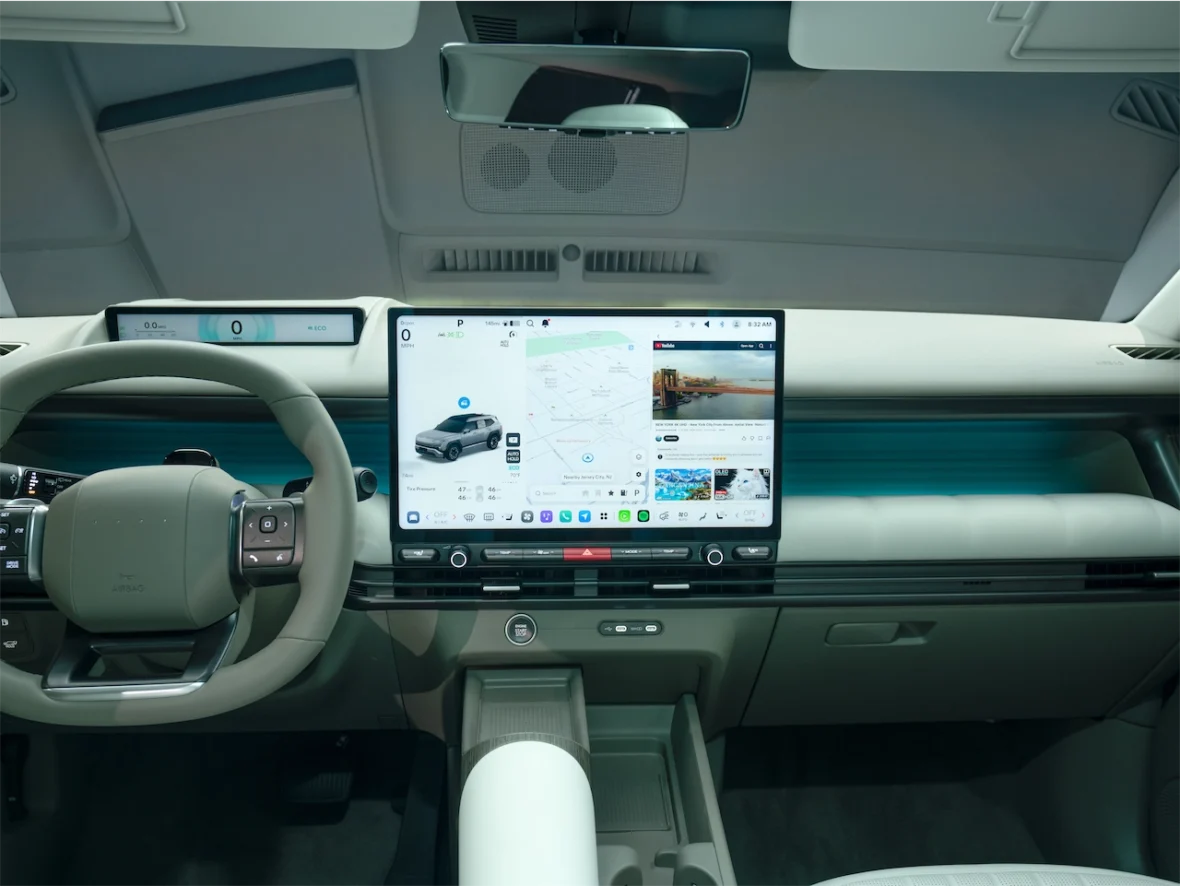
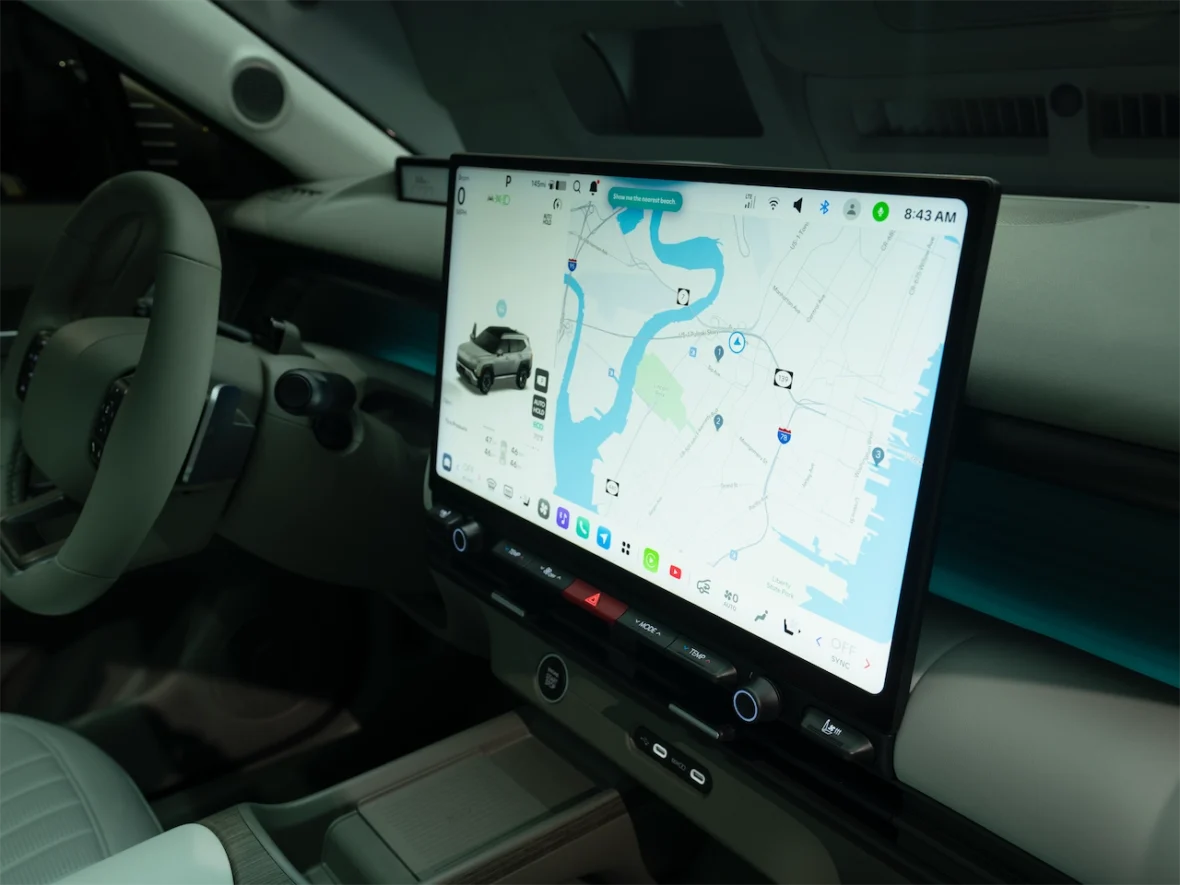
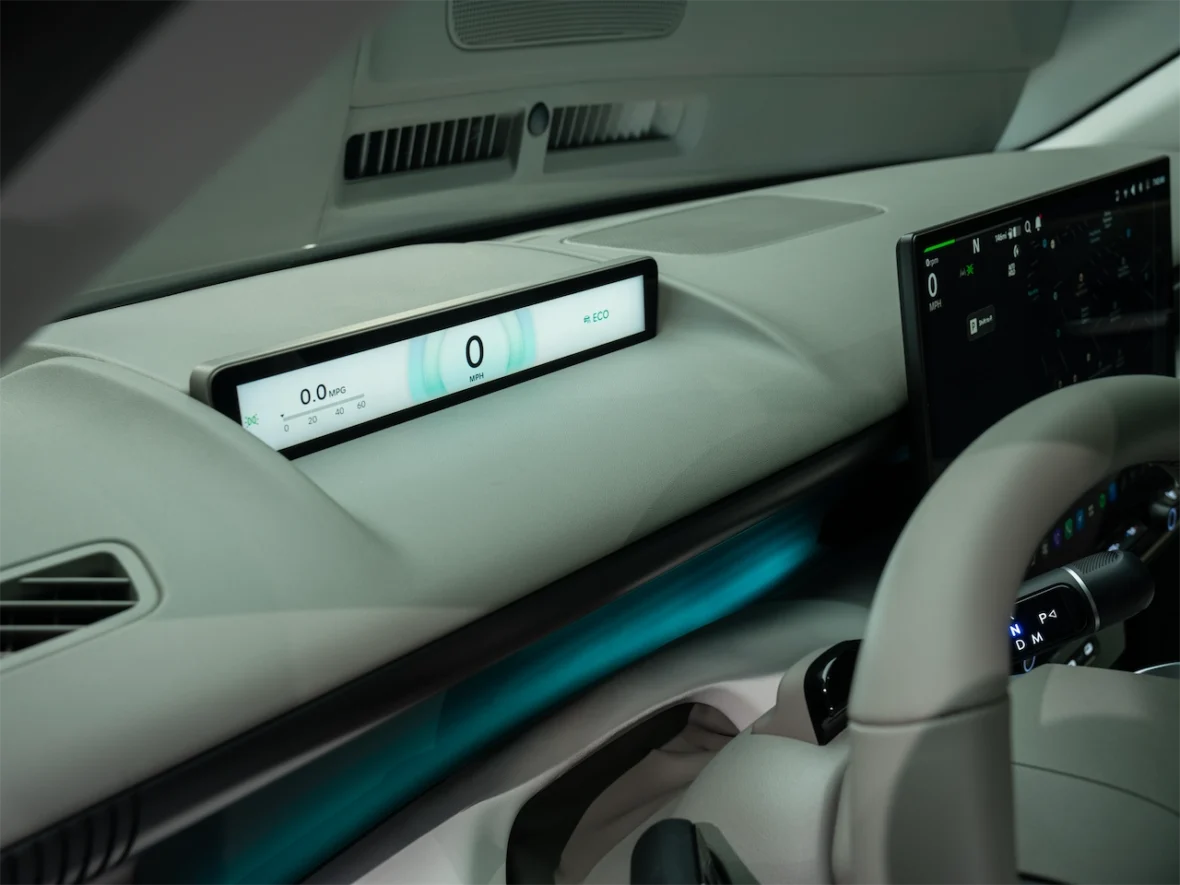
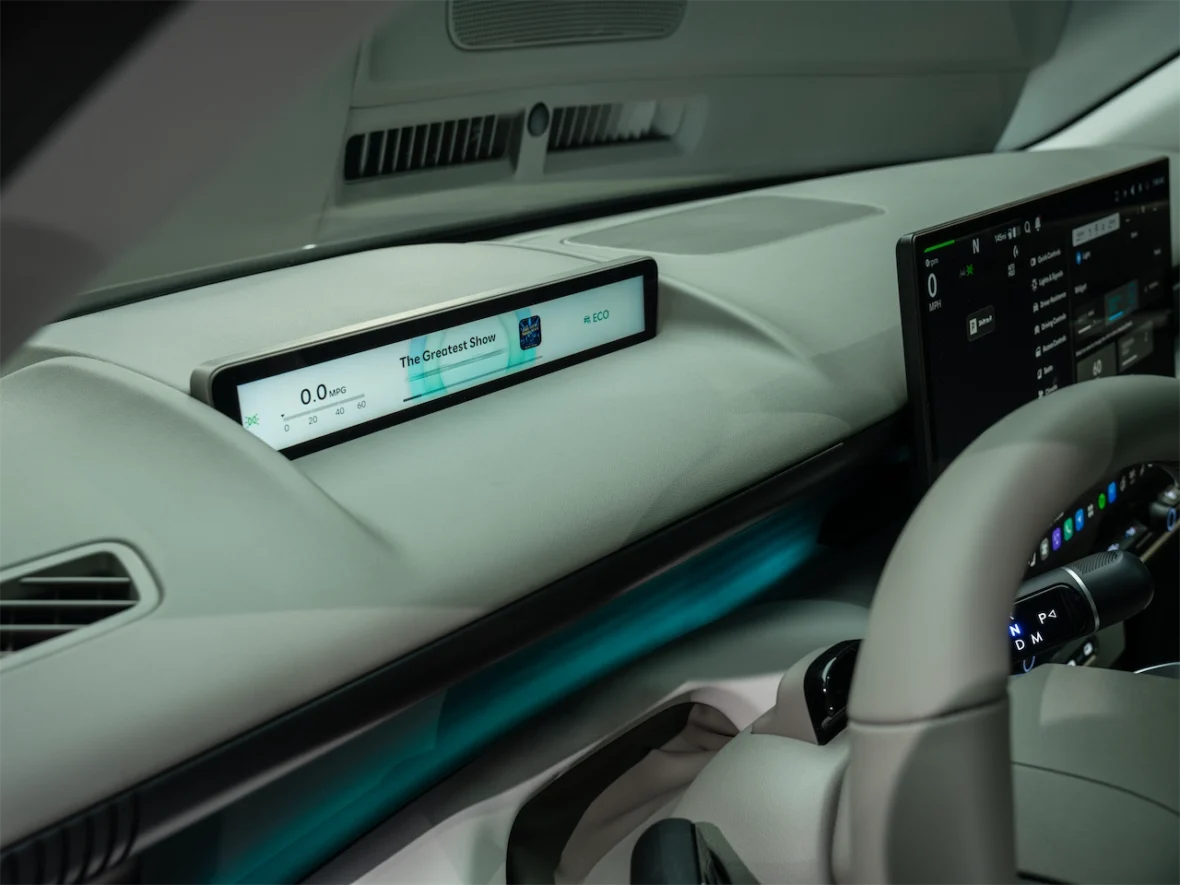
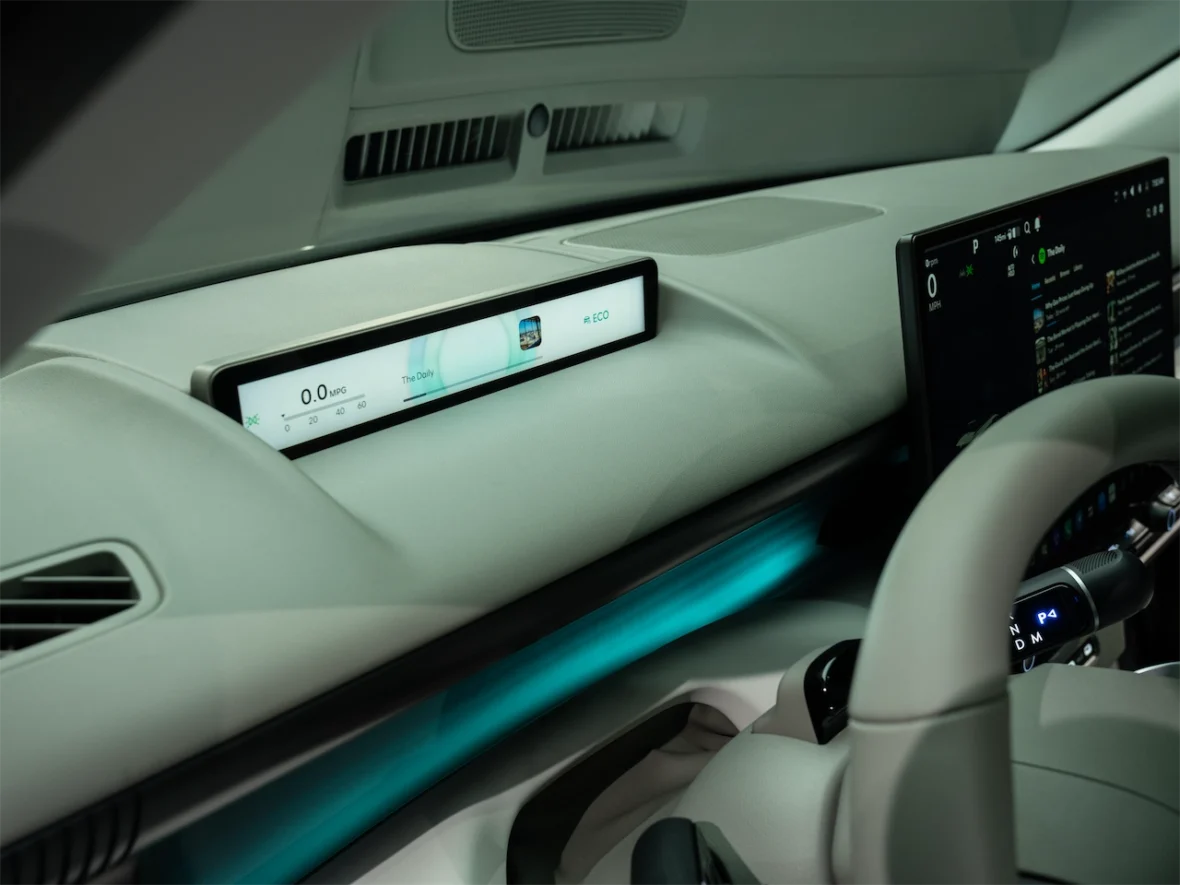
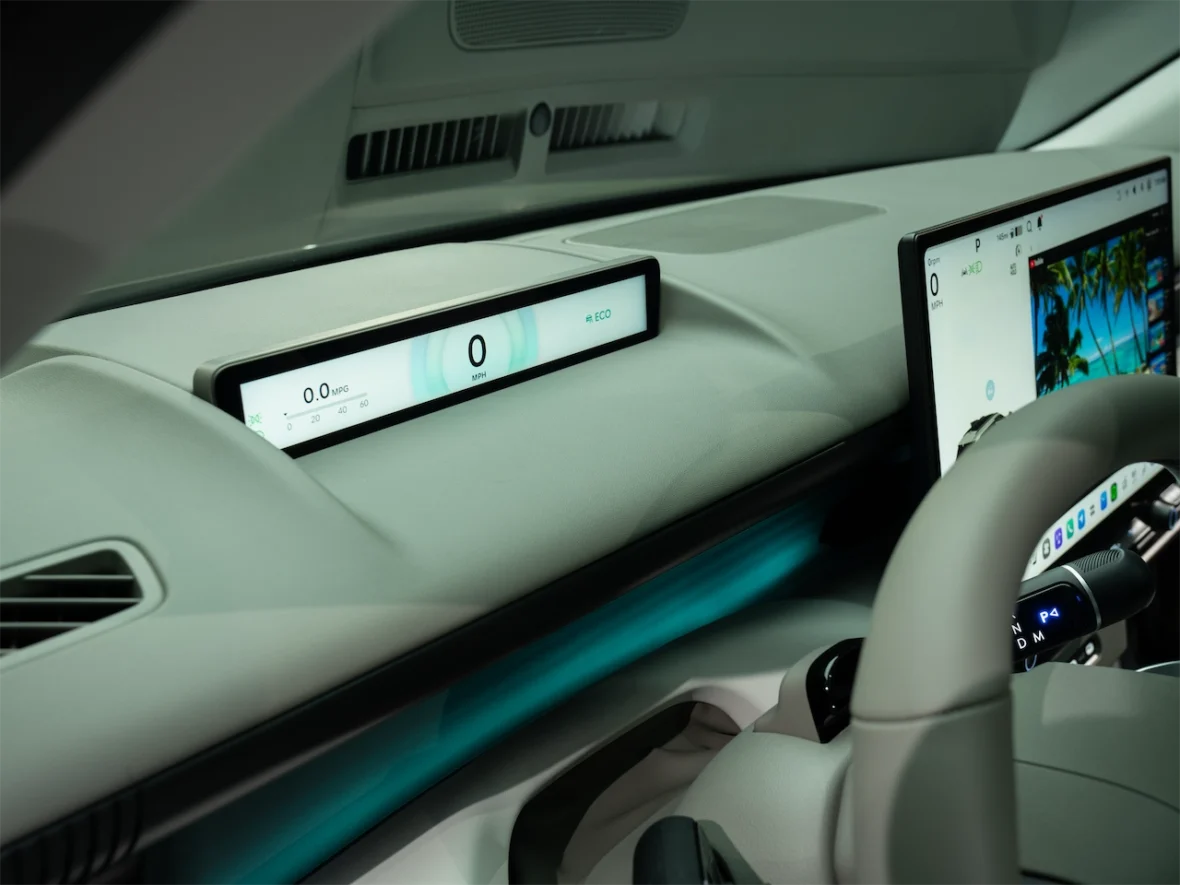
Essential driving information sits high in the driver’s sightline, while more detailed functions live on the central display.
That arrangement makes sense to me as an everyday driver. Once you’re familiar with a vehicle, changing the cabin temperature should feel straightforward, particularly when traffic needs your attention.
Passenger Space and Storage Get Attention
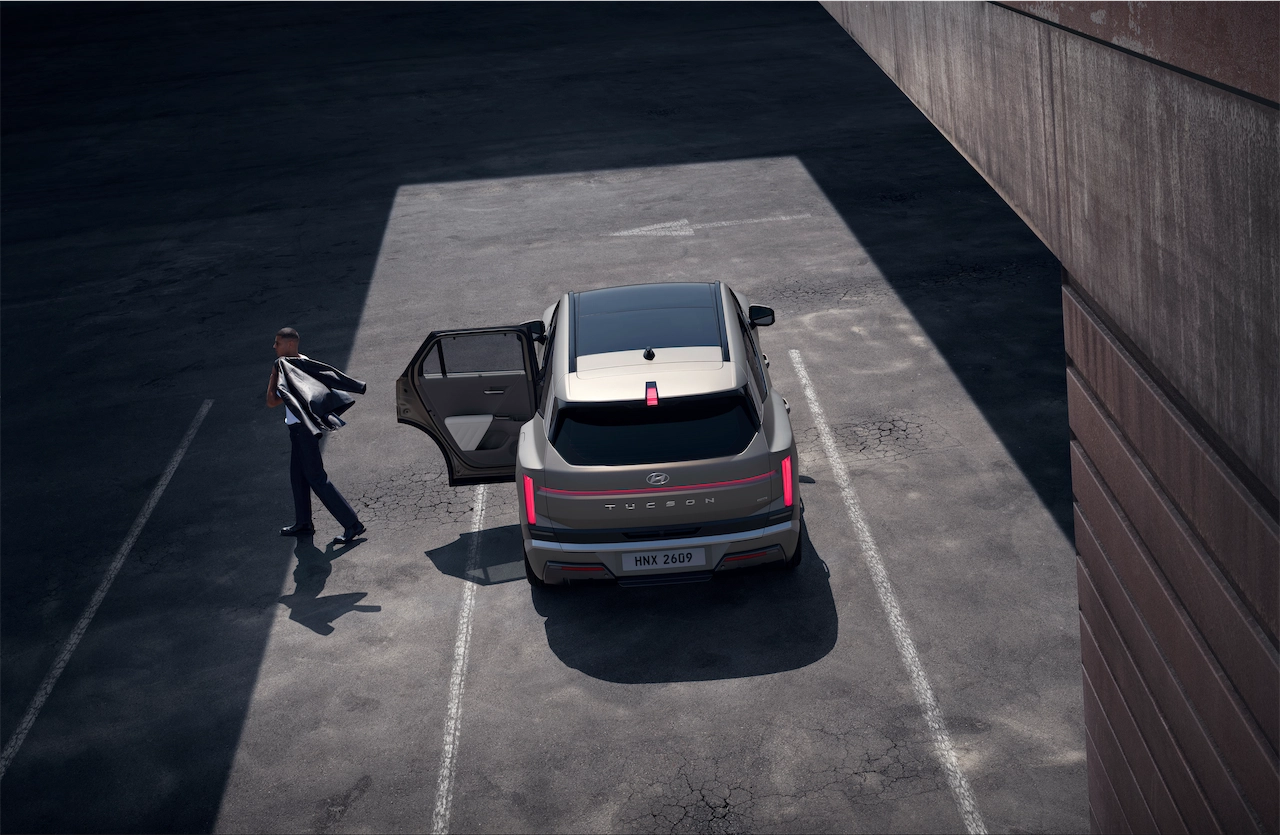
Our conversations with Hyundai’s leadership also covered the practical questions buyers have.
Rear-door access and the space needed for a rear-facing car seat were part of that discussion, including how an installed car seat affects the person sitting in front of it, something that we cover a lot on our channel. The team also highlighted a dedicated phone slot in the second-row cup holder.
My son, Tucker, has his own priorities when we evaluate a vehicle. At 8, he pays attention to legroom and whether there’s a useful place for his water bottle or toys. Adults carrying coworkers or friends can benefit from thoughtful rear-seat storage just as much.
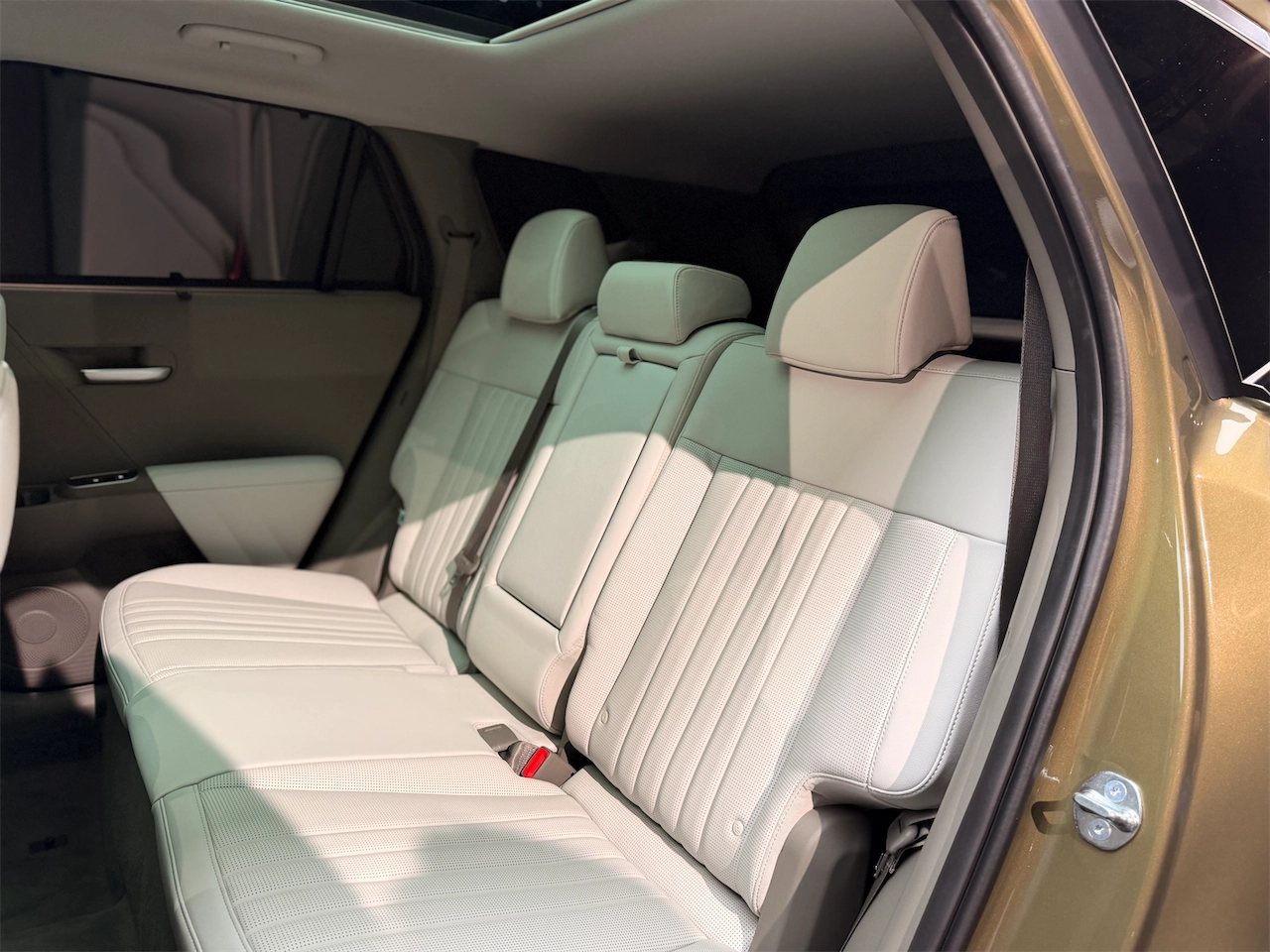
I’d still want to check child-seat fit with a family’s actual seats before making a recommendation, though. The encouraging part is hearing those everyday ownership questions discussed during product development.
Tucson Hybrid Stay Mode Could Make Waiting More Comfortable
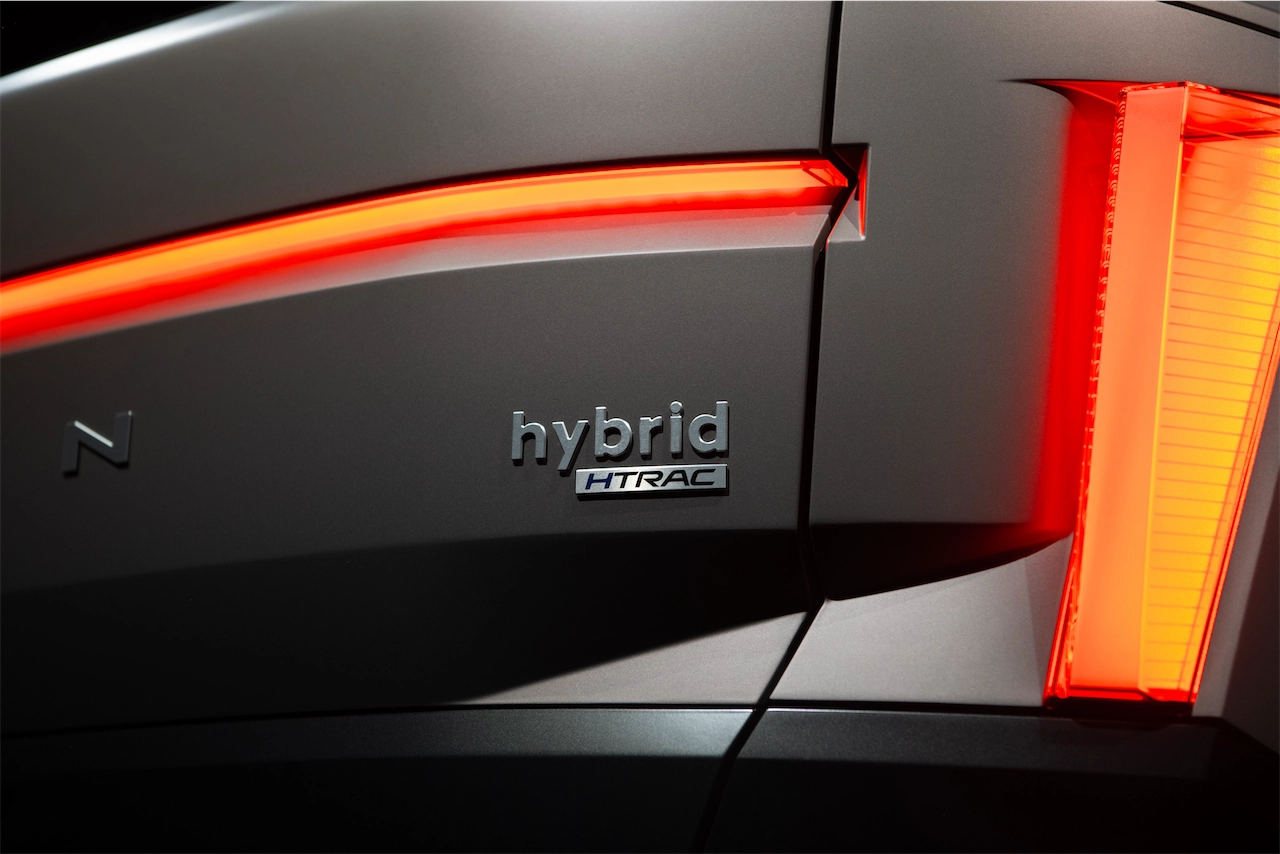
One feature discussed in our interviews was Hyundai Stay Mode, which uses a hybrid vehicle’s high-voltage battery to power climate control and other electrical functions while parked, reducing the need for continuous engine idling.
Living in East Texas, I immediately thought about waiting in the car while our son finishes an activity or in the car line at school. A comfortable place to sit can make that time much more useful.
Hyundai’s representatives explained that the conventional hybrid system replenishes its battery through normal operation, without requiring a charging plug. Stay Mode’s operating time depends on conditions and how much power is being used.
Exact availability and operating limits for the U.S. Tucson Hybrid still need confirmation. It’s a feature I’ll be watching closely as Hyundai releases the final market details.
Pleos Connect and Gleo AI Bring a New Infotainment Approach
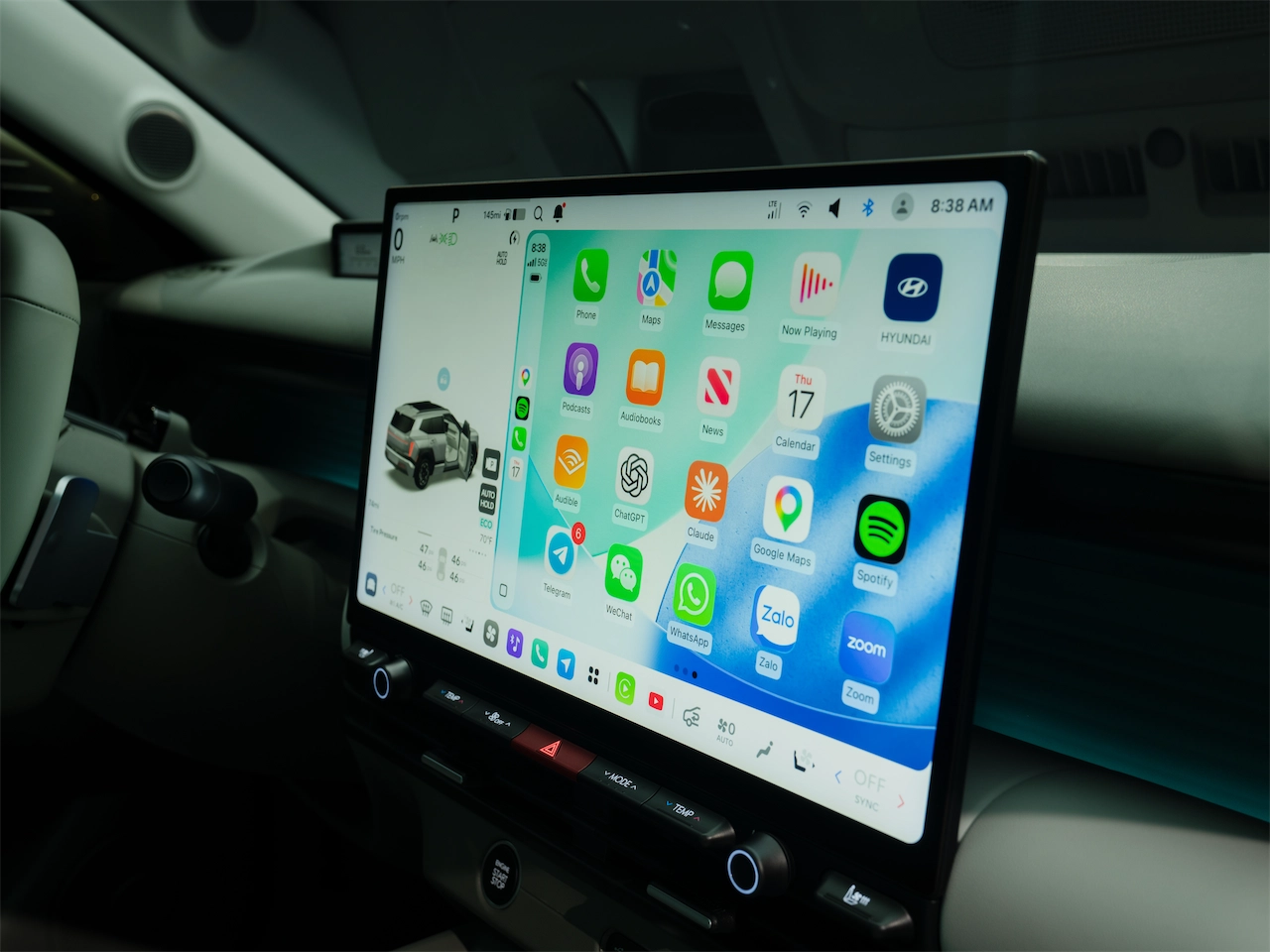
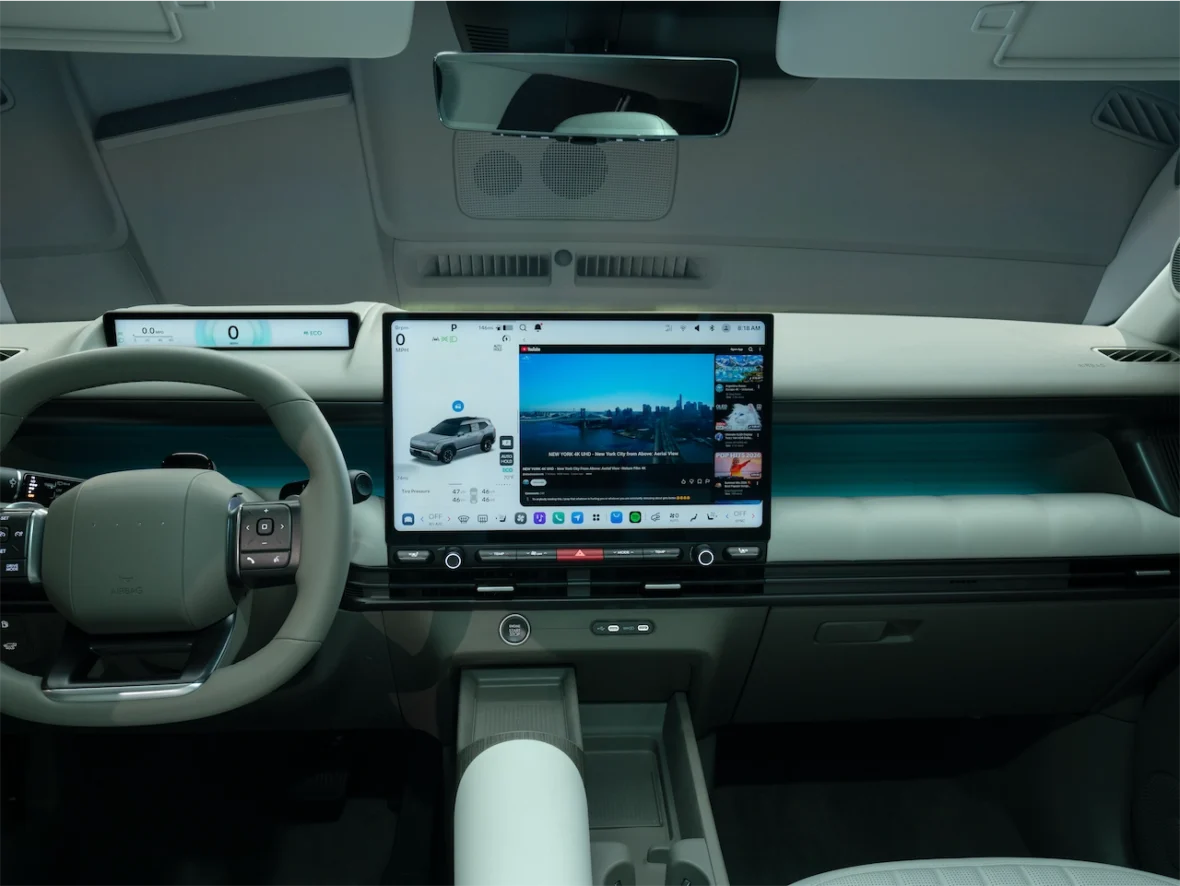
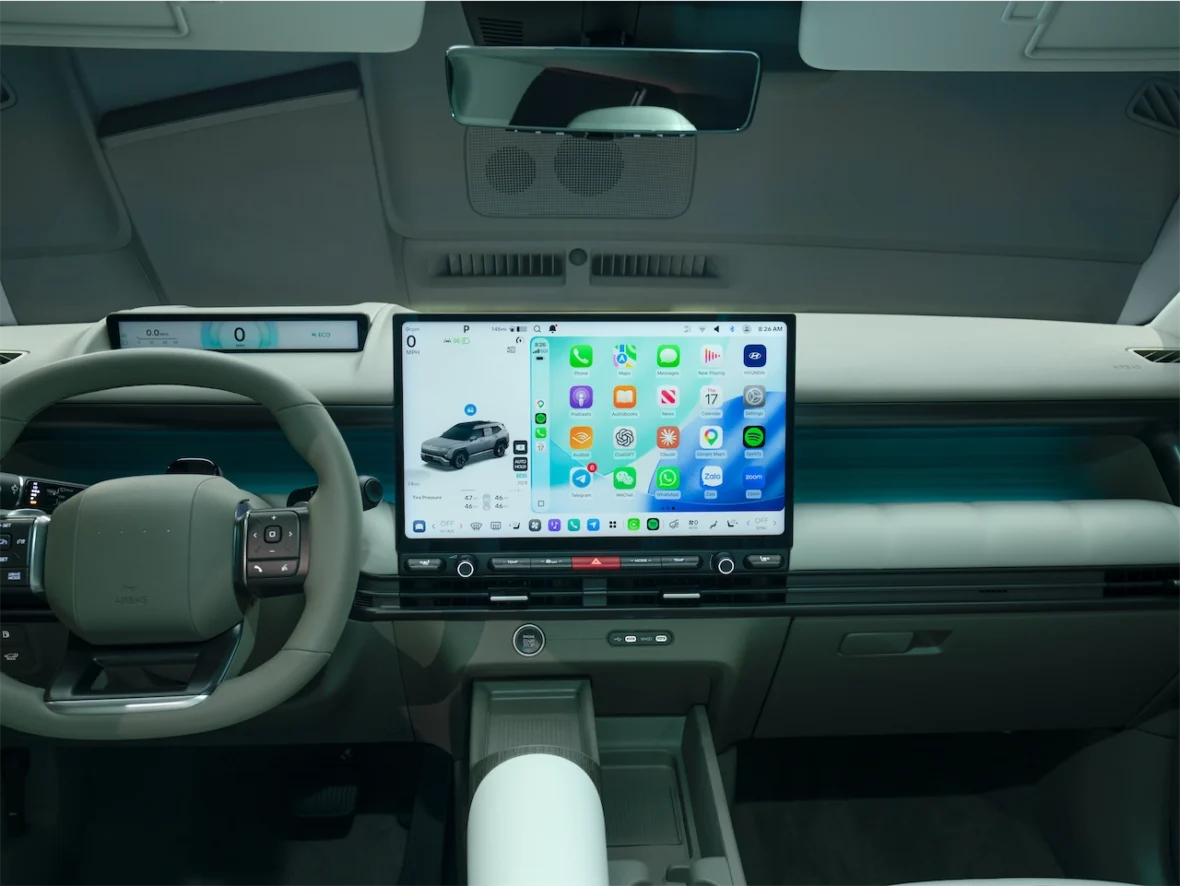
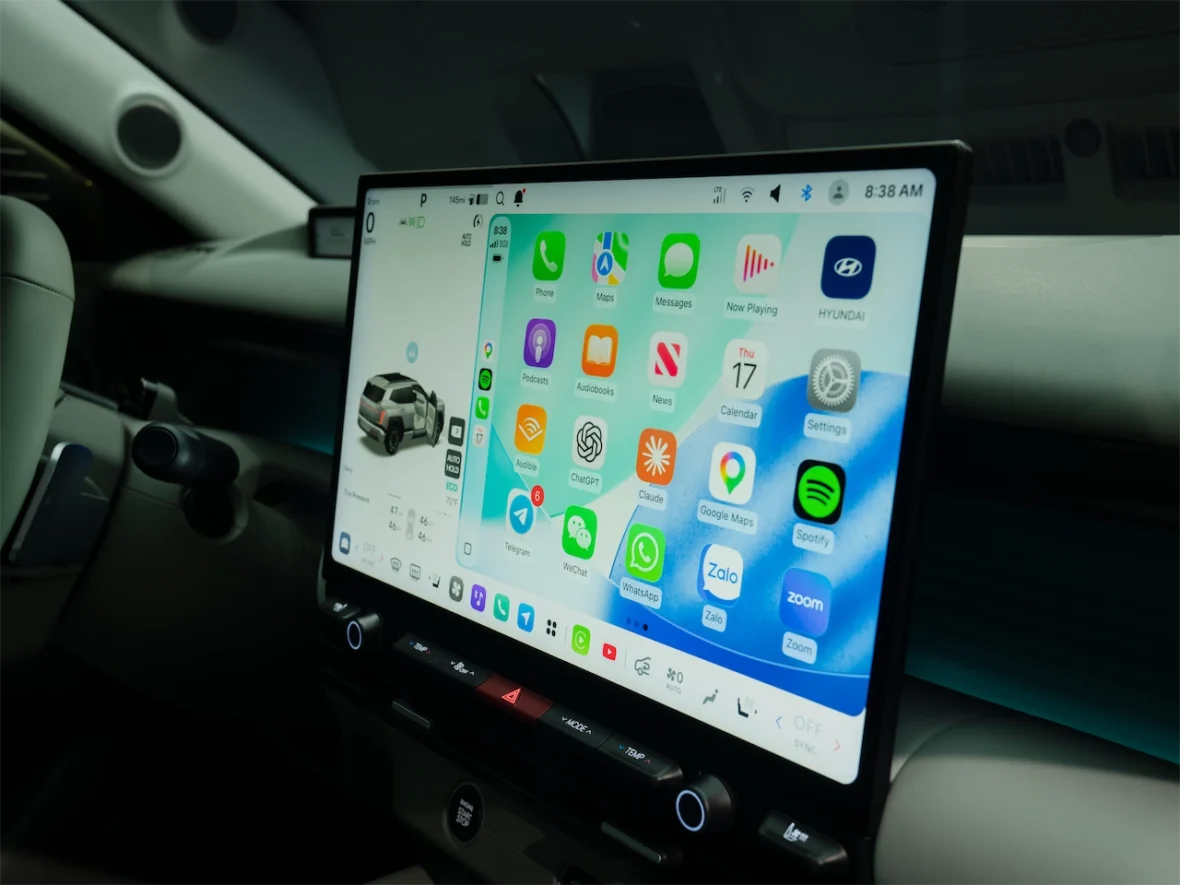
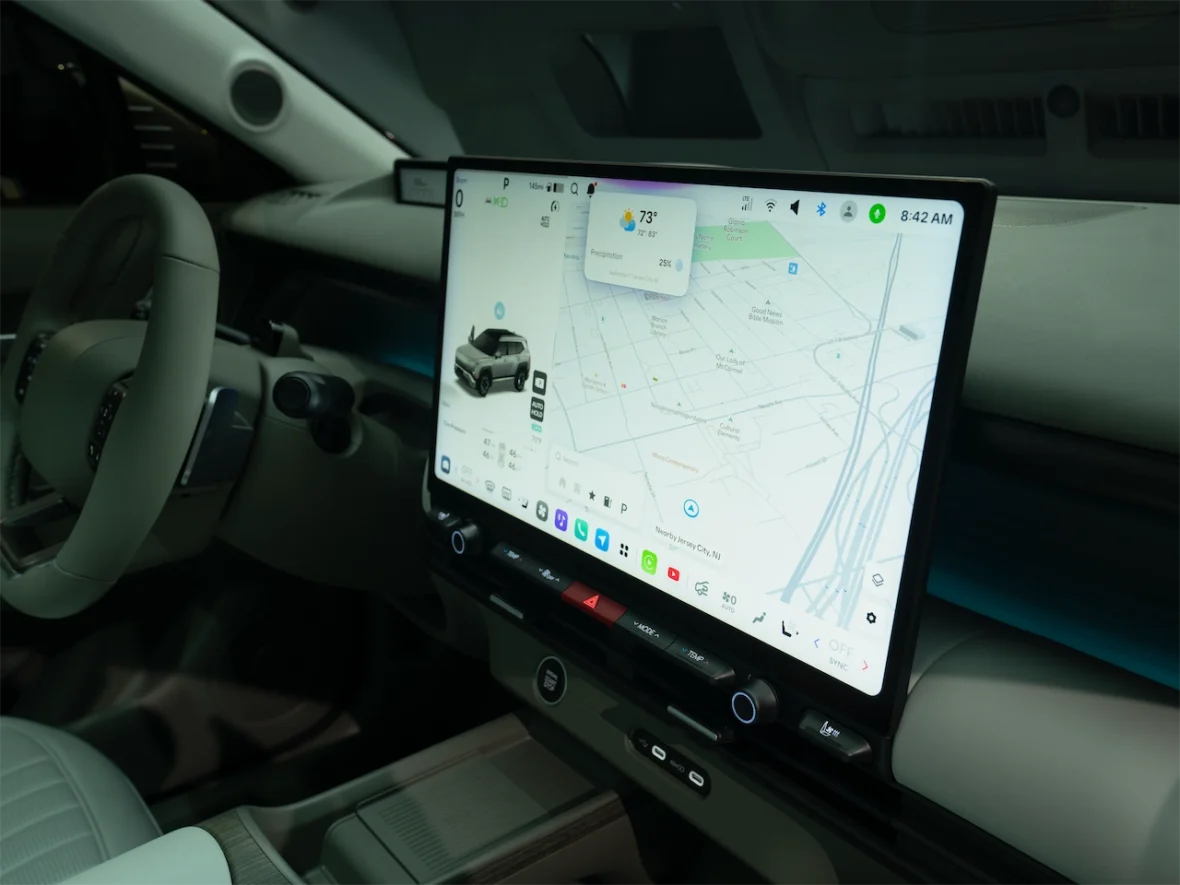
The new Tucson’s technology story also includes Pleos Connect, Hyundai’s next-generation infotainment platform.
Hyundai describes Pleos Connect as a large central display paired with a slim display in front of the driver. The platform supports software updates delivered wirelessly and an App Market for additional services, with availability varying by region.
Its Gleo AI voice assistant is designed to understand conversational requests and identify where a speaker is sitting. Hyundai describes functions such as adjusting climate settings or activating the appropriate heated seat.
During our technology interview, the team explained a scenario in which one passenger requests seat heating and another follows with “me too.” The system can use the conversation and the second speaker’s location to interpret the follow-up. It’s wild how far technology has come.
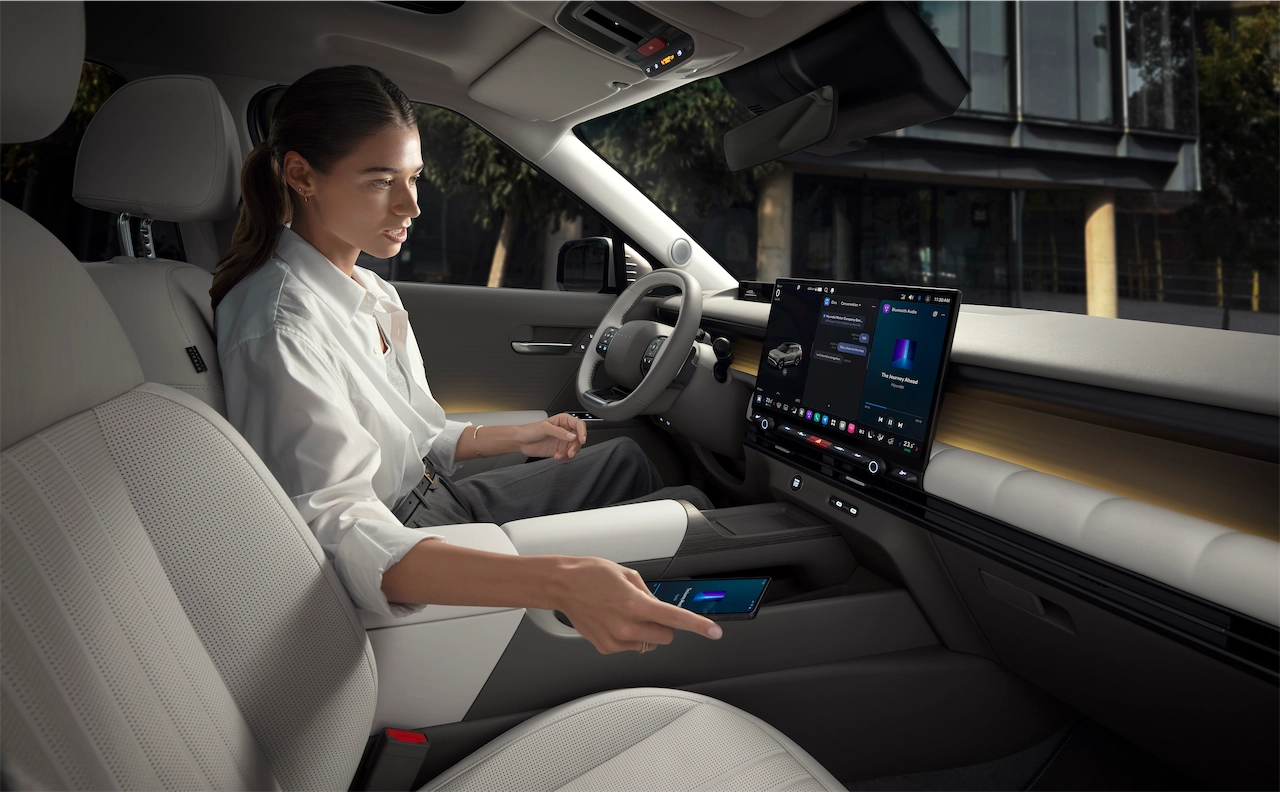
That’s an example of technology with an understandable daily purpose. Final U.S. Tucson applications, services, and any associated costs will be important details for buyers to review.
New Hyundai Tucson Release Date and Pricing
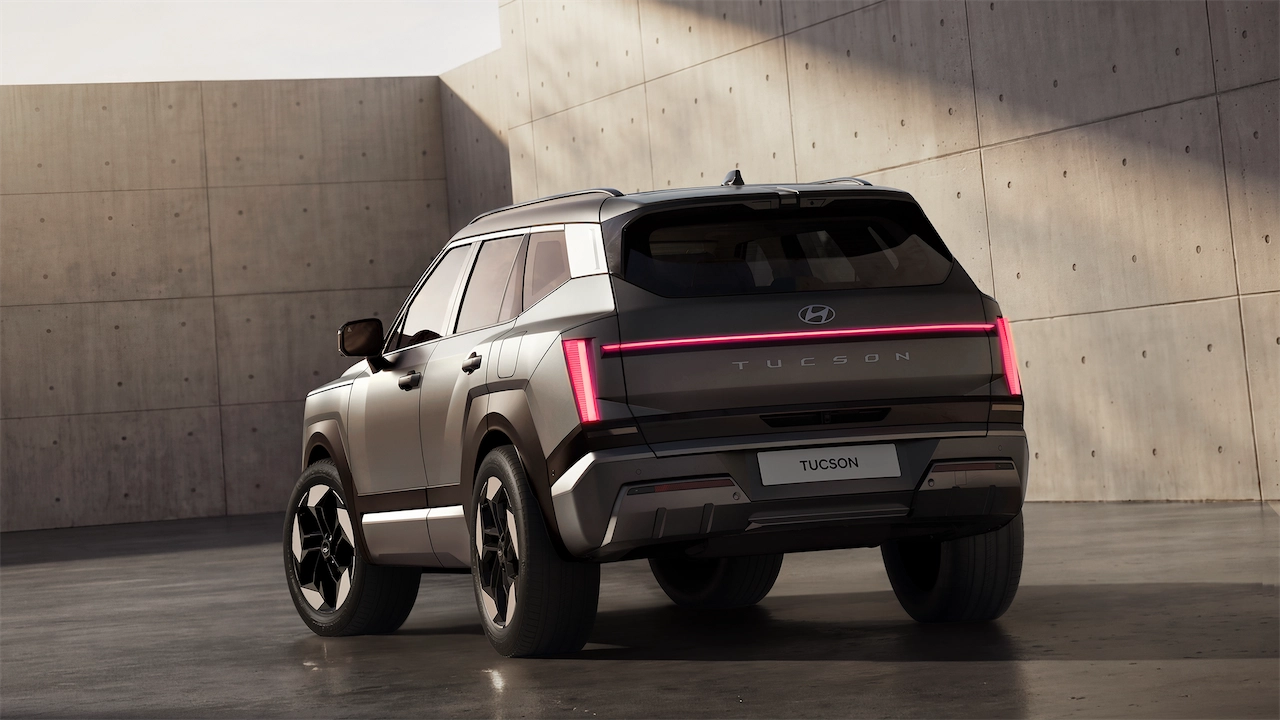
Hyundai’s Oct. 1 world premiere introduces the 2027 Tucson to a global audience. Its arrival at U.S. dealerships is a separate milestone.
At the time of our interviews, pricing had not been announced. Hyundai representatives discussed customer deliveries tentatively beginning early next year, but a firm U.S. on-sale date and final specifications still require confirmation.
Buyers comparing the new Tucson with other compact SUVs will also want the final trim lineup, including the rugged Tucson XRT PRO, horsepower, and EPA fuel economy figures before deciding which version fits their needs.
For now, the most compelling part of the new Hyundai Tucson is the attention behind its design. Our conversations kept returning to familiar ownership experiences, including reaching a control comfortably and giving passengers somewhere useful to put their belongings.
I’m looking forward to seeing how those decisions come together in a production vehicle. When an SUV becomes part of your daily routine, a detail as small as an easier-to-use cup holder can earn your appreciation long after the reveal.