
Why the New Hyundai Tucson Looks Wide, Thanks to Visual Trickery

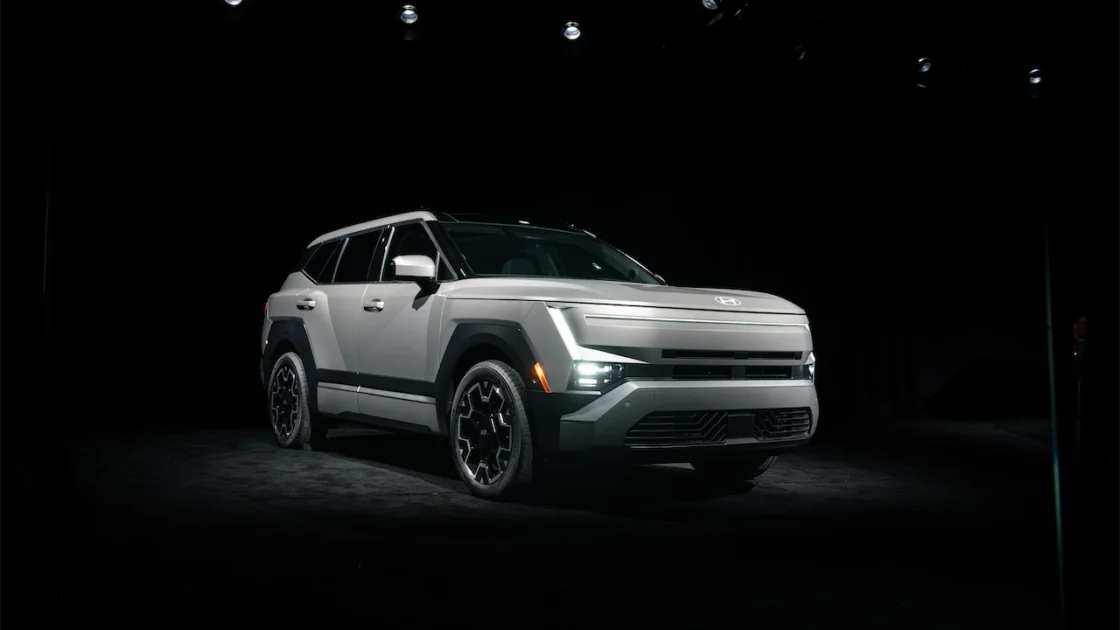
The new Hyundai Tucson’s front-end proportions are deliberate. During our design interview, Hyundai’s team explained how a horizontal line across the nose helps give the compact SUV its broader, more commanding appearance.
The comparison was wonderfully visual: Imagine rotating the stripes of a pinstripe suit so they run sideways. Your eye follows those lines across the object, emphasizing width, even though it actually isn’t much wider than the previous model.
That idea helps explain one of the most recognizable design changes in the 2027 Hyundai Tucson redesign.
Proportion Comes Before the Details
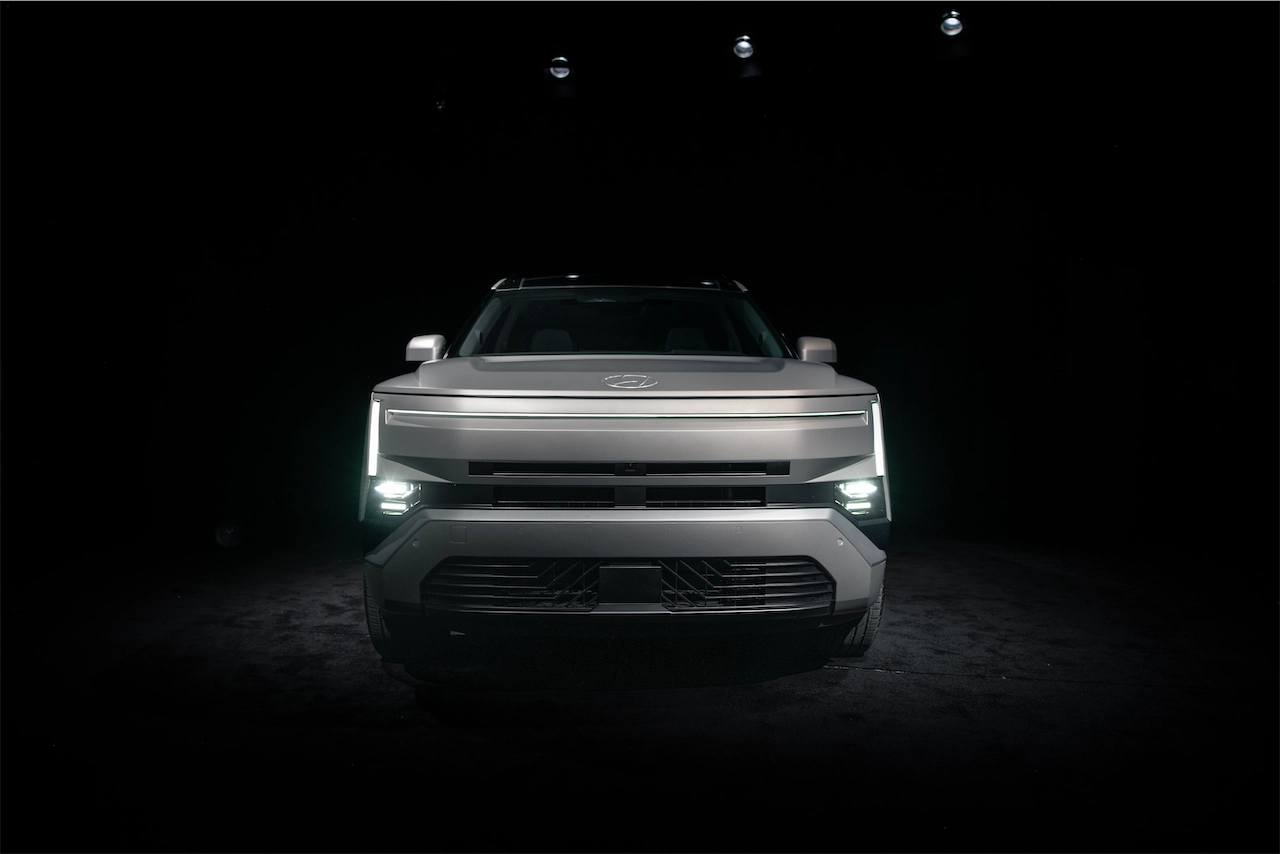
Hyundai’s designers said they began with the Tucson’s overall silhouette. The new direction reads as upright and stable.
Pronounced fenders reinforce the stance, while the hood’s horizontal edge directs attention toward the vehicle’s widest visual points.
This is part of Hyundai’s Art of Steel design approach, which uses the shape and surfacing of the body to create a distinct identity. The Tucson interprets that language as a bold SUV.
A Clamshell Hood Creates the Line
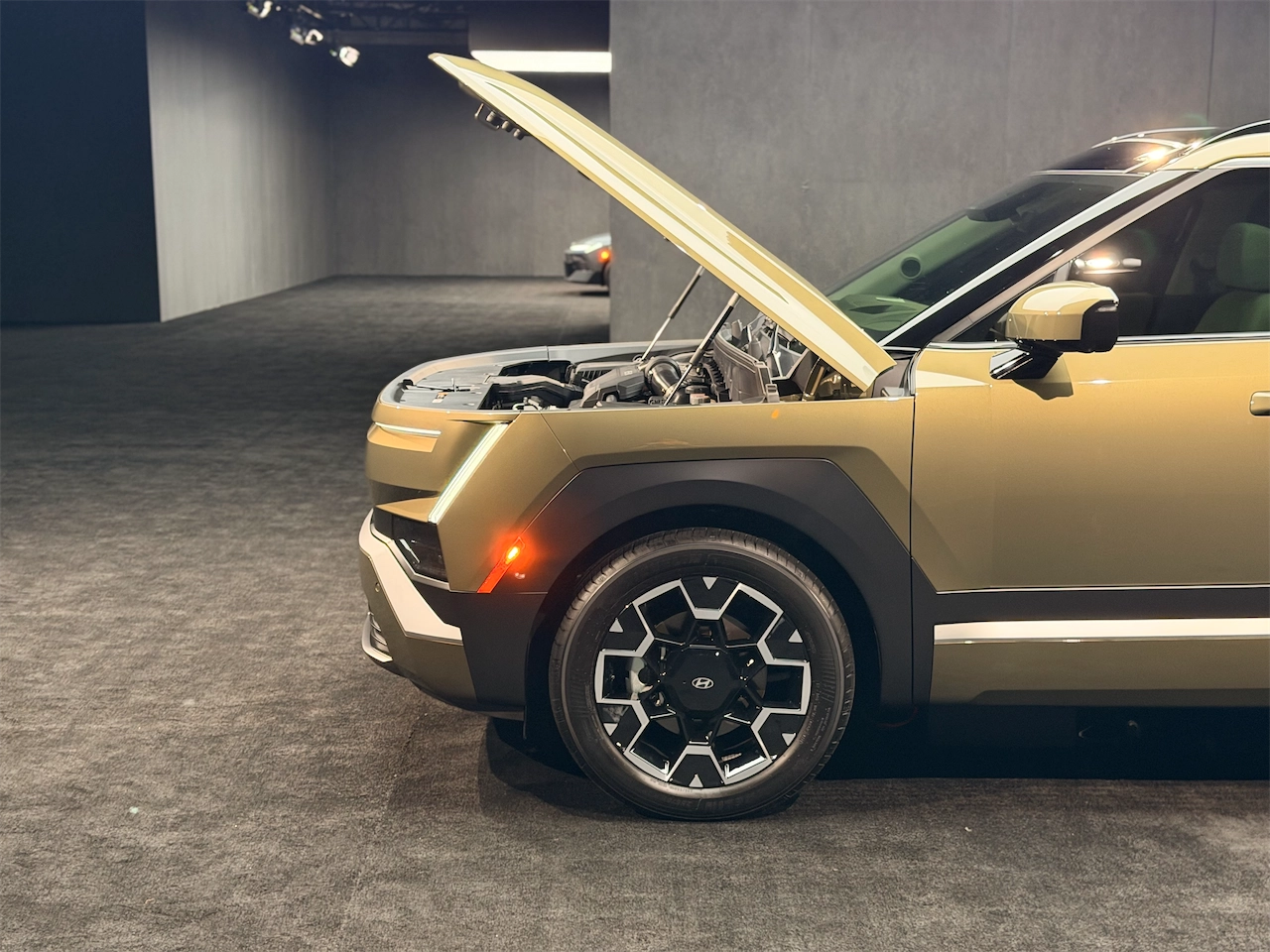
The clamshell hood is central to the front-end effect. Its shape creates a continuous horizontal shut line across the front, helping the design read as a unified form.
Achieving that appearance demanded work behind the visible panels. Our interview covered more complex hinge arrangements, additional weight, and the challenge of maintaining consistent panel gaps.
Those are practical engineering considerations with consequences for manufacturing. Hyundai’s team described accepting the extra complexity because it considered the visual result worthwhile.
Visual Width and Measured Width Are Different Questions
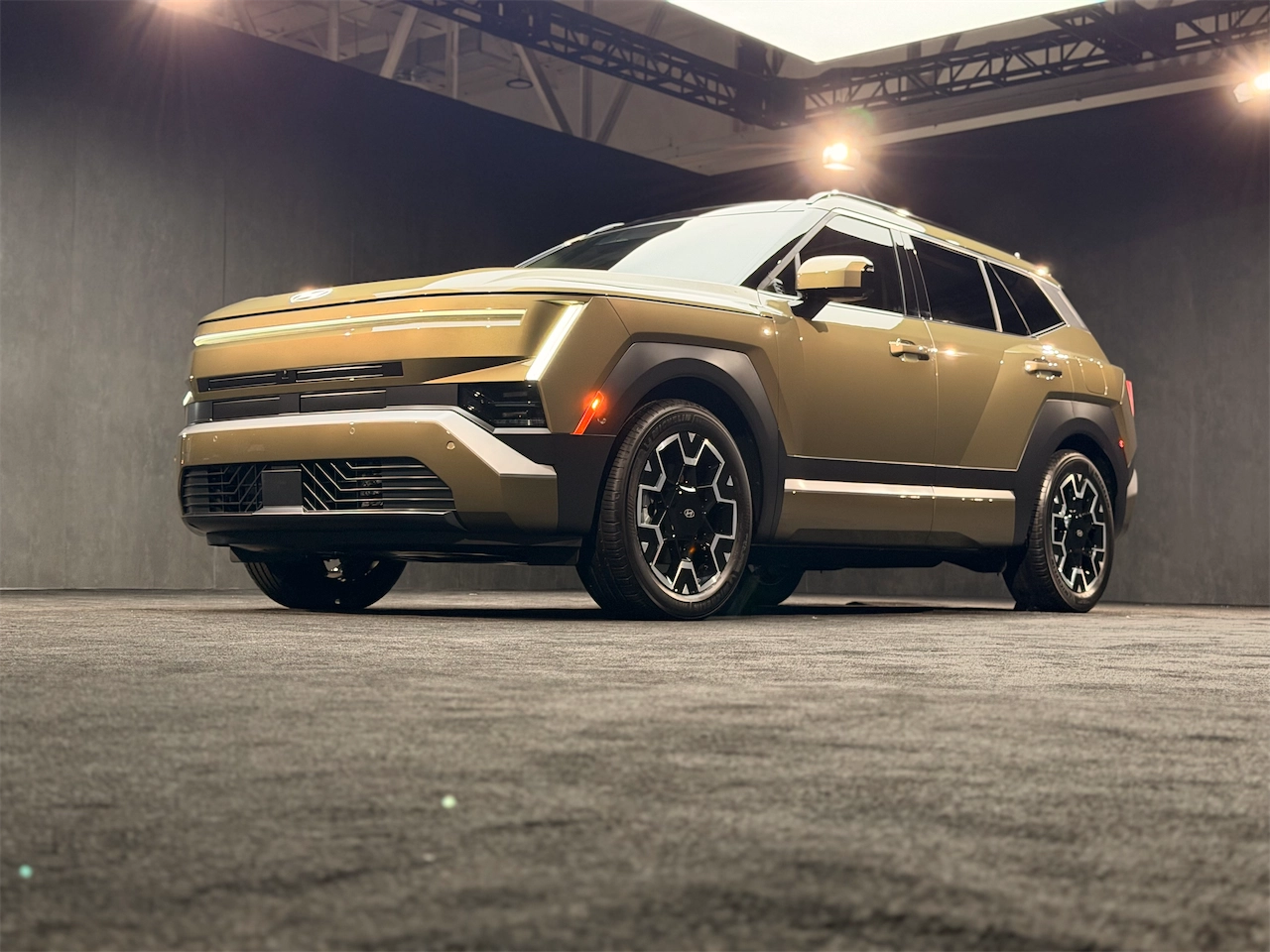
That visual trick sits on top of a real, if modest, size increase. The new Tucson measures 75.0 inches wide, 1.6 inches wider than the outgoing model. It also grows 2.4 inches longer (185.0 inches overall), 0.8 inch taller (66.3 inches), and rides on a wheelbase stretched 1.2 inches to 109.6 inches.
So the Tucson did get bigger, but most of the width you notice from the front comes from the design. A 1.6-inch gain is hard to spot in a parking lot. The hood line and fenders make it look much broader than that. If you’re checking garage clearance or sizing it up against another compact SUV, go by the 75.0-inch width and 185.0-inch length.
Why the Detail Matters
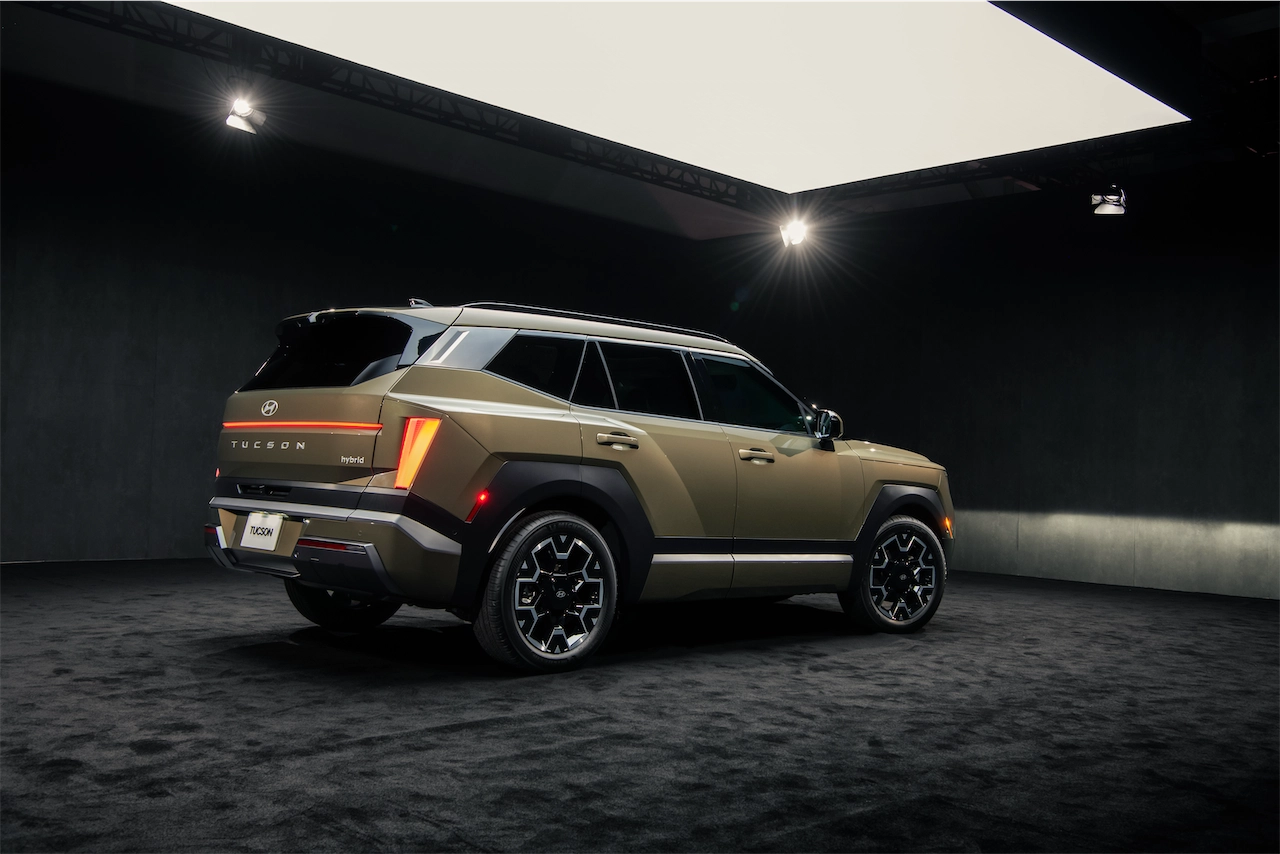
I enjoy learning how a recognizable design takes shape because it connects what we see with the choices required to build it. Holli touched on the same idea in her look at the Tucson’s redesign and interior.
The Tucson’s hood is a good example. Its horizontal line influences the SUV’s character, while components underneath make that appearance possible. Once you understand the reasoning, the front end becomes easier to read.