
Security Researchers Find Way to Easily Take Over Connected Cars

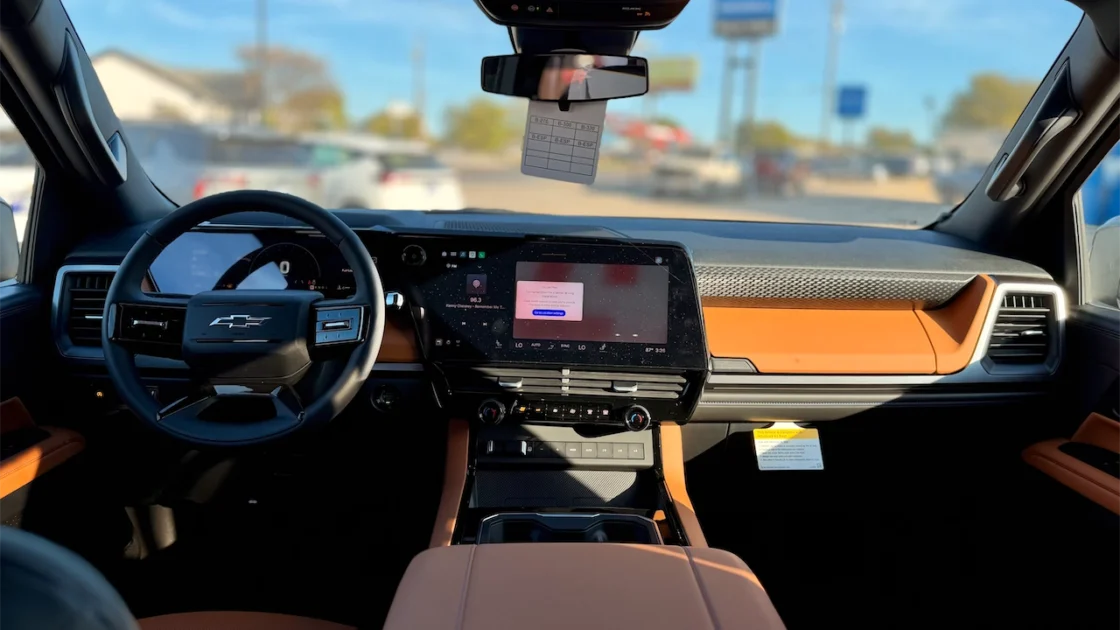
The world is more connected than ever before. It should come as no surprise that automobiles are following the trend. Before the connected vehicle, the software was self-contained. That kept it reasonably secure from prying eyes that might want to hack it for nefarious purposes.
But a growing number of vehicles now add an internet connection to the mix. That sense of security is rapidly being uprooted. New research that began in Australia reveals troubling ways hackers can easily take control of a connected vehicle.
Your Connected Vehicle Might Not Be as Secure as You Think
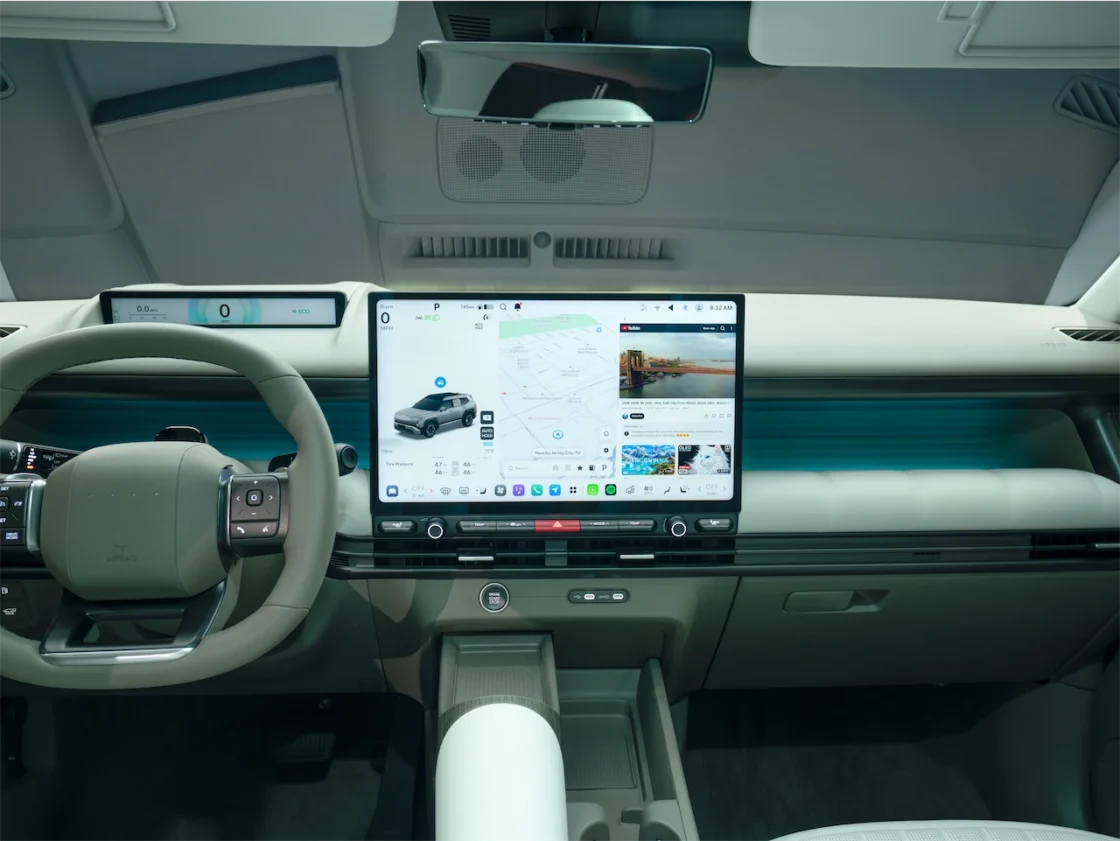
This latest round of research comes from a gentleman named Shubham Shah, who bought a new SUV from an unnamed automaker in 2023. His family has owned several of the brand’s vehicles over the years. Shah said this was his first “connected vehicle.” It came with an app that allowed him to control various features from his phone. Most buyers wouldn’t think much past this and would simply use the app on their daily commutes.
Shah is far from a typical car buyer, however. With an extensive background in internet-facing applications and development, he was curious about how secure things were. To find out, he downloaded the app’s code and decompiled it to make it readable. Shah and fellow researcher Sam Curry then rebuilt the application programming interface (API) requests the app sends. Doing this uncovered the telematics server and a staff-only testing tool that should have been well hidden. Shah said they found “a rich API that let the automaker’s employees interact with customer accounts and production vehicles” with very few restrictions. As a dubious bonus, the researchers even found administrator credentials embedded in the website’s code.
Firewalls Were Not Strong Enough

An early hurdle for Shah and his team was the Web Application Firewall (WAF). It is supposed to keep this data out of the wrong hands. However, the team found a way around it. Shah eventually discovered that the multi-factor authentication step could be skipped entirely. Bypassing it allowed Shah and his team to access the automaker’s vehicles anywhere in Australia. From there, they could start the engine and even lock and unlock the doors at will.
They tested this only on vehicles they owned or had permission from other owners to access. The team also used a quirk in Australia. There, state registration lookup sites can turn a license plate number into a vehicle’s VIN. From a plate number alone, the researchers could chain several flaws to reach any of the automaker’s vehicles in Australia. Working with Curry, they say the attack also worked on the automaker’s vehicles in the United States and Canada.
Latest Research Builds on Troubling Trend
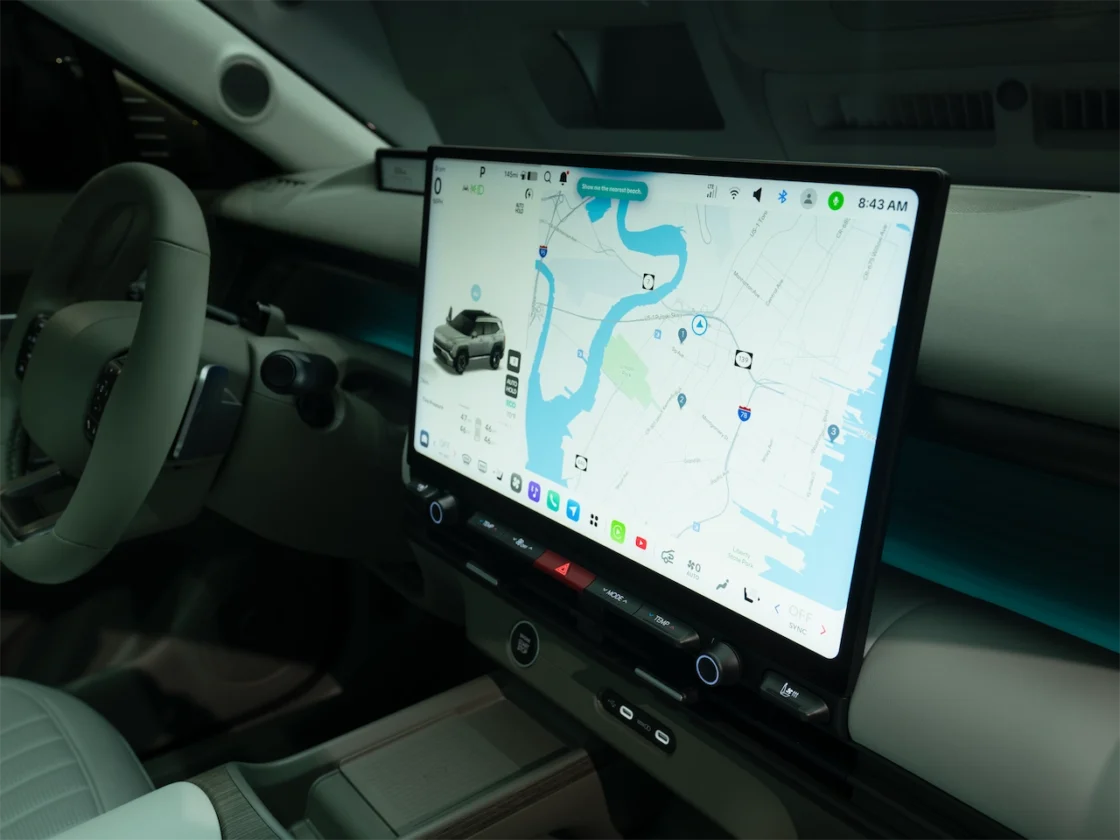
This latest research builds on a troubling trend and shows how easily bad actors can take control of a connected vehicle if they have the right combination of tools and experience. In this case, the researchers reported their findings, and they say the automaker fixed the flaw within about two hours.
Automakers Are Struggling to Keep Up

However, hackers and other bad actors often seem to have the edge in the war against cybersecurity. Automakers and security companies are struggling to keep up. That is unlikely to change soon. The digital arms race between hackers and cybersecurity remains hotly contested. Automakers, consumers, and other companies are often caught in the crossfire when hacked data and private information are used for crime.