
How Hyundai Gleo AI Understands a Passenger Saying “Me Too”

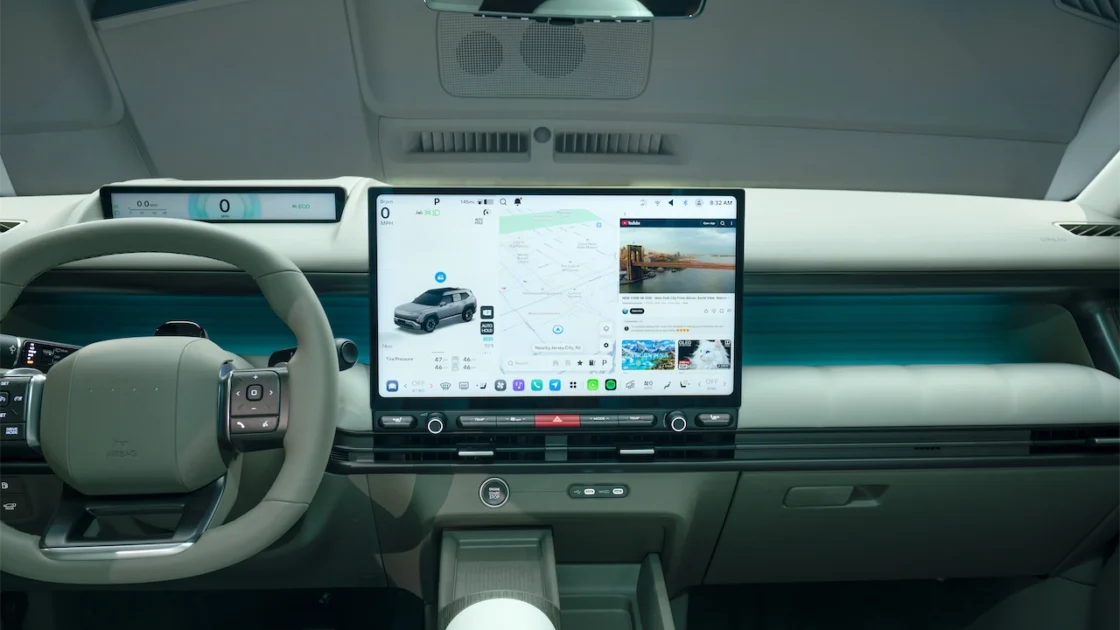
A passenger asks the vehicle to turn on a heated seat. Someone sitting in another seat follows with “me too.” For a human, the meaning is easy to understand. A vehicle needs enough information to determine what the second passenger wants and where that person is sitting.
That example came up during our Hyundai technology interview, and it neatly explains the ambition behind the Gleo AI voice assistant within Pleos Connect.
Conversation Gives the Request Meaning
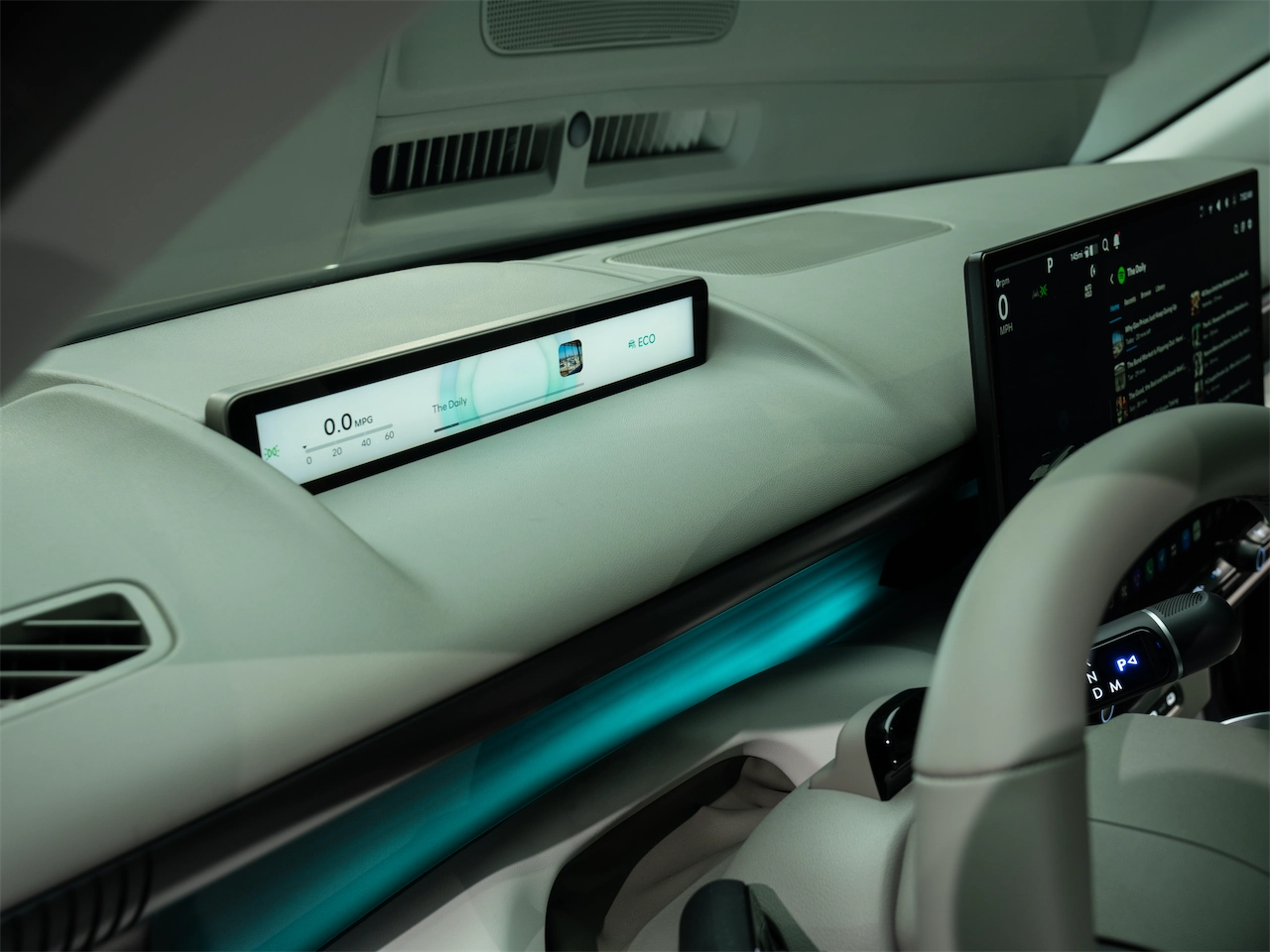
The Hyundai technology team described Gleo AI as using a large language model together with software that directs requests to the appropriate vehicle function. Conversational context helps the system interpret a follow-up without requiring the passenger to repeat the original instruction.
In the heated-seat example, the previous request supplies the action. The second speaker’s location tells the system where to apply it.
Hyundai’s published Pleos Connect overview also describes zone-specific recognition and natural-language controls. The interview gave us a practical scenario for understanding those capabilities.
Microphones Help Locate the Speaker
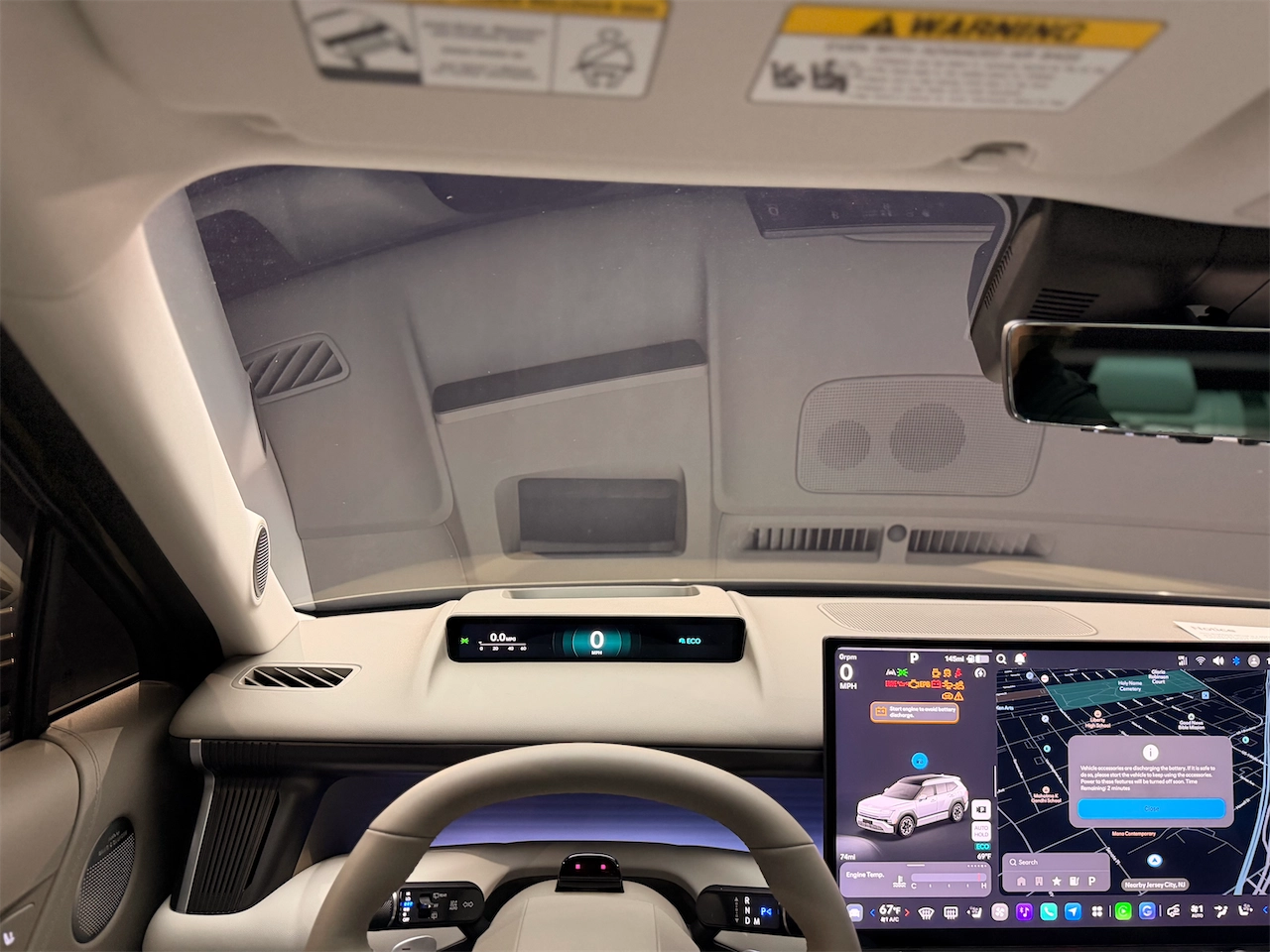
According to Hyundai’s technology team, an overhead microphone array helps determine which seat a speaker occupies.
The engineers discussed making that approach work in a noisy moving vehicle and adapting it to different cabin layouts. A large sunroof, for example, affects where hardware can be packaged.
That matters because voice recognition has to work in the cabin people actually use, with road noise and passengers speaking from different positions.
Convenience Functions Have a Defined Scope
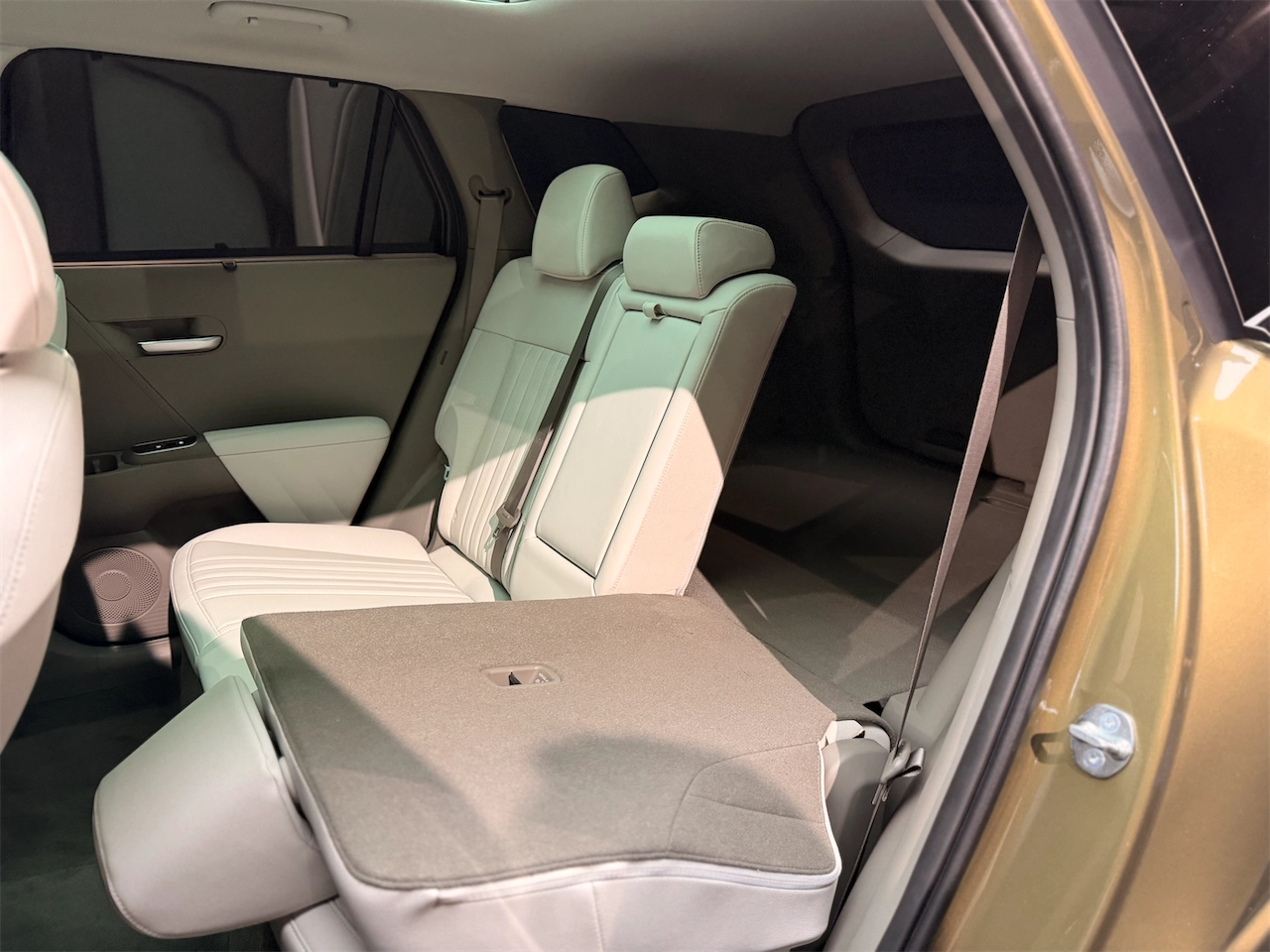
Hyundai’s representatives described control of electronically operated convenience features, including climate settings and seat heating. They said driving-related controls were outside the assistant’s current scope.
They also mentioned that the AI service is cloud-based. Final vehicle documentation will need to explain connectivity requirements and what remains available when a connection is interrupted.
What I’d Look for During a Test

The useful test would involve follow-up requests from different seats while ordinary cabin noise is present. I’d also want to see how the system responds when a request is ambiguous.
We haven’t verified that performance in the production Tucson. The interview example illustrates the intended behavior, and a vehicle test will help establish how consistently it works. For more on the rest of the SUV, read our 2027 Hyundai Tucson first look.
If Gleo AI handles those exchanges well, passengers could make familiar comfort adjustments through a short conversation that feels natural.