
The Korean Design Detail Hidden in the New Hyundai Tucson

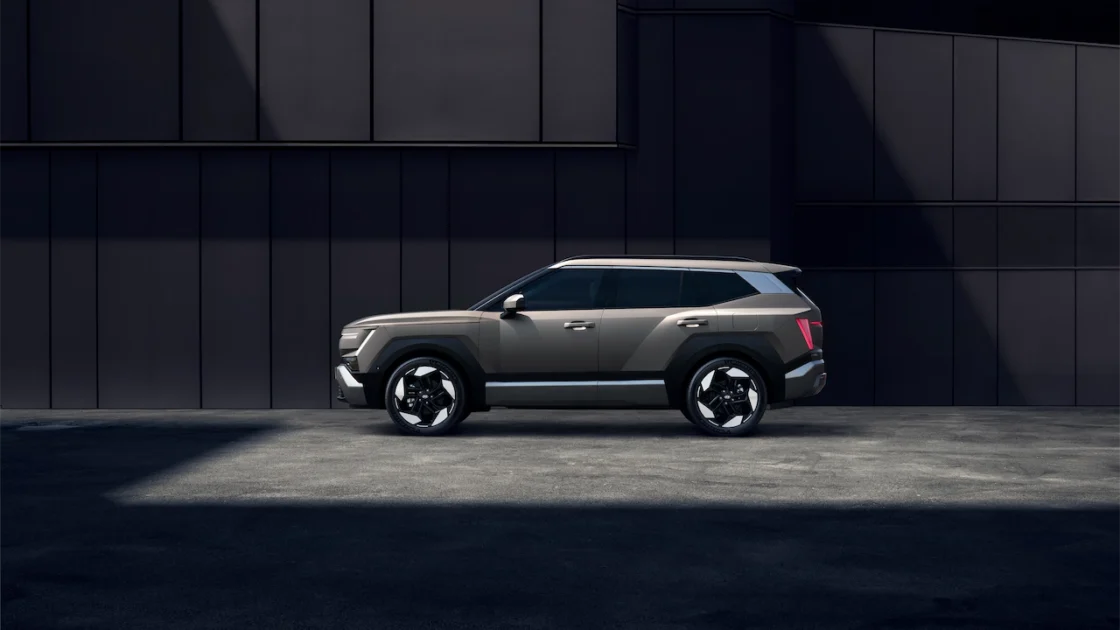
A diagonal line near a rear fender might seem like an ordinary styling choice. During our Hyundai design interview, it became the starting point for a story about the company’s Korean roots.
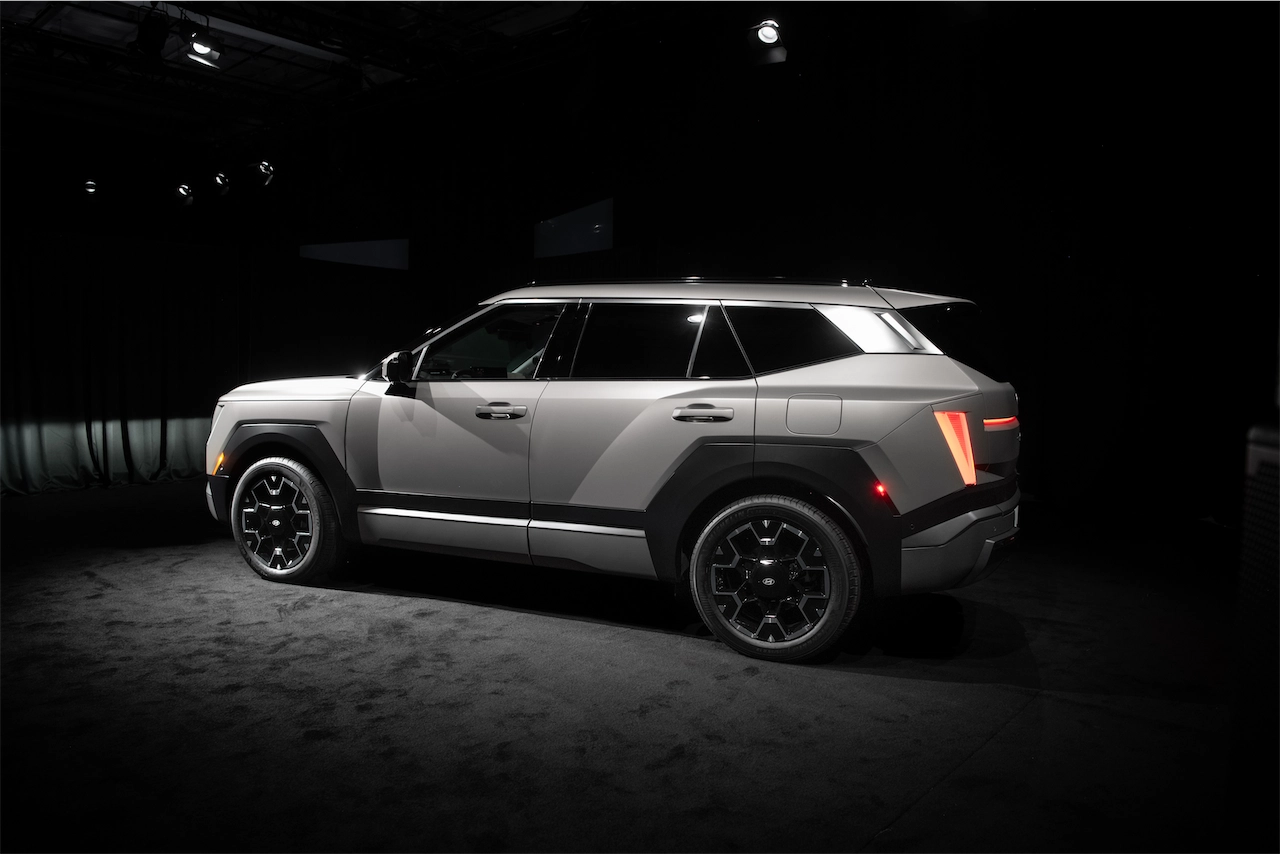
The designers connected that junction between the rear fender and body side with the lines of a hanbok, traditional Korean clothing. The reference is subtle enough that an owner could appreciate the shape without ever knowing where the idea began.
For me, that background makes the new Tucson more interesting to look at.
How a Hanbok Reference Becomes a Body Line
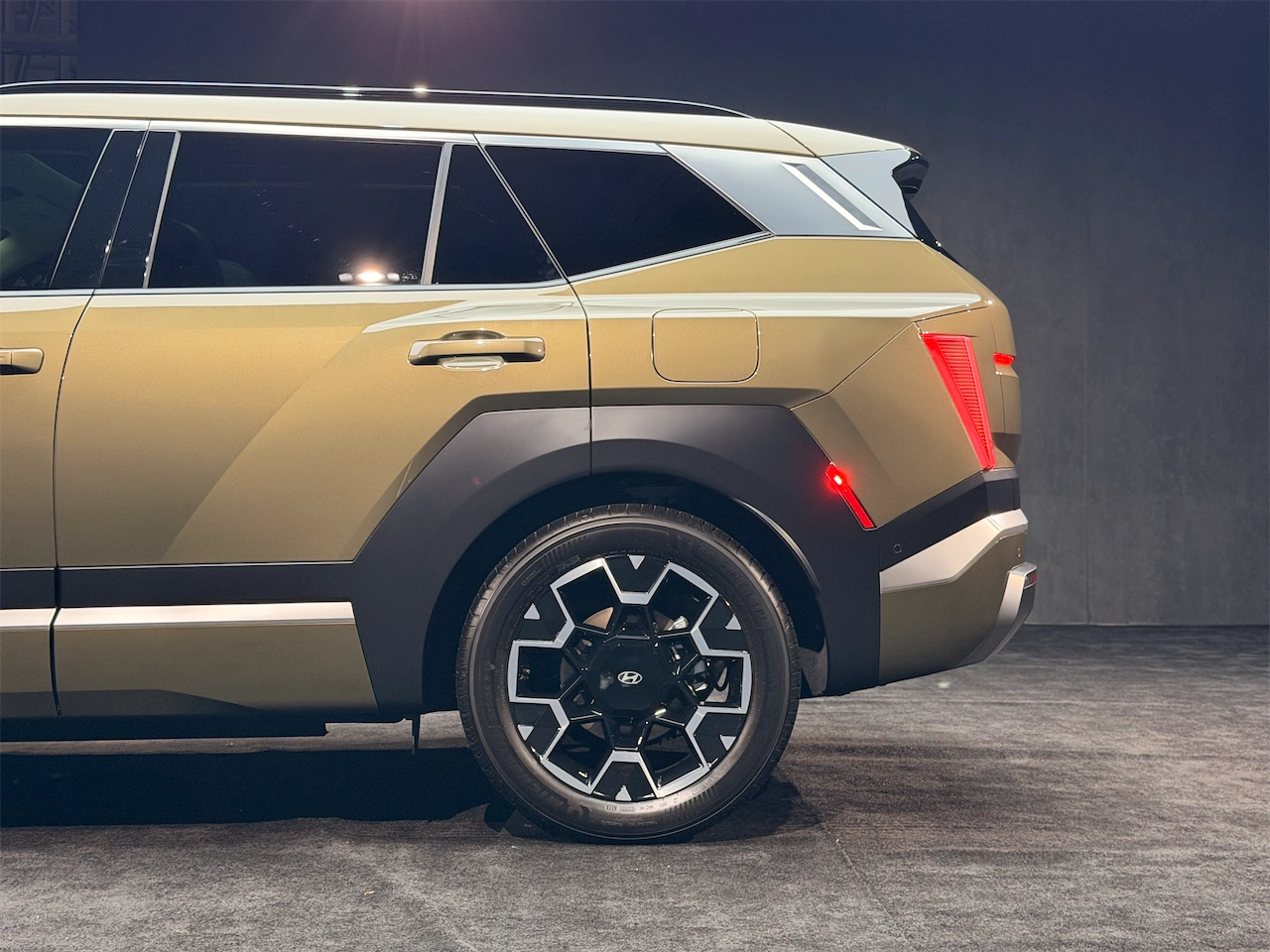
Hyundai’s design team described the cultural influence as a quiet element within the steel bodywork. The idea appears through the relationship between surfaces and the direction of a line.
That approach lets the vehicle retain its intended character while giving the designers a meaningful point of reference.
Once the team explained the connection, the diagonal junction offered a detail to look for when studying the new vehicles’ profiles.
Shared Ideas With Distinct Results
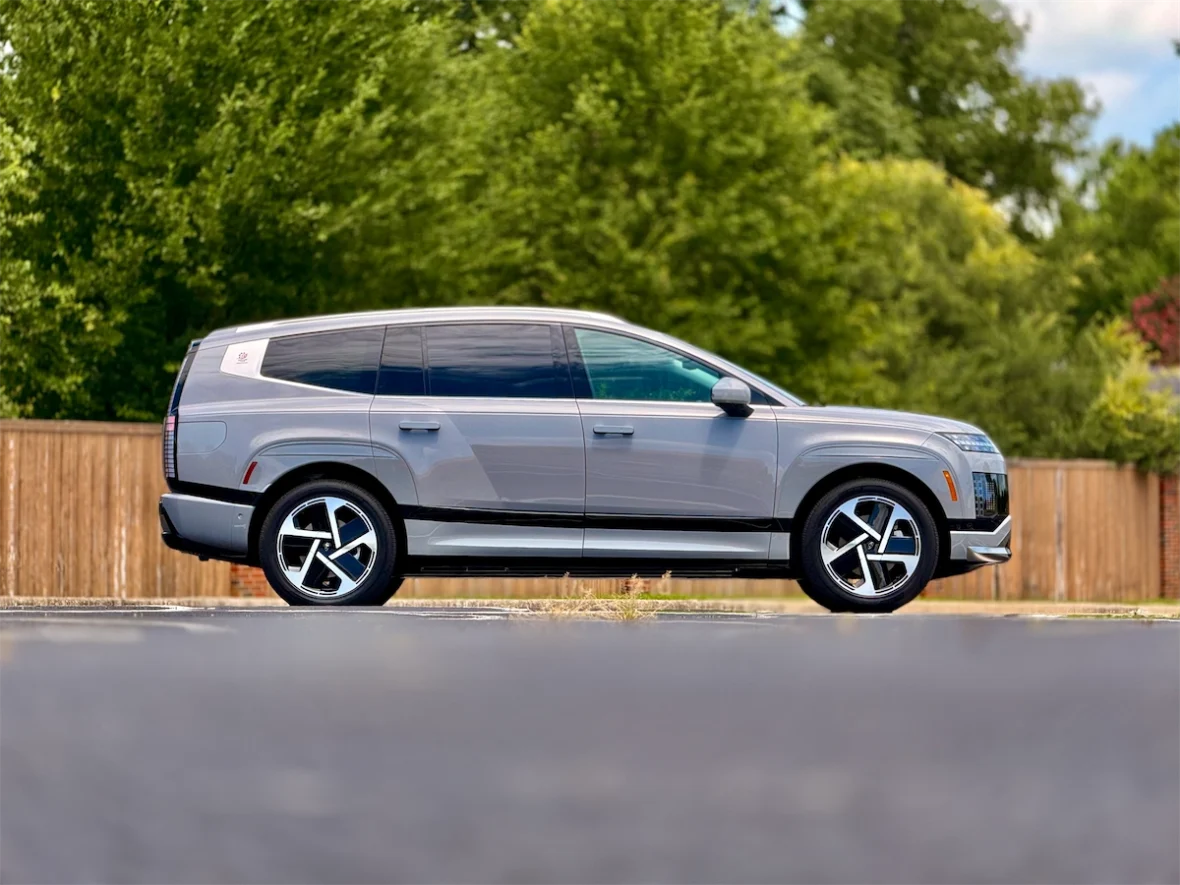
Hyundai’s designers compared their lineup to chess pieces: Each model serves a different role and has its own recognizable shape. A few shared visual cues connect them as a family. You can see that in the brand’s existing lineup, like the large IONIQ 9 shown above.
The new Tucson uses Hyundai’s Art of Steel design language, including strong fender forms and edge lighting. Its proportions give those ideas different expressions.
Our interview described how the Tucson was developed around a bold SUV presence. I covered the Tucson’s front end in more detail in my story on why the new Tucson looks so wide.
Korean Influence Extends to Lighting
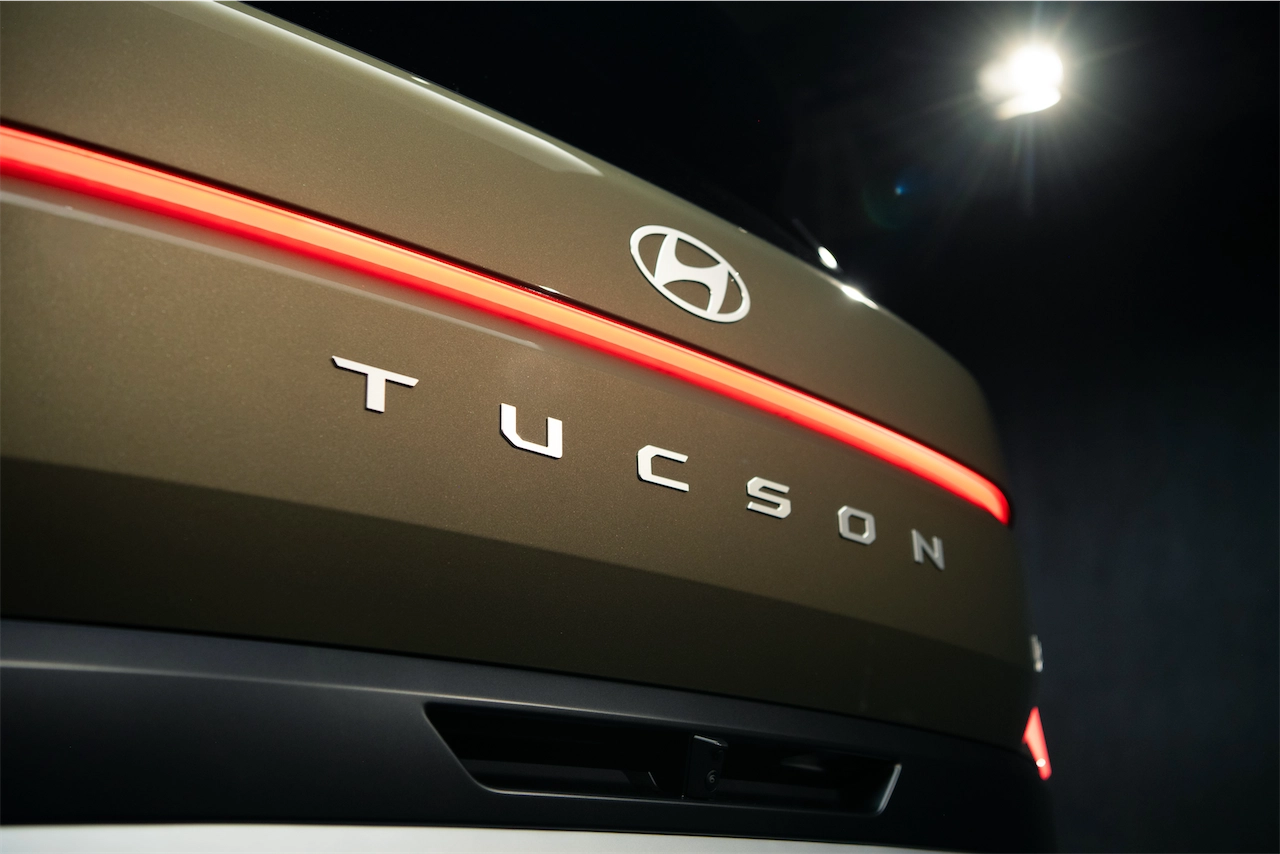
The team also connected Hyundai’s pixel-lighting language with the geometry of the Korean alphabet.
That explanation offers another example of how a cultural influence can enter a design through a small visual element. It doesn’t mean every lighting detail on every Hyundai carries the same reference; the interview gave us the designers’ broader reasoning.
A Detail Worth Looking For
Automotive design becomes more rewarding when you understand why a particular line is there. The hanbok connection gives enthusiasts a specific detail to examine and everyday buyers a little more context for the shape of their vehicle.
The new Tucson will be judged on how well it works for its owners. Their design stories also give those owners something interesting to share when someone asks about the styling.