Inside Nissan’s Corrosion Chamber, Where 15 Years of Rust Happens in 4 Months


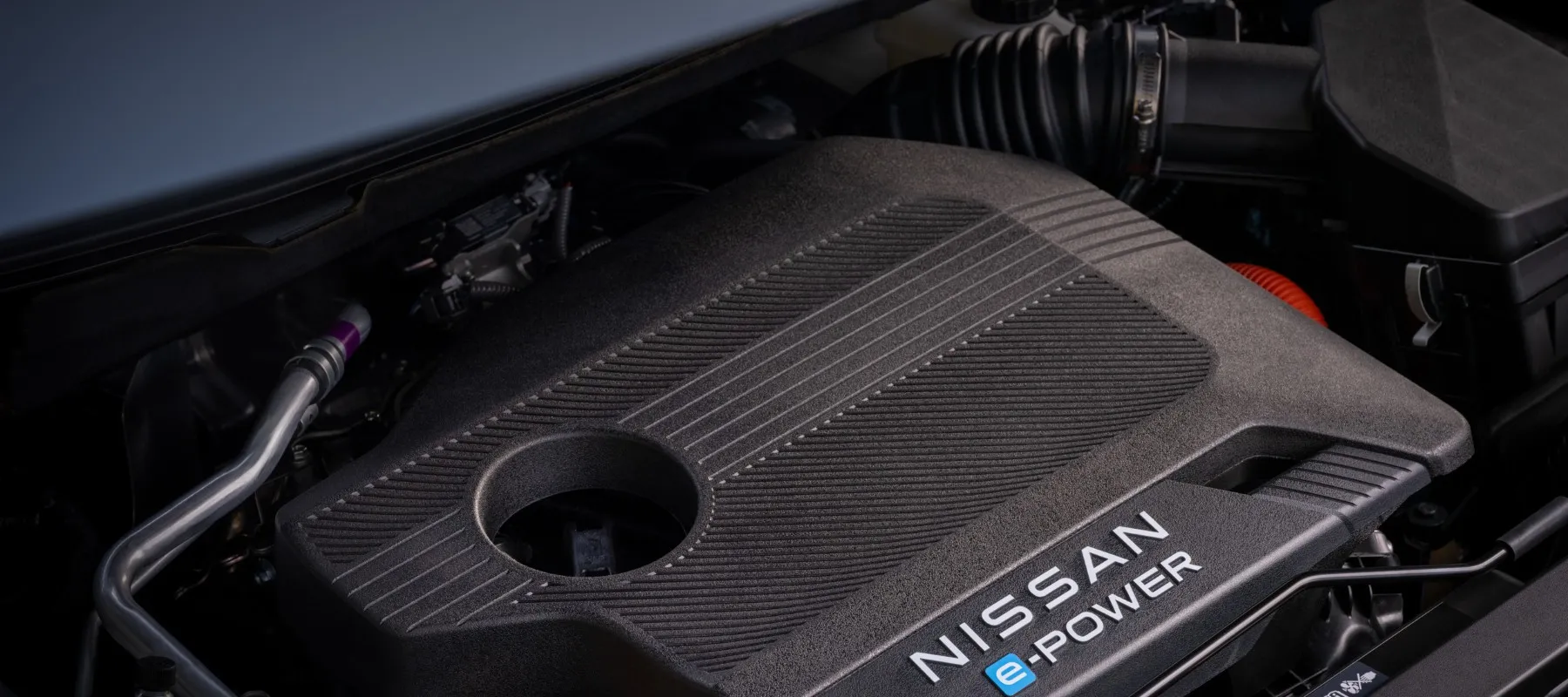
Rust is one of the quietest ways a family vehicle loses value, and Nissan just showed how it fights back. Inside the new Nissan corrosion chamber at its Arizona Testing Center (ATC), engineers can simulate 10 to 15 years of real-world corrosion in less than four months. One of the first vehicles getting the treatment is a camouflaged 2027 Nissan Rogue Hybrid.
According to Nissan, the testing covers conditions across 99.5% of the North American market. For anyone who has watched a fender bubble after a few winters, or seen a truck bed rot out near the coast, that is a big deal.
What Is Nissan’s Corrosion Chamber?
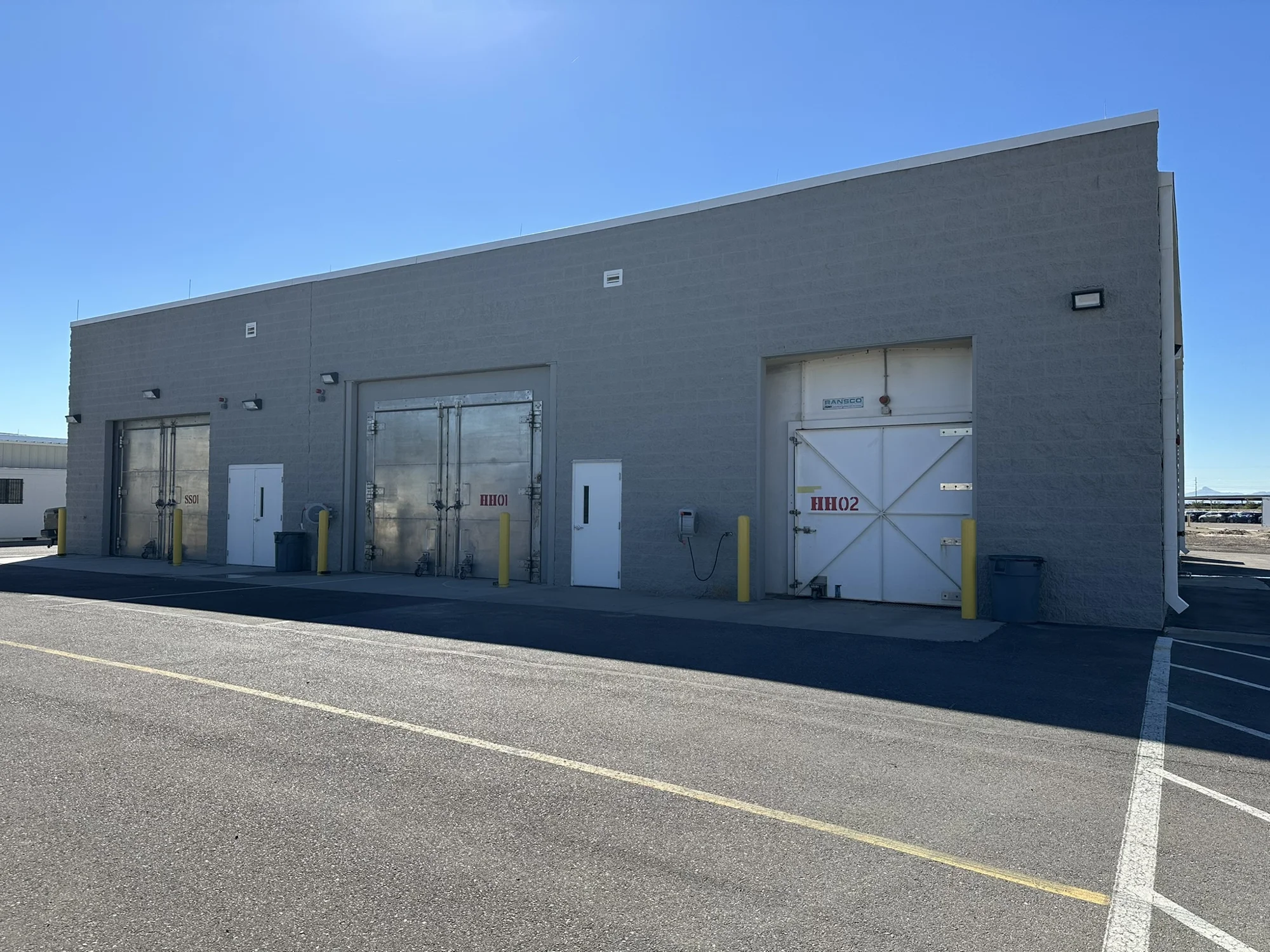
The chamber speeds up the corrosion that de-icing road salts, humid climates, and coastal air cause. Engineers then match that damage to what owners actually experience in the real world.
“By simulating a decade of environmental exposure in a controlled setting, engineers can identify improvements early and deliver vehicles that are built to last,” said Ryan Regehr, an engineer who helps lead operations at ATC.
In other words, engineers can now spot and fix problems before a vehicle ever reaches a dealer lot. Those issues once took years of owner complaints to show up.
Salt Spray, Then a Bake
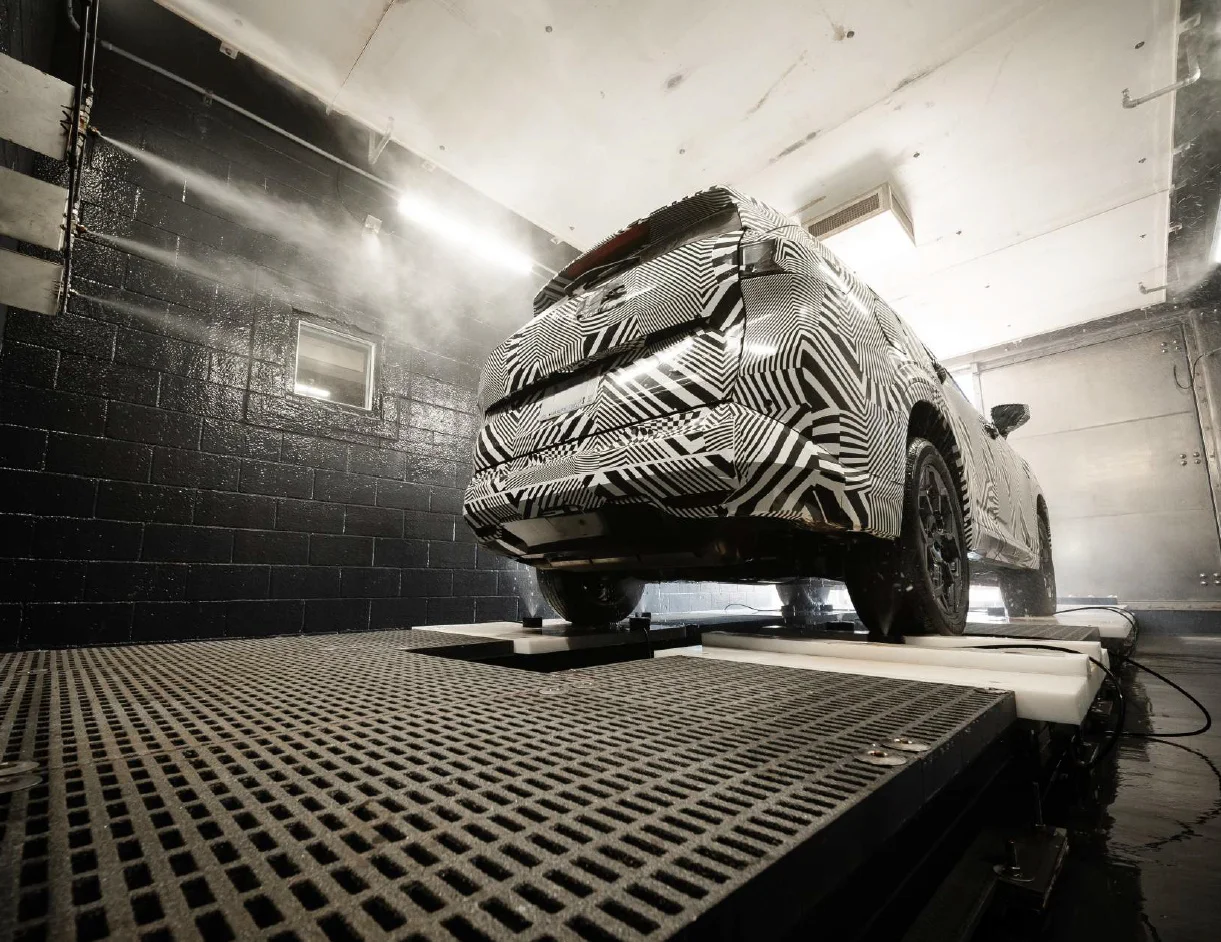
The process is simple, but brutal. First, nozzles spray the vehicle from every angle with a saltwater solution. Then the chamber essentially turns into an oven, baking the vehicle at high temperatures and humidity. Those cycles repeat, creating the exact conditions that speed up the corrosion of metal parts.
Additionally, the new chamber delivers more consistent, repeatable results thanks to improved automation and monitoring. It also uses an advanced water filtration system imported from Italy. That system holds a precise salinity level for every test, recycles more water, and reduces the facility’s environmental impact.
“The chamber can more accurately simulate the diverse corrosion environments found across North America, resulting in higher-quality durability data,” said Yosmany Lopez, the lead corrosion engineer on Nissan’s Durability and Reliability team at ATC.
The Biggest Rust Threats for Your Vehicle

Nissan built its tests around the substances and conditions that cause the most wear. According to Nissan, the worst offenders include:
- Road salt (sodium chloride), common on northern winter roads and one of the leading causes of corrosion
- Magnesium chloride and calcium chloride, de-icers that stay active at lower temperatures and can be even more corrosive than road salt
- Ocean salt and coastal air, which speed up rust on exposed metal
- Humidity and moisture, which promote rust and make other contaminants worse
- Mud, dirt, and debris, which trap moisture and salt against the vehicle
Nissan says the Midwest and Northeast are among the most corrosive regions. Blame the mix of moisture and road chemicals. Interestingly, a Northeast winter and Florida ocean air can cause surprisingly similar damage.
Here in East Texas, we rarely see road salt. However, we get plenty of heat and humidity, and families along the Gulf Coast deal with salty air every day. This chamber aims to replicate exactly those conditions.
More Than a Salt Bath
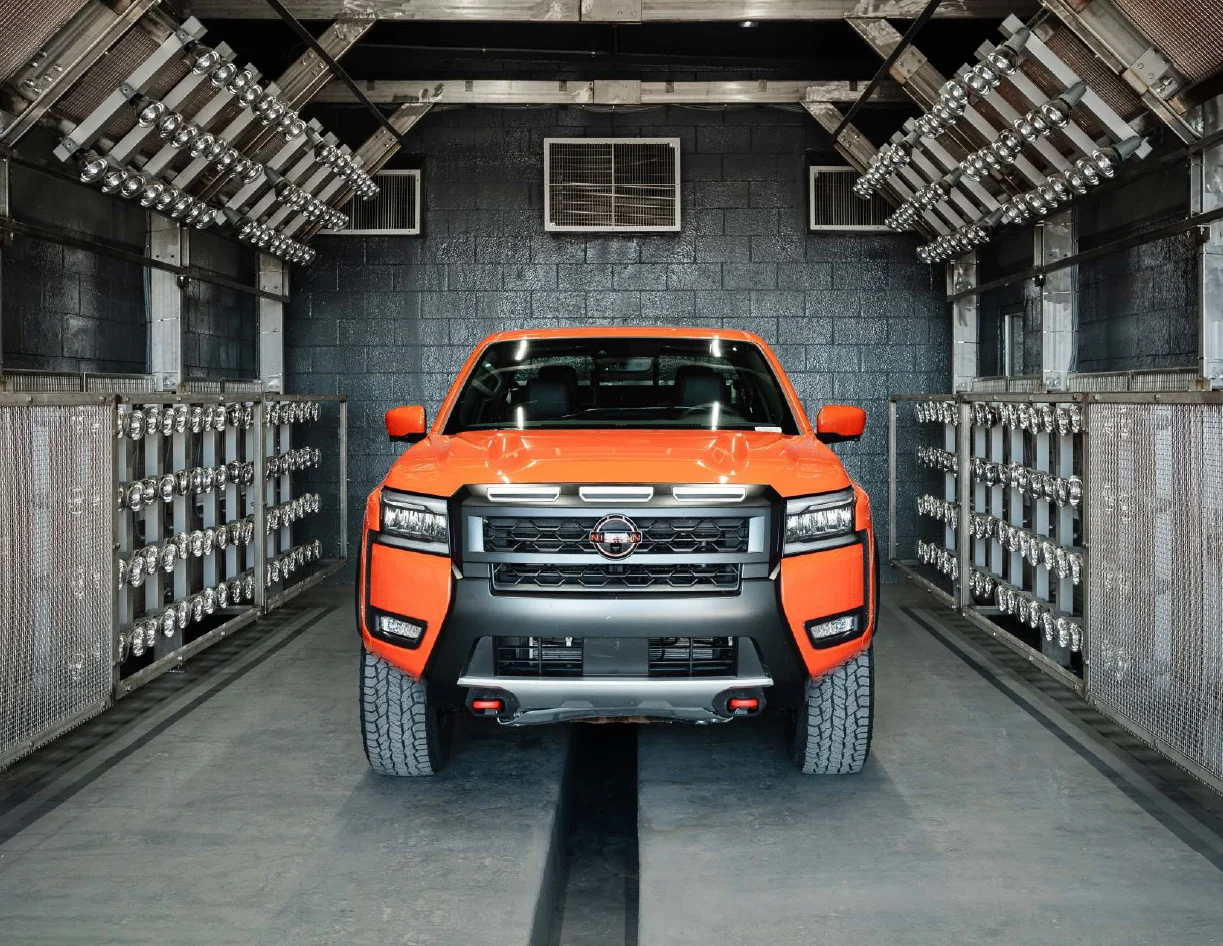
The corrosion chamber is only one piece of the ATC torture program. Vehicles also run a durability course with rough road surfaces, undulating frame twists, an automotive mud bath, and water fording.
“The battery of tests helps engineers identify and resolve potential issues long before vehicles reach production,” Lopez said.
That matters for midsize trucks like the Frontier. Many spend their lives on job sites, dirt roads, and boat ramps. If you want to see how wild Nissan can get with its pickup, check out the twin-turbo Frontier RONIN concept Nissan brought to SEMA.
Why Rust Testing Matters for Families
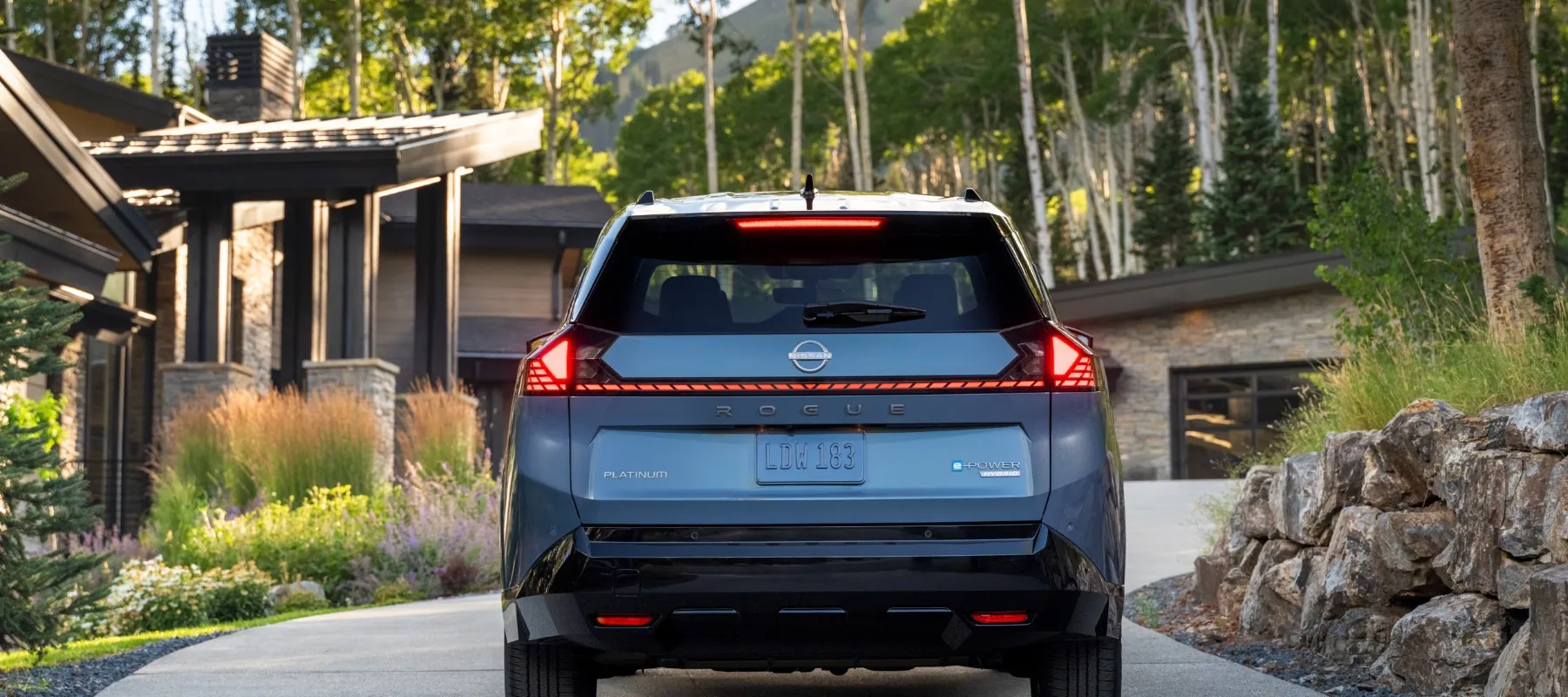
For families, corrosion is more than a cosmetic issue. Lopez says the testing helps critical components keep their performance and appearance longer, “reducing the likelihood of corrosion-related repairs, improving vehicle longevity and helping preserve resale value.”
That is exactly what you want from a compact SUV. After all, many families keep one through years of school runs and road trips. Meanwhile, the Rogue Hybrid is already off to a strong start. We covered the details when the 2027 Nissan Rogue Hybrid went on sale, and the very first owner traded in a RAV4 Hybrid to get one.
You can build your own Rogue on Nissan’s consumer site.
Our Take on Nissan’s Corrosion Chamber
I love seeing this kind of behind-the-scenes engineering, because durability never shows up on a window sticker. Nobody shops for a vehicle based on how its underbody will look after a decade. Still, anyone who has tried to sell a rusty SUV knows how much it matters.
Squeezing 10 to 15 years of abuse into a few months helps Nissan catch problems early. That means fewer surprises in your driveway. As Regehr put it, “While customers may never see the inside of a corrosion chamber, the benefits are reflected in every vehicle that continues to perform reliably, year after year.” As a result, I think this is a smart investment. It should help Nissan owners keep their vehicles, and their value, a little longer.
Want more automotive news like this? Sign up for our weekly newsletter using the form at the bottom of this page to get the latest stories delivered to your inbox every Thursday morning.