2027 Hyundai Tucson XRT PRO: Hybrid Power Meets Family Life

The 2027 Hyundai Tucson XRT PRO gives Hyundai’s rugged compact SUV something I’ve wanted to see: hybrid power and a cabin that feels like an upgrade. The extra ground clearance and recovery hooks matter, but so do the seats, storage, and controls you’ll use on every school run.
Holli and I saw the all-new Tucson in New York, but I didn’t get much one-on-one time with the XRT PRO there. Hyundai recently invited me to Bentonville, Arkansas, where I finally had a chance to slow down, open the doors, and take a closer look. This was a walkaround, with the display vehicle powered off, so driving impressions will have to wait. There was still plenty to learn.
The First Hybrid Hyundai XRT PRO
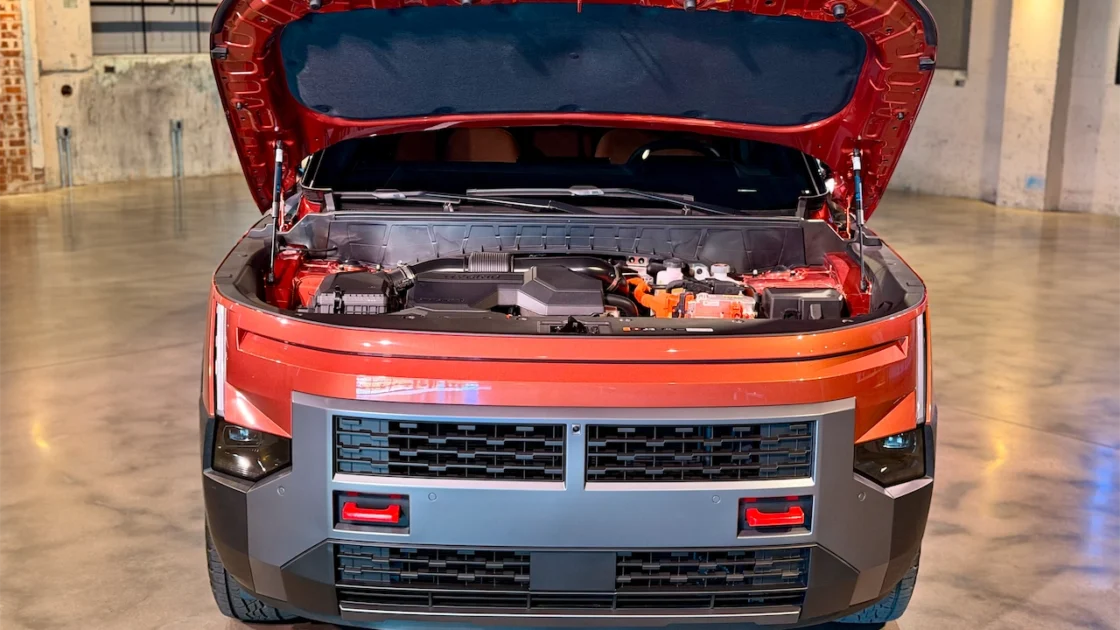
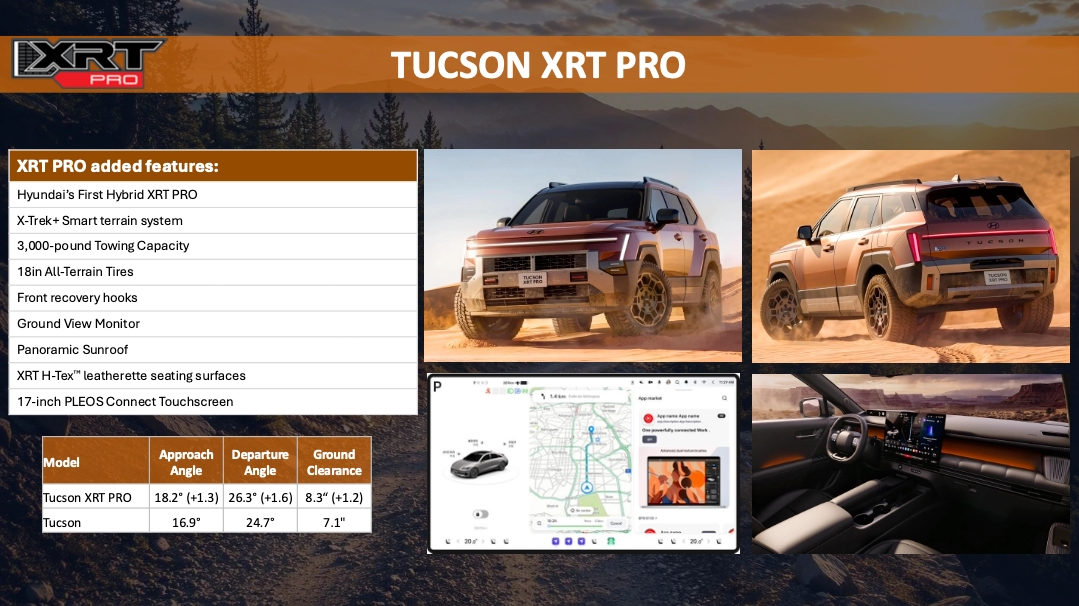
Hyundai confirms this is its first hybrid XRT PRO, and it comes with all-wheel drive (AWD). That combination makes sense for a vehicle that has to handle the weekday commute before heading toward a campsite on Saturday.
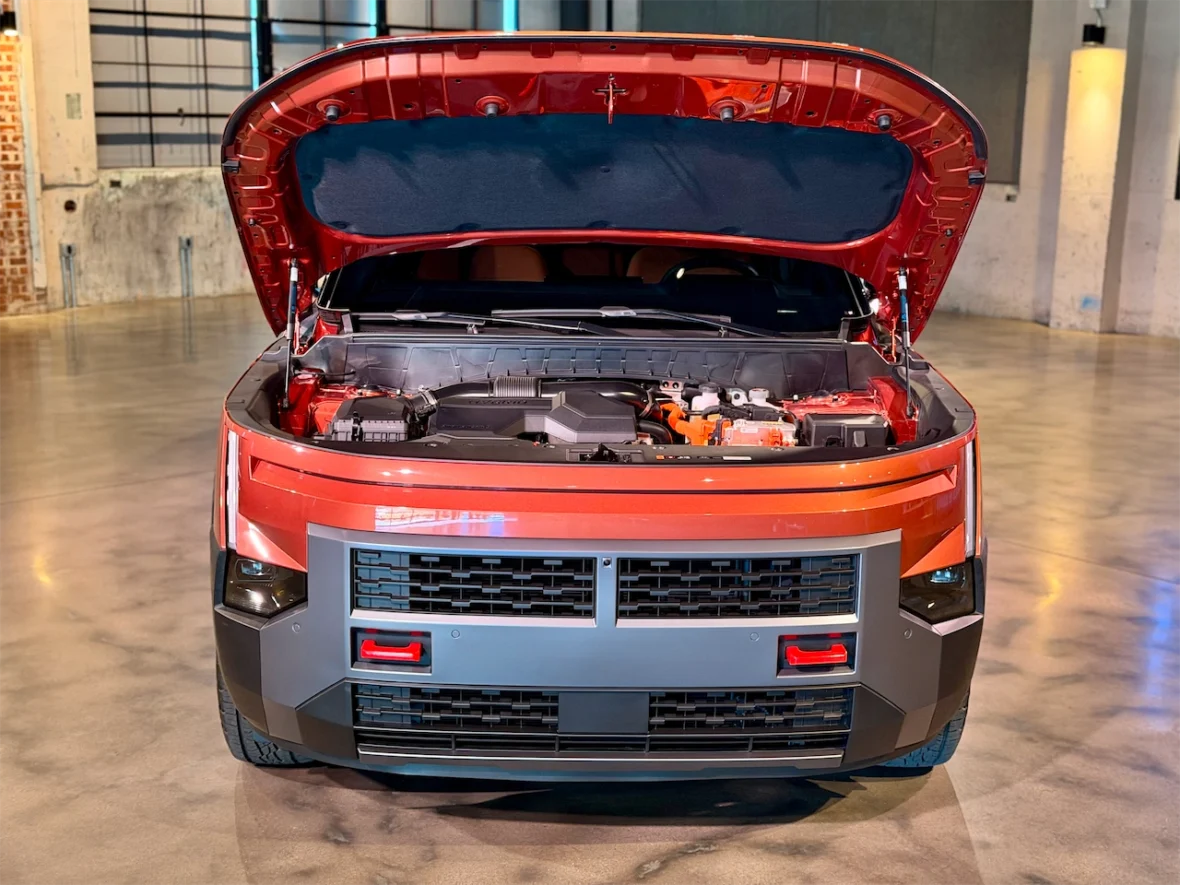
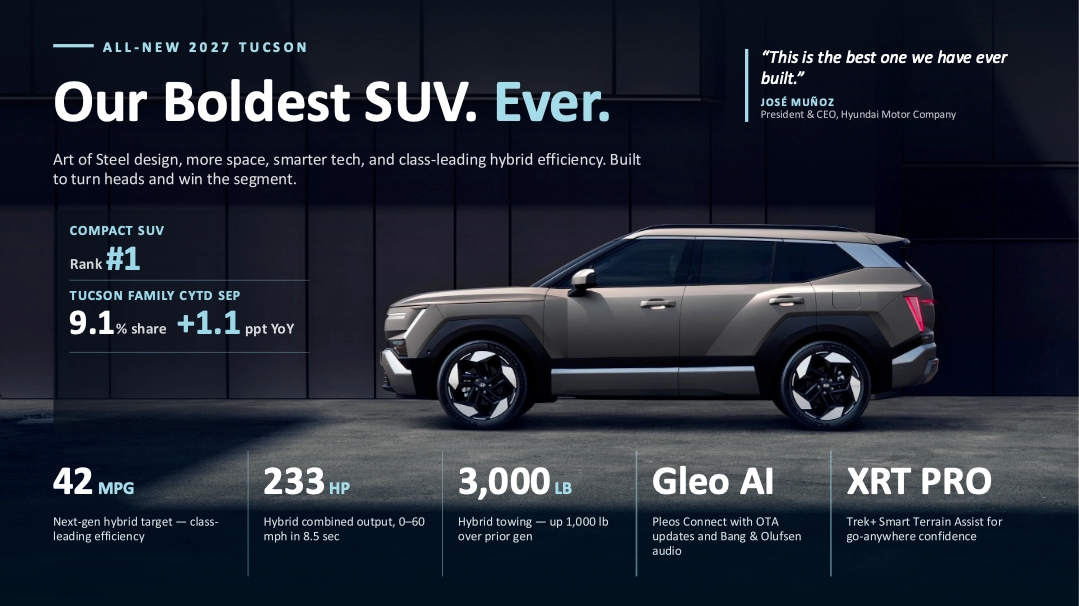
Hyundai’s published North American Tucson hybrid specifications list a turbocharged four-cylinder hybrid system with 233 horsepower, approximately 280 lb-ft of torque, and a six-speed automatic transmission. The XRT PRO’s presentation also confirms a 3,000-pound towing capacity, giving it room in the plan for a small trailer and weekend gear, provided you stay within the vehicle’s ratings.
One number I would keep separate is the Tucson lineup’s headline 42 MPG target. That applies to the front-wheel-drive hybrid with 17-inch wheels. We still need an XRT PRO-specific fuel economy rating before judging what its AWD system and all-terrain tires mean at the pump.
A Boxier Tucson With a Cadillac Connection
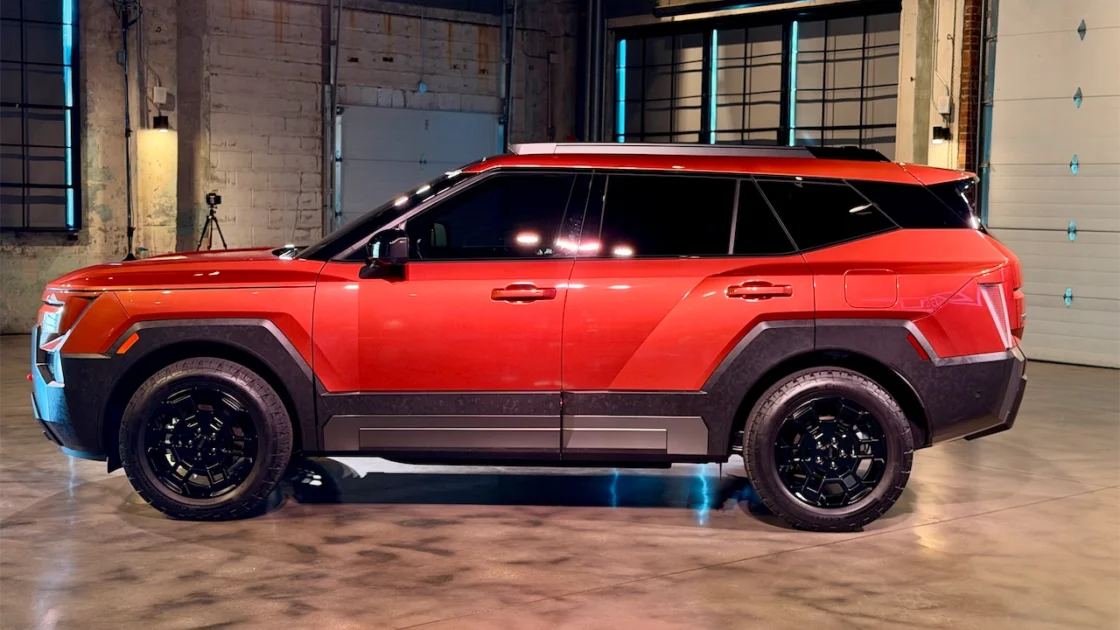
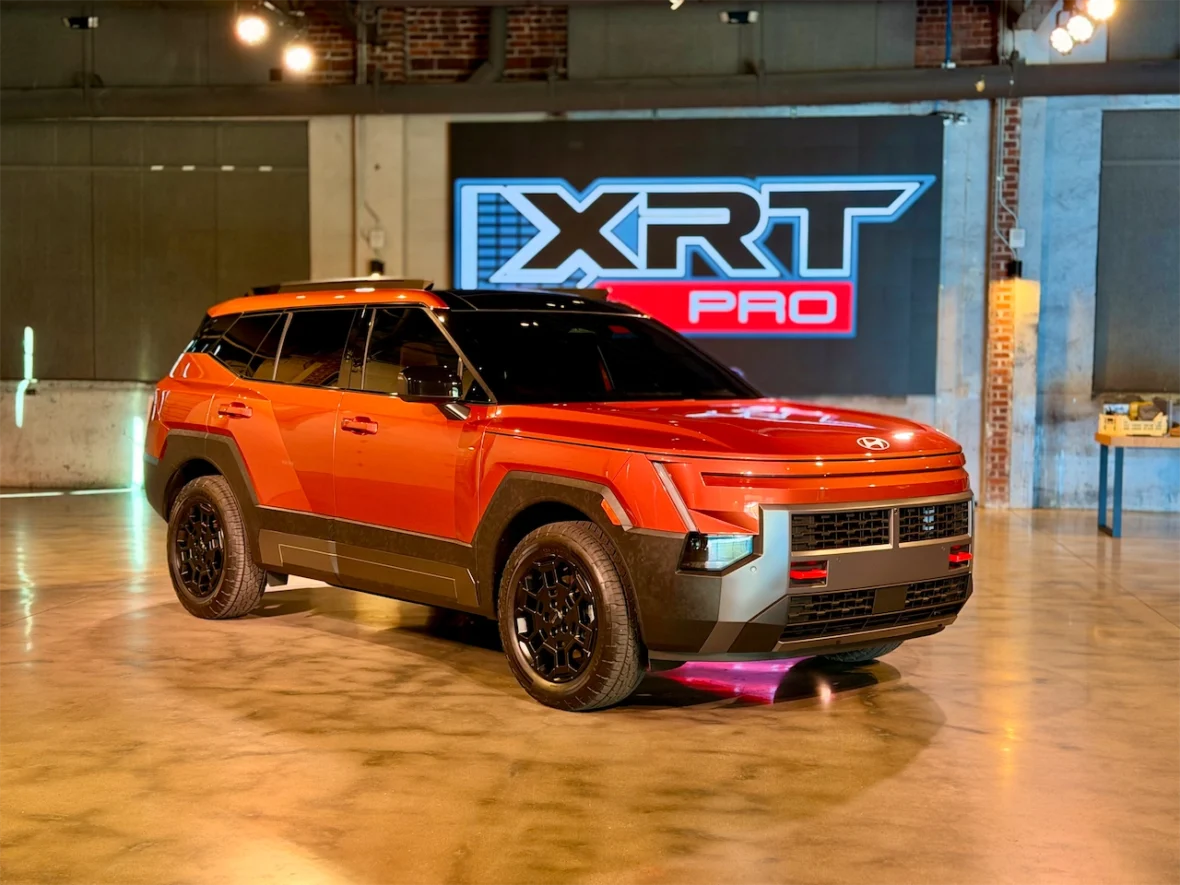
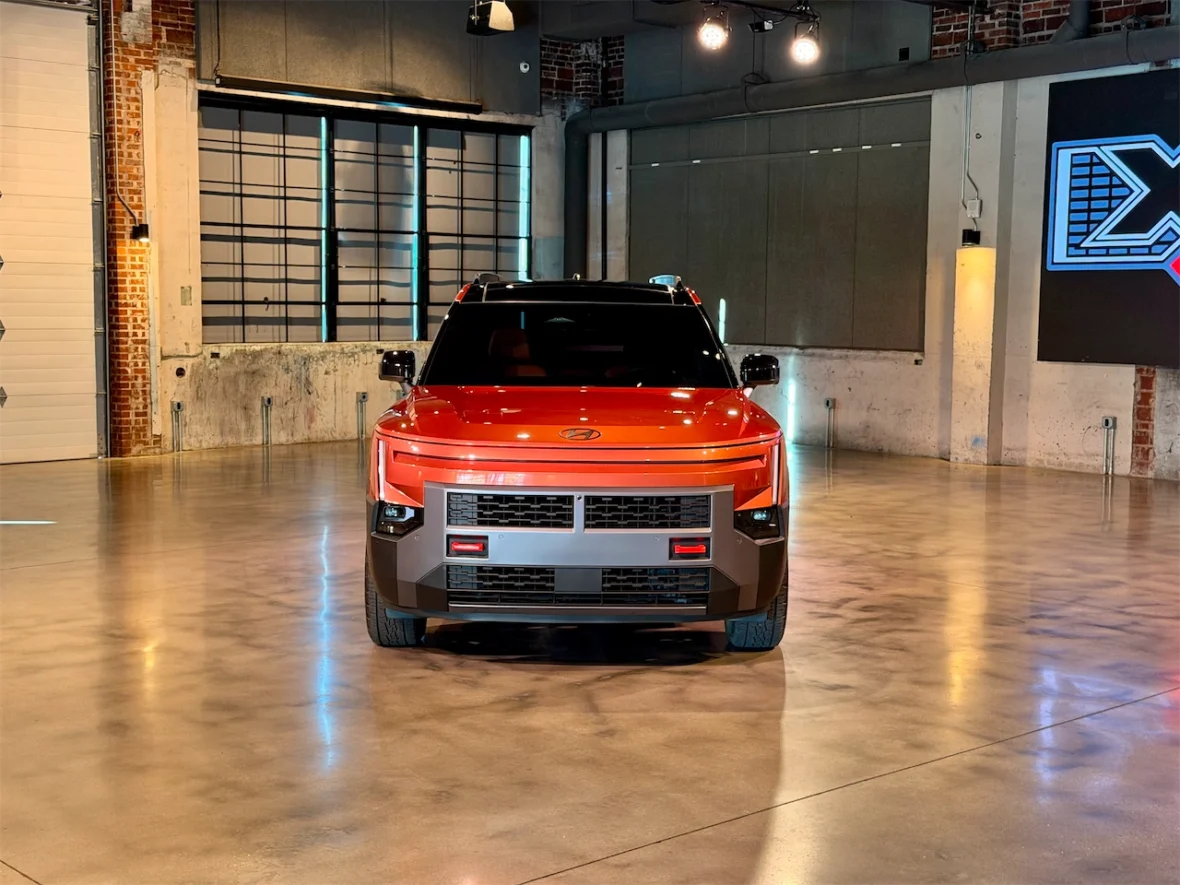
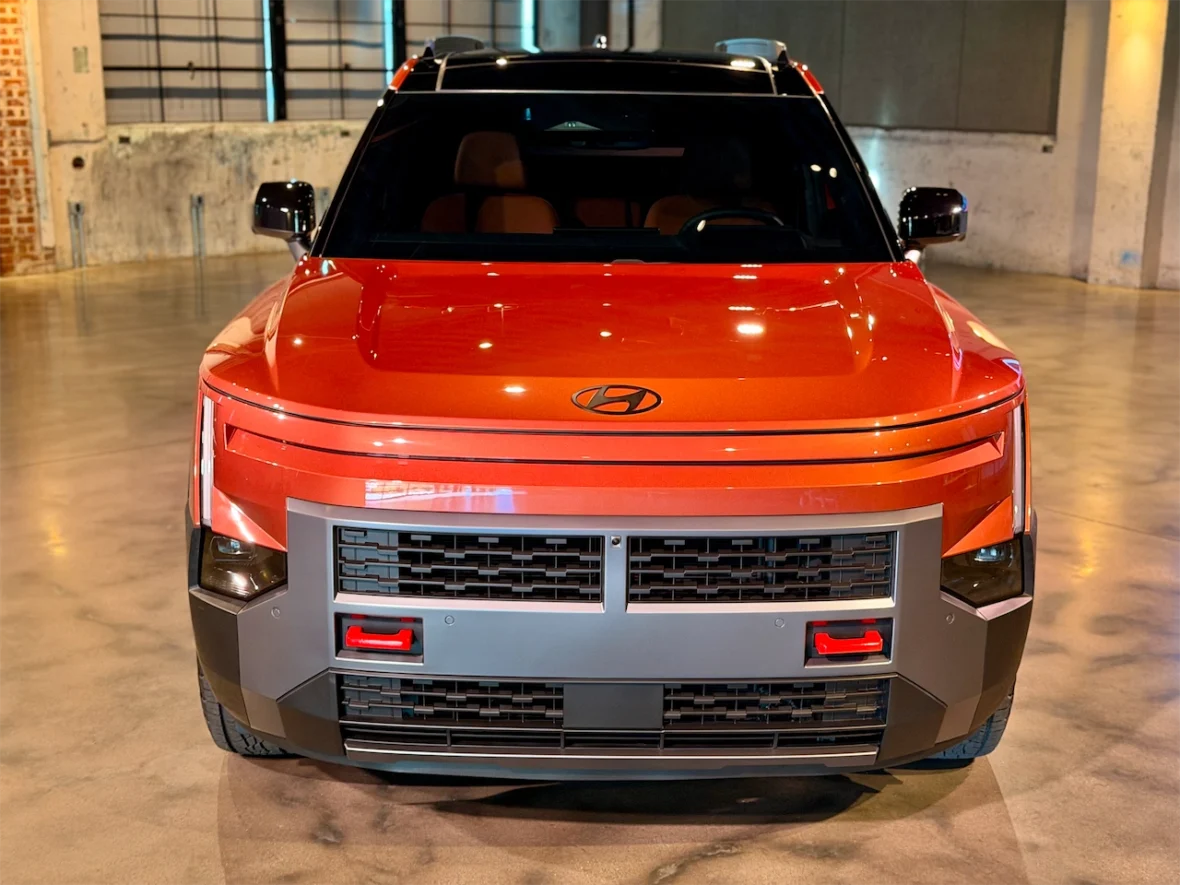
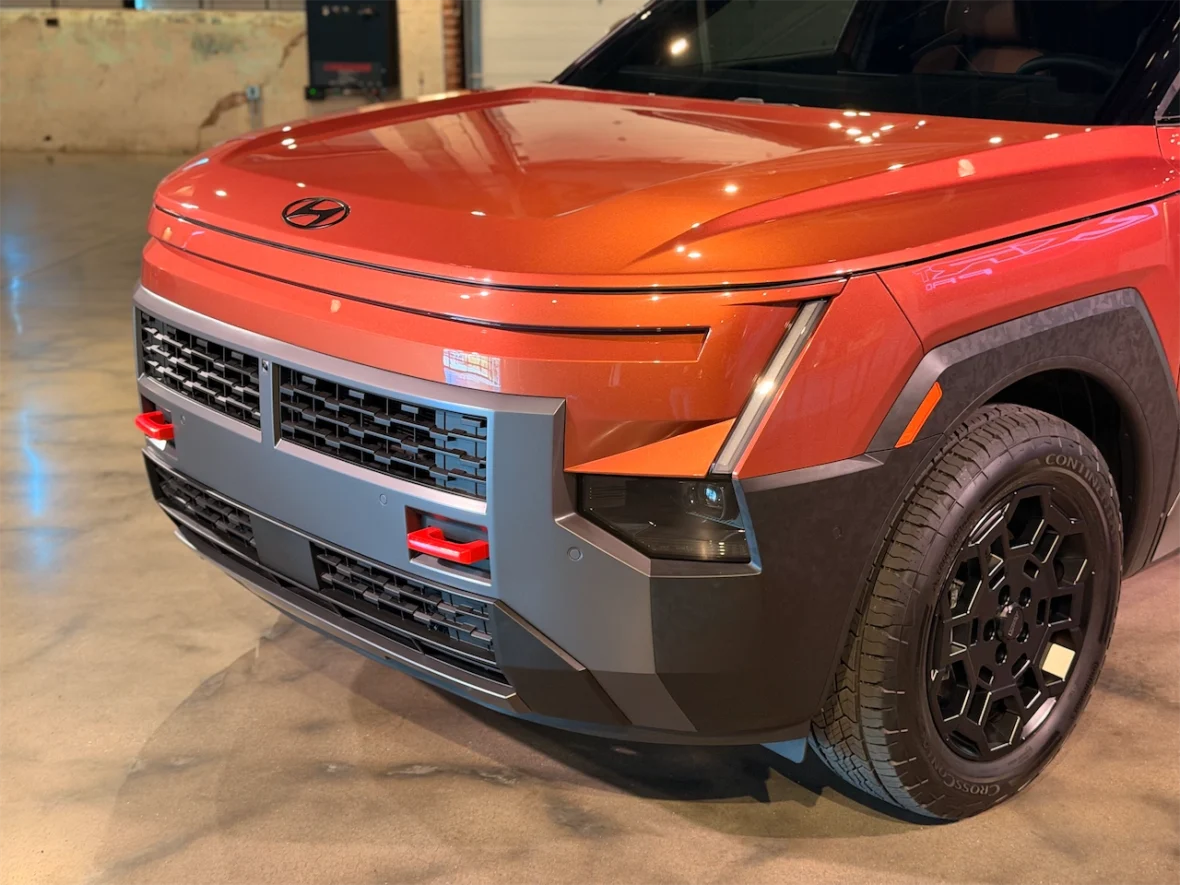
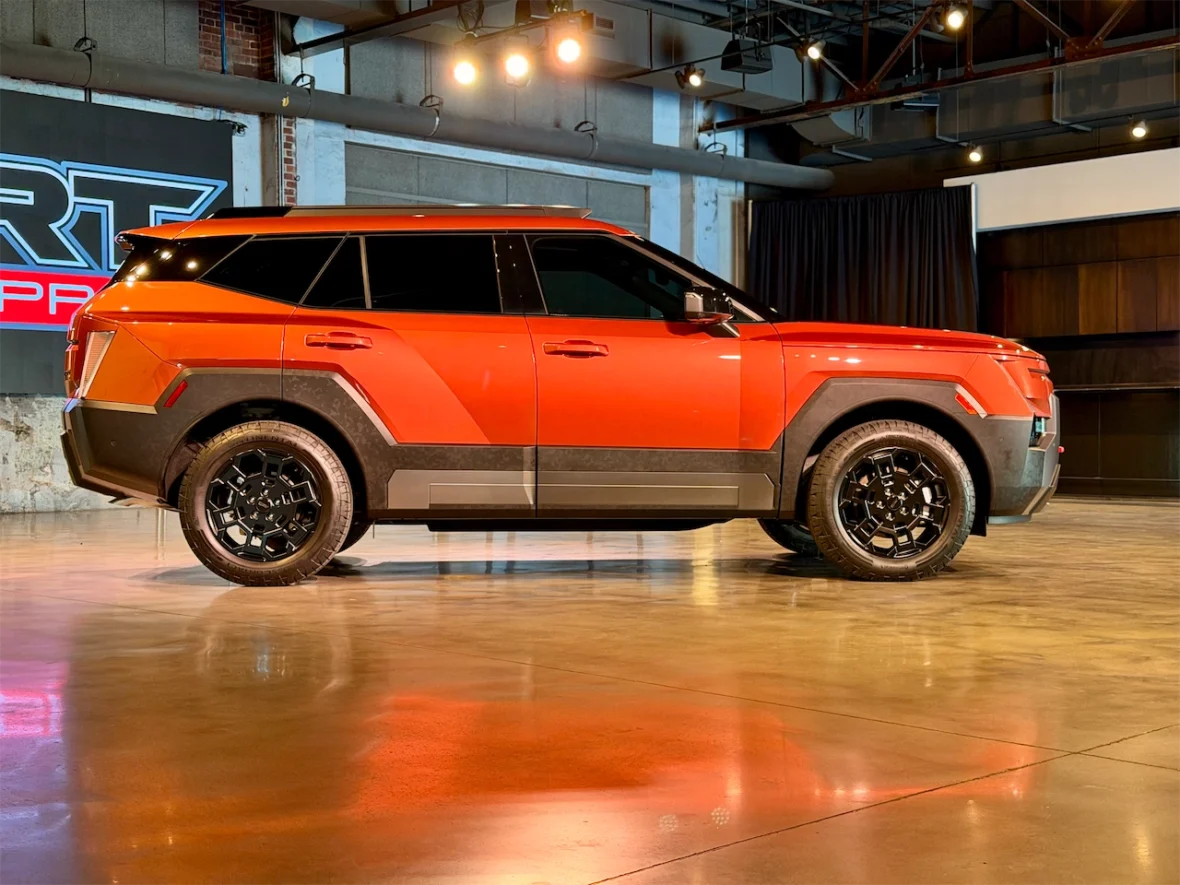
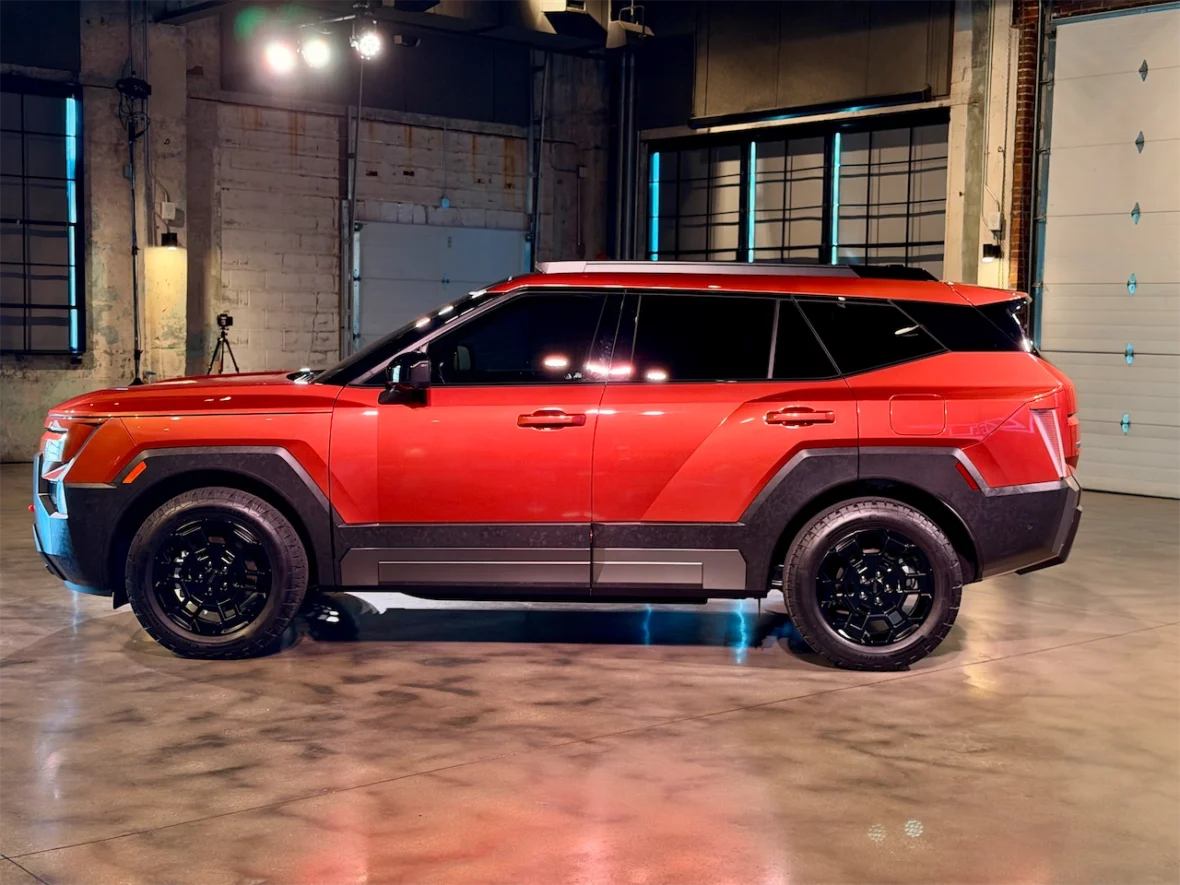
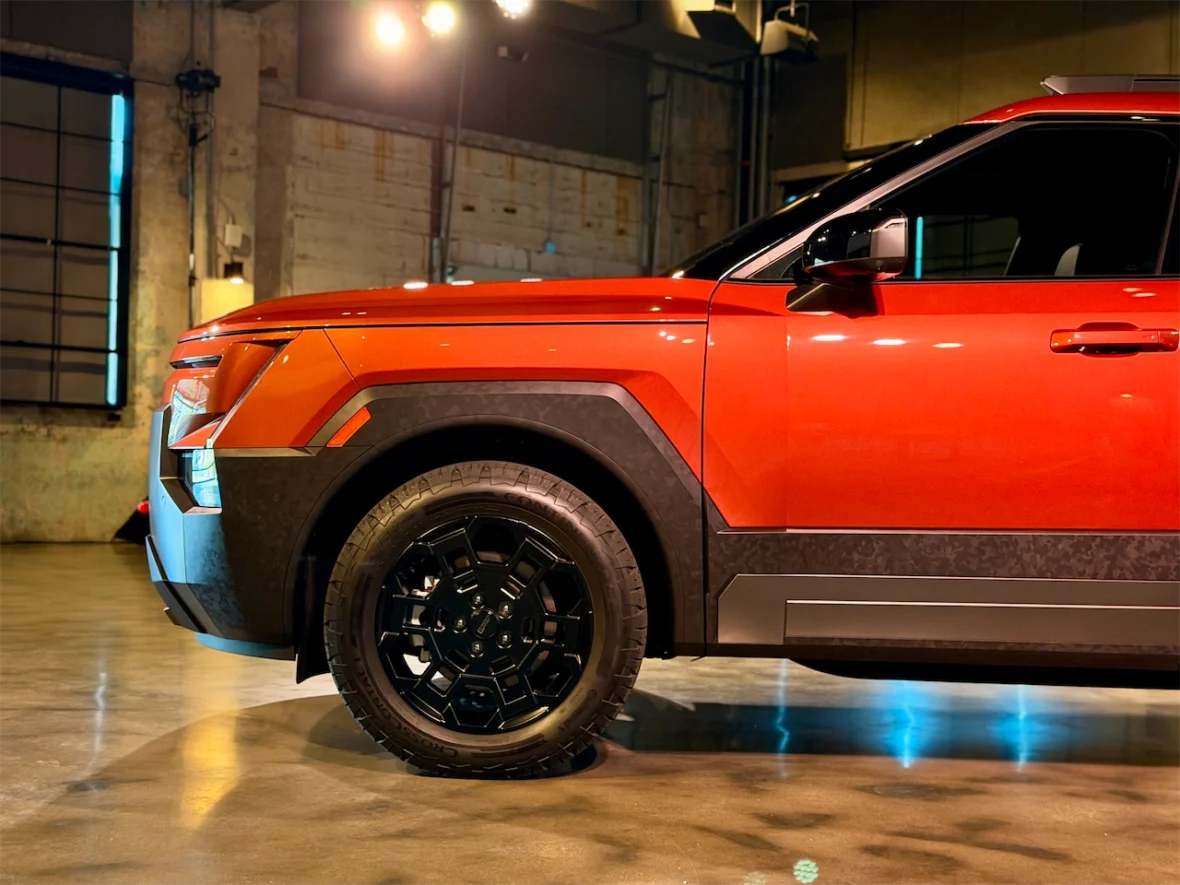
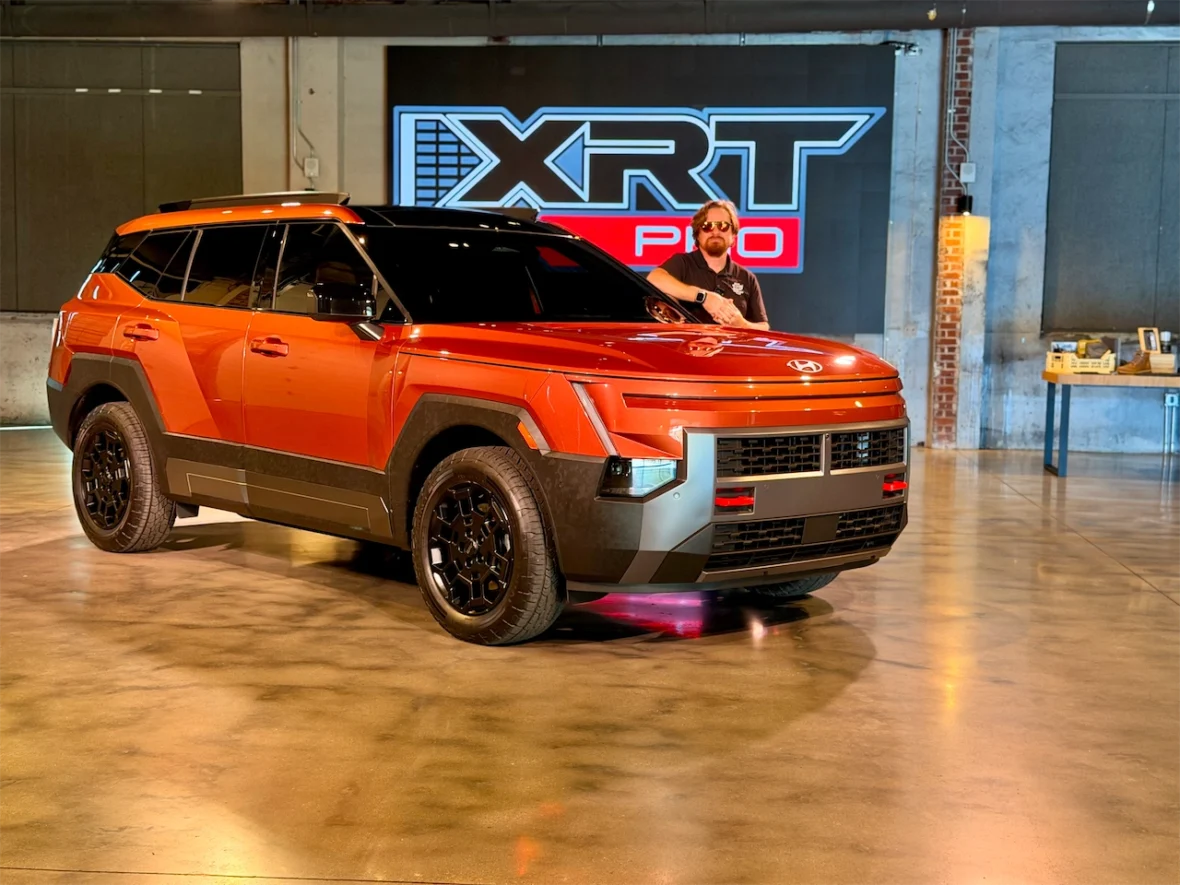
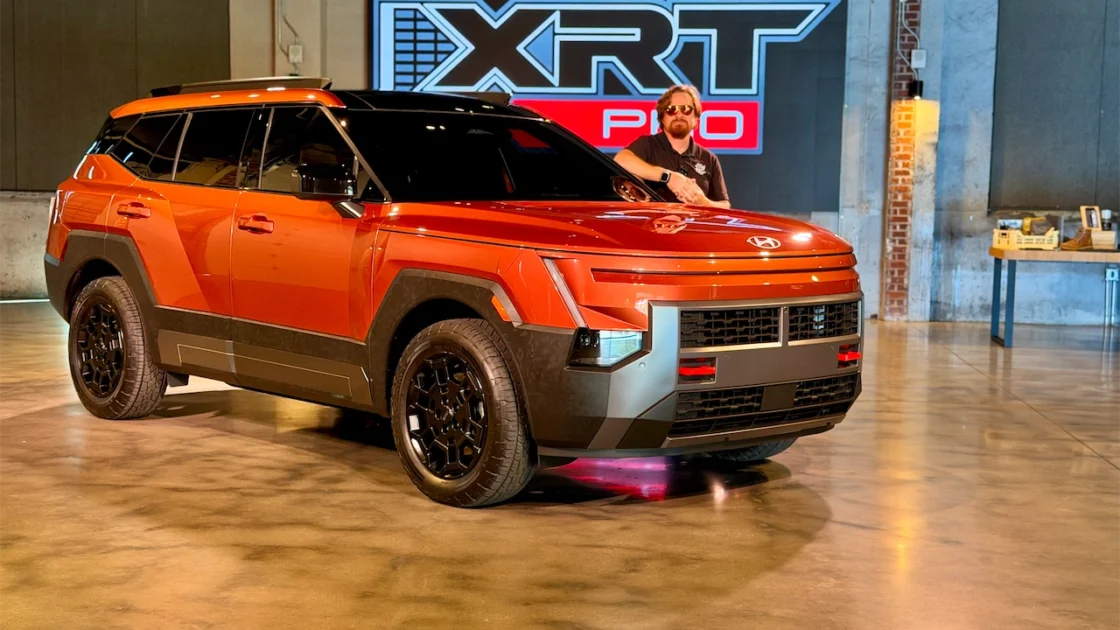
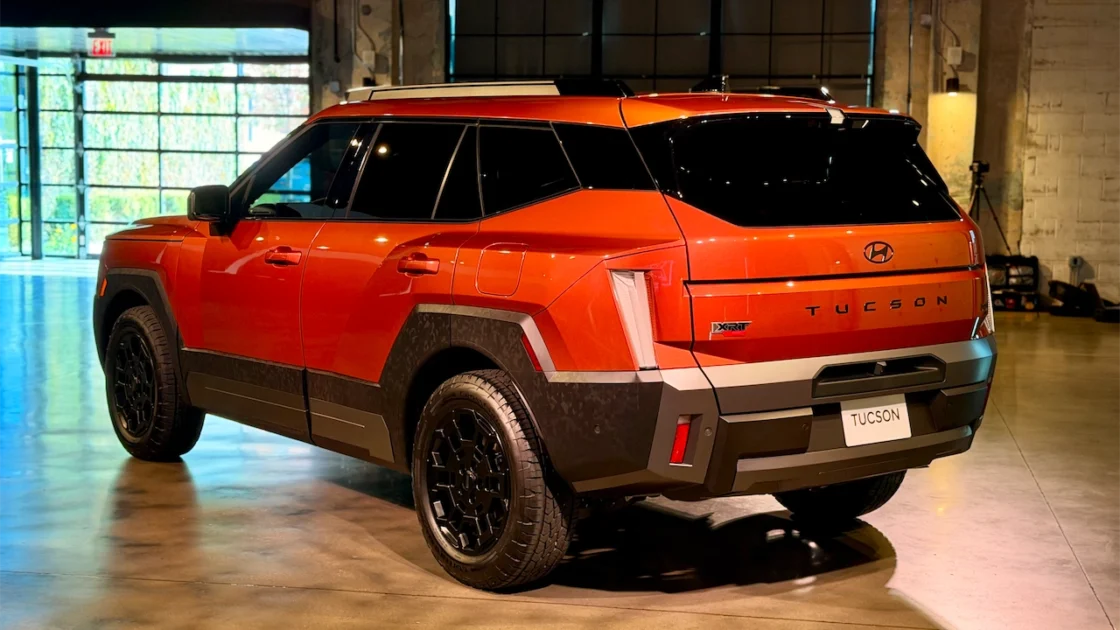
The new Tucson’s clamshell hood reaches out over the tops of the fenders. Add the broad front light bar and vertical running lights, and Hyundai has several design tricks working together to make this SUV look wide and planted. It works for me.
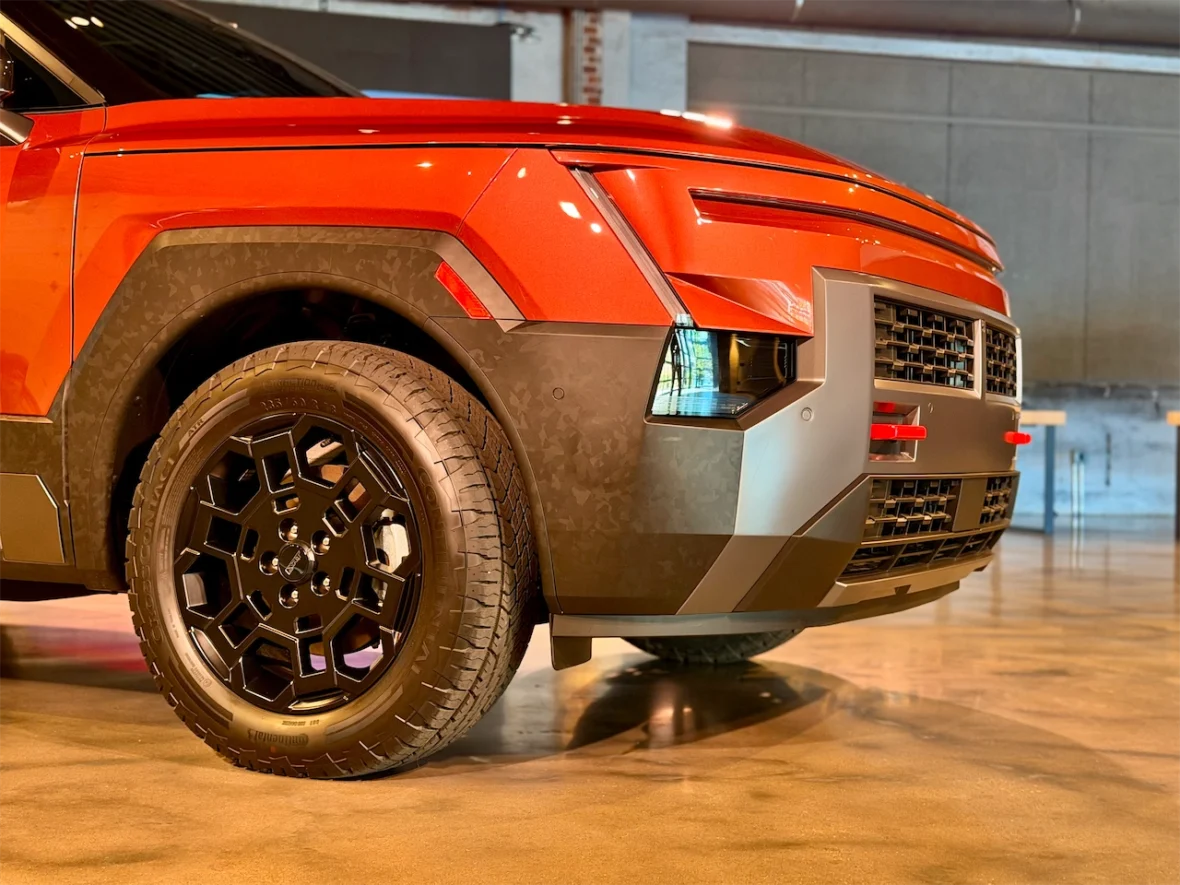
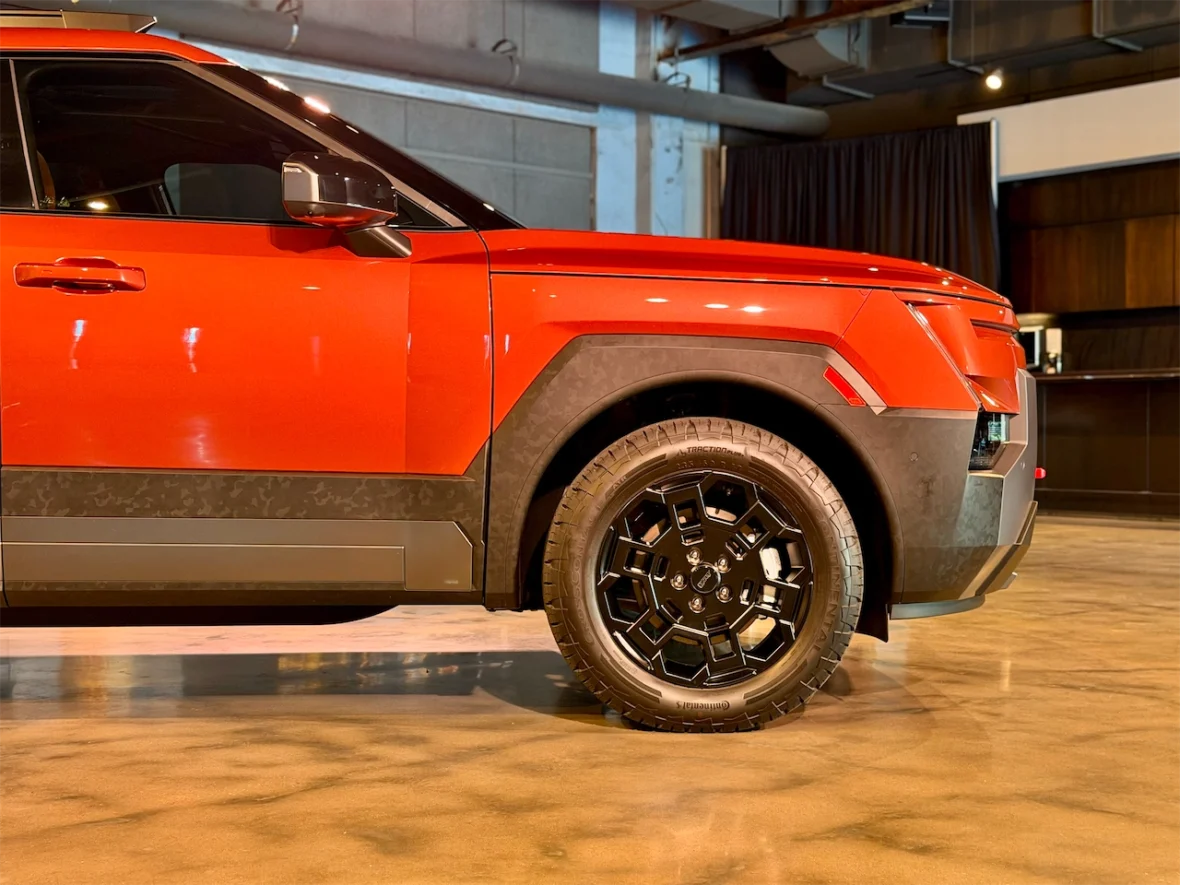
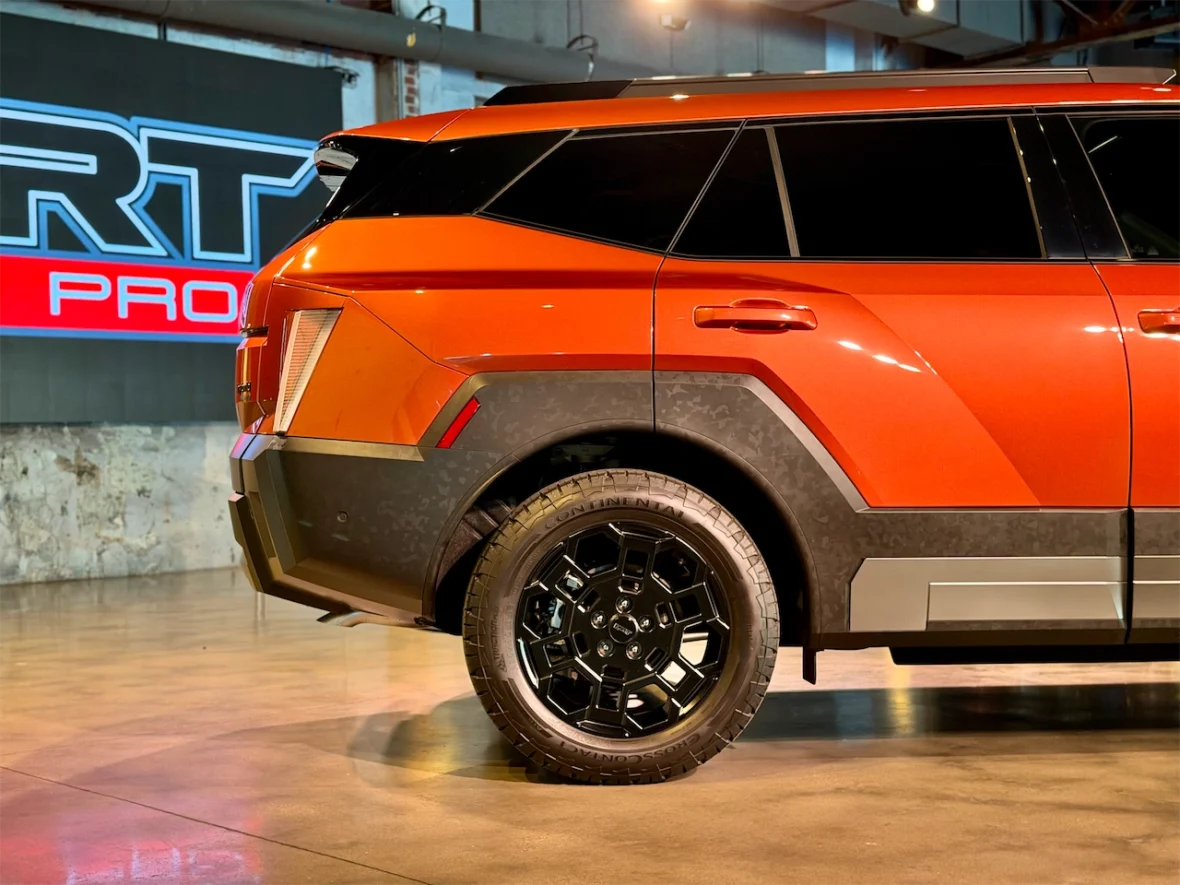
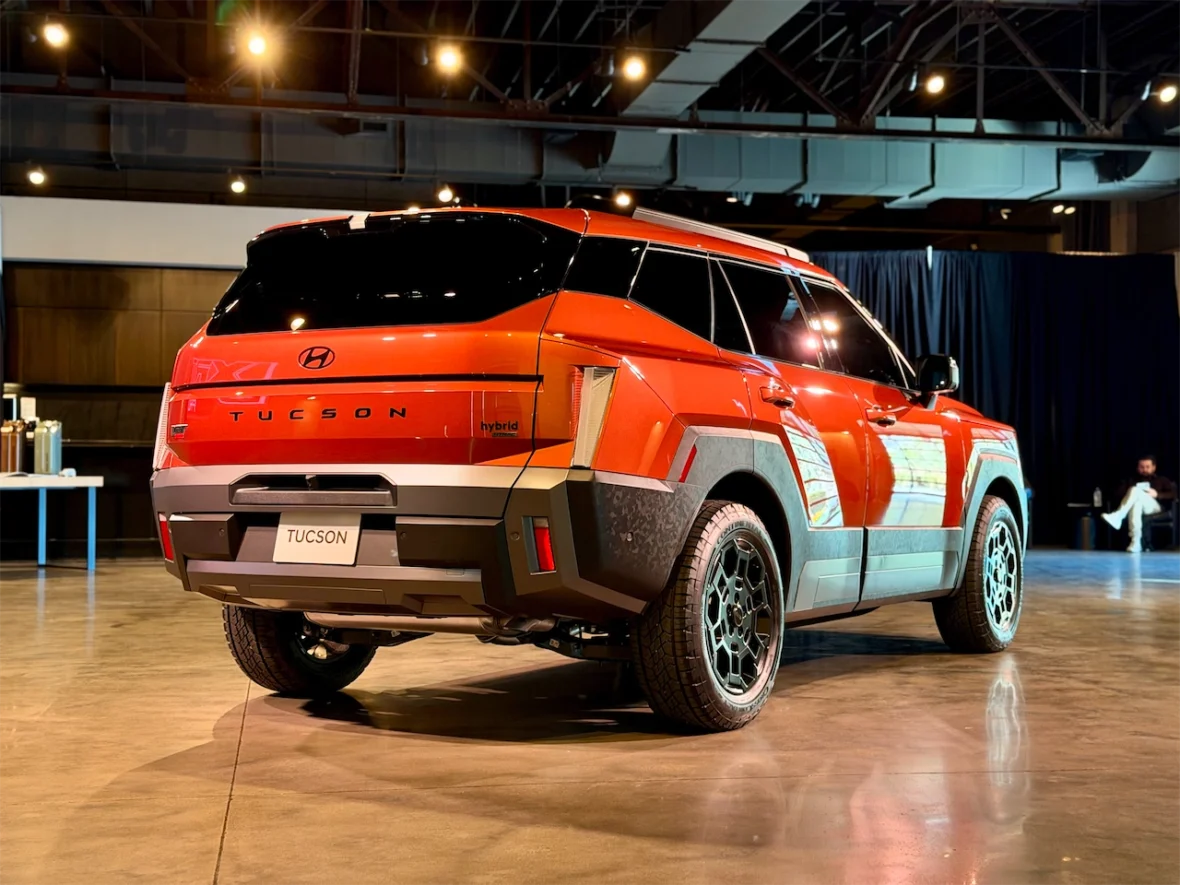
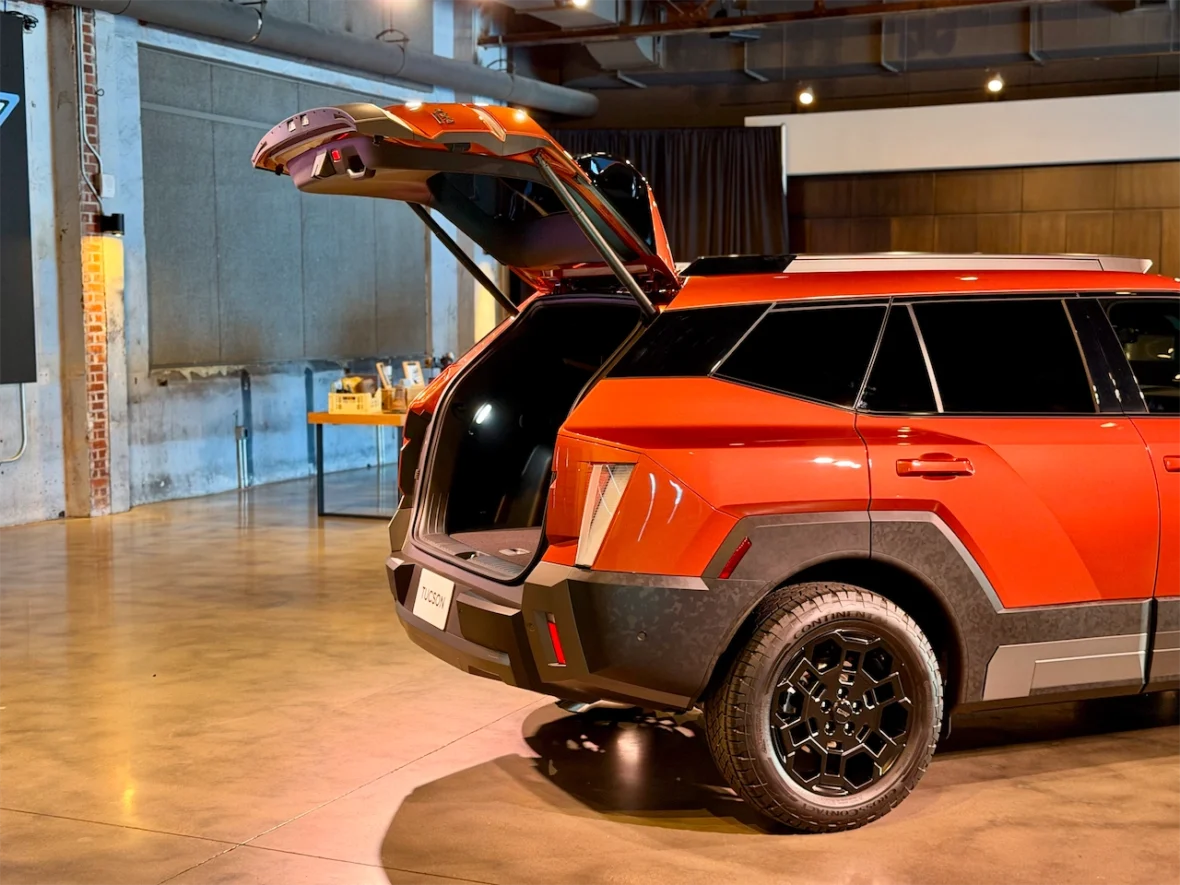
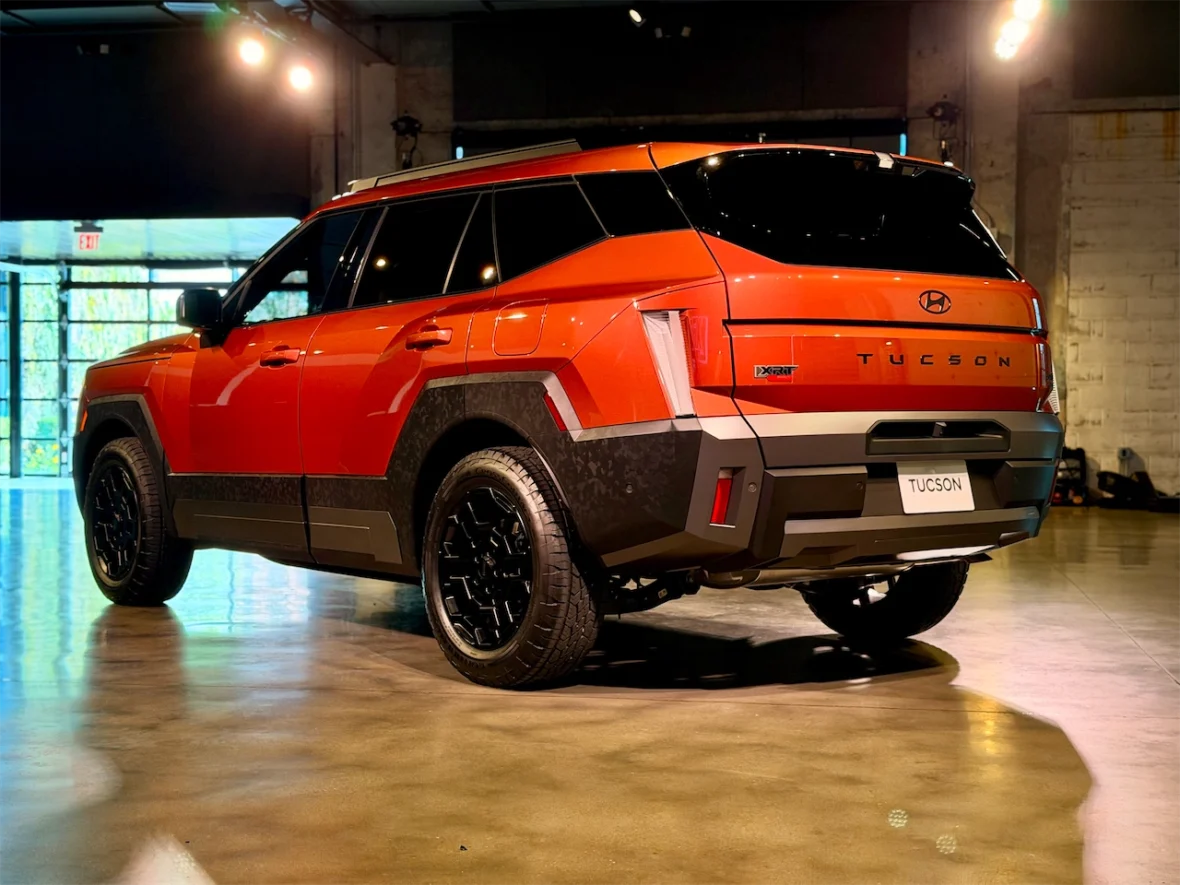
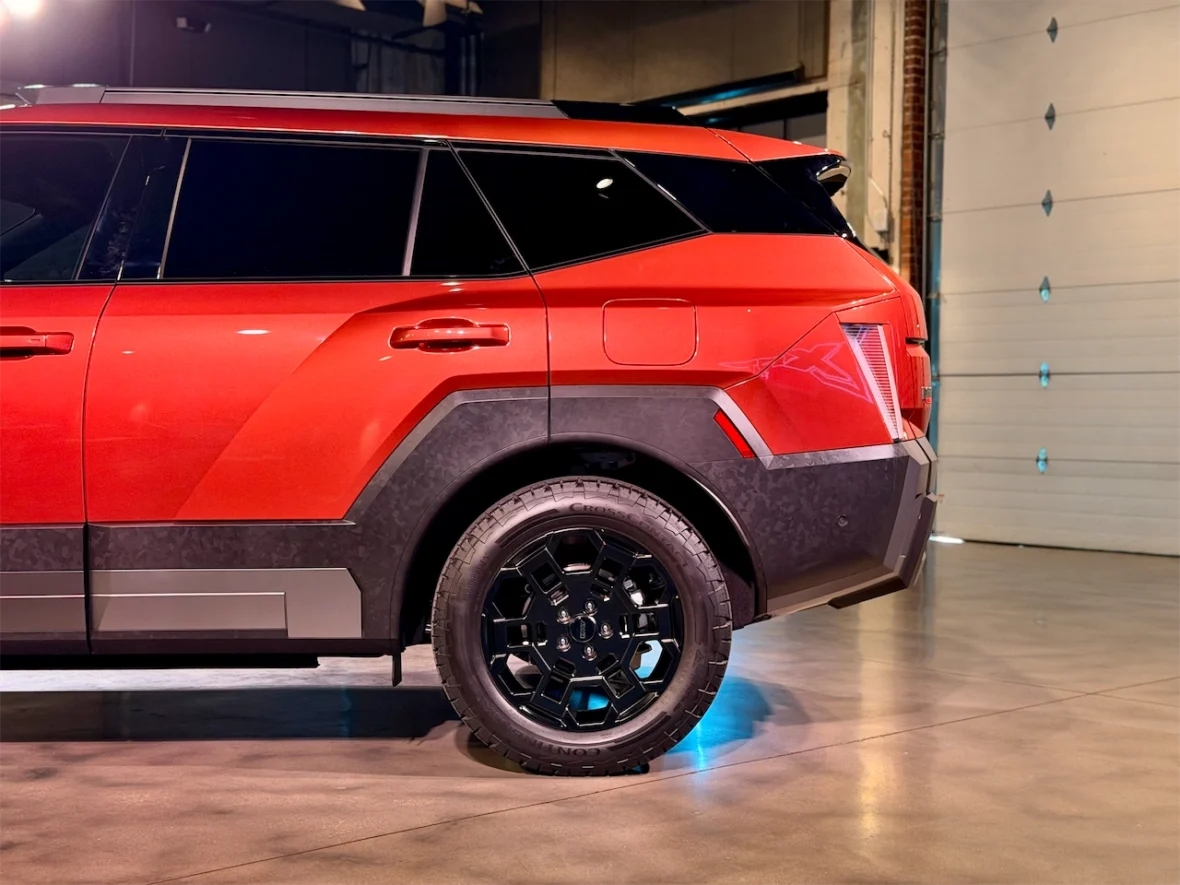
The XRT PRO adds darker lower cladding, chunky black wheels, and red front recovery hooks. The designers told us the textured cladding is intended to wear well and help disguise scuffs. I appreciate that thinking on something that might meet a branch or brush along a narrow trail.
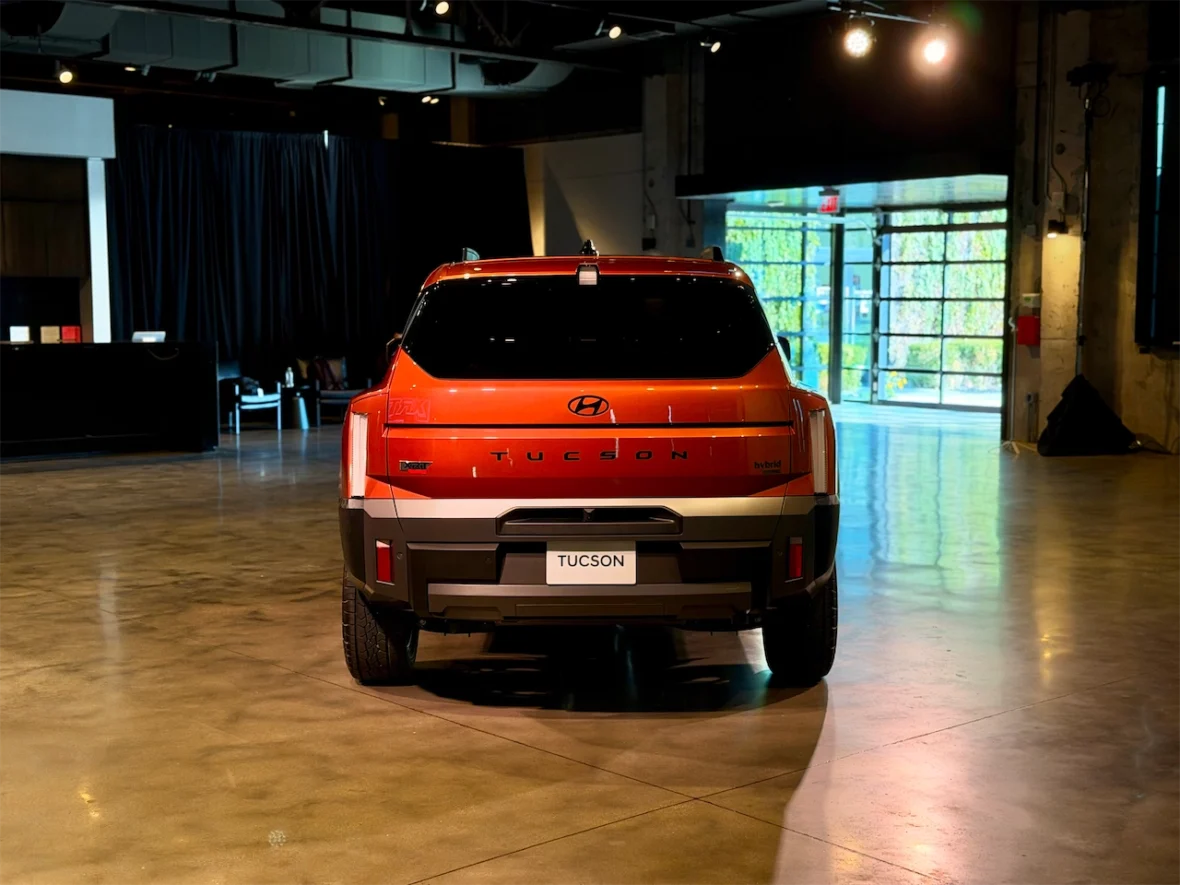
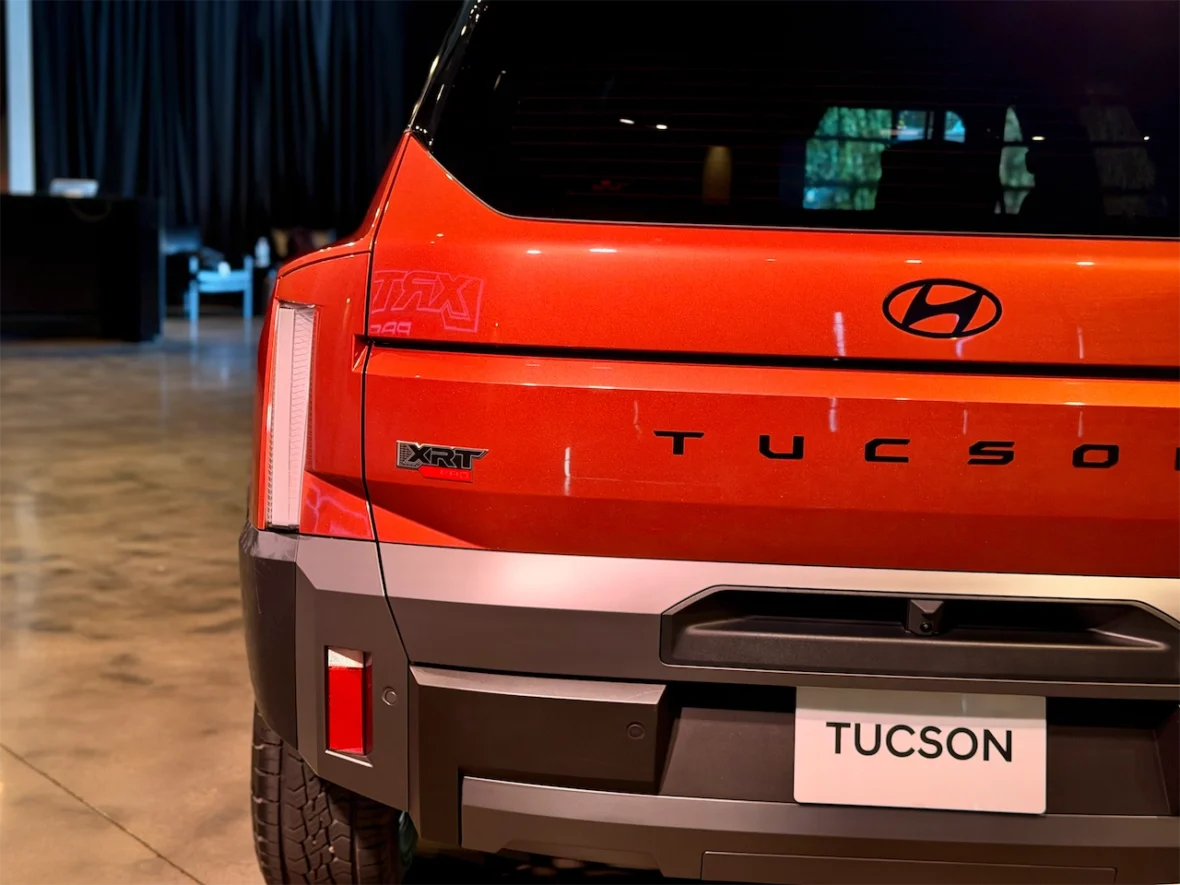
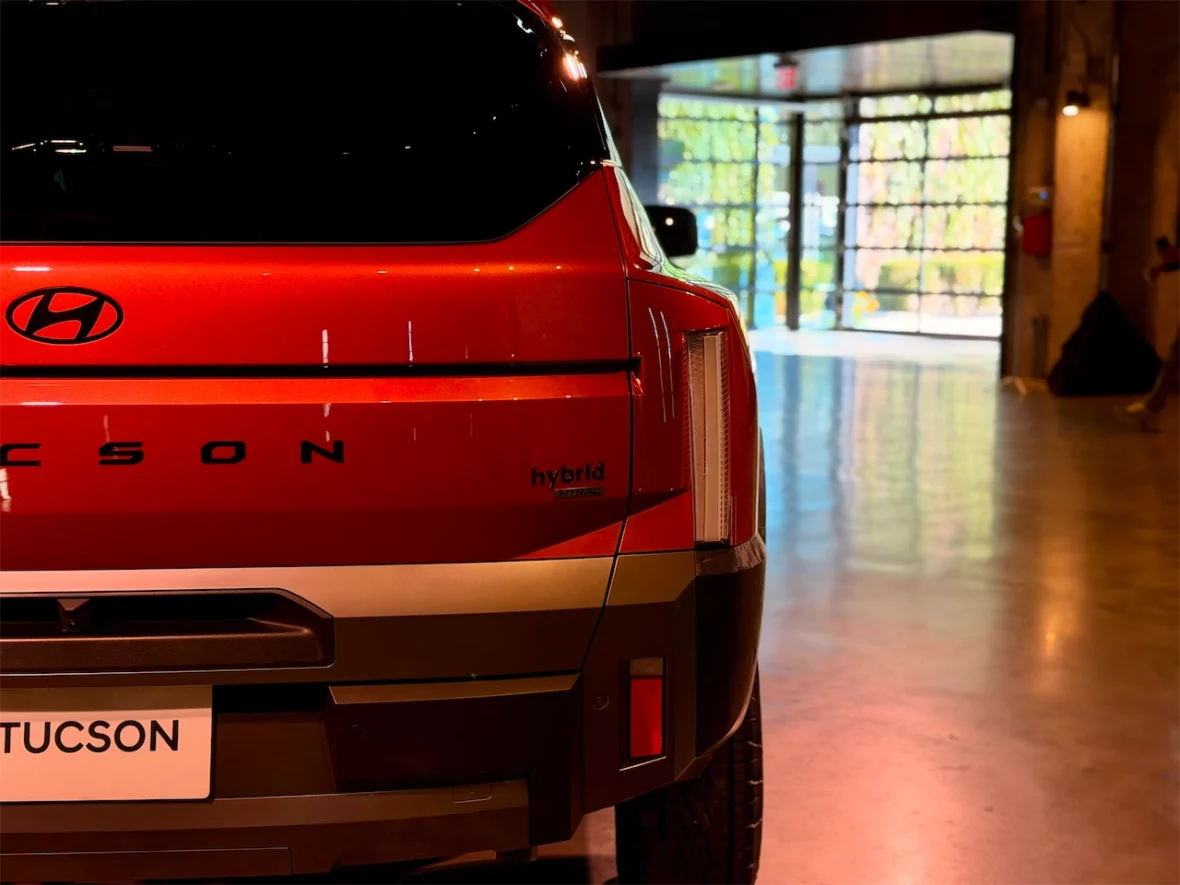
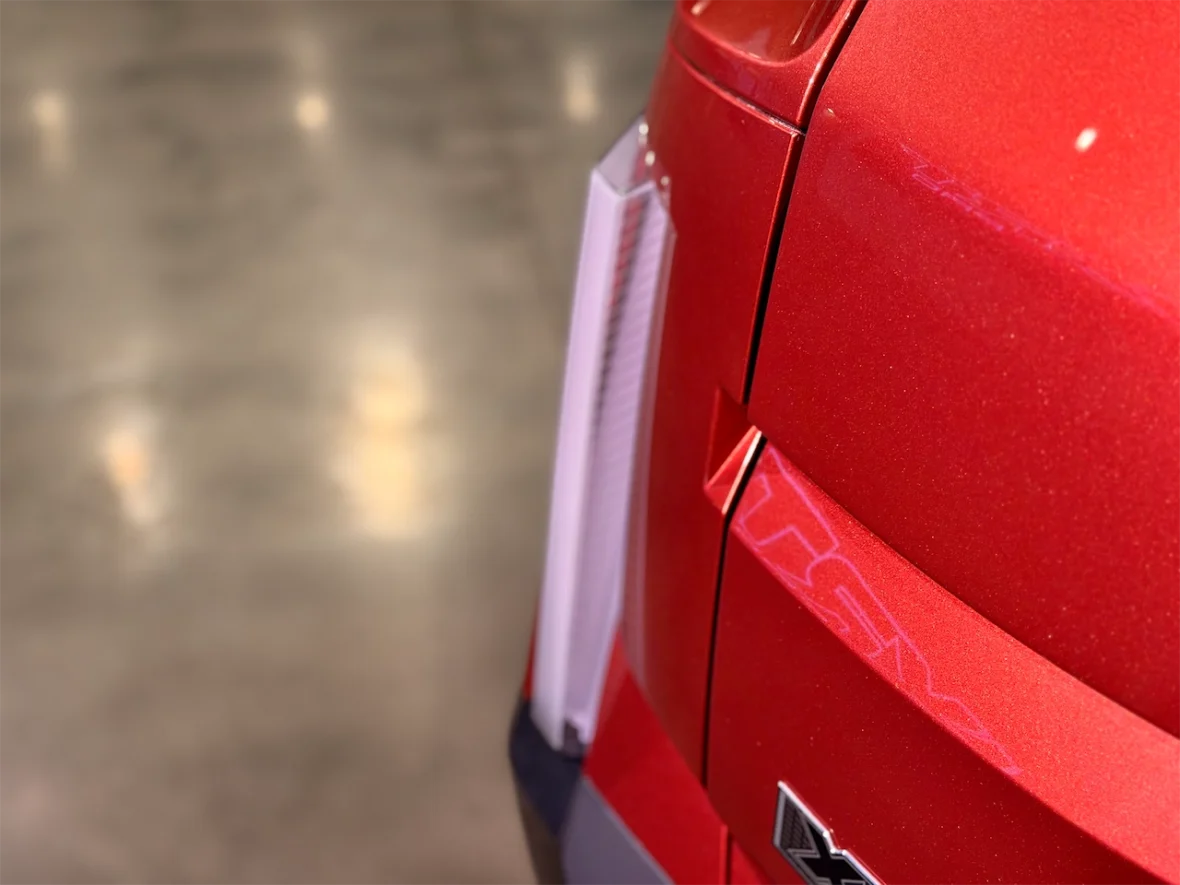
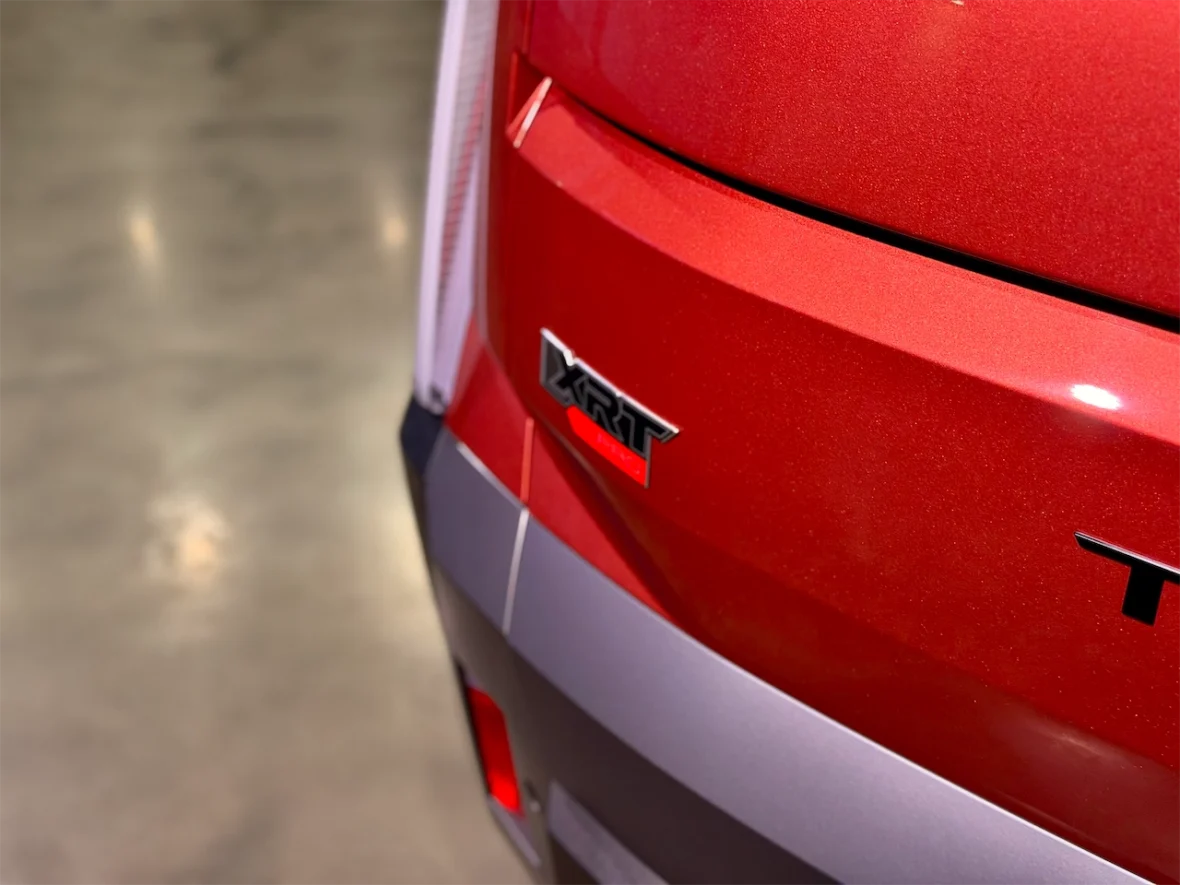
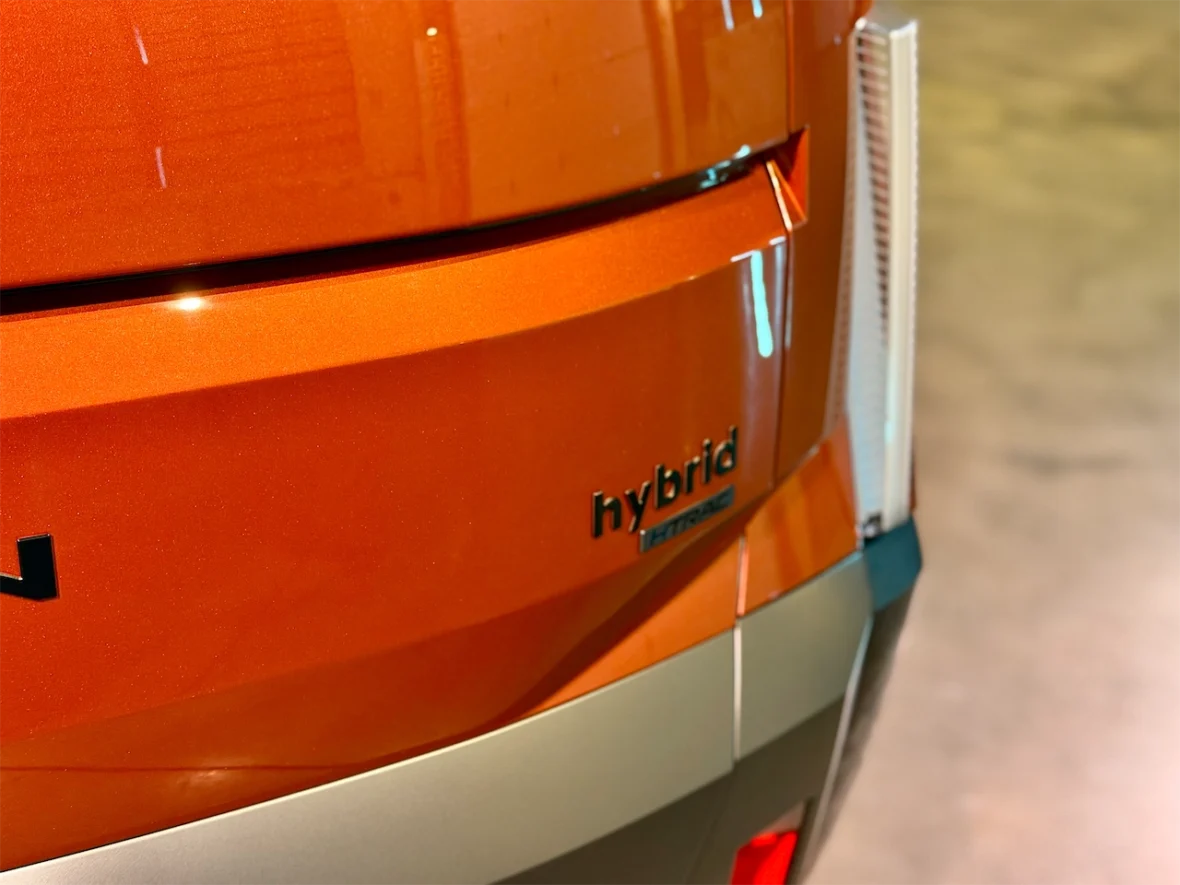
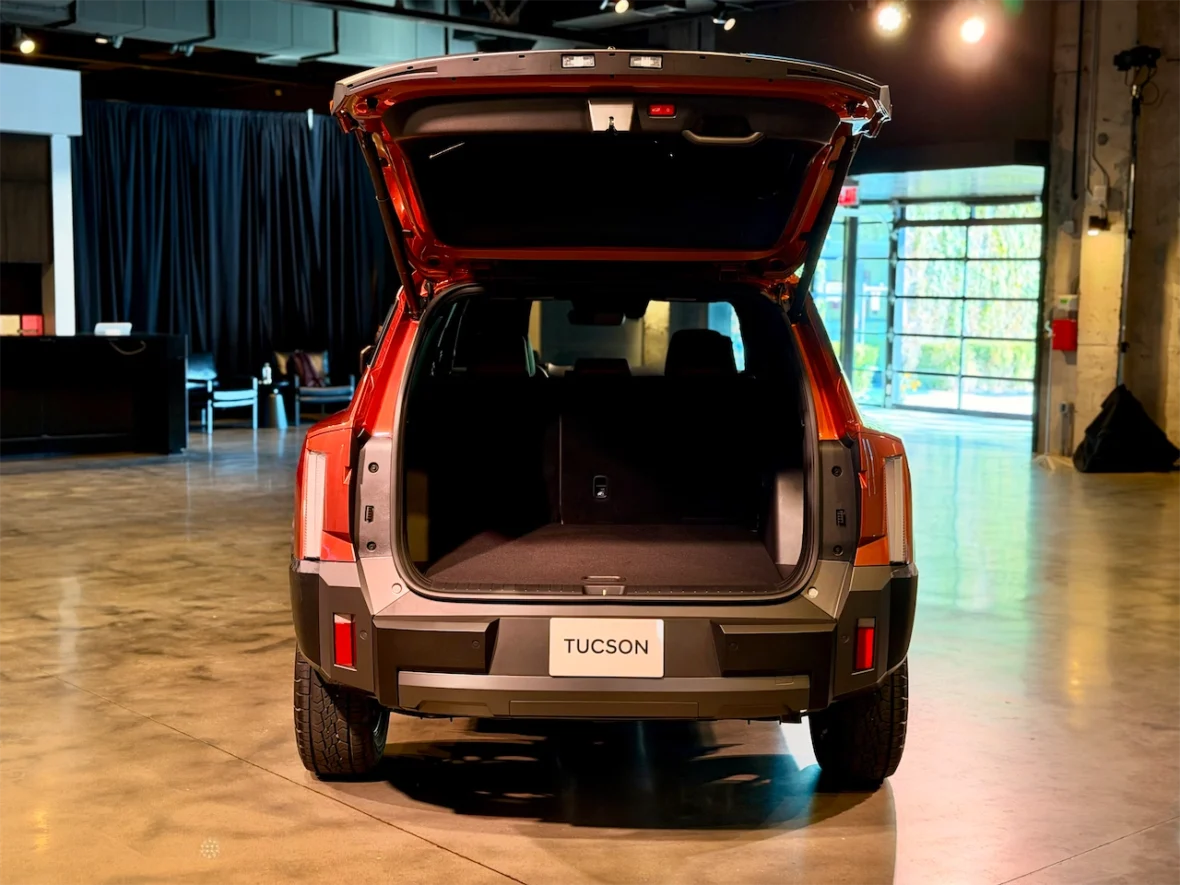
My favorite detail might be the taillights. My first vehicle was a 1991 Cadillac Eldorado, and these tall rear lamps give me a little of that same feeling. I’m not suggesting Hyundai copied my old Cadillac, but I am just saying that the shape just hits a familiar note for me, now with modern LED lighting. The Hyundai emblem also moves out from behind the rear glass, with Tucson lettering and XRT PRO badging making the rear easy to identify.
More Clearance, but I Still Want to Test the Tires
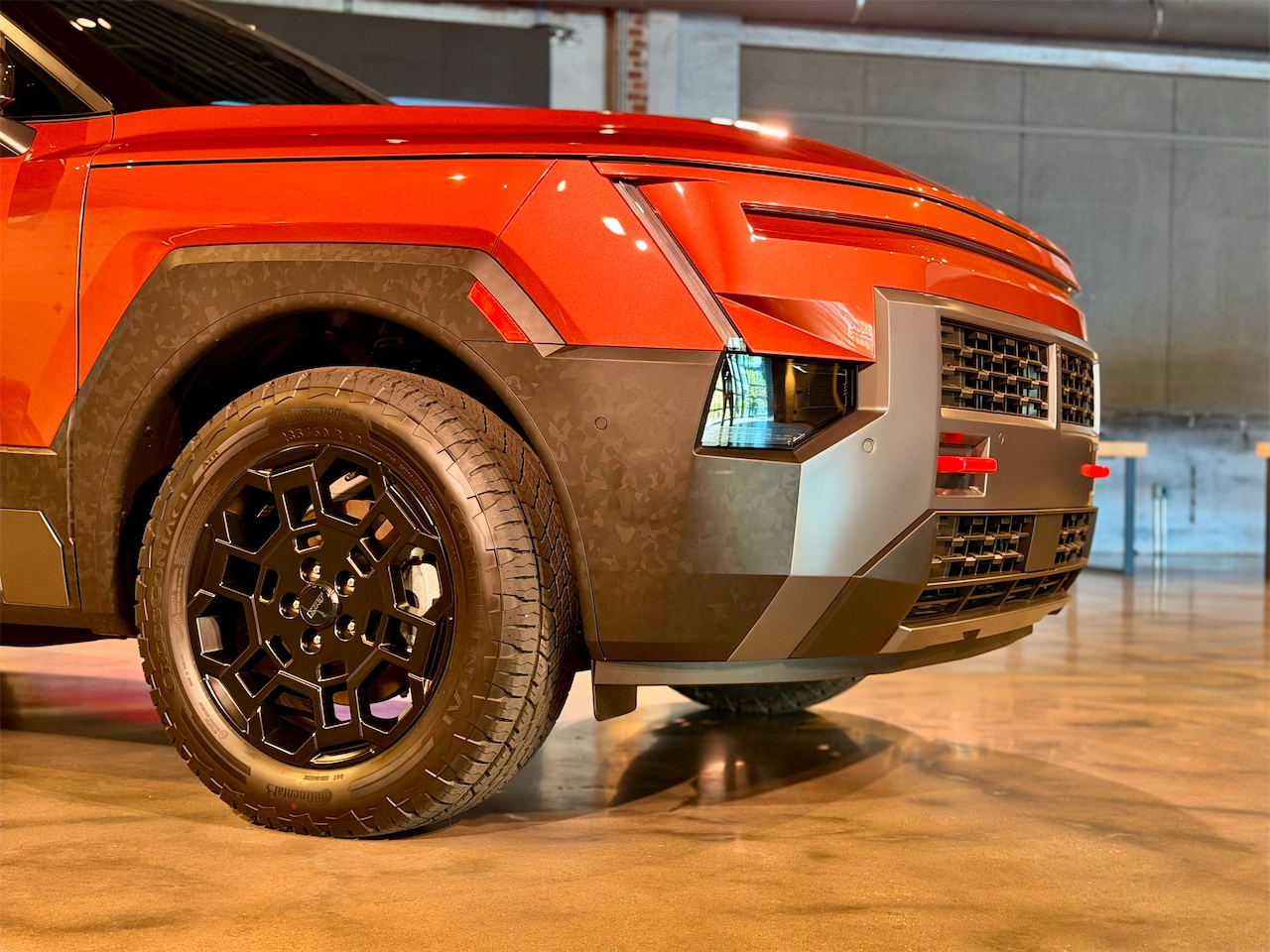
Hyundai lists 8.3 inches of ground clearance, an increase of 1.2 inches over the standard Tucson. The approach angle improves to 18.2 degrees, and the departure angle reaches 26.3 degrees. Those are useful changes when the road turns into ruts or you’re easing onto an uneven campsite.
The vehicle I examined wore 235/60R18 Continental CrossContact all-terrain tires on black 18-inch wheels. I like the wheel design, but for the kind of off-roading I’d want to try, I would lean toward a more aggressive tire. That is something I want to evaluate on a trail before making a final judgment.
The front bumper also shows the balancing act here. There is still bodywork ahead of the front tires, where a more dedicated off-roader might leave additional clearance. Hyundai is packaging capability into a family SUV, and I’m interested in finding out where that compromise shows up in actual use.
The equipment list adds the X-Trek+ smart terrain system and Ground View Monitor. Our earlier XRT PRO coverage explains Hyundai’s Smart Terrain Assist and low-speed driving assistance. Those tools sound useful, but this visit did not include an off-road test.
Cargo Space That Gives You Options
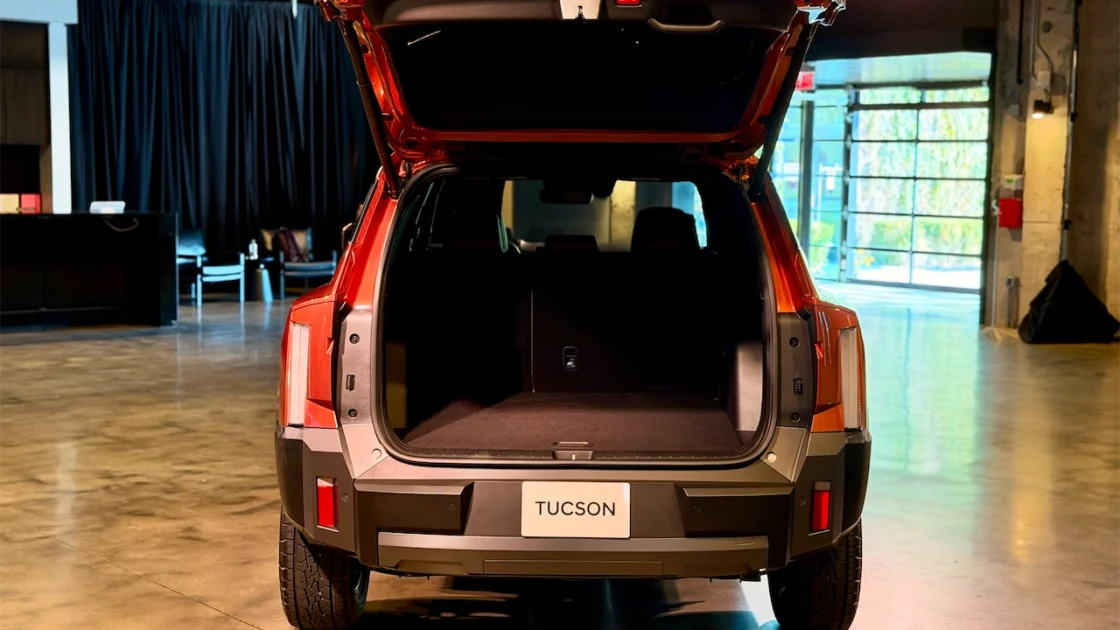
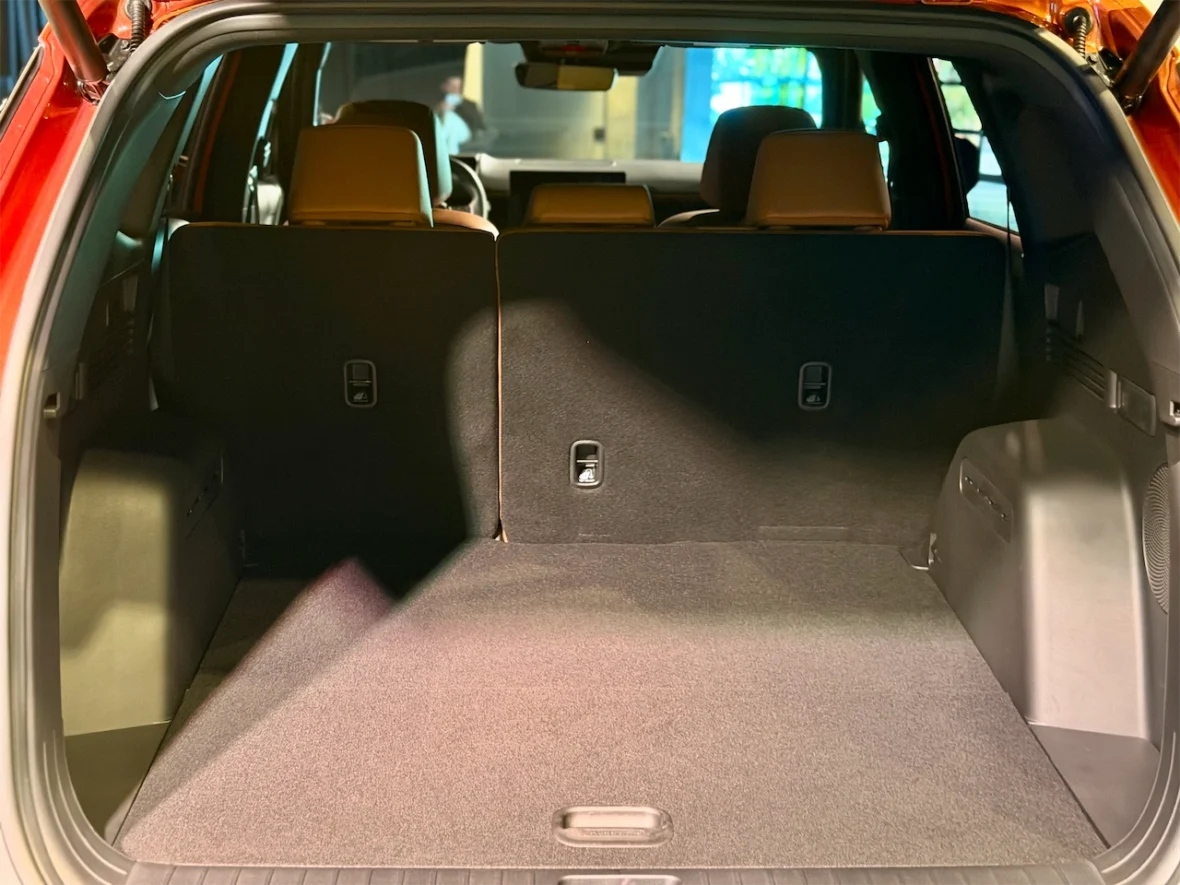
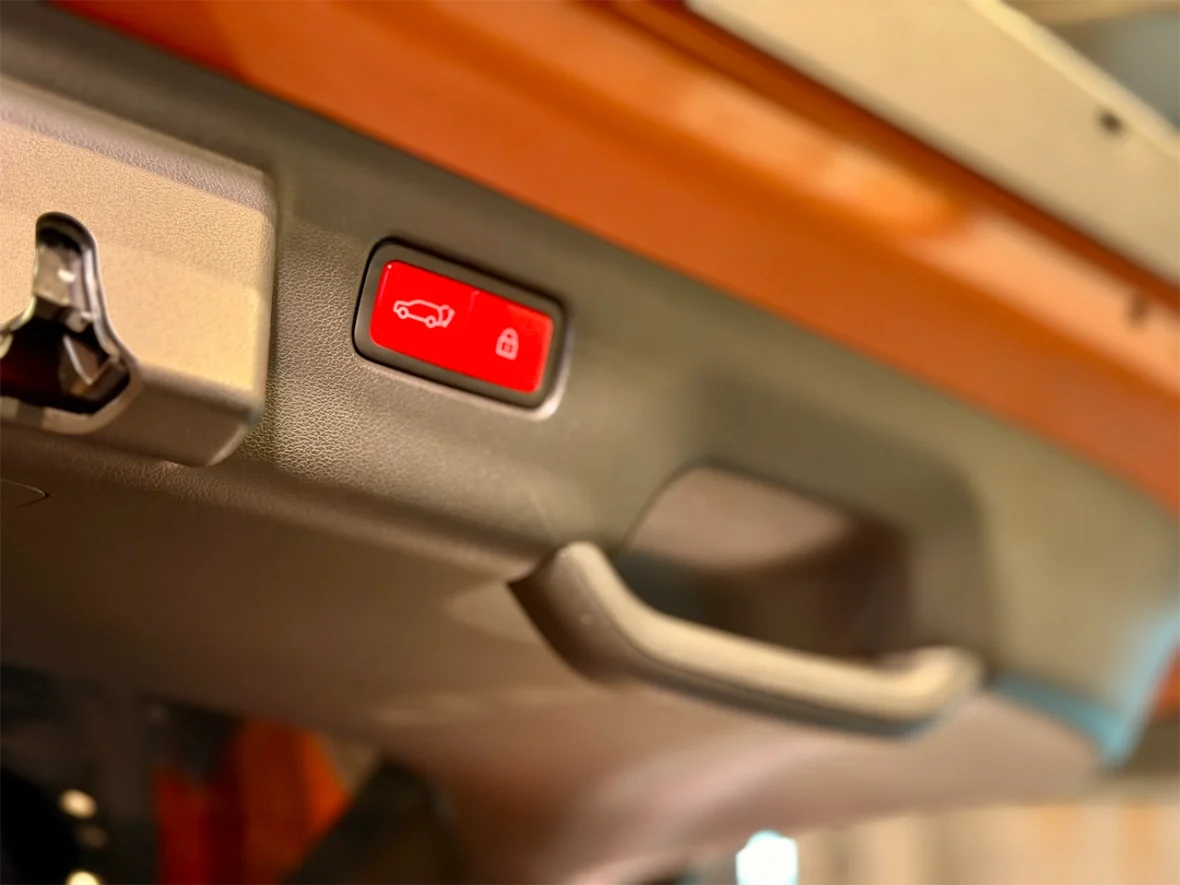
The compact SUV segment is too competitive to waste space behind the second row. Hyundai gives you a power liftgate, handles in the cargo area to release the 60/40 split rear seatbacks, and storage around the wheel wells and underneath the floor.
One feature I particularly appreciate is the adjustable cargo floor. Lower it, and you gain room for something tall. You give up a smooth transition to the folded rear seatbacks, but having the choice is more useful than being stuck with one arrangement. Camping gear one weekend, a garage-sale find the next.
There are also mounting and tie-down points that invite accessory ideas. Hyundai has discussed opening up a cargo accessory system to outside makers, which we explored in our story on Tucson cargo accessories and 3D-printed solutions. I like the possibility of making this space work for what your family actually carries.
A Cabin That Finally Feels Like an Upgrade
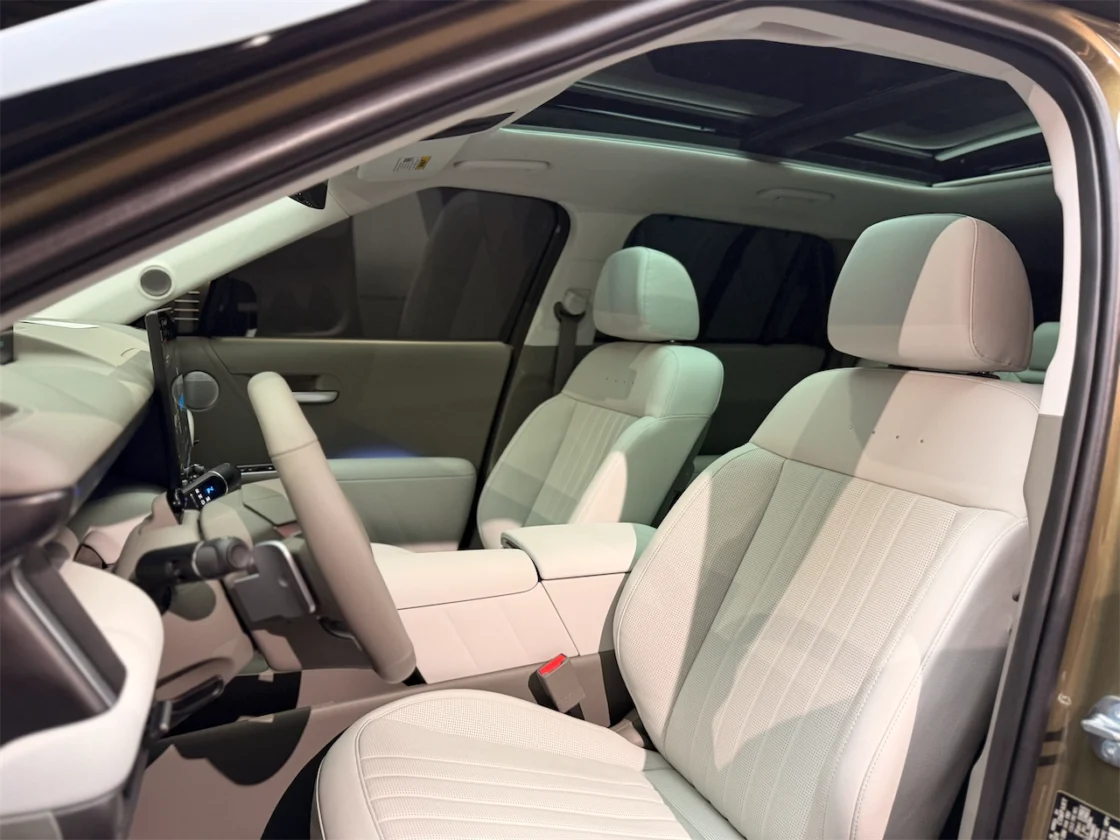
The previous Tucson XRT felt sparsely equipped inside. This XRT PRO moves the conversation forward with H-Tex leatherette seats, a panoramic sunroof, and an interior that offers some color. After enough hot Texas afternoons, I’m always happy to see an alternative to an entirely black cabin.
Hyundai’s Italian-furniture inspiration shows up in rounded edges, contoured seats, and curved armrests. The door controls avoid gloss-black trim, and the driver’s seat has multiple power adjustments with two-way lumbar support. These are the things you notice after the excitement over the exterior wears off.
Storage gets attention, too. The long armrest is positioned so you can support your arm while reaching toward the touchscreen. Its small lined compartment gives loose items somewhere quieter to live. Below the bridge-style console is more storage, while rubberized surfaces and front cupholder grippers should help keep smaller items and drinks from rattling around.
There is a wireless charging pad, but the XRT PRO I examined did not have the second pad offered on higher trims. That is worth knowing if you and your passenger both expect a place to charge without plugging in.
Pleos Connect Keeps the Buttons I Want
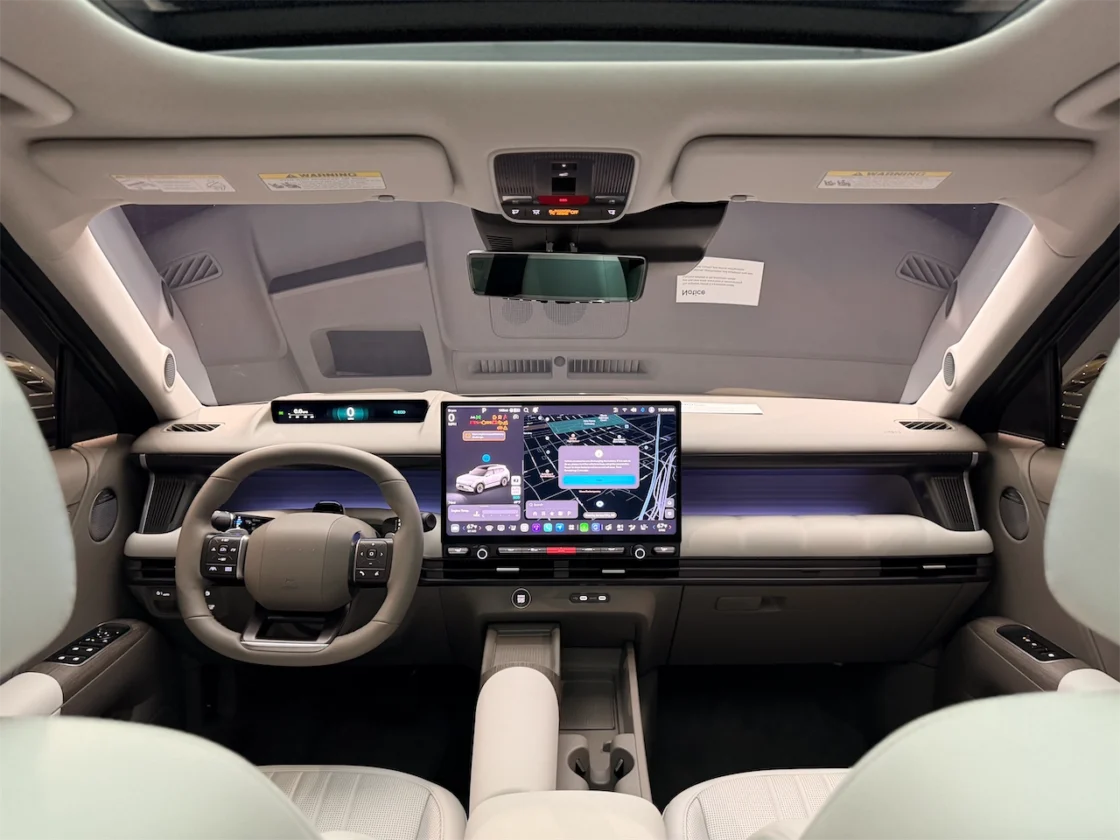
The XRT PRO gets a 17-inch Pleos Connect touchscreen, paired with the new slim driver display above the steering wheel. The wheel has a flat top and bottom, giving you a way to see that display over the rim. It is a different arrangement from a traditional gauge cluster, so getting the manual tilt-and-telescoping wheel positioned correctly will matter.
The welcome part is what Hyundai kept below the screen: physical controls for volume, temperature, fan speed, and seat heating. I want the big screen to handle navigation and the more involved functions. I also want a quick, familiar way to change the temperature.
Gleo AI adds another way to interact with the vehicle. In our conversation about XRT PRO sales and Gleo AI, Hyundai explained that owners will be able to wake the assistant with either “Hyundai” or “Gleo.” North American language support will include English, Spanish, and French. Connectivity packages and pricing still need to be announced.
Because this display vehicle was powered off, I could not put those functions through a fresh test in Arkansas. The screen demonstrations in our video came from our earlier time in New York.
The Back Seat Gets Plenty Right, With One Familiar Frustration
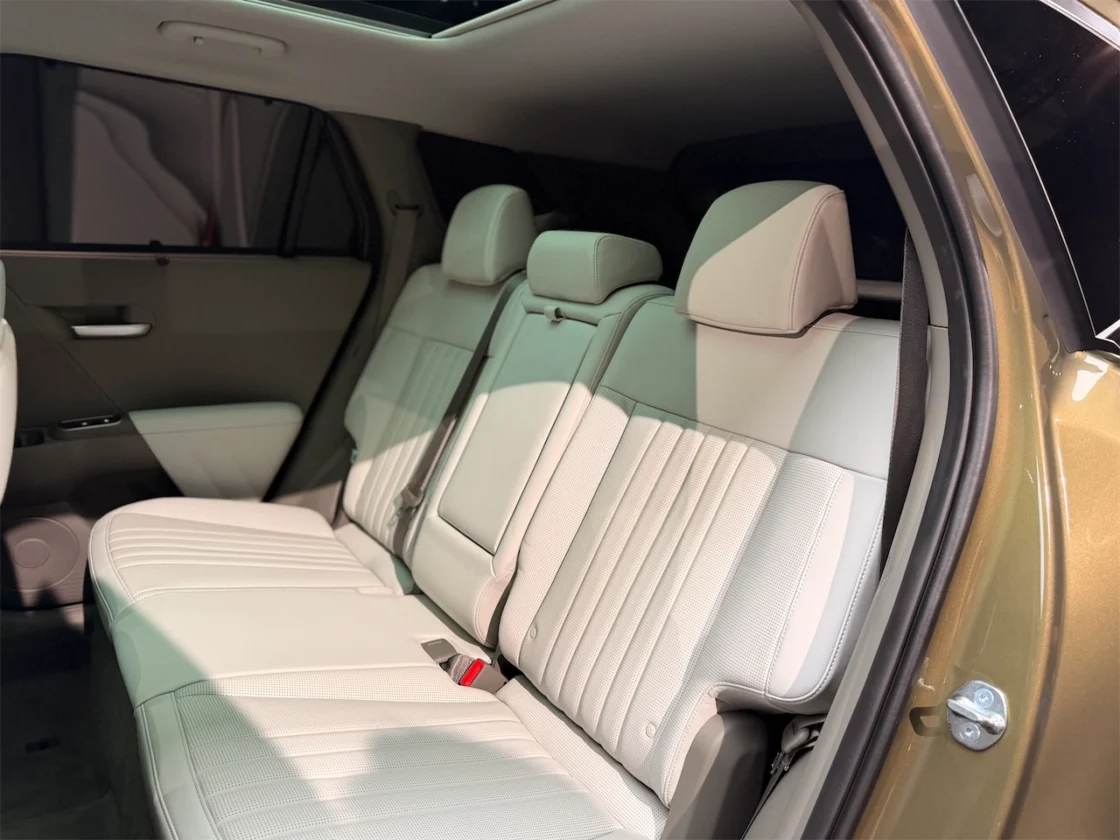
Holli and I spent plenty of time on the wide-opening rear doors in New York, and the benefit is just as clear here. A larger opening helps when you’re installing a child safety seat or trying to buckle in a child who has decided sitting still is optional.
Climbing in behind my own driving position, I had plenty of room. The rear seats manually recline a generous amount, and passengers get air vents, a household-style power outlet, and USB-C ports on the backs of the front seats. There is phone storage in the doors and a fold-down center armrest with cupholders.
Those rear cupholders do not have the grippers used up front, so a smaller drink has more room to move. The passenger-side rear seat belt also caught my attention. Its lower anchor sits farther inboard than I would like, a layout that frustrated Tucker in a previous Tucson. I wish Hyundai had revisited that positioning. It is the sort of detail a family can notice every time someone buckles up.
Even with those complaints, this is a back seat I could see spending plenty of miles in. The extra room and recline are meaningful improvements for passengers who do more than ride around the block.
Why This Tucson Matters, and What Comes Next
Hyundai has sold more than 10 million Tucsons worldwide, so this redesign carries real weight. When we spoke with CEO José Muñoz in New York, he described Hyundai’s top three priorities as “U, S, A.” He also said the new Tucson was shaped for American buyers.
The XRT PRO fits that approach. Muñoz expects the rugged Tucson offerings to bring roughly a 10% sales increase, while emphasizing the value of giving customers a choice. From where I’m standing, the appeal is easy to understand: a hybrid family SUV with more clearance, useful towing capability, and an interior that doesn’t feel like the price you pay for choosing the rugged trim.
Pricing and a firm U.S. on-sale date still have not been announced in the materials we’ve reviewed. North American availability is planned for 2027. My next questions are how it drives, how these tires perform off the pavement, and what the XRT PRO actually returns at the pump.
For now, I like what I can see and touch. The hybrid is welcome, the cabin is a substantial step forward, and the cargo area gives a family options. Follow GT: Garage Talk® for our first driving impressions, and subscribe to our weekly newsletter at GTGarageTalk.com for the latest automotive news every Thursday morning.