
Hyundai Expects Tucson XRT PRO to Lift Sales 10%, and Gleo AI Answers to Two Names

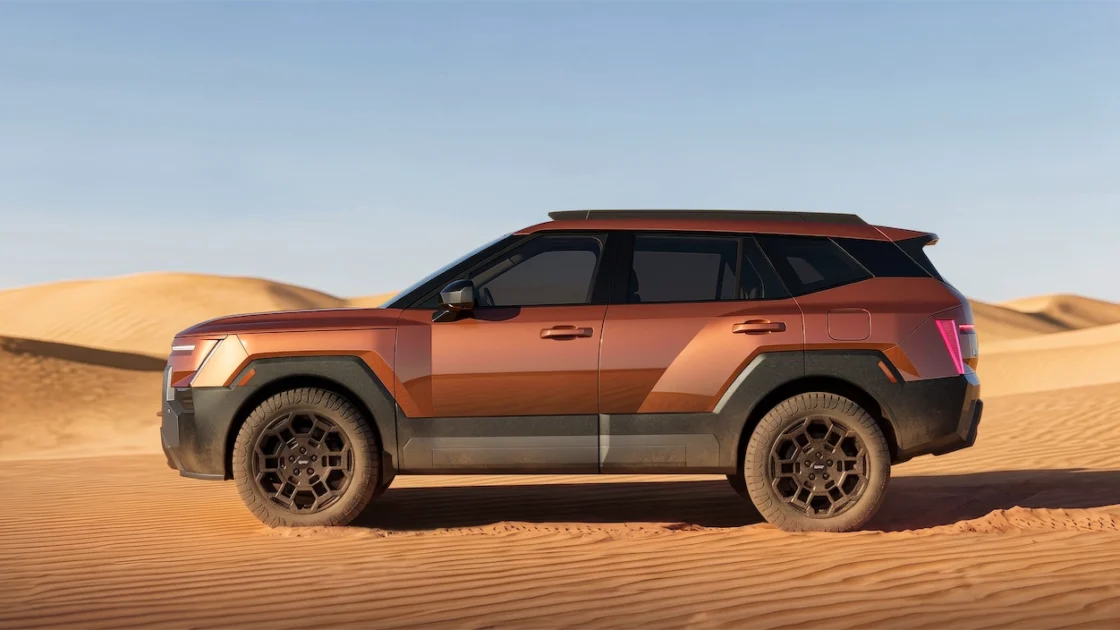
Rugged trims and smarter software were two big themes at the global premiere of the 2027 Hyundai Tucson in New York. During the media Q&A, Hyundai CEO José Muñoz put a number on what the Tucson XRT PRO could mean for sales. Meanwhile, Eric Wood, who leads product experience at Hyundai Motor Group software company 42dot, explained how you’ll talk to the new Gleo AI assistant.
Tucson XRT PRO Could Add 10% to Sales
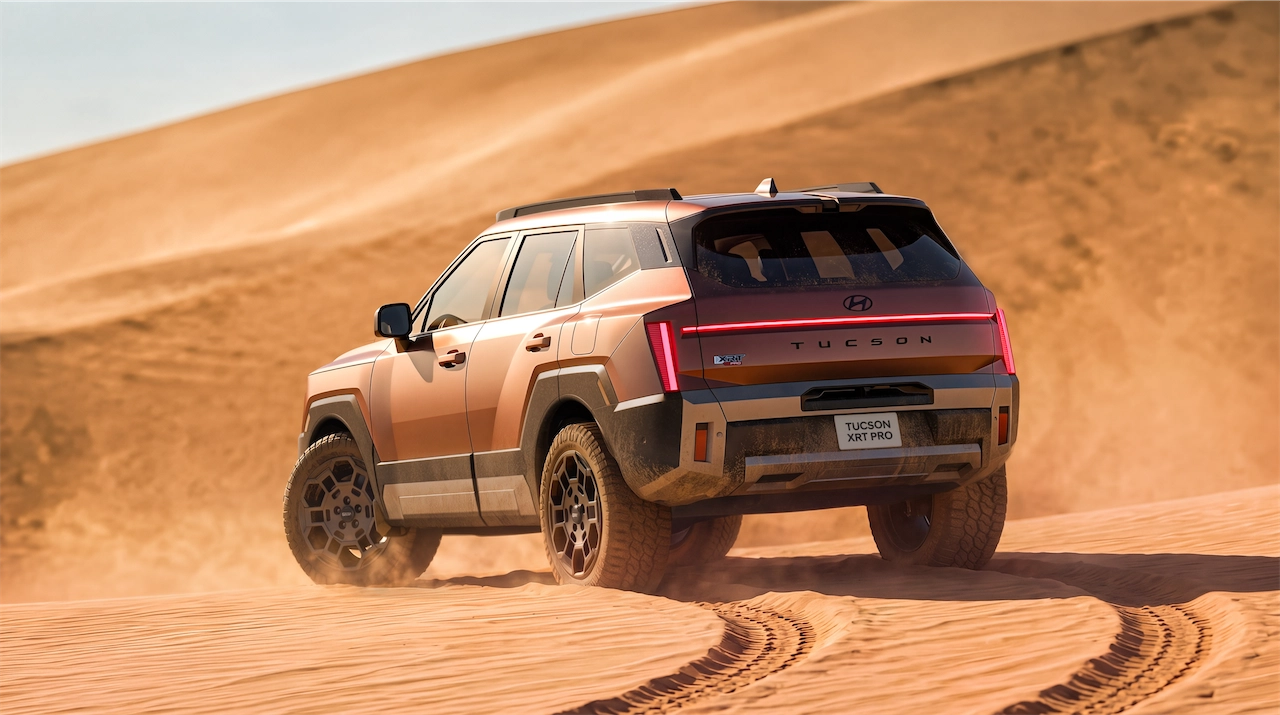
Asked whether American buyers’ love of outdoor-ready SUVs would drive demand for the rugged trims, Muñoz said the XRT PRO is a real capability upgrade, not just a styling package.
“I expect that at least it’s going to bring us maybe 10% increase in sales,” he said. “But even if it didn’t, it’s still the right thing to do because it offers the consumers the opportunity to choose.”
Still, Muñoz said Hyundai doesn’t have a hard target for the Tucson lineup. Instead, the goal is giving buyers a choice based on how they’ll actually use the vehicle. The XRT PRO is the most capable Tucson Hyundai has built, with all-terrain tires, 1.2 inches of extra ground clearance, and Hyundai’s first Smart Terrain Assist, which reads the terrain in real time as you drive.
Why the Tucson XRT PRO Appeals Worldwide
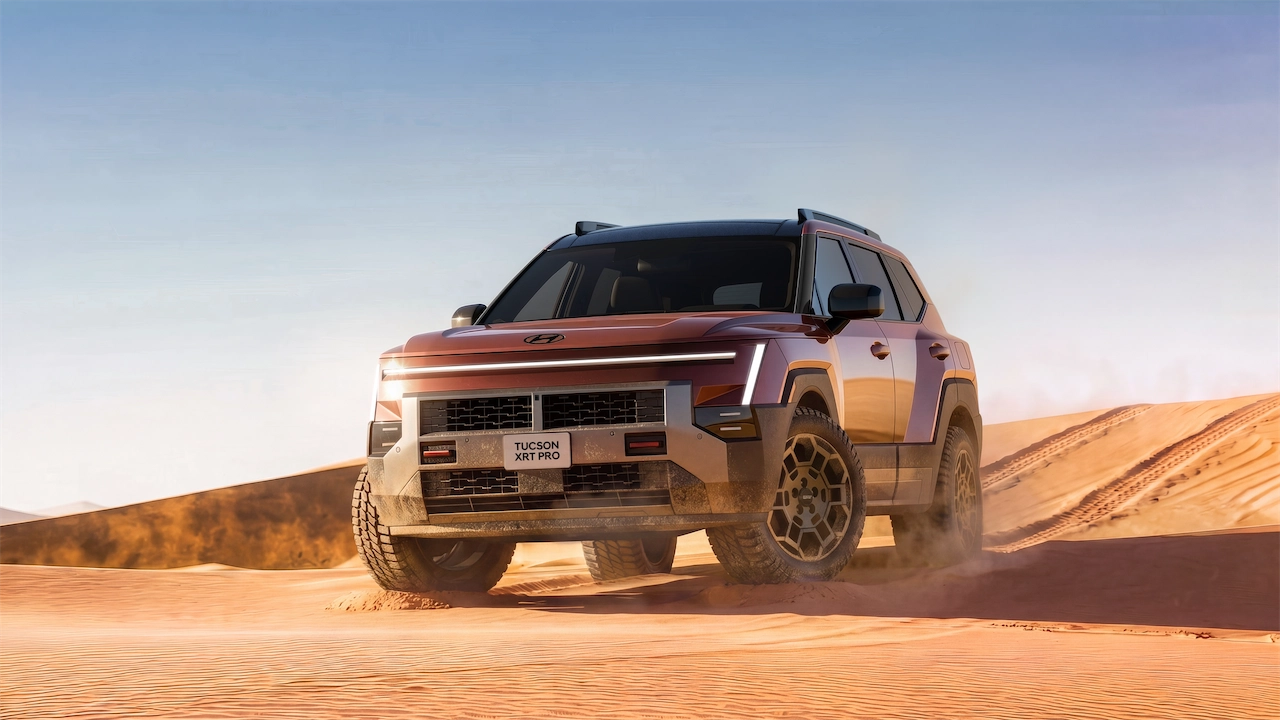
Muñoz said Hyundai’s customer clinics show that buyers don’t want to compromise. They want an SUV that’s comfortable, stable, and safe on the highway during the week. Then, they want it ready for a weekend getaway or a little adventure. Even in New York City, Muñoz said almost all of the vehicles Hyundai sells have all-wheel drive, because buyers want to be ready for snow or bad weather.
The XRT started as a trim focused on the U.S. market, but demand has spread. Muñoz said Hyundai is now selling it in Korea and Europe as well. “I would say that it’s more of a global trend, not just a U.S. trend,” he said.
Gleo AI Answers to Two Names
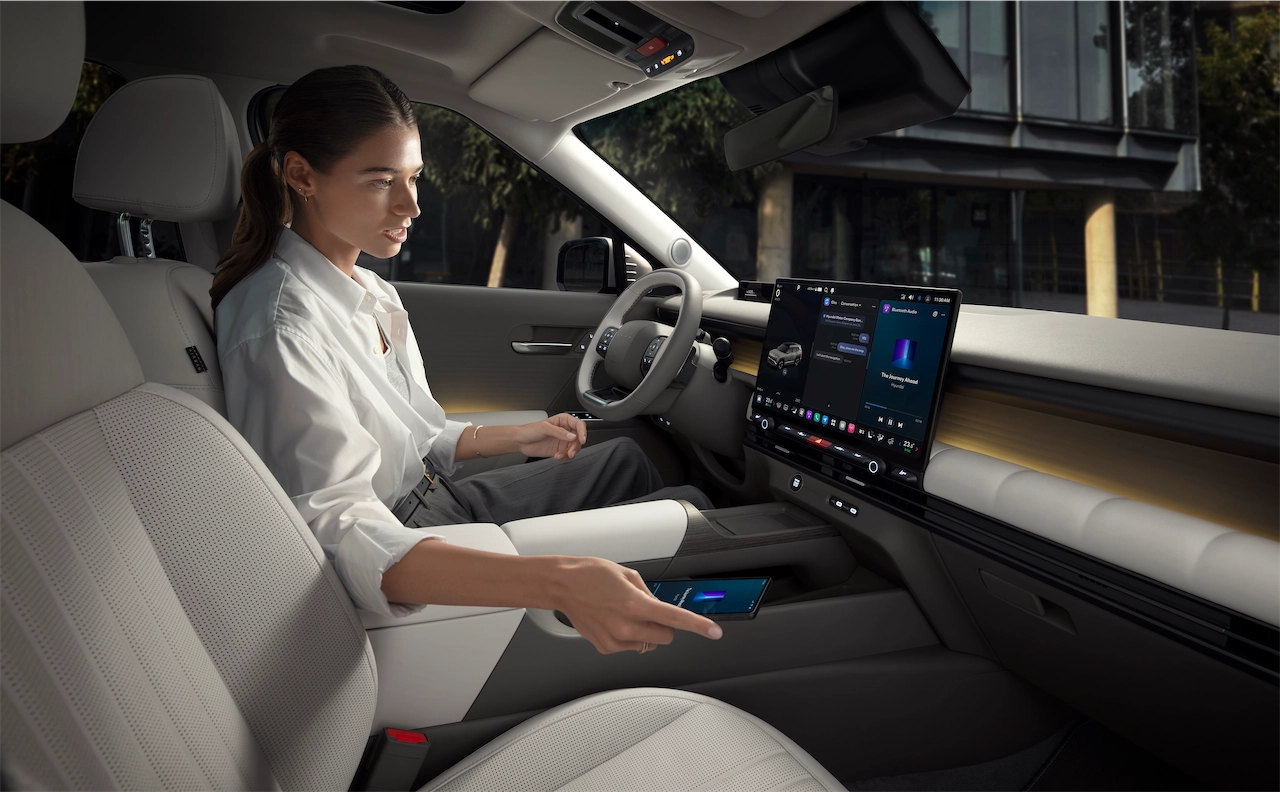
As we covered in our 2027 Hyundai Tucson first look, the new Tucson is the first Hyundai SUV with Pleos Connect, the brand’s new infotainment system, and its Gleo AI voice assistant. One reporter asked about the wake word, since the assistant carries the Gleo name instead of Hyundai.
“The core of Gleo was developed in-house,” Wood said. “We use many partners to assemble a lot of the functions that we want to provide.”
Gleo is the global product name, but Wood said the wake word is a separate decision. On Hyundai vehicles, owners will be able to wake the assistant by saying either “Hyundai” or “Gleo.” On Kia models, it will be “Kia” or “Gleo.”
In North America, Gleo will launch with three languages: English, Spanish, and French. Because it’s based on a large language model (LLM), drivers won’t need to memorize special commands. Hyundai also kept physical buttons for the controls you reach for most while driving, and over-the-air updates mean the Tucson can keep getting smarter after you buy it.
Connectivity Pricing Is Still to Come
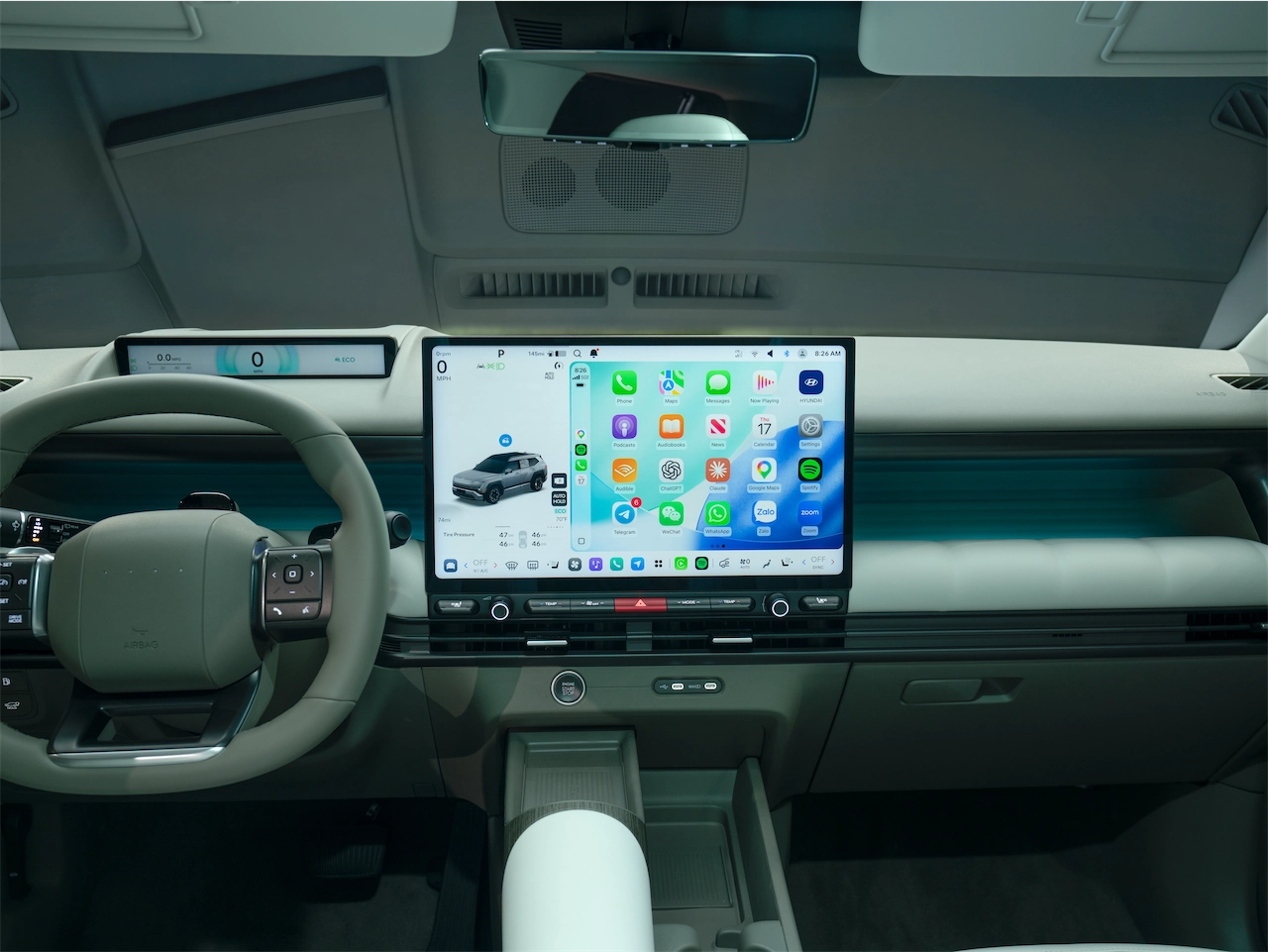
Today, U.S. Hyundai buyers get Bluelink+ connected services with no subscription fee, a perk that started with the 2023 IONIQ 6 and spread across the lineup for the 2024 model year. What’s less clear is how that carries over to Pleos Connect and Gleo. Hyundai said connectivity packages for the new system will vary by market and haven’t been announced yet. Muñoz added that Hyundai’s commercial policy is to make this technology accessible to buyers, and he wants to extend that approach to every market. We’ll update you once package details and pricing are official.
For families, that’s worth watching. A voice assistant that understands natural speech is a nice upgrade, but keeping Hyundai’s free connected services intact would be an even bigger one. For more on the new Tucson, check out Hyundai’s cargo accessory idea for makers, the Korean design detail hidden in its styling, and why Muñoz says Hyundai’s top three priorities are U, S, A.