Hyundai CEO José Muñoz: Our Top Three Priorities Are U, S, A

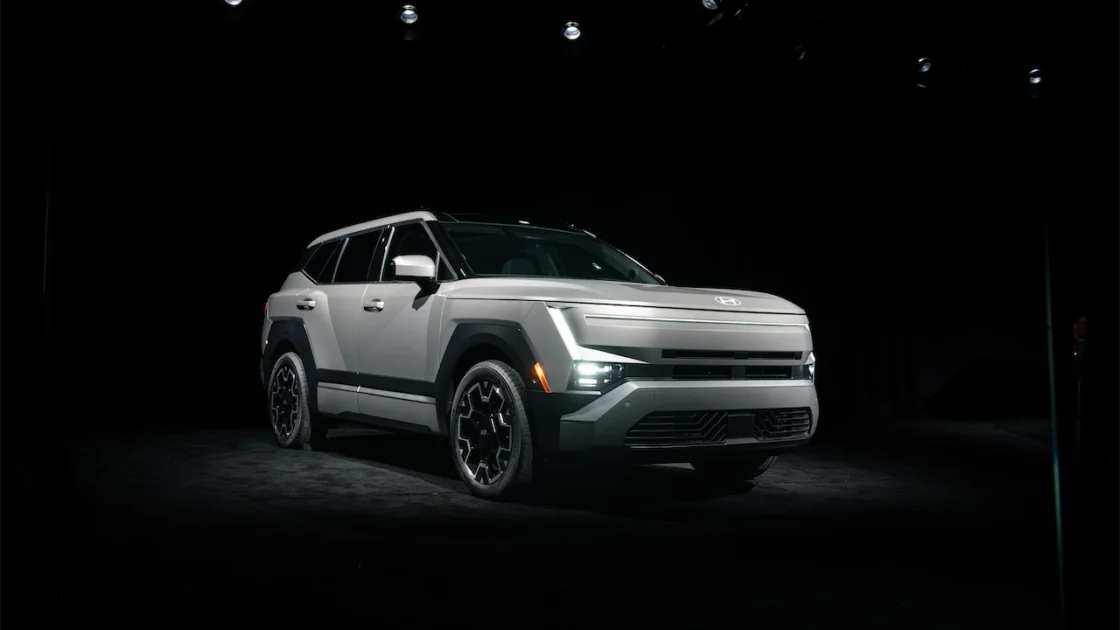
Hyundai picked New York City for the global premiere of the 2027 Tucson. CEO José Muñoz made sure everyone in the room understood why. When asked how much Hyundai designed the new Tucson around America, Muñoz didn’t hedge.
“Our top three priorities are U, S, A,” Muñoz said.
The numbers behind it back it up. The U.S. accounts for about 30% of Hyundai’s global sales. Muñoz also said the company’s profit contribution here is higher than in any other region. That’s a big reason the 2027 Hyundai Tucson made its first global premiere in New York instead of Seoul.
Shaped for American Buyers
Muñoz said Hyundai is a global company. The new Tucson took input from teams in Korea, Europe, and the U.S. Still, he was clear about which market led the way.
“There is one market that this product has been shaped for: USA,” he said.
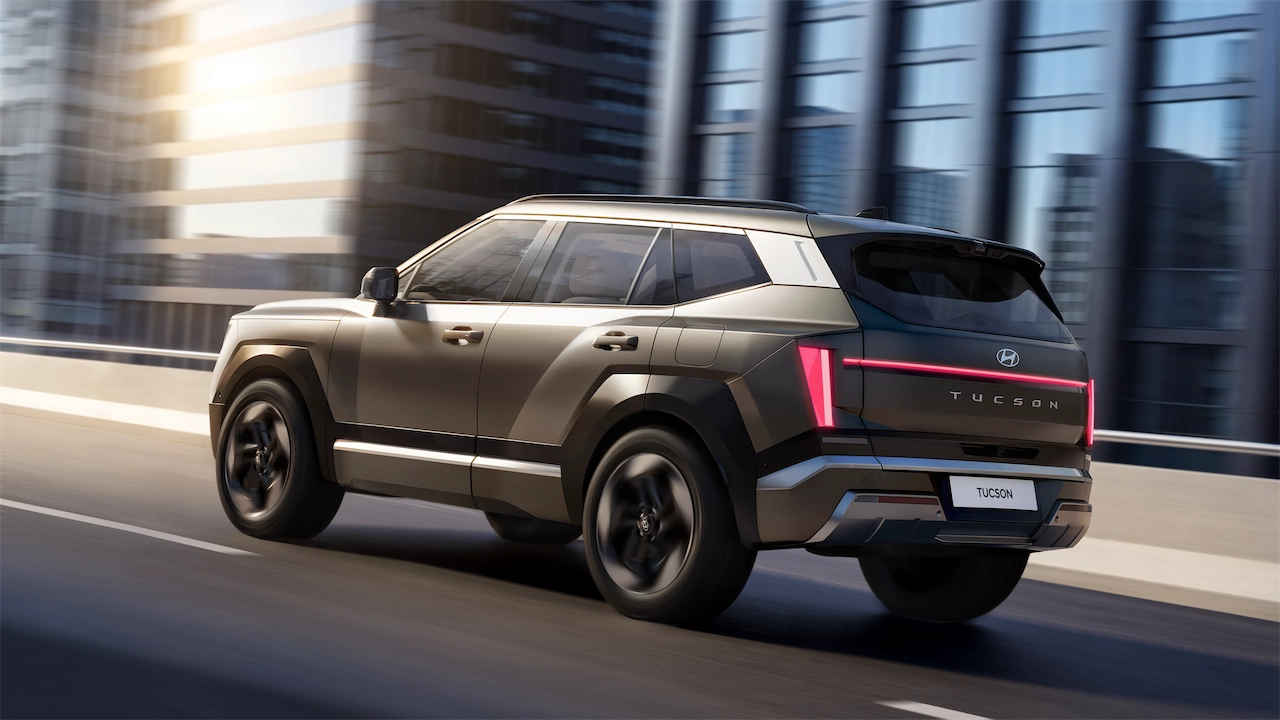
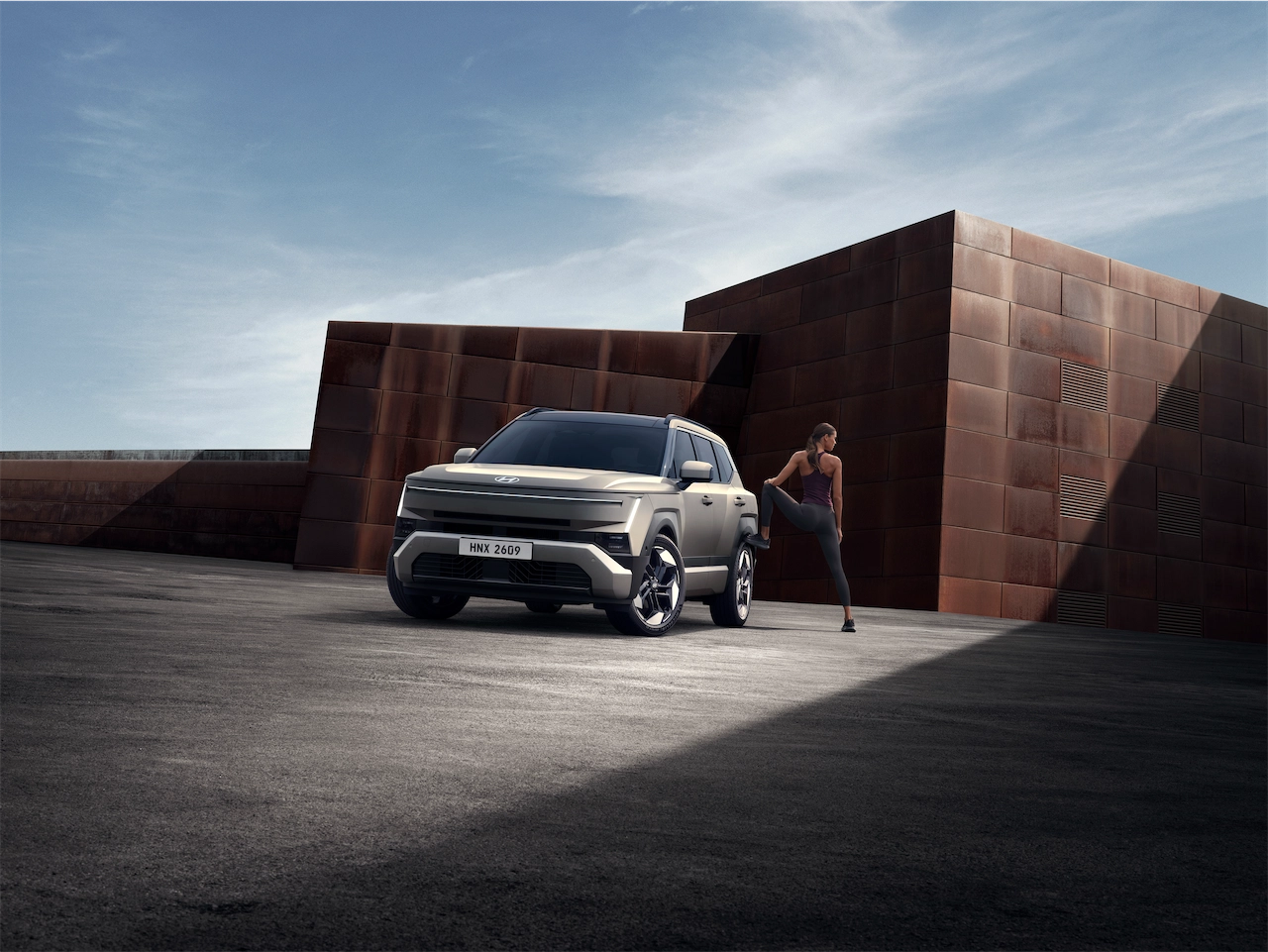
That shows in the details. The new Tucson is longer, wider, and taller than before, with a more rugged look. It also gets a stronger hybrid and an XRT PRO trim aimed at buyers who head off the pavement on weekends. It’s also a big deal for Hyundai’s bottom line. Muñoz said Hyundai sold more than 650,000 Tucsons in over 100 markets last year alone. He called the Tucson the seventh best-selling vehicle in the world, and more than 10 million people have bought one over the past 22 years.
$26 Billion Behind the Message
José Muñoz backed up the priority list with money. Hyundai Motor Group is investing $26 billion in the U.S. between 2025 and 2028, a plan Hyundai expects will create about 25,000 direct jobs. He said nearly $14 billion of those projects are already underway with Hyundai’s partners across four states.
In Georgia, the Metaplant near Savannah is adding another 200,000 units of capacity. Muñoz called the group’s $12.6 billion commitment there the largest economic development project in the state’s history. Hyundai also celebrated a $5.8 billion low-carbon steel mill in Louisiana.
Alabama gets a big piece, too. Hyundai is investing close to half a billion dollars at its Montgomery plant. That money will build the all-new Tucson, its new hybrid engine, the all-new Santa Fe, and the brand’s first extended-range EV. In total, Muñoz said Hyundai is adding 500,000 units of production capacity in North America.
Built Here, Sold Here
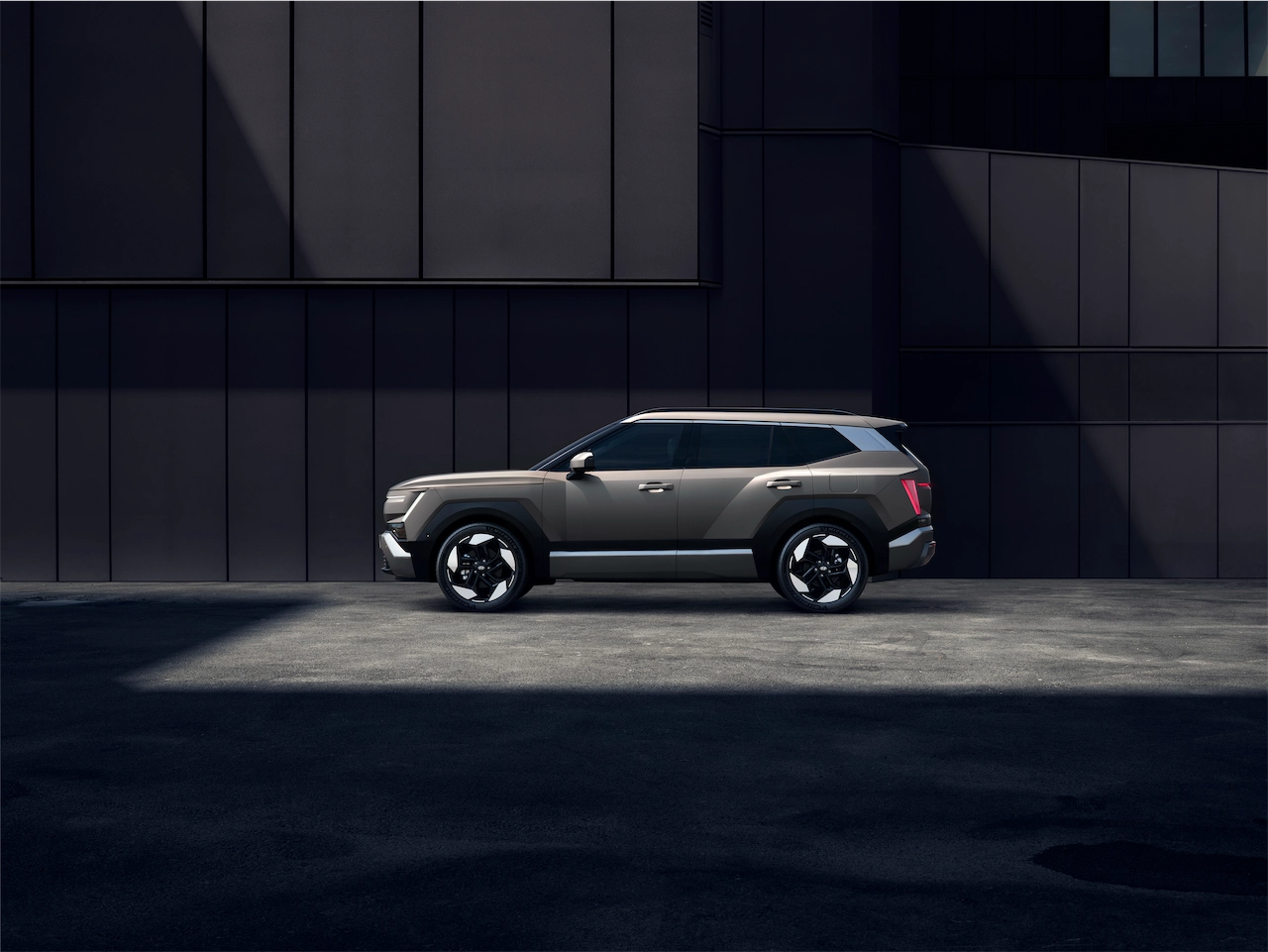
Hyundai has sold more than 17 million vehicles in the U.S. over four decades. It built more than six million of them in Alabama, where Hyundai supports 40,000 direct and indirect jobs. Muñoz said Hyundai will build the Tucson Hybrid in Alabama for the first time. Production will also continue in Korea and the Czech Republic.
“We could say from America to the world, or from the world to America,” he said, “but a big portion is here.”
“We build what we sell,” Muñoz said. “That was true before tariffs, and it will be true long after.”
That matters for families shopping the compact SUV segment. More local production can mean steadier supply and less exposure to tariffs. That’s especially true for hybrids, which Muñoz said Hyundai could sell even more of with more supply. Hyundai’s hybrid sales jumped 67% in the first half of the year. Hybrids also made up 28% of its sales in a record third quarter.
José Muñoz on Stability Over Politics
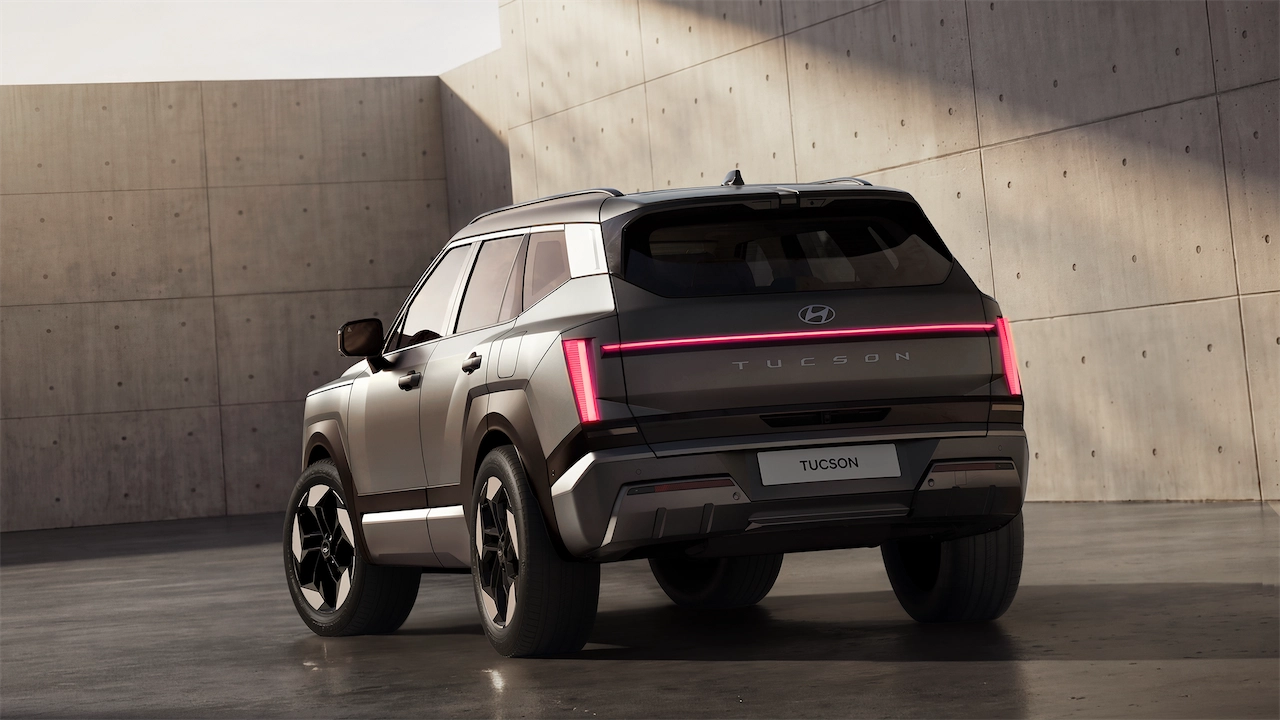
When asked whether the U.S. offers enough political and economic stability to justify that kind of spending, Muñoz replied that Hyundai invests based on markets, not policy changes, and that decisions this big take years to play out.
He pointed back to March 2025. That month, Hyundai opened the Georgia Metaplant on the same day the White House announced new auto tariffs. That plant was years in the making long before tariffs entered the conversation.
“Sometimes the politicians also change, but our company has to continue,” Muñoz said. “If there is one thing which is important for us, it is stability in policies and stability in market conditions.”
For a company that just put the U.S. at the top of its priority list three times over, the message is clear. Hyundai is betting big on American buyers. The new Tucson is the first of 58 new or refreshed models headed to North America by 2030. Catch up on the rest of our coverage, including the Korean design detail hidden in the new Tucson and Hyundai’s cargo accessory idea for makers.